

Vegan Face Care Products: The Complete Guide for 2026
The beauty industry has experienced a remarkable transformation over the past few years, with more people seeking products that align with their ethical values and environmental concerns. Vegan face care products have moved from niche offerings to mainstream must-haves, offering effective solutions for every skin type whilst supporting cruelty-free practices. Whether you're motivated by animal welfare, environmental sustainability, or simply want cleaner ingredients on your skin, understanding what makes these products special can help you make informed choices for your skincare routine.
Understanding What Makes Face Care Truly Vegan
When we talk about vegan face care products, we're referring to formulations that contain absolutely no animal-derived ingredients or by-products. This goes beyond the obvious exclusions like beeswax and lanolin.
Many traditional skincare products contain hidden animal ingredients that might surprise you. Collagen often comes from fish or cows, carmine is derived from crushed insects, and even some vitamin D3 sources come from sheep's wool. Understanding what constitutes natural and vegan ingredients helps you make better purchasing decisions.
Common Animal-Derived Ingredients to Avoid
The list of animal ingredients in conventional skincare is longer than most people realize:
- Lanolin: extracted from sheep's wool, commonly found in lip balms and moisturisers
- Carmine: red pigment made from crushed cochineal insects
- Collagen and Elastin: typically sourced from animal tissue
- Keratin: protein derived from animal hooves, horns, and feathers
- Squalene: often extracted from shark liver oil (though plant-based alternatives exist)
- Guanine: derived from fish scales, used for shimmer effects
Plant-based alternatives for all these ingredients exist and often perform just as well, if not better. The shift towards vegan moisturizers demonstrates how effectively botanical ingredients can replace traditional animal-derived components.
The Benefits of Choosing Plant-Based Face Care
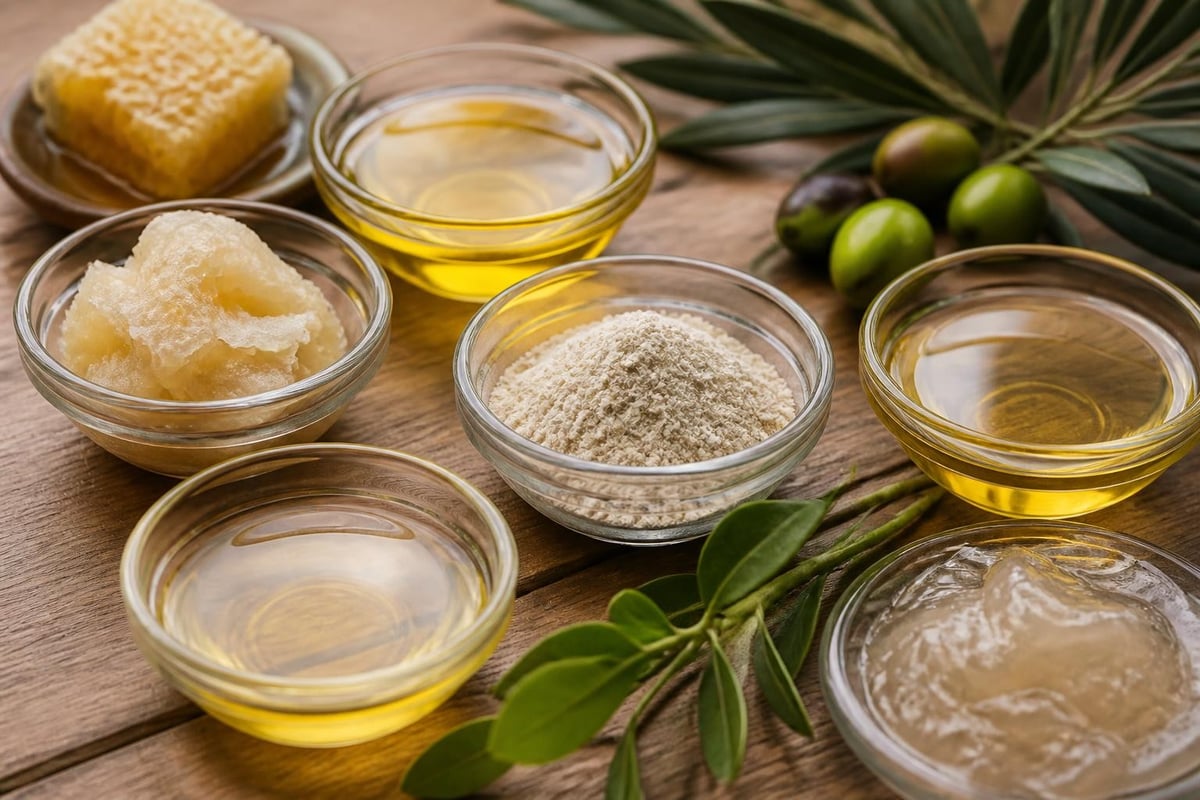
Switching to vegan face care products offers advantages that extend beyond ethical considerations. Many users report improvements in skin health, reduced irritation, and better long-term results.
Gentler on Sensitive Skin
Plant-based formulations tend to be gentler and less likely to cause allergic reactions. Animal-derived ingredients can sometimes trigger sensitivity issues, particularly in people with delicate skin. Products designed for sensitive skin often prioritize plant extracts precisely because they're less irritating.
Natural botanical ingredients like chamomile, aloe vera, and green tea provide soothing properties without the potential allergens found in animal products. This makes them ideal for those struggling with redness, inflammation, or reactive skin conditions.
Rich in Antioxidants and Nutrients
Plants produce powerful compounds to protect themselves from environmental stressors, and these same antioxidants benefit human skin remarkably well:
- Vitamin C from citrus fruits and rosehip brightens and evens skin tone
- Vitamin E from nuts and seeds protects against free radical damage
- Polyphenols from green tea reduce inflammation and signs of aging
- Beta-carotene from carrots promotes skin cell renewal
These nutrients work synergistically to improve skin health at the cellular level. According to Cleveland Clinic's guidance on natural skin care, whilst natural doesn't always mean safer, plant-based ingredients when properly formulated can offer significant benefits.
How to Build Your Vegan Face Care Routine
Creating an effective vegan skincare routine follows the same principles as any good regimen, with the added confidence that your products align with your values.
Morning Routine Essentials
| Step | Product Type | Key Ingredients | Purpose |
|---|---|---|---|
| 1 | Gentle Cleanser | Coconut oil, aloe vera | Remove overnight oils without stripping |
| 2 | Toner | Rose water, witch hazel | Balance pH and prep skin |
| 3 | Serum | Vitamin C, hyaluronic acid | Target specific concerns |
| 4 | Moisturiser | Shea butter, jojoba oil | Hydrate and protect |
| 5 | SPF | Zinc oxide, titanium dioxide | Shield from UV damage |
Starting with a complete range of vegan products ensures consistency in your routine and maximizes results.
Evening Routine for Repair and Renewal
Your nighttime routine focuses on deeper nourishment and repair whilst your skin regenerates. Double cleansing removes makeup and daily buildup, followed by treatments that work overnight.
Plant-based retinol alternatives like bakuchiol offer similar anti-aging benefits without the sensitivity issues. Pair this with rich plant oils such as rosehip, argan, or marula to support your skin's natural barrier function whilst you sleep.
The key is consistency rather than complexity. Understanding the best face care products for your specific needs helps you avoid unnecessary steps and focus on what truly works.
Choosing Vegan Products for Different Skin Types
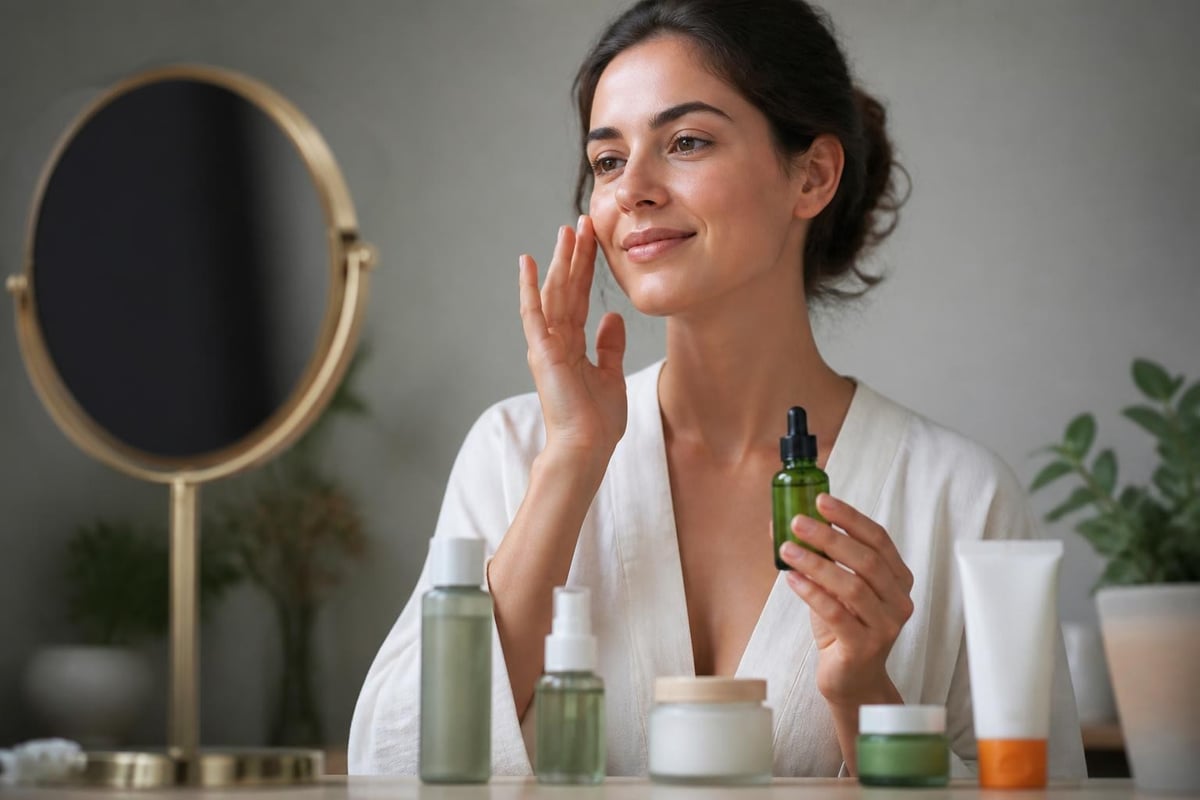
Not all vegan face care products suit every skin type, and understanding your skin's specific needs ensures you select the most beneficial formulations.
Oily and Combination Skin
Those with oily skin often worry that plant oils will make their skin greasier, but this isn't necessarily true. Lightweight oils like jojoba actually mimic skin's natural sebum and can help regulate oil production.
Look for these ingredients:
- Tea tree oil for its antibacterial properties
- Niacinamide to minimize pores
- Salicylic acid from willow bark for gentle exfoliation
- Clay masks with kaolin or bentonite for oil absorption
Water-based gel moisturisers with hyaluronic acid provide hydration without heaviness, perfect for balancing combination zones.
Dry and Mature Skin
Dry skin requires extra nourishment, and vegan products excel at delivering rich hydration through plant butters and oils. Mature skin benefits from the concentrated nutrients found in botanical extracts.
Top ingredients for dry, aging skin:
- Shea butter and cocoa butter for intensive moisture
- Rosehip oil rich in vitamins A and C
- Peptides from plant sources to boost collagen production
- Ceramides to strengthen the skin barrier
- Squalane from olives for non-greasy hydration
Layering these ingredients allows each to penetrate effectively. Start with lighter serums and build up to richer creams, sealing everything in with a facial oil if needed.
Sensitive and Reactive Skin
Sensitive skin skincare requires careful ingredient selection to avoid triggers whilst still addressing skin concerns. Vegan formulations often exclude common irritants found in conventional products.
Calming botanical ingredients work wonderfully for reactive skin. Oat extract soothes inflammation, calendula promotes healing, and cucumber provides cooling relief. Avoiding synthetic fragrances, which are particularly problematic for sensitive skin, is easier with plant-based products that rely on natural essential oils or remain fragrance-free.
Decoding Labels and Certifications
Understanding how to read product labels prevents you from accidentally purchasing products that aren't truly vegan. Marketing terms can be misleading, so knowing what to look for protects your values and your skin.
Essential Certifications to Recognize
| Certification | What It Means | What It Doesn't Cover |
|---|---|---|
| Vegan Society | No animal ingredients or testing | Environmental impact |
| Leaping Bunny | Cruelty-free throughout supply chain | Vegan status |
| PETA Certified | Vegan and cruelty-free | Natural ingredients |
| Soil Association | Organic and ethical sourcing | Always vegan |
The Natural Products Association provides standards for natural personal care products, though natural doesn't automatically mean vegan. Cross-referencing multiple certifications gives you the fullest picture.
Red Flags and Greenwashing
Some brands use vague terms like "plant-based" or "naturally derived" whilst still including animal ingredients. Reading the full ingredient list remains crucial, even when packaging looks green and natural.
Watch for these potential issues:
- "Cruelty-free" doesn't guarantee vegan ingredients
- "Natural" can include beeswax, honey, or lanolin
- Parent companies may test on animals even if the specific brand doesn't
- Some certifications only apply to select products within a range
Best Health Magazine's guide to vegan skin care explores what vegan really means in skincare and helps consumers navigate these distinctions.
The Environmental Impact of Your Skincare Choices
Choosing vegan face care products often aligns with broader environmental concerns, though the connection isn't always straightforward. Understanding the full lifecycle of products helps you make choices that truly support sustainability.
Sustainable Sourcing and Production
Plant-based ingredients generally require fewer resources than animal farming. Growing shea nuts or cultivating aloe vera has a significantly smaller carbon footprint than raising animals for collagen or lanolin.
However, not all plant ingredients are created equal environmentally. Palm oil cultivation has led to deforestation, whilst some botanical extracts require extensive water resources. Look for brands that prioritize:
- Fair trade ingredients that support farming communities
- Organic certification reducing pesticide use
- Renewable resources that regenerate quickly
- Local sourcing when possible to reduce transportation emissions
Non-toxic skincare brands increasingly focus on transparent sourcing practices, allowing consumers to make informed environmental decisions.
Packaging Considerations
The most sustainable product is one that doesn't create waste. Vegan brands often lead the way in eco-friendly packaging innovations:
- Glass containers that can be recycled indefinitely
- Refillable systems reducing single-use packaging
- Biodegradable or compostable materials
- Minimal packaging eliminating unnecessary waste
- Post-consumer recycled materials giving plastics new life
Performance: Do Vegan Products Actually Work?
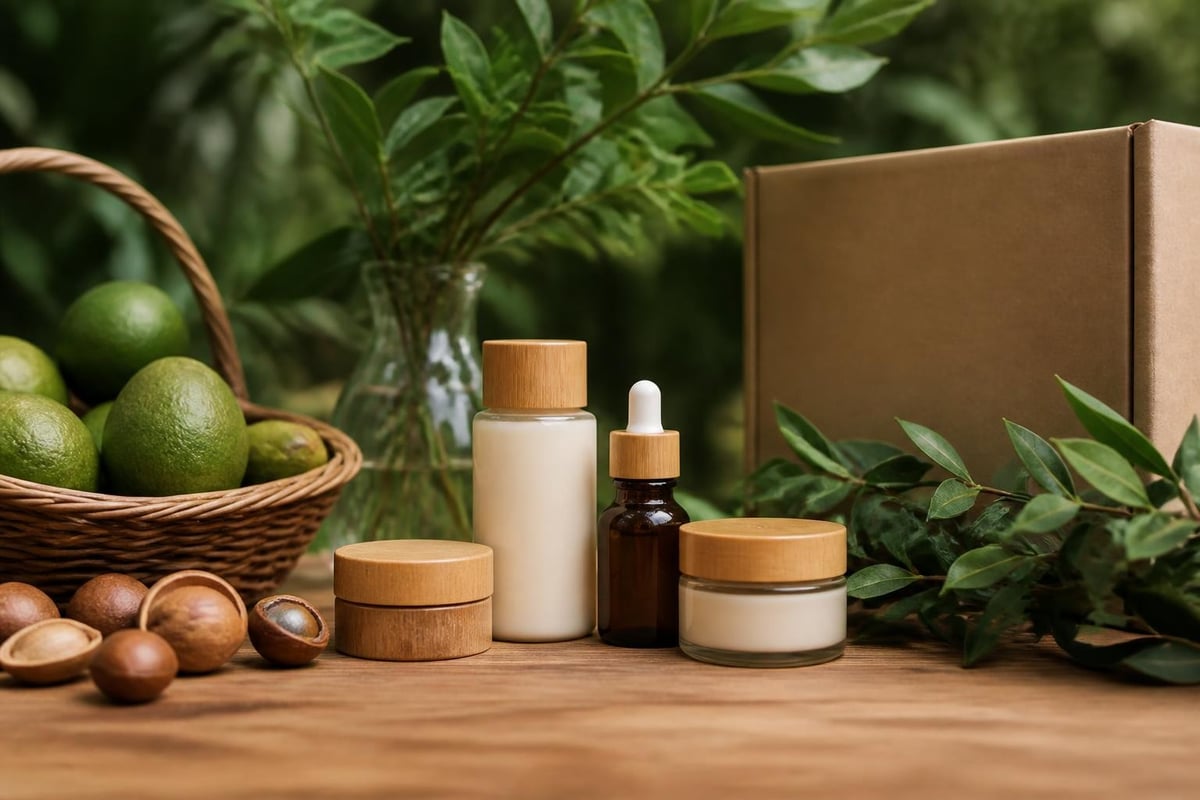
Skeptics sometimes question whether vegan face care products can match the efficacy of conventional formulations. The evidence increasingly shows that plant-based alternatives not only match but often exceed traditional products in performance.
Scientific Research Supporting Plant-Based Ingredients
Modern cosmetic science has identified countless plant compounds with proven skin benefits. Studies demonstrate that botanical extracts can address every skincare concern from acne to aging.
Vitamin C from kakadu plum shows higher stability than synthetic versions. Plant-derived hyaluronic acid performs identically to versions derived from rooster combs. Bakuchiol offers retinol-like benefits without the irritation. These aren't compromises – they're innovations that improve upon traditional formulations.
Real Results from Real People
Customer testimonials consistently highlight improvements in skin texture, tone, and overall health after switching to vegan products. Many report fewer breakouts, reduced sensitivity, and better hydration.
The difference often comes from what's not in the products as much as what is. By eliminating potential irritants and focusing on nutrient-rich plant ingredients, vegan formulations support skin health rather than simply masking problems.
Making the Transition to Vegan Face Care
Switching your entire skincare routine overnight isn't necessary and might even be wasteful. A gradual transition allows you to find what works for your skin whilst using up existing products.
Start with the Basics
Replace your most frequently used products first – typically cleanser and moisturiser. These form the foundation of any routine and have the most significant impact on your skin.
Once you've found vegan face lotions that work well, you can expand to treatment products like serums and masks. This approach lets you assess how your skin responds to plant-based formulations before fully committing.
Patch Testing and Adjustment Period
Even natural, vegan ingredients can cause reactions in some people. Always patch test new products, especially if you have sensitive skin. Apply a small amount behind your ear or on your inner wrist and wait 24-48 hours to check for irritation.
Your skin may need time to adjust when switching from conventional to vegan products. This is particularly true if you've been using products with silicones, which create a temporary smoothness that plant oils replicate differently. Give new products at least four weeks before judging their effectiveness, as this matches your skin's natural renewal cycle.
Where to Find Quality Vegan Face Care Products
The growing demand for vegan skincare means more options than ever, but quality varies significantly. Knowing where to shop ensures you find products that deliver results.
Trusted UK Brands and Retailers
Supporting UK-based companies reduces shipping emissions whilst backing local businesses committed to ethical practices. British skincare brands often maintain higher standards and transparency about their ingredients and manufacturing processes.
Specialist vegan retailers curate selections from verified brands, taking the guesswork out of shopping. Health food shops, ethical beauty boutiques, and dedicated online stores often provide detailed ingredient information and knowledgeable staff who can guide your choices.
Questions to Ask Before Purchasing
When evaluating vegan face care products, consider:
- Are all ingredients truly plant-based, or are there hidden animal derivatives?
- Does the brand test on animals or source from suppliers who do?
- What certifications verify their vegan and cruelty-free claims?
- How do they package their products, and what's the environmental impact?
- Do they offer products suitable for your specific skin type and concerns?
Desert Essence showcases their range of 100% vegan and cruelty-free facial care products with full ingredient transparency, demonstrating the level of detail you should expect from responsible brands.
Common Myths About Vegan Skincare Debunked
Misconceptions about vegan face care products persist despite growing evidence of their effectiveness. Addressing these myths helps consumers make informed decisions based on facts rather than assumptions.
Myth 1: Vegan Products Are Less Effective
This couldn't be further from the truth. Plant-based ingredients contain concentrated nutrients, antioxidants, and therapeutic compounds that often outperform synthetic or animal-derived alternatives. Modern extraction and formulation techniques maximize the potency of botanical ingredients.
Myth 2: All Natural Products Are Vegan
"Natural" and "vegan" aren't interchangeable terms. Honey, beeswax, and lanolin are natural but not vegan. Conversely, some synthetic ingredients like hyaluronic acid can be vegan when lab-created rather than animal-derived.
Myth 3: Vegan Skincare Is Always Expensive
Whilst some premium vegan brands command high prices, inexpensive skin care brands prove that ethical products needn't break the bank. Price reflects many factors beyond ingredients, including packaging, marketing, and retail markup.
Myth 4: You Need Animal Collagen for Anti-Aging
Plant-based alternatives stimulate your skin's own collagen production rather than attempting to add it topically (which doesn't work well anyway, as collagen molecules are too large to penetrate skin). Ingredients like vitamin C, peptides, and retinol alternatives deliver superior anti-aging results.
The Future of Vegan Face Care
The trajectory of the beauty industry clearly points toward more ethical, sustainable, and effective plant-based formulations. Innovation continues to accelerate as demand grows and technology advances.
Emerging Ingredients and Technologies
Scientists are discovering new botanical sources with remarkable skincare benefits. Marine plants, adaptogenic herbs, and fermented ingredients represent the cutting edge of vegan formulation. Biotechnology allows us to create identical compounds to animal-derived ingredients using plant sources or fermentation, combining ethics with efficacy.
Innovations to watch:
- Biofermented ingredients with enhanced absorption
- Microbiome-friendly formulas supporting skin health
- Waterless products reducing environmental impact
- Upcycled ingredients from food industry by-products
The line between "conventional" and "vegan" skincare continues to blur as mainstream brands recognize the superior performance of plant-based formulations. What was once niche is rapidly becoming standard practice.
Consumer Demand Driving Change
Your purchasing choices have power. As more people prioritize vegan face care products, brands respond by reformulating existing products and developing new plant-based options. This creates a positive cycle where increased demand leads to better products, more research, and lower prices.
Popular skin care products increasingly include vegan options as brands recognize this isn't a passing trend but a fundamental shift in consumer values and expectations.
Addressing Specific Skin Concerns with Vegan Products
Every skin type faces unique challenges, and vegan face care products offer targeted solutions for specific concerns without compromising on ethics or effectiveness.
Acne and Blemish-Prone Skin
Plant-based ingredients excel at addressing acne through multiple mechanisms. Tea tree oil provides antibacterial action, willow bark offers natural salicylic acid, and niacinamide reduces inflammation whilst regulating oil production.
Unlike harsh conventional acne treatments that strip skin and cause irritation, vegan alternatives work with your skin's natural processes. This gentler approach often delivers better long-term results with fewer side effects.
Hyperpigmentation and Uneven Tone
Brightening ingredients from plant sources include:
- Vitamin C from kakadu plum or rosehip
- Kojic acid from mushrooms
- Licorice root extract
- Alpha arbutin from bearberry
- Azelaic acid from grains
These ingredients inhibit melanin production, fade existing dark spots, and promote an even complexion. Combined with gentle exfoliation from fruit enzymes, they reveal brighter, more radiant skin.
Redness and Rosacea
Calming botanical ingredients specifically benefit reactive skin conditions. Centella asiatica reduces inflammation, green tea provides antioxidant protection, and chamomile soothes irritation. These gentle plant extracts strengthen capillaries and reduce the flushing associated with rosacea.
Avoiding common triggers found in conventional products – synthetic fragrances, harsh surfactants, and certain preservatives – becomes easier with carefully formulated vegan options.
The Connection Between Diet and Topical Vegan Care
Whilst this article focuses on topical vegan face care products, the connection between what you eat and how your skin looks deserves mention. Many people who choose vegan skincare also follow plant-based diets, creating synergistic benefits.
Internal and External Nourishment
The same antioxidants, vitamins, and minerals that benefit your skin when applied topically also work from within when consumed. A diet rich in fruits, vegetables, nuts, and seeds provides the building blocks for healthy skin, whilst topical products deliver concentrated nutrients directly where needed.
This dual approach – nourishing your skin from both inside and out – often produces the most dramatic improvements in skin health and appearance.
The shift toward vegan face care products represents more than a trend – it's a meaningful change in how we think about beauty, ethics, and environmental responsibility. Plant-based formulations deliver exceptional results whilst aligning with values that matter to an increasing number of conscious consumers. If you're ready to experience the benefits of truly ethical, effective skincare, White Rabbit Skin Care offers a complete range of natural, vegan products crafted with the finest botanical ingredients and suitable for every skin type. Your journey to healthier skin and a clearer conscience starts with making informed choices that benefit both you and the planet.