

Good Vegan Moisturiser: Your Complete Guide for 2026
Finding a good vegan moisturiser has become easier than ever in 2026, as more skincare brands embrace plant-based formulations that deliver exceptional results without compromising on ethics. Whether you're motivated by environmental concerns, animal welfare, or simply want to avoid animal-derived ingredients in your skincare routine, choosing vegan products doesn't mean sacrificing quality or effectiveness. The modern vegan moisturiser market offers sophisticated formulations that rival traditional products whilst supporting sustainable practices and cruelty-free values. Understanding what makes a moisturiser truly vegan and how to select the right one for your skin type empowers you to make informed decisions that benefit both your complexion and your conscience.
Understanding What Makes a Moisturiser Vegan
A truly good vegan moisturiser contains absolutely no animal-derived ingredients or by-products. This extends beyond the obvious exclusions like beeswax and lanolin to encompass less visible components such as collagen, keratin, and even some forms of hyaluronic acid that may be sourced from animal tissues.
Common animal-derived ingredients to avoid include:
- Beeswax (replaced with candelilla or carnauba wax)
- Lanolin from sheep's wool (substituted with plant oils)
- Collagen from animal tissues (plant collagen available)
- Squalene from shark liver (plant squalane is widely used)
- Carmine for colour (beetroot or other plant pigments work beautifully)
The distinction between vegan and cruelty-free matters significantly. Whilst all vegan products should theoretically be cruelty-free, a cruelty-free product isn't necessarily vegan as it might contain animal by-products obtained without direct harm. Look for certifications from organisations like The Vegan Society or PETA to ensure your moisturiser meets both criteria.
Key Plant-Based Ingredients That Work
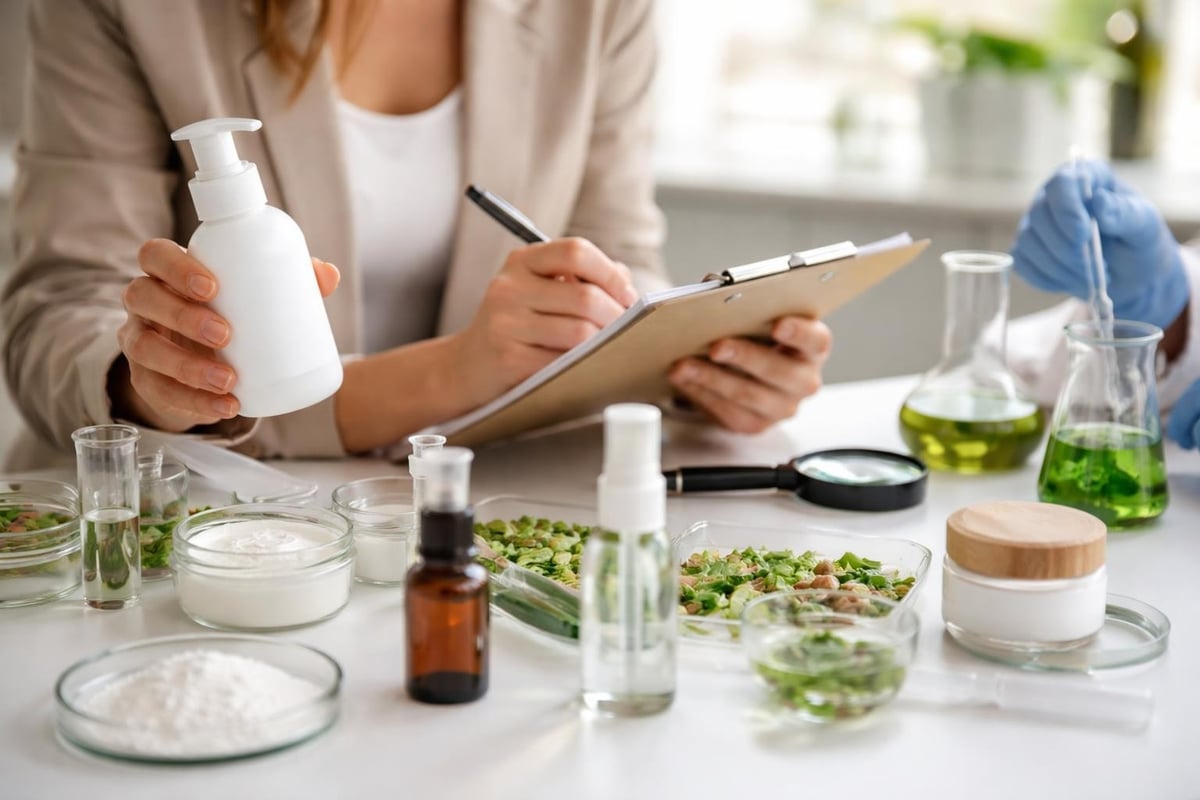
Modern vegan formulations harness the power of botanical ingredients that deliver impressive hydration and nourishment. Hyaluronic acid, now commonly derived from bacterial fermentation, provides the same moisture-binding properties without animal sourcing. Plant ceramides extracted from wheat, rice, or soy mimic skin's natural lipid barrier, whilst shea butter, coconut oil, and jojoba oil offer rich emolliency.
Advanced formulations incorporate innovative ingredients like bakuchiol (a plant-based retinol alternative), sea kelp bioferments, and fermented rice water. These components provide anti-ageing benefits, improved texture, and enhanced absorption without relying on animal derivatives.
Choosing the Right Vegan Moisturiser for Your Skin Type
Selecting a good vegan moisturiser requires understanding your unique skin needs and matching them with appropriate formulations. The diversity of plant-based ingredients means there's an ideal vegan option for every skin type and concern.
Dry and Dehydrated Skin Solutions
If your skin feels tight, flaky, or uncomfortable, you need deeply nourishing ingredients that restore the moisture barrier. Look for a good vegan moisturiser containing:
- Shea butter – Provides intense hydration and essential fatty acids
- Avocado oil – Rich in vitamins A, D, and E for deep nourishment
- Squalane (plant-derived) – Mimics skin's natural oils for optimal absorption
- Coconut oil – Offers antimicrobial properties alongside moisturisation
- Oat extract – Soothes irritation whilst locking in moisture
Products like the rose and orange night cream deliver concentrated overnight hydration using botanical oils that penetrate deeply whilst you sleep.
| Ingredient | Primary Benefit | Best For |
|---|---|---|
| Shea Butter | Deep moisture retention | Very dry, mature skin |
| Jojoba Oil | Balances oil production | All skin types |
| Rosehip Oil | Vitamin C & regeneration | Dry, ageing skin |
| Argan Oil | Lightweight hydration | Normal to dry skin |
Oily and Combination Skin Formulations
Contrary to popular belief, oily skin absolutely needs moisturisation – just the right kind. A good vegan moisturiser for oily skin should be lightweight, non-comedogenic, and balance sebum production rather than strip it away.
Gel-based formulations work wonderfully, incorporating ingredients like aloe vera, hyaluronic acid, and niacinamide. These provide essential hydration without adding excess oils that could trigger breakouts. Tea tree oil, willow bark extract, and green tea offer additional benefits by controlling bacteria and reducing inflammation.
The coconut rosehip calming cream demonstrates how lightweight botanical formulations can hydrate without overwhelming combination skin types.
Sensitive Skin Considerations
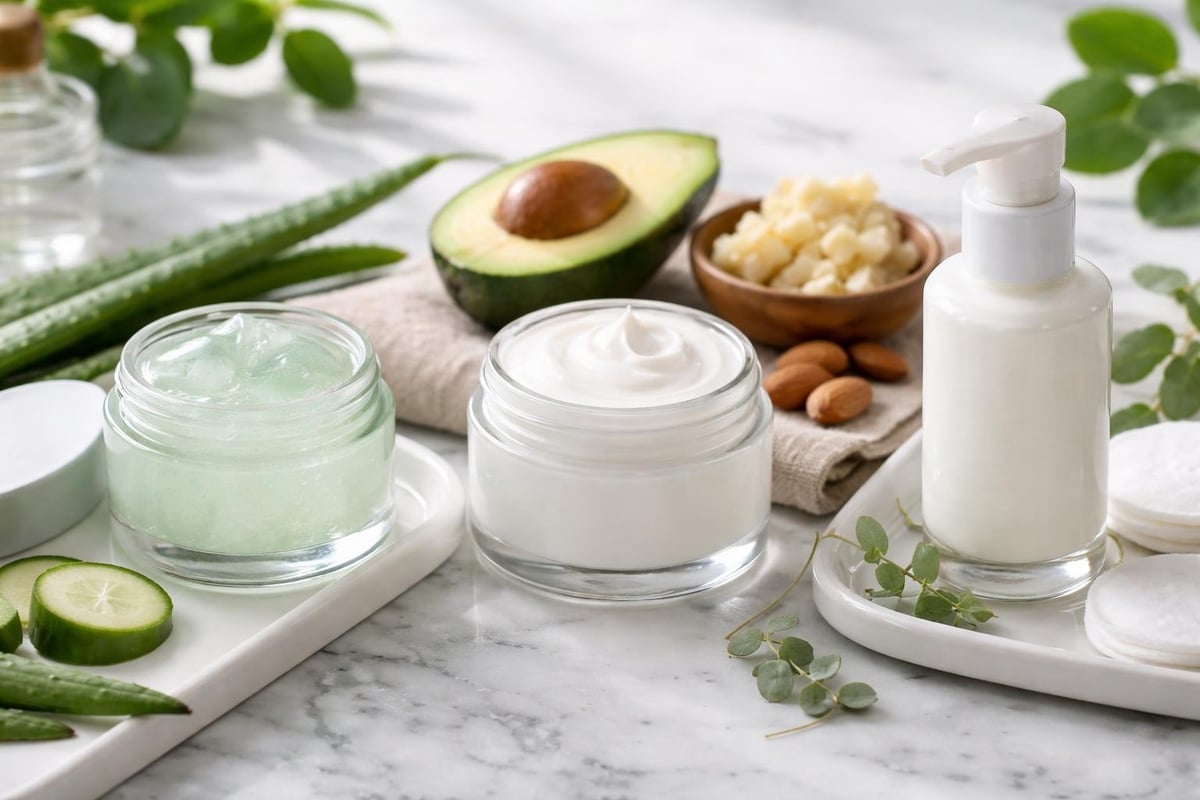
Sensitive skin requires extra care when selecting skincare products. A good vegan moisturiser for reactive skin should be free from synthetic fragrances, harsh preservatives, and known irritants. Plant-based formulations often prove gentler because they avoid many synthetic chemicals that trigger reactions.
Soothing ingredients to seek out:
- Chamomile extract for calming inflammation
- Calendula for healing and protection
- Oat beta-glucan for barrier repair
- Cucumber extract for cooling relief
- Centella asiatica for strengthening skin
When exploring sensitive skin skincare brands, prioritise those with minimal ingredient lists and transparent sourcing practices.
Essential Ingredients That Define Quality
The effectiveness of a good vegan moisturiser depends largely on its ingredient composition and formulation quality. Understanding which components deliver real results helps you navigate marketing claims and select products that truly perform.
Humectants for Moisture Attraction
Humectants draw water into the skin from both the environment and deeper dermal layers. Glycerine, derived from vegetable sources, remains one of the most effective and affordable options. Hyaluronic acid, now commonly produced through vegan-friendly fermentation processes, can hold up to 1000 times its weight in water.
Newer humectants like tremella mushroom extract and plant-derived pentylene glycol offer sophisticated alternatives with additional skin benefits. These ingredients work synergistically to maintain optimal hydration levels throughout the day.
Emollients and Occlusives
Whilst humectants attract moisture, emollients smooth and soften skin texture, and occlusives seal everything in. Plant oils and butters serve dual purposes as both emollients and occlusives in vegan formulations.
| Category | Examples | Function |
|---|---|---|
| Emollients | Jojoba, argan, sweet almond oil | Smooth and soften |
| Occlusives | Shea butter, candelilla wax | Lock in moisture |
| Humectants | Glycerine, hyaluronic acid, aloe | Attract water |
A truly effective formula balances all three categories, ensuring skin receives comprehensive hydration that lasts.
Active Botanical Ingredients
Beyond basic moisturisation, a good vegan moisturiser should incorporate active ingredients that address specific concerns. Vitamin C from kakadu plum or rosehip provides brightening and antioxidant protection. Bakuchiol offers gentle retinol-like benefits without the irritation often associated with vitamin A derivatives.
Plant peptides from rice, soy, or pea proteins stimulate collagen production naturally. Alpha hydroxy acids from fruit sources gently exfoliate, whilst botanical antioxidants combat environmental damage and premature ageing.
The Science Behind Vegan Formulation
Creating a good vegan moisturiser requires sophisticated understanding of how plant-based ingredients interact with skin biology. Modern formulation science has advanced dramatically, allowing vegan products to match or exceed the performance of traditional moisturisers.
Skin Barrier Function and Plant Lipids
Your skin's protective barrier consists primarily of ceramides, cholesterol, and fatty acids arranged in precise ratios. Plant-derived alternatives can replicate this structure remarkably well. Wheat ceramides, rice bran ceramides, and lipids from sunflower and safflower oils create similar protective matrices.
Research published in 2025 demonstrated that certain plant lipid combinations actually integrate more efficiently into the skin barrier than some animal-derived alternatives, providing superior moisture retention and protection against environmental stressors.
Absorption and Bioavailability
The molecular structure of plant oils often closely resembles human sebum, facilitating better absorption and utilisation by skin cells. Jojoba oil, technically a liquid wax ester, mirrors sebum so closely that skin recognises and incorporates it seamlessly into existing lipid structures.
Factors affecting absorption:
- Molecular weight and size of ingredients
- Skin temperature and hydration status
- Formulation pH and emulsification method
- Complementary ingredient combinations
- Application technique and timing
Advanced extraction and processing methods preserve the beneficial compounds in plant ingredients whilst ensuring stability and shelf life. Cold-pressing, supercritical CO2 extraction, and enzymatic processes maintain nutrient integrity better than traditional methods.
Shopping Smart for Vegan Moisturisers
Navigating the marketplace requires knowing which questions to ask and which claims truly matter. Not all products marketed as natural or plant-based meet vegan standards, and certifications vary in their stringency.
Reading Labels Effectively
Ingredient lists appear in descending order by weight, so components listed first comprise the bulk of the formulation. Water typically tops the list in most moisturisers, followed by key active ingredients and then preservatives and fragrance components.
Watch for hidden animal derivatives with unfamiliar names. Stearic acid might be plant or animal-derived. Glycerine could come from vegetables or animal fats. Reputable brands clarify sources, but when in doubt, contact manufacturers directly about specific ingredients.
Understanding how to use our products properly maximises their effectiveness and ensures you're getting full value from your investment in quality vegan skincare.
Price vs Quality Considerations
A good vegan moisturiser doesn't necessarily carry a premium price tag. Whilst some luxury formulations justify higher costs through rare botanicals and advanced delivery systems, many excellent options exist at moderate price points.
Consider these value indicators:
- Ingredient quality and sourcing transparency
- Concentration of active components
- Packaging that preserves product integrity
- Brand commitment to sustainability and ethics
- Customer reviews and independent testing results
Exploring best all natural skin products helps identify brands that balance quality with accessibility, offering effective formulations without inflated pricing.
Certification and Verification
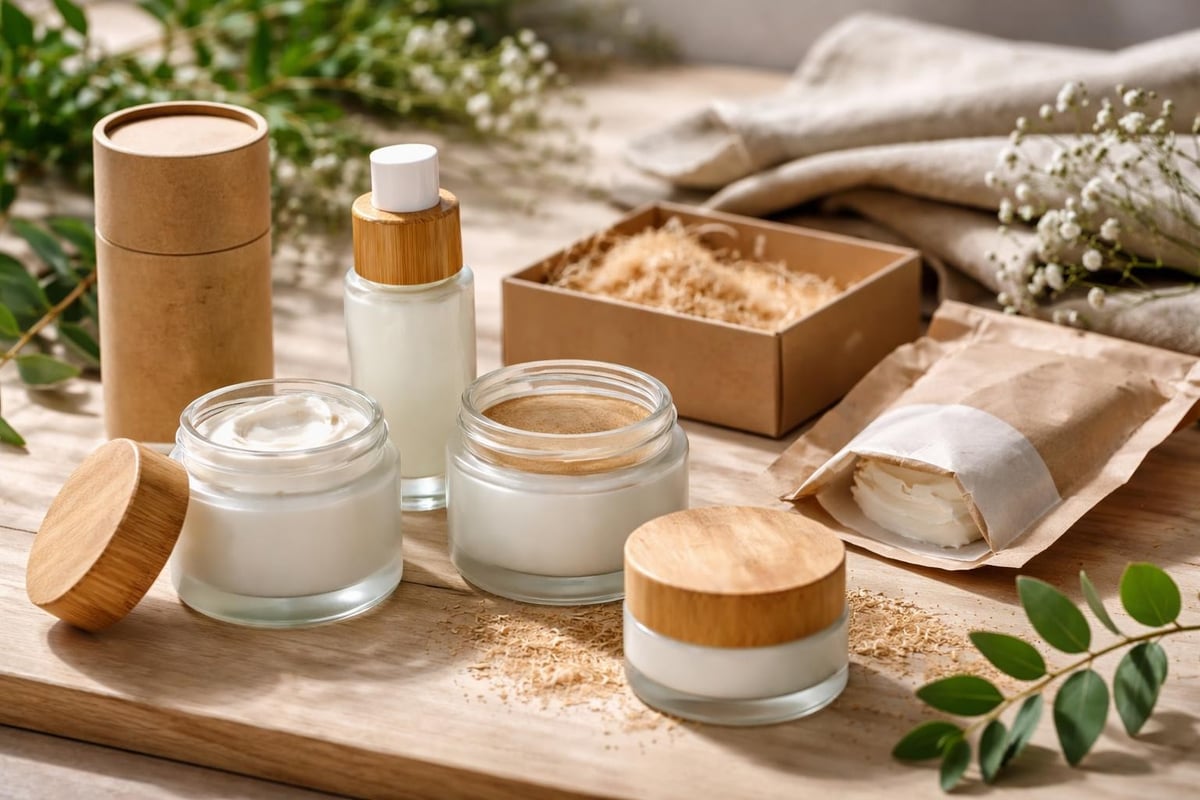
Third-party certifications provide assurance that products meet defined vegan standards. The Vegan Society's Vegan Trademark represents the gold standard in the UK, requiring comprehensive verification of ingredients, manufacturing processes, and ongoing compliance.
Other respected certifications include:
| Certification | Criteria | Recognition |
|---|---|---|
| Vegan Society | No animal ingredients/testing | International |
| PETA Cruelty-Free | No animal testing | Global |
| Leaping Bunny | Cruelty-free verification | Worldwide |
| Soil Association | Organic & ethical standards | UK-focused |
When researching best non-toxic skincare brands, these certifications serve as reliable filters for ethical and effective products.
Building Your Vegan Skincare Routine
A good vegan moisturiser functions optimally when integrated into a comprehensive skincare routine using complementary products. Layering techniques and application timing significantly impact results.
Morning Hydration Strategy
Morning routines focus on protection and preparation for the day ahead. After cleansing and toning, apply your moisturiser to slightly damp skin for enhanced absorption. This traps water molecules and helps active ingredients penetrate more effectively.
Follow this sequence for best results:
- Gentle vegan cleanser to remove overnight oils
- Alcohol-free toner to balance pH
- Serum with targeted actives (vitamin C works beautifully)
- Good vegan moisturiser suitable for your skin type
- SPF protection (many vegan options available)
The anti-ageing rose frankincense day cream exemplifies how daytime formulations combine hydration with protective antioxidants.
Evening Restoration Protocol
Night-time presents an opportunity for deeper nourishment as skin enters repair mode during sleep. Evening moisturisers can be richer and more concentrated since there's no concern about makeup application or sun exposure.
Consider incorporating face oils or overnight masks in addition to your regular moisturiser for intensive treatment. Plant oils like argan, rosehip, and marula provide concentrated nutrients that support overnight regeneration.
Seasonal Adjustments
Your skin's needs fluctuate with environmental conditions. A good vegan moisturiser that works perfectly in summer might prove insufficient during harsh winter months. Keep both lighter and richer formulations on hand to adjust as needed.
Winter considerations:
- Increase moisture levels with butter-based creams
- Add facial oils for extra protection
- Apply more frequently throughout the day
- Use humidifiers to combat dry indoor air
Summer modifications:
- Switch to lighter, gel-based formulations
- Focus on oil-free hydration
- Ensure SPF integration
- Consider mattifying ingredients for shine control
Real Results from Plant-Based Formulations
The proof of any moisturiser lies in visible improvements to skin health and appearance. Modern vegan formulations deliver measurable results that rival conventional products across multiple parameters.
Clinical Evidence and Research
Recent studies comparing vegan and conventional moisturisers show comparable or superior performance in hydration retention, barrier function improvement, and user satisfaction. A 2025 study published in the Journal of Cosmetic Dermatology found that plant ceramide-based moisturisers improved skin barrier function by 34% over eight weeks.
Consumer trials consistently report high satisfaction rates with natural vegan formulations, particularly regarding reduced sensitivity reactions and improved skin texture. The absence of synthetic fragrances and harsh preservatives contributes to better tolerance among those with reactive skin.
Timeline for Visible Improvement
Realistic expectations support successful skincare journeys. While basic hydration improves immediately, deeper changes require consistent use over time.
| Timeframe | Expected Changes | What's Happening |
|---|---|---|
| 1-3 days | Immediate softness, reduced tightness | Surface hydration |
| 1-2 weeks | Improved texture, subtle glow | Barrier strengthening |
| 4-6 weeks | Enhanced radiance, reduced fine lines | Cell turnover acceleration |
| 3+ months | Significant texture improvement, firmness | Deep cellular changes |
Patience and consistency matter more than expensive products when building healthy skin. A moderately priced good vegan moisturiser used religiously outperforms luxury products applied sporadically.
Common Misconceptions About Vegan Moisturisers
Several persistent myths discourage people from exploring plant-based skincare options. Dispelling these misconceptions helps you make confident, informed choices.
"Vegan Products Aren't as Effective"
This outdated belief stems from early natural skincare products that prioritised ethics over efficacy. Modern formulation science has completely transformed vegan skincare. Advanced extraction methods, biofermentation technology, and sophisticated delivery systems mean plant-based ingredients often outperform their synthetic counterparts.
Clinical testing demonstrates that properly formulated vegan moisturisers deliver hydration, anti-ageing benefits, and skin barrier support equal to conventional products. The key lies in selecting well-formulated products from reputable manufacturers rather than assuming all vegan options are equally effective.
"Natural Means Preservative-Free"
Another dangerous misconception suggests vegan or natural products don't need preservatives. Any water-based product requires preservation to prevent bacterial and fungal growth. A good vegan moisturiser uses plant-derived or nature-identical preservatives like vitamin E, rosemary extract, or radish root ferment filtrate.
These natural preservation systems protect product integrity and ensure safety without relying on controversial synthetic preservatives like parabens or formaldehyde-releasing agents.
"Vegan Skincare Is Always Expensive"
While some premium vegan brands command high prices, plenty of affordable options deliver excellent results. Price reflects factors like packaging, marketing, ingredient sourcing, and brand positioning rather than necessarily indicating superior formulation.
Looking at inexpensive skin care brands reveals that accessible pricing and vegan credentials frequently coexist, making ethical skincare choices available to everyone.
Sustainability and Environmental Impact
Choosing a good vegan moisturiser extends benefits beyond personal skincare to encompass broader environmental and ethical considerations. Understanding these connections enriches your purchasing decisions.
Carbon Footprint Comparison
Plant-based ingredients generally require fewer resources and generate lower carbon emissions than animal-derived alternatives. Growing plants for skincare ingredients produces less greenhouse gas than animal agriculture, whilst requiring less water and land per unit of ingredient produced.
Sustainable sourcing practices, including organic farming, fair trade partnerships, and biodiversity protection, further reduce environmental impact. Many vegan brands prioritise these practices, recognising that true sustainability encompasses the entire supply chain.
Packaging Innovation
Progressive vegan brands lead packaging innovation, using recycled materials, refillable systems, and biodegradable containers. Glass jars, aluminium tins, and post-consumer recycled plastic reduce virgin material consumption.
Sustainable packaging features to look for:
- Recyclable or compostable materials
- Minimal outer packaging
- Refill programmes
- Concentrated formulas requiring less packaging
- Local production reducing transport emissions
Supporting brands committed to sustainability and quality encourages industry-wide adoption of environmentally responsible practices.
Ethical Sourcing Transparency
Beyond vegan certification, ethical brands provide transparency about ingredient sourcing, fair labour practices, and community impact. Direct trade relationships with ingredient suppliers ensure fair compensation and sustainable harvesting practices.
Look for brands that share detailed information about where ingredients originate, how they're processed, and what impact their sourcing has on local communities and ecosystems. This transparency indicates genuine commitment to ethical practices rather than mere marketing positioning.
Making the Switch to Vegan Moisturisers
Transitioning to plant-based skincare doesn't require dramatic overnight changes. A thoughtful, gradual approach often produces the best results and helps you identify products that truly suit your needs.
Transitioning Your Routine
Start by replacing your current moisturiser with a good vegan moisturiser matched to your skin type. Allow at least four weeks of consistent use before evaluating results, as skin requires time to adjust to new formulations.
Keep a simple skincare journal noting:
- Application dates and amounts used
- Skin appearance and texture changes
- Any sensitivity or reactions
- Environmental factors (weather, stress, diet changes)
- Overall satisfaction levels
This record helps identify patterns and determine whether specific products work for your unique skin profile.
Addressing Adjustment Period Concerns
Some people experience a brief adjustment period when switching from conventional to vegan products. This "purging" phase occurs as skin adapts to different ingredient profiles and sometimes accelerates the turnover of congested pores.
True adjustment typically resolves within two to three weeks. If irritation persists beyond this timeframe, the product likely isn't suitable for your skin rather than representing a normal transition response.
Patch Testing New Products
Always patch test new products, regardless of their natural or vegan status. Plant ingredients can still trigger allergic reactions in sensitive individuals. Apply a small amount to your inner forearm or behind your ear, then monitor for 24-48 hours before full facial application.
This simple precaution prevents potentially uncomfortable reactions and helps identify specific ingredient sensitivities before they affect your entire face.
Choosing a good vegan moisturiser represents a powerful intersection of self-care and ethical consumption, proving that effective skincare doesn't require compromise on values or results. The plant-based formulations available in 2026 demonstrate how innovation and nature combine to nourish skin whilst supporting sustainability and animal welfare. White Rabbit Skin Care offers carefully crafted vegan moisturisers and complete skincare solutions tailored to your unique needs, combining the finest natural ingredients with unwavering commitment to cruelty-free practices. Explore their range today to discover how natural, ethical skincare can transform your daily routine.