


Sensitive Skin Skincare Guide: Expert Tips For 2026
Does your skincare routine leave you with redness, irritation, or unexpected flare-ups? You are not alone. Sensitive skin skincare can feel overwhelming, especially when even gentle products seem risky.
This guide is here to help. We will explore the latest expert tips for 2026, giving you the confidence to manage sensitive skin skincare with ease. Discover what causes skin sensitivity, how to create a soothing routine, which ingredients to use or avoid, and the best expert-approved products.
Let us empower you with practical steps and the most up-to-date science-backed advice for a calm, radiant complexion.
Understanding Sensitive Skin: Causes and Triggers
Do you ever feel like your skin reacts to almost everything? Navigating sensitive skin skincare can be frustrating, especially when you’re not sure what’s causing the discomfort. Let’s break down what sensitive skin really means, why it happens, and how you can spot your personal triggers.

What Is Sensitive Skin?
Sensitive skin skincare starts with understanding what sensitive skin actually is. Sensitive skin describes a condition where your skin is more reactive than usual. Common symptoms include redness, stinging, tightness, and occasional flakiness. These sensations often occur after applying certain products or when exposed to environmental changes.
Did you know that sensitive skin affects a significant portion of the population? Studies show that up to 60% of women and 40% of men report sensitive skin, though some research suggests the global prevalence may be even higher. According to a global prevalence of self-declared sensitive skin, this concern is widespread and growing. Unlike allergies or chronic skin conditions, sensitive skin isn’t always linked to a medical diagnosis. Instead, it’s defined by how your skin feels and reacts in daily life.
Common Causes of Sensitivity
There are several reasons behind sensitive skin skincare challenges. Genetics play a role—if your family members have sensitive skin, you might too. A weakened skin barrier is another common cause, making your skin more vulnerable to irritants and moisture loss.
Environmental factors are also at play. Pollution, harsh weather, and UV exposure can all disrupt your skin’s balance. Overusing strong cleansers or exfoliants can strip away protective oils, leaving your skin exposed. Sometimes, underlying conditions like eczema, rosacea, or atopic dermatitis make your skin more prone to sensitivity. Understanding these causes is a key step in building a routine that supports your skin’s health.
Everyday Triggers to Avoid
Sensitive skin skincare means being mindful of everyday triggers. Weather extremes such as wind, sun, or cold can make symptoms worse. Many skincare products contain fragrances, alcohol, and preservatives that can irritate delicate skin. Even something as simple as hard water or swimming in chlorinated pools can lead to discomfort.
Stress and hormonal changes are also frequent culprits. High stress levels or fluctuations during your menstrual cycle can make your skin more reactive. By identifying and reducing these triggers, you’ll create a calmer environment for your skin to thrive.
How to Identify Your Unique Triggers
Everyone’s sensitive skin skincare journey is unique. One of the best ways to pinpoint your personal triggers is by keeping a skin diary. Note down which products you use, the environment you’re in, and how your skin feels each day.
Patch testing new products is another helpful step—apply a small amount to your inner arm before using it on your face. If you’re still struggling, a dermatologist can help identify underlying issues. Looking ahead to 2026, digital tools and skin analysis apps are making it easier than ever to track flare-ups and patterns. With these strategies, you’ll gain confidence in managing your sensitive skin skincare routine.
Building a Sensitive Skin Routine: Step-by-Step Guide
Creating a sensitive skin skincare routine is all about patience, consistency, and listening to your skin’s signals. Every step matters, and the right approach can help us achieve that calm, comfortable complexion we all crave. Let’s walk through each stage together, so your skin feels cared for every single day.
Step 1: Gentle Cleansing
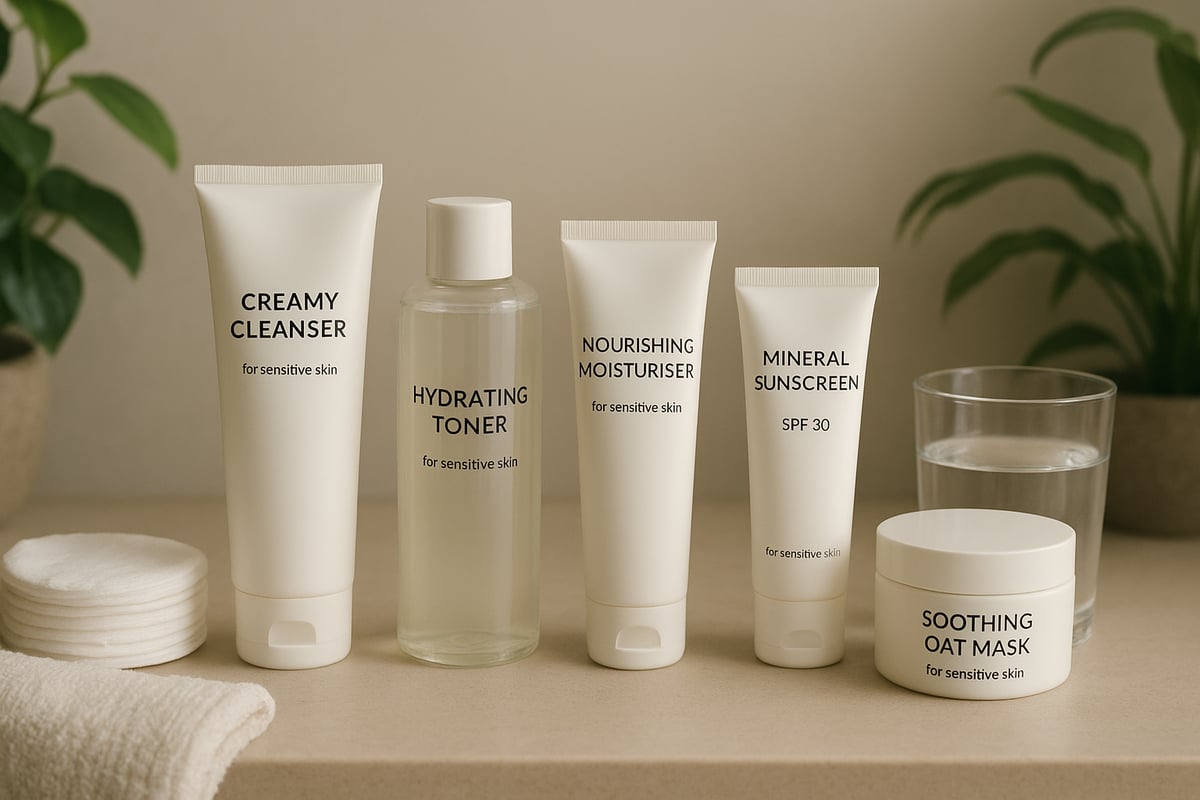
Cleansing is the foundation of every sensitive skin skincare routine. Choose a pH-balanced, fragrance-free cleanser that respects your skin’s barrier. Both micellar water and creamy cleansers work well, but the best option is one that leaves your skin feeling clean but never tight or dry.
- Opt for micellar water if you wear minimal makeup or want a quick, no-rinse cleanse.
- Creamy cleansers are ideal for thorough yet gentle cleansing, especially if your skin feels dry or reactive.
- Stay away from foaming agents and sulphates, as these can strip away natural oils and trigger irritation.
If you’re ever unsure about how to use new products correctly or want step-by-step instructions, the How to Use Our Products page offers a supportive guide tailored for sensitive skin skincare routines.
Step 2: Hydration and Moisturising
Hydration is essential for strengthening and soothing sensitive skin. Look for moisturisers with ingredients like ceramides, hyaluronic acid, and squalane. These help rebuild your skin’s natural defences while locking in moisture.
- Layer hydration by starting with a gentle mist, following with a lightweight serum, and sealing everything in with a nourishing cream.
- For daytime, pick a moisturiser that absorbs quickly and doesn’t feel greasy.
- At night, opt for a richer cream to support overnight repair.
Reapply as needed, especially after cleansing or if your skin feels parched. A well-hydrated complexion is key to comfortable and resilient sensitive skin skincare.
Step 3: Treatment and Serums
Introducing treatment products can be tricky for sensitive skin skincare. The golden rule is to go slow and always patch test. Gentle actives like niacinamide and azelaic acid offer visible benefits without overwhelming your skin.
- Start with a low concentration and only use a new product every few nights.
- Monitor your skin’s response, increasing frequency as tolerated.
- Avoid retinoids and strong acids unless your dermatologist specifically recommends them.
Spot-testing is your best friend here. By gradually introducing actives, you can enjoy the rewards of targeted treatment without the risk of flare-ups.
Step 4: Sun Protection
Daily sun protection is a non-negotiable in any sensitive skin skincare routine. Mineral sunscreens are often best, using zinc oxide or titanium dioxide to physically block UV rays without causing irritation.
- Choose a formula designed for sensitive skin, ideally fragrance-free and non-comedogenic.
- Decide between lotion, stick, or spray formats based on your preference and ease of reapplication.
- Remember to wear SPF every day, even when indoors, as UV and blue light can still affect your skin.
Consistent sun protection prevents redness, premature ageing, and keeps your sensitive skin calm and healthy for the long term.
Step 5: Weekly Extras and Self-Care
A little self-care goes a long way in sensitive skin skincare. Add soothing masks with oat, chamomile, or calendula to your weekly routine for an instant comfort boost.
- Limit exfoliation to once a week, choosing enzyme-based products over scrubs to avoid micro-tears.
- Prioritise gentle, hydrating formulas over anything harsh.
- Support your skin from the inside out with stress management and good sleep.
These extras are not just pampering—they’re essential for maintaining balance and helping sensitive skin stay resilient through life’s ups and downs.
Ingredients to Embrace and Avoid in 2026
Finding the right ingredients is key to any sensitive skin skincare routine. The right choices can soothe, hydrate, and strengthen your skin, while the wrong ones might trigger discomfort. Let’s break down what to look for—and what to avoid—so you can enjoy a calm, healthy complexion in 2026.
Must-Have Ingredients for Sensitive Skin
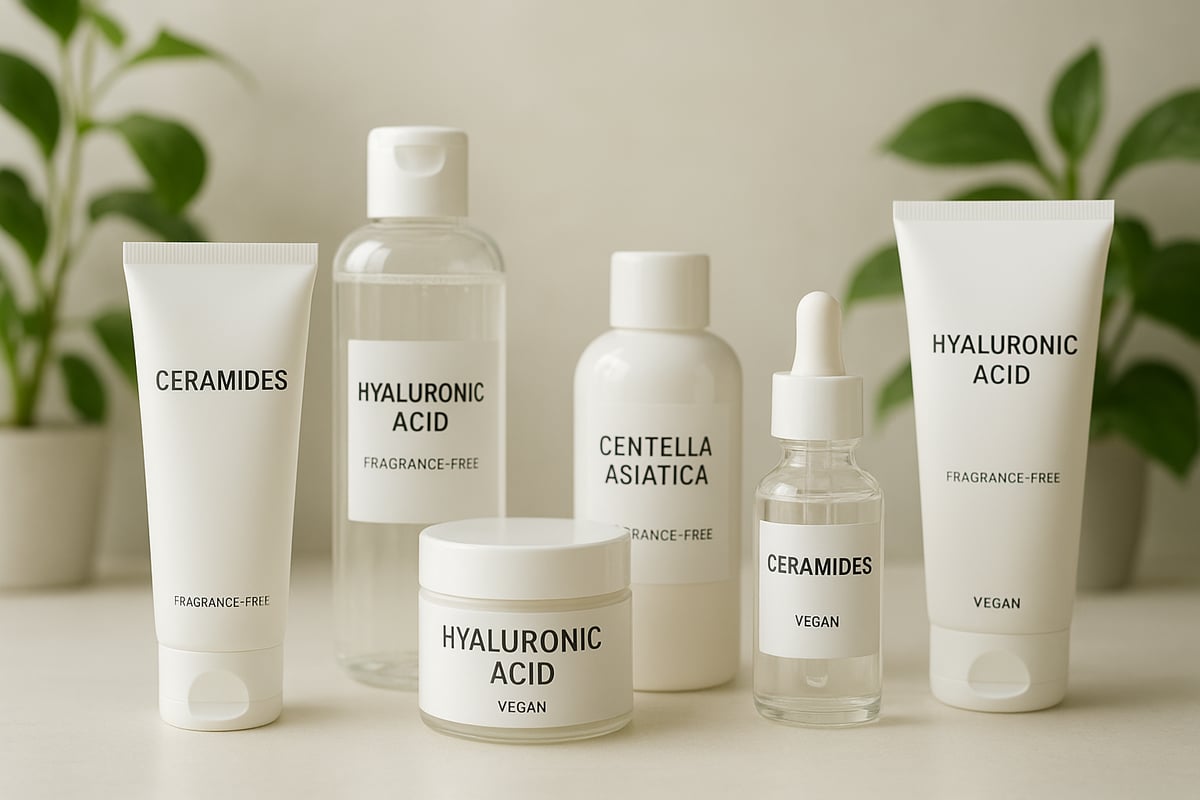
When building your sensitive skin skincare routine, certain ingredients stand out for their gentle, restorative properties. Ceramides help repair and protect the skin barrier, making them a top pick for sensitivity. Hyaluronic acid draws moisture into the skin, providing lasting hydration without irritation. Other skin saviours include panthenol, allantoin, and centella asiatica—these soothe redness and support healing.
Recent clinical studies confirm these ingredients help reduce flare-ups and discomfort. By focusing on these tried-and-true options, sensitive skin skincare becomes more effective and less stressful.
Ingredients to Avoid or Use With Caution
Sensitive skin skincare also means knowing what to steer clear of. Common irritants include denatured alcohol, essential oils, and synthetic fragrances, which can provoke stinging or redness. Harsh acids like glycolic and lactic, as well as gritty physical exfoliants, are often too intense for delicate skin. Parabens and sulphates may also cause issues for some people.
In 2026, new EU and UK regulations have tightened ingredient safety rules, making it easier to spot potential irritants on labels. Always check for updated safety information to keep your sensitive skin skincare routine safe and simple.
The Rise of Natural and Vegan Skincare
There’s been a huge surge in plant-based and cruelty-free products, offering more choices for sensitive skin skincare than ever before. Minimal ingredient lists and transparency are now top priorities for many brands. The UK vegan beauty market has grown rapidly, reflecting a shift towards gentle, ethical options.
If you’re curious about which brands truly cater to your needs, check out this helpful Sensitive Skin Skincare Brands guide. It highlights trusted names that focus on gentle, effective, and ethical formulas for sensitive skin skincare.
How to Decode Product Labels
Reading product labels is a must for anyone committed to sensitive skin skincare. Terms like “hypoallergenic” and “dermatologist-tested” can be helpful, but they’re not guarantees. Always patch test new products, even if they’re natural or organic.
In 2026, tech-savvy solutions like ingredient-checking apps make it easier to spot hidden irritants. Look for clear ingredient lists and use these digital tools to double-check safety before adding anything new to your sensitive skin skincare routine.
Expert-Recommended Products for Sensitive Skin
Finding the right products for sensitive skin skincare can be life-changing. With so many choices, it’s easy to feel overwhelmed. That’s why we’ve gathered expert picks and practical advice, so you can build a routine that calms, soothes, and protects your delicate complexion.
Cleansers and Micellar Waters
A gentle cleansing step is the foundation of any sensitive skin skincare routine. Experts recommend fragrance-free micellar waters or creamy, non-foaming cleansers that maintain your skin’s natural barrier. Look for products that are pH-balanced and contain minimal ingredients, avoiding harsh surfactants or sulphates.
- Choose a cleanser labelled for sensitive skin
- Avoid foaming gels or anything with strong scents
- Use lukewarm water and pat dry with a soft towel
If you want to explore more options, check out the Dry & Sensitive Skin Collection for curated gentle cleansers. A calming cleanse sets the stage for happy, balanced skin.
Moisturisers and Barrier Creams
Hydration is key in sensitive skin skincare, and barrier creams can make all the difference. Look for moisturisers with ceramides, glycerin, or shea butter to strengthen your skin’s defences. Layering lightweight serums under a rich cream can boost comfort, especially overnight.
- Ceramides help lock in moisture
- Glycerin draws water into the skin
- Shea butter soothes and nourishes
For daytime, pick a lighter formula, and at night, opt for something richer. Consistent moisturising supports a resilient, less reactive complexion.
Sunscreens and Daily Protection
Daily sun protection is essential in every sensitive skin skincare routine. Mineral-based sunscreens with zinc oxide or titanium dioxide offer broad-spectrum coverage without irritating sensitive skin. Stick to lotions or sticks over sprays, as these are less likely to contain alcohol or fragrance.
- Reapply every 2 hours if outdoors
- Choose SPF30 or higher
- Test a small patch before full application
Remember, even indoor light can affect your skin. Make sun protection a non-negotiable step for ongoing health and comfort.
White Rabbit Skin Care: Natural & Vegan Solutions for Sensitive Skin
If you’re searching for sensitive skin skincare that’s gentle, ethical, and effective, White Rabbit Skin Care is a standout choice. Their UK-made, vegan, and cruelty-free range is crafted for sensitive skin, with gentle cleansers, hydrating toners, and nourishing moisturisers free from common irritants.

- Large sizes for better value
- 28-day money-back guarantee
- 4.9/5 rating from 280+ reviews
They’re committed to sustainability and customer happiness, making them a fantastic option for those wanting plant-based, worry-free skincare.
Lifestyle and Environmental Tips for Sensitive Skin
Taking care of sensitive skin skincare goes beyond just choosing the right products. The world around us, from city air to our daily habits, plays a huge role in how our skin feels and reacts. Let’s explore how small lifestyle changes can keep your complexion calm and comfortable every day.
Managing Environmental Stressors
Sensitive skin skincare means protecting your face from daily environmental assaults. Pollution, harsh UV rays, and even blue light from screens can weaken your skin barrier and cause irritation. Consider using a mineral sunscreen, wearing a wide-brimmed hat, and choosing gentle cleansers after a day out.
A humidifier can help balance dry indoor air, especially in winter. When air is dry, your skin loses moisture faster, making it more prone to redness and flakiness. For a scientific look at how environmental factors affect your skin, see this comprehensive review of mechanisms and soothing agents for sensitive skin.
Protective clothing and seeking shade during peak sunlight hours are easy ways to reduce risk. By taking these steps, you create a safe space for your sensitive skin skincare routine to really shine.
Diet and Hydration
What you eat and drink can make a big difference in your sensitive skin skincare journey. Aim for foods rich in omega-3 fatty acids, like salmon, flaxseeds, and walnuts, to help strengthen the skin barrier. Antioxidants from berries and leafy greens can calm inflammation.
Try to limit spicy foods, alcohol, and excess sugar, as these can trigger flare-ups. Drinking enough water throughout the day keeps your skin hydrated from the inside out, supporting a healthy glow.
If you notice certain foods cause redness or breakouts, consider keeping a food diary. These simple tweaks can make your sensitive skin skincare routine even more effective.
Stress, Sleep, and Sensitive Skin
Stress can sneak up on us and show up on our skin. When stress hormones spike, they can lead to flare-ups and sensitivity. Prioritising good sleep is essential for sensitive skin skincare, as your skin repairs itself overnight.
Set a relaxing bedtime routine—dim lights, gentle music, or a warm bath. Practices like mindfulness, yoga, or deep breathing can help calm your mind and body.
Remember, you’re not alone. Many people find that stress and lack of sleep make their sensitive skin skincare more challenging, but small habits can make a world of difference.
Skincare Routine Adjustments for Changing Seasons
Sensitive skin skincare needs can shift with the weather. In winter, swap lightweight lotions for richer creams to lock in moisture. When summer arrives, you might prefer gel-based moisturisers and lighter cleansers.
Don’t forget to update your SPF for the season—look for sweat-resistant formulas in the summer and hydrating ones in the cold months. If you struggle with seasonal allergies, gentle cleansing and barrier creams can help soothe irritation.
By tuning into these changes, your sensitive skin skincare routine stays supportive, no matter what the forecast brings.
Future Trends in Sensitive Skin Care: 2026 and Beyond
Navigating the future of sensitive skin skincare is both exciting and empowering. As we look ahead to 2026, innovation is everywhere, with technology, sustainability, and community support all shaping how we care for our delicate complexions. Let’s explore the key trends set to define sensitive skin skincare in the coming years.
Personalisation and Skin Tech
Sensitive skin skincare will become more personalised than ever, thanks to rapid advances in technology. AI-powered skin analysis tools can assess your unique triggers and recommend tailored routines. Smart mirrors and skin analysis apps are making it easy to monitor progress and adapt products as your skin’s needs change.
Teledermatology is also more accessible, so you can receive expert advice from home. For a deeper dive into the latest science driving these advances, consider reading this Sensitive skin syndrome: an updated overview. With these innovations, everyone can feel confident in their sensitive skin skincare journey.
Sustainable and Ethical Skincare
Sustainability is no longer just a buzzword in sensitive skin skincare. Eco-friendly packaging, refillable containers, and transparent supply chains are becoming the norm. Brands are embracing zero-waste options, helping us reduce our environmental footprint while nurturing sensitive skin.
Consumers now expect ethical sourcing, cruelty-free testing, and honest ingredient lists. These shifts mean you can choose sensitive skin skincare products that are both gentle on your skin and kind to the planet.
Innovations in Formulation
Formulations for sensitive skin skincare are evolving rapidly. New barrier-repair peptides and postbiotic ingredients are being introduced, offering better support for compromised skin barriers. Advances in fragrance-free and preservative-free products are minimising irritation risks.
Clinical trials are exploring next-generation soothing agents, providing hope for even more effective solutions. These scientific breakthroughs are reshaping what we can expect from sensitive skin skincare, making routines gentler and more effective.
Community and Support
The sensitive skin skincare community is thriving. Online forums and support groups offer safe spaces to share experiences, tips, and encouragement. Influencers and dermatologists on social media are helping to spread awareness and education.
With more resources and advocacy, it’s easier than ever to find support and stay informed. As the prevalence of sensitive skin grows, these communities play a vital role in empowering all of us to make informed decisions and feel less alone on our sensitive skin skincare journey.