


Choosing the Right Skin Care Item for Your Routine
Finding the perfect skin care item can feel overwhelming when you're faced with endless options on shop shelves and online. Whether you're building your first proper routine or refining an established one, understanding what makes a quality skin care item and how to choose products that truly work for your unique needs is essential. The journey towards healthier, more radiant skin begins with making informed choices about the products you apply daily, and that starts with knowing what to look for in every skin care item you consider adding to your collection.
Understanding What Makes a Quality Skin Care Item
Not all skincare products are created equal, and understanding the fundamentals of quality helps you make better purchasing decisions. A worthwhile skin care item should contain beneficial ingredients that actually work, come from a transparent brand, and suit your specific skin type and concerns.
Key Ingredients That Matter
The ingredient list tells you everything you need to know about a skin care item's potential effectiveness. Natural ingredients like plant oils, botanical extracts, and vitamins often provide powerful benefits without harsh chemicals. When evaluating any skin care item, look for recognizable ingredients rather than long lists of synthetic compounds.
Essential beneficial ingredients to seek out:
- Hyaluronic acid for hydration
- Vitamin C for brightening
- Natural oils like rosehip and jojoba for nourishment
- Plant extracts with antioxidant properties
- Peptides for skin renewal and firmness
According to Cleveland Clinic's research on peptides, these amino acid compounds can significantly improve skin texture and appearance when used consistently. Similarly, every skin care item you choose should have ingredients backed by science or traditional use, not just marketing hype.

Sustainability and Ethics Matter
In 2026, consumers increasingly demand that each skin care item they purchase aligns with their values. Vegan and cruelty-free certifications ensure no animal testing or animal-derived ingredients feature in the formulation. Sustainable packaging, ethical sourcing, and transparent manufacturing processes all contribute to a skin care item's true value.
The best non-toxic skincare brands prioritize both environmental responsibility and skin health. When selecting a skin care item, consider its complete lifecycle from ingredient sourcing to packaging disposal.
Matching Skin Care Items to Your Skin Type
Your skin type dictates which skin care item will work best for you. Using products unsuited to your skin can cause irritation, breakouts, or ineffectiveness regardless of how premium the formulation might be.
Identifying Your Skin Type
Before purchasing any skin care item, properly identify whether you have dry, oily, combination, sensitive, or normal skin. This knowledge transforms how you shop and dramatically improves results.
| Skin Type | Characteristics | Best Skin Care Item Focus |
|---|---|---|
| Dry | Tight, flaky, rough patches | Rich moisturisers, hydrating serums |
| Oily | Shiny, enlarged pores, prone to breakouts | Lightweight gels, mattifying products |
| Combination | Oily T-zone, dry cheeks | Balanced formulations, targeted treatments |
| Sensitive | Easily irritated, reactive, redness | Gentle, fragrance-free formulations |
| Normal | Balanced, few concerns | Preventative care, maintenance products |
Understanding these categories helps you evaluate whether a specific skin care item suits your needs. Skincare brands for sensitive skin specialize in gentle formulations that minimize irritation risk.
Special Considerations for Different Needs
Beyond basic skin type, other factors influence which skin care item works best. Age, climate, hormonal changes, and specific concerns like acne or hyperpigmentation all play roles in product selection.
Factors affecting your ideal skin care item choice:
- Current season and climate conditions
- Age-related skin changes and concerns
- Existing skin conditions or sensitivities
- Lifestyle factors like sun exposure
- Budget and willingness to invest in quality
The American Academy of Dermatology's skin care basics emphasize adapting your routine as your skin's needs change throughout life.
Building Your Core Routine
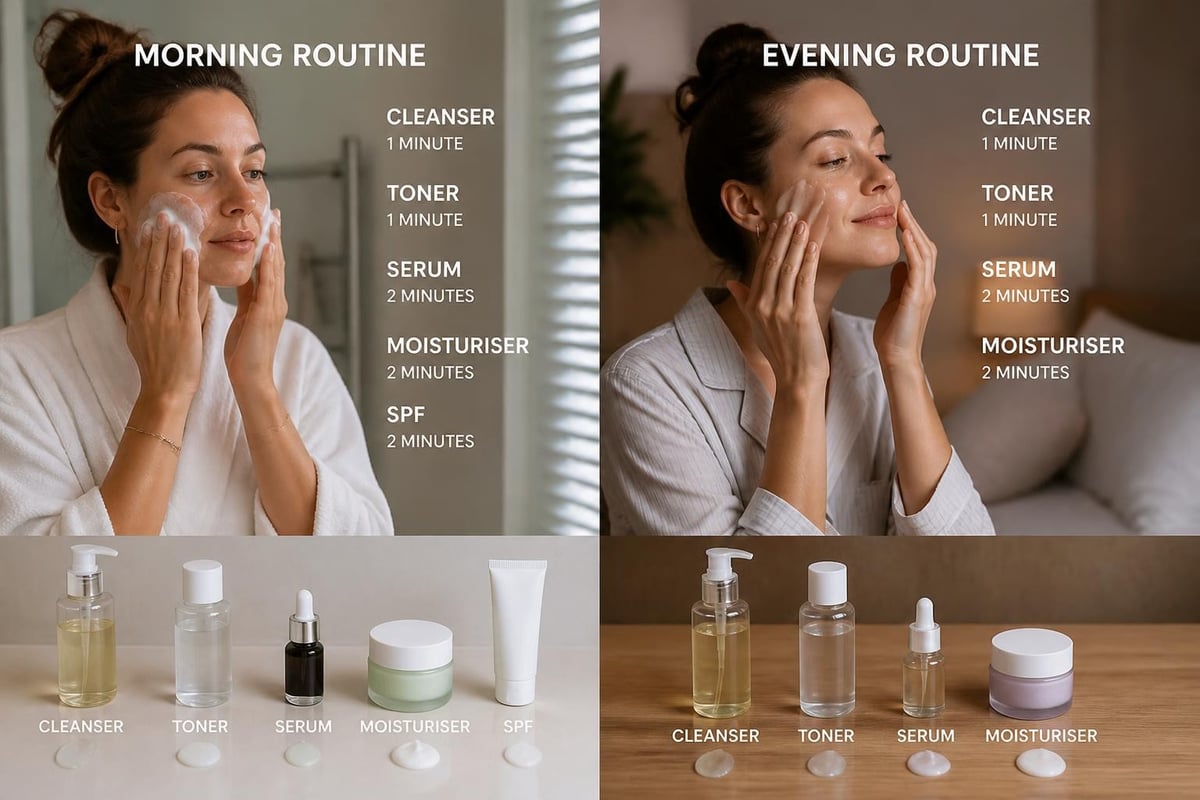
Every effective skincare routine consists of fundamental steps, each requiring at least one essential skin care item. Starting simple and gradually expanding prevents overwhelming your skin whilst building sustainable habits.
The Essential Three
A basic routine requires just three types of products. Your cleanser removes impurities, your moisturiser hydrates and protects, and your sun protection prevents damage. Mastering these basics with quality products matters more than owning dozens of specialized treatments.
When selecting each core skin care item, prioritize formulations that work harmoniously together. A harsh cleanser can undermine even the most luxurious moisturiser's benefits.
Adding Targeted Treatments
Once your basic routine functions well, consider adding specialized products. Serums, eye creams, masks, and treatments address specific concerns. Each additional skin care item should serve a clear purpose rather than complicating your routine unnecessarily.
Expert dermatologists recommend keeping routines simple and focused, avoiding the temptation to use too many products simultaneously. Quality trumps quantity when building an effective skincare collection.
Targeted treatments worth considering:
- Vitamin C serums for brightening and protection
- Retinol products for anti-ageing concerns
- Exfoliating treatments for texture improvement
- Hydrating masks for intensive moisture
- Spot treatments for breakouts
Evaluating Product Claims and Marketing
The skincare industry bombards consumers with bold claims and trendy ingredients. Learning to critically assess whether a skin care item delivers on its promises protects both your wallet and your skin.
Red Flags to Watch For
Certain marketing tactics should raise immediate skepticism. "Miracle" claims, proprietary "secret" ingredients, and promises of instant dramatic results often indicate a skin care item that won't deliver. Harvard Health's guidance on skin care emphasizes realistic expectations and scientifically supported treatments.
Beware of any skin care item marketed with these approaches:
- Guarantees of permanent results
- Claims to replace professional treatments
- Vague ingredient lists or "proprietary blends"
- Before-and-after photos without proper disclosure
- Pressure tactics or limited-time offers
Understanding Certifications
Legitimate certifications help identify trustworthy products. Look for recognized vegan certifications, organic standards, and safety testing verification. The SkinTRUST Society's certification programme helps consumers identify products meeting rigorous safety and effectiveness standards.
Each skin care item bearing credible certifications has undergone independent verification, providing reassurance about quality and claims. Research what different certification symbols mean before making purchasing decisions.
The Role of Price in Quality
Cost doesn't always correlate with effectiveness. Whilst some premium ingredients justify higher prices, many affordable products deliver excellent results. Understanding when to invest and when to save helps build an effective routine without breaking the bank.
When Premium Prices Make Sense
Certain formulations genuinely warrant higher investment. Active ingredients at effective concentrations, specialized delivery systems, and extensive research programmes all increase production costs. A skin care item featuring cutting-edge peptides or stabilized vitamin C naturally costs more than basic formulations.
Advice on beauty and skincare spending suggests investing in treatment products like serums whilst saving on basics like cleansers. Consider where each skin care item falls in your routine when budgeting.
| Product Category | Worth Investing | Can Save Money |
|---|---|---|
| Serums | ✓ | |
| Treatments | ✓ | |
| SPF | ✓ | |
| Cleansers | ✓ | |
| Basic Moisturisers | ✓ | |
| Masks | ✓ |
Finding Value in Natural and Vegan Options
Vegan and natural skincare once commanded premium prices, but the market has evolved. Today, you'll find excellent plant-based options at various price points. A thoughtfully formulated vegan skin care item often provides better value than synthetic alternatives when you consider skin health and environmental impact.
Exploring the best vegan moisturiser options demonstrates that plant-based doesn't necessarily mean expensive. Many natural ingredients offer exceptional benefits at reasonable costs.
Reading and Understanding Labels
Every skin care item's label contains crucial information, yet few consumers know how to properly interpret it. Ingredient lists, usage instructions, and expiry dates all require attention for safe, effective use.
Decoding Ingredient Lists
Ingredients appear in descending order by concentration. The first five ingredients typically comprise the majority of any skin care item's formulation. If beneficial ingredients appear near the list's end, they're present in minimal amounts unlikely to provide significant benefits.
What to look for on every skin care item label:
- Active ingredients listed prominently
- Absence of known irritants or allergens
- Clear usage instructions
- Manufacturing and expiry dates
- Certification symbols and claims
Technology now assists with ingredient evaluation. Beauty scanning apps allow you to quickly assess any skin care item's ingredient safety and suitability, though maintaining healthy skepticism about app recommendations remains important.

Patch Testing New Products
Regardless of how promising a skin care item appears, always patch test before full application. Apply a small amount to your inner arm or behind your ear, waiting 24-48 hours to check for adverse reactions. This simple step prevents potentially serious skin reactions.
Even products formulated for sensitive skin can cause individual reactions. Never skip patch testing, especially when trying a skin care item with new-to-you ingredients.
Seasonal Adjustments and Product Rotation
Your skin's needs fluctuate throughout the year, requiring adjustments to which skin care item you prioritize. Winter demands richer hydration whilst summer calls for lighter formulations and enhanced sun protection.
Adapting Your Routine
Successful skincare involves flexibility. The skin care item perfect for February might feel too heavy in July. Building a collection that allows seasonal rotation ensures your skin receives appropriate care year-round.
Consider maintaining lighter and heavier versions of core products. Your summer moisturiser might become your winter day cream, with a richer night cream added during colder months. This approach maximizes value from each skin care item whilst meeting changing needs.
Seasonal skincare adjustments:
- Spring: Lighter textures, brightening treatments, increased SPF
- Summer: Gel-based products, antioxidant protection, oil control
- Autumn: Repair treatments, hydration boosting, gentle exfoliation
- Winter: Rich moisturisers, barrier repair, intensive treatments
Product Shelf Life Considerations
Every skin care item has a limited lifespan once opened. Most products remain effective for 6-12 months after opening, though this varies by formulation. Natural products without synthetic preservatives may have shorter shelf lives, making proper storage and timely use important.
Watch for changes in texture, colour, or scent indicating a skin care item has expired. Using degraded products risks irritation and won't deliver expected benefits. Healthline's skincare guidance provides detailed information on product longevity and storage best practices.
Making Sustainable Choices
Environmental consciousness increasingly influences which skin care item consumers choose. Packaging, ingredient sourcing, and company practices all contribute to a product's sustainability profile.
Packaging Considerations
Sustainable packaging extends beyond recyclability. Refillable containers, minimal packaging, and biodegradable materials all reduce environmental impact. When comparing similar products, let packaging sustainability influence which skin care item you ultimately purchase.
Many brands now offer refill programmes, allowing you to reuse primary packaging whilst reducing waste. This approach often provides cost savings alongside environmental benefits.
Supporting Ethical Brands
Your purchases support particular business practices and values. Choosing brands committed to fair trade, carbon neutrality, and social responsibility amplifies your positive impact beyond personal skincare benefits. Each skin care item from an ethical company represents a vote for better industry practices.
Sustainable skincare brands demonstrate that environmental responsibility and product excellence aren't mutually exclusive. Research brand values and practices when selecting any new skin care item for your collection.
Common Mistakes to Avoid
Even knowledgeable consumers make skincare errors that undermine results. Recognizing common pitfalls helps you get maximum benefit from every skin care item you use.
Overcomplicating Your Routine
More products don't guarantee better results. Using too many products simultaneously can irritate skin, make identifying problems difficult, and waste money. Each skin care item should serve a specific purpose within your routine.
Frequent routine mistakes:
- Layering incompatible active ingredients
- Using products in incorrect order
- Applying too much product
- Changing routines too frequently
- Neglecting neck and chest areas
Start minimal and expand thoughtfully. Give each new skin care item adequate time to demonstrate results before adding another product or declaring it ineffective.
Ignoring Your Skin's Feedback
Your skin communicates clearly when something isn't working. Persistent irritation, increased breakouts, or worsening concerns indicate a skin care item doesn't suit your needs. Listen to these signals rather than persisting with unsuitable products.
Sometimes an objectively excellent product simply doesn't work for your unique skin chemistry. Don't force a skin care item to work when your skin clearly objects. Explore the best face care products that align with your specific skin requirements.
Building a Personalized Collection
Your ideal skincare collection reflects your unique needs, values, and lifestyle. No single skin care item works universally, making personalization essential for optimal results.
Starting Your Collection Strategically
Begin with core essentials, then expand based on observed needs. This measured approach prevents wasting money on unsuitable products whilst building understanding of what works for your skin. Document what each skin care item does for your skin, noting both positive effects and any concerns.
Create a simple tracking system noting when you started each product and any changes observed. This information proves invaluable when assessing whether a particular skin care item deserves a permanent place in your routine.
Balancing Trends and Timeless Classics
Whilst staying informed about innovations makes sense, don't abandon proven products for every new trend. Many traditional ingredients and formulations deliver consistent results that trendy alternatives can't match. Balance exploring new options with maintaining core products that reliably work for you.
Each skin care item earning a permanent place in your routine should demonstrate clear, consistent benefits. Trends come and go, but results matter most when building your personal collection.
Selecting the right skin care item requires understanding your unique needs, reading labels critically, and choosing products aligned with your values. By focusing on quality ingredients, suitable formulations, and sustainable practices, you'll build a routine that truly serves your skin's health and appearance. White Rabbit Skin Care offers a carefully curated range of vegan, natural skincare products designed to meet diverse skin needs whilst honouring environmental commitments, making it easier to find effective, ethical options for your personal routine.