


Sensitive Skin Care Brands: Your 2026 Guide
Finding the right products for delicate, reactive skin can feel like navigating a minefield. With countless sensitive skin care brands flooding the market in 2026, understanding what truly works for your unique needs has never been more crucial. Whether you're dealing with redness, irritation, or simply want to prevent flare-ups, selecting the right brand makes all the difference between healthy, glowing skin and ongoing discomfort.
Understanding What Makes Sensitive Skin Care Brands Different
Sensitive skin care brands aren't simply regular products with clever marketing. They're formulated with specific scientific principles that prioritise skin barrier protection and minimise potential irritants.
The best brands understand that sensitive skin has a compromised barrier function, making it more susceptible to environmental stressors, allergens, and harsh ingredients. Cetaphil's science-backed approach demonstrates how clinically proven ingredients can enhance skin resilience without triggering reactions.
Key Characteristics of Quality Brands
When evaluating sensitive skin care brands, look for these essential features:
- Fragrance-free formulations that eliminate common irritants
- Hypoallergenic testing conducted under dermatological supervision
- Minimal ingredient lists focusing on proven actives
- pH-balanced formulas that respect skin's natural acidity
- Free from common allergens like parabens, sulphates, and synthetic dyes
Brands like Vanicream have built their entire reputation on this philosophy, offering extensive ranges completely free from chemical irritants that typically trigger sensitivity.
The Rise of Vegan and Natural Options
The intersection of sensitive skin care brands and plant-based formulations has created exciting opportunities for those seeking gentler alternatives. Natural doesn't automatically mean safer, though. As the Cleveland Clinic highlights, natural ingredients can sometimes cause reactions in sensitive individuals.
The key is choosing brands that combine natural ingredients with scientific rigour. Plant-based skin care products can offer excellent results when formulated thoughtfully, avoiding common plant-derived irritants whilst harnessing the soothing properties of botanicals.
Vegan Formulations for Sensitive Skin
| Benefit | How It Helps Sensitive Skin |
|---|---|
| No animal-derived allergens | Reduces risk of protein-based reactions |
| Plant-based emollients | Gentle hydration without heaviness |
| Ethical transparency | Clear ingredient sourcing builds trust |
| Sustainable practices | Often correlates with cleaner formulations |
Many people find that sustainable skincare brands align with their values whilst providing the gentleness their skin demands. The commitment to environmental responsibility often extends to formulation purity.
Building Your Sensitive Skin Routine
Creating an effective routine with sensitive skin care brands requires a strategic approach. You can't simply replicate what works for others.
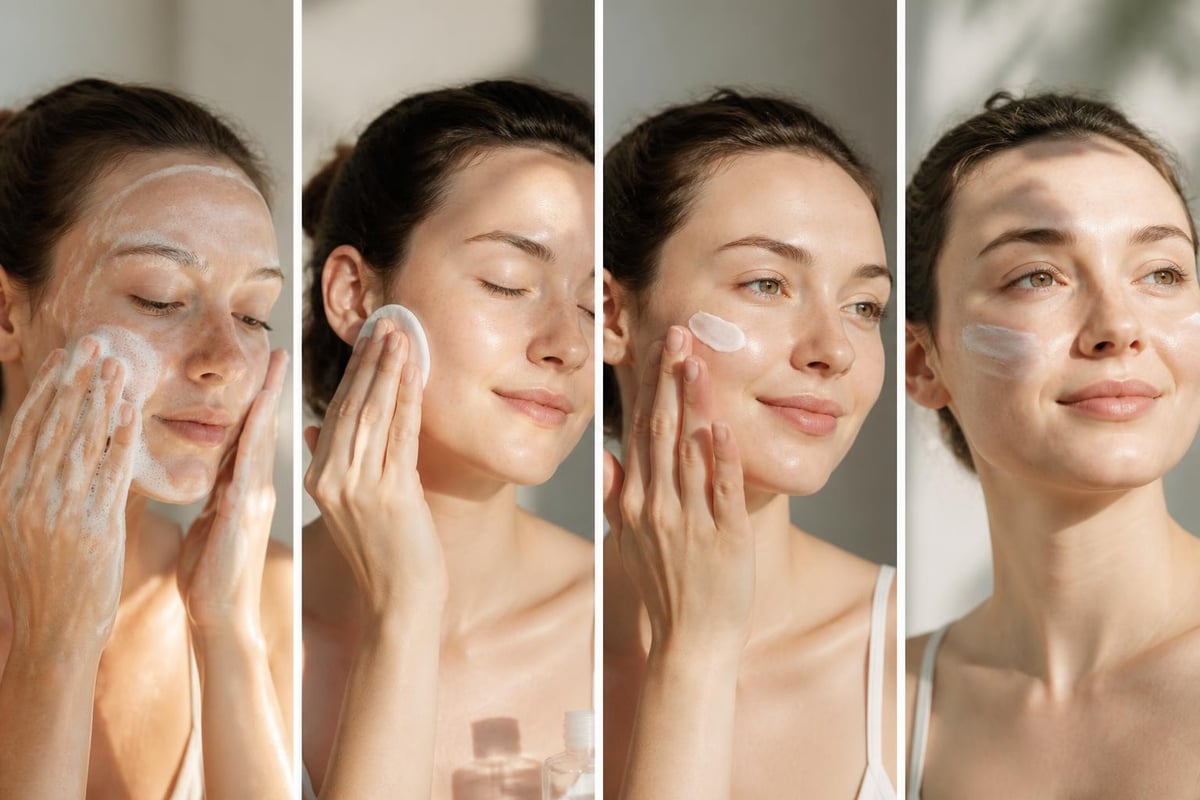
Start with the absolute basics: cleanser, moisturiser, and SPF. Expert advice from dermatologists emphasises establishing a healthy skin barrier before introducing any active ingredients or treatment products.
The Perfect Cleansing Foundation
Your cleanser sets the tone for your entire routine. Harsh cleansing strips away protective oils, leaving skin vulnerable to irritation throughout the day.
Look for cream or gel cleansers with these characteristics:
- Non-foaming or low-foam formulas that clean without stripping
- pH levels between 4.5-5.5 matching skin's natural acidity
- Gentle surfactants like coco-glucoside instead of SLS
- Added barrier-supporting ingredients such as ceramides or glycerin
The best cleansers for sensitive skin maintain your protective barrier whilst effectively removing impurities. Many sensitive skin care brands have perfected this delicate balance, offering products that leave skin feeling fresh rather than tight.
Moisturising Without Triggering Reactions
After cleansing, your skin needs replenishment. The right moisturiser from trusted sensitive skin care brands provides hydration whilst reinforcing your barrier function.
Avoid products with long, complex ingredient lists. The more ingredients, the higher the likelihood of encountering a personal trigger. Simple, effective formulations work best for reactive skin types.
When exploring face products for sensitive skin, pay attention to how products feel during application and in the hours afterwards. Immediate stinging indicates an incompatible product, whilst delayed redness might suggest a sensitivity developing over time.
Evaluating Brand Claims and Certifications
Not all sensitive skin care brands live up to their promises. In 2026's crowded marketplace, distinguishing genuine commitment from marketing fluff requires knowing what to look for.
Meaningful Certifications
- Dermatologically tested: Products evaluated by skin specialists
- Hypoallergenic: Formulated to minimise allergic reactions
- Non-comedogenic: Won't clog pores or cause breakouts
- Cruelty-free: No animal testing at any production stage
- Vegan certification: Free from all animal-derived ingredients
Brands displaying multiple certifications demonstrate serious commitment to sensitive skin needs. The best non-toxic skincare brands typically invest in third-party verification rather than relying solely on self-assessment.
Red Flags to Avoid
Some ingredients consistently cause problems for sensitive skin, regardless of how brands position them. Be wary of products containing:
Common irritants: alcohol denat, fragrance, essential oils in high concentrations, harsh preservatives like methylisothiazolinone, and abrasive physical exfoliants.
Expert recommendations consistently warn against these ingredients, yet many brands still include them in products marketed for sensitive skin. Always read ingredient lists rather than trusting front-of-pack claims alone.
Budget Considerations for Sensitive Skin
Quality sensitive skin care brands exist across all price points. The misconception that you must spend lavishly to find suitable products prevents many people from discovering excellent options.
Luxury Versus Affordable Options
| Price Tier | Advantages | Considerations |
|---|---|---|
| Luxury (£50+) | Elegant textures, premium packaging, extensive research | Not always more effective than affordable alternatives |
| Mid-range (£15-50) | Good balance of efficacy and accessibility | Sweet spot for most sensitive skin care brands |
| Budget (Under £15) | Accessible, simple formulations | May lack advanced delivery systems |
Some luxury skincare brands offer beautiful experiences, but sensitive skin care is one area where budget options frequently perform just as well. The best products for reactive skin are often remarkably simple formulations that don't require expensive technology.
If you're seeking effective yet inexpensive skin care brands, focus on ingredient quality rather than elaborate packaging or marketing campaigns.
Targeted Solutions for Specific Concerns
Sensitive skin isn't a monolith. Your specific concerns might include redness, dryness, occasional breakouts, or environmental reactivity. The best sensitive skin care brands offer targeted solutions within their gentle frameworks.
Addressing Redness and Inflammation
Calming ingredients work wonders for reactive skin. Look for products containing:
- Centella asiatica (cica) for soothing inflammation
- Niacinamide to reduce redness and strengthen barriers
- Colloidal oatmeal for immediate relief
- Allantoin to promote healing
Top serum recommendations often feature these ingredients in lightweight, fast-absorbing formulations that layer beautifully under moisturiser.
Hydration Without Heavy Textures
Sensitive skin often struggles with dehydration, yet heavy creams can feel uncomfortable or trigger congestion. Modern sensitive skin care brands have mastered lightweight hydration through ingredients like hyaluronic acid, glycerin, and beta-glucan.
These humectants draw moisture into skin without sitting heavily on the surface. When combined with barrier-supporting ingredients, they create the ideal environment for skin recovery.
Patch Testing and Introduction Strategies
Even the gentlest sensitive skin care brands can cause individual reactions. Your unique skin chemistry means that what works brilliantly for others might not suit you.
Always patch test new products before full-face application. Apply a small amount to your inner forearm or behind your ear for 24-48 hours, watching for any reaction.
The One-Product-at-a-Time Rule
Introduce new products individually, waiting at least one week between additions. This methodical approach lets you identify exactly which product causes problems if a reaction occurs.
- Start with your new cleanser, using it for 7-10 days
- Add your moisturiser once the cleanser proves compatible
- Introduce any treatment products only after your basic routine is established
- Layer SPF as your final step, testing it separately from other products
This patience pays dividends. Rushing to build a complete routine often leads to confusion when irritation develops, making it impossible to identify the culprit.
Seasonal Adjustments for Sensitive Skin
Your skin's needs fluctuate throughout the year, and the best sensitive skin care brands recognise this variability. What works perfectly in summer might prove insufficient during harsh winter months.
Winter Protection Strategies
Cold weather, indoor heating, and low humidity challenge sensitive skin. During winter months, consider:
Richer textures that provide additional barrier protection without suffocating skin, occlusives like squalane or shea butter to seal in moisture, more frequent application of moisturiser throughout the day, and protective balms for exposed areas particularly prone to windburn.
Summer Lightweight Solutions
Warmer weather calls for different approaches. Switch to gel-based or fluid moisturisers that hydrate without feeling heavy. Prioritise mineral SPF formulations that sit gently on skin, and consider adding antioxidant serums that protect against environmental stress.
The Role of pH in Sensitive Skin Care
Understanding pH transforms how you select sensitive skin care brands. Your skin's natural pH sits around 4.7-5.5, slightly acidic to maintain protective barrier function and beneficial microbiome balance.
Products with pH levels too far from this range disrupt your skin's natural defenses. Alkaline cleansers (pH 8+) are particularly problematic, stripping away protective oils and leaving skin vulnerable to irritation.
Quality sensitive skin care brands formulate with pH compatibility in mind, creating products that work with rather than against your skin's natural chemistry. This attention to detail separates truly effective brands from those simply marketing to sensitive skin consumers.
Ingredient Spotlight: What Actually Works
Certain ingredients consistently deliver results for sensitive skin across multiple brands and product types. Understanding these champions helps you make informed choices regardless of specific brand.
| Ingredient | Primary Benefit | Best Product Type |
|---|---|---|
| Ceramides | Barrier repair and strengthening | Moisturisers, night creams |
| Niacinamide | Reduces inflammation, builds resilience | Serums, toners |
| Centella asiatica | Soothes redness, promotes healing | Creams, essences |
| Hyaluronic acid | Deep hydration without weight | Serums, lightweight moisturisers |
| Colloidal oatmeal | Immediate calming relief | Cleansers, masks |
These ingredients appear repeatedly in dermatologist-recommended products because clinical evidence supports their efficacy and gentleness.
Transitioning Between Brands Safely
Sometimes your current sensitive skin care brands no longer serve your needs. Perhaps your skin has changed, or you've discovered better options. Transitioning requires care to avoid triggering reactions during the switch.
Don't abandon your entire routine simultaneously. Replace products one at a time, starting with whichever item you're most eager to change. Keep the rest of your routine consistent whilst introducing each new product.
This gradual transition maintains skin stability whilst allowing you to evaluate each new addition properly. If you're exploring the best face care products from a new brand, give each item adequate time to prove its worth.
Multi-Tasking Products for Simplified Routines
Sensitive skin often benefits from minimalism. Fewer products mean fewer potential irritants and less manipulation of delicate skin. Smart sensitive skin care brands create multi-functional products that deliver multiple benefits without overwhelming skin.
Look for moisturisers with built-in SPF, toners that also provide hydration, or cleansers that remove makeup whilst being gentle enough for daily use. These intelligent formulations simplify your routine without compromising results.
Understanding Your Specific Triggers
Generic sensitive skin advice only goes so far. Identifying your personal triggers empowers you to choose sensitive skin care brands and products that truly work for your individual needs.
Common Sensitivity Categories
Contact sensitivity: Reactions to specific ingredients like preservatives or fragrances. Environmental sensitivity: Responses to temperature changes, pollution, or UV exposure. Rosacea-prone skin: Chronic redness with flare-ups triggered by various factors. Atopic tendencies: Genetic predisposition to eczema and allergic reactions.
Each category benefits from slightly different approaches within the broader sensitive skin framework. Brands specialising in your specific concern type often deliver better results than general sensitive skin lines.
The Importance of Consistency
Sensitive skin care brands work best when used consistently over time. Your skin barrier doesn't repair overnight, and the cumulative benefits of gentle, supportive products reveal themselves gradually.
Commit to a routine for at least 6-8 weeks before evaluating effectiveness. This timeframe allows skin cells to complete their natural turnover cycle whilst your barrier function rebuilds. Frequent switching between products prevents this healing process from completing properly.
Document your skin's progress with photos taken in consistent lighting. Often improvements occur so gradually that you won't notice them without this visual reference, leading to premature product abandonment.
Active Ingredients for Sensitive Skin
The myth that sensitive skin can't tolerate active ingredients persists, yet properly formulated treatments deliver excellent results without irritation. Progressive sensitive skin care brands have mastered the art of effective yet gentle actives.
Retinol Alternatives
Traditional retinol causes problems for many sensitive individuals, but gentler alternatives exist:
- Bakuchiol: Plant-based retinol alternative with similar benefits
- Encapsulated retinol: Time-release technology reduces irritation
- Retinyl palmitate: Milder vitamin A derivative for gradual results
- Peptides: Support collagen without retinoid sensitivity
These alternatives let you address ageing concerns without compromising skin comfort, proving that sensitive skin need not mean sacrificing anti-ageing benefits.
Exfoliation Without Irritation
Gentle exfoliation removes dead skin cells that can trap moisture and create dullness. For sensitive skin, enzymatic exfoliants work better than physical scrubs or strong acids.
Look for products containing papaya enzymes, pumpkin enzymes, or extremely gentle lactic acid (under 5% concentration). Use these treatments once or twice weekly rather than daily, giving skin adequate recovery time between sessions.
Evening Out Your Lifestyle
Beyond products, your lifestyle significantly impacts sensitive skin. The best sensitive skin care brands work optimally when supported by skin-friendly habits that reduce inflammation and support barrier function.
Sleep quality directly affects skin repair processes. Aim for 7-9 hours nightly on clean pillowcases (silk or bamboo cause less friction). Stress management reduces inflammation that triggers sensitivity. Hydration from within supports topical moisture efforts. Diet rich in omega-3 fatty acids and antioxidants builds resilience.
These foundational elements amplify whatever sensitive skin care brands you choose, creating synergy between internal health and external care.
For those moments when your skin needs extra comfort, like after spending time outdoors, having reliable products on hand makes all the difference. Even activities you enjoy, whether that's your favourite sport or relaxing in comfortable apres padel wear, should end with your skin feeling calm and cared for, not stressed and reactive.
Finding Your Perfect Match
With countless sensitive skin care brands available in 2026, finding your ideal match involves research, patience, and willingness to listen to your skin's feedback. The perfect brand for you combines effective formulations with ingredients your unique skin tolerates beautifully.
Start with all-natural skin products if you prefer botanical formulations, or explore science-focused brands if you respond better to synthetic ingredients proven through clinical trials. Neither approach is inherently superior; effectiveness depends entirely on your individual skin chemistry.
Consider brands offering sample sizes or discovery sets before committing to full-size products. This try-before-you-invest approach saves money whilst protecting your skin from unnecessary exposure to incompatible formulations.
Navigating the world of sensitive skin care brands becomes much simpler once you understand what your skin truly needs and how to identify products that deliver gentle, effective results. The right combination of thoughtful formulations, consistent application, and patience creates the foundation for healthy, comfortable skin that no longer holds you back from feeling confident. White Rabbit Skin Care offers carefully crafted vegan formulations designed with sensitive skin in mind, combining natural ingredients with scientific understanding to create products that genuinely support your skin's unique needs. Explore their range to discover gentle, effective solutions that respect both your skin and your values.