

Sustainable Skincare Brands: Your Guide for 2026
The beauty industry is experiencing a remarkable transformation as more people seek products that align with their environmental values. Sustainable skincare brands are no longer niche players but have become influential forces reshaping how we think about our daily routines. As we navigate through 2026, understanding what makes a brand truly sustainable has become essential for conscious consumers who want their skincare choices to reflect their commitment to the planet. Whether you're exploring vegan formulations, seeking cruelty-free options, or simply wanting to reduce your environmental footprint, the landscape of eco-conscious beauty offers more choice and transparency than ever before.
What Makes Skincare Brands Truly Sustainable
Sustainability in skincare extends far beyond recyclable packaging or natural ingredients. It encompasses the entire lifecycle of a product, from how ingredients are sourced to what happens after you've finished using them.
Genuine sustainable skincare brands prioritize several key elements that work together to minimize environmental impact. These include ethical ingredient sourcing, renewable energy in manufacturing, transparent supply chains, and circular economy principles. When evaluating brands, it's worth exploring what to look for in sustainable skincare to ensure you're making informed decisions.
Core Principles of Sustainable Beauty
The foundation of eco-conscious skincare rests on several pillars:
- Ingredient transparency: Full disclosure of what's in products and where components originate
- Ethical sourcing: Fair trade practices and sustainable harvesting methods
- Minimal processing: Using ingredients that require less energy-intensive refinement
- Water conservation: Formulations and manufacturing processes that reduce water waste
- Carbon neutrality: Offsetting or eliminating carbon emissions throughout production
Many brands now seek third-party certifications to validate their sustainability claims. Platforms like Provenance help brands communicate their environmental commitments transparently, whilst NATRUE certification specifically verifies natural and organic cosmetics authenticity.

Understanding Ingredient Sustainability in Vegan Skincare
The conversation around plant-based skin care products has evolved significantly. Whilst all vegan skincare avoids animal-derived ingredients, truly sustainable brands take additional steps to ensure their botanical components are responsibly obtained.
Regenerative Agriculture and Botanicals
Forward-thinking sustainable skincare brands increasingly source ingredients from regenerative farms that actively improve soil health and biodiversity. This approach goes beyond organic certification, actively restoring ecosystems rather than simply maintaining them.
| Sourcing Method | Environmental Impact | Long-term Benefits |
|---|---|---|
| Conventional farming | High pesticide use, soil depletion | Limited, degrades over time |
| Organic farming | Reduced chemicals, maintains soil | Moderate, preserves current state |
| Regenerative agriculture | Builds soil health, increases biodiversity | Significant, improves ecosystems |
Wild-harvested ingredients present their own sustainability considerations. Ethical brands ensure they never over-harvest and work with local communities to preserve native plant populations. Some even invest in cultivation programs to reduce pressure on wild species.
The Water Footprint of Ingredients
Not all natural ingredients are created equal when it comes to water usage. Sustainable skincare brands carefully consider the water requirements of their botanical ingredients, often choosing drought-resistant plants or those that thrive in their native climates without irrigation.
Ingredients like jojoba, argan, and sea buckthorn require minimal water compared to water-intensive crops. This consideration becomes increasingly important as water scarcity affects more regions globally. When you're exploring non-toxic skincare brands, it's worth considering their water stewardship alongside ingredient safety.
Packaging Innovation in Sustainable Beauty
The packaging crisis in beauty has driven remarkable innovation. Sustainable skincare brands are pioneering solutions that challenge the industry's historical reliance on single-use plastics and excessive packaging.
Materials That Make a Difference
Today's eco-conscious brands employ diverse packaging strategies:
- Post-consumer recycled (PCR) materials: Plastic containers made from recycled ocean plastic or household waste
- Biodegradable alternatives: Bamboo, mushroom-based materials, and plant-based bioplastics
- Glass and metal: Infinitely recyclable materials that maintain product integrity
- Refill systems: Reusable containers with refill pouches that reduce waste by up to 80%
- Solid formulations: Package-free bars and balms that eliminate containers entirely
Marie Claire's roundup of sustainable beauty brands showcases companies making significant strides in packaging innovation whilst maintaining product efficacy.
Some brands have eliminated water from their formulations entirely, creating concentrated products that require less packaging and weigh less during transport, thereby reducing carbon emissions. These waterless innovations represent the cutting edge of sustainable formulation.

Certifications and Standards That Matter
Navigating sustainability claims can feel overwhelming. Third-party certifications provide trusted verification that brands meet rigorous environmental and ethical standards.
B Corporation Certification
B Corp status represents one of the most comprehensive sustainability certifications available. Brands earning this designation must meet high standards across social responsibility, environmental performance, transparency, and accountability.
Requirements include:
- Minimum verified score on impact assessment
- Legal commitment to consider stakeholders, not just shareholders
- Public transparency reporting
- Recertification every three years
Organic and Natural Certifications
Different certifications focus on specific aspects of sustainability. Understanding what each represents helps you choose products aligned with your priorities.
| Certification | Focus Area | Key Requirements |
|---|---|---|
| Soil Association | Organic ingredients | 95%+ organic, strict processing standards |
| Ecocert | Natural and organic | Natural origin ingredients, sustainable practices |
| COSMOS | Organic cosmetics | Traceable ingredients, green chemistry |
| Leaping Bunny | Cruelty-free | No animal testing throughout supply chain |
| Vegan Society | Animal welfare | Zero animal-derived ingredients |
For those particularly concerned about best non-toxic skincare, certifications like EWG Verified and Made Safe provide additional assurance about ingredient safety.
The Role of Technology in Sustainable Skincare
Digital innovation increasingly supports sustainability efforts. Platforms like EthiCompare use AI to score products on ethics, combining certifications, ingredient safety, supply-chain transparency, and packaging sustainability. This technology empowers consumers to make informed decisions quickly.
Blockchain and Supply Chain Transparency
Several sustainable skincare brands now use blockchain technology to track ingredients from farm to finished product. This creates an immutable record of the supply chain, ensuring transparency and preventing greenwashing.
This technology also enables brands to verify fair labour practices and environmental compliance at every stage. Consumers can scan product codes to see exactly where each ingredient originated and how it reached them.
Biotechnology and Clean Beauty
Emerging biotechnology allows sustainable skincare brands to create identical replicas of natural ingredients through fermentation, reducing pressure on wild populations and eliminating the need for intensive farming. This approach produces pure, consistent ingredients whilst protecting biodiversity.
Some brands collaborate with institutions like StemCells21, which specializes in regenerative medicine, to explore how cellular regeneration research might inform next-generation skincare formulations that work more harmoniously with skin biology.
Supporting Sustainable Brands Across Different Budgets
Sustainability shouldn't be exclusive to luxury price points. The market now includes sustainable skincare brands at various price ranges, making eco-conscious choices accessible to more people.
Premium Investment Pieces
High-end sustainable brands often invest heavily in research, rare ingredients, and innovative packaging. These products typically feature:
- Concentrated formulations requiring smaller amounts per use
- Luxurious textures and sensorial experiences
- Cutting-edge sustainable technology
- Comprehensive sustainability programs including carbon offsetting
When exploring high end skin products, look for brands that justify their pricing through genuine innovation and measurable environmental commitments.
Accessible Everyday Options
Budget-friendly sustainable skincare focuses on:
- Simple, effective formulations with fewer ingredients
- Multi-purpose products that reduce overall consumption
- Minimal packaging without compromising sustainability
- Direct-to-consumer models that eliminate markup
Inexpensive skin care doesn't mean compromising on sustainability. Many brands prove that accessible pricing and environmental responsibility can coexist.
Building Your Sustainable Skincare Routine
Creating an eco-friendly skincare routine involves more than just choosing sustainable skincare brands. It requires rethinking consumption patterns and product necessity.
The Minimalist Approach
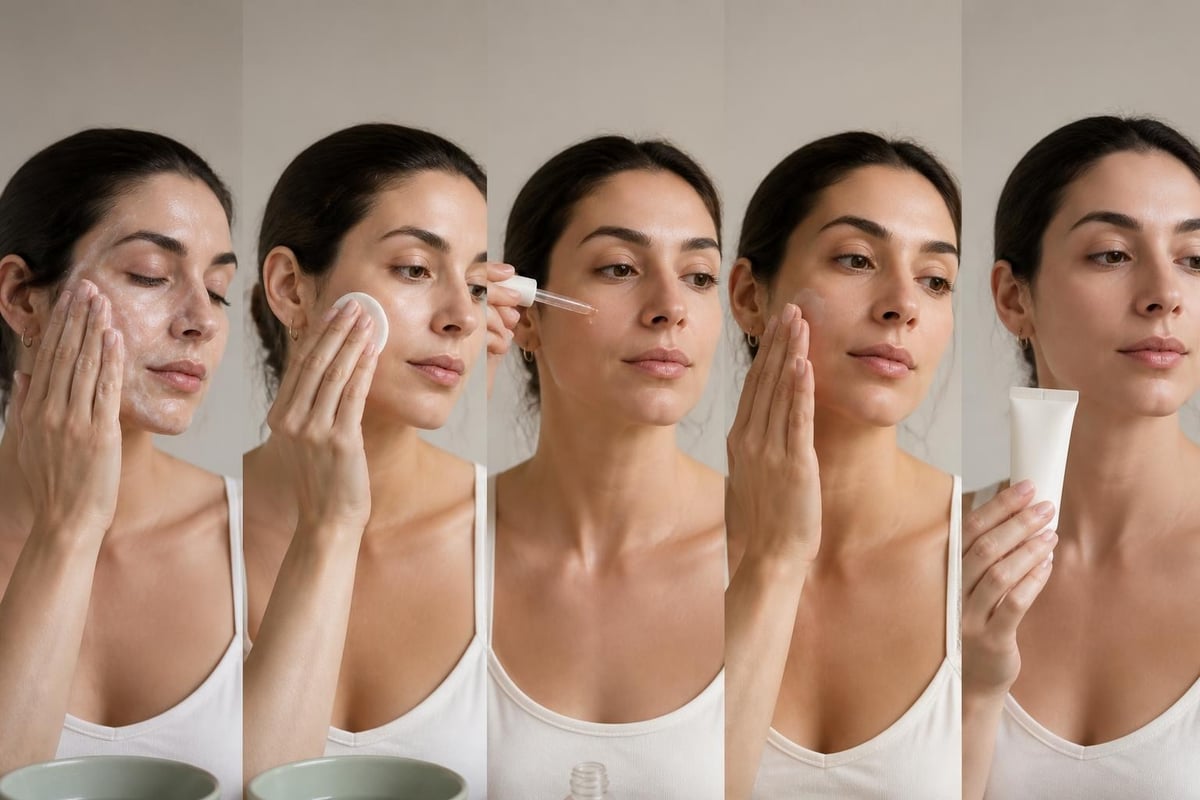
Streamlining your routine reduces environmental impact through decreased production, packaging, and shipping. A well-designed minimalist routine might include:
- A gentle cleanser appropriate for your skin type
- A multi-functional serum or oil
- A moisturiser suitable for day and night use
- Targeted treatments only when needed
- SPF protection during daylight hours
For those with sensitive skin, fewer products often means fewer potential irritants alongside reduced environmental impact.
Seasonal Adjustments and Product Longevity
Rather than purchasing entirely new routines each season, sustainable approaches involve adjusting application methods and supplementing core products strategically. This might mean using your best vegan moisturiser more generously in winter or adding a hydrating mist in summer.
Proper storage extends product life, reducing waste and the need for replacements. Keep products away from direct sunlight and heat, close lids tightly, and use clean hands or tools for application.
The Future of Sustainable Beauty
Sustainable skincare brands continue pushing boundaries as consumer awareness grows and technology advances. Several emerging trends promise to reshape the industry further.
Waterless Formulations
Water scarcity makes waterless beauty increasingly relevant. Brands are creating concentrated serums, powder cleansers, and solid moisturisers that activate upon contact with water during use. These formulations eliminate the need for preservatives whilst dramatically reducing shipping weight and associated carbon emissions.
Upcycled Ingredients
The upcycling movement transforms would-be food waste into skincare ingredients. Fruit seeds, peels, and pulp that would otherwise be discarded become sources of beneficial compounds. This approach reduces waste whilst creating effective ingredients.
Coffee grounds, grape seeds, and olive pomace exemplify ingredients being rescued from waste streams and transformed into antioxidant-rich skincare components. Earth.Org's list of sustainable brands highlights companies pioneering these practices.
Local and Regional Production
Reducing transportation emissions drives interest in locally produced skincare. Sustainable skincare brands increasingly source ingredients and manufacture products regionally, supporting local economies whilst minimizing carbon footprints.
Evaluating Brand Authenticity
Greenwashing remains a significant challenge. Distinguishing genuine sustainable skincare brands from those merely using environmental marketing requires critical evaluation.
Red Flags to Watch For
- Vague sustainability claims without specific details or data
- Focus on one green aspect whilst ignoring other environmental impacts
- Lack of third-party certifications or transparency reports
- Inconsistency between marketing messages and actual practices
- No information about supply chain or ingredient sourcing
Green Flags Indicating Authenticity
Strong sustainable brands demonstrate commitment through:
| Indicator | What It Demonstrates |
|---|---|
| Published sustainability reports | Transparency and accountability |
| Third-party certifications | External verification of claims |
| Detailed ingredient sourcing information | Supply chain transparency |
| Active community or environmental programs | Genuine commitment beyond sales |
| Product take-back or recycling programs | Circular economy thinking |
Resources like The Good Trade and Environment.co provide curated lists of verified sustainable brands, saving research time.
Matching Sustainability With Skin Type Needs
Sustainable skincare brands increasingly recognize that environmental responsibility must align with product efficacy. Different skin types require specific formulations, and eco-conscious options now exist for every concern.
Combination and Oily Skin
Those with combination or oily skin benefit from lightweight, balancing formulations. Sustainable options include:
- Clay-based cleansers from ethically sourced minerals
- Botanical toners with astringent properties
- Oil-free moisturisers using plant-derived humectants
- Non-comedogenic oils like jojoba or grapeseed
Exploring skincare for combination skin reveals how sustainable formulations can address specific needs without synthetic ingredients.
Dry and Sensitive Skin
Dry, sensitive skin requires rich, gentle formulations that soothe whilst hydrating. Sustainable approaches incorporate:
- Cold-pressed oils that retain beneficial compounds
- Ceramides from plant sources
- Soothing botanicals like chamomile and calendula
- Fragrance-free formulations using naturally unscented ingredients
For those managing sensitive dry skin, sustainable brands often excel because their gentle, minimal approaches align perfectly with skin sensitivity requirements.
Supporting the Sustainable Beauty Movement
Individual purchasing decisions collectively drive industry transformation. Beyond choosing sustainable skincare brands, several actions amplify positive impact.
Advocacy and Education
Sharing knowledge about sustainability helps expand the movement. Discuss discoveries with friends, review products honestly, and highlight brands making genuine efforts. Social proof influences both consumers and companies.
Participating in Circular Systems
Many sustainable skincare brands offer refill programs, recycling initiatives, or product take-back schemes. Participating in these systems demonstrates demand for circular economy models, encouraging more companies to adopt similar practices.
Supporting Small and Independent Brands
Whilst large corporations increasingly embrace sustainability, small independent brands often lead innovation. These companies frequently accept lower profit margins to maintain environmental standards and ethical practices.
Best UK skincare brands often include smaller companies punching above their weight in sustainability initiatives, making them worthy of support.
The Intersection of Ethics and Efficacy
A common misconception suggests sustainable skincare brands sacrifice performance for environmental principles. Modern sustainable beauty proves this false, delivering results that rival conventional options.
Performance Through Purity
High-quality natural ingredients often outperform synthetic alternatives. Plant oils contain complex mixtures of beneficial compounds that work synergistically, whilst botanicals provide antioxidants, vitamins, and minerals in naturally balanced forms.
Active ingredients from nature include:
- Vitamin C from kakadu plum and rosehip
- Retinol alternatives from bakuchiol
- Hyaluronic acid from plant fermentation
- Alpha hydroxy acids from fruit enzymes
Clinical Validation
Leading sustainable skincare brands invest in clinical testing to validate efficacy claims. These studies demonstrate that environmental consciousness and product performance complement rather than compromise each other.
When researching best rated skin care, you'll find sustainable options consistently receiving high marks for both results and ethics.
Understanding the True Cost of Beauty
Price comparison between conventional and sustainable skincare brands requires looking beyond initial purchase costs to understand true value and long-term expenses.
Hidden Costs of Conventional Products
Standard skincare often carries hidden environmental and social costs not reflected in pricing:
- Environmental cleanup from pollution
- Healthcare costs from ingredient exposure
- Ecosystem damage from irresponsible sourcing
- Social impact of unfair labour practices
Sustainable skincare brands internalize these costs through ethical practices, often resulting in slightly higher prices that reflect true production costs.
Long-term Value Proposition
Sustainable products frequently offer better value through:
| Factor | How It Adds Value |
|---|---|
| Concentrated formulations | Less product needed per application |
| Multi-functional products | Replace multiple items |
| Quality ingredients | Better results, fewer products needed |
| Durable packaging | Reusable containers reduce repurchase |
| Skin health | Prevention reduces treatment needs |
Navigating Greenwashing in Skincare Marketing
As sustainability becomes mainstream, distinguishing authentic sustainable skincare brands from clever marketing grows more challenging. Developing critical evaluation skills protects against misleading claims.
Common Greenwashing Tactics
Watch for these deceptive practices:
- Vague terminology: Words like "natural," "pure," or "eco" without specific meanings or verification
- Misleading imagery: Green packaging and nature photographs suggesting sustainability without substance
- Hidden trade-offs: Highlighting one environmental positive whilst concealing other negative impacts
- Lack of proof: Sustainability claims without supporting evidence or third-party verification
- Irrelevant claims: Promoting absence of already-banned ingredients as environmental wins
Verification Strategies
Protect yourself by:
- Researching ingredients independently using reliable databases
- Checking for legitimate third-party certifications
- Reading full ingredient lists, not just marketing highlights
- Investigating company ownership and parent corporation values
- Seeking reviews from trusted sustainable beauty advocates
Resources like The Momentum's sustainable brand guide provide curated recommendations from experts who've done the verification work.
Choosing sustainable skincare brands represents a powerful way to align your daily routine with your environmental values whilst caring for your skin effectively. As the beauty industry continues evolving toward greater transparency and responsibility, consumers hold increasing power to drive positive change through informed purchasing decisions. If you're ready to embrace natural, vegan skincare that combines sustainability with exceptional quality, explore the thoughtfully crafted range at White Rabbit Skin Care, where every product reflects a commitment to your skin and our planet.