

Skin Care Cream Guide: Expert Tips for Radiant Skin 2026
Are you ready to unlock the secrets to glowing, healthy skin in 2026? Whether you want to boost radiance or tackle stubborn concerns, this guide has you covered with the latest skin care cream strategies, all backed by experts.
We will explore how each skin care cream works, help you identify your unique skin needs, and reveal the exciting new trends and ingredients shaping the future. Plus, you'll find step-by-step routines and expert recommendations for every skin type.
If you dream of beautiful, radiant skin, now is the time to discover science-driven, actionable tips. Follow along and let us help you transform your routine for results you can truly see.
Understanding Skin Care Creams: Types, Functions, and Benefits
Glowing, healthy skin starts with understanding your products. Whether you are new to skin care or a seasoned enthusiast, knowing what sets each skin care cream apart will help you make confident choices for your routine. Let us explore the diverse world of creams, how they work, their true benefits, common myths, and how they fit into your routine.
Types of Skin Care Creams
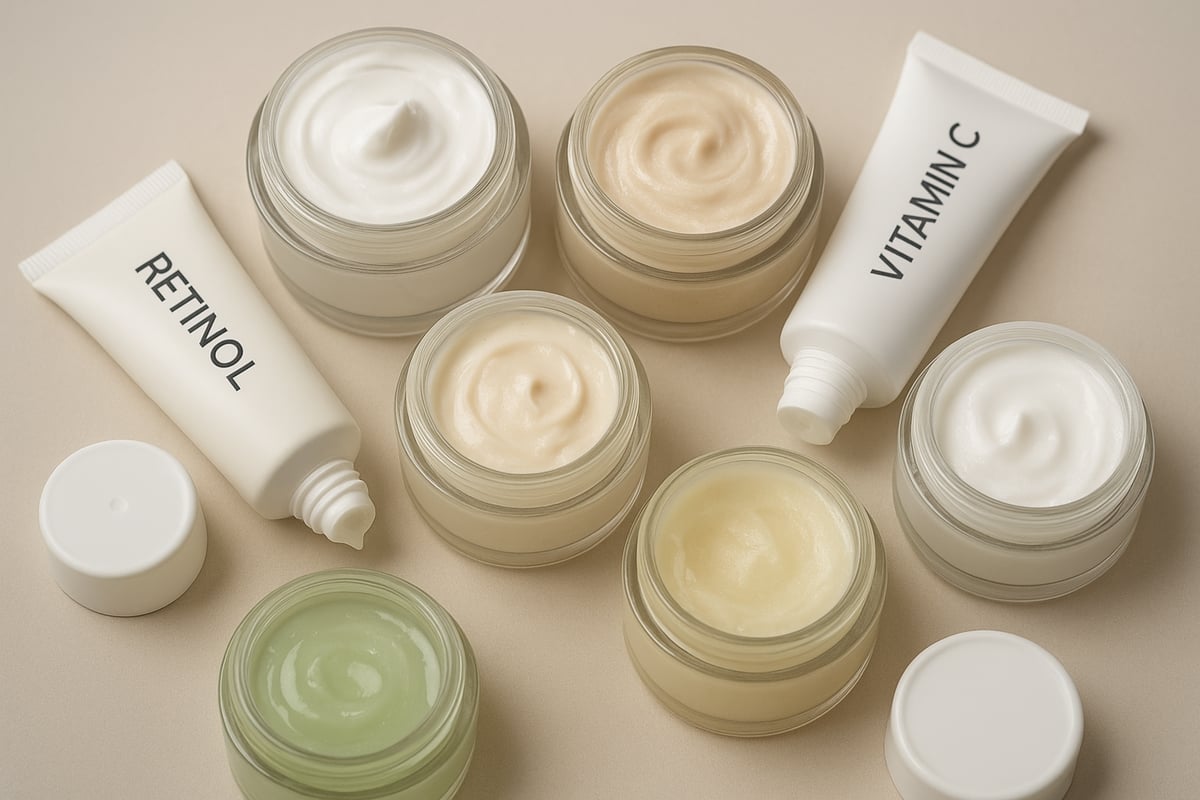
The skin care cream market is brimming with options, each designed for a specific need. Moisturisers hydrate, night creams repair while you sleep, anti-ageing creams target lines, and specialty creams address concerns like pigmentation. You will find water-based gel creams, perfect for oily skin, and rich, oil-based balms for dry complexions. Night creams, for example, saw an 18% sales jump in 2025, showing their rising popularity.
Here is a quick comparison:
| Type | Texture | Best For | Key Ingredients |
|---|---|---|---|
| Moisturiser | Light/Medium | All skin types | Glycerin, hyaluronic acid |
| Night Cream | Rich | Dry/mature skin | Peptides, retinol |
| Anti-Ageing | Medium/Rich | Ageing skin | Peptides, antioxidants |
| Specialty | Varies | Targeted concerns | Vitamin C, licorice root |
Curious about why night creams matter? Learn more in this guide on night cream benefits explained.
How Skin Care Creams Work
A skin care cream works by blending occlusives, humectants, and emollients. Occlusives form a barrier to lock in moisture, while humectants like hyaluronic acid draw water into the skin. Emollients soften and smooth the surface, restoring comfort. Creams reinforce your skin barrier, which helps keep out irritants and retain hydration.
Dermatologists often highlight the importance of these ingredients for maintaining healthy skin. For example, hyaluronic acid holds up to 1000 times its weight in water, giving your skin a plumper, more dewy look. Using the right skin care cream supports the skin’s natural defences every day.
Benefits of Regular Use
Consistent use of a skin care cream brings real, visible changes. You will notice improved texture, better elasticity, and a natural glow. Creams help prevent premature ageing and shield your skin from environmental damage.
Research backs this up: 79 percent of users saw smoother skin after four weeks, according to an Allure survey in 2025. You will also experience less dryness, flakiness, and irritation. Regular application ensures your active ingredients absorb better, so your skin gets the most benefit.
Common Misconceptions About Creams
There are plenty of myths about skin care cream that can trip us up. Let us set the record straight:
- Heavy creams do not always cause breakouts; look for non-comedogenic formulas if you are acne-prone.
- Not all creams are created equal; lotions and ointments differ in texture and function.
- Natural ingredients are not always safer or more effective than synthetic ones.
UK dermatologists recommend choosing the right product for your skin type and concerns, not just following trends. The truth is, a well-formulated skin care cream can work wonders, no matter its ingredient source.
Choosing Between Creams and Other Products
When should you reach for a skin care cream instead of a serum, gel, or lotion? Creams are best for sealing in moisture, so use them as the last step in your routine. For example, apply your serum or gel first, then finish with a cream to lock in hydration. This layering boosts your skin’s ability to stay soft, smooth, and protected.
Assessing Your Skin Type and Needs in 2026
Understanding your unique skin is the first step to finding the perfect skin care cream. With so many choices on the market, knowing your skin type and needs in 2026 helps you make confident, informed decisions. Let’s break it down together.
Identifying Your Skin Type
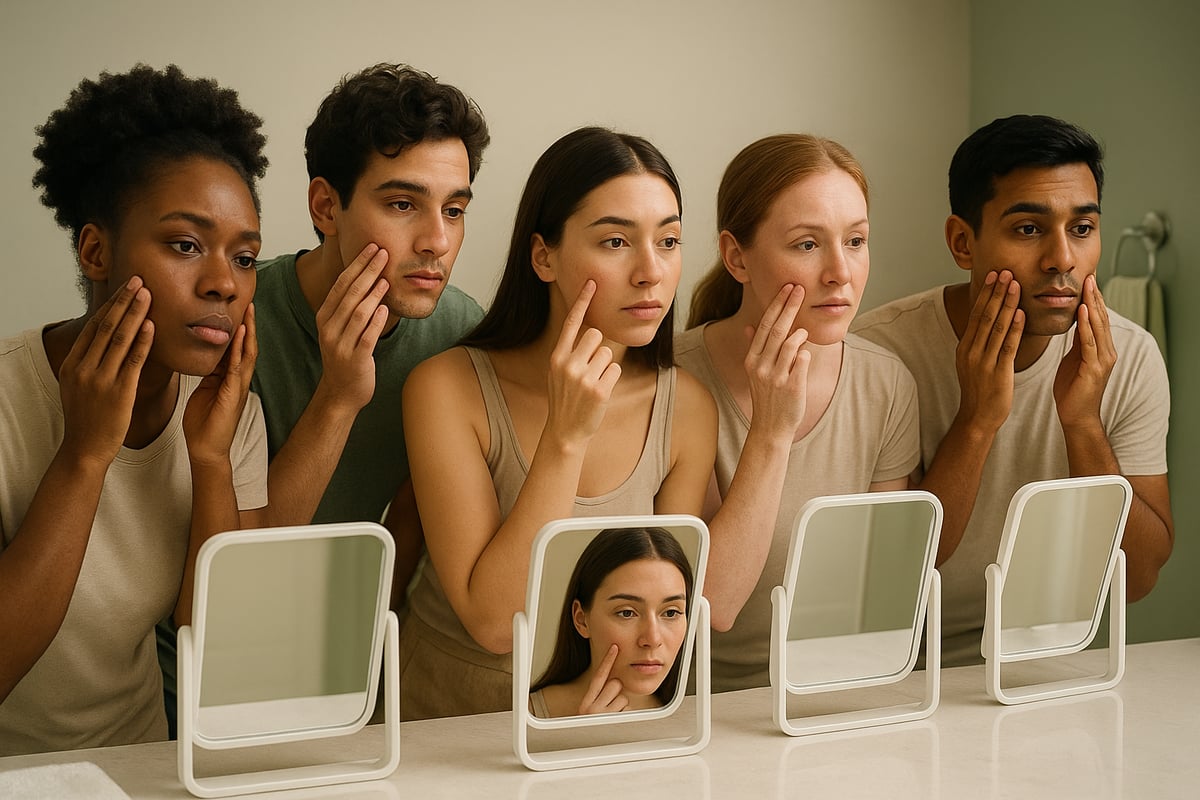
Everyone’s skin is different, and recognising your skin type is key to choosing the right skin care cream. The main types are dry, oily, combination, sensitive, and normal. Dry skin often feels tight and looks flaky, while oily skin tends to shine, especially in the T-zone. Combination skin shows oiliness in some areas and dryness in others, and sensitive skin reacts easily to new products or weather changes.
A simple at-home test is the blotting sheet method: gently press a clean sheet to your face and check for oil. More oil means oily skin, while little to no oil suggests dryness. Professional assessments can provide a more detailed analysis, especially if your skin seems to change with the seasons or hormones. Interestingly, climate and age play a big part in your skin’s behaviour, so it’s worth checking regularly. In the UK, 42% of adults report having combination skin.
If you have acne-prone skin, opting for a noncomedogenic moisturiser is essential to avoid clogging pores when selecting a skin care cream.
Recognising Skin Concerns and Goals
Once you know your skin type, it’s time to look at your main concerns. Are you fighting dehydration, tackling fine lines, dealing with pigmentation, or managing sensitivity? Setting clear, realistic goals helps you track your progress and choose the best skin care cream for your needs.
For example, if you want to target early signs of ageing, peptide-rich creams can help soften fine lines. If pigmentation is your concern, seek creams with brightening ingredients. Don’t forget to monitor your skin’s condition over time, as what works now might need tweaking in the future. Keeping a simple skincare diary or taking monthly photos can make it easier to spot improvements or changes.
The Impact of Lifestyle and Environment
Our daily habits and environment have a huge impact on how our skin looks and feels. Pollution, blue light from screens, and stress can all take their toll, making a protective skin care cream more important than ever. Those living in cities may benefit from antioxidant-rich creams to defend against environmental stressors.
Diet, hydration, and sleep also play vital roles in skin health. Drinking enough water and getting quality sleep can boost your skin’s natural glow. According to Euromonitor, 63% of consumers are now looking for pollution-protection in their creams, showing just how much our surroundings influence our choices.
When to Consult a Professional
Sometimes, it’s best to seek expert advice before changing your skin care cream. If you notice allergies, persistent irritation, or sudden changes in your skin, a dermatologist can help identify the cause. Patch testing is a smart step for those with sensitive skin, helping you avoid unwanted reactions.
A professional can also recommend products tailored to your needs, especially if over-the-counter options haven’t worked. Personalised advice makes all the difference when you want to achieve your healthiest, happiest skin.
Key Ingredients and Innovations in Skin Care Creams for 2026
Unlocking the full potential of your skin care cream starts with understanding the powerhouse ingredients and forward-thinking innovations shaping the landscape in 2026. Let’s explore what’s inside your cream, what’s new, and how you can make the best choices for your skin and the planet.
Essential Ingredients for Radiant Skin
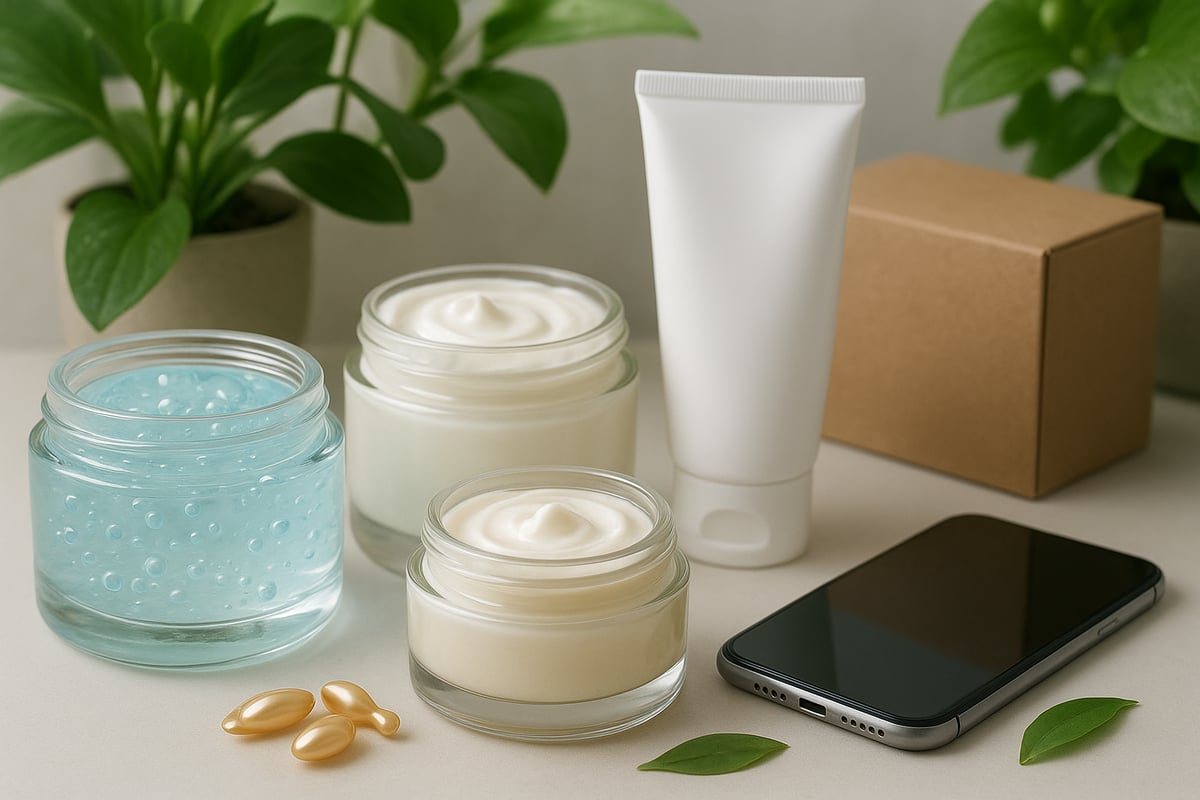
The heart of every skin care cream lies in its ingredients. In 2026, hydration heroes like hyaluronic acid and glycerin remain favourites, delivering plump, dewy skin by drawing moisture deep into the skin’s layers. Ceramides are essential for strengthening the skin barrier, especially for anyone with dry or compromised skin.
Peptides, meanwhile, are celebrated for their ability to support collagen production, helping to minimise fine lines. Niacinamide is another superstar, brightening skin tone and calming redness. Did you know that 72% of new creams in 2025 featured niacinamide as a key ingredient? When choosing a skin care cream, look for these actives to achieve a healthy, glowing complexion.
| Ingredient | Function | Best for |
|---|---|---|
| Hyaluronic Acid | Hydration, plumping | All skin types |
| Ceramides | Barrier repair, soothing | Dry, sensitive skin |
| Peptides | Firmness, anti-ageing | Ageing, mature skin |
| Niacinamide | Brightening, calming | Uneven tone, redness |
Breakthrough Innovations and Trends
The world of skin care cream is evolving rapidly. Biotech-derived actives, such as vegan collagen, are now making waves for their ethical sourcing and potent effects. Microbiome-friendly and probiotic creams are trending, supporting the skin’s natural defences and promoting a balanced complexion.
Smart creams are gaining popularity, adapting to your skin’s needs in real time. Imagine a skin care cream that responds to temperature changes, adjusting its hydration level as the weather shifts. These innovations are making it easier than ever to personalise your routine and embrace the very latest in skin science.
Curious about global breakthroughs? Many emerging trends are inspired by innovative Korean skincare ingredients, which continue to set the pace for the industry.
Natural vs. Synthetic Ingredients
Choosing between natural and synthetic ingredients in your skin care cream can feel overwhelming. Natural extracts, like plant-based retinol alternatives, are valued for their gentleness and sustainability. Many consumers appreciate knowing exactly where their ingredients come from.
On the other hand, synthetic actives are often more stable and can deliver faster, more targeted results. Safety and efficacy always come first, but sustainability is growing in importance. In fact, 54% of users now prefer creams with natural ingredients. When selecting a skin care cream, weigh the pros and cons for your needs and values.
- Natural ingredients: Often gentler, eco-friendly, but may be less potent.
- Synthetic ingredients: Stable, effective, but source and safety should be checked.
Sustainability and Ethical Considerations
Sustainability is at the forefront of the skin care cream industry in 2026. Brands are moving towards eco-friendly packaging, with refillable jars and recycled materials now commonplace. Cruelty-free and vegan formulations are not just trends, but expectations for many of us.
Ingredient sourcing is also under the spotlight. Look for creams that highlight ethical harvesting and transparent supply chains. UK regulations ensure clear labelling, so you can shop with confidence. Choosing a sustainable skin care cream means looking after your skin and the environment at the same time.
Sustainability checklist:
- Refillable or recyclable packaging
- Cruelty-free and vegan certification
- Ethically sourced ingredients
Ingredient Combinations to Avoid
Even the best skin care cream can cause issues if combined poorly with other actives. Some ingredients, like retinol and AHAs, can be too harsh when layered together, leading to irritation. Always check for compatibility, especially if you have sensitive or reactive skin.
Safe layering is key. For example, niacinamide pairs well with vitamin C in most modern formulas, but always introduce new products slowly. If you’re unsure, consult a dermatologist or review trusted resources like this guide on ingredients to avoid in creams for extra peace of mind.
Remember, patch testing is your friend and can save you from unwanted reactions. With the right approach, your skin care cream will help you achieve lasting results, safely and comfortably.
Step-by-Step Guide: How to Use Skin Care Creams for Maximum Results
Achieving your best skin in 2026 starts with a smart, consistent routine. Whether you are new to skincare or a seasoned pro, mastering how to use your skin care cream can make all the difference. Let us walk through each step together to unlock radiant, healthy skin.
Preparing Your Skin
Before you reach for your skin care cream, proper preparation is essential. Start by cleansing your face thoroughly to remove dirt, oil, and makeup. Clean skin absorbs creams more effectively, allowing active ingredients to work their magic.
Exfoliation, two to three times a week, helps slough away dead skin cells. This step smooths the surface, so your skin care cream can penetrate deeper. If you wear makeup or sunscreen, consider double cleansing. Begin with an oil-based cleanser, then follow with a gentle water-based one.
After cleansing, apply a mild toner. This helps balance your skin’s pH and preps it for the next steps, ensuring your skin care cream is fully absorbed.
Correct Application Techniques
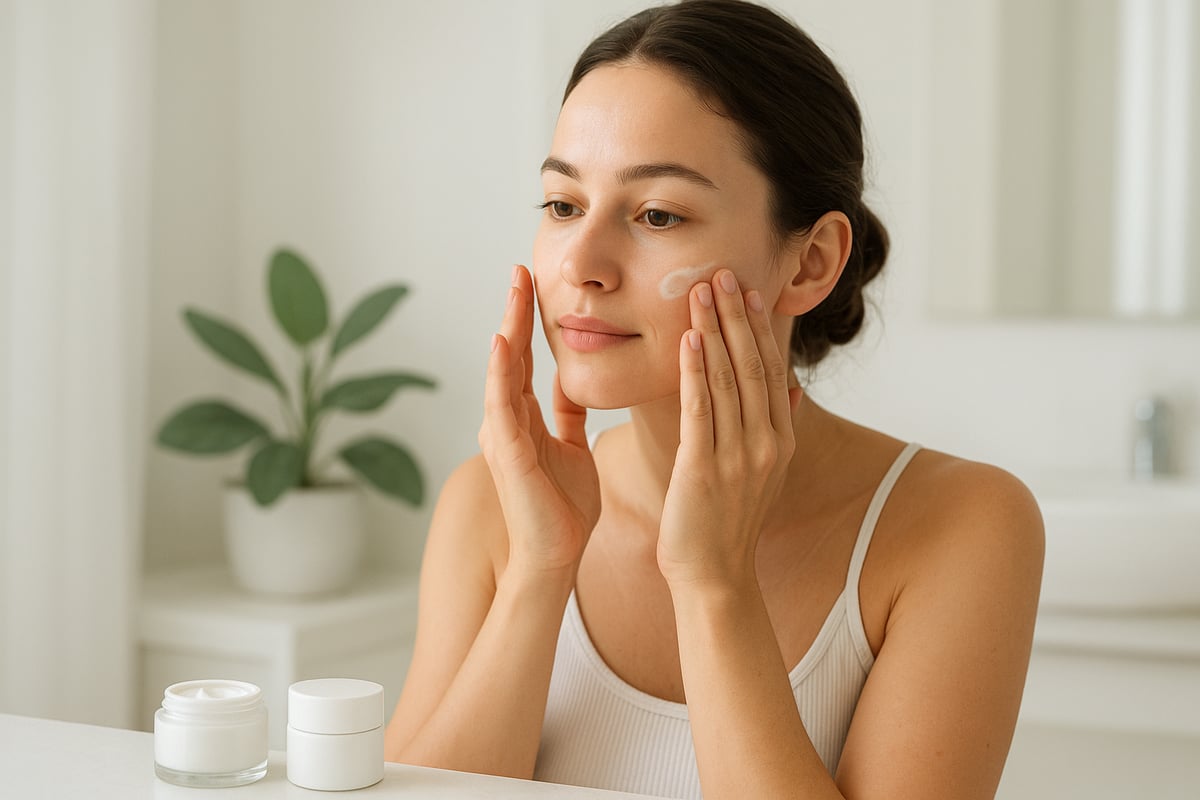
The way you apply your skin care cream can be just as important as the product itself. For most creams, a pea-sized to coin-sized amount is sufficient. Too much product may leave a greasy residue, while too little might not give you full benefits.
Warm the cream between your fingertips, then gently pat or press it onto your skin. Patting, rather than rubbing, minimises tugging and helps distribute the cream evenly. Always use upward and outward strokes, especially around delicate areas like the eyes, to avoid pulling and stretching.
Take your time. Mindful application allows your skin care cream to settle in and creates a relaxing self-care ritual.
Layering with Other Products
Layering is key for getting the most from your skin care cream. The general rule is to apply the thinnest products first, working up to thicker ones. After cleansing and toning, apply any serums or treatments. Let each layer absorb before moving on.
Your skin care cream should come after serums, acting as a seal to lock in hydration. Finish with sunscreen during the day. If you are unsure about the correct order or how to build your routine, this step-by-step guide can help.
Be patient between layers—waiting a minute or two improves absorption and prevents pilling.
Day vs. Night Cream Routines
Day and night routines differ, and so do the formulations of your skin care cream. In the morning, choose a lighter cream with added SPF and antioxidants to shield your skin from pollution and UV rays.
At night, opt for a richer skin care cream with reparative ingredients like peptides or retinol. These support your skin’s natural regeneration as you sleep. In colder months, you might switch to an even more nourishing formula to combat dryness.
Listen to your skin’s needs and adapt your routine accordingly for round-the-clock care.
Adjusting Your Routine Seasonally and With Age
Your skin is not static—it changes with the seasons and as you age. In summer, lighter, gel-based skin care cream formulations keep you hydrated without feeling heavy. In winter, richer creams provide extra protection against cold, dry air.
Hormonal changes, stress, and ageing can impact how your skin behaves. If you notice more dryness or fine lines, consider upgrading to a skin care cream with ceramides or peptides. Do not be afraid to tweak your routine as your needs evolve.
Keeping a simple diary or photo log can help you track what works best for your skin throughout the year.
Troubleshooting Common Issues
Sometimes, even the best skin care cream routine needs a little troubleshooting. If you notice pilling (when products ball up on your skin), it may be due to layering products too quickly or using incompatible textures. Try waiting longer between steps and using lighter layers.
Breakouts or irritation can signal that a cream is too rich or contains ingredients your skin does not like. Patch test new products before applying them all over. If you have sensitive skin, seek out fragrance-free options.
Remember, it is normal to experiment before finding your perfect skin care cream. Listen to your skin and adjust as needed.
Expert Tips for Enhancing Results
Want to take your skin care cream routine to the next level? Try using a facial massage tool, such as a jade roller or gua sha, to help boost absorption and encourage circulation. Massaging your cream in gentle, upward motions can add a healthy glow.
Incorporate weekly treatments like hydrating masks or gentle exfoliation to complement your skin care cream. These extras can address specific concerns and enhance your results.
Above all, consistency is key. Sticking to your routine and choosing the right skin care cream for your needs will help you achieve the radiant, healthy skin you deserve.
Expert Recommendations: Best Skin Care Creams by Skin Type and Concern
Choosing the right skin care cream can truly transform your routine, but the best results come from matching your cream to your unique skin needs. Let’s look at expert recommendations for every skin type and concern, so you can feel confident and radiant—whatever your skin goals.
For Dry and Sensitive Skin
If your skin often feels tight, flaky, or reacts easily, a gentle and nourishing skin care cream is essential. Look for formulas rich in ceramides, squalane, and oat extract, all known to strengthen the skin barrier and calm irritation.
- Texture: Opt for rich, fragrance-free creams that provide lasting moisture without overwhelming sensitive skin.
- Expert tip: Dermatologists often recommend barrier creams, especially in colder months.
- Did you know? 85% of sensitive skin users prefer unscented creams, according to Allergy UK 2025.
A skin care cream tailored for dry or sensitive skin helps lock in hydration and reduce redness. If your skin stings after applying products, always patch test a new cream before full use.
For Oily and Acne-Prone Skin
Don’t skip moisturiser just because your skin is oily. The right skin care cream can balance oil production and reduce breakouts. Choose oil-free, non-comedogenic creams containing niacinamide or zinc for their calming and mattifying effects.
- Texture: Lightweight gel-creams absorb quickly and won’t clog pores.
- Key ingredients: Niacinamide, zinc, and other gentle hydrators.
- Myth-buster: Even oily skin needs moisture to prevent excess sebum.
A well-formulated skin care cream keeps your complexion clear while maintaining essential hydration. Apply after cleansing and, if needed, use a targeted spot treatment beforehand.
For Combination and Normal Skin
Combination skin can be tricky, with some areas feeling dry and others oily. The best approach is a balancing skin care cream that hydrates without heaviness and controls shine in the T-zone.
- Multi-zoning: You might use a lightweight cream on your forehead and nose, and a richer one on your cheeks.
- Look for: Antioxidant-rich ingredients for overall skin health.
- Tip: Adjust your routine as your skin changes throughout the year.
A flexible skin care cream routine helps keep your complexion even and comfortable. Listen to your skin and adapt as needed.
For Ageing and Mature Skin
Skin changes with age, often becoming drier and losing some elasticity. Choose a skin care cream packed with anti-ageing actives like peptides, retinol, and antioxidants to support firmness and smoothness.
- Best for night: Rich creams with bakuchiol or retinol for gentle renewal.
- For day: Multi-action creams with SPF help prevent further damage.
- Statistic: 67% of women over 40 seek multi-benefit creams (Euromonitor 2025).
A consistent skin care cream routine can visibly improve fine lines and overall glow. Don’t forget your neck and décolleté for a more even result.
For Pigmentation and Uneven Tone
If dark spots or uneven tone are your main concerns, focus on a skin care cream with brightening ingredients. Vitamin C, licorice root, and arbutin help fade pigmentation and boost radiance.
- SPF is a must: Choose a day cream with sun protection to prevent further discolouration.
- Layering: Use your cream alongside a targeted serum for faster results.
- Example: Day creams with niacinamide and SPF offer double benefits.
With a targeted skin care cream, you can gradually achieve a more luminous, even complexion. Track your progress and adjust as needed.
[White Rabbit Skin Care: Natural & Vegan Solutions] (https://whiterabbitskincare.co.uk)
For those who value ethical choices, White Rabbit Skin Care stands out with its commitment to natural, vegan, and cruelty-free skin care cream options. Their range includes cleansers, toners, and moisturisers designed for different skin types.
- Unique features: Generous product sizes, eco-friendly packaging, and a 28-day money-back guarantee.
- Personalised routines: Take their online quiz for tailored recommendations.
- Customer love: With a 4.9/5 rating from 278 reviews, satisfaction is high.
To learn more about the benefits of vegan and cruelty-free creams, visit their Vegan and cruelty-free creams guide. If you want a skin care cream that cares for your skin and the planet, White Rabbit is an excellent UK choice.
Future Trends: What’s Next for Skin Care Creams in 2026 and Beyond?
Curious about the future of your skin care cream routine? The world of beauty is evolving rapidly, and the years ahead promise exciting breakthroughs. Let’s explore what’s on the horizon for skin care cream innovation, technology, and sustainability, so you can stay ahead and make the most of every glow-up opportunity.
Personalised Skin Care Technology
Imagine a world where your skin care cream is perfectly matched to your unique skin profile. In 2026, AI-powered tools and apps are making this dream a reality. Skin analysis no longer requires a visit to a specialist. Instead, at-home skin scanners and smart devices can assess hydration, texture, and even predict future concerns.
Recent research on AI-driven skin hydration assessment shows how machine learning can accurately measure skin moisture levels, helping you choose the right skin care cream for your needs. Some brands are even introducing DNA-based formulations, offering a truly bespoke approach.
- AI skin analysis apps for instant feedback
- DNA-based cream blends tailored to your genetics
- Routine tracking for ongoing improvement
With these advancements, your skin care cream routine becomes smarter and more effective than ever before.
Advanced Delivery Systems
The next chapter for skin care cream is all about how ingredients reach your skin. Delivery systems are becoming more sophisticated, ensuring that actives penetrate deeper and work longer. Think encapsulation, micro-needling, and transdermal patches that release ingredients exactly where they are needed.
One example is time-release vitamin C creams. These formulas deliver antioxidants gradually, minimising irritation and maximising results. Micro-encapsulation protects sensitive ingredients, helping your skin care cream stay potent from the first pump to the last application.
- Micro-encapsulated peptides for firming effects
- Transdermal patches for targeted treatment
- Micro-needling tools paired with creams for enhanced absorption
This technology means your favourite skin care cream can deliver visible improvements with less guesswork.
Sustainability and Circular Beauty
Eco-conscious beauty lovers, rejoice: the future of skin care cream is green. Brands are investing in zero-waste packaging, upcycled ingredients, and closed-loop systems that reduce environmental impact. Refillable jars and compostable containers are becoming the norm, making it easy to care for your skin and the planet.
Some companies now offer refill stations in major UK cities, allowing you to top up your favourite skin care cream without unnecessary packaging. Upcycled ingredients, like fruit seed oils or leftover grains, give new life to by-products that would otherwise go to waste.
- Refillable glass and aluminium jars
- Upcycled botanicals for eco-friendly formulas
- Brands committed to carbon-neutral shipping
With these changes, your skin care cream routine can be as sustainable as it is effective.
Regulatory Changes and Ingredient Safety
As innovation accelerates, regulations are keeping pace to protect consumers. In 2026, expect updated UK and EU cosmetic guidelines, including bans on certain preservatives and microplastics. The focus is shifting toward safer, more transparent ingredient lists, so you can make informed choices about your skin care cream.
Brands must now provide clearer labelling, ensuring every skin care cream meets strict safety standards. Increased scrutiny of marketing claims means you can trust what’s on the label.
- Stricter rules on microplastics and preservatives
- Transparent labelling for all ingredients
- Safer alternatives for sensitive skin
This ensures your skin care cream is not only innovative but also safe and trustworthy.
Consumer Behaviour and Market Shifts
How we shop for skin care cream is changing, too. There’s a rising demand for multi-tasking and minimalist products, with more men and gender-neutral consumers entering the market. According to global skincare market growth projections, the industry is set for continued expansion, driven by these evolving preferences.
People are seeking simplicity, with all-in-one creams that hydrate, protect, and treat multiple concerns. The UK is also seeing a surge in men embracing skin care cream routines, reflecting a broader, more inclusive approach to beauty.
- Multi-purpose creams for busy lifestyles
- Gender-neutral product lines
- Growing interest in ethical, effective skincare
Staying tuned to these trends ensures your skin care cream routine evolves right along with you.