

Skin Care Cosmetics Products: Your Complete Guide
Choosing the right skin care cosmetics products can feel overwhelming with thousands of options lining pharmacy shelves and filling online stores. Whether you're building your first proper skincare routine or looking to refine an existing one, understanding what works for your unique skin needs makes all the difference. The beauty industry has evolved tremendously in recent years, with a growing emphasis on natural ingredients, ethical production, and science-backed formulations that deliver real results without compromising on values.
Understanding Skin Care Cosmetics Products
Skin care cosmetics products encompass a broad category of formulations designed to cleanse, treat, protect, and enhance your skin's appearance and health. These products range from basic cleansers and moisturisers to specialized treatments like serums, masks, and targeted solutions for specific concerns.
The fundamental difference between traditional cosmetics and modern skin care cosmetics products lies in their formulation and purpose. While makeup focuses on enhancing appearance temporarily, skincare products work to improve your skin's health over time. Many contemporary formulations bridge both worlds, offering cosmetic benefits whilst delivering genuine skincare advantages.
The Essential Product Categories
Building an effective routine starts with understanding the core categories:
- Cleansers: Remove dirt, oil, makeup, and environmental pollutants
- Toners: Balance pH levels and prepare skin for subsequent products
- Serums: Deliver concentrated active ingredients for specific concerns
- Moisturisers: Hydrate and protect the skin barrier
- Sunscreen: Shield against harmful UV radiation and premature ageing
Each category serves a distinct purpose, and the best results come from selecting products that work harmoniously together. Research from Harvard Health emphasizes the importance of understanding ingredients in popular skin lotions and cosmeceuticals to make informed choices.
Ingredients That Matter in Skin Care Cosmetics Products
The effectiveness of skin care cosmetics products depends heavily on their ingredient composition. In 2026, consumers are more ingredient-savvy than ever, demanding transparency and proven efficacy.
Plant-Based and Natural Ingredients
Natural ingredients have gained tremendous popularity, particularly among those seeking vegan and cruelty-free options. These botanical extracts offer powerful benefits:
Hydrating ingredients:
- Hyaluronic acid (can be plant-derived)
- Aloe vera
- Glycerin from vegetable sources
- Plant oils like jojoba and rosehip
Anti-ageing actives:
- Vitamin C from natural sources
- Retinol alternatives like bakuchiol
- Green tea extract
- Resveratrol from grapes
The shift toward non-toxic skincare brands reflects growing consumer awareness about what we apply to our largest organ. Natural doesn't automatically mean better, but when formulated correctly, plant-based ingredients offer remarkable benefits without harsh synthetic chemicals.
| Ingredient Type | Key Benefits | Best For |
|---|---|---|
| Hyaluronic Acid | Deep hydration, plumping | All skin types, especially dry |
| Niacinamide | Brightening, pore-refining | Combination, oily skin |
| Ceramides | Barrier repair, moisture retention | Sensitive, dry skin |
| Vitamin C | Antioxidant protection, brightening | Dull, ageing skin |
| Bakuchiol | Retinol alternative, anti-ageing | Sensitive skin, vegan preference |
Choosing Products for Your Skin Type
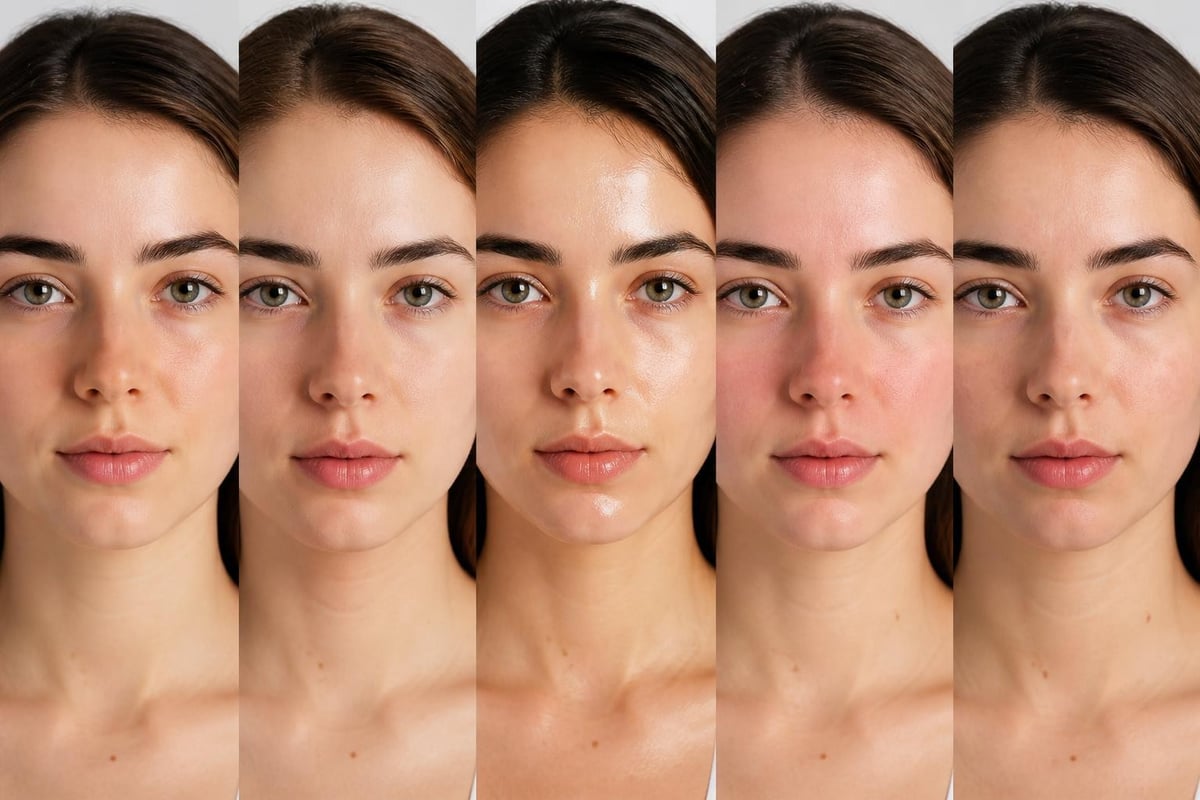
One of the biggest mistakes people make when selecting skin care cosmetics products is following trends rather than addressing their individual skin needs. Your skin type should guide every purchase decision.
Normal Skin
If you're blessed with balanced skin that's neither too oily nor too dry, you have flexibility in product selection. Focus on maintenance and protection rather than corrective treatments. Gentle cleansers, lightweight moisturisers, and antioxidant serums help preserve your skin's natural balance.
Dry and Sensitive Skin
Those with dry skin need rich, nourishing formulations that repair the moisture barrier. Look for:
- Cream-based cleansers that don't strip natural oils
- Alcohol-free toners with soothing ingredients
- Heavy moisturisers with ceramides and fatty acids
- Gentle, fragrance-free formulations
Products designed for sensitive skin should minimize potential irritants whilst maximizing barrier support. The fewer ingredients, often the better for reactive skin types.
Oily and Combination Skin
Oily skin benefits from lightweight, non-comedogenic formulations that control excess sebum without over-drying. Gel cleansers, water-based moisturisers, and mattifying treatments work particularly well. Combination skin requires a strategic approach, sometimes using different products on different facial zones.
The Vegan Revolution in Skin Care Cosmetics Products
The vegan beauty movement has transformed from a niche market into a mainstream phenomenon. In 2026, countless consumers seek skin care cosmetics products that align with their ethical values whilst delivering exceptional results.
Why Choose Vegan Skincare
Vegan formulations exclude all animal-derived ingredients and by-products, including:
- Beeswax and honey
- Lanolin from sheep's wool
- Carmine from insects
- Collagen and keratin from animals
- Squalene from shark liver
Modern vegan face lotions and moisturisers use plant-based alternatives that often perform as well or better than their traditional counterparts. Plant squalane from olives or sugarcane, for instance, offers identical benefits to animal-derived versions.
Cruelty-Free Certification
Beyond ingredient selection, ethical consumers consider testing practices. Cruelty-free certification ensures no animal testing occurred during development or production. In the UK and EU, animal testing for cosmetics has been banned since 2013, but companies selling internationally may still conduct tests in markets where it's required.
When exploring the best face care products, verification of both vegan and cruelty-free status ensures your purchases reflect your values.
Building an Effective Skincare Routine
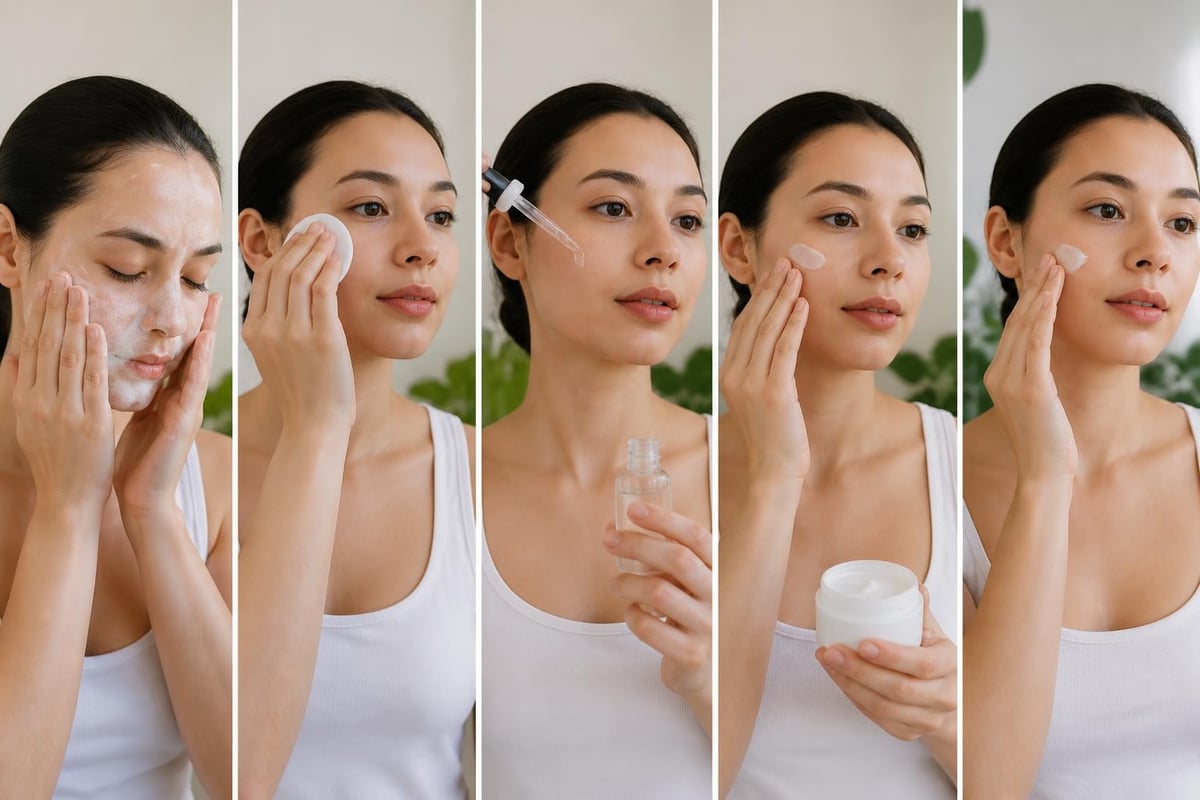
Having quality skin care cosmetics products means little without knowing how to use them properly. A well-structured routine maximizes product efficacy and delivers consistent results.
Morning Routine Essentials
Your morning routine should cleanse, protect, and prepare your skin for the day:
- Gentle cleanser to remove overnight oil buildup
- Toner to balance and prep skin
- Serum with antioxidants like vitamin C
- Moisturiser appropriate for your skin type
- Sunscreen with broad-spectrum SPF protection
Even on cloudy British days, UV protection remains essential. Sunscreen prevents premature ageing and protects against skin cancer, making it the most important anti-ageing product you'll ever use.
Evening Routine Structure
Night-time offers opportunity for deeper treatment and repair:
- Double cleanse if wearing makeup or sunscreen
- Exfoliation 2-3 times weekly
- Treatment serums with active ingredients
- Eye cream for delicate periorbital skin
- Night moisturiser or sleeping mask
The skin's repair processes peak during sleep, making evening application of active ingredients particularly effective. This is when you'd incorporate stronger treatments, retinol alternatives, or intensive hydration masks.
Layering Products Correctly
The order of application significantly impacts product absorption. Generally, apply products from thinnest to thickest consistency:
| Step | Product Type | Texture | Wait Time |
|---|---|---|---|
| 1 | Cleanser | Varies | Rinse off |
| 2 | Toner | Watery | 30 seconds |
| 3 | Serum | Lightweight liquid | 1-2 minutes |
| 4 | Eye cream | Light cream | 1 minute |
| 5 | Moisturiser | Cream/lotion | 1-2 minutes |
| 6 | Sunscreen (AM) | Varies | 2-3 minutes before sun |
Navigating Marketing Claims
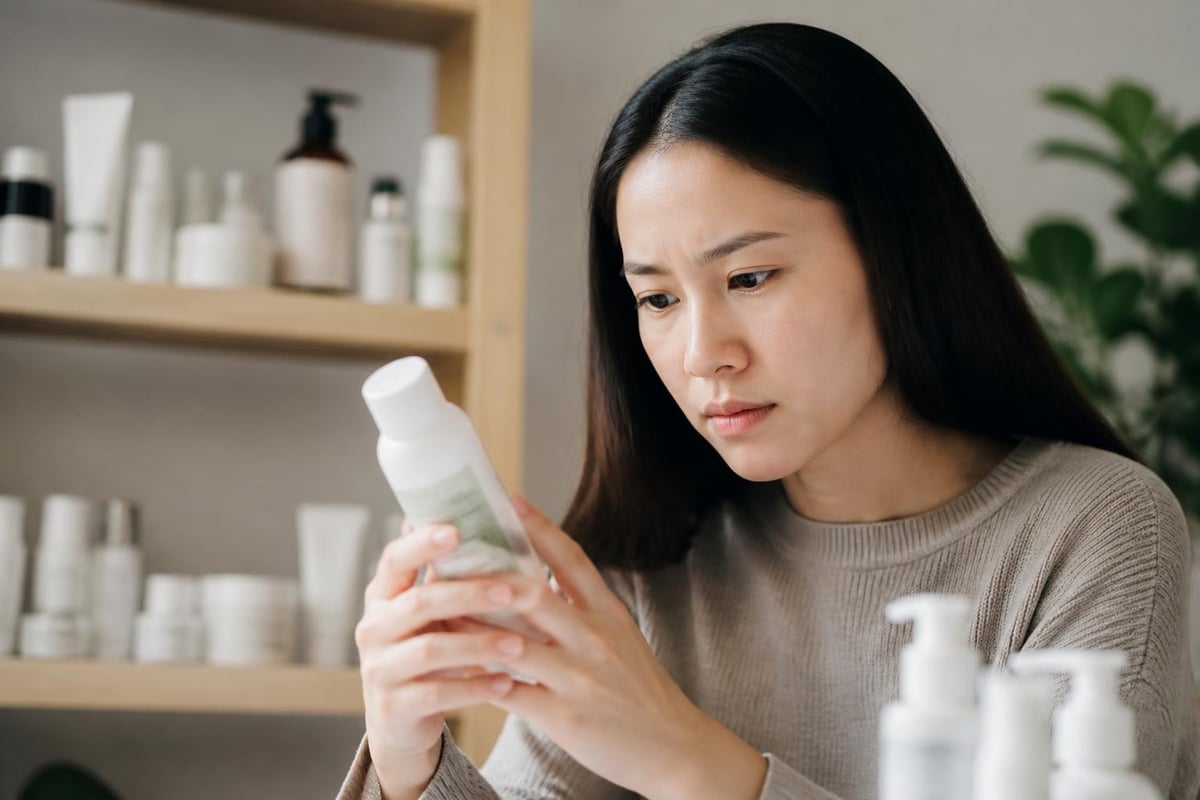
The skincare industry bombards consumers with impressive-sounding claims, but not all are regulated or scientifically validated. Understanding unregulated skincare claims helps you make informed decisions rather than falling for marketing hype.
Terms to Understand
"Clinically proven" should mean independent testing demonstrated results, but the size and rigor of studies vary enormously. A study with 10 participants differs vastly from one with 500.
"Natural" and "organic" lack standardized definitions in cosmetics. A product can claim to be natural whilst containing primarily synthetic ingredients with a few plant extracts.
"Dermatologist-tested" simply means a dermatologist evaluated the product, not that they endorse it or that testing was rigorous.
When evaluating skin care cosmetics products, expert advice on when to invest emphasizes looking beyond marketing to clinically effective ingredients.
Price Versus Value in Skincare
The skincare market spans from affordable drugstore options to luxury brands costing hundreds of pounds. Understanding where to invest and where to save makes building an effective routine more accessible.
When to Splurge
Certain product categories benefit from premium formulations:
- Serums with active ingredients: Higher concentrations and better stabilization often justify increased cost
- Sunscreen: Quality formulations that you'll actually wear daily are worth the investment
- Specialized treatments: Products targeting specific concerns like hyperpigmentation or advanced ageing
Where to Save
Some categories perform equally well across price points:
- Basic cleansers that simply remove dirt and oil
- Simple moisturisers with proven ingredients
- Cotton pads and application tools
Many popular skin care products deliver excellent results without premium pricing. The key is understanding ingredient quality and concentration rather than brand prestige.
Sustainability in Skin Care Cosmetics Products
Environmental consciousness increasingly influences purchasing decisions. In 2026, consumers expect brands to demonstrate genuine commitment to sustainability beyond greenwashing.
Packaging Considerations
Sustainable packaging options include:
- Glass containers (infinitely recyclable)
- Aluminum tubes and tins
- Post-consumer recycled plastics
- Refillable systems
- Minimal, recyclable outer packaging
Many brands now offer refill programmes, reducing packaging waste whilst maintaining product integrity.
Ingredient Sourcing
Ethical sourcing ensures ingredients are harvested sustainably without depleting natural resources or exploiting workers. Fair trade certifications, organic farming practices, and biodegradable formulations reflect genuine environmental commitment.
Good vegan moisturisers often align with broader sustainability goals, as plant-based ingredients typically have lower environmental impact than animal-derived alternatives.
Personalisation and Technology
The future of skin care cosmetics products lies in personalisation. Advanced technology enables customized formulations based on individual needs, environmental factors, and specific concerns.
AI-Powered Recommendations
Emerging research in AI-assisted skincare demonstrates how technology can analyze skin conditions and recommend personalized routines. These systems consider factors like:
- Skin type and concerns
- Climate and environmental exposure
- Lifestyle factors
- Product compatibility
- Seasonal adjustments
Whilst technology offers exciting possibilities, human expertise and self-knowledge remain invaluable. The best approach combines technological insights with professional guidance and personal experience.
Customizable Formulations
Some brands now offer bespoke products where you select specific active ingredients and concentrations. This approach allows precise targeting of multiple concerns whilst avoiding unnecessary ingredients that might irritate or conflict.
Common Mistakes to Avoid
Even with quality skin care cosmetics products, improper use can undermine results or cause problems.
Over-Exfoliation
Enthusiasm for achieving glowing skin often leads to excessive exfoliation. Chemical and physical exfoliants should be used 2-3 times weekly at most, not daily. Over-exfoliation compromises the skin barrier, leading to sensitivity, redness, and increased problems.
Mixing Incompatible Ingredients
Certain active ingredients shouldn't be used together:
- Vitamin C and retinol (use at different times)
- Multiple strong acids simultaneously
- Niacinamide and pure vitamin C at high concentrations (though formulated products often work around this)
Changing Products Too Frequently
Your skin needs time to adjust to new products and show results. Most active ingredients require 4-8 weeks of consistent use before delivering visible improvements. Constantly switching products prevents you from identifying what actually works.
Neglecting Your Neck and Hands
The neck, chest, and hands show ageing as readily as the face but often receive less attention. Extend your skin care cosmetics products to these areas for comprehensive care.
Seasonal Adjustments
Your skin's needs change throughout the year, requiring routine adjustments. British weather particularly demands seasonal flexibility.
Winter skincare: Cold air and indoor heating deplete moisture. Switch to richer cleansers, add hydrating serums, and use heavier moisturisers. Consider incorporating facial oils for extra barrier protection.
Summer skincare: Increased humidity may require lighter formulations. Prioritize mattifying products if you're prone to oiliness, and never skip sunscreen regardless of cloud cover.
Transitional seasons: Spring and autumn often bring sensitivity as skin adjusts. Gentle, barrier-supporting products help navigate these transitions smoothly.
Professional Treatments Versus At-Home Care
Whilst exceptional skin care cosmetics products deliver impressive results at home, professional treatments offer benefits that topical products alone cannot achieve. The ideal approach combines both:
Professional facials deep-cleanse, provide intensive treatments, and offer expert analysis of your skin's condition. They complement rather than replace daily routines.
At-home devices like LED masks, microcurrent tools, and dermaplaning implements have become increasingly sophisticated. When used correctly alongside quality products, they enhance results between professional appointments.
The key is viewing professional treatments and home care as partners in your skincare journey rather than competing approaches. Each offers unique advantages that, combined, deliver optimal results.
Building an effective skincare routine with the right products transforms not just your skin but your confidence and self-care practice. By understanding ingredients, respecting your skin type, and choosing ethical formulations, you create a routine that aligns with both your skin's needs and your values. White Rabbit Skin Care offers thoughtfully crafted vegan and natural products designed for various skin types, making it simple to build a complete routine that delivers results whilst honouring your commitment to cruelty-free beauty. Explore their collection today and discover skincare that works as hard for the planet as it does for your skin.