


Organic Face Guide 2026: Natural Skincare for Radiant Beauty
The demand for organic face care is sweeping the beauty world, promising radiant, healthy skin for everyone in 2026. As more of us question what we put on our skin, the organic face movement offers a gentler, more effective path to glowing beauty.
This guide reveals how adopting natural routines, choosing the right ingredients, and making eco-conscious choices can truly transform your complexion. We will explore the science behind organic skincare, step-by-step routines, ingredient spotlights, and expert tips to help you shine.
Discover the dangers of synthetic products, find out about the latest natural trends, and see how organic solutions can work for every skin type. Ready for lasting radiance? Let’s get started on your journey to natural beauty.
The Science of Organic Skincare: Why Go Natural?
Curious about why so many people are switching to an organic face routine? Let’s break down the science, the benefits, and how these choices can make a real difference for your skin and the planet.
Understanding Organic vs. Conventional Skincare
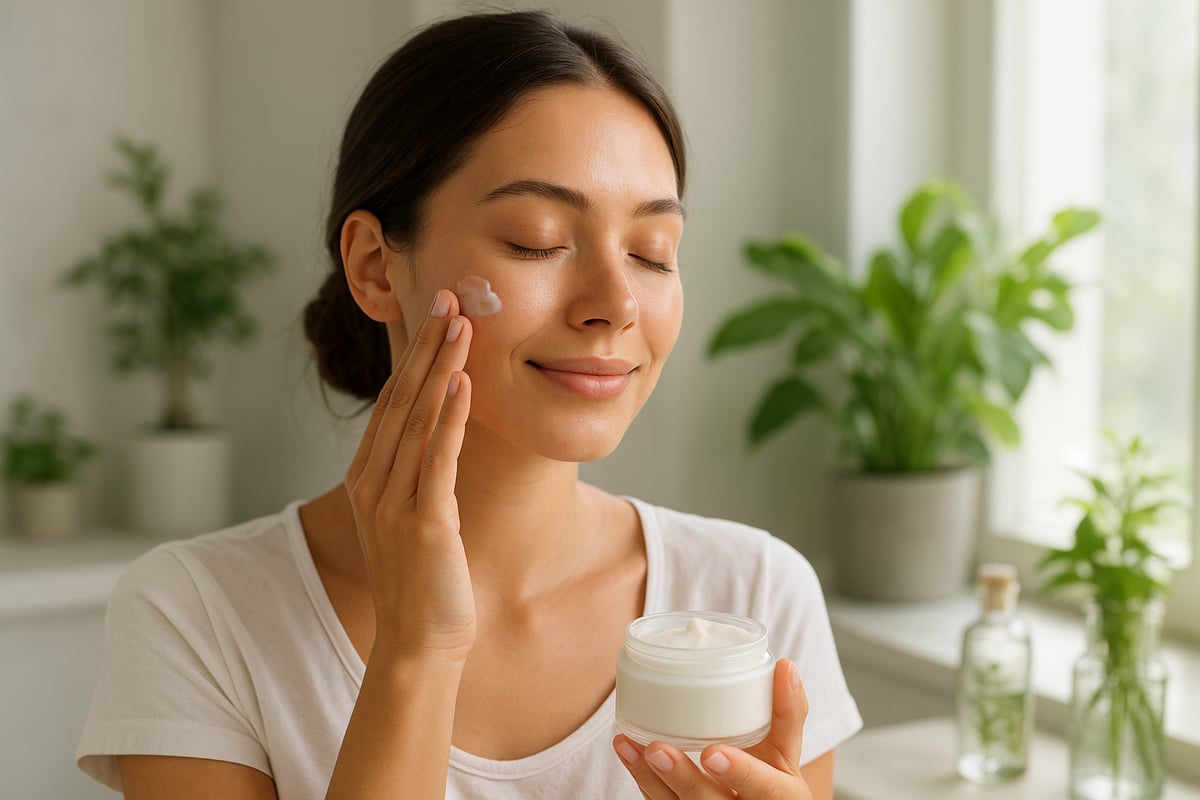
When we talk about an organic face routine, it’s important to understand what “organic” really means. Organic skincare uses ingredients grown without synthetic pesticides, fertilisers, or genetically modified organisms. These products are processed with minimal chemicals, keeping the natural essence of botanicals intact.
In the UK and EU, certifications like Soil Association and COSMOS ensure products meet strict organic standards. For example, an organic face cream will often use cold-pressed plant oils rather than petroleum derivatives. Cosmetic scientists note that natural formulas tend to favour gentle, plant-based ingredients, whereas conventional products may rely on synthetic preservatives and fragrances.
Benefits of Organic Ingredients for Skin Health
Choosing organic face products can mean fewer skin irritations and allergic reactions. Since these formulas use high concentrations of active botanicals, your skin benefits from vitamins, antioxidants, and essential fatty acids in their purest form. Plant extracts such as chamomile and calendula are packed with anti-inflammatory compounds that soothe and repair.
Recent studies show that organic oils like jojoba and rosehip can strengthen the skin barrier and improve moisture retention. There’s also an eco-friendly bonus: organic farming methods reduce chemical runoff and support healthier soil. With every organic face product you choose, you’re caring for both your complexion and the environment.
Trends in Organic Skincare for 2026
Looking ahead, the organic face care market is evolving fast. Transparency and traceability are top priorities, with brands showing exactly where ingredients come from. Biotech-derived natural actives and microbiome-friendly formulas are gaining ground, promising improved skin health for all.
Vegan and cruelty-free certifications are now mainstream, and more shoppers are demanding ethical choices. According to recent research, 74% of consumers prioritize organic ingredients in their personal care routines, highlighting the growing commitment to clean beauty. The organic face sector is set for impressive growth, offering innovation and inclusivity.
Common Myths and Misconceptions
Let’s clear up some confusion around the organic face approach. Some believe that “natural” always means gentle, but even botanicals can trigger sensitivities, so patch testing is vital. Others worry about shorter shelf life or reduced effectiveness, yet modern organic formulations are both stable and potent.
Organic skincare is not just for young or sensitive skin; there are options for every age and concern. While organic face products may seem pricier, their concentrated actives often deliver better value and results over time.
Case Example: Real-World Results
Many people in the UK have seen dramatic changes by embracing an organic face routine. Take Sarah, who switched to organic cleansers and serums to tackle redness and dryness. Within weeks, her complexion looked brighter and felt calmer.
Dermatologists confirm that transitioning to organic face care can reduce breakouts and irritation, especially for those with sensitive skin. Testimonials from everyday users highlight improved texture, glow, and long-term health. Making the switch to organic face products is a step towards radiant, happy skin that lasts.
Step-by-Step Organic Face Care Routine for 2026
Starting a new organic face routine in 2026 is a wonderful way to nurture your skin, the planet, and your wellbeing. Whether you are a seasoned natural beauty lover or just beginning to explore, following a clear, step-by-step process helps you unlock the full potential of your organic face care. Let’s walk through each step together—your radiant skin awaits.
Step 1: Gentle Cleansing with Natural Ingredients
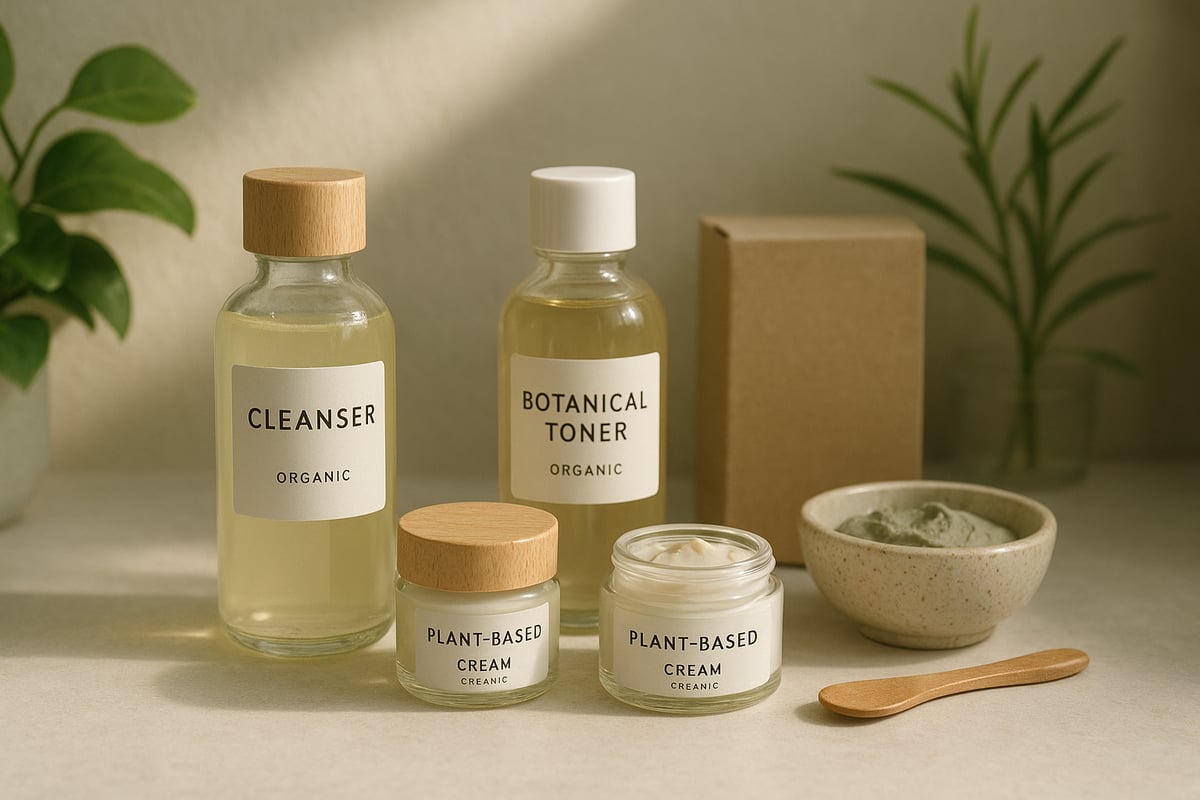
Cleansing is the foundation of every organic face routine. Using a gentle cleanser removes daily impurities, pollution, and excess oil while respecting your skin’s natural barrier.
Look for cleansers with soothing botanicals like chamomile, green tea, or aloe vera. These ingredients calm and hydrate, making them ideal for all skin types. For dry or mature skin, oil-based cleansers such as those with jojoba or camellia oil can offer deep nourishment. If you have oily or combination skin, a gel or foam cleanser with green tea can help balance without stripping.
Choosing the right organic face cleanser is key. Always massage gently, rinse with lukewarm water, and pat dry with a soft towel. Starting with this mindful step sets the tone for your entire organic face routine.
Step 2: Exfoliation—Nature’s Approach to Renewal
Exfoliation helps your organic face care routine work more effectively by removing dead skin cells and revealing a brighter complexion. Instead of harsh scrubs, choose plant-based exfoliants like bamboo powder or fruit enzymes from papaya and pineapple.
Sensitive skin? Limit exfoliation to once a week. Oily or acne-prone skin can benefit from two gentle sessions weekly. Always be gentle—over-exfoliating can disrupt the skin barrier and cause redness.
A simple organic face exfoliation routine might look like this:
- Cleanse first.
- Apply a small amount of exfoliant in circular motions.
- Rinse thoroughly and follow with a hydrating toner.
Notice how your skin feels—adjust frequency if needed for your unique organic face needs.
Step 3: Toning for Balance and Hydration
Toning is a step that preps your skin for maximum absorption of serums and moisturisers. Alcohol-free, botanical toners are essential for an organic face routine, as they refresh and hydrate without causing dryness.
Seek out ingredients like rose water, witch hazel, or cucumber extract for soothing benefits. These botanicals help to balance pH and calm sensitive skin. For an even more tailored experience, consider a toner that combines orange and aloe for brightening and hydration. You can learn more about this ingredient combination in Product Focus: Orange Aloe Toner.
Apply your organic face toner with a reusable cotton pad or your hands, pressing gently into the skin. This step locks in moisture and leaves your skin feeling fresh, not tight.
Step 4: Targeted Treatments with Organic Serums
Serums are the powerhouse of any organic face routine, delivering concentrated actives where your skin needs them most. Look for plant-derived hyaluronic acid to boost hydration, vitamin C from natural sources for brightness, or niacinamide for improved texture.
Layer serums based on your concerns, starting with the lightest texture. For example, apply a hydrating serum first, then follow with one targeting pigmentation or fine lines. Research suggests natural serums can be as effective as synthetic blends, especially when packed with bioactive ingredients.
Sensitive skin? Patch test new organic face serums and introduce one at a time. Give each product a few weeks to show results.
Step 5: Moisturising with Plant-Based Creams and Oils
Moisturising is non-negotiable in an organic face routine. The right moisturiser seals in hydration and supports a healthy skin barrier. For dry skin, shea butter and squalane offer deep nourishment. Oily or combination skin may prefer lighter lotions with jojoba oil, which regulates sebum.
Use a richer cream at night and a lighter formulation in the morning. Lock in extra moisture with a few drops of facial oil, gently pressed onto the skin. This step keeps your organic face glowing and resilient against the elements.
Step 6: Sun Protection with Mineral SPF
Daily sun protection is vital for every organic face routine, even on cloudy days. Mineral sunscreens made with zinc oxide or titanium dioxide offer broad-spectrum defence without synthetic chemicals.
Choose reef-safe, non-nano formulas to protect both your skin and the environment. Apply a generous layer as the last step in your morning routine, and reapply if you spend time outdoors. Consistent SPF use prevents premature ageing and keeps your organic face looking radiant year-round.
Step 7: Weekly Masks and Treatments
Weekly treatments give your organic face a boost, targeting specific concerns like dullness, breakouts, or sensitivity. Clay masks deeply cleanse and refine pores, while honey or algae masks offer nourishment and hydration.
Customise your mask based on your skin’s needs. Try a DIY blend using organic pantry staples—oats for soothing, or yoghurt for gentle exfoliation. Use these treatments once a week, ideally in the evening, to allow your skin to recover and rejuvenate.
Building these steps into your organic face care routine creates a nurturing ritual that supports lasting beauty. Enjoy the process and celebrate the healthy glow you achieve with mindful, natural choices.
Key Organic Ingredients for Radiant Skin
Unlocking a truly radiant organic face begins with understanding which natural ingredients make the biggest impact. With the right botanicals and mindful choices, our skin can glow with health and confidence.
Superstar Botanicals and Their Benefits
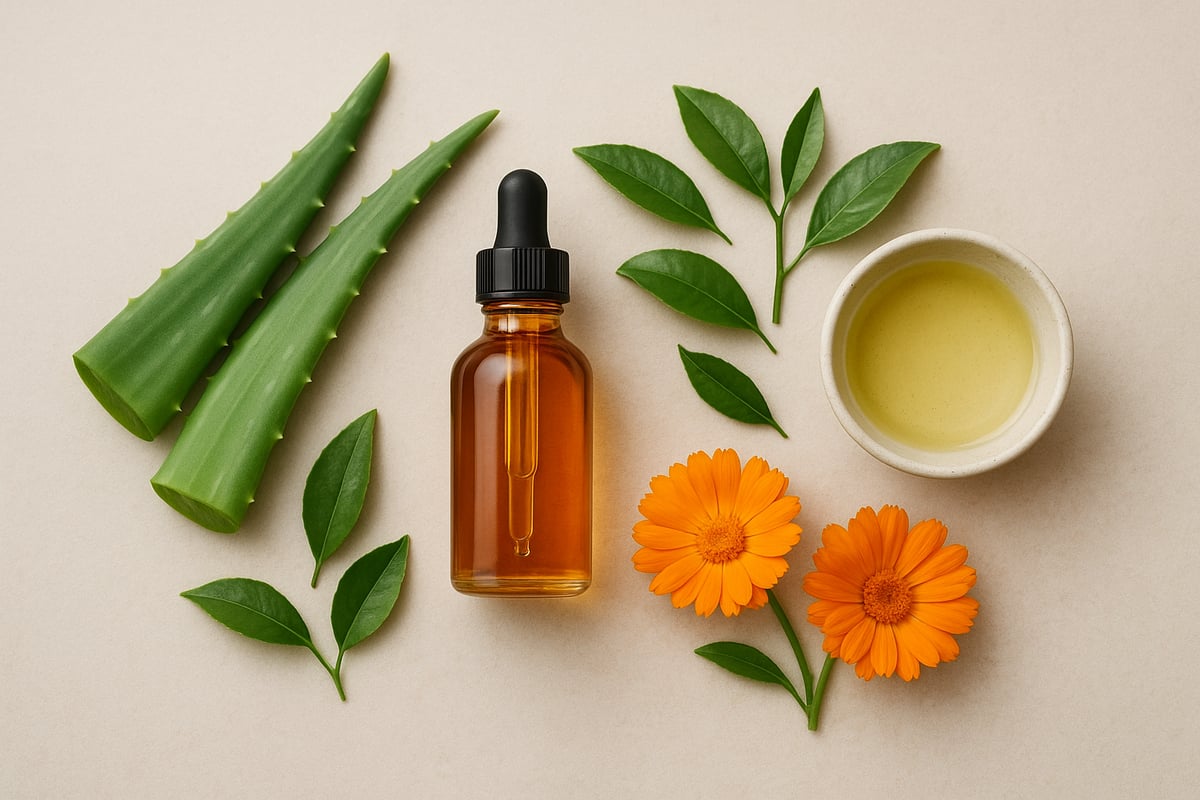
The heart of every organic face routine lies in nature’s most powerful botanicals. Aloe vera delivers deep hydration and calms irritation, making it ideal for sensitive skin. Rosehip oil is packed with vitamins A and C, supporting regeneration and fighting visible signs of ageing. Green tea provides a robust antioxidant shield, helping to protect against environmental stressors. Calendula soothes and reduces redness, offering comfort to delicate complexions.
Camellia oil is another standout, renowned for its silky texture and nourishing properties. To learn more about how camellia oil can enhance your organic face routine, explore this Ingredient Focus: Camellia Oil. Studies continue to show that these botanicals not only improve skin texture but also support long-term health for every organic face enthusiast.
Essential Oils: Use with Care
Essential oils can be a fantastic boost in organic face care, yet they require careful handling. Popular choices like lavender, tea tree, and frankincense offer benefits ranging from calming inflammation to targeting blemishes. However, it’s vital to dilute essential oils properly and patch-test before use, as even gentle options can cause reactions on sensitive skin.
Experts recommend blending just a few drops with a carrier oil to ensure safety. For any organic face routine, always be mindful of potential allergies and sensitivities. Listening to your skin and following best practices will keep your organic face journey both enjoyable and safe.
Plant-Based Actives for Brightening and Firming
Plant-based actives bring science-backed results to your organic face routine. Vitamin C, sourced from acerola cherry or kakadu plum, helps brighten the complexion and fade pigmentation. Bakuchiol is gaining fame as a gentle, natural alternative to retinol, supporting firmer, smoother skin without irritation.
Peptides derived from pea proteins are also making waves, promoting elasticity and a plump appearance. Clinical trials and user reviews highlight how these actives, when used consistently, can visibly enhance the radiance of your organic face in just a few weeks.
Ingredients to Avoid in Organic Skincare
For a genuinely healthy organic face, it’s essential to steer clear of certain ingredients. Synthetic fragrances and colourants can cause irritation and disrupt the skin’s balance. Parabens, phthalates, and sulphates are commonly found in conventional products but are best avoided for their potential health risks.
Microplastics, though often hidden, not only harm the environment but can also end up in our bodies. Always check labels for these ingredients, and choose products that align with your organic face values. Here’s a quick comparison:
| To Avoid | Why? |
|---|---|
| Synthetic fragrance | Can cause irritation |
| Parabens | Linked to hormone issues |
| Sulphates | Strips natural oils |
| Microplastics | Environmental impact |
Sourcing and Sustainability: Ethical Choices
Supporting a radiant organic face is about more than just ingredients—it’s about ethics and sustainability, too. Look for products made with fair-trade botanicals and locally sourced plant extracts. Innovative brands now offer biodegradable, refillable, or recyclable packaging, making it easier to reduce our impact.
Organic farming helps maintain biodiversity and soil health, which benefits us all. Certifications like Soil Association, COSMOS, and Fair Trade can guide your choices, ensuring your organic face routine supports both your skin and the planet. Every ethical choice helps us move towards a more beautiful future for everyone.
Choosing the Right Organic Products for Your Skin Type
Choosing the perfect organic face routine starts with understanding your unique skin. With so many options available, it can feel overwhelming, but finding what works for you is a journey we can enjoy together.
Identifying Your Skin Type and Needs
When building an organic face routine, start by identifying your skin type. Are you dry, oily, combination, sensitive, or mature? Each has its own needs. For example, dry skin craves hydration, while oily skin benefits from balancing botanicals.
Common concerns like acne, pigmentation, dehydration, or redness can guide your choices. Seasonal changes also play a role, with winter winds calling for richer creams and summer sun requiring lightweight hydration.
Try this quick self-assessment:
- Notice shine or oiliness? You might be oily or combination.
- Experience tightness or flakiness? Dry or sensitive skin could be your match.
- Fine lines and loss of firmness? Mature skin needs nurturing.
Understanding your organic face needs helps every step after feel personal and effective.
Product Selection Guide: What to Look For
When shopping for organic face products, look for trusted labels like Soil Association, COSMOS, or the Vegan Society. These certifications ensure high standards and ingredient transparency.
Scan ingredient lists, prioritising botanicals like aloe, rosehip, and green tea, while avoiding synthetic fragrances and harsh chemicals. Fragrance-free and hypoallergenic options are great for sensitive skin. Always patch test new products to keep your organic face journey safe and enjoyable.
For those seeking sustainability, consider Eco-Friendly Made Easy for tips on reducing waste with your organic face routine. Thoughtful choices help both your skin and the planet.
Navigating the UK Organic Skincare Market
The UK offers a vibrant organic face market, from high street favourites to niche indie brands. Leading names specialise in everything from gentle cleansers to advanced serums.
Customer reviews and ratings can give helpful insights, guiding you toward products that deliver results. Sometimes, spending a little more means higher quality or stronger ethics, so ask yourself what matters most in your organic face care.
You can find organic face products online, at local boutiques, or even in eco-friendly refill shops. Enjoy exploring, and remember, the best choice is one that fits your values and your skin.
White Rabbit Skin Care: Natural & Vegan Solutions
White Rabbit Skin Care embodies the ethos of organic face care with a focus on vegan, cruelty-free, and tailored solutions. Their range is designed for all skin types, ensuring no one is left behind on their journey to radiant skin.

Customers praise their long-lasting, effective products and eco-conscious packaging. The brand’s commitment to sustainability and ethical practices makes them a trusted choice for those seeking organic face transformation.
Testimonials from UK users highlight improved glow, comfort, and confidence. With White Rabbit Skin Care, the organic face routine becomes a joyful, mindful ritual.
Building a Sustainable and Effective Organic Skincare Lifestyle
Adopting an organic face routine is more than just choosing products, it is about nurturing your skin, your wellbeing, and the planet. Let’s explore how to build habits that make your organic face journey both sustainable and effective. From personalising your routine to embracing eco-friendly choices, you will find practical steps for a radiant, healthy complexion.
Creating a Personalised Skincare Routine
A truly effective organic face routine is tailored to your needs. Begin by layering products in the right order, starting with a gentle cleanser and finishing with moisturiser or facial oil. Adjust your products for morning and evening, using lighter serums in the day and richer creams at night.
Listen to your skin. As life changes, so do your needs. Notice how the organic face routine feels during different seasons, stress levels, or as you age. Keep a simple journal to track improvements or reactions. This helps you spot what works and celebrate progress.
Minimising Waste and Maximising Impact
Building an organic face routine means thinking about your environmental impact. Choose skincare with minimal, recyclable packaging or opt for refillable containers when possible. Bulk sizes not only last longer but reduce waste too.
Get creative by upcycling empty jars or bottles as plant pots or organisers. Look for local community schemes that encourage recycling or swapping products. Every small choice adds up, helping your organic face routine stay kind to the earth.
Holistic Beauty: Beyond Products
Radiant skin starts with more than just an organic face routine. Nourish yourself from within by eating a balanced diet rich in fruits, vegetables, and water. Prioritise sleep, manage stress, and keep active, as these habits show on your skin.
Try weaving mindfulness into your daily skincare ritual. Take a few deep breaths as you massage in your cleanser or apply a mask. This holistic approach creates harmony between your skin, mind, and body, making your organic face journey truly transformative.
Staying Informed: Trends and Innovations
The world of organic face care is always evolving. Follow credible sources and ingredient experts to stay in the know about new breakthroughs. Attend local beauty events or expos for hands-on learning and to meet like-minded people.
Online communities and reviews are fantastic for discovering what works in real life. For a broader perspective on where the industry is heading, the organic skincare market growth forecast highlights the global demand for more natural, effective solutions. Staying informed helps you make the best choices for your organic face routine.
Expert Tips for Lasting Radiance
Dermatologists and formulators agree: consistency is key for an organic face routine. Avoid switching products too quickly, and give your skin time to adjust. Always patch test new items, especially if you have sensitive skin.
Common mistakes include skipping SPF or over-exfoliating. If you experience setbacks like breakouts, remember that progress is not always linear. Celebrate small wins and embrace your unique glow. Your organic face journey is personal, and you deserve to feel proud every step of the way.