

How to Choose the Best Good Skin Care Cream for You
Finding a good skin care cream can feel overwhelming when you're faced with endless options promising miraculous results. The truth is, the best cream for your skin isn't necessarily the most expensive or the one with the longest ingredient list. It's the one that works harmoniously with your unique skin type, addresses your specific concerns, and aligns with your values. Whether you're searching for a moisturiser that hydrates without clogging pores, an anti-ageing formula packed with natural actives, or a vegan option that delivers results whilst respecting animals and the planet, understanding what makes a truly good skin care cream is essential to building an effective routine.
Understanding What Makes a Good Skin Care Cream
The foundation of any good skin care cream lies in its ability to support your skin's natural barrier function whilst delivering targeted benefits. At its core, moisturizers serve as vehicles for active ingredients whilst providing essential hydration that keeps skin supple and healthy.
Key Ingredients That Define Quality
When evaluating whether a product qualifies as a good skin care cream, the ingredient list tells you everything you need to know. Look for formulations that include:
- Humectants like glycerin and hyaluronic acid that draw moisture into the skin
- Emollients such as plant oils and butters that smooth and soften
- Occlusives including natural waxes that seal in hydration
- Active ingredients targeting specific concerns like ageing or sensitivity
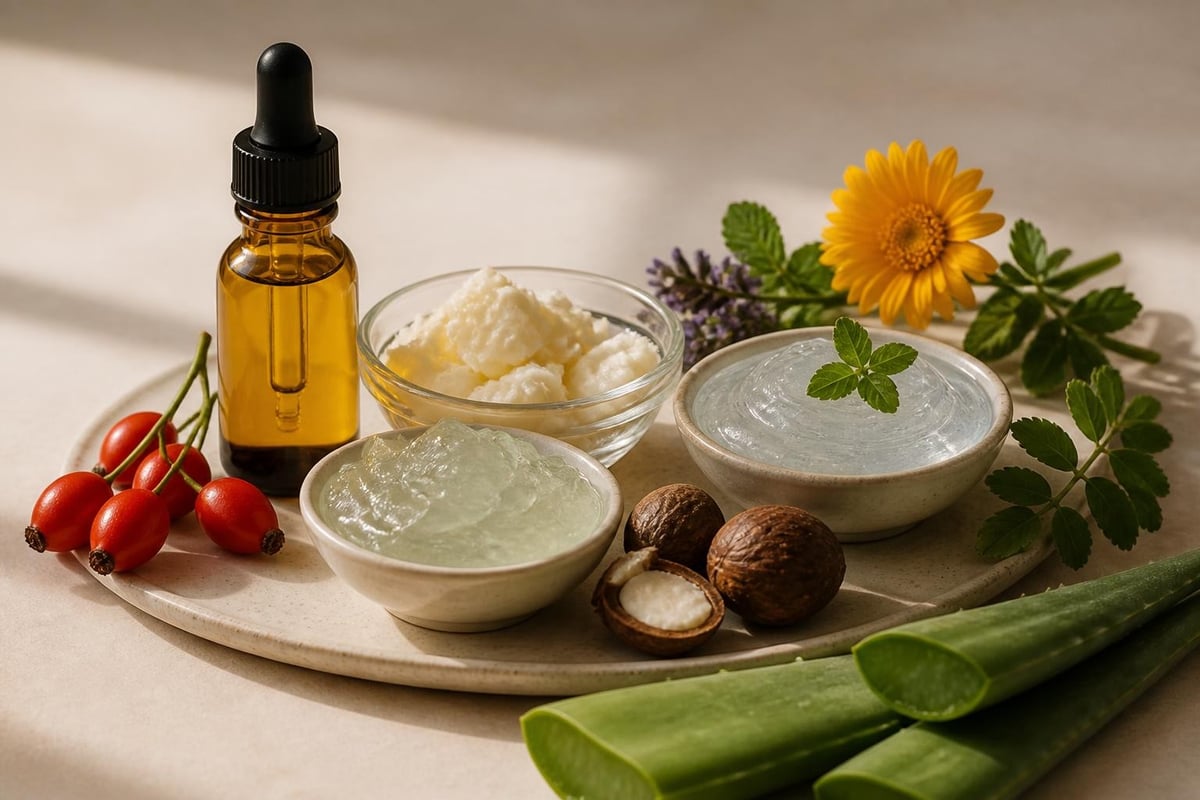
Natural and vegan formulations often feature plant-based alternatives that work beautifully without animal-derived ingredients. Ingredients like rosehip oil, shea butter, and jojoba oil provide the nourishment your skin craves whilst aligning with ethical values.
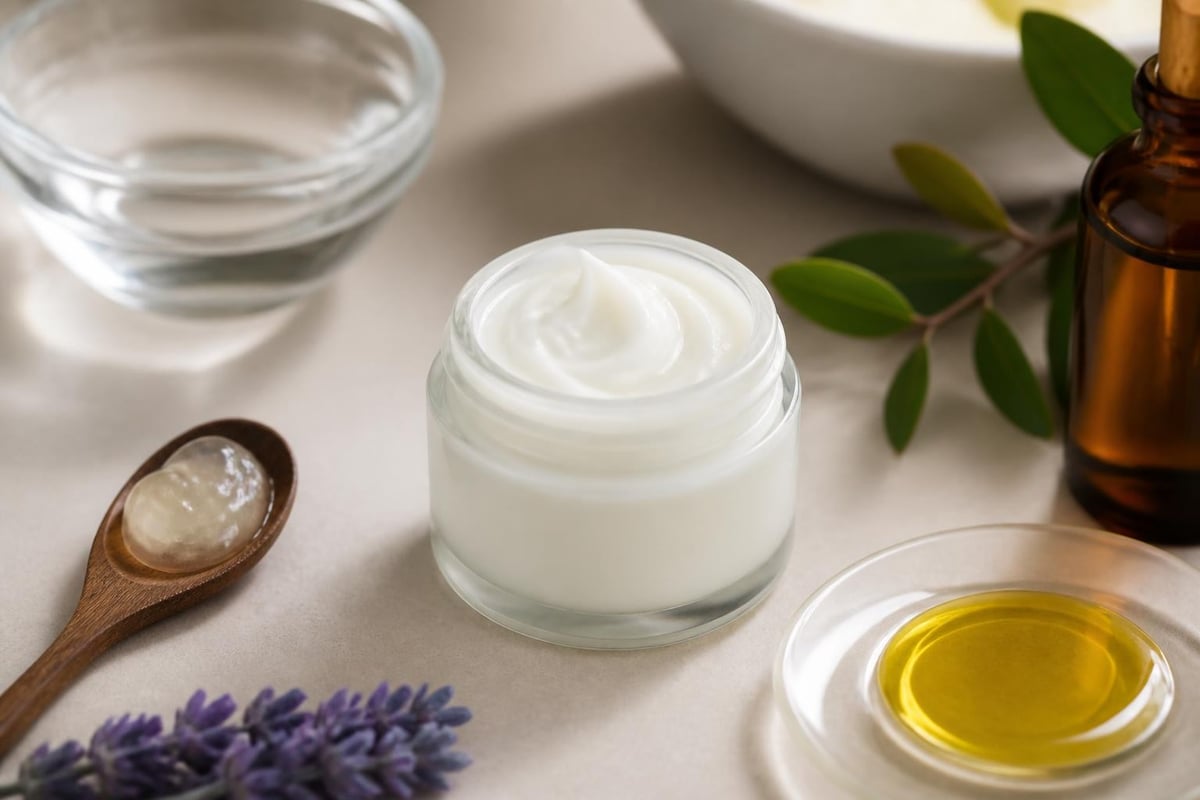
The presence of ceramides plays a crucial role in maintaining your skin's protective barrier. These lipid molecules occur naturally in skin and help prevent moisture loss whilst protecting against environmental stressors. Plant-derived ceramides offer vegan-friendly alternatives that deliver the same protective benefits.
Matching Your Skin Type to the Right Formula
Not all skin types require the same approach, and selecting a good skin care cream means understanding your skin's unique needs. We've found that many people struggle because they're using products designed for a different skin type entirely.
Dry Skin Solutions
| Skin Characteristic | What to Look For | Ingredients to Prioritize |
|---|---|---|
| Tight, flaky texture | Rich, nourishing formulas | Shea butter, avocado oil, squalane |
| Rough patches | Deep hydration | Hyaluronic acid, glycerin |
| Dull appearance | Barrier repair | Plant ceramides, evening primrose oil |
For those with parched skin, a good vegan moisturiser should feel luxurious and deeply nourishing. The dry skin benefits from heavier creams that lock in moisture throughout the day and night.
Oily and Combination Skin Needs
Even oily skin requires proper moisturisation. The trick is finding a good skin care cream with a lightweight texture that hydrates without adding excess oil. Noncomedogenic formulations ensure pores stay clear whilst skin receives necessary moisture.
Look for gel-based creams or light lotions containing:
- Niacinamide to regulate sebum production
- Lightweight oils like jojoba that mimic skin's natural sebum
- Mattifying ingredients such as silica or rice powder
- Hydrating actives that won't feel greasy
Sensitive Skin Considerations
Those with reactive skin know the struggle of finding products that soothe rather than irritate. A good skin care cream for sensitive skin should be free from common irritants whilst providing gentle, effective care. Sensitive skin skincare brands focus on minimalist formulations with proven calming ingredients.
Avoid synthetic fragrances, harsh preservatives, and known allergens. Instead, seek out calming botanicals like chamomile, calendula, and aloe vera that reduce redness and inflammation.
The Power of Natural and Vegan Formulations
We're witnessing a beautiful shift towards cleaner, more conscious beauty choices. A good skin care cream doesn't need to contain synthetic chemicals or animal-derived ingredients to be effective. In fact, natural and vegan formulations often work more harmoniously with skin because they're rich in vitamins, antioxidants, and essential fatty acids.
Plant-based ingredients offer remarkable benefits:
- Antioxidant protection from botanical extracts that fight free radical damage
- Anti-inflammatory properties found in herbs and flowers
- Nutrient density providing vitamins and minerals skin needs to thrive
- Sustainable sourcing that's better for our planet
When exploring the best face care products, you'll discover that vegan options aren't just ethical choices; they're often more effective because they harness the concentrated power of nature.
Why Cruelty-Free Matters
Choosing a good skin care cream that's cruelty-free means you're supporting brands that refuse to test on animals at any stage of production. This ethical stance doesn't compromise quality; it simply reflects a commitment to compassion alongside effectiveness.
Anti-Ageing Properties in Quality Creams
Age is just a number, but we all want our skin to look and feel its best at every stage of life. A good skin care cream with anti-ageing benefits should address multiple concerns simultaneously: fine lines, loss of firmness, uneven tone, and decreased radiance.
Proven Anti-Ageing Ingredients
The gold standard ingredients for mature skin include retinol and its derivatives, which target visible signs of ageing by encouraging cell turnover and collagen production. However, natural alternatives exist for those preferring plant-based options.
Natural anti-ageing powerhouses include:
- Bakuchiol – a plant-based retinol alternative that's gentler on sensitive skin
- Vitamin C from kakadu plum or rosehip for brightening and collagen support
- Peptides from plant sources that signal skin to produce more collagen
- Coenzyme Q10 for antioxidant protection and energy production in skin cells
Day creams should focus on protection and hydration, whilst night formulations work on repair and regeneration. The Rose and Orange Night Cream exemplifies this approach, combining nourishing botanicals with regenerative properties for overnight skin renewal.
Texture and Application Matter
Even the most beautifully formulated good skin care cream won't deliver results if the texture doesn't suit your preferences or lifestyle. We've learned that people are more consistent with products they genuinely enjoy using.
Finding Your Perfect Texture
| Texture Type | Best For | Application Tips |
|---|---|---|
| Light gel | Oily, humid climates | Pat gently, allow to absorb |
| Lotion | Normal to combination | Smooth upward motions |
| Rich cream | Dry, mature, cold weather | Press into skin, use generous amount |
| Balm | Very dry, targeted treatment | Warm between palms first |
The way you apply your cream influences its effectiveness. Always apply to slightly damp skin to seal in moisture, and use upward, outward motions to support natural facial contours.
Seasonal Adjustments to Your Routine
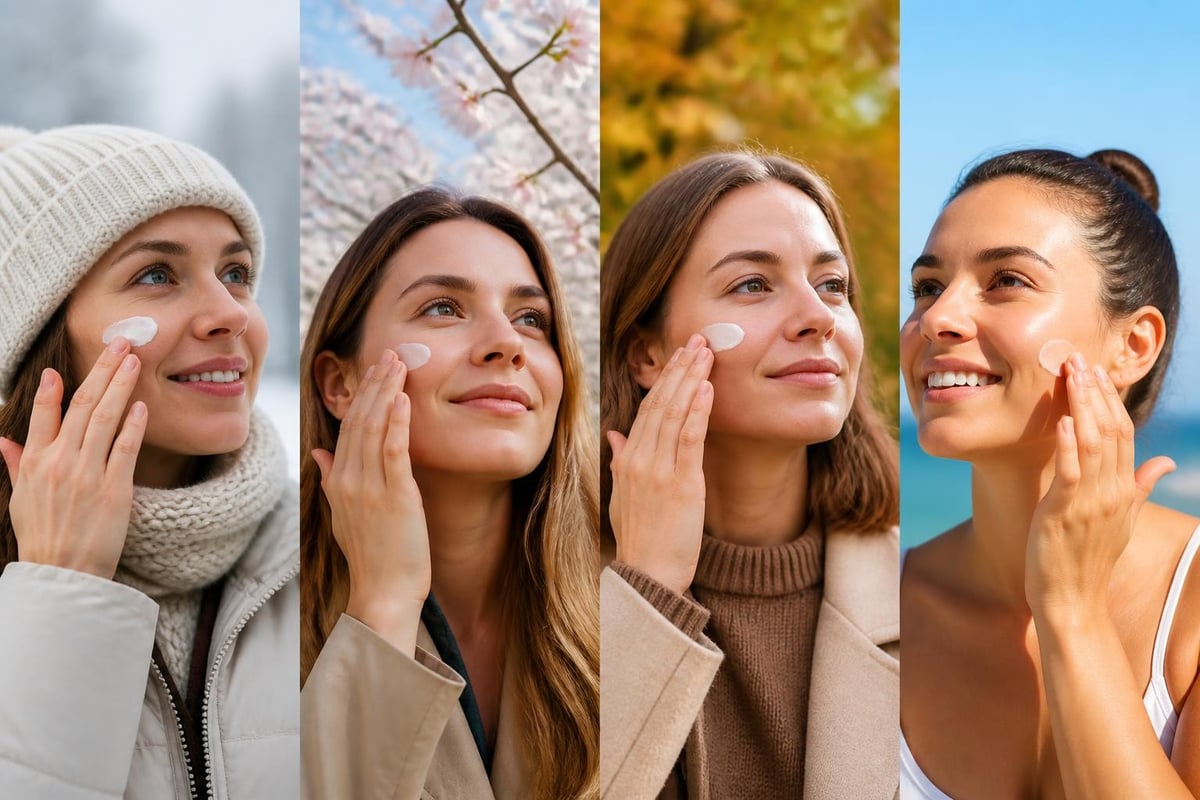
Your skin's needs change throughout the year, and what constitutes a good skin care cream in winter might feel too heavy come summer. This flexibility is key to maintaining healthy skin year-round.
Winter Skincare Adaptations
Cold weather and indoor heating strip moisture from skin, requiring richer formulations. Look for:
- Increased oil content to combat dryness
- Barrier-strengthening ingredients like plant ceramides
- Protective antioxidants to fight environmental stress
- Occlusive ingredients that prevent water loss
Summer Skincare Shifts
Warmer months call for lighter textures that won't feel sticky or clog pores. A good skin care cream for summer should provide:
- Lightweight hydration that absorbs quickly
- Mattifying properties for oil control
- Antioxidants to protect against UV-related damage
- Refreshing botanical extracts like cucumber or green tea
Sustainability in Skincare Choices
Choosing a good skin care cream extends beyond what's inside the jar. Increasingly, we're considering the environmental impact of our beauty choices, from ingredient sourcing to packaging materials.
Sustainable skincare brands prioritize:
- Responsibly sourced ingredients that don't deplete natural resources
- Minimal packaging using recycled or recyclable materials
- Concentrated formulas that reduce water waste and shipping emissions
- Refillable options that minimize single-use containers
- Transparent supply chains ensuring ethical practices throughout
These considerations don't compromise quality; they enhance it by connecting us to products made with genuine care for both skin and planet.
Addressing Specific Skin Concerns
Beyond basic skin types, many of us face specific challenges that require targeted attention. A truly good skin care cream addresses these concerns whilst providing fundamental hydration and protection.
Managing Problem Skin
For those dealing with blemishes, congestion, or breakouts, finding a moisturiser that hydrates without exacerbating issues is crucial. Look for formulations containing:
- Salicylic acid or willow bark extract to gently exfoliate
- Tea tree oil or niacinamide to calm inflammation
- Lightweight, non-comedogenic bases that won't clog pores
- Balancing ingredients that regulate oil production
Calming Redness and Irritation
Reactive skin benefits from a good skin care cream formulated with soothing, anti-inflammatory botanicals. The Coconut Rosehip Calming Cream represents this approach, combining gentle hydration with calming properties.
Targeting Hyperpigmentation
Uneven skin tone requires consistent use of brightening ingredients alongside sun protection. Natural alternatives to harsh skin lighteners include:
- Vitamin C from botanical sources
- Licorice root extract
- Alpha arbutin derived from bearberry
- Niacinamide for overall tone improvement
The Eye Area Deserves Special Attention
The delicate skin around our eyes requires specialized care that regular face creams can't always provide. Eye creams can be effective when they contain appropriate ingredients at proper concentrations.
A good skin care cream formulated specifically for eyes should be:
- Ophthalmologist-tested for safety near eyes
- Free from irritating ingredients like strong fragrances
- Rich in peptides and antioxidants to address fine lines
- Hydrating without being so heavy it causes puffiness
The Toning Eye Cream offers targeted treatment that addresses multiple eye area concerns whilst remaining gentle enough for this sensitive zone.
Building a Complete Skincare Routine
A good skin care cream works best as part of a comprehensive routine rather than in isolation. The most effective approach layers products from thinnest to thickest consistency, allowing each to absorb properly.
Morning Routine Structure
Your morning routine should focus on protection and preparation:
- Cleanser to remove overnight oils and prepare skin
- Toner to balance pH and add a hydration layer
- Serum with targeted actives like vitamin C
- Eye cream for delicate under-eye area
- Moisturizer as your good skin care cream base
- SPF as the final protective layer
Evening Routine Approach
Night-time is when skin repairs itself, so evening products should support this natural process:
- Double cleanse to thoroughly remove makeup and sunscreen
- Toner to refresh and prepare
- Treatment serum with actives like retinol or peptides
- Eye cream to address fine lines and dark circles
- Night cream as your richer good skin care cream
- Face oil if needed for extra nourishment
Quality Indicators Beyond Marketing Claims
With so many products claiming to be the best, how do you identify a genuinely good skin care cream? Look beyond flashy packaging and celebrity endorsements to evaluate actual quality markers.
Transparent Ingredient Disclosure
Reputable brands clearly list all ingredients in descending order of concentration. They explain what each component does and why it's included. This transparency builds trust and helps you make informed decisions.
Third-Party Testing and Certifications
Look for certifications that verify claims:
- Vegan Society certification confirming no animal ingredients or testing
- Organic certifications verifying ingredient sourcing
- Dermatologist-tested labels indicating safety evaluations
- Hypoallergenic claims backed by patch testing
Customer Reviews and Real Results
Whilst everyone's skin is different, consistent patterns in reviews can indicate whether a product lives up to its promises. Look for detailed feedback about texture, absorption, results over time, and any potential irritation.
Understanding Price Points and Value
A good skin care cream doesn't have to break the bank, but quality ingredients and ethical production do come at a cost. Dermatologist-recommended options exist across various price points, proving that effective skincare is accessible to different budgets.
What You're Really Paying For
Higher-priced products often reflect:
- Premium ingredient quality and concentration
- Extensive research and development
- Sustainable and ethical sourcing practices
- Sophisticated preservation systems
- Beautiful, eco-friendly packaging
However, price doesn't always correlate with effectiveness. Some affordable options deliver excellent results through smart formulation and streamlined packaging.
Sample Before Committing
Before investing in full-size products, testing is wise. Many brands offer sample sizes or discovery sets that let you experience formulations without major commitment. This approach helps you determine whether a cream truly qualifies as a good skin care cream for your unique needs.
Benefits of sampling include:
- Testing for allergic reactions or sensitivity
- Evaluating texture and absorption preferences
- Assessing results over several weeks
- Trying multiple products to compare effectiveness
The samples option from thoughtful brands demonstrates confidence in their formulations whilst respecting that skincare is personal.
Consistency Brings Results
Even the most exceptional good skin care cream won't transform your skin overnight. Real, lasting improvements come from consistent use over weeks and months. Skin cells regenerate approximately every 28 days, meaning you need at least a month to see true results from any new product.
Creating sustainable habits ensures you stick with your routine:
- Keep products visible on your bathroom counter
- Apply at the same time each day to build habits
- Take progress photos monthly to track subtle improvements
- Adjust gradually rather than changing everything at once
- Be patient with your skin's natural renewal cycle
The Role of Lifestyle Factors
No good skin care cream, regardless of how brilliantly formulated, can counteract the effects of poor sleep, dehydration, or nutritional deficiencies. Your skin reflects your overall health and lifestyle choices.
Support your skincare routine with:
- Adequate hydration (at least 8 glasses of water daily)
- Quality sleep (7-9 hours nightly)
- Balanced nutrition rich in antioxidants
- Stress management through mindfulness or exercise
- Sun protection every single day
These factors work synergistically with topical products to create genuinely healthy, radiant skin.
Choosing a good skin care cream is ultimately about finding what works for your unique skin whilst aligning with your values and lifestyle. The journey requires patience, attention to your skin's responses, and willingness to adjust as your needs change through seasons and life stages. Whether you're drawn to vegan formulations, seeking targeted solutions for specific concerns, or simply wanting effective daily hydration, the right cream is out there waiting for you. White Rabbit Skin Care offers thoughtfully crafted, vegan skincare products made with natural ingredients that respect both your skin and the planet, providing ethical options that don't compromise on quality or results.