

Vegan Toner for Dry Skin: Your Complete Guide
Finding the right skincare products when you have dry skin can feel like an endless search, particularly when you're committed to cruelty-free beauty. A vegan toner for dry skin serves as the perfect bridge between cleansing and moisturising, delivering essential hydration whilst preparing your complexion to absorb the nourishing products that follow. Unlike traditional toners that can strip away precious moisture, modern vegan formulations work harmoniously with parched skin, replenishing what's been lost and creating a dewy, healthy glow. Whether you're dealing with seasonal dryness or year-round tightness, choosing a plant-based toner made with thoughtful, natural ingredients can transform your daily routine.
Why Your Dry Skin Needs a Vegan Toner
Dry skin often feels tight, flaky, and uncomfortable, especially after cleansing. That's where a properly formulated toner becomes your skin's best friend. Traditional toners were notorious for containing harsh alcohols that left skin feeling even more parched. Thankfully, we've moved well beyond those days.
Modern vegan toners are designed with hydration at their core. They work to restore your skin's pH balance after cleansing, which is particularly important because dry skin types already struggle with a compromised moisture barrier. When your skin's pH is balanced, it functions more effectively and retains moisture better.
Key benefits of using a vegan toner for dry skin include:
- Immediate hydration boost before applying serums and moisturisers
- Enhanced absorption of subsequent skincare products
- Restoration of skin's natural pH balance
- Removal of any remaining impurities without stripping
- Soothing relief from tightness and discomfort
- Addition of beneficial plant-based nutrients
The vegan aspect ensures you're avoiding animal-derived ingredients that may be processed using harsh methods, whilst supporting ethical and sustainable beauty practices. When you explore skincare products for dry skin, you'll notice how plant-based formulations often feature gentler, more compatible ingredients.

Essential Ingredients to Look For
When shopping for a vegan toner for dry skin, the ingredient list tells you everything you need to know. Some plant-based ingredients are absolute stars when it comes to quenching thirsty skin.
Humectants That Draw in Moisture
Humectants are ingredients that attract water from the environment and deeper skin layers, binding it to your skin's surface. These are absolutely essential for dry skin types.
Top vegan humectants include:
- Hyaluronic acid - Holds up to 1,000 times its weight in water
- Glycerin - A powerful moisture magnet derived from plants
- Aloe vera - Provides hydration whilst soothing irritation
- Sodium PCA - A naturally occurring component in healthy skin
Many milky toners are particularly effective for dry skin because they combine humectants with nourishing lipids that create a creamy, hydrating texture.
Botanical Extracts and Soothing Agents
Plant-based extracts bring unique benefits beyond simple hydration. They calm inflammation, reduce redness, and support your skin's natural healing processes.
| Botanical Extract | Primary Benefit | Best For |
|---|---|---|
| Chamomile | Anti-inflammatory and calming | Sensitive, irritated dry skin |
| Rose water | Hydrating and balancing | All dry skin types |
| Calendula | Healing and protective | Damaged or flaky skin |
| Green tea | Antioxidant-rich protection | Environmentally stressed skin |
The chamomile and lime combination works particularly well for dry skin because chamomile soothes whilst citrus provides gentle brightening without irritation.
Ceramides and Barrier-Supporting Ingredients
Your skin's moisture barrier is like a protective wall that keeps hydration in and irritants out. Dry skin often has a compromised barrier, which is why ceramides are so valuable in vegan toner formulations.
Ceramides are lipid molecules that naturally exist in your skin, making up about 50% of your skin's composition. When you have dry skin, you typically have lower ceramide levels. Vegan ceramides derived from plants help restore this crucial component, strengthening your barrier and improving moisture retention.
Look for toners that combine ceramides with other barrier-supporting ingredients like niacinamide and fatty acids from plant oils. These work synergistically to rebuild and protect your skin's defences.
How to Apply Vegan Toner for Maximum Benefits
Application technique matters just as much as the product itself. Many people unknowingly reduce their toner's effectiveness through improper application methods.
The Patting Method
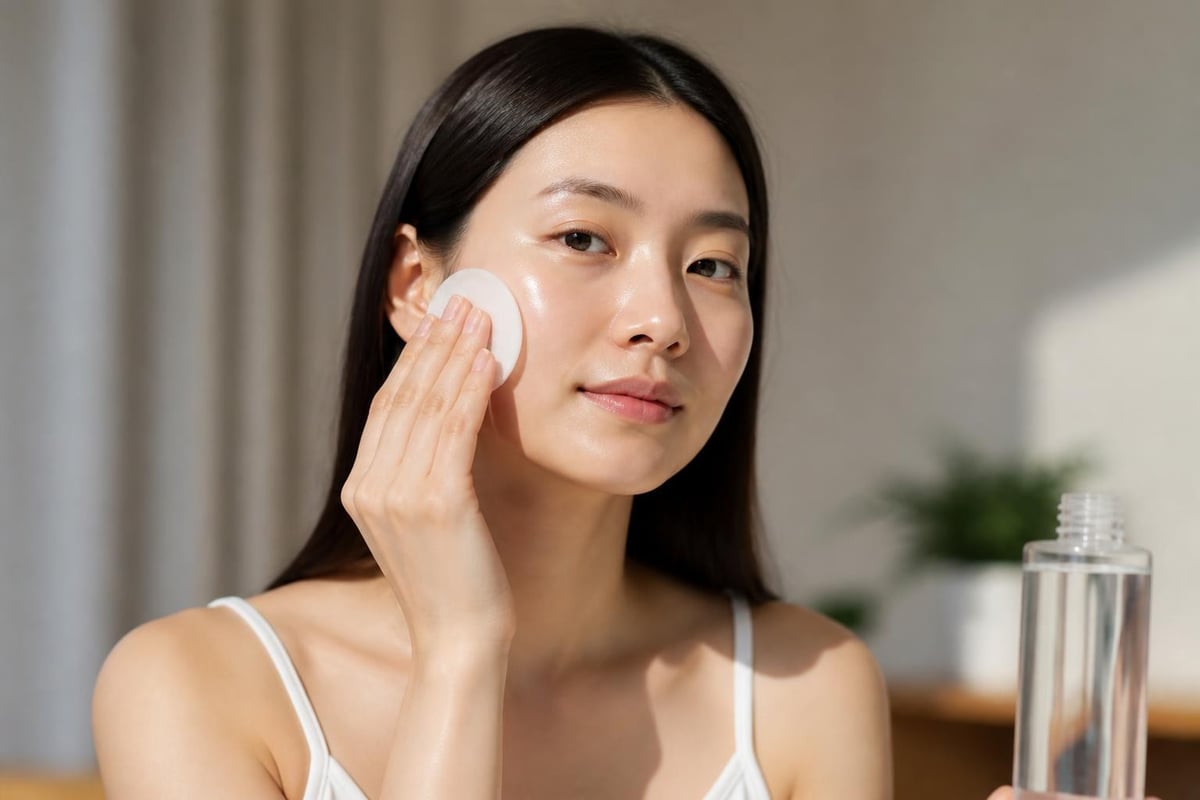
After cleansing your face with lukewarm water, gently pat your skin with a clean towel until it's damp but not completely dry. Pour a small amount of your vegan toner for dry skin into clean palms or onto a reusable cotton pad.
Step-by-step application:
- Warm the toner between your palms by rubbing them together gently
- Press your palms against your face, starting at the centre and moving outward
- Use gentle patting motions to encourage absorption
- Pay extra attention to particularly dry areas like cheeks and around the nose
- Wait 30-60 seconds before applying your next product
This patting technique increases circulation and helps the toner penetrate more effectively than simply wiping it across your skin. The warmth from your hands also enhances absorption.
Layering for Intense Hydration
The Korean skincare practice of "skin flooding" or "7-skin method" involves applying multiple thin layers of hydrating toner. For dry skin, this can be transformative.
Apply your vegan toner in three to seven thin layers, waiting about 30 seconds between each application. Each layer adds another boost of hydration, creating a plump, dewy complexion. This method works brilliantly when you're dealing with particularly parched skin or during harsh winter months.
Combining Your Toner With Other Products
A vegan toner for dry skin doesn't work in isolation. It's part of a comprehensive routine that addresses your skin's unique needs from multiple angles.
The Ideal Morning Routine
Your morning routine should focus on hydration and protection. After cleansing, your toner sets the stage for everything that follows.
Morning layering order:
- Gentle vegan cleanser
- Hydrating vegan toner
- Hydrating serum (hyaluronic acid or similar)
- Lightweight moisturiser
- SPF protection
When you select face care products, ensure each layer complements the others. Your toner should be compatible with both your serum and moisturiser to create a cohesive routine.
Evening Repair and Restoration
Night-time is when your skin repairs itself, making it the perfect opportunity to deliver intensive hydration and nourishment.
Your evening routine can be slightly more elaborate than your morning one. After double cleansing to remove makeup and daily grime, apply your vegan toner whilst your skin is still slightly damp. This helps lock in the water from cleansing.
Consider pairing your toner with a good vegan moisturiser that contains richer ingredients like shea butter or plant-based squalane. These work overnight to deeply nourish and restore your skin's moisture levels.
Common Mistakes to Avoid
Even with the perfect vegan toner for dry skin, certain habits can undermine your results. Being aware of these common pitfalls helps you get the most from your products.
Over-Cleansing and Harsh Products
One of the biggest mistakes people with dry skin make is cleansing too frequently or using products that are too harsh. If you're stripping away natural oils with aggressive cleansers, even the best toner can't fully compensate.
Cleanse only twice daily (or once if your skin is extremely dry), and choose gentle, pH-balanced vegan cleansers. Your skin should never feel tight or squeaky clean after washing. That stripped feeling indicates you've removed too much of your skin's protective barrier.
Using Products in the Wrong Order
Skincare layering follows a specific logic: thinnest to thickest consistency. Your toner should always come immediately after cleansing, while your skin is still slightly damp.
| Step | Product Type | Why This Order |
|---|---|---|
| 1 | Cleanser | Removes impurities |
| 2 | Toner | Restores pH, preps skin |
| 3 | Serum | Delivers active ingredients |
| 4 | Moisturiser | Seals in hydration |
| 5 | Face oil (optional) | Adds extra nourishment |
If you apply your moisturiser before your toner, you create a barrier that prevents the toner from penetrating properly. This wastes product and reduces effectiveness.
Neglecting Environmental Factors
Your environment significantly impacts how dry your skin becomes. Central heating, air conditioning, and low humidity all steal moisture from your complexion.
During winter months or in dry climates, you might need to apply your vegan toner for dry skin more frequently. Some people refresh their skin with a hydrating mist throughout the day, reapplying toner over makeup to combat environmental moisture loss.
Consider using a humidifier in your bedroom to maintain optimal moisture levels overnight. This simple addition can dramatically improve how your skin responds to your toner and other hydrating products.
Seasonal Adjustments for Year-Round Comfort
Your skin's needs fluctuate throughout the year, and your toner routine should adapt accordingly. What works beautifully in summer might not provide enough hydration during winter's harsh conditions.
Winter Hydration Strategies
Cold weather and indoor heating create the perfect storm for dry skin. During these months, focus on richer, more emollient toner formulations.
Consider switching to milky or cream-based toners that contain additional lipids and oils. These provide an extra layer of protection against harsh conditions. You might also increase the frequency of application, using your toner morning and evening, and even as a midday refresh.
Layer multiple applications of your hydrating toner before applying heavier creams. This technique, borrowed from Korean skincare, ensures your skin is thoroughly saturated with moisture before you seal it in.
Summer Lightweight Approaches
Warmer weather doesn't mean your dry skin suddenly becomes normal or oily. However, you might prefer lighter formulations that feel refreshing without heaviness.
Summer toner tips:
- Store your vegan toner in the refrigerator for a cooling, soothing application
- Choose water-based formulas with lighter botanical extracts
- Apply more frequently in smaller amounts rather than heavy layers
- Look for ingredients with SPF-supporting antioxidants like vitamin C
Even in humid conditions, dry skin needs consistent hydration. Don't skip your toner just because it's warm outside. Instead, adjust the formulation weight whilst maintaining your routine's structure.
Understanding Vegan Certifications and Labels
When selecting a vegan toner for dry skin, understanding product labels helps ensure you're getting what you expect. Not all products labelled "vegan" are created equal, and some may still contain problematic ingredients.
What "Vegan" Really Means
A genuinely vegan skincare product contains zero animal-derived ingredients. This excludes obvious ingredients like honey, beeswax, and lanolin, but also less obvious ones like carmine (derived from insects), squalene from shark liver, or collagen from animal sources.
However, "vegan" doesn't automatically mean "cruelty-free." A product might be vegan but still tested on animals. Look for both vegan and cruelty-free certifications to ensure complete ethical compliance.
Certifications to Trust
Reputable certifications include logos from The Vegan Society, Leaping Bunny, and PETA's Beauty Without Bunnies programme. These organisations verify that products meet strict standards for ingredient sourcing and animal testing policies.
When browsing non-toxic skincare brands, you'll find that many companies go beyond basic vegan certification to include organic, fair trade, and sustainable packaging commitments. These additional certifications indicate a brand's comprehensive commitment to ethical practices.
Building Your Complete Vegan Skincare Routine
Your vegan toner for dry skin performs best when it's part of a thoughtfully curated routine. Each product should complement the others, working together to address your skin's specific needs.
Cleansing Foundation
Start with a gentle vegan cleanser that removes impurities without stripping natural oils. Oil-based cleansers or micellar waters work wonderfully for dry skin, as they dissolve makeup and dirt whilst adding moisture.
For those who wear makeup or sunscreen daily, double cleansing ensures thorough removal without harsh scrubbing. Use an oil-based cleanser first, followed by a gentle water-based one, then apply your hydrating toner immediately.
Treatment Layers
After toning, layer targeted treatments that address specific concerns beyond dryness. Serums containing hyaluronic acid, vitamin E, or plant-based peptides can provide concentrated benefits.
If you're exploring face products for sensitive skin, remember that dry skin is often sensitive too. Choose fragrance-free formulations with minimal ingredient lists to reduce the risk of irritation.
Sealing in Moisture
The final step in any dry skin routine involves sealing all that hydration beneath a protective layer. This is where your moisturiser becomes crucial.
Choose formulations rich in plant-based oils like jojoba, rosehip, or argan oil. These oils closely mimic your skin's natural sebum, providing nourishment without feeling greasy. Vegan face lotions designed specifically for dry skin often combine these oils with butters and ceramides for comprehensive barrier support.
Troubleshooting When Your Toner Isn't Working
Sometimes, despite choosing a quality vegan toner for dry skin, you might not see the results you expect. Several factors could be interfering with your product's performance.
Reassessing Your Water Quality
Hard water contains minerals that can interfere with how skincare products perform. If you live in an area with hard water, it might leave a film on your skin that prevents proper absorption of your toner and other products.
Consider using filtered or bottled water for your final cleansing rinse, or look for toners specifically formulated to work in hard water areas. Some people find that applying toner to damp rather than wet skin improves absorption when dealing with hard water.
Product Compatibility Issues
Certain ingredients don't play nicely together. If you're using active ingredients like retinol or acids in your routine, they might interfere with how your toner performs, or vice versa.
Ingredient combinations to watch:
- Vitamin C and certain preservatives can reduce effectiveness
- Multiple exfoliating acids can over-strip dry skin
- Some plant extracts interact poorly with specific preservatives
- Oil-based products applied before water-based ones prevent absorption
Review your entire routine to ensure products complement rather than counteract each other. When you choose the best skincare products, consider how they'll work together as a system.
Giving Products Adequate Time
Skincare isn't magic. It takes time for your skin to respond to new products, typically around four to six weeks for noticeable improvements.
During this adjustment period, your skin is rebuilding its moisture barrier, increasing hydration levels, and adapting to new beneficial ingredients. Don't abandon a quality vegan toner for dry skin after just a week or two. Give it at least a month before deciding whether it's working for you.
However, if you experience irritation, redness, or worsening dryness, discontinue use immediately. These symptoms indicate the product isn't right for your skin, regardless of how long you've used it.
Professional Recommendations and Expert Insights
Dermatologists and skincare professionals increasingly recommend plant-based products for dry skin concerns. The natural ingredient movement has produced formulations that rival or exceed their synthetic counterparts in effectiveness.
What Experts Say About Hydration
Professional aestheticians emphasise that true hydration comes from within and without. Whilst topical products like vegan toners help tremendously, drinking adequate water and maintaining a balanced diet rich in omega-3 fatty acids supports healthy skin from the inside.
Expert recommendations for dry skin often include layering multiple hydrating products rather than relying on a single heavy cream. This approach, which starts with a hydrating toner, builds moisture gradually and more effectively.
The Role of pH Balance
Your skin's natural pH sits around 4.7 to 5.75, which is slightly acidic. This acidity helps protect against harmful bacteria and environmental damage. Many traditional soaps and harsh cleansers disrupt this balance, leaving skin vulnerable and dry.
A properly formulated vegan toner for dry skin helps restore optimal pH levels quickly after cleansing. This creates the ideal environment for your skin's natural processes to function correctly, improving overall health and moisture retention.
Professional Treatment Compatibility
If you receive professional treatments like facials or chemical peels, your at-home toner routine becomes even more important. These treatments can temporarily increase dryness, making a hydrating, soothing toner essential for recovery.
Discuss your home routine with your aesthetician to ensure your vegan toner complements any professional treatments. They might recommend adjusting application frequency or temporarily switching to an even gentler formulation during healing periods.
Making the Switch to Vegan Skincare
Transitioning to a fully vegan skincare routine might seem overwhelming, but taking it step by step makes the process manageable and enjoyable. Your toner is an excellent starting point because it's often one of the gentler products in your routine.
Gradual Transition Strategy
Rather than replacing everything at once, introduce one new vegan product at a time. Start with your toner, use it consistently for two to three weeks, then add the next product. This approach helps you identify which products work best for your dry skin.
Transition timeline:
- Week 1-3: Replace your toner with a vegan option
- Week 4-6: Switch to a vegan cleanser
- Week 7-9: Introduce a vegan serum
- Week 10-12: Complete the routine with a vegan moisturiser
This gradual approach also helps your skin adjust without overwhelming it with completely new formulations all at once.
Reading Labels Confidently
Becoming ingredient-savvy empowers you to make informed choices. Learn to recognise common non-vegan ingredients hiding under unfamiliar names.
Some sneaky animal-derived ingredients include squalene (unless specified as plant-derived), stearic acid (can be from animals), and glycerin (which can be animal or plant-based). When in doubt, contact the manufacturer directly or look for comprehensive vegan certification.
Fortunately, when you explore popular skincare products from dedicated vegan brands, you don't need to scrutinise every single ingredient. These companies have already done the work to ensure complete vegan compliance.
Choosing a vegan toner for dry skin represents more than just a skincare decision; it's a commitment to ethical beauty that doesn't compromise on results. By selecting products with hydrating humectants, soothing botanicals, and barrier-supporting ingredients, you can transform parched, uncomfortable skin into a healthy, glowing complexion. White Rabbit Skin Care offers a carefully curated selection of natural, vegan skincare products specifically designed for different skin types, including gentle, hydrating toners perfect for dry skin. Explore their complete range to build a cruelty-free routine that nourishes your skin and aligns with your values.