

Vegan Skin Care: Your Complete Guide for 2026
The beauty industry has undergone a remarkable transformation in recent years, with more people than ever seeking products that align with their ethical values and wellness goals. Vegan skin care has moved from a niche market to a mainstream movement, offering innovative formulations that deliver exceptional results without compromising on compassion or quality. Whether you're already committed to a plant-based lifestyle or simply curious about making more conscious choices for your skin, understanding what vegan skin care truly means can help you make informed decisions that benefit both your complexion and the planet.
Understanding What Vegan Skin Care Really Means
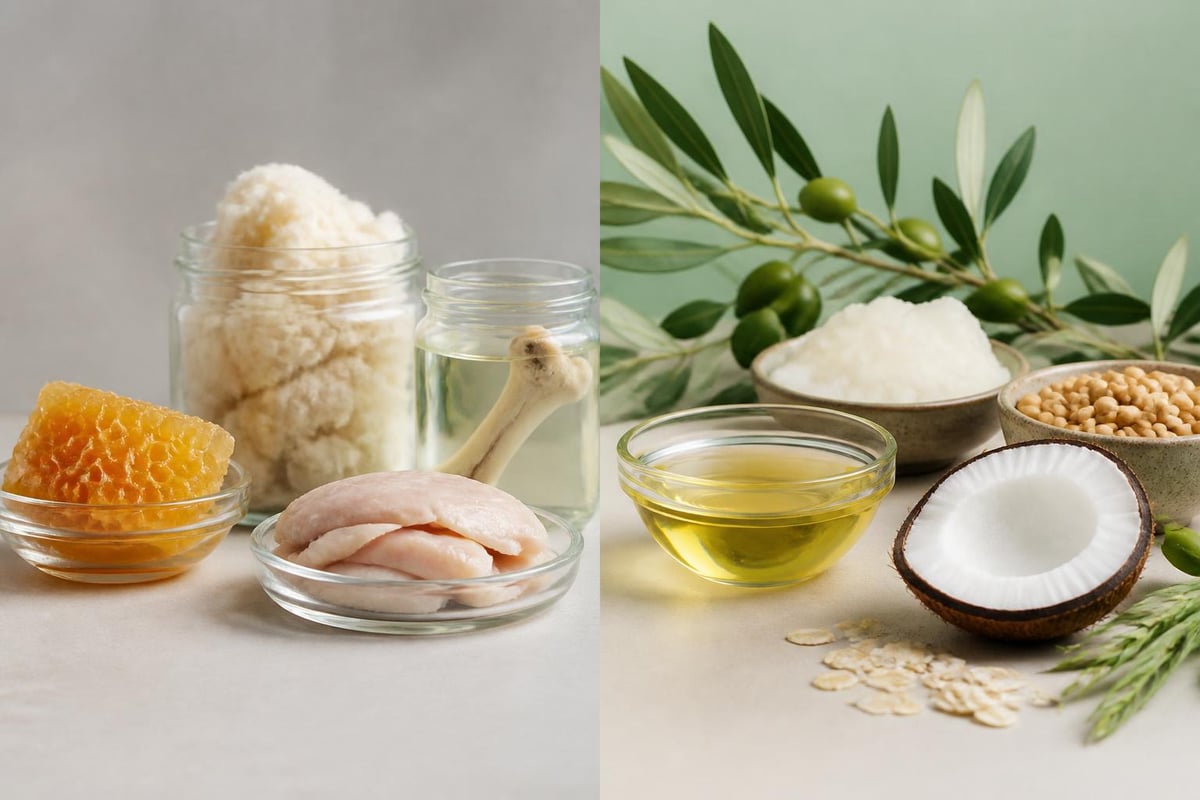
When we talk about vegan skin care, we're referring to products formulated entirely without animal-derived ingredients. This means no beeswax, lanolin, collagen, carmine, or any of the countless other animal byproducts commonly found in traditional cosmetics.
It's worth noting that vegan skin care differs from cruelty-free products, though the two often overlap. A product can be cruelty-free (not tested on animals) but still contain animal-derived ingredients. Conversely, whilst most vegan brands are also cruelty-free, it's always worth checking both certifications independently.
Common Animal-Derived Ingredients to Avoid
Becoming familiar with ingredient labels is essential when transitioning to vegan skin care. Here are some surprisingly common animal-derived ingredients:
- Lanolin: Derived from sheep's wool, often found in moisturisers and lip balms
- Collagen: Typically extracted from animal bones and connective tissue
- Keratin: Usually sourced from animal hair, horns, and hooves
- Carmine: A red pigment made from crushed beetles
- Squalene: Often derived from shark liver (though plant-based alternatives exist)
- Stearic acid: Can be animal or plant-based, requiring verification
The Science Behind Plant-Based Skincare Effectiveness
One of the most common questions people have is whether vegan skin care can truly match the efficacy of conventional products. The answer is a resounding yes. Research into natural and clean cosmetics shows that plant-based ingredients can deliver powerful results.
Plant extracts are rich in antioxidants, vitamins, and essential fatty acids that work in harmony with your skin's natural processes. Ingredients like rosehip oil, shea butter, and jojoba oil provide deep hydration whilst protecting against environmental stressors.
Powerhouse Plant Ingredients
| Plant Ingredient | Primary Benefits | Best For |
|---|---|---|
| Rosehip Oil | Vitamin C, anti-ageing, brightening | Mature skin, hyperpigmentation |
| Jojoba Oil | Balancing, mimics natural sebum | All skin types, especially oily |
| Shea Butter | Deep hydration, barrier repair | Dry, sensitive skin |
| Green Tea Extract | Antioxidant, anti-inflammatory | Acne-prone, reactive skin |
| Hyaluronic Acid (plant-derived) | Intense hydration, plumping | All skin types, dehydrated skin |
The key is understanding that many powerful skincare actives are naturally vegan. Hyaluronic acid, for instance, was historically derived from rooster combs but is now typically produced through bacterial fermentation, making it both vegan and more sustainable.
Building Your Vegan Skincare Routine
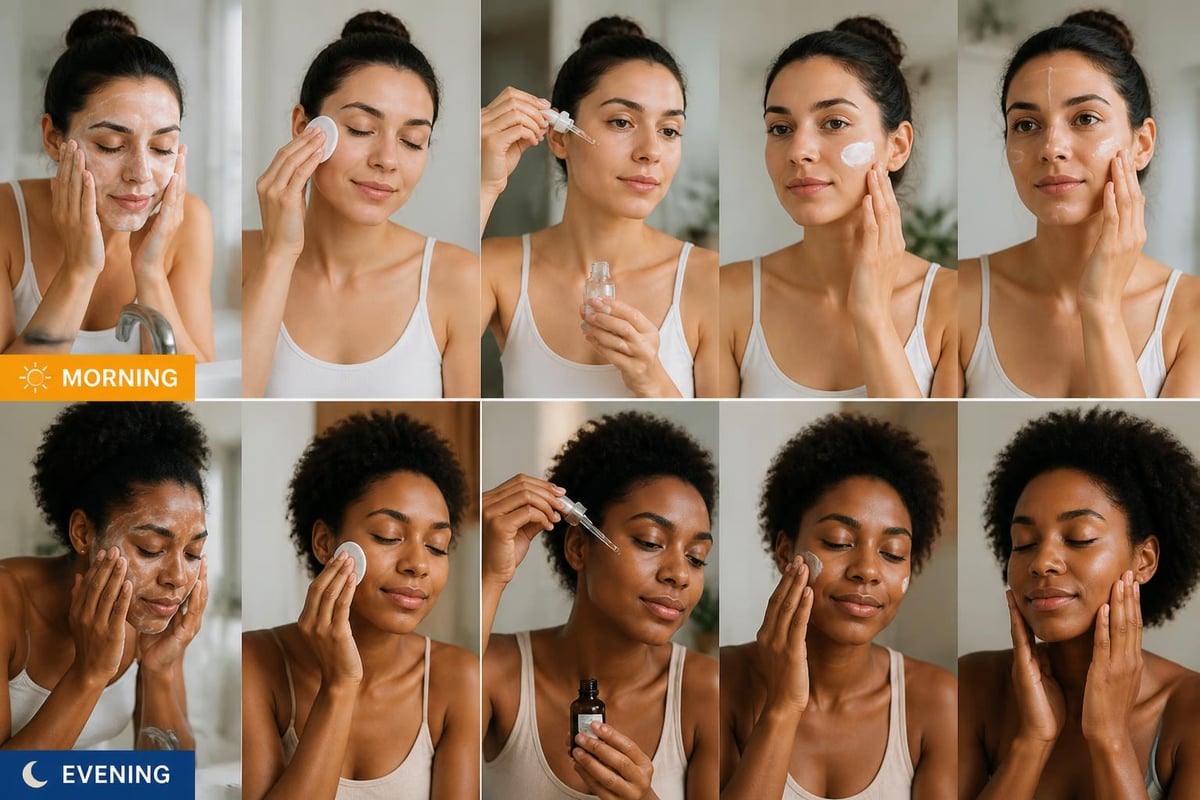
Creating an effective vegan skin care routine doesn't need to be complicated. The fundamentals remain the same as any quality skincare regimen: cleanse, treat, moisturise, and protect.
Step-by-Step Daily Routine
- Morning cleanse: Start with a gentle cleanser suited to your skin type
- Tone: Apply a balancing toner to prep skin for better absorption
- Treat: Use targeted serums for specific concerns
- Moisturise: Lock in hydration with an appropriate cream
- Protect: Never skip SPF (ensure it's vegan-friendly)
- Evening cleanse: Remove makeup and daily grime thoroughly
- Night treatment: Apply richer products to support overnight repair
For those with sensitive skin, choosing the right products becomes even more crucial. Many people find that plant-based formulations are naturally gentler, though individual reactions can vary.
When selecting products, consider exploring vegan moisturisers specifically formulated for your skin's unique needs. The beauty of modern vegan skin care is the incredible variety available, from lightweight gels to rich balms.
Vegan Ingredients for Specific Skin Concerns
Different skin types and concerns require tailored approaches. Fortunately, plant-based ingredients offer solutions for virtually every skincare need.
Solutions for Common Skin Issues
Acne and Oily Skin
Tea tree oil, willow bark extract, and niacinamide work brilliantly to control excess oil and prevent breakouts. These ingredients offer antibacterial properties without the harshness of some synthetic alternatives.
Dry and Dehydrated Skin
Plant butters like shea and cocoa provide intense nourishment, whilst ingredients like squalane (olive-derived) and ceramides help rebuild the skin barrier. The Cleveland Clinic notes that natural oils can be particularly effective for dry skin conditions.
Anti-Ageing Concerns
Retinol alternatives like bakuchiol, vitamin C from kakadu plum, and peptides derived from plant sources offer impressive anti-ageing benefits. These ingredients stimulate collagen production, brighten skin tone, and reduce the appearance of fine lines.
Sensitive and Reactive Skin
Chamomile, calendula, and oat extract provide soothing relief whilst strengthening the skin's resilience. Many people with sensitive skin find that gentle, natural formulations cause fewer reactions than synthetic alternatives.
Navigating Labels and Certifications
The beauty industry isn't heavily regulated when it comes to terms like "natural" or "clean," which can lead to confusion. This is where certifications become valuable.
Look for these trusted certifications when shopping for vegan skin care:
- The Vegan Society's Vegan Trademark: Guarantees no animal ingredients or testing
- Leaping Bunny: Confirms cruelty-free status
- COSMOS Natural/Organic: Verifies natural and organic ingredients
- Soil Association: UK-based organic certification
- PETA's Beauty Without Bunnies: Lists cruelty-free and vegan brands
Reading Ingredient Lists Like a Pro
Always check the INCI (International Nomenclature of Cosmetic Ingredients) list, typically found on the back of products. Ingredients are listed in descending order by concentration, so the first five ingredients make up the bulk of the formula.
Be wary of greenwashing, where brands use natural-looking packaging or vague claims without substance. A truly transparent brand will clearly list all ingredients and certifications.
The Environmental Impact of Your Skincare Choices
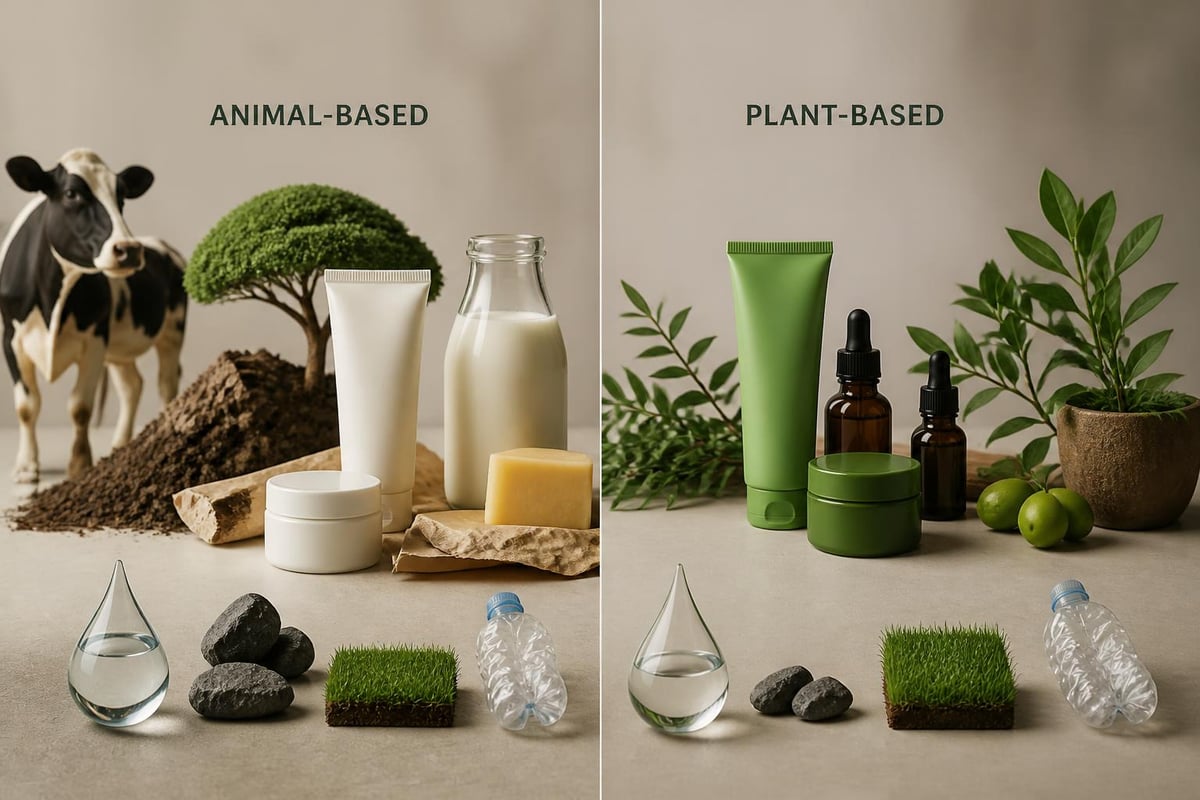
Choosing vegan skin care extends beyond personal health; it's an environmental decision. Animal agriculture has a significant carbon footprint, and by selecting plant-based products, you're supporting more sustainable practices.
Sustainability Factors to Consider
| Factor | Conventional | Vegan | Impact |
|---|---|---|---|
| Water usage | High (animal farming) | Lower (plant cultivation) | Significant reduction |
| Carbon emissions | Higher | Lower | 50-70% reduction potential |
| Land use | Extensive grazing | Efficient crop growth | More land for conservation |
| Packaging | Often plastic-heavy | Increasingly eco-friendly | Reduced waste |
Many vegan brands also prioritise eco-friendly packaging, using recyclable materials, glass containers, and minimal waste. When exploring vegan skin care brands, look for companies that demonstrate commitment to sustainability throughout their entire supply chain.
Transitioning to a Vegan Skincare Routine
Making the switch to vegan skin care doesn't have to happen overnight. A gradual transition allows you to test products, understand what works for your skin, and build a routine that truly serves you.
Practical Transition Strategy
Phase One: Research and Replace
Start by identifying which products in your current routine contain animal-derived ingredients. Replace items as they run out rather than discarding everything immediately. This approach is both economical and environmentally conscious.
Phase Two: Patch Testing
When introducing new vegan products, always patch test first. Apply a small amount to your inner arm and wait 24-48 hours to check for reactions. This is particularly important if you have sensitive or reactive skin.
Phase Three: Building Your Collection
Focus on building a core routine first: cleanser, moisturiser, and SPF. Once these basics are established, add targeted treatments like serums or masks. Consider exploring cruelty-free moisturisers as a starting point.
Price Points and Accessibility
There's a common misconception that vegan skin care must be expensive, but this simply isn't true. Whilst some premium brands command higher prices, numerous affordable options deliver excellent results.
The key is understanding what you're paying for:
- Premium ingredients: Some plant extracts are costly to source and process
- Certifications: Testing and certification add to production costs
- Sustainable packaging: Eco-friendly materials often cost more than conventional plastic
- Fair trade practices: Ethical sourcing ensures fair wages for farmers
That said, many non-toxic skincare brands offer products at various price points, making vegan beauty accessible to everyone. You can absolutely build an effective routine without breaking the bank.
The Role of Personal Skin Analysis
Understanding your unique skin type and concerns is crucial for selecting the right vegan skin care products. Best Health Magazine suggests considering professional skin assessments to optimise your routine.
Identifying Your Skin Type
- Normal skin: Balanced, few concerns, minimal sensitivity
- Dry skin: Tight feeling, flakiness, requires rich hydration
- Oily skin: Excess sebum, enlarged pores, prone to breakouts
- Combination skin: Oily T-zone with dry cheeks
- Sensitive skin: Reactive, easily irritated, requires gentle formulations
Many brands now offer products tailored to specific skin types. For instance, you might explore collections specifically for combination skin or dry, sensitive skin.
DIY Vegan Skincare: Pros and Cons
The rise of vegan skin care has sparked interest in homemade formulations. Whilst DIY can be rewarding, it's important to understand both benefits and limitations.
Advantages of DIY:
- Complete control over ingredients
- Cost-effective for basic recipes
- Fresh, preservative-free formulations
- Educational and creative process
Potential Drawbacks:
- Lack of preservation can lead to bacterial growth
- Difficult to achieve optimal pH balance
- May not deliver results comparable to professionally formulated products
- Risk of irritation from incorrect concentrations
For those interested in DIY, simple recipes like sugar scrubs or oil blends can be safe starting points. However, for active treatments and daily essentials, professionally formulated products often provide better results and stability.
Seasonal Adjustments for Vegan Routines
Your skin's needs change throughout the year, and your vegan skin care routine should adapt accordingly. British weather, in particular, demands flexibility in your skincare approach.
Winter Skincare Adjustments
Cold winds and central heating can strip moisture from skin. Switch to richer cleansing balms, add facial oils, and use heavier night creams. Products with shea butter and plant ceramides provide essential barrier protection.
Summer Skincare Modifications
Lighter textures work better in warm, humid months. Gel-based cleansers, water-based moisturisers, and increased SPF protection become priorities. Don't forget that even vegan sunscreens need regular reapplication.
Spring and Autumn Transitions
These transitional seasons are perfect for introducing new products or treatments. Your skin may be recovering from winter dryness or preparing for summer sun exposure.
The Future of Vegan Skincare Innovation
The vegan beauty industry continues to evolve rapidly, with exciting innovations emerging regularly. Biotechnology is enabling the creation of previously animal-derived ingredients through sustainable fermentation processes.
Advanced formulation techniques are producing vegan alternatives that match or exceed the performance of conventional products. From vegan face creams to sophisticated serums, the options continue to expand.
Personalisation is another growing trend. AI-assisted recommendations help consumers find products perfectly suited to their individual needs, making the selection process less overwhelming.
Supporting Vegan Skincare Brands That Align With Your Values
When you choose vegan skin care, you're voting with your wallet for the kind of beauty industry you want to see. Supporting brands that demonstrate genuine commitment to ethics, sustainability, and quality encourages others to follow suit.
Research brands thoroughly before purchasing. Look beyond marketing claims to understand their sourcing practices, manufacturing processes, and overall company values. Authentic natural skincare brands will be transparent about their practices and happy to answer questions.
Consider factors like:
- Transparent ingredient sourcing
- Ethical labour practices throughout the supply chain
- Commitment to reducing environmental impact
- Investment in research and development
- Community engagement and education
Making Informed Purchases in 2026
The abundance of choice in the vegan skin care market can feel overwhelming. Here's how to make confident, informed decisions that serve both your skin and your values.
Research Before Buying: Browse multiple sources, read independent reviews, and check certification databases. Don't rely solely on brand websites or paid endorsements.
Start With Samples: Many brands offer sample sizes or trial sets, allowing you to test products before committing to full sizes. This approach minimises waste and helps you avoid purchasing products that don't suit your skin.
Understand Return Policies: Even with careful research, sometimes a product simply doesn't work for you. Choose retailers with fair return policies that allow you to try products risk-free.
Join Communities: Online forums and social media groups dedicated to vegan beauty can provide valuable insights, recommendations, and support as you navigate your journey.
Embracing vegan skin care represents a meaningful step towards a more compassionate, sustainable approach to beauty that doesn't compromise on results. By choosing plant-based formulations, you're investing in your skin's health whilst supporting ethical practices that benefit animals and the environment. Whether you're exploring cleansers, moisturisers, or complete skincare sets, White Rabbit Skin Care offers thoughtfully crafted vegan products made with the finest natural ingredients, ensuring your journey to beautiful, healthy skin aligns perfectly with your values.