

Vegan Face Cream: Your Complete Guide for 2026
The beauty industry has undergone a remarkable transformation over the past few years, and vegan skincare has moved from niche to mainstream. As we navigate through 2026, more people than ever are choosing plant-based alternatives for their daily skincare routines. Whether you're motivated by ethical concerns, environmental consciousness, or simply seeking gentler formulations for your skin, understanding what makes a truly effective vegan face cream can help you make informed decisions about the products you use every day.
What Makes a Face Cream Truly Vegan
When we talk about vegan face cream, we're referring to products formulated entirely without animal-derived ingredients or by-products. This goes beyond the obvious exclusions like lanolin or beeswax.
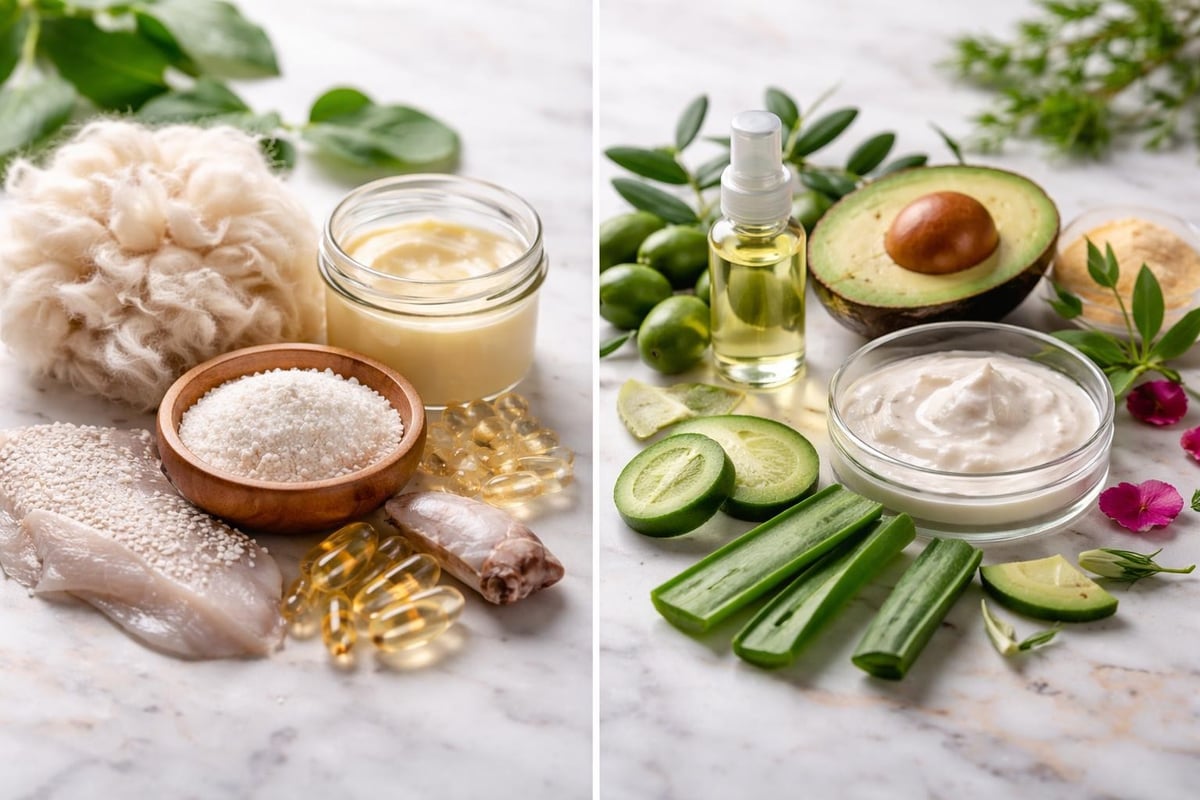
Many conventional moisturisers contain hidden animal ingredients that might surprise you. Collagen often comes from fish or bovine sources, whilst squalene (note the 'e') traditionally derives from shark liver oil. Even seemingly innocent ingredients like glycerin and stearic acid can have animal origins, though plant-based versions are widely available.
Common Animal Ingredients to Avoid
Understanding ingredient labels becomes essential when selecting plant-based skincare. Here are the most frequent culprits:
- Carmine: A red pigment made from crushed beetles
- Lanolin: Extracted from sheep's wool
- Beeswax and honey: Bee-derived products
- Snail mucin: Increasingly popular but definitively not vegan
- Hyaluronic acid: Can be rooster-comb derived (though synthetic versions exist)
- Keratin: Usually sourced from hooves, horns, or feathers
The good news? Every single one of these ingredients has a plant-based or synthetic alternative that performs just as effectively. Modern formulation science has made it possible to create luxurious, effective moisturisers without compromising on ethics or results.
Key Ingredients in Effective Vegan Face Creams
Plant-based moisturisers harness the power of botanicals, and the results can be truly transformative. When you explore best natural cosmetic products, you'll notice certain ingredients appearing repeatedly.
Plant oils form the backbone of many vegan formulations. Jojoba oil mimics our skin's natural sebum, making it suitable for all skin types. Rosehip oil delivers vitamin A without retinol's potential irritation, whilst argan oil provides deep hydration rich in vitamin E and fatty acids.
Plant butters like shea, cocoa, and mango offer intensive moisture. Shea butter, in particular, contains natural anti-inflammatory compounds that soothe irritated skin. These ingredients work brilliantly in richer night creams and treatments for very dry skin.
Powerful Plant Actives
| Ingredient | Primary Benefit | Best For |
|---|---|---|
| Hyaluronic Acid (plant-derived) | Deep hydration | All skin types |
| Vitamin C (from kakadu plum) | Brightening, antioxidant | Dull, ageing skin |
| Niacinamide | Pore refinement, barrier support | Oily, combination skin |
| Bakuchiol | Retinol alternative | Sensitive, mature skin |
| Ceramides (plant-based) | Barrier repair | Dry, compromised skin |
These actives demonstrate that vegan face cream formulations can match or exceed conventional products in sophistication and efficacy. The key lies in understanding how these ingredients work together synergistically.
Benefits Beyond Ethics
Choosing plant-based skincare isn't just about animal welfare, though that's certainly a compelling reason. There are tangible benefits for your skin, your health, and the planet.
Gentler formulations often mean fewer reactions. Whilst anyone can be sensitive to any ingredient, plant-based products typically avoid many common irritants found in conventional cosmetics. This makes them particularly suitable for those with reactive or sensitive skin, as discussed in guides about sensitive skin skincare brands.
Environmental impact matters more than ever in 2026. Animal agriculture carries a significant carbon footprint, so choosing plant-derived ingredients helps reduce your beauty routine's environmental impact. Many vegan brands also prioritize sustainable packaging and ethical sourcing practices.
Health and Transparency
When brands commit to vegan formulations, they often embrace transparency across their entire operation. This means:
- Clearer ingredient lists with recognizable components
- Greater accountability in sourcing and manufacturing
- Often fewer synthetic preservatives and fillers
- Reduced exposure to potential hormone disruptors
You're not just getting a moisturiser; you're supporting a more transparent, accountable beauty industry. Companies like White Rabbit Skin Care demonstrate how cruelty-free commitments align with quality and effectiveness.
Choosing the Right Vegan Face Cream for Your Skin Type
Not all vegan face cream products work for everyone, and that's perfectly normal. Your skin type, concerns, and climate all influence what will work best for you.
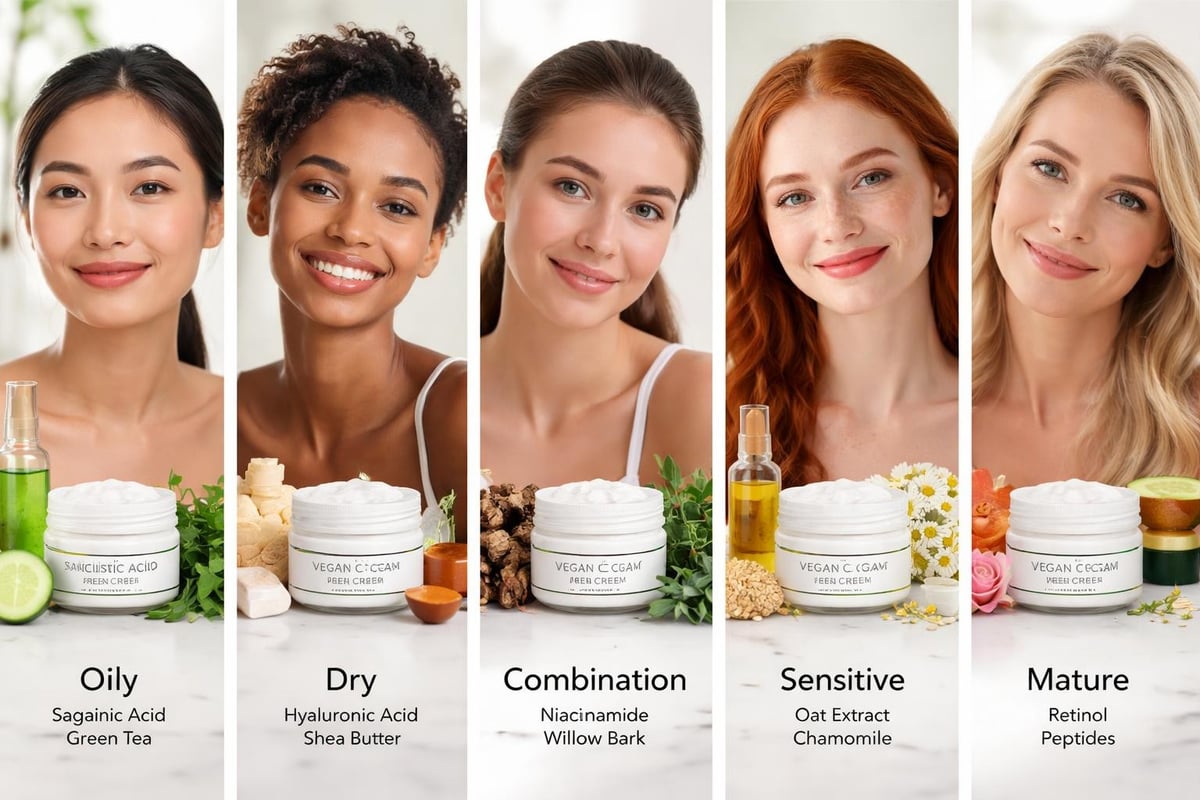
Oily and combination skin benefits from lightweight, gel-based formulations. Look for ingredients like niacinamide, which regulates sebum production, and hyaluronic acid for hydration without heaviness. Avoid rich plant butters in your daytime routine, saving them for targeted night-time treatment if needed.
Dry skin thrives with richer textures containing plant butters and oils. Ingredients like squalane (the plant-based version with an 'a'), avocado oil, and ceramides provide the deep nourishment dry skin craves. Don't be afraid of oils; the right ones won't clog pores but will instead support your skin's natural barrier.
Addressing Specific Concerns
- Anti-ageing: Seek bakuchiol, vitamin C, peptides from plant sources, and antioxidant-rich botanical extracts
- Acne-prone: Choose non-comedogenic oils like jojoba, along with tea tree, willow bark extract, and niacinamide
- Hyperpigmentation: Look for vitamin C, liquorice root extract, alpha arbutin, and azelaic acid
- Sensitive skin: Prioritize calendula, chamomile, colloidal oatmeal, and minimal ingredient lists
The beauty of 2026's vegan skincare market is the incredible variety available. Whether you're shopping at White Rabbit Skin Care's moisturiser collection or exploring other ethical brands, you'll find options tailored to every need.
Understanding Certification and Labels
The term "vegan" isn't legally regulated in cosmetics in the same way "organic" is, which means brands can make claims without third-party verification. This is where certifications become invaluable.
The Vegan Society's trademark is the gold standard in the UK. Products bearing this logo have been thoroughly vetted to ensure no animal ingredients or testing at any stage of development. The Leaping Bunny certification confirms cruelty-free practices but doesn't necessarily mean vegan (a product can be cruelty-free but contain honey, for example).
Reading Between the Lines
Marketing language can be misleading. Terms like "plant-based" or "botanical" don't automatically mean vegan. A cream might be 95% plant-derived but still contain beeswax or lanolin. Always check the full ingredient list.
| Claim | What It Means | What It Doesn't Mean |
|---|---|---|
| Vegan | No animal ingredients | Not necessarily cruelty-free (though usually is) |
| Cruelty-free | Not tested on animals | Might contain animal ingredients |
| Plant-based | Contains plant ingredients | Could still have animal ingredients |
| Natural | From natural sources | Might include beeswax, lanolin, etc. |
When you're investing in premium skincare, you deserve complete transparency. That's why exploring best non-toxic skincare brands helps you understand which companies prioritize clean, ethical formulations.
Price Points and Value
One common misconception is that vegan face cream products always cost more. Whilst some luxury vegan brands command premium prices, there's an increasing range of affordable options that don't compromise on quality.
Budget-friendly vegan moisturisers (£10-£20) often contain excellent ingredients like plant oils, hyaluronic acid, and vitamin E. These work beautifully for many people, particularly if you have uncomplicated skin needs. The key is examining ingredient quality rather than marketing promises.
Mid-range options (£20-£45) typically offer more sophisticated formulations with higher concentrations of actives. You might find advanced ingredients like bakuchiol, multiple peptides, or proprietary botanical complexes. This price point often represents the sweet spot for effectiveness and value.
Luxury vegan skincare (£45+) invests in rare botanical extracts, cutting-edge delivery systems, and extensive research. While not necessary for everyone, these products can deliver impressive results for specific concerns like advanced ageing or stubborn pigmentation.
Getting the Most from Your Investment
- Start with samples when possible to test compatibility
- Buy travel sizes of expensive products initially
- Layer smartly: A great serum under a simple moisturiser often outperforms an expensive cream alone
- Consider seasonal rotation: Lighter formulations for summer, richer for winter
- Check concentration: A higher price should reflect meaningful ingredient percentages
For those running beauty businesses, understanding value becomes even more crucial. Communities like Talk Shop offer insights into ecommerce strategy, helping skincare entrepreneurs position their vegan offerings effectively in an increasingly competitive marketplace.
Building Your Vegan Skincare Routine
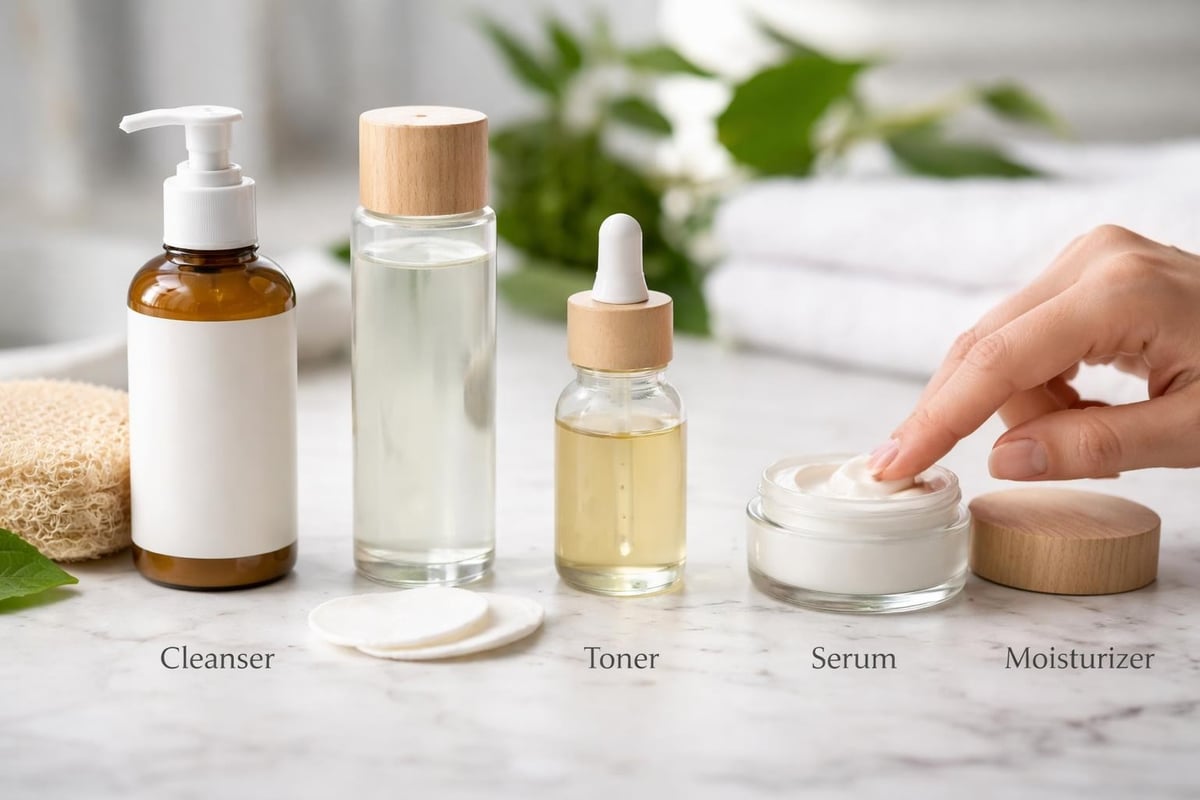
A vegan face cream works best as part of a cohesive routine. The most expensive moisturiser won't perform optimally if applied to skin that hasn't been properly cleansed and prepared.
Morning routine structure:
- Gentle plant-based cleanser
- Hydrating toner (rosewater, aloe, or hyaluronic acid-based)
- Vitamin C serum for protection and brightness
- Lightweight vegan moisturiser
- Mineral SPF (ensure it's reef-safe and vegan)
Evening routine structure:
- Oil-based cleanser or micellar water to remove makeup
- Water-based cleanser for thorough cleansing
- Treatment toner with active ingredients
- Targeted serum (bakuchiol, niacinamide, or peptides)
- Richer vegan face cream for overnight repair
The order matters because lighter products absorb more effectively when applied first, whilst heavier creams seal everything in. You'll find comprehensive guidance in resources about popular skincare products and effective routines.
Seasonal Adjustments
Your skin's needs change throughout the year, and your vegan skincare should adapt accordingly. Winter's harsh winds and indoor heating demand richer formulations, whilst summer's heat and humidity call for lighter textures.
Winter adaptations: Add facial oils, use cream cleansers instead of gels, apply moisturiser to damp skin for better absorption, and consider a humidifier to combat dry indoor air.
Summer modifications: Switch to gel-based cleansers, use hydrating mists throughout the day, opt for oil-free moisturisers if prone to congestion, and never skip SPF.
Common Myths About Vegan Face Creams
Despite vegan skincare's growing popularity, misconceptions persist. Let's address the most common myths with facts.
Myth: Vegan products are less effective than those with animal ingredients. Reality: Modern formulation science has created plant-based alternatives that match or exceed their animal-derived counterparts in performance. Bakuchiol rivals retinol, plant squalane outperforms shark-derived squalene, and plant ceramides rebuild skin barriers just as effectively.
Myth: All vegan skincare is automatically natural or organic. Reality: Vegan simply means no animal ingredients. A product can be vegan whilst containing synthetic preservatives, fragrances, or other lab-created components. If you want both vegan and natural, check for dual certifications.
Myth: Vegan creams don't work for mature skin. Reality: Advanced vegan formulations contain powerful anti-ageing ingredients like peptides, vitamin C, and bakuchiol that deliver visible results for mature skin without animal derivatives.
The Performance Question
Some people worry that switching to vegan alternatives means sacrificing results. The truth? When formulated properly, plant-based ingredients offer unique benefits conventional products can't match.
Plants produce compounds to protect themselves from environmental stressors like UV damage, oxidation, and inflammation. When we extract and apply these protective compounds, our skin receives those same benefits. Antioxidants from green tea, protective polyphenols from grape seed, and anti-inflammatory compounds from calendula all demonstrate nature's sophisticated skincare solutions.
Sustainability and Vegan Skincare
Choosing vegan face cream often aligns with broader environmental values, but it's worth understanding the complete picture. Not all vegan products are equally sustainable.
Sustainable vegan brands consider:
- Ingredient sourcing (organic, fair trade, locally grown when possible)
- Packaging materials (recyclable, refillable, biodegradable)
- Manufacturing processes (renewable energy, water conservation)
- Transportation impact (local production, carbon offsetting)
- Company values (B Corp certification, charitable giving)
Palm oil presents an interesting dilemma. It's vegan but problematic for orangutan habitats and rainforest preservation. Look for brands using RSPO-certified sustainable palm oil or palm-free alternatives entirely.
Water usage matters too. Some botanical ingredients require significant water to cultivate, whilst others thrive in drought conditions. Brands committed to genuine sustainability consider their complete environmental footprint, not just the vegan aspect.
The Future of Vegan Face Creams
As we move through 2026, the vegan skincare industry continues evolving at an exciting pace. Several trends are shaping where the category heads next.
Biotechnology is revolutionizing ingredient production. Lab-grown versions of traditional skincare actives can now be produced without plants or animals, reducing environmental impact whilst ensuring consistent quality. Hyaluronic acid, squalane, and even collagen can be produced through fermentation processes that are both vegan and sustainable.
Customization has become increasingly accessible. Brands are offering personalized vegan formulations tailored to individual skin analysis, climate, and specific concerns. What works for someone in Manchester's damp climate might differ from what suits someone in Brighton's coastal environment.
Waterless formulations address sustainability concerns about water scarcity. These concentrated products use plant oils, butters, and powders that activate with the natural moisture on your skin, reducing packaging size and transportation impact.
Innovation in Natural Preservation
One challenge facing vegan skincare is preservation without traditional preservatives. Natural alternatives like radish root ferment, rosemary extract, and vitamin E can protect products from contamination, though they sometimes require airless pump packaging or smaller batch sizes to ensure freshness.
This innovation benefits consumers through safer ingredients whilst challenging brands to think creatively about formulation and packaging. The result? Products that are both effective and aligned with wellness values.
Making the Switch to Vegan Skincare
If you're considering transitioning to vegan face cream, a gradual approach often works best. Your skin adapts to new products over time, and introducing everything at once makes it difficult to identify what works and what doesn't.
Week 1-2: Replace your moisturiser with a vegan alternative matched to your skin type Week 3-4: Switch to a plant-based cleanser that suits your skin's needs Week 5-6: Introduce a vegan serum targeting your primary concern Week 7-8: Complete the transition with toner, eye cream, and any treatment products
This phased approach gives your skin time to adjust whilst helping you identify any ingredients that don't suit you. Keep notes about what you observe: changes in hydration, any reactions, improvements in texture or tone.
What to Expect
Some people notice immediate improvements when switching to vegan skincare, particularly if they were previously sensitive to animal-derived ingredients. Others need patience as their skin adjusts to new formulations.
Initial adjustment period: Your skin might temporarily react as it adapts, particularly if moving from synthetic-heavy products to natural formulations. This usually settles within two weeks.
Long-term benefits: Most people notice improved skin texture, better hydration retention, and fewer reactions within 4-6 weeks of consistent use.
Remember that skincare is deeply personal. What transforms someone else's complexion might not suit you, and that's completely normal. The key is finding vegan formulations that work for your unique skin.
Choosing vegan face cream represents more than a skincare decision; it's an investment in products that align with your values whilst caring for your skin effectively. The wealth of innovative, plant-based formulations available in 2026 means you never have to compromise between ethics and results. Whether you're drawn to vegan skincare for animal welfare, environmental concerns, or gentler ingredients, there's never been a better time to explore what plant-based beauty can offer. White Rabbit Skin Care provides carefully crafted vegan moisturisers and complete skincare solutions that prove cruelty-free products can deliver exceptional results for every skin type and concern.