

Vegan Moisturiser with SPF: Your Daily Defence Guide
Finding the perfect daily moisturiser can feel overwhelming, especially when you're committed to vegan beauty choices and need reliable sun protection. A vegan moisturiser with spf combines everything you need in one simple step: hydration, ethical ingredients, and protection from harmful UV rays. Whether you're rushing out the door on a busy morning or building a complete skincare routine, understanding how to choose and use these multi-tasking products will transform your approach to healthy, protected skin throughout 2026 and beyond.
Why Sun Protection Matters Every Single Day
We've all heard the warnings about sun damage, but the reality is even more compelling than most people realise. UV radiation doesn't take holidays or disappear on cloudy days. Up to 80% of UV rays can penetrate cloud cover, meaning your skin needs protection regardless of the weather forecast.
Daily sun exposure contributes to premature ageing, dark spots, and increased skin cancer risk. The solution isn't avoiding the outdoors entirely but rather incorporating proper protection into your everyday routine. This is where a vegan moisturiser with spf becomes absolutely essential.
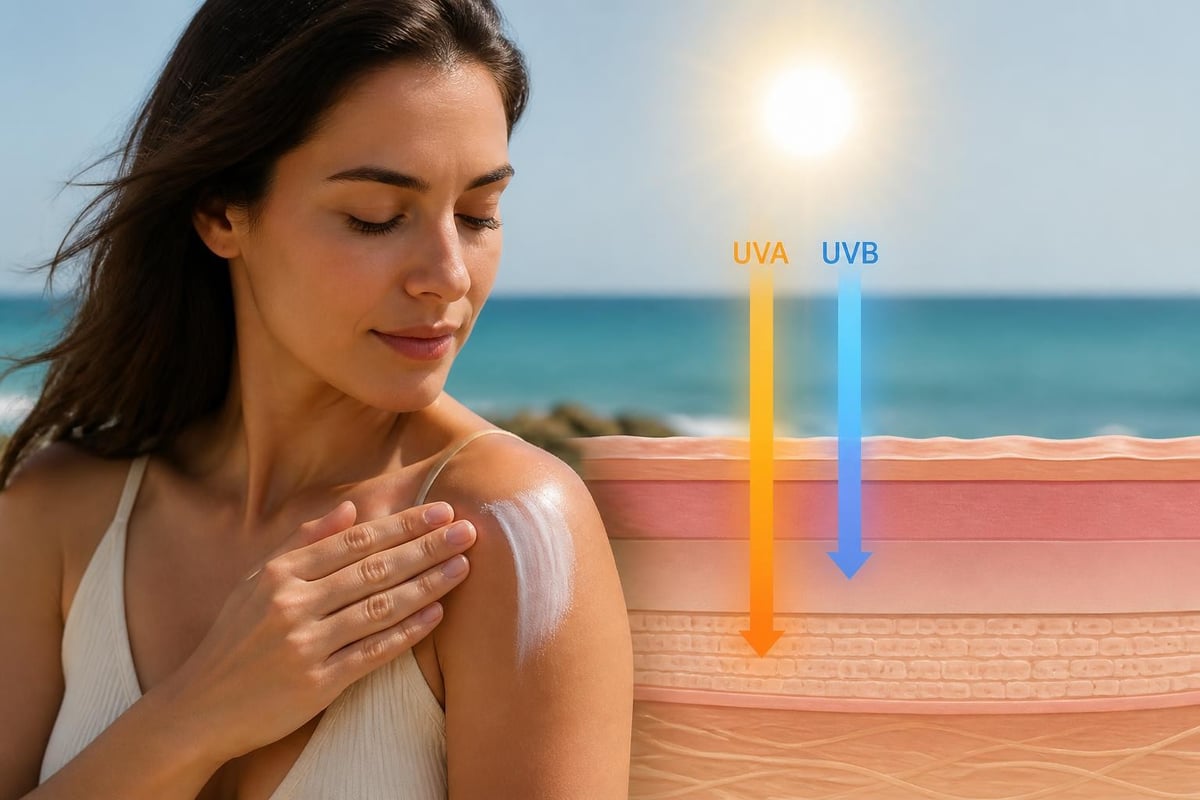
The Two Types of UV Radiation
Understanding what you're protecting against helps you make smarter choices:
- UVA rays penetrate deeply into skin, causing long-term damage, wrinkles, and age spots
- UVB rays affect the skin's surface, causing sunburn and contributing to skin cancer
- Both types require broad-spectrum protection year-round
When selecting your daily moisturiser, always check for broad-spectrum coverage. This ensures you're protected from both UVA and UVB radiation, not just one or the other.
What Makes a Moisturiser Truly Vegan
The vegan beauty movement has grown tremendously, but not all products marketed as "natural" or "plant-based" are actually vegan. Truly vegan moisturisers contain zero animal-derived ingredients and involve no animal testing at any stage of development.
Common non-vegan ingredients to watch for include beeswax, lanolin, collagen, and carmine. Many brands now proudly display vegan certifications, making it easier to shop with confidence. The benefits of vegan skincare extend beyond ethics, offering gentle, nutrient-rich formulations that work beautifully for sensitive skin types.
Vegan Alternatives That Actually Work
| Traditional Ingredient | Vegan Alternative | Benefits |
|---|---|---|
| Beeswax | Candelilla wax, carnauba wax | Excellent texture, plant-derived |
| Lanolin | Shea butter, coconut oil | Deep hydration without animal products |
| Collagen | Plant peptides, rice proteins | Supports skin structure naturally |
| Squalene (shark-derived) | Squalane (olive-derived) | Lightweight moisture, cruelty-free |
Modern formulations prove you don't need animal ingredients for effective skincare. Plant-based alternatives often provide superior benefits whilst aligning with ethical values. Vegan and cruelty-free skincare options have become increasingly sophisticated, rivalling any traditional formulation.
Choosing the Right SPF Level
SPF numbers can be confusing. The Sun Protection Factor indicates how long you can stay in the sun before burning compared to unprotected skin. However, higher numbers don't necessarily mean better protection in the way you might expect.
SPF 30 blocks approximately 97% of UVB rays, whilst SPF 50 blocks around 98%. The difference is minimal, but what matters most is proper application and reapplication. For daily wear, most dermatologists recommend at least SPF 30 in your vegan moisturiser with spf.
Application Guidelines for Maximum Protection
Getting the full SPF benefit requires using enough product. Most people apply far less than needed, reducing effectiveness significantly.
- Use approximately half a teaspoon for your face and neck
- Apply 15-20 minutes before sun exposure to allow proper absorption
- Reapply every two hours when spending extended time outdoors
- Layer under makeup for all-day protection
Remember that SPF in makeup alone isn't sufficient. Your base layer should always be a dedicated vegan moisturiser with spf for reliable protection.
Ingredients to Look For
The most effective vegan SPF moisturisers combine sun protection with nourishing plant-based ingredients. Understanding what works for your skin type helps you make informed choices that deliver real results.
Mineral vs Chemical Sunscreens:
Mineral sunscreens use zinc oxide or titanium dioxide to physically block UV rays. They sit on the skin's surface and reflect light away. Chemical sunscreens absorb UV radiation through ingredients like avobenzone or octinoxate.
For vegan formulations, both can work brilliantly. However, mineral options are often preferred for sensitive skin and environmental concerns. The best moisturisers with SPF typically feature mineral filters for their gentle, broad-spectrum protection.
Hydrating Plant Ingredients
- Hyaluronic acid draws moisture into skin
- Aloe vera soothes and calms inflammation
- Vitamin E provides antioxidant protection
- Jojoba oil balances without clogging pores
- Green tea extract fights free radical damage
These ingredients work synergistically with sun protection, creating a moisturiser that truly multi-tasks. When shopping for vegan face lotions, look for formulations that address both protection and hydration.
Matching Moisturiser to Your Skin Type
Not every vegan moisturiser with spf suits every complexion. Your skin's unique needs should guide your selection process for the best possible results.
Oily and Combination Skin:
Look for lightweight, oil-free formulations that won't clog pores. Gel-based moisturisers with SPF absorb quickly and leave a matte finish. Ingredients like niacinamide help control excess oil whilst protecting from sun damage.
Dry Skin:
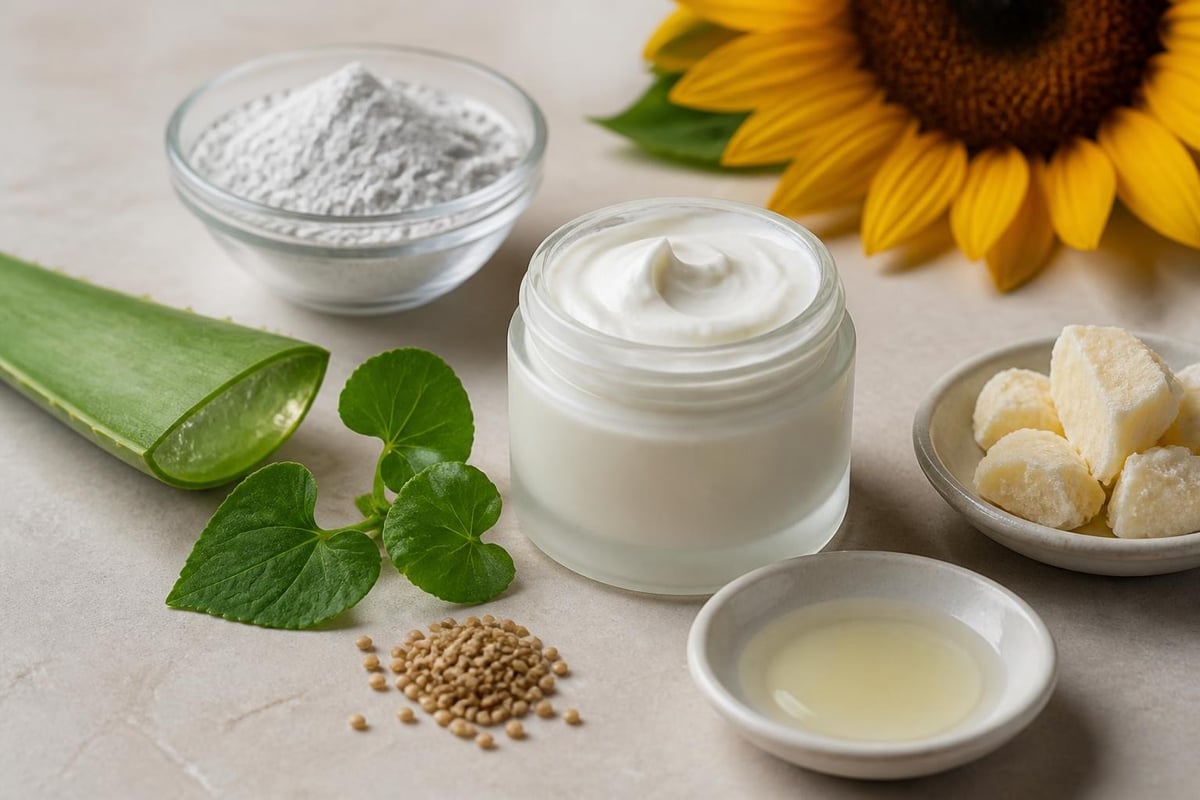
Richer formulations with ingredients like shea butter, coconut oil, or ceramides provide essential moisture alongside sun protection. Daily moisturisers for dry skin should feel nourishing without being greasy.
Sensitive Skin:
Mineral sunscreens are typically gentler than chemical filters for reactive complexions. Fragrance-free options reduce irritation risk. If you're dealing with sensitivity, explore products specifically designed for sensitive faces to find formulations that protect without causing redness.
Texture and Finish Preferences
| Skin Type | Recommended Texture | Ideal Finish |
|---|---|---|
| Oily | Gel, fluid, lotion | Matte, shine-free |
| Dry | Cream, balm | Dewy, luminous |
| Combination | Lightweight cream | Natural, balanced |
| Sensitive | Fragrance-free cream | Calm, non-reactive |
Marie Claire's SPF moisturiser reviews highlight how different textures suit various skin types, helping you narrow down options effectively.
Layering Your Vegan Skincare Routine
A vegan moisturiser with spf typically goes on after cleansing and toning but before makeup. Getting the order right ensures each product works optimally without interfering with others.
Morning Routine Structure:
- Gentle cleanser to remove overnight oil and impurities
- Toner or essence to balance pH and prep skin
- Serums targeting specific concerns (vitamin C, etc.)
- Vegan moisturiser with SPF as your protective layer
- Eye cream if needed
- Makeup applied after SPF has fully absorbed
Allow 60 seconds between each layer for proper absorption. This patience pays off with better results and longer-lasting protection throughout your day.
Evening Routine Differences
Your nighttime routine should focus on repair and renewal rather than protection. Skip the SPF after sunset and opt for richer, restorative moisturisers instead. This gives your skin a break from sun filters whilst providing intensive hydration overnight.
Understanding when to use which products prevents overloading your skin whilst ensuring you're always protected during daylight hours. For comprehensive guidance, check out the best face care products tailored to different needs.
Environmental Considerations
Choosing vegan skincare often stems from environmental consciousness, so it makes sense to consider the broader impact of your SPF moisturiser. Not all sunscreen ingredients are created equal when it comes to aquatic ecosystems.
Reef-Safe Formulations:
Certain chemical sunscreen ingredients harm coral reefs and marine life. Oxybenzone and octinoxate are particularly damaging. Reef-safe options like Myza's Argan Daily Moisturiser use mineral filters that protect your skin without harming ocean ecosystems.
Packaging and Sustainability
Beyond ingredients, consider:
- Recyclable or biodegradable packaging
- Refillable options that reduce waste
- Companies with carbon-neutral shipping
- Concentrated formulas requiring less product
Supporting non-toxic skincare brands that prioritise environmental responsibility creates positive change beyond your personal skincare routine.
Testing and Transitioning
Introducing a new vegan moisturiser with spf into your routine requires a thoughtful approach, especially if you have sensitive or reactive skin. Patch testing prevents unwelcome surprises and helps you find your perfect match.
How to Patch Test Properly:
Apply a small amount of product to your inner forearm or behind your ear. Wait 24-48 hours and watch for redness, itching, or irritation. If your skin remains calm, you're likely safe to use the product on your face.
Gradual Introduction
Even if patch testing goes well, introduce new products slowly:
- Start using every other day for the first week
- Increase to daily application if no issues arise
- Monitor how your skin responds to the SPF filters
- Adjust usage based on seasonal changes in your skin
Some people find their skin needs adjustment time when switching from chemical to mineral sunscreens or vice versa. Be patient with the process.
Common Mistakes to Avoid
Even with the best vegan moisturiser with spf, certain habits undermine your protection. Recognising these pitfalls helps you get maximum benefit from your investment.
Using Too Little Product:
The SPF rating assumes you use approximately 2mg per square centimetre of skin. Most people use a quarter of that amount, dramatically reducing protection levels. Be generous with application for the protection promised on the label.
Skipping Cloudy Days:
UV rays penetrate clouds easily. Your daily moisturiser should be just that-daily. Make it as automatic as brushing your teeth, regardless of weather conditions.
Forgetting About Reapplication:
Morning application isn't enough if you're outdoors for extended periods. Reapply every two hours when sun exposure is significant, or after swimming or sweating heavily.
Storage Mistakes
Keep your moisturiser away from direct sunlight and excessive heat, which can degrade active ingredients. Store it in a cool, dark place to maintain effectiveness throughout its shelf life.
Reading Labels Like a Pro
Understanding ingredient lists empowers you to make better choices. Labels can be deliberately confusing, but knowing what to look for cuts through the marketing hype.
Vegan Certifications to Trust:
- Vegan Society certification
- PETA's cruelty-free and vegan logo
- Leaping Bunny certification
- Certified Vegan logo
These third-party verifications ensure products meet strict standards. Don't rely solely on marketing claims-look for official certification symbols.
Understanding Ingredient Order
Ingredients are listed by concentration, from highest to lowest. If your sunscreen ingredients appear near the end of the list, the formula may not provide adequate protection. Active sunscreen ingredients should feature prominently in the first third of the ingredient list.
Budget-Friendly Options
Quality vegan moisturiser with spf doesn't require breaking the bank. Plenty of affordable options deliver excellent protection without premium price tags.
Focus on effective ingredients rather than fancy packaging or luxury branding. Many smaller brands offer exceptional value whilst maintaining high ethical standards. Finding a good vegan moisturiser at an accessible price point is absolutely achievable with a bit of research.
Value Indicators:
- Price per millilitre rather than just bottle price
- Concentration of active ingredients
- Multi-use potential (face and body)
- Brand reputation and reviews
Sometimes investing slightly more upfront means better value long-term if the product lasts longer or requires less frequent reapplication.
Seasonal Adjustments
Your skin's needs change with the seasons, and so should your approach to SPF moisturiser. Summer and winter present different challenges requiring subtle adjustments to your routine.
Summer Considerations:
Higher temperatures and increased sun exposure may require:
- Lighter textures that won't feel heavy in humidity
- More frequent reapplication during outdoor activities
- Higher SPF levels for extended time outside
- Water-resistant formulations for swimming
Winter Protection:
Don't abandon SPF when temperatures drop. Winter sun, especially reflecting off snow, can be surprisingly intense. Richer formulations combat cold-weather dryness whilst maintaining essential protection.
The Morning Routine Reality Check
Theoretical perfect routines rarely survive contact with actual busy mornings. A vegan moisturiser with spf simplifies things beautifully by combining two essential steps into one.
This efficiency matters enormously for maintaining consistency. The best skincare routine is the one you'll actually follow every single day. If applying separate moisturiser and sunscreen feels like too many steps, combining them removes that barrier.
Keep your product visible on your bathroom counter as a visual reminder. Consistency trumps perfection, and showing up daily with simple, effective protection beats elaborate routines that you abandon after a week.
Beyond Face Care
Whilst we focus primarily on facial protection, don't neglect other sun-exposed areas. Your neck, chest, and hands show age quickly without proper protection.
Many people extend their facial vegan moisturiser with spf to these areas, ensuring consistent protection across all visible skin. This approach simplifies your routine whilst providing comprehensive coverage.
The best product selections for sensitive faces often work beautifully on neck and décolletage as well, making them versatile additions to your skincare arsenal.
Making the Switch to Vegan
If you're transitioning from conventional to vegan skincare, take heart-today's formulations rival anything on the market. The outdated notion that vegan products are somehow less effective has been thoroughly debunked by advances in plant-based chemistry.
Modern vegan moisturisers with SPF deliver outstanding results whilst aligning with your values. You're not compromising effectiveness by choosing ethical products. In many cases, you're actually upgrading to gentler, more skin-friendly formulations that work beautifully for all skin types.
The journey toward fully vegan skincare is deeply personal. Start where it makes sense for you, and build from there. Each conscious choice contributes to a more compassionate beauty industry.
Protecting your skin with a vegan moisturiser with spf is one of the simplest yet most impactful steps you can take for long-term skin health. By choosing products that align with your ethical values whilst delivering effective broad-spectrum protection, you're investing in both your complexion and a kinder beauty industry. At White Rabbit Skin Care, we understand the importance of combining natural, vegan ingredients with the daily protection your skin deserves. Explore our thoughtfully crafted range of cruelty-free moisturisers designed for every skin type, and discover how simple effective skincare can be when ethics and efficacy work together.