

Vegan Face Products: Your Complete Guide for 2026
Choosing the right skincare has never been more important, and in 2026, more people than ever are turning to vegan face products as part of their daily routines. Whether you're motivated by ethical concerns, environmental sustainability, or simply seeking gentler formulations for your skin, understanding what makes a product truly vegan can transform your skincare journey. We're here to guide you through everything you need to know about vegan facial care, from decoding ingredient lists to finding products that work brilliantly for your unique skin type.
Understanding What Makes Face Products Truly Vegan
Vegan face products contain absolutely no animal-derived ingredients or by-products. This means they exclude obvious components like beeswax, honey, and lanolin, but also less apparent ingredients such as carmine (crushed insects for red pigment), collagen from fish or animals, and certain forms of hyaluronic acid derived from rooster combs.
The Difference Between Vegan and Cruelty-Free
Many people assume vegan and cruelty-free mean the same thing, but they're actually distinct concepts. Cruelty-free indicates that a product hasn't been tested on animals at any stage of development. Vegan means the formulation contains no animal-derived ingredients whatsoever.
A product can be:
- Vegan but not cruelty-free (contains no animal ingredients but was tested on animals)
- Cruelty-free but not vegan (not tested on animals but contains beeswax or milk proteins)
- Both vegan and cruelty-free (the gold standard we recommend)
For true peace of mind, look for brands that clearly state both credentials. The Vegan Society's trademark certification provides reliable verification that products meet strict vegan standards.

Common Animal-Derived Ingredients to Avoid
When shopping for vegan face products, you'll want to watch out for these commonly used animal-derived ingredients that often hide in conventional skincare formulations.
Hidden Animal Ingredients in Skincare
| Ingredient | Animal Source | Vegan Alternative |
|---|---|---|
| Lanolin | Sheep's wool grease | Plant oils, shea butter |
| Carmine/Cochineal | Crushed beetles | Plant-based pigments, iron oxides |
| Squalene | Shark liver oil | Squalane from olives or sugarcane |
| Keratin | Animal hooves, horns, feathers | Plant proteins, wheat protein |
| Collagen | Cow or fish tissues | Plant peptides, rice protein |
| Glycerin | Animal fats (sometimes) | Vegetable glycerin |
Many traditional moisturisers and anti-ageing formulations rely on these ingredients, but modern vegan alternatives offer comparable or superior benefits. The shift towards plant-based cosmetic ingredients has driven innovation in developing effective botanical substitutes.
Some ingredients can be derived from either plant or animal sources, making label reading crucial. Glycerin, stearic acid, and lactic acid might be vegan or non-vegan depending on their origin.
Benefits of Switching to Vegan Face Products
Making the switch to vegan face products offers advantages that extend far beyond ethical considerations. Your skin, the environment, and even your overall wellbeing can benefit from this conscious choice.
Gentler Formulations for Sensitive Skin
Plant-based ingredients tend to be gentler and less likely to trigger irritation, making them excellent choices for those with reactive skin. Many animal-derived ingredients can cause sensitivities or allergic reactions, particularly in people with delicate complexions.
If you struggle with sensitivity, exploring the best sensitive skincare options often leads straight to vegan formulations. Natural botanical extracts provide soothing, anti-inflammatory properties without harsh additives.
Environmental and Ethical Impact
- Reduced carbon footprint: Plant agriculture generally produces fewer greenhouse gases than animal farming
- Water conservation: Plant-based ingredients require significantly less water than animal-derived alternatives
- Biodiversity protection: Vegan products don't contribute to overfishing or intensive animal agriculture
- Reduced pollution: Plant-based production typically generates less waste and harmful runoff
The environmental benefits align perfectly with the sustainability goals that many of us prioritise in 2026. By choosing vegan face products, you're voting with your wallet for a more sustainable beauty industry.
Key Ingredients in Effective Vegan Face Products
Vegan skincare isn't about what's missing; it's about the powerful plant-based ingredients that deliver remarkable results. Modern formulations harness botanical science to create products that rival or exceed their conventional counterparts.
Powerhouse Plant Ingredients
Hyaluronic acid (vegan versions derived from bacterial fermentation) holds up to 1000 times its weight in water, providing exceptional hydration. Vitamin C from kakadu plum or acerola cherry brightens and protects against environmental damage. Retinol alternatives like bakuchiol offer anti-ageing benefits without the irritation.
Research into topical plant-based products for skin ageing demonstrates that botanical actives can deliver clinically significant improvements in skin texture, tone, and firmness.
Natural Oils and Butters
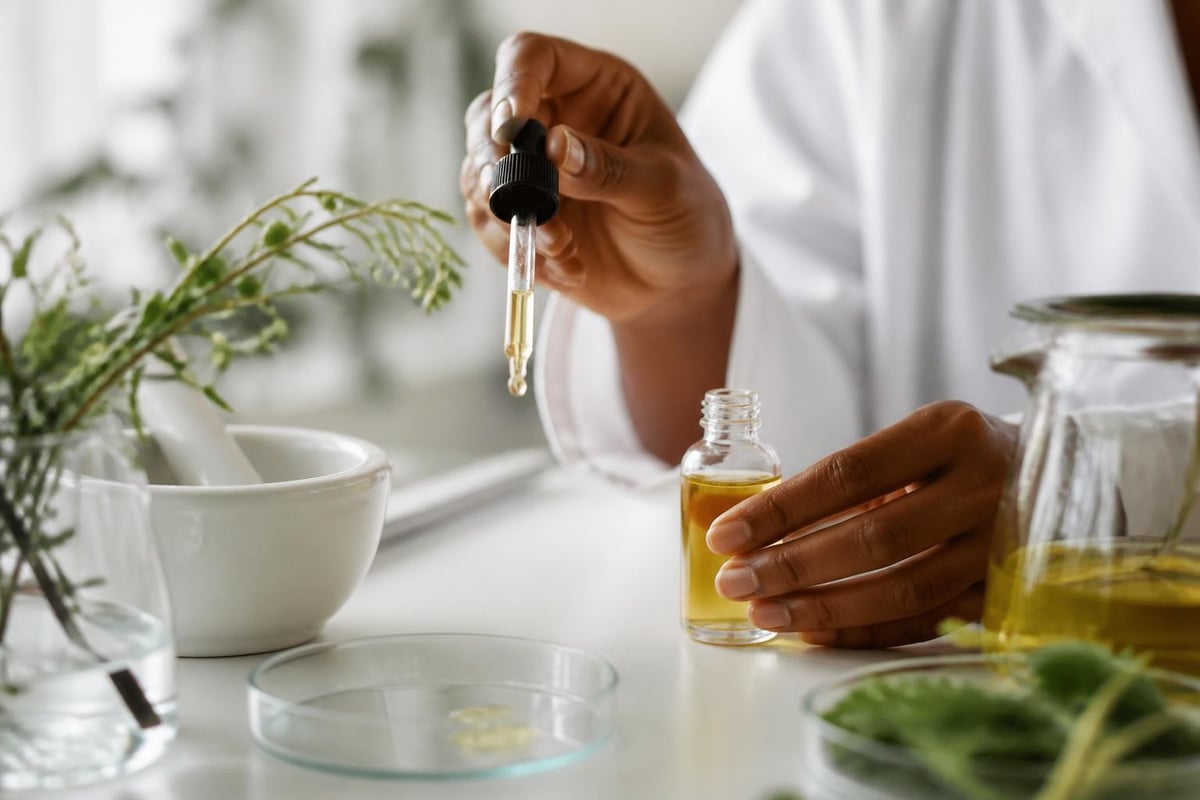
These plant-derived ingredients form the foundation of many vegan face products:
- Jojoba oil: Mimics skin's natural sebum, balances oil production
- Rosehip oil: Rich in vitamins A and C, reduces scarring and hyperpigmentation
- Shea butter: Deeply moisturising, contains anti-inflammatory compounds
- Argan oil: Packed with vitamin E and fatty acids, suitable for most skin types
- Coconut oil: Antimicrobial properties, though comedogenic for some skin types
When formulated correctly, these ingredients create luxurious textures while delivering genuine therapeutic benefits. Products like the coconut and rosehip calming cream showcase how plant ingredients can work synergistically.
Choosing Vegan Products for Different Skin Types
Not all vegan face products suit every skin type equally. Understanding your skin's unique needs helps you select formulations that deliver optimal results.
Vegan Solutions for Oily and Acne-Prone Skin
Contrary to popular belief, oily skin needs hydration too. Look for lightweight, non-comedogenic vegan face products containing:
- Tea tree oil (natural antibacterial properties)
- Niacinamide (regulates sebum production)
- Salicylic acid from willow bark (gently exfoliates)
- Witch hazel (natural astringent)
Gel-based moisturisers and water-light serums work beautifully for oily complexions. The glycolic cleanser approach helps manage excess oil while maintaining skin health.
Vegan Care for Dry and Mature Skin
Dry and ageing skin thrives on rich, nourishing formulations packed with botanical oils and butters. Seek out products featuring:
| Concern | Recommended Vegan Ingredients | Benefits |
|---|---|---|
| Dehydration | Hyaluronic acid, glycerin, aloe vera | Intense moisture retention |
| Fine lines | Bakuchiol, peptides, vitamin C | Collagen support, firmness |
| Dullness | AHAs from fruit acids, vitamin C | Cell turnover, radiance |
| Loss of elasticity | Plant stem cells, CoQ10, sea buckthorn | Skin regeneration |
The rose and frankincense day cream exemplifies how vegan formulations can address multiple age-related concerns simultaneously. Layering products like the olive and avocado serum beneath your moisturiser provides extra nourishment.
Building Your Vegan Skincare Routine
Creating an effective vegan skincare routine follows the same principles as conventional skincare, but with carefully selected plant-based products at every step.
Morning Routine Essentials
Start your day by protecting and preparing your skin:
- Gentle cleanser: Remove overnight buildup without stripping natural oils
- Toner: Balance pH and prep skin for treatments (try the orange blossom toner)
- Serum: Target specific concerns with concentrated actives
- Moisturiser: Lock in hydration with appropriate richness for your skin type
- SPF: Essential sun protection (ensure it's vegan and reef-safe)
The rosehip and camellia day cream provides daytime moisture whilst supporting skin throughout the day.
Evening Ritual for Repair
Night-time is when your skin repairs itself, making your evening routine crucial:
- Double cleanse: Start with a cleansing balm to dissolve makeup and SPF, follow with a water-based cleanser
- Treatment products: Apply targeted serums or treatments
- Eye cream: The delicate eye area benefits from specialized care like the toning eye cream
- Night cream: Richer formulations support overnight regeneration
- Face oil (optional): Seal everything in with a nourishing botanical oil
Consider exploring sensitive face products if you're new to vegan formulations and want to start gently.
Decoding Certifications and Labels
Understanding certification marks helps you identify genuinely vegan face products amidst clever marketing. Not all products labeled "natural" or "plant-based" are truly vegan.
Recognized Vegan Certifications
The Vegan Society's Vegan Trademark represents the most widely recognized vegan certification globally. Products bearing this symbol have undergone rigorous verification to ensure they contain no animal ingredients and haven't been tested on animals.
PETA's Cruelty-Free and Vegan logos indicate both that products haven't been tested on animals and contain no animal-derived ingredients. These certifications require companies to verify their entire supply chain.
The COSMOS standard for natural and organic cosmetics, while not exclusively vegan, sets strict criteria for ingredient sourcing and processing that often align with vegan values.
Reading Between the Lines
Some products might be vegan without carrying official certification due to cost barriers, especially for smaller brands. Look for clear statements on packaging or websites declaring "100% vegan" or "no animal-derived ingredients."
Red flag phrases include:
- "Mostly natural" (what's the unnatural bit?)
- "Cruelty-free" alone (doesn't guarantee vegan)
- "Not tested on animals by us" (might have been tested by suppliers)

Independent testing and verification matter tremendously. Recent investigations, such as Consumer Reports' product testing, highlight why third-party verification provides essential quality assurance beyond marketing claims.
Budget-Friendly Vegan Face Products
Quality vegan face products don't need to break the bank. The growing demand for ethical skincare has made vegan options increasingly accessible across all price points.
Finding Affordable Vegan Skincare
Consider these strategies for building a vegan routine on any budget:
- Prioritise multi-tasking products: A good cleansing balm removes makeup and cleanses in one step
- Start with basics: Perfect your cleanser, moisturiser, and SPF before adding extras
- Use facial oils sparingly: A few drops go a long way for hydration and glow
- Try sample sizes: Test products before committing to full sizes through sample packs
- Bundle sets: Gift sets often offer better value than individual products
Many brands, including those specialising in inexpensive skin care, prove that ethical skincare doesn't require luxury pricing.
Common Myths About Vegan Face Products
Let's clear up misconceptions that might be holding you back from trying vegan face products.
Myth: Vegan Products Are Less Effective
Reality: Modern vegan formulations harness cutting-edge botanical science to deliver results that match or exceed conventional products. Plant-based ingredients like bakuchiol (retinol alternative), peptides from rice or soy, and fermented ingredients offer powerful benefits without animal derivatives.
Myth: All Natural Products Are Vegan
Reality: Many "natural" products contain honey, beeswax, milk proteins, or other animal-derived ingredients. Always check ingredient lists rather than relying on "natural" marketing alone.
Myth: Vegan Skincare Won't Work for Serious Concerns
Plant-based actives address every skin concern imaginable:
| Concern | Vegan Solution | Effectiveness |
|---|---|---|
| Acne | Salicylic acid (willow bark), tea tree | Clinically proven antibacterial action |
| Hyperpigmentation | Vitamin C, liquorice root, kojic acid | Evidence-based brightening |
| Wrinkles | Bakuchiol, peptides, plant stem cells | Comparable to retinol in studies |
| Redness | Chamomile, calendula, green tea | Anti-inflammatory compounds |
Supporting UK Brands and Local Production
Choosing UK-based vegan skincare companies reduces your carbon footprint whilst supporting local economies and ethical business practices.
Benefits of Shopping Local
UK brands often maintain stricter quality control and transparency standards than overseas manufacturers. Shorter supply chains mean fresher products and reduced environmental impact from transportation.
Supporting companies committed to non-toxic skincare brands helps drive industry-wide improvements in formulation standards and ethical practices. British brands are leading innovation in sustainable packaging and ingredient sourcing.
What to Look for in UK Vegan Brands
When evaluating British vegan face products:
- Transparency: Clear ingredient sourcing information
- Sustainability: Recyclable packaging, carbon-neutral shipping
- Certifications: Vegan Society approval, organic certifications where relevant
- Testing: Independent stability and safety testing
- Community: Engagement with customers, educational content
Many excellent UK skincare brands combine vegan formulations with traditional British botanical ingredients like rose, elderflower, and calendula.
Transitioning Your Current Routine to Vegan
Switching to vegan face products doesn't require an overnight overhaul. A gradual transition lets you find what works whilst minimizing waste and expense.
A Phased Approach
Phase One: Replace as you run out. This sustainable approach prevents product waste whilst steadily moving toward a fully vegan routine. Start with products you use most frequently.
Phase Two: Prioritise leave-on products. Your moisturiser, serum, and eye cream remain on your skin longest, making them ideal early switches. Cleansers wash off quickly, so you might replace these later.
Phase Three: Address specific concerns. Once your basics are sorted, explore targeted treatments for your individual skin needs. Bundles for specific concerns can simplify this process.
Patch Testing New Products
Even gentle vegan face products deserve patch testing, especially if you have sensitive or reactive skin:
- Apply a small amount to your inner forearm
- Wait 24-48 hours
- Check for redness, itching, or irritation
- If clear, test on a small area of your face
- Gradually incorporate into your full routine
This careful approach prevents adverse reactions and helps identify any ingredients that don't suit your skin.
Specialty Vegan Face Products Worth Exploring
Beyond the basics, several specialty vegan face products can elevate your skincare game and address specific needs.
Face Masks and Weekly Treatments
Weekly treatments provide an opportunity to deeply nourish or clarify your skin. The aloe and rose hydration face mask offers intensive moisture perfect for depleted skin.
Clay masks with kaolin or bentonite draw out impurities without animal-derived ingredients. Enzyme masks from papaya or pumpkin gently exfoliate, revealing brighter skin.
Tools and Accessories
Sustainable beauty extends beyond products themselves:
- Reusable cotton pads: Replace disposable rounds
- Bamboo face cloths: Gentle exfoliation with eco-friendly materials (learn more about bamboo face cloths)
- Jade rollers: Natural stone tools for lymphatic drainage and product absorption
- Konjac sponges: Biodegradable cleansing tools from plant fibres
The double-ended jade face roller complements vegan face products beautifully, enhancing absorption and providing soothing massage.
Seasonal Adjustments for Vegan Skincare
Your skin's needs change with the seasons, and vegan face products offer versatility to adapt your routine throughout the year.
Winter Care
Cold weather and central heating deplete moisture levels. Switch to:
- Richer creams with shea butter and ceramides
- Hydrating serums with hyaluronic acid
- Nourishing facial oils applied before moisturiser
- Gentler cleansing to preserve natural oils
The rose and orange night cream provides extra nourishment during harsh winter months.
Summer Adjustments
Warmer weather calls for lighter formulations:
- Gel-based moisturisers that won't feel heavy
- Water-light cleansing water for refreshing cleansing
- Antioxidant serums to combat increased sun exposure
- Higher SPF protection (ensure it's vegan and reef-safe)
Adjust your routine gradually as temperatures shift, paying attention to how your skin responds.
Making the switch to vegan face products represents a commitment to your skin's health, animal welfare, and environmental sustainability. Armed with knowledge about ingredients, certifications, and your skin's unique needs, you're now equipped to make informed choices that align with your values. Whether you're starting with one product or transforming your entire routine, White Rabbit Skin Care offers a thoughtfully curated range of natural, vegan skincare products crafted with the finest botanical ingredients, helping you achieve radiant, healthy skin whilst supporting ethical beauty practices.