

Vegan Face Care Guide: Your Essential Handbook for 2026
Vegan face care is quickly becoming the go-to choice for beauty lovers in 2026. With the vegan skincare market set to hit a staggering £20 billion, more of us are choosing routines that are kind to both our skin and the planet.
Why does this matter? Embracing vegan face care means clearer skin, supporting animal welfare, and making sustainable choices every day. Whether you're new to this journey or looking to refine your routine, this handbook gives you expert advice on selecting the best cruelty-free products for your unique skin type.
Ready to glow with confidence? Let’s dive into the essentials, from vegan face care basics and key ingredients to step-by-step routines, product picks, and the latest trends shaping ethical beauty.
Understanding Vegan Face Care: What Makes It Different?
Vegan face care has taken centre stage in our beauty routines, offering a kinder way to care for our skin. With more of us seeking products that align with our values and support a healthy complexion, it's no wonder vegan face care is a hot topic in 2026.

What exactly sets vegan face care apart? At its core, vegan face care means every product is completely free from animal-derived ingredients or by-products. This includes not just obvious items like honey or beeswax, but also hidden ingredients such as lanolin, collagen, and carmine. Instead, these products rely on the power of plants, fruits, and minerals to nourish and protect your skin.
It's easy to get confused by buzzwords in the beauty world. You might see "vegan", "cruelty-free", or "natural" used interchangeably, but they are not the same. Here’s a quick comparison:
| Feature | Vegan | Cruelty-Free | Natural |
|---|---|---|---|
| Animal Ingredients | None | May contain | May contain |
| Animal Testing | Usually not tested | Not tested | Varies |
| Synthetic Ingredients | Can be included | Can be included | Excludes synthetics |
If you want a deeper dive into the difference, check out this helpful guide: Vegan and cruelty-free meaning.
Some animal-derived ingredients pop up in many non-vegan products. Watch out for these on labels:
- Beeswax
- Lanolin
- Collagen
- Carmine
- Keratin
- Squalene (unless plant-based)
Choosing vegan face care isn't just about your skin. It's about showing compassion for animals and caring for our planet. By avoiding animal-derived ingredients, we help reduce demand for animal agriculture, which is a major contributor to greenhouse gases and water use. This small switch can support both animal welfare and environmental health.
Plant-based ingredients in vegan face care have come a long way. Recent studies show they can be just as effective, if not more, than their animal-based counterparts. Many botanicals, like aloe vera and green tea, are packed with antioxidants and nutrients that support skin health. Scientific reviews confirm that plant-based skincare can deliver real results, with fewer irritants or unwanted side effects.
The demand for vegan face care is booming. In the UK, the vegan skincare market is expected to grow rapidly by 2026, as more people seek ethical and sustainable beauty options. Certification bodies like The Vegan Society and Leaping Bunny are setting clear standards, making it easier for us to spot genuine vegan products on the shelves.
More and more of us are checking for vegan and cruelty-free certifications before we buy. In fact, 70% of UK consumers now prefer cruelty-free products, showing that values and beauty go hand in hand. With clear labelling and growing innovation, vegan face care is set to become the new normal for conscious consumers.
The Benefits of Vegan Face Care
Choosing vegan face care brings a wealth of benefits, not only for your complexion but also for the planet and our furry friends. As more of us look for honest, ethical beauty, it's clear why vegan face care is making such a positive impact.
Improved Skin Health
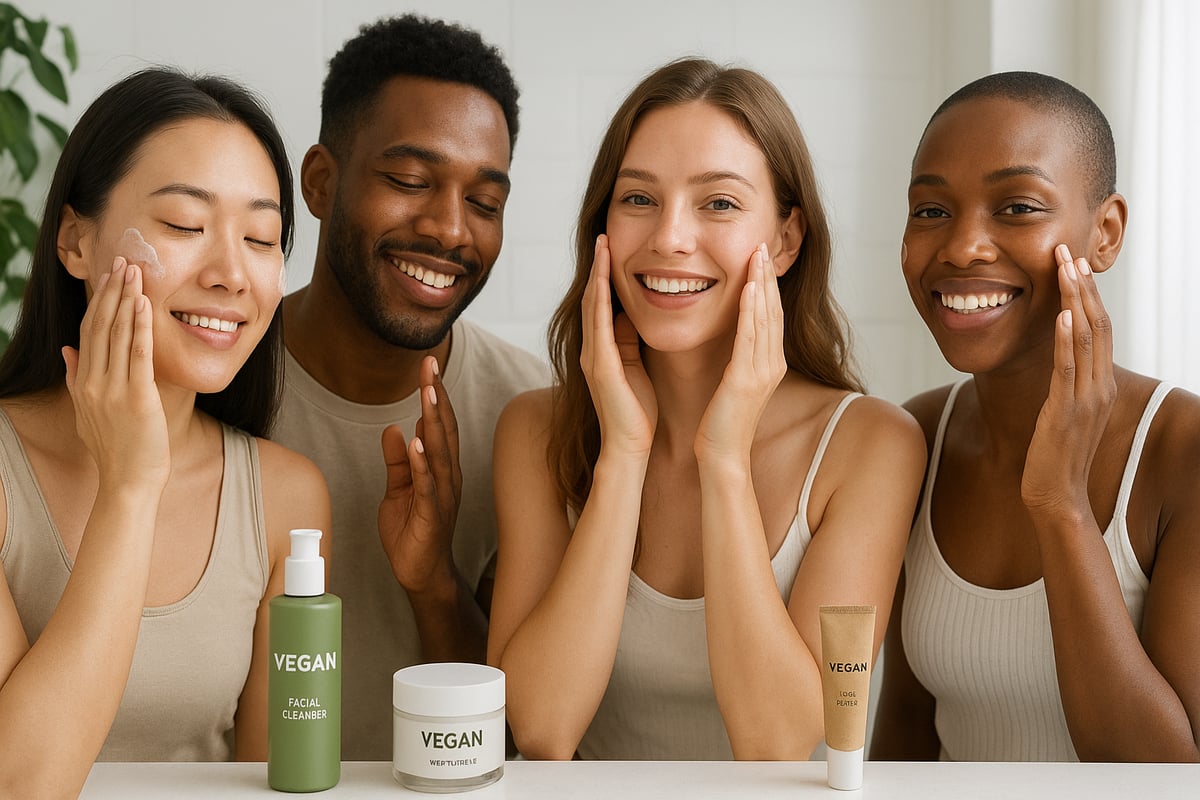
Vegan face care often contains fewer synthetic chemicals and harsh irritants, making it a gentle choice for all skin types. Plant-based ingredients like aloe vera and chamomile soothe, hydrate, and nourish the skin naturally. Many people notice a visible difference in their skin's clarity and texture after switching to vegan products.
Research shows that users of vegan face care report 30% fewer skin reactions, according to Dermatology UK (2025). If you want to dive deeper into how a plant-based routine can boost your complexion, check out this helpful guide on the benefits of veganism for skin.
Environmental Benefits
Sustainability is at the heart of vegan face care. By avoiding animal-derived ingredients, these products typically have a lower carbon footprint and use less water in production. Brands committed to vegan face care also tend to use recyclable, eco-friendly packaging, helping reduce waste.
Here's a quick comparison:
| Benefit | Vegan Face Care | Conventional Skincare |
|---|---|---|
| Carbon footprint | Lower | Higher |
| Water usage | Reduced | Increased |
| Packaging | Often recyclable | Often single-use |
Allergy Reduction
Many common allergens found in traditional skincare come from animal-derived sources, such as lanolin or beeswax. Vegan face care formulas avoid these, offering a safer option for those with sensitive or allergy-prone skin. This makes it easier to enjoy a routine with fewer worries about reactions or irritation.
Ethical and Transparent Beauty
By supporting vegan face care, you're choosing cruelty-free products that never test on animals. Brands are often more transparent about their ingredient sourcing and manufacturing, so you can feel confident about what you're putting on your skin. Vegan face care is about beauty with a conscience, where every purchase supports animal welfare and fairer practices.
Real Results and Statistics
Success stories are everywhere. Many people share how a switch to vegan face care has improved their skin's resilience and glow. Dermatology UK confirms that vegan skincare users experience 30% fewer skin irritations, highlighting the positive impact of this approach.
Making the change to vegan face care is a powerful step for your skin, the environment, and the wider world. Together, we can enjoy healthy, radiant skin while making choices that truly matter.
Key Ingredients in Vegan Face Care
When building an effective vegan face care routine, understanding what goes into your products is essential. The right ingredients can transform your skin, offering hydration, radiance, and protection, all while supporting ethical beauty. Let’s explore the plant-based heroes, superfoods, and innovations that make vegan face care shine in 2026.
Plant-Based Hero Ingredients
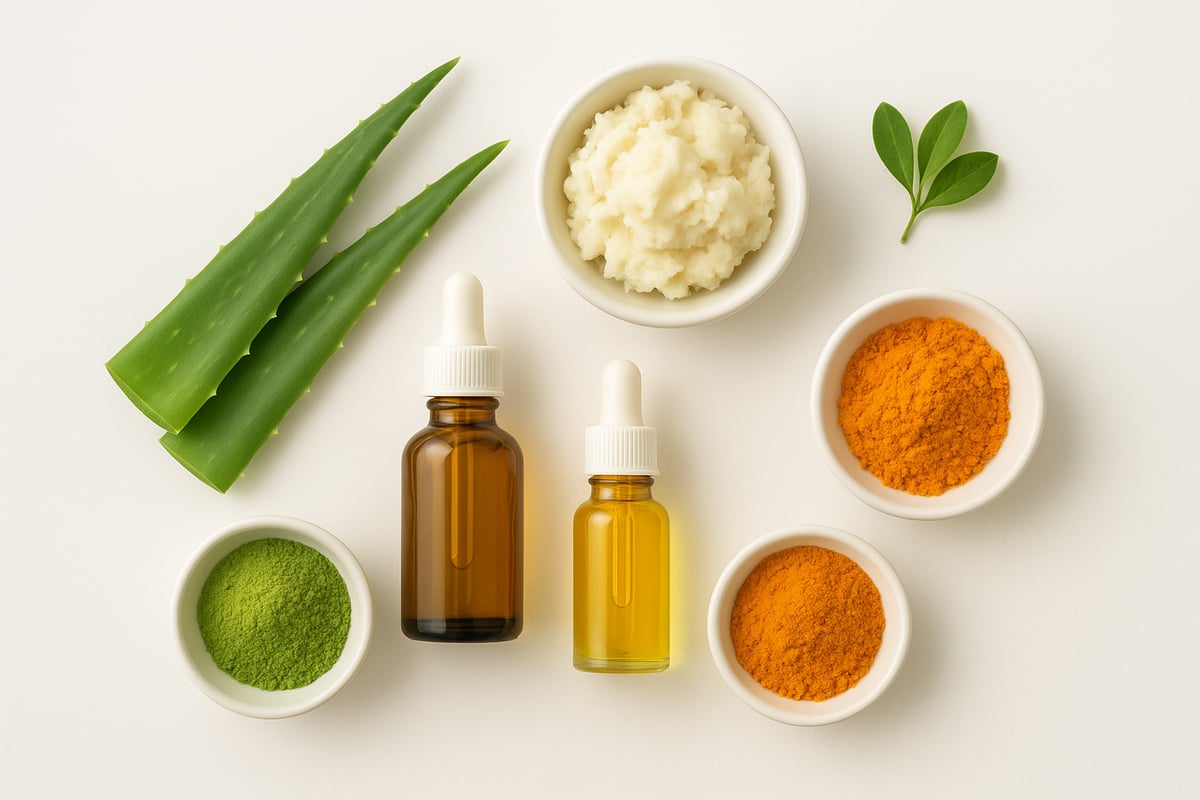
Plant-derived ingredients are the backbone of vegan face care. They deliver nourishment, hydration, and protection without relying on animal by-products. Some of the most celebrated ingredients include:
| Ingredient | Key Benefit | Skin Type |
|---|---|---|
| Aloe Vera | Soothes, hydrates | All, especially sensitive |
| Jojoba Oil | Balances sebum | Oily, combination |
| Rosehip Oil | Brightens, repairs | Dry, mature |
| Shea Butter | Deeply moisturises | Dry, sensitive |
These ingredients are rich in vitamins, antioxidants, and essential fatty acids. They help to restore your skin’s barrier, reduce inflammation, and promote a healthy, radiant complexion. When you choose vegan face care, you’re opting for formulas that work in harmony with your skin’s natural processes.
Superfoods in Vegan Face Care
Superfoods are not just for your morning smoothie. In 2026, they’re a staple in vegan face care, offering potent antioxidant and anti-inflammatory effects. Here are some superstars:
- Matcha: Fights free radicals, reduces redness
- Turmeric: Calms irritation, brightens dull skin
- Seaweed: Hydrates and replenishes minerals
These superfoods are packed with nutrients that shield your skin from environmental stress and support its natural repair. Including them in your vegan face care routine helps maintain a glowing, resilient complexion.
Ingredients to Avoid
Not all skincare ingredients align with vegan face care values. Many mainstream products still contain animal-derived substances or harsh chemicals. Common ingredients to steer clear of include:
- Beeswax
- Lanolin
- Collagen (animal-derived)
- Silicones
- Parabens
- Sulphates
- Microplastics
For a deeper dive into why these should be avoided, check out this helpful guide on skincare ingredients to avoid. Choosing vegan face care ensures your routine is free from these unwanted additives.
Vegan vs Animal-Derived Hyaluronic Acid & Label Reading
Hyaluronic acid is a beloved hydrator in vegan face care, but not all sources are equal. Traditional hyaluronic acid often comes from animal tissues, while vegan versions are produced via fermentation of plant sugars. Here’s a quick comparison:
| Source | Vegan? | Common Use |
|---|---|---|
| Rooster combs | No | Older formulas |
| Plant-fermented | Yes | Modern vegan face care |
When shopping, look for clear vegan certification and familiarise yourself with ingredient lists. Labels from The Vegan Society or Leaping Bunny ensure authenticity and cruelty-free standards.
Innovations and Trends
The world of vegan face care is evolving rapidly. In 2026, biotechnological advances are bringing plant-based peptides, lab-grown actives, and more sustainable sourcing to the forefront. Expect to see upcycled ingredients, waterless formulas, and smart packaging as brands continue to innovate for healthier skin and a healthier planet.
Vegan face care is truly leading the way towards ethical, effective, and future-focused skincare.
Building Your Vegan Face Care Routine: Step-by-Step Handbook
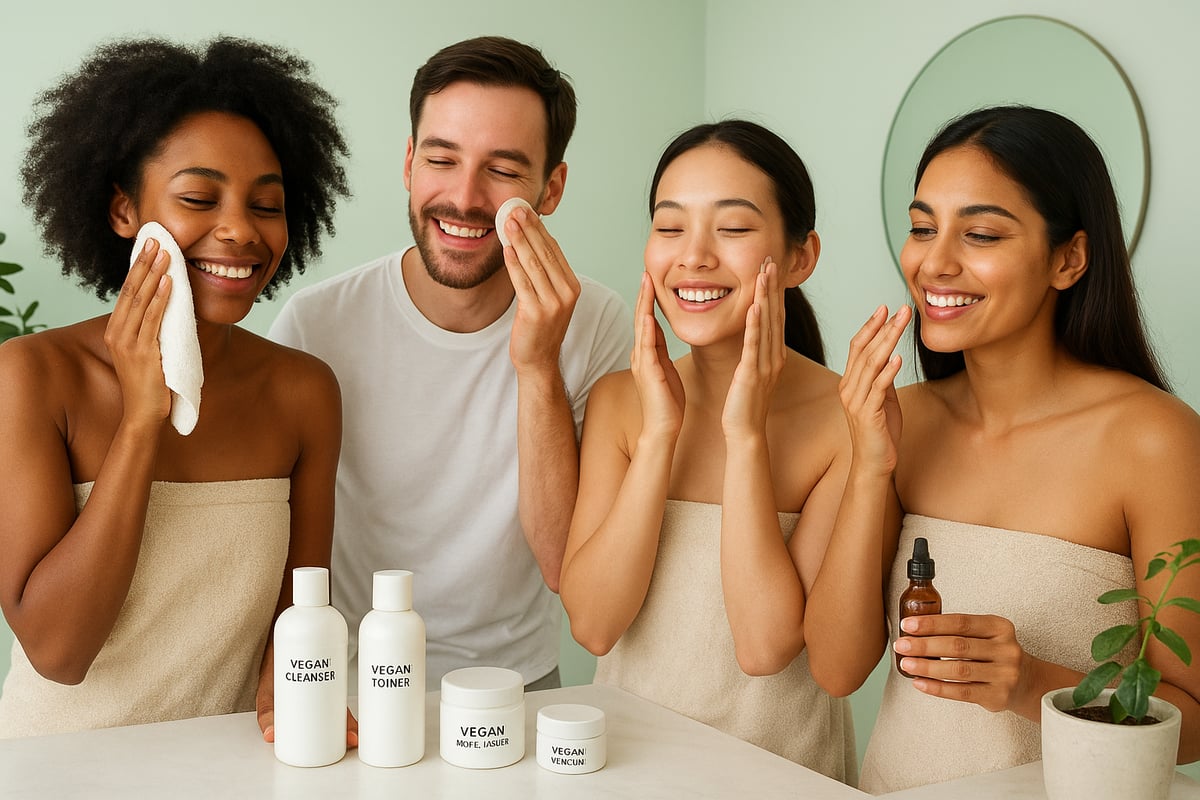
Embarking on a vegan face care journey is both exciting and empowering. With so many innovative options available in 2026, creating a routine that’s kind to your skin, animals, and the planet has never been easier. Let’s guide you, step by step, through building a routine that feels personalised and effective.
Step 1: Determine Your Skin Type
Understanding your skin type is the essential first step in vegan face care. Are you oily, dry, combination, sensitive, or normal? Each type needs unique attention, and knowing this helps you pick the right vegan products.
- Oily: Shiny, larger pores, prone to breakouts.
- Dry: Flaky, tight, or rough texture.
- Combination: Oily in some areas, dry in others.
- Sensitive: Easily irritated, redness or itching.
- Normal: Balanced, rarely problematic.
Your skin type guides your choices, from gentle cleansers to rich creams. If you’re unsure, take a moment to observe how your skin feels after cleansing. For extra help, check out this How to build a skincare regime guide for more details on identifying your type and choosing the best vegan face care products.
Step 2: Cleanse with Vegan Face Wash
Cleansing is the foundation of every vegan face care routine. Choose a gentle, plant-based cleanser that removes dirt, oil, and makeup without stripping your skin’s natural barrier.
Look for ingredients like aloe vera and green tea extract, which soothe and refresh. Avoid harsh surfactants and animal-derived additives, as they can cause irritation or dryness. For oily skin, a foaming gel might work best, while creamy cleansers suit dry or sensitive types.
Consistency is key. Cleanse twice daily, morning and night, to keep your skin fresh and ready for the next steps in your vegan face care ritual.
Step 3: Tone and Balance
Toning helps restore your skin’s natural pH and preps it for hydration. In vegan face care, alcohol-free, plant-based toners are best for supporting healthy, balanced skin.
Popular ingredients include witch hazel for tightening pores, chamomile for soothing, and rose water for gentle hydration. Apply toner after cleansing, either with a reusable cotton pad or by patting with clean hands.
This step ensures that your skin absorbs subsequent products more effectively. Choose a toner that suits your skin type and enjoy the refreshing boost it brings to your vegan face care routine.
Step 4: Moisturise and Protect
Hydration is vital for every skin type, and vegan face care excels with nourishing, cruelty-free moisturisers. Look for ingredients like hyaluronic acid, which draws moisture to the skin, and shea butter, which strengthens the barrier.
Select a lightweight gel for oily skin, a rich cream for dry types, or a balanced lotion for combination skin. Consider using a different moisturiser for day and night to address your skin’s changing needs.
Daily moisture helps maintain elasticity, reduces irritation, and leaves your complexion glowing. Make moisturising a non-negotiable part of your vegan face care journey.
Step 5: Targeted Treatments (Serums, Masks, Spot Care)
Take your vegan face care routine to the next level with targeted treatments. Serums deliver concentrated benefits—think vitamin C for brightening, niacinamide for balancing, or bakuchiol for plant-based anti-ageing.
Add a weekly mask, such as clay for detoxifying or superfood blends for nourishment. For sudden blemishes, spot treatments with tea tree oil or zinc can help reduce redness and speed healing.
Personalise your approach. Not every skin needs every treatment, so choose what fits your concerns and watch your vegan face care results shine.
Step 6: Sun Protection
Sun protection is a crucial step in vegan face care, no matter the weather. Opt for vegan, reef-safe SPF formulas that protect without harming wildlife or the environment.
Look for zinc oxide or titanium dioxide as active ingredients. These provide broad-spectrum protection and are gentle on sensitive skin. Apply SPF every morning, even on cloudy days, and reapply as needed if you’re outdoors.
This habit not only prevents sunburn but also helps protect against premature ageing. Make sunscreen the final, daily step in your vegan face care routine.
Step 7: Weekly and Monthly Extras
Round out your vegan face care with some extras that keep your skin at its best. Exfoliate weekly with a plant-based scrub or enzyme peel to remove dead skin and reveal a brighter glow.
Try facial oils or overnight masks for extra hydration and repair. Adjust your routine seasonally—lighter products in summer, richer in winter—for optimal results.
Take time for self-care rituals, like a relaxing mask night or facial massage. These extras make vegan face care not just a routine, but a joyful, nurturing experience.
Choosing Vegan Face Care Products: What to Look For
Choosing the right vegan face care products can feel overwhelming, but with the right knowledge, it becomes an empowering journey. As more people embrace vegan face care, the UK market is seeing an incredible surge in demand. But how do you ensure you’re truly making ethical, effective choices for your skin and the planet?
Decoding Ingredient Lists and Certifications
The first step in choosing vegan face care is understanding what’s inside the products you use. Always scan ingredient lists for hidden animal-derived substances like beeswax, lanolin, or collagen. Many brands now highlight plant-based actives, but it’s wise to look for clear vegan certifications, such as The Vegan Society, Leaping Bunny, or PETA.
Certifications help you avoid greenwashing, where brands exaggerate their ethical claims. In fact, 65% of UK shoppers now check for vegan certification before buying, according to UK vegan cosmetics market statistics. This growing awareness shows how vital transparency and trustworthy labelling have become in the vegan face care space.
Sustainable Packaging and Eco-Friendly Choices
Packaging is more than just a pretty face, especially for vegan face care. Look for products that use recycled, recyclable, or refillable materials. Many forward-thinking brands now offer glass jars, aluminium tubes, or biodegradable packaging to reduce waste.
Eco-friendly packaging not only supports the environment but also reflects a brand’s deeper commitment to sustainability. Some even provide return or refill schemes, making it easier for us all to lower our carbon footprint. When choosing vegan face care, let the packaging be a sign of the brand’s overall values.
Price, Value, and Smart Shopping
With so many vegan face care options on the shelves, how do you spot real value? Compare product sizes, ingredient quality, and how long the product lasts. Sometimes, a slightly higher upfront cost means better ingredients and longer use, saving money in the long run.
Don’t forget to read customer reviews and testimonials. These first-hand experiences reveal how products work on different skin types and highlight any hidden gems. Shopping locally supports UK businesses and can cut down on shipping emissions, but international brands might offer unique vegan face care solutions you can’t find elsewhere.
By staying informed, checking labels, and trusting your instincts, you can confidently build a vegan face care routine that’s kind to your skin, animals, and the environment.
The Future of Vegan Face Care: Trends and Innovations for 2026
The future of vegan face care is bright, with 2026 shaping up to be a year of incredible progress. As more of us seek gentle, cruelty-free solutions, brands are rapidly evolving. New technology, ethical values, and environmental needs are all coming together to create a wave of exciting changes. Let’s explore what’s next for vegan face care and how these trends will shape our daily routines.
Biotechnology and Plant-Based Innovations
Biotechnology is revolutionising vegan face care, making it possible to create lab-grown collagen and harness the power of plant stem cells. These scientific breakthroughs are helping brands craft anti-ageing solutions that rival traditional animal-based formulas. In fact, researchers are now discovering new plant-based ingredients with strong anti-inflammatory and anti-ageing effects, boosting the performance of vegan face care products. For more on these advancements, see the latest innovations in plant-based anti-aging ingredients.
Plant-powered actives are also being produced more sustainably, reducing the need for synthetic additives. As a result, vegan face care is becoming even safer and more effective for all skin types.
AI Personalisation and Custom Routine Creation
Artificial intelligence is making skincare smarter and more personal than ever. In 2026, AI-powered apps can analyse your skin’s unique needs and recommend the perfect vegan face care routine. By combining skin analysis with data on allergies, environment, and lifestyle, these tools help us pick products that truly work.
This level of personalisation not only saves time but also cuts down on trial and error, making it easier to achieve glowing, healthy skin with vegan face care.
Sustainable Formats: Waterless, Solid, and Upcycled Ingredients
Sustainability is a top priority for vegan face care in 2026. Brands are launching waterless serums, solid cleansers, and concentrated creams, all designed to reduce waste and carbon footprint. Upcycled ingredients are also making headlines, as companies repurpose by-products from food production, like fruit peels and coffee grounds, into nourishing skincare.
These innovations help us care for our skin while protecting the planet, strengthening the bond between personal wellness and environmental responsibility.
Packaging and Transparency in 2026
Smart packaging is another exciting development. Many vegan face care brands are using QR codes on their products, offering instant access to ingredient sourcing, recycling instructions, and brand ethics. This transparency builds trust and helps us make informed choices.
Eco-friendly packaging, such as refillable bottles and compostable containers, is becoming the norm, showing a real commitment to reducing plastic waste in the beauty industry.
Inclusive Beauty and UK Startup Growth
Vegan face care is expanding to include all skin tones, ages, and types. More UK-based startups are developing products for diverse needs, ensuring everyone can enjoy ethical skincare. These new brands are often founded by passionate individuals who value transparency, sustainability, and community.
By listening to customers and adapting quickly, they are setting new standards for what vegan face care can achieve.
Industry Forecast and Consumer Trends
The vegan face care market is set for incredible growth. According to recent research, the global vegan cosmetics sector is expected to soar as more consumers choose ethical, plant-based beauty. You can read about these global vegan cosmetics market growth projections for a deeper dive into the numbers.
As we look ahead, it’s clear that vegan face care will continue to lead with innovation, compassion, and a genuine focus on both people and the planet.
Future Trends in Vegan Face Care: Quick Overview
| Trend | Description | Impact |
|---|---|---|
| Biotechnology | Lab-grown collagen, plant stem cells | Advanced anti-ageing, safety |
| AI Personalisation | Custom routines via skin analysis | Improved results, less waste |
| Waterless/Solid Formats | Serums, cleansers, creams | Eco-friendly, travel ready |
| Upcycled Ingredients | Food by-products in skincare | Reduces waste, unique benefits |
| Smart Packaging | QR codes, refillable/compostable packs | Transparency, less plastic |
| Inclusive Beauty | Products for all skin tones/types | Accessible, community-focused |
The future of vegan face care is full of promise. By embracing science, sustainability, and inclusivity, we’re shaping a better world for ourselves and generations to come.