

Organic Vegan Skin Care Products: The Complete Guide
The beauty industry has witnessed a remarkable shift towards conscious consumerism, with more people seeking products that align with their values of environmental stewardship and animal welfare. Organic vegan skin care products represent the convergence of these principles, offering formulations free from animal-derived ingredients whilst being cultivated without synthetic pesticides or harmful chemicals. This movement goes beyond mere trends, reflecting a deeper understanding of how our skincare choices impact our bodies, animals, and the planet. Whether you're new to vegan beauty or looking to refine your routine, understanding what makes these products special can help you make informed decisions that benefit both your skin and your conscience.
Understanding Organic Vegan Skin Care Products
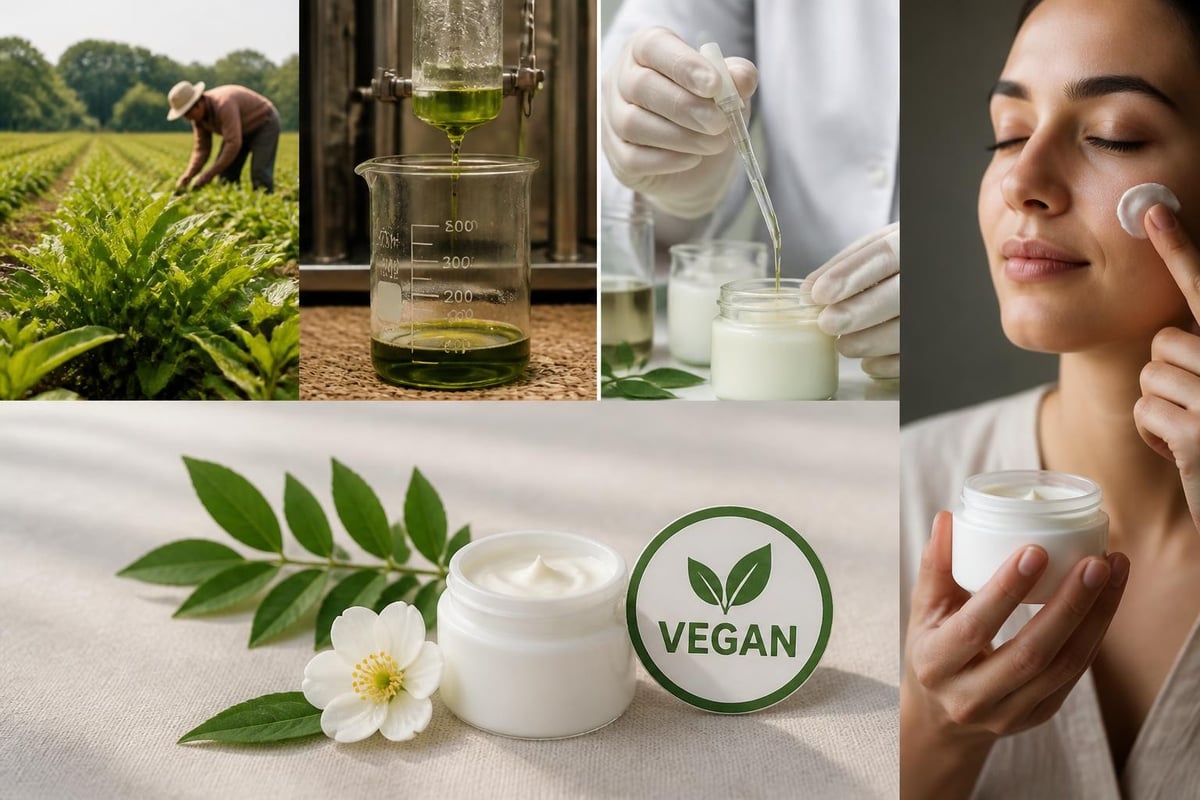
At their core, organic vegan skin care products combine two distinct but complementary philosophies. The vegan aspect ensures no animal-derived ingredients or by-products appear in formulations, whilst the organic designation guarantees ingredients were grown without synthetic pesticides, fertilisers, or genetically modified organisms.
What makes a product both organic and vegan?
These products must meet rigorous standards on multiple fronts. They exclude common animal-derived ingredients such as beeswax, lanolin, collagen, carmine, and honey. Instead, they rely on plant-based alternatives that deliver similar or superior benefits.
The organic certification process varies by region and certifying body. In the UK and Europe, the COSMOS-standard sets comprehensive requirements for organic and natural cosmetics, ensuring traceability and sustainable practices throughout the supply chain. Meanwhile, the USDA Agricultural Marketing Service guidance on labeling organic cosmetics provides detailed requirements for products marketed in North America.
Key Certification Standards
| Certification | Focus Area | Key Requirements |
|---|---|---|
| COSMOS Organic | Organic content | Minimum 95% organic ingredients (of total plant content) |
| Vegan Society Trademark | Animal welfare | Zero animal ingredients or testing |
| Soil Association | Organic farming | Strict organic agriculture standards |
| Leaping Bunny | Cruelty-free | No animal testing at any production stage |
Understanding these certifications helps you identify genuinely organic vegan skin care products. The Vegan Society's cosmetics standards provide clear guidance on what qualifies for their trusted trademark, whilst Cruelty Free International's Leaping Bunny program ensures products meet gold-standard cruelty-free criteria.
Benefits of Choosing Organic Vegan Formulations
Switching to organic vegan skin care products offers multiple advantages that extend beyond personal ethics. These benefits touch on skin health, environmental impact, and broader social responsibility.
Skin Health Advantages
Plant-based ingredients are remarkably rich in vitamins, antioxidants, and essential fatty acids. Scientific research published in the International Journal of Molecular Sciences demonstrates that plant extracts possess significant antioxidant, anti-inflammatory, and photoprotective properties that support skin health.
Natural botanical ingredients often work synergistically with our skin's biology. Unlike synthetic alternatives that may disrupt the skin barrier, organic plant extracts tend to support its natural functions. Many people with sensitive skin find that vegetarian skin care products cause fewer reactions than conventional formulations laden with harsh chemicals.
- Gentler on sensitive skin: Fewer synthetic irritants mean reduced risk of contact dermatitis
- Nutrient-dense formulations: Whole plant extracts contain multiple beneficial compounds
- Biocompatible ingredients: Plant-based molecules often mirror compounds naturally present in skin
- Lower chemical load: Organic farming prohibits many potentially harmful pesticide residues
Environmental and Ethical Benefits
The production of organic vegan skin care products typically generates a smaller environmental footprint than conventional alternatives. Organic farming practices enhance soil health, promote biodiversity, and reduce water pollution from agricultural runoff.
A comprehensive review in Sustainable Chemistry & Pharmacy examines the entire life cycle of cosmetic products, highlighting how sustainable sourcing, minimal processing, and thoughtful packaging can significantly reduce environmental impact. Vegan formulations also sidestep the considerable resources required for animal agriculture.
Why this matters for conscious consumers:
- Reduced carbon footprint from plant-based ingredient sourcing
- Protection of wildlife through cruelty-free practices
- Support for sustainable agriculture that regenerates ecosystems
- Decreased plastic pollution when brands prioritise sustainable packaging
Common Ingredients in Organic Vegan Products
Understanding the ingredients in your skincare empowers you to make choices that suit your specific skin needs. Organic vegan skin care products draw from an extensive palette of plant-based ingredients, each offering unique benefits.
Star Plant-Based Ingredients
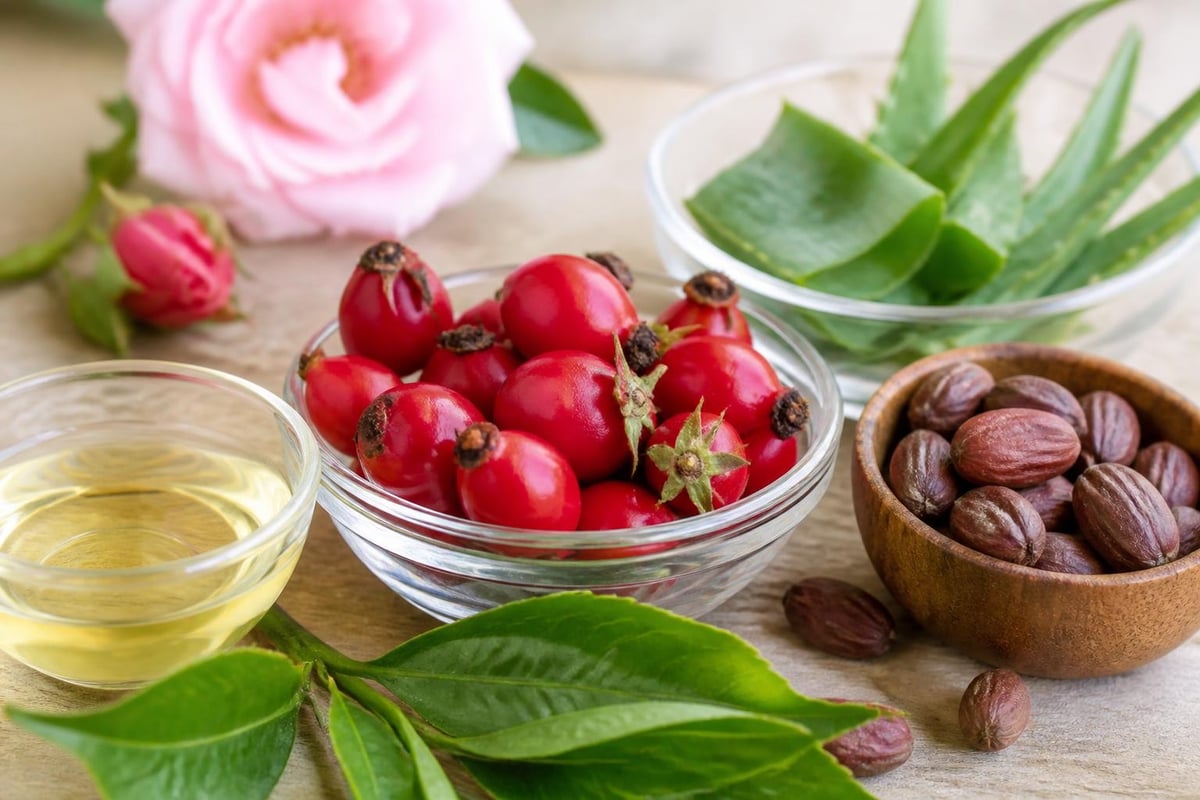
Botanical oils and butters form the foundation of many formulations. Ingredients like jojoba oil, rosehip seed oil, and shea butter provide deep nourishment without animal-derived alternatives. These oils are rich in vitamins A, C, and E, plus essential fatty acids that support skin barrier function.
Research on plant-based ingredients in cosmetic science confirms their efficacy whilst also highlighting the importance of proper formulation and quality sourcing. The study emphasises that botanical ingredients require careful selection and processing to maximise their therapeutic potential.
| Ingredient | Primary Benefits | Best For |
|---|---|---|
| Rosehip Oil | Vitamin A & C, skin regeneration | Mature, damaged skin |
| Jojoba Oil | Sebum-like structure, balancing | All skin types |
| Aloe Vera | Soothing, hydrating | Sensitive, inflamed skin |
| Green Tea Extract | Antioxidant, anti-inflammatory | Acne-prone, aging skin |
| Hyaluronic Acid (vegan) | Deep hydration | Dehydrated skin |
Natural Preservatives and Stabilisers
Organic vegan formulations require effective preservation to maintain safety and efficacy. Modern natural preservative systems combine ingredients like rosemary extract, vitamin E (tocopherol), and plant-derived acids to protect products from microbial contamination whilst remaining true to organic principles.
Choosing the Right Products for Your Skin Type
Not all organic vegan skin care products suit every complexion. Understanding your skin's unique needs helps you select formulations that deliver optimal results whilst staying true to your values.
Tailoring Your Routine
For oily and combination skin, look for lightweight, non-comedogenic formulations. Ingredients like jojoba oil actually help regulate sebum production, whilst tea tree and willow bark offer natural clarifying properties. A glycolic cleanser can provide gentle exfoliation without harsh chemicals.
Dry and mature skin benefits from richer formulations containing nourishing plant butters and oils. Products featuring rosehip, avocado, and frankincense support skin elasticity and hydration. Consider exploring sensitive skin skincare brands that specialise in gentle, organic formulations.
Sensitive skin requires particular care when transitioning to organic vegan skin care products. Despite being natural, some botanical ingredients can trigger reactions in susceptible individuals. The American Academy of Dermatology's guidance on contact dermatitis reminds us that "natural" doesn't automatically mean non-irritating, making patch testing essential.
Building Your Routine
A comprehensive skincare routine typically includes:
- Cleansing to remove impurities and makeup
- Toning to balance pH and prep skin
- Treatment serums addressing specific concerns
- Moisturising to seal in hydration
- Sun protection during daytime (vegan mineral formulas available)
Understanding the correct cleanser, toner, moisturiser order ensures each product works effectively. Many people find that starting with a cleansing balm provides thorough yet gentle makeup removal.
Quality Indicators and Red Flags
Navigating the world of organic vegan skin care products requires discernment. Marketing claims don't always reflect reality, so knowing what to look for protects you from greenwashing and ensures you're getting genuine value.
Signs of Quality Products
Transparent ingredient lists represent the hallmark of trustworthy brands. Companies confident in their formulations openly share detailed ingredient information, including botanical names and sourcing details. Best UK skincare brands often provide extensive information about their ingredients and manufacturing processes.
Look for these quality indicators:
- Third-party certifications from recognised bodies (Soil Association, COSMOS, Vegan Society)
- Minimal ingredient lists without unnecessary fillers or synthetic fragrances
- Appropriate packaging that protects ingredient integrity (dark glass for light-sensitive oils)
- Clear use-by dates and batch numbers for traceability
- Educational resources showing brand expertise and commitment
Common Greenwashing Tactics
Some brands exploit consumer interest in organic vegan skin care products without delivering authentic formulations. Watch for vague terms like "natural-inspired" or "botanically enhanced" that lack specific certification backing.
Red flags to avoid:
- Products claiming to be "100% natural" yet containing synthetic preservatives
- Brands using vegan claims without third-party certification
- Ingredient lists with unpronounceable chemical names contradicting organic claims
- Excessive packaging waste despite sustainability messaging
- Impossibly low prices that suggest corners have been cut
The Cost-Benefit Equation
Many people assume organic vegan skin care products command premium prices, making them financially inaccessible. Whilst some luxury brands charge high rates, the market increasingly offers affordable options without compromising quality.
Understanding Price Points
Premium pricing often reflects several factors: organic certification costs, sustainable sourcing, ethical labour practices, and eco-friendly packaging. However, inexpensive skin care brands demonstrate that conscious beauty needn't break the bank.
Value considerations beyond price:
- Concentration matters: High-quality active ingredients mean you use less product
- Multi-functional formulas: One product serving multiple purposes reduces overall spending
- Skin health investment: Preventing damage costs less than correcting it later
- Longevity: Quality products often last longer than cheap alternatives
Maximising Your Investment
Starting with a simplified routine helps manage costs whilst determining which products your skin truly needs. Many brands offer sample sets or travel kits allowing you to test formulations before committing to full sizes.
Consider these cost-effective strategies:
- Focus on essentials first (cleanser, moisturiser, sun protection)
- Add treatment products gradually as budget allows
- Look for multi-purpose products (tinted moisturisers, cleansing oils)
- Join loyalty programmes or subscribe for regular deliveries
- Explore gift sets during promotional periods for better value
Sustainable Packaging and Beyond
The commitment to organic vegan skin care products extends beyond formulations to encompass how products reach consumers. Packaging waste represents a significant environmental challenge in the beauty industry, with millions of plastic containers ending up in landfills annually.
Eco-Friendly Packaging Innovations
Forward-thinking brands prioritise sustainable packaging solutions that minimise environmental impact. Glass containers, aluminium tins, and post-consumer recycled materials are becoming standard rather than exceptional.
Sustainable packaging options include:
- Refillable containers reducing single-use waste
- Biodegradable or compostable materials for outer packaging
- Minimalist designs eliminating unnecessary components
- Concentrated formulas requiring less packaging overall
- Recycling programmes accepting empty containers
Many companies now offer gift sets in reusable packaging, transforming presentation materials into functional items rather than disposable waste.
The Broader Sustainability Picture
True sustainability encompasses water usage, carbon emissions from transportation, and social responsibility throughout the supply chain. Brands genuinely committed to organic vegan skin care products consider these factors holistically.
Supporting local or regional brands reduces transportation emissions whilst strengthening community economies. Exploring our stockists helps you find nearby retailers, cutting down on delivery-related carbon footprints.
Making the Transition Successfully
Switching to organic vegan skin care products represents an exciting journey, but transitioning requires patience and realistic expectations. Your skin may need time to adjust, particularly if you've used conventional products containing synthetic ingredients for years.
Transition Tips for Different Skin Types
Immediate switchers can replace their entire routine at once, though this approach makes it difficult to identify which products suit your skin if reactions occur. Gradual transitioners introduce one new product at a time, allowing skin to adjust whilst pinpointing any problematic ingredients.
Start your transition strategically:
- Begin with cleanser as it's rinsed off and less likely to cause extended contact reactions
- Add moisturiser next, choosing formulations appropriate for your skin type
- Introduce treatment products once basic routine feels comfortable
- Monitor skin response for at least two weeks before adding new products
Some people experience a brief adjustment period sometimes called "purging," where skin temporarily breaks out as it detoxifies from synthetic ingredients. This typically resolves within 2-4 weeks, but persistent issues warrant professional consultation.
Complementary Lifestyle Factors
Skincare products work best when supported by healthy lifestyle choices. Skin-boosting nutrition provides the building blocks for healthy skin from within, whilst adequate hydration, sleep, and stress management significantly impact skin appearance.
Supporting your skin health:
- Drink sufficient water throughout the day
- Consume antioxidant-rich fruits and vegetables
- Protect skin from excessive sun exposure
- Get adequate sleep for cellular repair
- Manage stress through mindfulness or exercise
- Avoid smoking and excessive alcohol consumption
Special Considerations and Advanced Options
Once you've established a basic routine with organic vegan skin care products, you might explore specialised treatments addressing specific concerns or enhancing your results.
Targeted Treatments
Anti-aging formulations featuring ingredients like rosehip, frankincense, and bakuchiol (a plant-based retinol alternative) support skin firmness and reduce fine lines. Products like anti-ageing rose frankincense day cream combine multiple botanical actives for comprehensive age-defying benefits.
Problem skin solutions harness natural antibacterial and anti-inflammatory ingredients. Consider exploring problem skin bundles that address breakouts, congestion, and inflammation with coordinated formulations.
Seasonal Adjustments
Your skin's needs fluctuate throughout the year, requiring routine modifications. Winter often demands richer formulations like coconut rosehip calming cream, whilst summer suits lighter textures that won't feel heavy in humidity.
| Season | Skin Challenges | Recommended Adjustments |
|---|---|---|
| Winter | Dryness, sensitivity | Richer moisturisers, facial oils |
| Spring | Allergies, increased oil | Gentle exfoliation, balanced hydration |
| Summer | Sun exposure, sweating | Lightweight textures, enhanced sun protection |
| Autumn | Recovery from sun damage | Repairing serums, gentle renewal treatments |
Tools and Accessories
Complement your organic vegan skin care products with sustainable tools. Bamboo face cloths offer gentle exfoliation whilst being environmentally friendly. Learn more about everything you need to know about bamboo face cloths to enhance your cleansing routine.
Face massage tools like jade rollers promote circulation and lymphatic drainage, maximising product absorption. A double-ended jade face roller provides both full-face and detailed work around delicate eye areas.
Beyond Face Care: Full-Body Organic Vegan Solutions
Organic vegan skin care products extend well beyond facial formulations. Your entire body deserves the same careful attention and ethical consideration you give your complexion.
Body Care Essentials
Body skin often gets neglected despite covering far more surface area than faces. Organic body lotions, oils, and butters nourish skin from neck to toes, addressing dryness, irritation, and uneven texture without synthetic chemicals or animal derivatives.
Expanding your organic vegan routine:
- Body butters and lotions for daily moisture
- Exfoliating scrubs using natural materials (sugar, salt, ground nuts)
- Bath oils transforming ordinary soaks into spa experiences
- Hand creams protecting frequently washed skin
- Lip balms like chocolate orange lip balm providing delicious, ethical care
Specialised Applications
Beard care for those sporting facial hair benefits from organic vegan products too. Formulations like almond and jojoba beard oil soften hair whilst nourishing underlying skin, preventing itchiness and flaking.
Eye care requires especially gentle formulations due to the delicate nature of periorbital skin. Specialised toning eye creams address puffiness, dark circles, and fine lines without irritating sensitive eyes.
Shopping Smart for Organic Vegan Beauty
Knowing where and how to shop for organic vegan skin care products ensures you find quality formulations whilst supporting businesses aligned with your values.
Trusted Shopping Channels
Purchasing directly from brand websites often provides the most comprehensive product information, detailed ingredient lists, and access to customer service for personalised recommendations. Explore the White Rabbit Skin Care range to discover full product details and formulation transparency.
Alternatively, shopping through curated retailers offers exposure to multiple brands. Checking online stockists helps you find trusted sellers whilst potentially accessing exclusive offers or bundles.
Questions to Ask Before Buying
Ingredient transparency: Can you easily access complete ingredient lists with botanical names?
Certification verification: Does the brand hold legitimate third-party certifications you can verify?
Return policies: What happens if a product doesn't suit your skin?
Sourcing ethics: Where do ingredients come from, and how are suppliers treated?
Brand values: Do company practices genuinely align with organic vegan principles?
Addressing Common Myths and Misconceptions
Despite growing popularity, organic vegan skin care products still face misconceptions that deter potential users. Separating fact from fiction helps you make informed decisions based on evidence rather than assumptions.
Myth: Natural Always Means Safe
Whilst many plant-based ingredients offer excellent safety profiles, "natural" doesn't guarantee non-irritating. Poison ivy is natural but hardly skin-friendly. Reputable brands formulate thoughtfully, selecting and combining ingredients for both efficacy and safety.
Some natural ingredients like essential oils can irritate sensitive skin when used incorrectly. Proper dilution and formulation expertise matter enormously. This is why choosing established brands with formulation knowledge beats DIY mixing for most people.
Myth: Organic Vegan Products Don't Work as Well
Scientific evidence increasingly supports the efficacy of plant-based skincare ingredients. The previously mentioned research demonstrates that botanical extracts possess powerful antioxidant, anti-inflammatory, and protective properties matching or exceeding synthetic alternatives.
Performance advantages of quality organic vegan formulations:
- Synergistic whole-plant extracts vs isolated synthetic compounds
- Lower risk of skin barrier disruption
- Multi-functional ingredients addressing several concerns simultaneously
- Better long-term skin health outcomes
Myth: All Vegan Products Are Organic
These terms aren't interchangeable. Products can be vegan (containing no animal ingredients) without being organic (grown without synthetic pesticides). Conversely, some organic products contain animal-derived ingredients like beeswax or honey. Look for products explicitly certified as both organic AND vegan for complete assurance.
Staying Informed and Continuing Education
The organic vegan skin care products landscape evolves constantly as research uncovers new botanical actives and sustainable innovations emerge. Staying informed helps you make increasingly better choices for your skin and values.
Reliable Information Sources
Beyond marketing materials, seek evidence-based information about ingredients and formulations. Scientific journals, dermatology associations, and certification bodies provide credible insights. The research linking botanical ingredients to specific skin benefits offers fascinating reading for those wanting deeper understanding.
Many brands maintain educational blogs sharing skincare knowledge. Exploring resources like the White Rabbit Skin Care news section keeps you updated on ingredient spotlights, routine tips, and industry developments.
Community and Support
Joining communities of like-minded individuals provides practical insights and product recommendations. Social media groups, online forums, and brand communities offer spaces to ask questions, share experiences, and discover new products.
Getting support on your journey:
- Follow trusted influencers who prioritise education over promotion
- Participate in brand communities or forums
- Attend virtual or in-person workshops on natural skincare
- Consult with aestheticians specialising in organic products
- Read reviews from people with similar skin types and concerns
Keeping Perspective
Remember that skincare represents just one aspect of overall wellbeing. Whilst choosing organic vegan skin care products reflects admirable values, maintaining balance and avoiding obsession ensures this journey stays enjoyable rather than stressful.
Perfect skin remains largely a myth perpetuated by filtered images and unrealistic standards. Healthy, comfortable skin that functions well matters more than impossible ideals. Give products adequate time to work, typically 4-8 weeks for visible improvements in most concerns.
Transitioning to organic vegan skin care products empowers you to care for your skin whilst honouring your values around animal welfare, environmental stewardship, and personal health. By understanding certifications, choosing quality formulations suited to your skin type, and supporting brands with genuine commitments to sustainability, you create a skincare routine that nourishes both you and the planet. Whether you're seeking gentle solutions for sensitive skin or exploring the latest in plant-based innovation, White Rabbit Skin Care offers thoughtfully crafted, cruelty-free formulations made with the finest natural ingredients to support your journey towards conscious, effective skincare.