

Organic Skincare Lines: Your Complete Guide for 2026
The beauty industry has witnessed a remarkable transformation over the past decade, with consumers increasingly seeking transparency, sustainability, and natural solutions for their skincare routines. Organic skincare lines have moved from niche offerings to mainstream favourites, yet confusion still surrounds what 'organic' truly means in the context of cosmetics. Understanding the difference between genuine organic formulations and clever marketing claims can help you make informed choices that benefit both your skin and the planet. This guide explores everything you need to know about organic skincare lines, from certification standards to ingredient selection, empowering you to navigate this growing market with confidence.
Understanding What Makes Skincare Truly Organic
The term 'organic' carries specific legal meanings in agriculture and food, but cosmetics regulations vary significantly across different regions. In the UK and Europe, there's no single legal definition of 'organic cosmetics' under cosmetics law, which means brands can use this term with varying degrees of legitimacy.
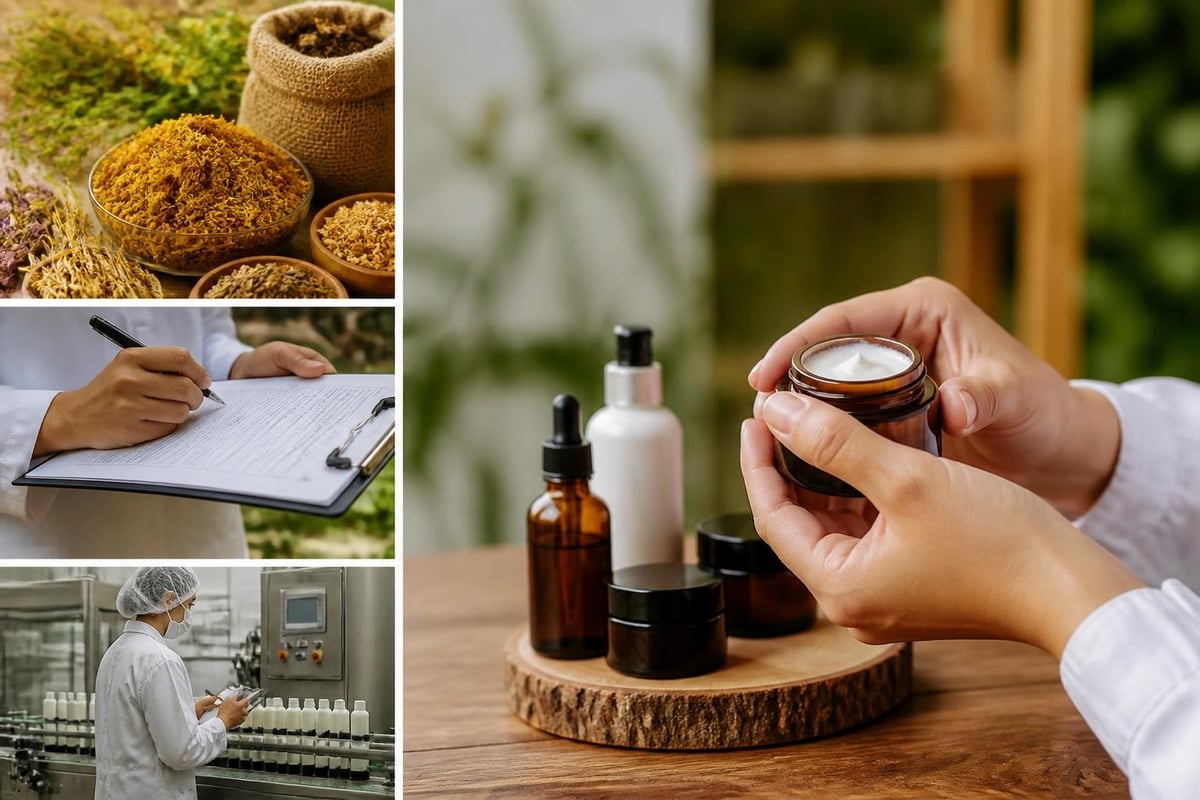
Genuine organic skincare lines typically meet one or more internationally recognized certification standards. The COSMOS Standard represents the leading framework for certifying organic and natural cosmetics globally, establishing strict requirements for ingredient sourcing, processing methods, and labelling practices. Products certified under COSMOS must contain a minimum percentage of organic ingredients and avoid prohibited substances entirely.
Key Certification Bodies to Recognise
Different certification organizations operate across various markets, each with their own standards:
- Soil Association (UK): Requires at least 95% organic ingredients (excluding water)
- Ecocert (France): Minimum 95% natural origin, 10% organic from total formula
- USDA Organic: Follows agricultural standards when cosmetics contain eligible ingredients
- COSMOS Organic: Comprehensive international standard for organic cosmetics
- Natrue: Three-level certification system for natural and organic cosmetics
The USDA Agricultural Marketing Service provides specific guidance on when cosmetic products may qualify for USDA organic certification, though these requirements differ from European standards. Understanding these variations helps you evaluate claims made by different organic skincare lines.
The Science Behind Organic Ingredients
Research continues to explore the efficacy of plant-based ingredients used in organic formulations. A comprehensive review of herbal interventions and natural extracts examines the mechanisms by which botanical ingredients benefit skin health, providing scientific backing for many traditional ingredients now featured in modern organic skincare lines.
Benefits Supported by Evidence
Natural and organic ingredients offer several documented advantages:
Antioxidant Protection: Plant extracts rich in polyphenols, vitamins C and E provide defence against environmental stressors and premature ageing. Ingredients like rosehip oil, green tea extract, and vitamin-rich botanicals appear frequently in effective skin care products for good reason.
Anti-inflammatory Properties: Chamomile, calendula, aloe vera, and other botanical ingredients contain compounds that can soothe irritated skin and reduce redness. These ingredients prove particularly valuable in sensitive face products designed for reactive skin types.
Moisturisation and Barrier Support: Organic plant oils and butters provide essential fatty acids that strengthen the skin barrier. Ingredients like jojoba, argan, and shea butter mimic skin's natural sebum composition.
| Ingredient Category | Common Examples | Primary Benefits |
|---|---|---|
| Plant Oils | Rosehip, Jojoba, Argan | Barrier repair, Essential fatty acids |
| Botanical Extracts | Chamomile, Green Tea, Calendula | Anti-inflammatory, Antioxidant |
| Natural Humectants | Aloe Vera, Glycerin, Honey | Hydration, Moisture retention |
| Plant Butters | Shea, Cocoa, Mango | Deep nourishment, Protection |
Navigating Safety and Transparency
Whilst organic skincare lines emphasize natural ingredients, it's worth understanding that 'natural' doesn't automatically mean 'safer'. Harvard Health guidance on clean and natural cosmetics reminds consumers that both synthetic and natural ingredients require proper safety evaluation.
A systematic review examining potential side effects in products labelled as natural highlights the importance of regulatory vigilance. Reputable organic skincare lines submit their formulations to safety assessments and maintain transparent ingredient lists.
What to Look for on Labels
Reading ingredient lists becomes easier once you understand the basics:
- INCI Names: International Nomenclature of Cosmetic Ingredients provides standardised naming
- Percentage Claims: Certified organic products must specify the percentage of organic content
- Certification Logos: Look for recognised third-party certification marks
- Ingredient Order: Components listed by descending concentration (excluding those under 1%)
- Preservation Systems: Even organic products need preservatives; natural options include rosemary extract and radish root ferment
The European Commission's CosIng database serves as an official reference for cosmetic ingredients and regulatory restrictions across the EU, helping consumers verify ingredient safety and compliance.
Choosing Organic Skincare Lines for Your Skin Type
Different skin types benefit from specific formulation approaches within organic skincare lines. Understanding your skin's needs helps you select products that deliver genuine results rather than simply following trends.
Dry and Mature Skin
Dry skin thrives with organic formulations rich in nourishing oils and butters. Look for products containing:
- Rich botanical oils: Avocado, sweet almond, evening primrose
- Deep moisturising butters: Shea, cocoa, mango
- Hyaluronic acid: Can be naturally derived through fermentation
- Antioxidant-rich extracts: Pomegranate, acai, goji berry
Products like rosehip and camellia day cream combine multiple nourishing botanical ingredients specifically formulated for mature and dry skin types.
Oily and Combination Skin
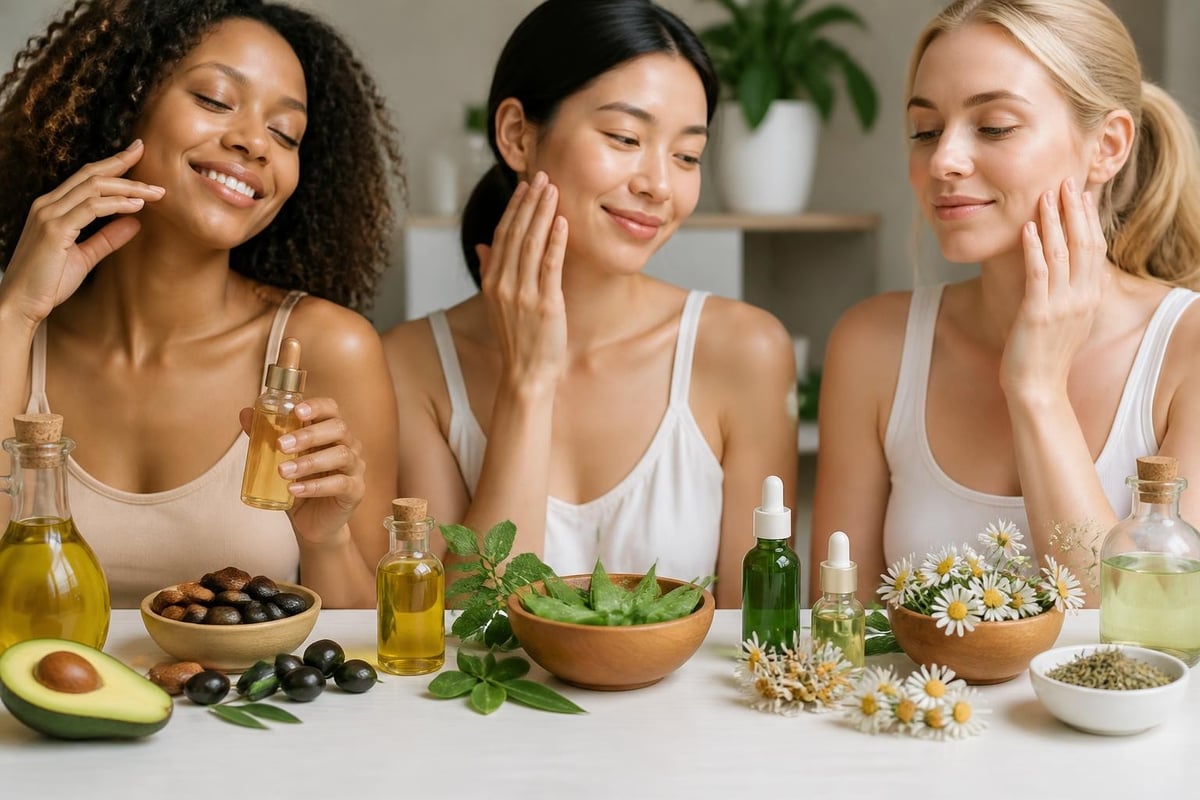
Contrary to popular belief, oily skin still needs moisture. Organic skincare lines offer lightweight options:
- Jojoba oil (closely mimics skin's sebum)
- Grapeseed oil (light, non-comedogenic)
- Witch hazel (natural astringent)
- Tea tree oil (antimicrobial properties)
- Clay-based cleansers (absorb excess oil)
Sensitive and Reactive Skin
Those with sensitive skin should prioritise gentle, fragrance-free organic formulations. Natural doesn't always mean gentle, as essential oils and certain plant extracts can trigger reactions in sensitive individuals.
Ingredients to seek:
- Colloidal oatmeal
- Calendula extract
- Chamomile
- Aloe vera
- Centella asiatica (cica)
Ingredients to approach cautiously:
- High concentrations of essential oils
- Citrus extracts (can be photosensitising)
- Strong natural acids without proper buffering
The best non-toxic skincare brands typically offer formulations designed with sensitive skin in mind, minimising potential irritants whilst maximising soothing benefits.
The Vegan Dimension of Organic Skincare
Many consumers seeking organic skincare lines also prioritise vegan formulations. Whilst these concepts overlap, they address different concerns. Organic certification focuses on how ingredients are grown and processed, whilst vegan certification ensures no animal-derived ingredients or animal testing.
Common Non-Vegan Ingredients in Skincare
Even products labelled 'natural' or 'organic' may contain:
| Ingredient | Animal Source | Vegan Alternative |
|---|---|---|
| Beeswax | Bees | Candelilla wax, Carnauba wax |
| Lanolin | Sheep's wool | Plant-based emollients |
| Collagen | Animal tissues | Plant peptides, Hyaluronic acid |
| Carmine | Crushed beetles | Beetroot extract, Plant-based colorants |
| Squalene | Shark liver | Squalane from olives, sugarcane |
Progressive organic skincare lines increasingly combine organic certification with vegan formulations, offering products that meet multiple ethical considerations. Understanding natural face care products means recognising these important distinctions.
Building Your Organic Skincare Routine
Transitioning to organic skincare lines doesn't require replacing every product simultaneously. A phased approach allows your skin to adjust whilst you discover which formulations work best.
Essential Steps for Any Routine
Morning Routine:
- Gentle cleanser suited to your skin type
- Hydrating toner or essence
- Targeted serum (vitamin C, hyaluronic acid)
- Moisturiser with SPF or separate organic sunscreen
- Eye cream (optional but beneficial)
Evening Routine:
- Oil-based cleanser or balm (if wearing makeup)
- Water-based cleanser (double cleansing method)
- Toner to rebalance pH
- Treatment serums (retinol alternatives, peptides)
- Night cream or facial oil
- Eye cream
Products such as cleansing balm and orange blossom toner exemplify how organic formulations can fulfil fundamental skincare steps without compromising efficacy.
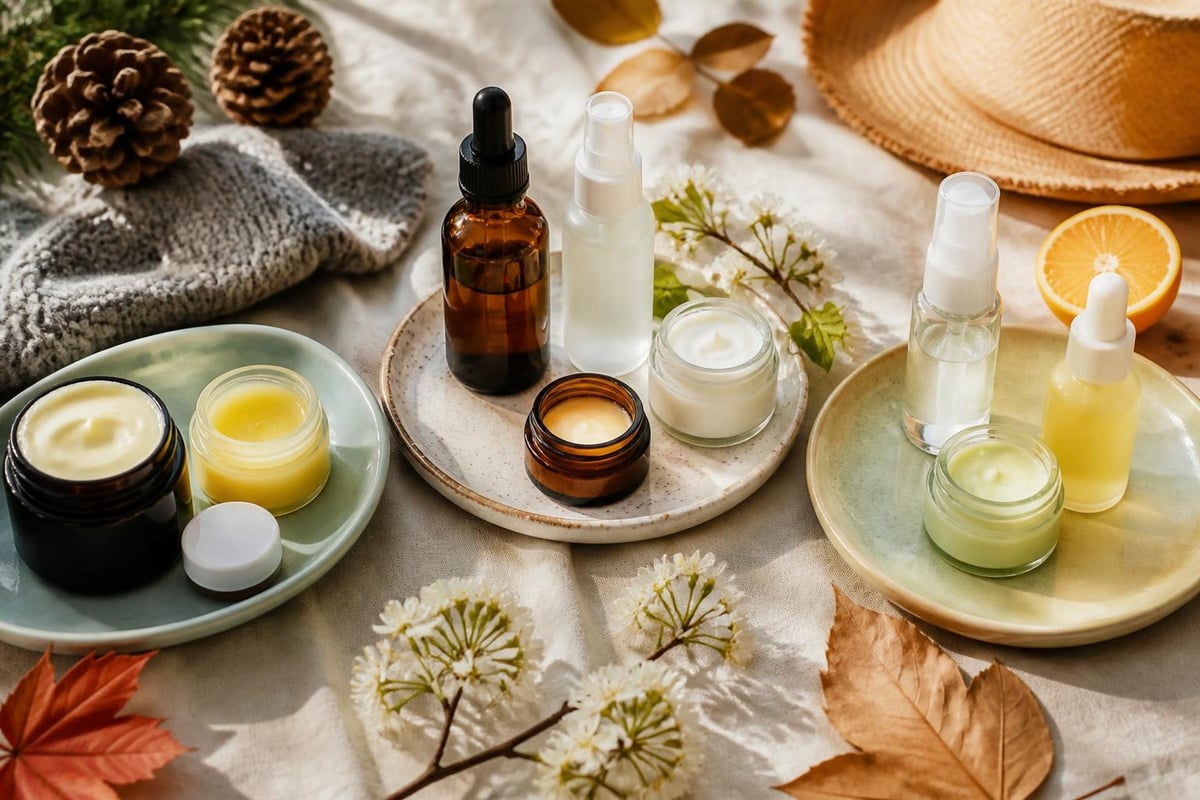
Seasonal Adjustments
Your skin's needs change throughout the year:
- Winter: Richer creams, additional facial oils, intensive barrier repair
- Summer: Lighter lotions, increased antioxidant protection, hydrating mists
- Spring/Autumn: Balanced formulations, gentle exfoliation, transitional moisturisers
Market Trends Shaping Organic Skincare in 2026
The organic beauty sector continues evolving rapidly. Mintel's analysis of global beauty trends identifies several movements influencing how consumers approach organic skincare lines.
Sustainability Beyond Ingredients
Today's conscious consumers evaluate organic skincare lines based on comprehensive sustainability practices:
- Packaging innovation: Refillable containers, biodegradable materials, plastic-free solutions
- Carbon footprint: Local sourcing, renewable energy in manufacturing, carbon-neutral shipping
- Water conservation: Waterless formulations, responsible water use in production
- Fair trade practices: Ethical sourcing of botanical ingredients, supporting farming communities
Transparency and Traceability
Brands that provide detailed information about ingredient sourcing, manufacturing processes, and testing methods build stronger consumer trust. This 'radical transparency' includes sharing:
- Supplier relationships and ingredient origins
- Manufacturing facility certifications
- Third-party testing results
- Environmental impact assessments
- Complete ingredient percentages (not just highlighting hero ingredients)
Price Considerations and Value
Organic skincare lines often command premium pricing due to several factors: certified organic ingredients cost more to source, small-batch production increases per-unit costs, and ethical practices throughout the supply chain add expenses that mass-market brands may avoid.
Understanding What You're Paying For
Justified premium elements:
- Certified organic ingredients with verifiable supply chains
- Advanced extraction and processing methods preserving ingredient integrity
- Sustainable packaging materials and practices
- Cruelty-free testing alternatives
- Fair wages throughout the production chain
Questioning excessive pricing:
- Luxury branding without substantive formulation differences
- Minimal organic content with misleading marketing
- Unrealistic benefit claims unsupported by research
- Expensive packaging contributing little to product efficacy
The inexpensive skin care approach demonstrates that effective organic formulations needn't break the bank when brands prioritise product quality over excessive marketing spend.
Getting the Most from Your Investment
| Strategy | Benefit | Implementation |
|---|---|---|
| Multi-use products | Reduced overall cost | Facial oils for face, body, hair |
| Proper storage | Extended shelf life | Cool, dark locations; airtight containers |
| Correct application | Less product waste | Pea-sized amounts; patting vs rubbing |
| Seasonal rotation | Products last longer | Lighter summer, richer winter formulas |
| Sample programmes | Try before full investment | Request samples or travel sizes |
The Role of Preservation in Organic Products
One common misconception suggests that organic skincare lines should contain no preservatives. In reality, any water-based product requires preservation to prevent microbial growth that could harm skin and eyes.
Natural Preservation Systems
Reputable organic brands use preservation strategies that align with their natural ethos:
- Hurdle technology: Multiple mild preservatives creating inhospitable conditions for microbes
- Antioxidant preservatives: Vitamin E, rosemary extract preventing oxidation
- Naturally-derived options: Leuconostoc/radish root ferment, silver citrate
- Waterless formulations: Anhydrous balms and oils eliminating bacterial growth conditions
- Proper packaging: Airless pumps reducing contamination and oxidation
Understanding that preservation protects your safety helps you appreciate why even the most natural organic skincare lines must address this crucial formulation aspect.
Complementary Lifestyle Factors
Whilst organic skincare lines provide excellent topical support, skin health reflects overall wellbeing. Maximising results from your organic routine requires attention to complementary factors:
Nutrition and Hydration:
- Adequate water intake supporting skin moisture from within
- Antioxidant-rich foods complementing topical antioxidants
- Essential fatty acids (omega-3, omega-6) supporting skin barrier
- Collagen-supporting nutrients (vitamin C, copper, amino acids)
Sleep and Stress Management:
- Quality sleep allowing cellular repair and regeneration
- Stress reduction preventing inflammatory skin responses
- Consistent sleep schedule supporting skin's circadian rhythm
Environmental Protection:
- Daily SPF application (organic mineral sunscreens available)
- Pollution protection through antioxidant-rich products
- Indoor air quality considerations (humidifiers in dry climates)
The holistic approach to skin health recognises that body products and facial care work best when supported by healthy lifestyle choices.
Making the Transition to Organic Skincare
Switching to organic skincare lines represents a positive step, but the transition requires patience. Your skin may need adjustment time, particularly if moving from conventional products containing synthetic ingredients.
Realistic Timeline Expectations
Week 1-2: Potential purging as skin adjusts and releases congestion. This temporary phase doesn't indicate product incompatibility unless accompanied by true allergic reactions (persistent redness, swelling, pain).
Week 3-4: Skin begins stabilising. You'll notice improved texture and more balanced oil production.
Week 6-8: Visible improvements in specific concerns (fine lines, hydration, evenness). This period allows proper evaluation of product efficacy.
Month 3+: Long-term benefits become apparent. Skin barrier strength, resilience to environmental stressors, and overall radiance continue improving.
Patch Testing New Products
Even natural ingredients can trigger sensitivities. Always patch test new products:
- Apply small amount to inner forearm
- Wait 24-48 hours monitoring for reactions
- If clear, test on jawline near ear
- Wait another 24 hours before full facial application
- Introduce one new product weekly (maximum)
This methodical approach helps identify any problematic ingredients whilst building an effective routine from organic skincare lines suited to your unique skin.
The Future of Organic Beauty
Innovation continues transforming organic skincare lines. Emerging developments include biotechnology-derived ingredients that qualify as natural, advanced preservation systems extending shelf life naturally, and personalised formulations based on individual skin microbiome analysis.
Climate change influences ingredient availability, pushing brands toward resilient botanical sources and regenerative agriculture practices. Consumers increasingly demand proof of sustainability claims, driving third-party verification and transparent reporting.
The convergence of organic certification, vegan formulations, and comprehensive sustainability creates a new standard for conscientious beauty. Brands meeting these elevated expectations, like those featured among the best UK skincare brands, demonstrate that ethical practices and effective formulations need not be mutually exclusive.
Choosing organic skincare lines represents an investment in both your skin's health and environmental sustainability. By understanding certifications, ingredients, and your unique skin needs, you can navigate this thriving market with confidence. White Rabbit Skin Care offers an extensive range of vegan, natural skincare products crafted with certified organic ingredients and designed for various skin types, helping you build an effective routine aligned with your values. Explore their thoughtfully formulated collections today and discover how organic beauty can transform your skincare experience.