

Naturals UK: Your Guide to Natural Skincare in 2026
The naturals UK movement has transformed from a niche interest into a mainstream lifestyle choice, particularly in the skincare industry. More British consumers than ever before are seeking products that combine efficacy with ethical sourcing, plant-based formulations, and cruelty-free credentials. This shift reflects a deeper understanding of how what we put on our skin affects not only our wellbeing but also the environment around us. Whether you're new to natural skincare or looking to refine your routine, understanding what naturals UK truly means can help you make informed choices that align with your values.
What Defines Naturals UK Skincare
The term naturals UK encompasses a philosophy that prioritizes ingredients derived from nature rather than synthetic laboratories. This means formulations built around botanical extracts, plant oils, essential nutrients from fruits and vegetables, and minerals that work harmoniously with your skin's natural processes.
Key characteristics of naturals UK products include:
- Predominantly plant-based ingredients sourced responsibly
- Minimal processing to preserve ingredient integrity
- Absence of harsh synthetic chemicals like parabens and sulphates
- Cruelty-free testing methods
- Transparent ingredient lists
- Sustainable packaging solutions
The Science Behind Natural Ingredients
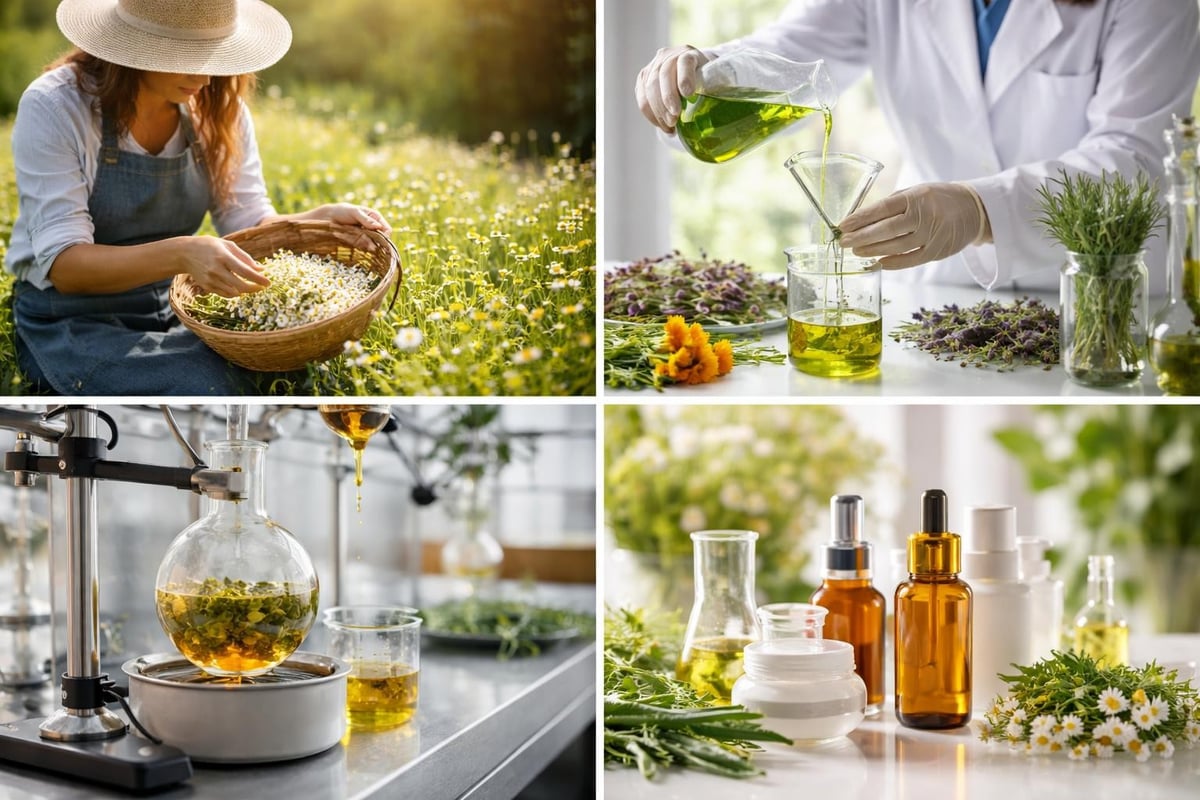
Natural ingredients aren't just feel-good alternatives; they're scientifically proven to benefit skin health. Plant oils like rosehip and jojoba contain essential fatty acids that mirror our skin's natural sebum, making them incredibly effective moisturizers. Botanical extracts rich in antioxidants protect against environmental stressors that accelerate aging.
British brands focusing on naturals UK formulations often incorporate locally sourced ingredients. Chamomile from English gardens soothes inflammation, whilst Scottish seaweed provides minerals that strengthen the skin barrier. This local sourcing reduces carbon footprints and supports British agriculture.
Understanding Vegan Versus Natural Skincare
Many people assume naturals UK automatically means vegan, but these terms describe different product attributes. Natural refers to ingredient origin-derived from nature rather than synthesized in laboratories. Vegan means containing no animal-derived ingredients or by-products whatsoever.
| Aspect | Natural Skincare | Vegan Skincare |
|---|---|---|
| Definition | Ingredients from natural sources | No animal-derived ingredients |
| May include | Beeswax, honey, lanolin | Plant oils, minerals, synthetics |
| Focus | Source and processing | Ethical animal welfare |
| Certification | Varies by brand | Vegan Society certified |
The best naturals UK brands combine both philosophies, creating products that are simultaneously plant-based and free from animal exploitation. Handmade Naturals exemplifies this approach, offering handcrafted products that tick both boxes whilst avoiding harsh chemicals.
Reading Labels Effectively
Understanding what you're actually buying requires label literacy. Look for recognizable ingredient names-if you can pronounce it and know what plant it comes from, that's usually a good sign. The ingredient list order matters too; components appear in descending order by concentration, so the first five ingredients make up the bulk of the formula.
Building Your Natural Skincare Routine
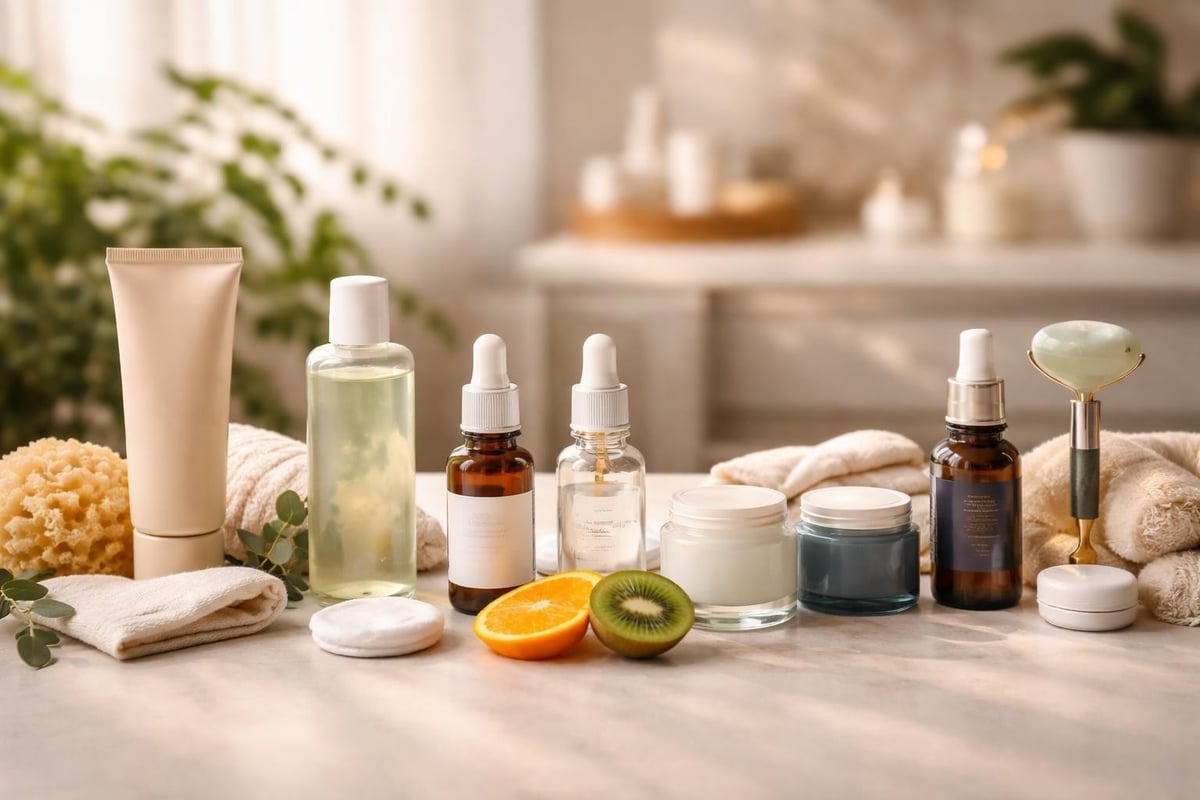
Creating an effective naturals UK skincare routine doesn't require dozens of products. In fact, simplicity often yields better results because you can monitor how your skin responds to specific ingredients.
The Essential Three-Step Foundation
- Cleansing: Remove daily buildup without stripping your skin's protective oils
- Toning: Rebalance pH levels and prepare skin for better product absorption
- Moisturising: Lock in hydration and create a protective barrier
For those exploring cruelty-free skin care products, starting with these fundamentals allows you to assess which formulations work best for your unique skin type. Your cleanser might contain gentle coconut-derived surfactants, your toner could feature rose water and witch hazel, whilst your moisturizer draws on shea butter and jojoba oil.
Additional steps to consider:
- Exfoliation (1-2 times weekly) using fruit enzymes or gentle physical exfoliants
- Serums targeting specific concerns like hyperpigmentation or fine lines
- Eye treatments formulated for delicate skin
- Weekly masks for deep treatment
The naturals UK approach encourages listening to your skin rather than following rigid routines. Some days your skin might need extra hydration; other times, a lighter touch works better.
Ingredients to Seek in Naturals UK Products
Not all natural ingredients deliver equal benefits. Understanding which botanicals address specific skin concerns helps you choose products strategically rather than randomly.
Hydration Champions
Hyaluronic acid occurs naturally in skin but can also be plant-derived for skincare formulations. It holds up to 1000 times its weight in water, making it extraordinary for plumping and hydrating. Glycerin, another humectant, draws moisture from the environment into your skin.
Plant oils provide different hydration styles. Lightweight oils like grapeseed absorb quickly, suiting oily skin types, whilst richer oils like avocado offer intensive nourishment for dry complexions. Those with sensitive skin skincare needs often find calendula and oat extracts particularly soothing.
Antioxidant Powerhouses
| Ingredient | Source | Primary Benefit |
|---|---|---|
| Vitamin C | Rosehip, citrus | Brightening, collagen production |
| Vitamin E | Wheat germ, sunflower | Protection, healing |
| Green tea | Camellia sinensis | Anti-inflammatory, anti-aging |
| Resveratrol | Grapes | Free radical protection |
These ingredients don't just sound impressive-they actively protect your skin from oxidative stress caused by pollution, UV exposure, and natural aging processes.
The Sustainability Factor in Naturals UK
Choosing naturals UK products extends beyond personal health benefits to environmental responsibility. The beauty industry generates significant waste and environmental impact, but natural brands typically demonstrate greater ecological awareness.
Packaging Innovations
Progressive naturals UK companies are pioneering sustainable packaging solutions. Glass bottles can be recycled indefinitely, whilst aluminium tins offer another infinitely recyclable option. Some brands have introduced refill schemes, allowing you to reuse original containers repeatedly.
Biodegradable packaging made from plant-based materials breaks down naturally without leaving microplastics. Even the inks and adhesives receive scrutiny, with vegetable-based inks replacing petroleum derivatives.
Sustainable practices to look for:
- Minimal packaging without unnecessary boxes or plastic wrap
- Recycled and recyclable materials
- Refill programs or subscription services
- Carbon-neutral shipping options
- Local production reducing transportation emissions
Ethical Sourcing Standards
Truly sustainable naturals UK brands ensure their ingredient sourcing doesn't harm ecosystems or exploit workers. Fair trade certifications guarantee farmers receive fair compensation. Organic certifications confirm ingredients were grown without synthetic pesticides that damage soil health and waterways.
The best vegan skin care products often carry multiple certifications demonstrating commitment to both animal welfare and environmental stewardship. These might include Leaping Bunny (cruelty-free), Soil Association Organic, or B Corporation status.
Common Myths About Natural Skincare
Despite growing popularity, naturals UK products face persistent misconceptions that can confuse consumers or prevent them from experiencing genuine benefits.
Myth: Natural Means Ineffective
Some assume natural ingredients can't match synthetic alternatives' potency. This couldn't be further from truth. Retinol alternatives like bakuchiol deliver similar anti-aging benefits without irritation. Vitamin C from kakadu plum provides more stable ascorbic acid than many synthetic versions.
Clinical studies increasingly validate what traditional medicine has known for centuries-plants contain powerful bioactive compounds. The key lies in proper formulation and adequate concentrations.
Myth: All Natural Products Are Safe
"Natural" doesn't automatically equal "safe for everyone." Poison ivy is natural, after all! Some people experience allergies to specific botanical ingredients. Essential oils, whilst natural, can irritate sensitive skin when used undiluted or in high concentrations.
This is why patch testing remains crucial, regardless of whether products are natural or synthetic. Apply a small amount to your inner arm, wait 24 hours, and monitor for adverse reactions before using on your face.
Myth: Natural Products Don't Need Preservatives
Without preservatives, water-based naturals UK products would become breeding grounds for harmful bacteria and mold. Responsible brands use naturally derived preservatives like potassium sorbate or leucidal liquid that prevent contamination whilst avoiding controversial options like parabens.
Tailoring Naturals UK Products to Your Skin Type
One of naturals UK skincare's greatest strengths is the ability to customize your routine based on your specific skin characteristics. Different skin types benefit from different botanical approaches.
Dry and Sensitive Skin Solutions
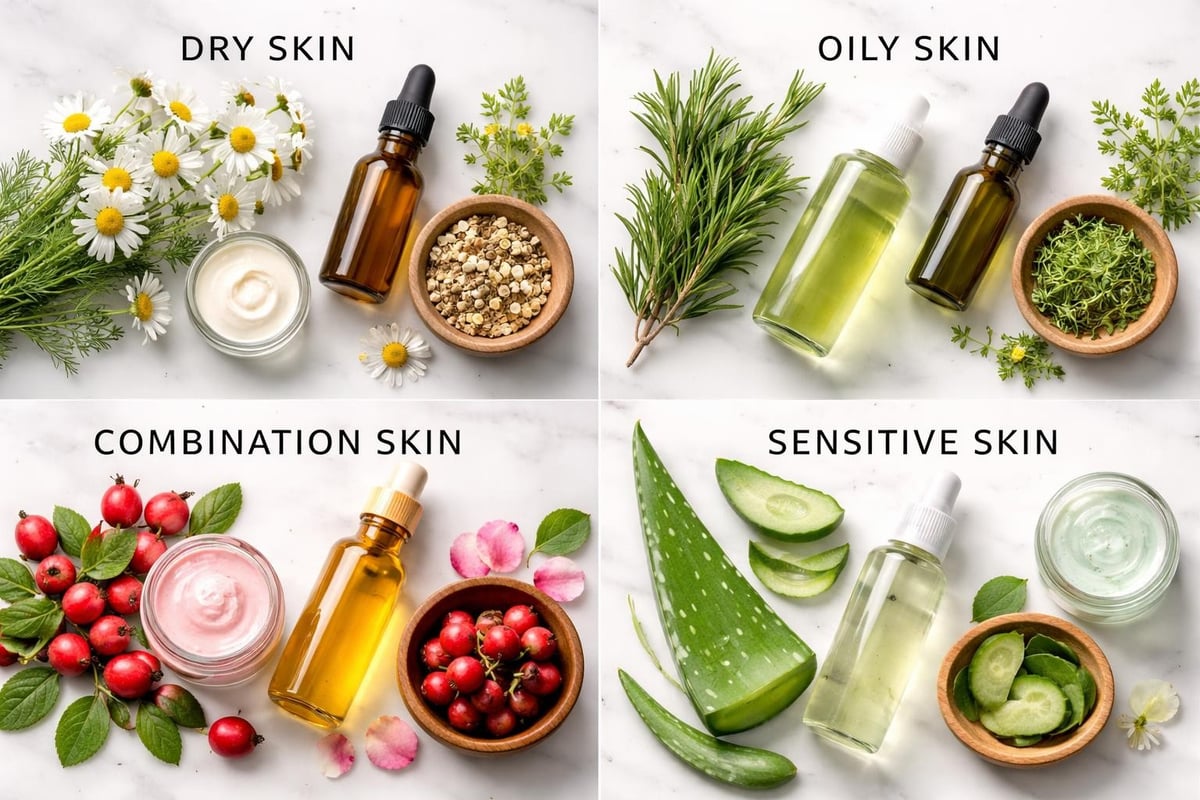
Dry skin thrives with rich, nourishing ingredients that replenish lipids and lock in moisture. Look for products containing shea butter, cocoa butter, and nourishing oils like argan or sweet almond. Ceramides-naturally occurring in skin-help repair compromised barriers.
For those dealing with skincare sensitive dry skin, gentle ingredients like colloidal oatmeal and bisabolol (from chamomile) calm inflammation whilst providing hydration. Avoid products with high essential oil content, as these can trigger sensitivity.
Oily and Combination Skin Strategies
Contrary to intuition, oily skin still needs moisturization-just the right kind. Lightweight, non-comedogenic oils like jojoba actually signal your skin to produce less sebum. Niacinamide (vitamin B3) regulates oil production whilst minimizing pore appearance.
| Skin Type | Recommended Ingredients | Ingredients to Minimize |
|---|---|---|
| Dry | Shea butter, hyaluronic acid, squalane | Alcohol, strong acids |
| Oily | Niacinamide, salicylic acid, tea tree | Heavy oils, occlusives |
| Combination | Lightweight hyaluronic acid, jojoba | One-size-fits-all heavy creams |
| Sensitive | Chamomile, aloe, colloidal oatmeal | Fragrance, high-strength actives |
Those with combination skin might consider using different products on different facial zones-perhaps a richer cream on dry cheeks whilst using lighter gel textures on the oilier T-zone.
The Growing Naturals UK Market in 2026
The British natural beauty market has experienced remarkable growth, with 2026 projections showing continued expansion. Consumer demand drives innovation, pushing brands to create increasingly sophisticated formulations that rival conventional alternatives.
Market Trends Shaping the Industry
British consumers increasingly scrutinize ingredient lists, demanding transparency from brands. This has led to "free-from" marketing-products proudly declaring what they exclude (parabens, sulphates, synthetic fragrances). However, savvy shoppers now look beyond these claims to understand what products actually contain.
Waterless beauty represents another emerging trend within naturals UK. By eliminating water as a base ingredient, brands create concentrated formulations requiring smaller amounts per application. This reduces packaging, shipping weight, and preservative needs.
Supporting Local Naturals UK Brands
Choosing British-made natural skincare supports local economies whilst reducing environmental impact. Shorter supply chains mean fresher products and lower carbon emissions. Many UK brands maintain small-batch production, ensuring quality control and allowing rapid response to customer feedback.
The best UK skincare brands often combine traditional British botanical knowledge with modern formulation science. This heritage-meets-innovation approach creates products rooted in centuries of herbal wisdom whilst incorporating cutting-edge delivery systems.
Transitioning to Naturals UK Skincare
Switching from conventional to natural products requires patience and realistic expectations. Your skin needs time to adjust, and you might experience a brief transition period.
The Adjustment Timeline
Week 1-2: Your skin begins adjusting to new formulations. Some people experience slight purging as natural ingredients encourage cell turnover. This is normal and temporary.
Week 3-4: You'll start noticing improvements-better hydration, reduced irritation, or improved texture depending on your primary concerns.
Month 2-3: Benefits become more pronounced as your skin fully adapts to natural ingredients and your routine becomes refined.
Making the Switch Gradually
You needn't replace your entire routine overnight. Start with one product category-perhaps switching to a natural cleanser first. Once comfortable, add a vegan face lotion or toner. This gradual approach helps identify which products work best whilst minimizing adjustment shock.
Steps for smooth transition:
- Research brands aligned with your values and skin type
- Replace one product at a time, starting with cleansers
- Patch test new products before full facial application
- Keep a skin journal tracking changes and reactions
- Allow at least four weeks before judging results
- Adjust routine seasonally as skin needs change
Combining Naturals UK with Professional Treatments
Natural skincare doesn't exist in isolation. Many people successfully combine naturals UK home care with professional treatments, creating comprehensive skin health strategies.
Complementary Professional Services
Facials using natural products extend your at-home routine's benefits. Professional aestheticians can perform extractions and deeper treatments whilst respecting your preference for natural ingredients. Some UK spas specialize entirely in organic and natural treatments.
Chemical peels might seem contrary to natural philosophy, but fruit acid peels using naturally derived AHAs offer effective exfoliation. These treatments, performed by qualified professionals, can address concerns like hyperpigmentation or texture issues more aggressively than home care alone.
When to Consult Dermatologists
Whilst naturals UK products address many common concerns, certain conditions require medical intervention. Persistent acne, eczema, rosacea, or suspicious skin changes warrant professional evaluation. A dermatologist can provide diagnoses and treatment plans, which you might complement with appropriate natural products.
Many dermatologists now appreciate natural skincare's gentler approach, particularly for sensitive or compromised skin barriers. They may recommend specific natural ingredients that support prescribed treatments.
The Future of Naturals UK Skincare
Innovation within naturals UK continues accelerating. Biotechnology allows scientists to produce identical-to-nature compounds through fermentation, reducing agricultural demands whilst ensuring purity and consistency. These bioidentical ingredients offer the same molecular structure as plant-derived versions but with more sustainable production.
Emerging Technologies and Ingredients
Microbiome-friendly skincare represents the next frontier. Products designed to support skin's beneficial bacteria population maintain natural defences against environmental stressors. Prebiotics and probiotics in formulations nurture this delicate ecosystem.
Adaptogens-plants that help organisms resist stressors-are transitioning from wellness supplements to skincare. Ingredients like ashwagandha and reishi mushroom help skin cope with pollution, blue light, and oxidative stress.
Innovations to watch in naturals UK:
- Upcycled ingredients from food industry waste
- Advanced delivery systems improving natural ingredient penetration
- Personalized formulations based on skin microbiome analysis
- Waterless and solid skincare formats
- Blockchain technology for supply chain transparency
Looking for inspiration from related industries, natural hair care insights demonstrate how plant-based formulations successfully address complex needs. Similarly, Faith in Nature's approach to vegan and cruelty-free products shows the viability of comprehensive natural beauty routines.
Making Informed Naturals UK Purchases
With countless brands claiming natural credentials, discernment becomes essential. Not all "natural" products deliver equal quality, ethics, or effectiveness.
Certification and Third-Party Verification
Look for recognized certifications that verify claims. Soil Association Organic certification ensures ingredients meet strict organic standards. The Vegan Society trademark confirms no animal ingredients or testing. Leaping Bunny certification guarantees cruelty-free practices throughout the supply chain.
COSMOS Natural and COSMOS Organic certifications set international standards for natural and organic cosmetics. Products bearing these marks have undergone rigorous ingredient and production method scrutiny.
Questions to Ask Before Buying
- What percentage of ingredients are actually natural versus synthetic?
- Are natural ingredients present in meaningful concentrations or just for marketing?
- Does the brand own its manufacturing or outsource to unknown facilities?
- How does the company define "natural" on its labels?
- What specific sustainability practices does it implement?
Reading reviews from people with similar skin types provides valuable real-world insights. However, remember that skincare remains highly individual-what works brilliantly for someone else might not suit you.
Price Versus Value in Naturals UK Products
Natural skincare often carries premium pricing compared to mass-market alternatives. Understanding what drives these costs helps you assess value rather than simply comparing price tags.
Why Natural Products Cost More
Quality natural ingredients cost more than synthetic alternatives. Organic certification requires additional investment in farming practices and verification. Small-batch production lacks economies of scale that reduce per-unit costs. Sustainable packaging materials often exceed conventional options' expense.
However, concentration matters significantly. A £40 face oil containing 100% pure plant oils at therapeutic concentrations offers better value than a £10 moisturizer that's primarily water and thickeners with negligible active ingredients.
| Price Point | What to Expect | Best For |
|---|---|---|
| Under £15 | Simple formulations, fewer ingredients | Basic needs, experimenting |
| £15-30 | Balanced formulations, certified ingredients | Regular routine staples |
| £30-50 | Concentrated actives, premium ingredients | Targeted treatments |
| Over £50 | Luxury ingredients, advanced formulations | Special concerns, anti-aging |
For comprehensive guidance on selecting quality products, exploring all natural skin products can illuminate what separates genuine naturals UK offerings from greenwashing.
The naturals UK movement represents more than skincare trends-it reflects values-driven choices about health, environment, and ethics. As you explore natural options, you'll discover that effective skincare doesn't require compromise between results and principles. White Rabbit Skin Care embodies this philosophy, offering vegan, cruelty-free products crafted from the finest natural ingredients and tailored for every skin type. Whether you're starting your natural skincare journey or refining your existing routine, their commitment to quality, sustainability, and transparency ensures you'll find products that align with both your skin's needs and your values.