

Natural Skin Care Treatment: Your Complete 2026 Guide
The beauty industry has witnessed a remarkable shift towards natural skin care treatment in recent years, with more people recognising the incredible benefits of plant-based ingredients and sustainable formulations. Whether you're dealing with sensitive skin, searching for cruelty-free alternatives, or simply wanting to embrace a more mindful approach to skincare, natural treatments offer a gentle yet effective solution. This comprehensive guide explores everything you need to know about incorporating natural ingredients into your daily routine, understanding what truly makes a product "natural," and discovering the science-backed botanicals that can transform your complexion.
Understanding Natural Skin Care Treatment
Natural skin care treatment encompasses products and routines that prioritise ingredients derived from plants, minerals, and other naturally occurring substances. Unlike conventional skincare that often relies on synthetic chemicals and laboratory-created compounds, natural treatments harness the power of nature's pharmacy.
The definition of "natural" in skincare, however, isn't always straightforward. According to dermatologists discussing natural skincare regulation, there's currently no standardised definition or strict regulation governing what brands can label as "natural." This makes it essential for consumers to become informed ingredient readers.
What Makes a Treatment Truly Natural?
A genuinely natural skin care treatment should contain ingredients that are minimally processed and derived from renewable botanical sources. These might include:
- Plant extracts and oils (such as jojoba, rosehip, or argan oil)
- Essential oils from flowers, leaves, and roots
- Natural butters like shea, cocoa, or mango butter
- Botanical hydrosols and floral waters
- Mineral-based ingredients such as zinc oxide or kaolin clay
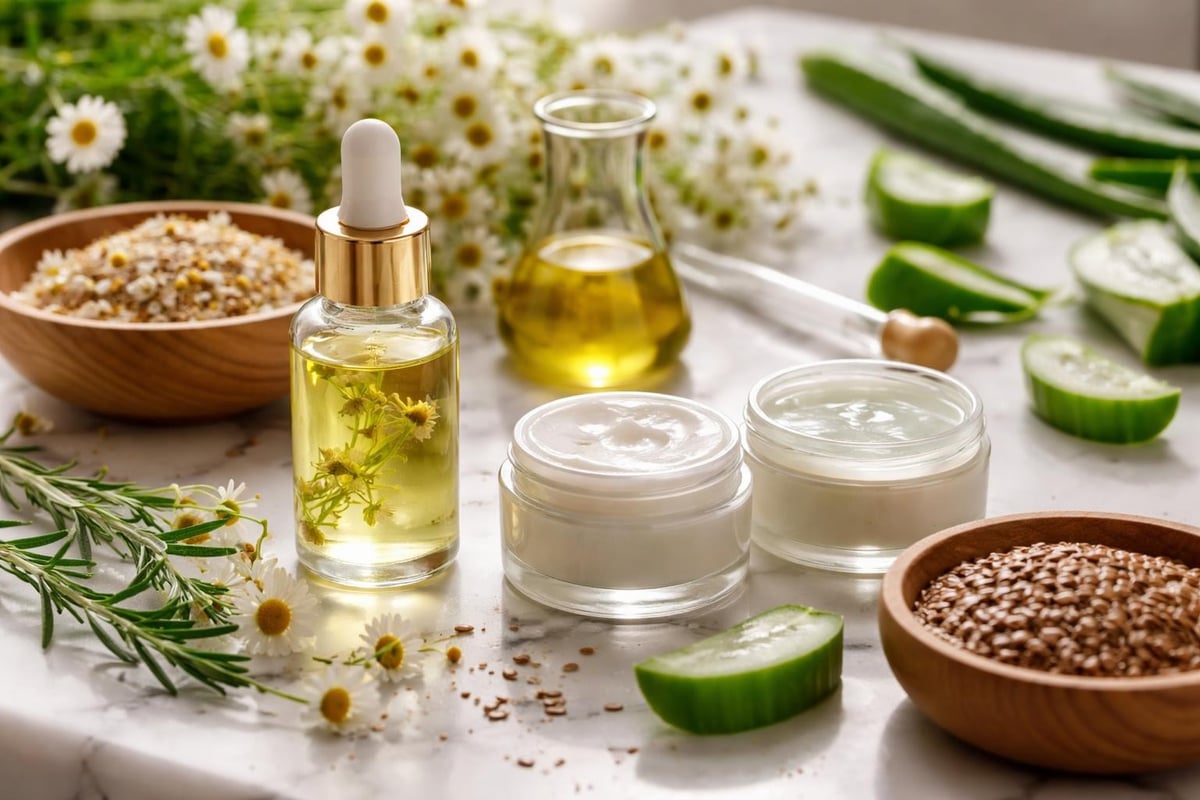
When choosing non-toxic skincare brands, it's vital to look beyond marketing claims and examine actual ingredient lists. Many products marketed as "natural" may still contain synthetic preservatives, fragrances, or fillers.
Science-Backed Natural Ingredients
The beauty of modern natural skin care treatment lies in the marriage between traditional botanical wisdom and contemporary scientific research. Numerous plant-based ingredients have been rigorously studied and proven effective for various skin concerns.
Top Performing Natural Ingredients
| Ingredient | Primary Benefits | Best For |
|---|---|---|
| Green Tea Extract | Antioxidant, anti-inflammatory | All skin types, ageing concerns |
| Aloe Vera | Soothing, hydrating | Sensitive, irritated skin |
| Rosehip Oil | Vitamin C-rich, brightening | Hyperpigmentation, scars |
| Hyaluronic Acid (plant-derived) | Deep hydration, plumping | Dehydrated, mature skin |
| Jojoba Oil | Balancing, nourishing | Combination, oily skin |
According to research on science-backed natural skincare ingredients, these botanicals have demonstrated measurable improvements in skin health through clinical studies. They work by supporting the skin's natural barrier function, providing essential nutrients, and protecting against environmental stressors.
For those exploring gentle skin products, natural ingredients often prove less irritating than their synthetic counterparts. This makes natural skin care treatment particularly suitable for reactive or compromised skin.
Understanding Ingredient Synergy
Natural ingredients rarely work in isolation. The most effective natural skin care treatment formulations combine complementary botanicals that enhance each other's benefits. For instance, pairing vitamin C-rich ingredients with vitamin E creates a more potent antioxidant effect than either ingredient alone.
Building Your Natural Skincare Routine
Creating an effective natural skin care treatment routine doesn't require dozens of products or complicated steps. The key lies in understanding your skin type and selecting targeted treatments that address your specific concerns.
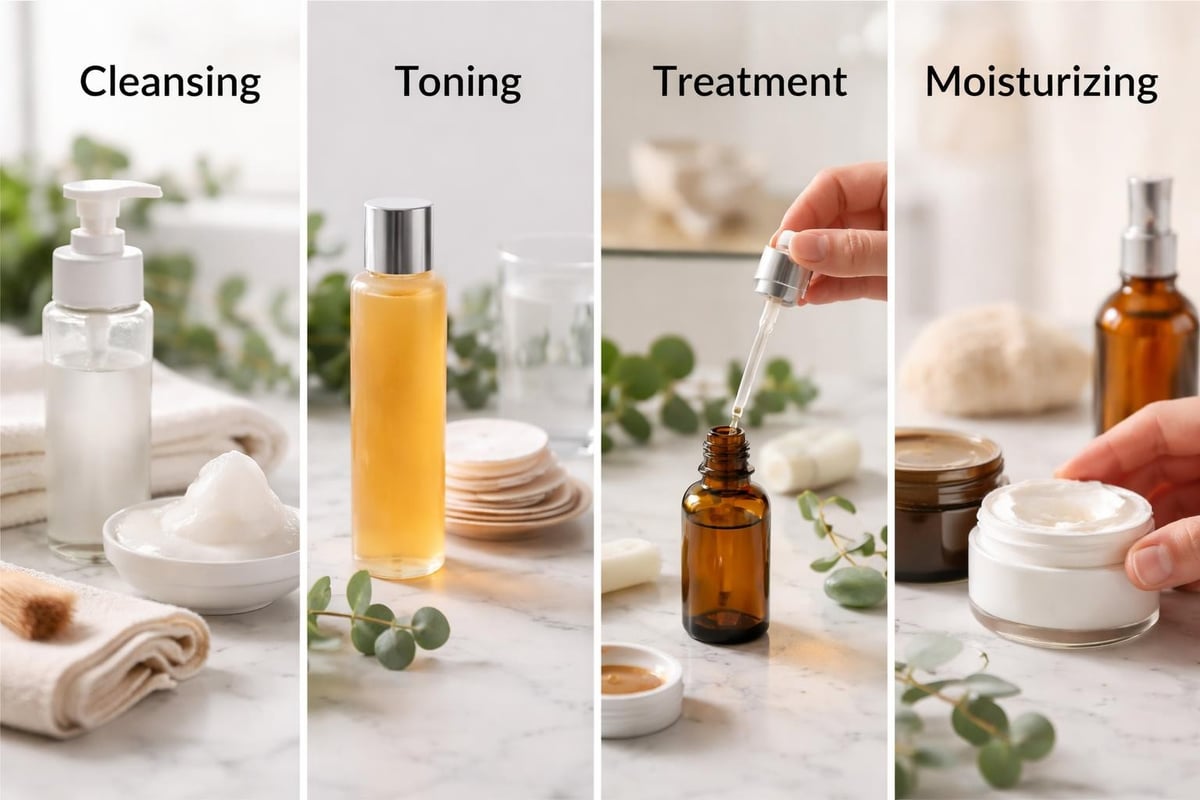
The Essential Four-Step Framework
- Cleanse: Remove impurities without stripping natural oils
- Tone: Balance pH levels and prepare skin for treatment
- Treat: Apply serums or targeted treatments
- Moisturise: Lock in hydration and protect the skin barrier
This straightforward approach forms the foundation of any successful natural skincare regimen. For those with sensitive skin requiring special care, each step should feature soothing, fragrance-free formulations.
Tailoring Treatments to Your Skin Type
Different skin types respond better to specific natural ingredients. Understanding your skin's unique needs ensures your natural skin care treatment delivers optimal results.
For Dry Skin:
- Rich plant oils like avocado or sweet almond
- Shea butter and plant-based ceramides
- Hyaluronic acid for deep hydration
- Gentle, cream-based cleansers
For Oily Skin:
- Lightweight oils such as jojoba or grapeseed
- Clay-based treatments for purification
- Witch hazel or willow bark for balancing
- Gel-based moisturisers with aloe vera
For Combination Skin:
- Balancing oils like rosehip or marula
- Lightweight hydrating serums
- Gentle exfoliants like fruit enzymes
- Adaptable moisturisers that adjust to skin needs
For Sensitive Skin:
- Calming ingredients like chamomile and calendula
- Minimal ingredient formulations
- Fragrance-free options
- Barrier-supporting ingredients like oat extract
Natural Treatments for Common Skin Concerns
Natural skin care treatment offers effective solutions for virtually every complexion concern, from acne to premature ageing. The key is matching the right botanical actives to your specific challenge.
Addressing Acne and Blemishes
Natural alternatives to harsh chemical acne treatments include tea tree oil, which possesses antimicrobial properties, and niacinamide derived from plant sources, which helps regulate oil production. Willow bark extract, containing natural salicylic acid, gently exfoliates without irritation.
A comprehensive guide on evidence-based natural skincare remedies highlights that natural treatments work more gradually than synthetic options but cause fewer side effects and support long-term skin health.
Anti-Ageing Natural Solutions
The best natural skin care treatment for mature skin focuses on:
- Antioxidants to neutralise free radical damage
- Plant-based retinol alternatives like bakuchiol
- Peptides from plant sources to support collagen production
- Hydrating botanicals to plump fine lines
These ingredients work synergistically to improve skin texture, reduce the appearance of wrinkles, and enhance overall radiance without the irritation often associated with conventional anti-ageing products.
Hyperpigmentation and Uneven Tone
Natural brightening ingredients offer a gentler approach to evening skin tone. Vitamin C from sources like kakadu plum, liquorice root extract, and kojic acid from mushrooms all demonstrate effectiveness in reducing dark spots and promoting a more uniform complexion.
The Vegan Advantage in Natural Skincare
Vegan natural skin care treatment has gained significant traction, offering benefits that extend beyond animal welfare concerns. Plant-based formulations are often more sustainable, biodegradable, and suitable for sensitive skin types.
When exploring vegan face lotions, you'll discover that plant-derived ingredients frequently provide superior performance compared to animal-derived alternatives. For instance, plant-based squalane from olives matches or exceeds the benefits of shark-derived squalene whilst being ethically sound and environmentally friendly.
Benefits of Choosing Vegan Natural Treatments
- Enhanced compatibility with sensitive skin
- Lower environmental impact through sustainable sourcing
- Rich in phytonutrients that feed the skin
- Cruelty-free development and testing
- Often more stable formulations with longer shelf life
The shift towards vegan natural skin care treatment reflects growing consumer awareness about the interconnection between personal health, animal welfare, and planetary wellbeing.
Avoiding Greenwashing and Making Informed Choices
As natural skincare gains popularity, "greenwashing" has become increasingly prevalent. Brands may use nature-inspired packaging or vague marketing language whilst formulations contain primarily synthetic ingredients.
Red Flags to Watch For
When evaluating natural skin care treatment products, be wary of:
- Terms like "naturally-inspired" rather than "natural"
- Ingredient lists where natural components appear at the end
- Products claiming to be "chemical-free" (everything is chemistry)
- Lack of transparency about sourcing and processing
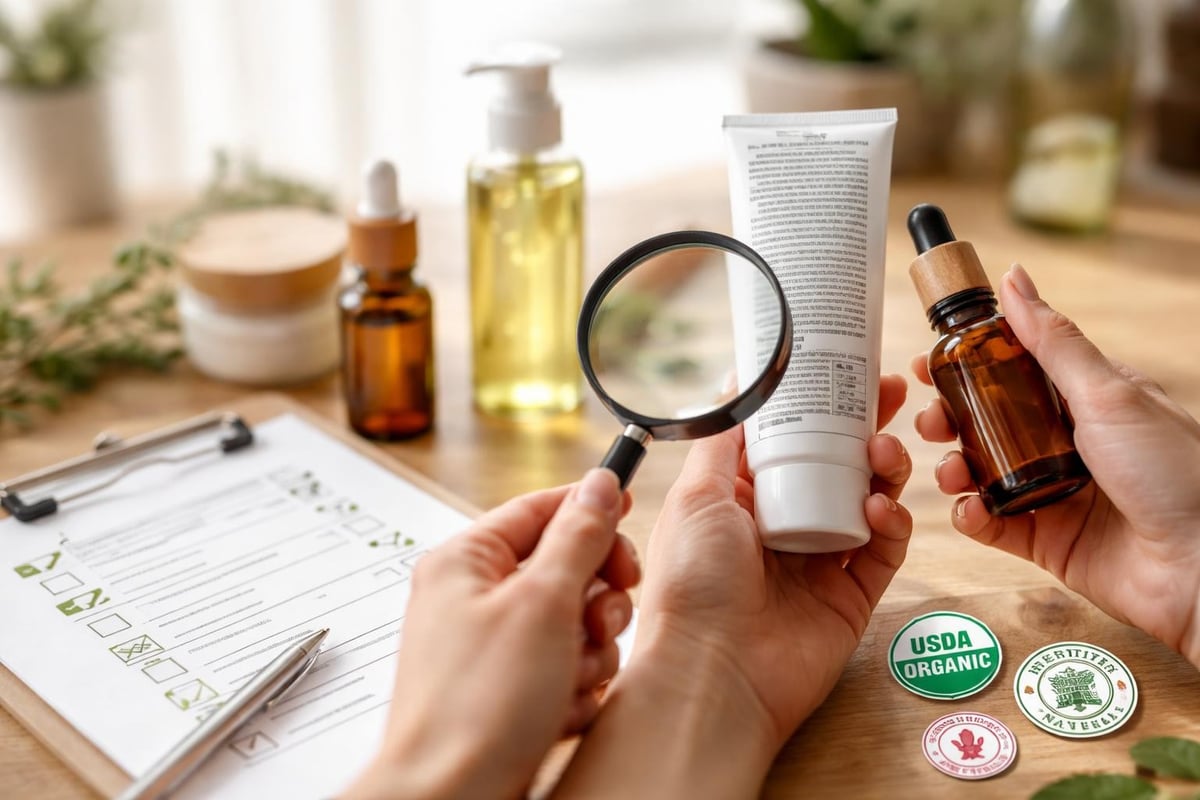
- Absence of third-party certifications
According to guidance on avoiding greenwashing in natural skincare, consumers should prioritise brands that provide complete transparency about their ingredients, sourcing practices, and manufacturing processes.
Trusted Certifications to Look For
| Certification | What It Guarantees | Relevance |
|---|---|---|
| Soil Association Organic | 95%+ organic ingredients | High standard organic |
| Vegan Society | No animal-derived ingredients | True vegan formula |
| Leaping Bunny | Cruelty-free testing | Ethical production |
| COSMOS Natural | Natural ingredient standards | Authentic natural products |
| Natrue | Natural and organic cosmetics | Quality assurance |
These certifications provide independent verification that products meet specific standards for natural skin care treatment formulations.
Incorporating Ayurvedic Principles
Ayurvedic skin care offers time-tested wisdom for natural treatments, viewing skin health as a reflection of overall wellbeing. This holistic approach considers individual constitution (dosha), lifestyle factors, and seasonal variations.
Dosha-Based Natural Treatments
Ayurveda categorises individuals into three primary doshas, each requiring different natural skin care treatment approaches:
Vata (dry, cool, irregular):
- Warming, nourishing oils
- Grounding ingredients like sesame and almond
- Rich, creamy textures
- Hydrating and calming botanicals
Pitta (sensitive, warm, reactive):
- Cooling ingredients like cucumber and rose
- Soothing botanicals such as aloe and chamomile
- Anti-inflammatory treatments
- Gentle, non-irritating formulations
Kapha (oily, heavy, congested):
- Stimulating and purifying ingredients
- Light textures that won't clog pores
- Clarifying botanicals like neem and turmeric
- Balancing and mattifying treatments
This personalised approach to natural skin care treatment acknowledges that one-size-fits-all solutions rarely deliver optimal results.
Seasonal Adjustments for Natural Skincare
Your skin's needs fluctuate throughout the year, requiring modifications to your natural skin care treatment routine. Understanding these seasonal shifts helps maintain healthy, balanced skin regardless of external conditions.
Winter Skincare Adaptations
During colder months, increase:
- Richer moisturisers with plant butters
- Nourishing facial oils for extra protection
- Gentle, non-stripping cleansers
- Hydrating masks for intensive treatment
Summer Skincare Modifications
When temperatures rise, switch to:
- Lighter, gel-based formulations
- Antioxidant-rich serums for sun protection support
- Mattifying natural ingredients like green tea
- Refreshing botanical mists for throughout-the-day hydration
For those managing skincare for sensitive dry skin, winter often presents the greatest challenge, requiring extra attention to barrier protection and deep hydration.
The Role of Natural Cleansers and Toners
Effective natural skin care treatment begins with proper cleansing. Unlike harsh surfactants that strip the skin, natural cleansers work gently to remove impurities whilst preserving the skin's protective barrier.
Oil Cleansing Method
This technique, rooted in ancient beauty traditions, uses plant oils to dissolve makeup, sunscreen, and sebum. The principle "like dissolves like" means oils effectively remove oil-based impurities without disrupting skin balance.
Popular oils for cleansing include:
- Jojoba (closely mimics skin's natural sebum)
- Sweet almond (gentle and nourishing)
- Grapeseed (lightweight, suitable for oily skin)
- Castor oil (deep cleansing when blended with other oils)
Natural Toners and Their Benefits
Toners complete the cleansing process and prepare skin for treatment products. Natural toners might include:
- Hydrosols (floral waters from steam distillation)
- Witch hazel (astringent and pore-refining)
- Rose water (hydrating and anti-inflammatory)
- Green tea (antioxidant-rich and balancing)
These natural ingredients provide benefits without the alcohol and synthetic fragrances found in conventional toners.
Natural Moisturisers and Their Mechanisms
Moisturisation forms the cornerstone of any natural skin care treatment routine. Natural moisturisers work through three primary mechanisms: occlusives that prevent water loss, emollients that soften skin, and humectants that attract moisture.
Understanding Moisturiser Components
Occlusives:
- Plant waxes (candelilla, carnauba)
- Shea butter
- Plant oils high in oleic acid
Emollients:
- Jojoba oil
- Rosehip oil
- Argan oil
Humectants:
- Plant-derived hyaluronic acid
- Glycerin from vegetables
- Aloe vera gel
The most effective natural moisturisers combine all three types, creating comprehensive hydration that addresses multiple aspects of skin moisture.
For those seeking cruelty-free moisturiser options, the natural skincare market offers abundant choices that deliver results without animal testing or animal-derived ingredients.
DIY Natural Treatments vs. Formulated Products
Whilst kitchen-based natural skin care treatment can be tempting, professionally formulated products offer significant advantages. Proper formulation ensures ingredient stability, appropriate concentrations, safe preservation, and optimal pH levels.
When DIY Works Well
Simple treatments you can create at home include:
- Honey masks for hydration
- Oatmeal soaks for sensitive skin
- Sugar scrubs for gentle exfoliation
- Cucumber eye treatments for puffiness
When to Choose Professional Formulations
Complex treatments requiring precise ratios, preservation, and stability testing are best left to professionals. This includes:
- Vitamin C serums (requiring stable formulation)
- Retinol alternatives needing specific concentrations
- Multi-ingredient treatments with potential interactions
- Products requiring microbiological safety testing
Professional brands like those featured in guides to the best all natural skin products invest in research, testing, and quality control that home formulation cannot replicate.
Sustainability in Natural Skincare
True natural skin care treatment extends beyond ingredient selection to encompass sustainable practices throughout the entire product lifecycle. This includes ethical sourcing, minimal packaging, carbon-conscious shipping, and biodegradable formulations.
Evaluating Brand Sustainability
Consider these factors when choosing natural skincare:
- Ingredient sourcing: Are botanicals wild-harvested sustainably or organically cultivated?
- Packaging choices: Does the brand use recyclable, minimal, or refillable containers?
- Production methods: Are manufacturing processes energy-efficient and waste-conscious?
- Supply chain transparency: Can you trace ingredients from source to finished product?
- Community impact: Does the company support fair trade and ethical labour practices?
These considerations ensure your natural skin care treatment choices support both personal and planetary health.
The Future of Natural Skincare
Innovation in natural skin care treatment continues accelerating, with biotechnology enabling sustainable production of previously scarce ingredients. Fermentation technology creates potent actives, whilst advances in green chemistry develop natural preservatives extending product shelf life.
Emerging Trends for 2026 and Beyond
- Waterless formulations reducing environmental impact
- Upcycled ingredients from food industry byproducts
- Personalised natural treatments based on skin microbiome analysis
- Climate-adaptive formulations responding to environmental stressors
- Transparent supply chains using blockchain technology
These developments promise even more effective, sustainable, and accessible natural skin care treatment options for consumers prioritising both results and responsibility.
The Growing Natural Beauty Movement
Consumer demand for authentic natural products continues rising, pushing the industry towards greater transparency and higher standards. Resources like natural skincare guidance from dermatologists help educate consumers about effective ingredient selection and proper product use.
This shift represents more than a trend; it reflects fundamental changes in how we approach beauty, health, and environmental stewardship.
Natural skin care treatment offers a thoughtful, effective approach to maintaining healthy, radiant skin whilst respecting both your body and the planet. By understanding ingredients, building personalised routines, and choosing transparent brands, you can achieve beautiful results without compromise. White Rabbit Skin Care specialises in vegan, natural formulations crafted with the finest botanical ingredients, offering cleansers, toners, and moisturisers tailored to your unique skin type. Discover how plant-powered skincare can transform your complexion through products that combine nature's wisdom with modern science.