


Natural Sensitive Skin Care: A Complete Guide for 2026
If you've got sensitive skin, finding the right products can feel like navigating a minefield. One wrong ingredient and you're dealing with redness, irritation, or breakouts. The world of natural sensitive skin care promises gentle, plant-based solutions, but here's the truth: not all natural products are created equal, and some can actually trigger reactions. Understanding what makes a product truly suitable for sensitive skin requires looking beyond marketing claims and diving into ingredients, formulations, and your unique skin needs.
Understanding What Sensitive Skin Really Needs
Sensitive skin isn't just a marketing term. It's a genuine condition where your skin's protective barrier is more reactive to external triggers. This means your skin responds more intensely to environmental factors, certain ingredients, and even stress.
When we talk about natural sensitive skin care, we're looking at products formulated with plant-based ingredients that work with your skin's natural processes rather than against them. However, studies have found that most natural skin care products contain allergens, which means you still need to be selective.
The Science Behind Sensitivity
Your skin barrier is made up of lipids, ceramides, and proteins that keep moisture in and irritants out. When this barrier is compromised, you experience:
- Increased transepidermal water loss
- Higher susceptibility to allergens
- More pronounced reactions to active ingredients
- Difficulty maintaining proper hydration levels
Natural ingredients can support barrier repair, but only when chosen carefully. The key is understanding which botanical extracts offer soothing properties without introducing new irritants.
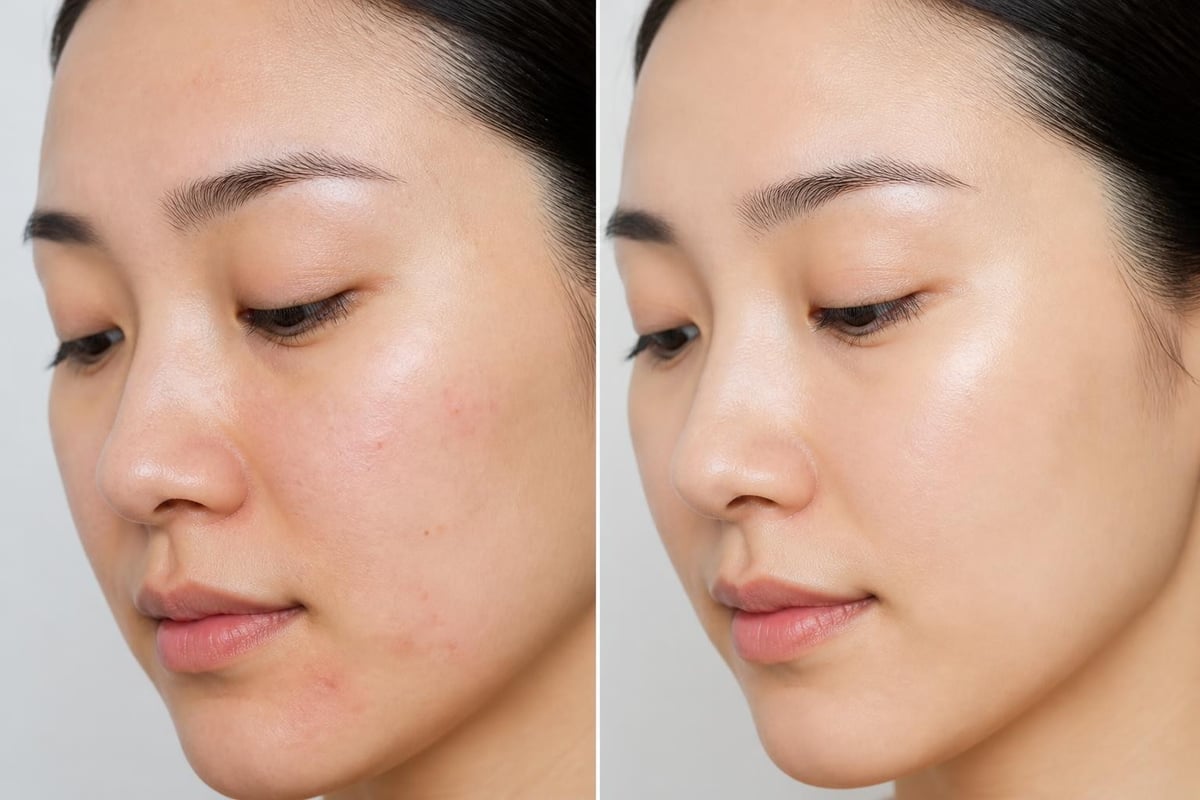
Decoding Natural Labels and What They Actually Mean
The term "natural" isn't regulated in the skincare industry. A product can claim to be natural whilst containing only a small percentage of plant-derived ingredients. This lack of standardisation makes it challenging to choose genuinely beneficial products for sensitive skin.
Research from Stanford Medicine highlights that natural products can still irritate sensitive skin, particularly when they contain essential oils, plant extracts high in phenols, or preservatives derived from natural sources.
What to Look For
When selecting natural sensitive skin care products, prioritise these characteristics:
- Minimal ingredient lists - Fewer ingredients mean fewer potential triggers
- No added fragrance - Even natural fragrances can irritate
- pH-balanced formulations - Maintaining skin's natural pH prevents irritation
- Recognisable ingredients - Simple, pure botanicals over complex extracts
- Third-party certification - Look for verified natural or vegan certifications
| Helpful Natural Ingredients | Potential Irritants |
|---|---|
| Oat extract | Essential oils |
| Chamomile | Citrus extracts |
| Aloe vera | High-percentage acids |
| Calendula | Synthetic fragrances |
| Jojoba oil | Alcohol denat |
The best sensitive skincare combines effective natural ingredients with formulations specifically designed for reactive skin types.
Building Your Natural Sensitive Skin Care Routine
Creating a routine for sensitive skin isn't about using dozens of products. It's about choosing the right few that work together harmoniously. Your routine should support your skin barrier whilst addressing your specific concerns.
The Essential Steps
Cleansing forms the foundation of any skincare routine. For sensitive skin, you need a cleanser that removes impurities without stripping natural oils. Look for cream or gel cleansers with gentle surfactants derived from coconut or sugar.
Toning often gets overlooked, but it's crucial for sensitive skin. A good toner restores pH balance after cleansing and prepares skin for better product absorption. Avoid alcohol-based toners in favour of hydrating, soothing formulas.
Moisturising is non-negotiable. Natural sensitive skin care moisturisers should contain occlusive ingredients like plant oils alongside humectants such as glycerin or hyaluronic acid. This combination locks in hydration whilst supporting barrier repair.
Morning vs Evening Routines
Your skin has different needs throughout the day. Morning routines should focus on protection, whilst evening routines prioritise repair and regeneration.
Morning routine:
- Gentle cleanser or water rinse
- Hydrating toner
- Lightweight moisturiser
- Mineral sunscreen (non-negotiable for sensitive skin)
Evening routine:
- Oil or cream cleanser
- Soothing toner
- Treatment product (if tolerated)
- Rich night cream or facial oil
When exploring face products for sensitive skin, remember that consistency matters more than complexity. Give new products at least four weeks before judging their effectiveness.
Common Natural Ingredients That Actually Help
Not all natural ingredients suit sensitive skin, but certain botanicals have proven track records for soothing and supporting reactive complexions. Understanding which ingredients work and why helps you make informed choices.
Proven Soothing Botanicals
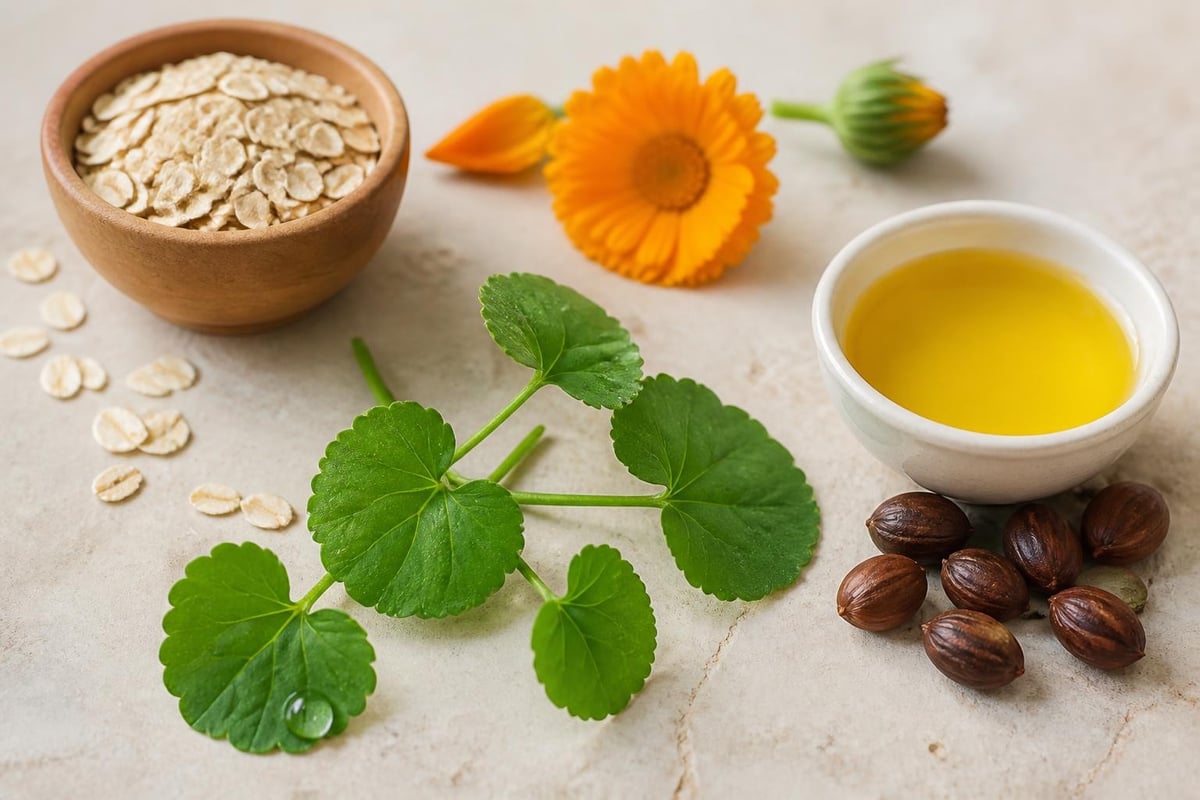
Colloidal oatmeal stands out as one of the most effective natural ingredients for sensitive skin. It contains compounds called avenanthramides that reduce inflammation and itching whilst supporting the skin barrier.
Calendula extract has been used for centuries to calm irritated skin. Modern research confirms its anti-inflammatory properties make it excellent for reducing redness and supporting healing.
Centella asiatica (also known as cica or tiger grass) helps repair damaged skin barriers and reduces sensitivity over time. It's particularly beneficial for skin that's easily irritated by environmental factors.
The beauty of plant-based skin care products is that they can deliver these powerful botanicals without synthetic additives that might trigger reactions.
Oils That Nourish Without Irritating
- Jojoba oil - Closely mimics skin's natural sebum
- Rosehip seed oil - Rich in fatty acids without being comedogenic
- Sunflower seed oil - Supports barrier function
- Oat oil - Soothes whilst moisturising
- Hemp seed oil - Balances oil production
Avoid essential oils when dealing with sensitive skin, as research published in PubMed indicates they're common contact allergens even in natural formulations.
What to Avoid in Natural Sensitive Skin Care
Just because an ingredient comes from nature doesn't mean it's gentle. Some natural components are actually more irritating than their synthetic counterparts, particularly for sensitive skin types.
Hidden Irritants in Natural Products
Cleveland Clinic research emphasises that natural doesn't automatically mean safe for sensitive skin. Many botanical extracts contain compounds that trigger allergic reactions or irritation.
Essential oils top the list of problematic ingredients. Whilst they smell lovely and have antimicrobial properties, they're also potent allergens. Lavender, peppermint, and citrus oils are particularly problematic for sensitive skin.
Natural preservatives can be tricky. Whilst we want products free from synthetic preservatives, natural alternatives like certain plant extracts or essential oil blends can cause reactions. Look for products preserved with gentle options like radish root ferment or leuconostoc.
Ingredients to Skip
| Ingredient Type | Why to Avoid | Better Alternative |
|---|---|---|
| Essential oils | High allergen potential | Fragrance-free |
| Witch hazel (alcohol-based) | Drying and irritating | Alcohol-free witch hazel |
| Citrus extracts | Photosensitising | Stable vitamin C derivatives |
| High-strength acids | Barrier disruption | Gentle PHA or enzyme exfoliants |
| Natural fragrances | Sensitisation risk | Unscented formulations |
Understanding gentle skin products means knowing what to leave out is just as important as knowing what to include.
Patch Testing and Introducing New Products
Even the most carefully formulated natural sensitive skin care products can cause reactions in some individuals. Your skin is unique, and what works beautifully for others might not suit you.
The Proper Patch Testing Method
Before applying any new product to your face, follow this systematic approach:
- Choose your test site - The inner forearm or behind the ear
- Apply a small amount - About the size of a 5p coin
- Wait 24 hours - Resist the urge to wash it off
- Check for reactions - Look for redness, itching, or bumps
- Test on your face - If the patch test passes, try a small area on your jawline
- Wait another 24-48 hours - Monitor for delayed reactions
This might seem tedious, but it's far better than discovering an allergic reaction across your entire face. When dealing with skincare for sensitive dry skin, patience truly pays off.
Introducing Products Gradually
Never start multiple new products simultaneously. This makes it impossible to identify which product caused a problem if you experience a reaction. Add one new product every two weeks, giving your skin time to adjust and respond.
Start with the most essential products first: cleanser, then moisturiser, then any treatment products. This foundation ensures your skin is properly cleansed and hydrated before you introduce active ingredients.
The Vegan Advantage for Sensitive Skin
Vegan skincare formulations often work particularly well for sensitive skin types. By excluding animal-derived ingredients, these products naturally avoid common allergens like lanolin, beeswax derivatives, and certain proteins that can trigger reactions.
Why Vegan Formulations Can Be Gentler
Fewer cross-contamination risks exist in vegan facilities. When production lines handle only plant-based ingredients, there's less chance of unexpected allergens making their way into products.
Simpler ingredient profiles are common in vegan natural sensitive skin care. Without relying on animal-derived emulsifiers or thickeners, formulators often use cleaner, more straightforward ingredients that sensitive skin tolerates better.
Plant-based actives offer potent benefits without the complexity of animal-derived alternatives. Finding a good vegan moisturiser means accessing powerful botanical ingredients formulated specifically for reactive skin.
The commitment to non-toxic skincare brands aligns perfectly with sensitive skin needs, as these companies prioritise ingredient purity and transparency.

Seasonal Adjustments for Sensitive Skin
Your skin's needs change throughout the year, and natural sensitive skin care routines should adapt accordingly. British weather particularly demands flexibility, with dramatic shifts between seasons affecting skin behaviour.
Winter Care Strategies
Cold air, central heating, and harsh winds compromise your skin barrier during winter months. Your routine needs to focus on protection and intensive hydration.
Switch to richer cleansers that don't strip moisture. Oil cleansers or creamy formulas work better than gels during cold months. Layer your moisturisers, starting with a hydrating serum, followed by a cream, and sealing with a facial oil if needed.
Summer Considerations
Warmer weather means more sweating, higher humidity, and increased sun exposure. Your skin might tolerate lighter formulations but still needs protection.
- Use gel-based cleansers for thorough cleansing without heaviness
- Opt for lighter moisturisers or hydrating gels
- Never skip sunscreen - mineral formulas suit sensitive skin best
- Consider a soothing mist for midday refreshment
Looking into the best product for sensitive face care means finding options that work across seasons or being willing to adjust your routine as weather changes.
Understanding Product Certifications and Standards
When shopping for natural sensitive skin care, certifications help you identify genuinely natural and ethical products. However, understanding what different certifications actually guarantee is essential.
Key Certifications to Recognise
The Natural Products Association provides certification for natural personal care products, requiring at least 95% natural ingredients and prohibiting certain synthetic chemicals.
Vegan certifications ensure no animal ingredients or testing, which often correlates with gentler formulations for sensitive skin. Look for The Vegan Society trademark or similar recognised symbols.
Cruelty-free certifications like Leaping Bunny guarantee no animal testing at any production stage, aligning with ethical and often gentler product development.
What Certifications Don't Guarantee
Certification doesn't automatically mean a product will suit your sensitive skin. A certified natural product can still contain botanical allergens. Always read ingredient lists and perform patch tests regardless of certifications.
| Certification | What It Means | What It Doesn't Mean |
|---|---|---|
| Natural | High percentage of natural ingredients | Allergen-free |
| Vegan | No animal-derived ingredients | Suitable for sensitive skin |
| Cruelty-free | No animal testing | Hypoallergenic |
| Organic | Ingredients grown without pesticides | Won't cause reactions |
Troubleshooting Common Sensitive Skin Issues
Even with the best natural sensitive skin care routine, you might encounter challenges. Understanding how to address common problems helps you maintain healthy, comfortable skin.
Persistent Redness
If you're experiencing ongoing redness despite using gentle products, consider these factors:
Temperature extremes affect sensitive skin dramatically. Use lukewarm water for cleansing and avoid very hot showers. Apply products at room temperature rather than cold from the fridge.
Over-exfoliation is surprisingly common, even with natural products. If you're using any exfoliating ingredients (acids, enzymes, or scrubs), reduce frequency to once weekly or eliminate entirely for a month.
Internal triggers like stress, diet, or hormones can manifest as skin redness. Keep a skin diary to identify patterns between flare-ups and potential triggers.
Unexpected Breakouts
Natural products can cause breakouts, especially if they're too rich for your skin type or contain pore-clogging ingredients.
- Review your routine for comedogenic ingredients
- Ensure you're cleansing thoroughly without over-cleansing
- Check if new products are too heavy for your skin
- Consider if you're using too many products
Sometimes, what appears as sensitivity is actually your skin reacting to an incompatible product, not necessarily an irritant. Exploring sensitive face products designed specifically for your skin type can make all the difference.
Dehydration vs Dryness
These terms are often confused but require different approaches. Dehydrated skin lacks water and feels tight but might still be oily. Dry skin lacks oil and feels rough or flaky.
For dehydration, focus on humectants like hyaluronic acid and glycerin. For dryness, prioritise oils and occlusives. Many people with sensitive skin experience both simultaneously, requiring products that address both concerns.
The Role of Diet and Lifestyle
External skincare is only part of the equation. What you put into your body and how you live significantly impacts how your sensitive skin behaves and responds to natural sensitive skin care products.
Nutrition for Skin Barrier Support
Essential fatty acids from sources like walnuts, flaxseeds, and hemp seeds support skin barrier function from within. These nutrients help your skin produce the lipids it needs to maintain a healthy protective barrier.
Antioxidant-rich foods combat inflammation that can worsen sensitivity. Berries, leafy greens, and green tea provide compounds that support skin health at a cellular level.
Hydration seems obvious but is often overlooked. Drinking adequate water helps your skin maintain moisture levels and flush out inflammatory compounds.
Lifestyle Factors That Matter
- Sleep quality - Skin repairs itself during deep sleep phases
- Stress management - Chronic stress triggers inflammatory responses
- Exercise - Improves circulation and supports detoxification
- Environmental protection - Shield skin from pollution and UV damage
Understanding that skincare is holistic helps you appreciate why some people thrive with minimal products whilst others need more comprehensive routines. Your overall health directly impacts how your skin responds to even the gentlest natural sensitive skin care products.
Making Natural Sensitive Skin Care Work for You
Success with natural sensitive skin care comes down to three principles: simplicity, consistency, and patience. Your skin didn't become sensitive overnight, and it won't transform immediately with new products.
Creating Your Personalised Approach
Start by identifying your primary concerns. Is it redness, dryness, reactivity to most products, or occasional flare-ups? Your concerns guide which products deserve priority in your routine.
Document your journey with photos and notes. It's difficult to notice gradual improvement without reference points. Take weekly photos in the same lighting and track which products you're using.
Listen to your skin rather than following trends. If everyone raves about a product but it makes your skin uncomfortable, trust your experience. Harvard Health reminds us that natural cosmetics can still cause reactions in certain individuals.
When to Seek Professional Advice
If you're experiencing persistent issues despite using appropriate products, consult a dermatologist. Conditions like rosacea, eczema, or contact dermatitis require professional diagnosis and treatment.
A dermatologist can also help identify specific allergens through patch testing, giving you concrete information about which ingredients to avoid. This knowledge becomes invaluable when selecting new natural sensitive skin care products.
Remember, taking care of sensitive skin is a marathon, not a sprint. The gentle, natural approach requires patience but delivers lasting results when you find the right combination for your unique skin needs.
Finding the right natural sensitive skin care routine takes time and attention, but the results are worth the effort. By understanding ingredients, avoiding common irritants, and listening to your skin's needs, you can build a gentle routine that truly works. White Rabbit Skin Care offers thoughtfully formulated vegan products designed with sensitive skin in mind, combining the best of natural ingredients with formulations that prioritise gentleness and effectiveness. Explore our range to discover skincare that respects both your skin and your values.