

Guide to Natural Organic Skincare Products in 2026
The demand for clean, ethical, and effective skincare is reaching new heights in 2026 as more people want products that are as good for the planet as they are for their skin. With natural organic skincare products becoming more popular, consumers are choosing options that support their health, values, and the environment.
Switching to natural organic skincare products can lead to healthier skin and a more sustainable lifestyle. Ready to find your way through the fast-changing world of skincare? This guide will help you understand, choose, and get the most out of natural organic skincare products in 2026, covering key definitions, benefits, trends, ingredients, routines, and shopping tips.
Understanding Natural and Organic Skincare in 2026
The world of natural organic skincare products is evolving rapidly as we step into 2026. With more consumers seeking clean, ethical, and effective options, understanding what truly makes a product natural or organic is more important than ever. Let's break down what these terms mean, why they're gaining popularity, the trends shaping the market, and the truths behind common myths.
Defining Natural and Organic Skincare
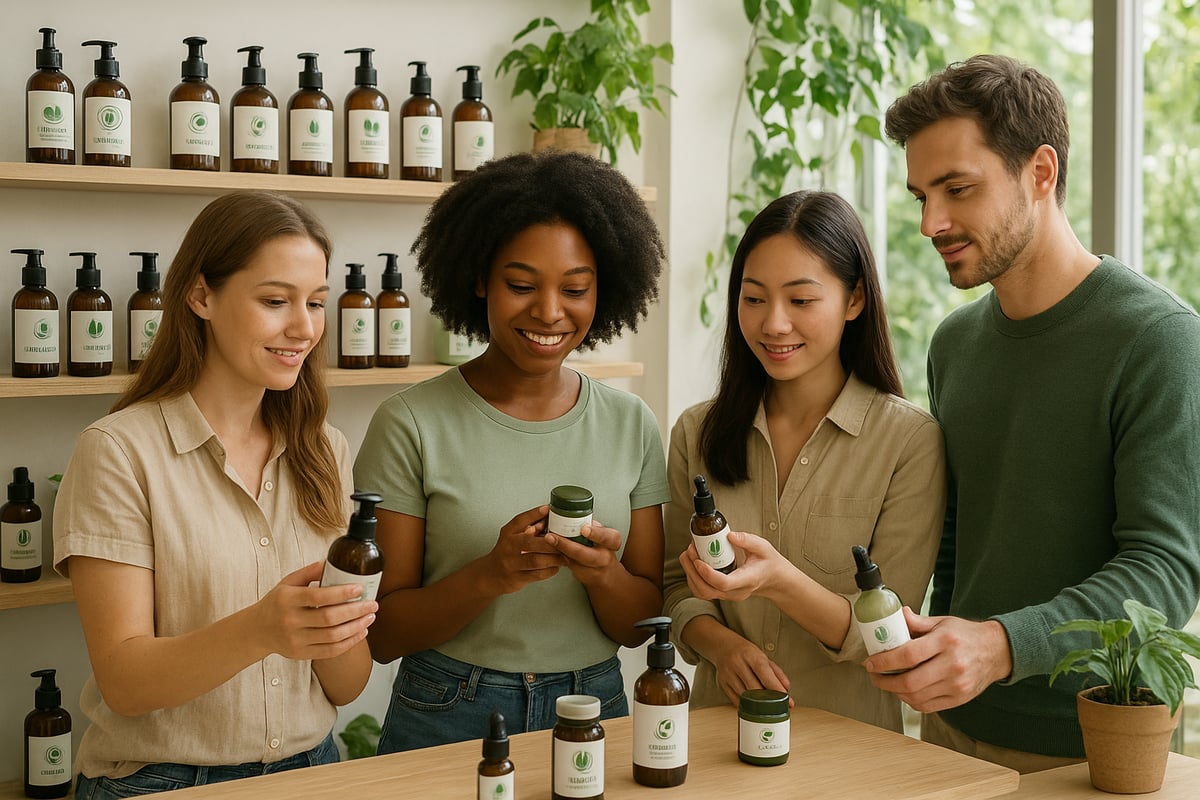
Natural organic skincare products are not all created equal, and the terms "natural" and "organic" are often confused. "Natural" typically refers to ingredients derived directly from plants or minerals, while "organic" means those ingredients are grown without synthetic pesticides or fertilisers and meet strict certification standards.
In 2026, certifications such as COSMOS certification standards and Soil Association labels help consumers identify authentic products. New regulations require clear labelling, making it easier to spot greenwashing. For example, a cleanser from a leading brand might display both COSMOS and Soil Association logos, proving its organic status. However, not every product labelled "natural" truly meets these benchmarks, so always look for trusted certifications to avoid common pitfalls in the market for natural organic skincare products.
Why Choose Natural and Organic Skincare?
Choosing natural organic skincare products offers many benefits. First, they contain fewer synthetic chemicals, which reduces the risk of irritation or allergic reactions. These formulas often use biodegradable ingredients and embrace sustainable sourcing, making them gentle on both skin and the environment.
Ethical considerations are also key. Many brands offer cruelty-free, vegan, and fair-trade options, aligning with growing consumer values. According to a 2025 UK survey, 70% of consumers now prefer natural products. This shift is especially helpful for people with sensitive skin, as improved ingredient traceability in 2026 makes it easier to identify safe choices. Transparency is at an all-time high, helping us feel confident about what we put on our skin.
Key Trends Shaping the Market in 2026
The natural organic skincare products market is full of innovation this year. We’re seeing the rise of high-performance natural actives like bakuchiol and microalgae, offering gentle yet effective anti-ageing and hydration benefits. Personalised skincare is booming, with AI-powered skin analysis helping us find products tailored to our needs.
Sustainability is front and centre. Brands are moving towards circular packaging and zero-waste initiatives, making it easier to reduce our environmental footprint. Minimalist routines, multi-functional products, and expanded ranges for men and teens are also trending. Social media and "skinfluencers" are shaping our choices, making natural organic skincare products more accessible and desirable than ever.
Common Myths and Realities
There are plenty of myths about natural organic skincare products. Some believe they're less effective, but clinical studies have shown that certain natural actives can perform just as well, if not better, than synthetic alternatives. Another myth is that all organic products are allergen-free. In reality, natural ingredients like essential oils or nut extracts can still trigger sensitivities.
Not all "green" packaging means sustainable practices, so it’s important to look beyond the surface. For example, some synthetic-free formulas have outperformed conventional products in case studies, proving the power of nature. However, a 2025 poll found that a significant percentage of consumers remain confused by natural claims, highlighting the need for clear labelling and education in the growing landscape of natural organic skincare products.
Essential Ingredients in Natural Organic Skincare
Our exploration of natural organic skincare products starts with what truly powers their effectiveness: the ingredients. In 2026, the beauty industry is focusing on purity, potency, and sustainability, making it essential to understand what goes into your favourite formulas. Let’s discover the building blocks of these products, from botanical wonders to innovative plant-derived actives and beyond.

Plant-Based Powerhouses
Botanical ingredients are at the heart of natural organic skincare products, offering a wealth of benefits for every skin type. Think aloe vera to soothe, chamomile and calendula to calm, and rosehip for its reparative antioxidants. Wild berries, like those found in Rhug Wild Beauty cleansers, bring a boost of vitamins and help fight environmental stress.
The top five botanicals in the UK market for 2026 include aloe vera, chamomile, calendula, rosehip, and meadowsweet. Each is chosen for its unique ability to nourish and protect the skin. If you’re curious about how plants power your skincare, explore the science behind powered by plant-based ingredients.
With these botanicals, natural organic skincare products deliver gentle yet effective results while supporting a more mindful beauty routine.
Innovative Natural Actives
Innovation in natural organic skincare products is thriving, bringing us high-performance actives sourced from nature. Bakuchiol, a gentle alternative to retinol, helps smooth fine lines without irritation. Microalgae is gaining recognition for its deep hydration and anti-ageing effects, while plant-derived hyaluronic acid locks in moisture for plumper, healthier skin.
Vitamin C, now commonly extracted from acerola cherry or kakadu plum, helps brighten and protect against daily damage. Lucy Bee’s Bio-Retinol Night Cream is a great example of these advances, blending nature’s best for visible results.
By choosing natural organic skincare products with these actives, you’re investing in both efficacy and skin health.
Safe Preservatives and Emulsifiers
Preservatives and emulsifiers are crucial in keeping natural organic skincare products safe and stable. In 2026, natural options like radish root ferment and rosemary extract are popular choices, offering protection against spoilage while being gentle on sensitive skin.
These ingredients are now widely accepted by regulatory bodies, including COSMOS, and help extend shelf life without compromising purity. COSMOS-approved preservatives ensure that your skincare remains both effective and safe to use.
When selecting natural organic skincare products, look for these trusted natural alternatives to synthetic preservatives for peace of mind.
Ingredients to Avoid
While natural organic skincare products avoid many harsh synthetics, it’s still wise to check labels carefully. Watch out for parabens, phthalates, and SLS, which are commonly linked to irritation. Even some natural ingredients, like certain essential oils or nut extracts, can trigger allergies for sensitive users.
The UK and EU regularly update their banned and restricted ingredients lists, making it easier to shop with confidence. Learning to read INCI lists empowers you to make informed decisions and tailor your routine to your specific needs.
By staying informed, you’ll get the most from your natural organic skincare products and avoid unwanted reactions.
Sustainability and Sourcing
Sustainability is a cornerstone of natural organic skincare products in 2026. Brands are increasingly committed to traceable, fair-trade ingredients, supporting both people and the planet. Local sourcing is on the rise in the UK and EU, with companies like Rhug Estate leading the way by growing their own botanicals.
A recent report shows that over 40% of UK skincare brands now source domestically, reducing environmental impact and supporting local communities. When you choose natural organic skincare products, you’re not just caring for your skin but also making a positive choice for the world around us.
Let’s celebrate the brands that prioritise ethical sourcing and transparency as we build a more sustainable beauty future together.
Building a Natural Organic Skincare Routine
Creating a skincare routine using natural organic skincare products is a wonderful way to nurture your skin and support a more sustainable lifestyle. Let’s walk through each step together, making it easy to choose what works best for you. Our goal? Healthy, glowing skin and a simple, enjoyable routine.
Step 1: Cleansing
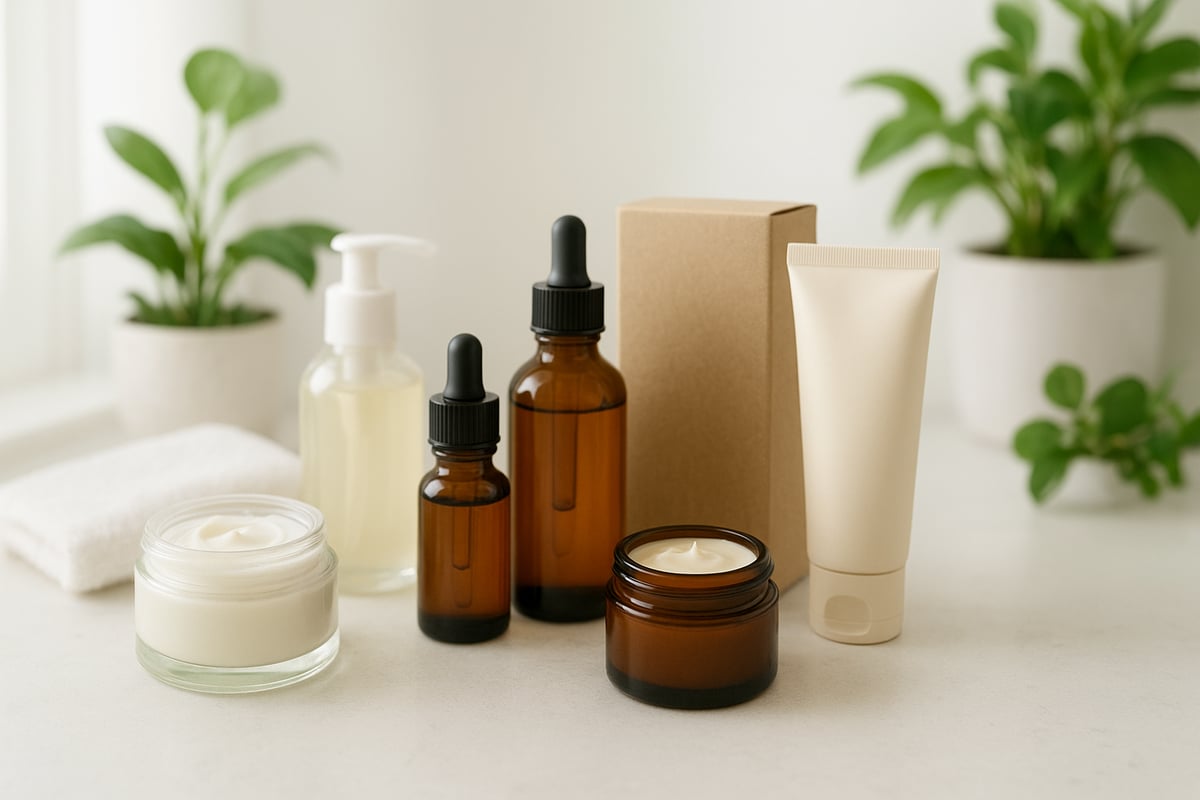
Start your routine with a gentle cleanse. With natural organic skincare products, cleansers come in balms, creams, and foams, all designed to remove dirt without stripping your skin’s barrier.
- Balms are perfect for dry or sensitive skin, melting away makeup and grime.
- Cream cleansers offer hydration while cleansing, making them a favourite for morning routines.
- Foaming cleansers suit oily or combination skin, providing a refreshing feel.
For example, a Deep Cleansing Balm with wild berries can deliver antioxidant benefits while keeping your skin nourished. If your skin feels tight after washing, switch to a cream-based option. Always massage gently and rinse with lukewarm water for best results.
Step 2: Toning
Toning helps balance your skin’s pH and preps it for the next steps. Natural tonics crafted with meadowsweet, witch hazel, or rose water are favourites in natural organic skincare products.
- Rose water soothes and calms redness.
- Witch hazel helps tighten pores and control oil.
- Meadowsweet provides a gentle balancing effect.
Try a Rebalancing Skin Tonic with meadowsweet for a refreshing boost. Apply using a cotton pad or press gently with your hands. This step leaves your skin feeling fresh, hydrated, and ready for serums.
Step 3: Treatment Serums and Oils
Serums and oils are the powerhouse of any routine. Natural organic skincare products offer targeted solutions with ingredients like vitamin C, plant-derived hyaluronic acid, and bakuchiol.
- Vitamin C serums brighten and even out your complexion.
- Hyaluronic acid locks in moisture for plump, supple skin.
- Bakuchiol, a gentle retinol alternative, supports ageing skin.
An Active Treatment Serum with hyaluronic acid can be layered before oils for maximum hydration. Use serums morning and night, adjusting frequency for your skin’s needs. Always pat gently to help absorption.
Step 4: Moisturising
Lock in all the goodness with a nourishing moisturiser. Natural organic skincare products use shea butter, blue tansy, and evening primrose oil to hydrate and repair your skin barrier.
- Shea butter gives long-lasting moisture.
- Blue tansy calms irritation and redness.
- Evening primrose oil supports elasticity.
A Protecting Day Cream with blue tansy oil is ideal for daytime use, while richer creams can be used at night. Choose your moisturiser based on your skin’s needs, and apply with upward strokes for a gentle massage.
Step 5: Eye and Lip Care
The skin around your eyes and lips is delicate and needs special attention. Natural organic skincare products designed for these areas often feature elderflower, shea, or coconut for intensive nourishment.
- Elderflower helps reduce puffiness and fine lines around the eyes.
- Shea and coconut oil deeply moisturise lips.
A Nourishing Eye Cream with elderflower soothes tired eyes, while a rich lip balm keeps your smile soft and hydrated. If you have sensitive skin, check out Sensitive skin skincare brands for gentle, fragrance-free options that prioritise comfort and safety.
Step 6: Masks and Exfoliators
Masks and exfoliators are your go-to for weekly treatments. Natural organic skincare products in this category include clay masks, honey-based masks, enzyme exfoliators, and gentle scrubs.
- Clay masks detoxify and reduce oil.
- Honey masks replenish moisture.
- Enzyme masks offer gentle exfoliation without harsh grains.
A Replenishing Mask with honey is perfect for a soothing, hydrating treat. Use masks or scrubs once or twice a week, and always listen to your skin—less is often more, especially if you’re sensitive.
Choosing the Best Natural Organic Skincare Products
Choosing the right natural organic skincare products can feel overwhelming, but it becomes much simpler when you know what to look for. Let’s break down each step to help you make confident, informed choices for your skin and lifestyle.
Understanding Your Skin Type and Concerns
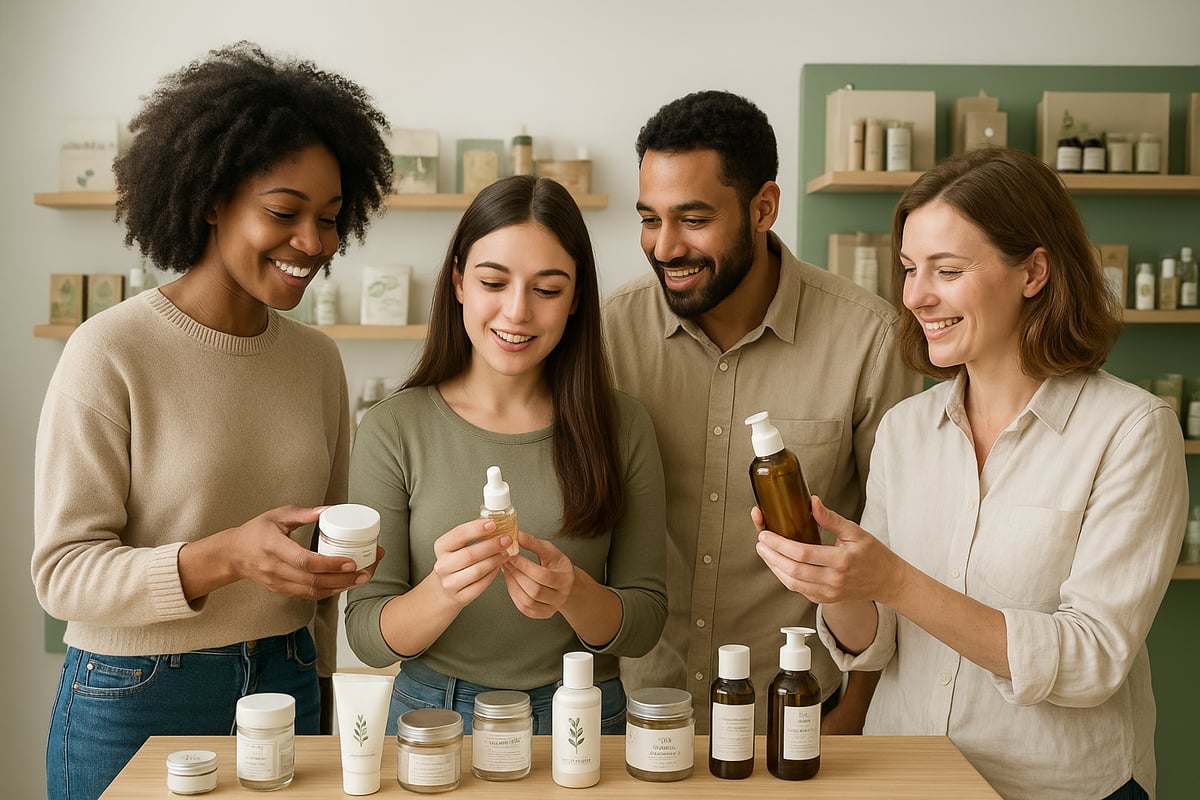
The first step in selecting natural organic skincare products is knowing your skin type. Is your skin oily, dry, sensitive, or a combination? Each type has unique needs. For example, dry skin benefits from rich, nourishing creams, while oily skin prefers lightweight, balancing formulas.
Think about your main skin concerns, such as ageing, dehydration, or blemishes. Many brands now offer online product filters to match concerns to specific products, making it easier than ever to find your perfect fit. Rhug Wild Beauty and Lucy Bee, for instance, help you narrow down choices based on your goals.
Always remember to patch test new products. Even gentle natural organic skincare products can cause reactions, especially if you have allergies or sensitivities.
Reading Labels and Certifications
Deciphering labels is crucial in the world of natural organic skincare products. Look for clear ingredient lists (INCI format) and recognised certifications like COSMOS, Soil Association, or the Vegan Society. These marks signal that the product meets strict standards for natural and organic content.
Beware of greenwashing. Not every product with "natural" on the label is truly natural or organic. Compare certified products with those that only use marketing terms. A quick table helps clarify:
| Mark/Logo | What It Means |
|---|---|
| COSMOS | Certified organic/natural standards |
| Soil Association | Strict organic certification |
| Vegan Society | No animal ingredients, cruelty-free |
For more on up-to-date requirements, see the Soil Association health and beauty standards. This helps you shop confidently and avoid misleading claims.
Top Product Categories and What to Look For
Natural organic skincare products come in many forms, from cleansers and toners to serums, moisturisers, and masks. When browsing, focus on key features like fragrance-free, alcohol-free, and non-comedogenic formulas, especially if you have sensitive skin.
Some standout categories include gentle cleansers, hydrating serums, rich moisturisers, and effective yet mild exfoliators. For example, Lucy Bee’s fragrance-free deodorant and face scrub are great choices for those seeking minimal irritation.
Choose products that suit your specific concerns, such as anti-ageing, hydration, or calming properties. Prioritising your needs makes building a routine much easier.
Shopping in 2026: Where and How to Buy
Shopping for natural organic skincare products is easier than ever in 2026. Online shops offer convenience, wide selections, and customer reviews, while in-store shopping lets you test textures and scents. Subscription services and bundles, like White Rabbit Skin Care’s routine quiz, help you personalise your experience.
Trial sizes are a smart way to test products before committing. Most UK consumers prefer online shopping for skincare, thanks to speedy delivery and easy returns. To make eco-friendly choices simple, check out Eco-friendly made easy for tips on sustainable shopping and packaging.
Reading reviews and comparing bundles helps you find great value and discover new favourites.
[White Rabbit Skin Care: Leading the Way in Natural Vegan Skincare]
White Rabbit Skin Care is at the forefront of natural organic skincare products, focusing on vegan, cruelty-free, and ethical formulations. Their range covers everything from cleansers and toners to moisturisers, body care, and thoughtful gift sets.
What sets them apart? Their tailored Skincare Routine Quiz guides you to the right products for your skin type. They also champion sustainability through eco-friendly packaging and responsible ingredient sourcing.
Customers enjoy perks like a 28-day money-back guarantee, subscription savings, and free shipping on orders over £50. If you want to explore their full collection, visit White Rabbit Skin Care.
Navigating Common Challenges and FAQs
Switching to natural organic skincare products can feel like stepping into a whole new world. We all want glowing, healthy skin, but the journey sometimes brings questions and a few bumps along the way. Let’s explore some common challenges together, so you feel confident and supported at every step.
Adapting to Natural Skincare: What to Expect
When you first start using natural organic skincare products, your skin may need time to adjust. This transition period is perfectly normal, and sometimes you might notice mild breakouts or “skin purging” as your pores clear out. Don’t worry—this is a sign your skin is getting used to the new routine.
Results with natural organic skincare products can be gradual, often taking a few weeks to show visible improvements. It’s important to set realistic expectations and be patient. If you’re switching from conventional products, give your skin at least four to six weeks to adapt. Remember, consistency is key for the best results.
Allergies and Sensitivities
Even though natural organic skincare products are known for their gentle formulas, they can still contain potential allergens like essential oils or nut extracts. It’s always wise to check ingredient lists carefully and perform a patch test before introducing anything new to your routine.
If you have sensitive skin, look for fragrance-free or hypoallergenic options to reduce the risk of irritation. Brands like Lucy Bee and White Rabbit Skin Care offer gentle alternatives for delicate skin. Should you experience redness, itching, or discomfort, stop using the product and consult a skin specialist if needed.
Sustainability and Ethical Shopping Tips
Shopping for natural organic skincare products is about more than just what’s in the jar—it’s also about how those ingredients are sourced and packaged. Choose brands that prioritise eco-friendly packaging, transparent supply chains, and ethical sourcing practices.
Supporting local or independent UK brands helps reduce your carbon footprint and encourages sustainable business models. As interest grows, the natural and organic personal care market trends show more shoppers prefer brands with visible sustainability commitments. Don’t forget to recycle or upcycle empty containers whenever possible.
Staying Updated: Resources for 2026
It’s easy to stay informed about the latest in natural organic skincare products with the right resources. Follow reputable skincare blogs, scientific journals, and certification bodies to keep up with new ingredients, trends, and safety updates.
Join online communities and connect with skinfluencers who share honest reviews and practical tips. Signing up for brand newsletters, like Lucy Bee’s, can also bring exclusive offers and the latest research straight to your inbox. Keeping informed helps you make the best choices for your skin and the planet.