


Good Face Products: Your Guide to Natural Skincare
Finding good face products that truly work for your skin can feel overwhelming with thousands of options lining the shelves. Whether you're building your first proper skincare routine or looking to upgrade what you've been using, understanding what makes face products effective is essential. The best products aren't necessarily the most expensive or the most popular-they're the ones formulated with quality ingredients that suit your individual skin type and concerns. This guide will help you navigate the world of skincare, focusing on natural and vegan options that deliver real results without compromising your values or your skin's health.
Understanding What Makes Face Products Effective
The foundation of good face products lies in their ingredients and formulation. According to skincare experts at Cleveland Clinic, products containing proven active ingredients like retinoids, niacinamide, and vitamin C consistently show measurable benefits for skin health. However, natural alternatives can be equally effective when formulated correctly.
Plant-based ingredients have been used for centuries in skincare, and modern science continues to validate their effectiveness. Look for products containing:
- Hyaluronic acid from plant sources for deep hydration
- Vitamin C from rosehip or sea buckthorn for brightening
- Plant oils like jojoba, rosehip, and avocado for nourishment
- Botanical extracts such as chamomile and calendula for soothing
- Natural AHAs from fruit enzymes for gentle exfoliation
The key difference between good face products and mediocre ones often comes down to concentration and bioavailability. A product might list impressive ingredients, but if they're present in tiny amounts or poorly formulated, you won't see results.
Reading Labels Like a Pro
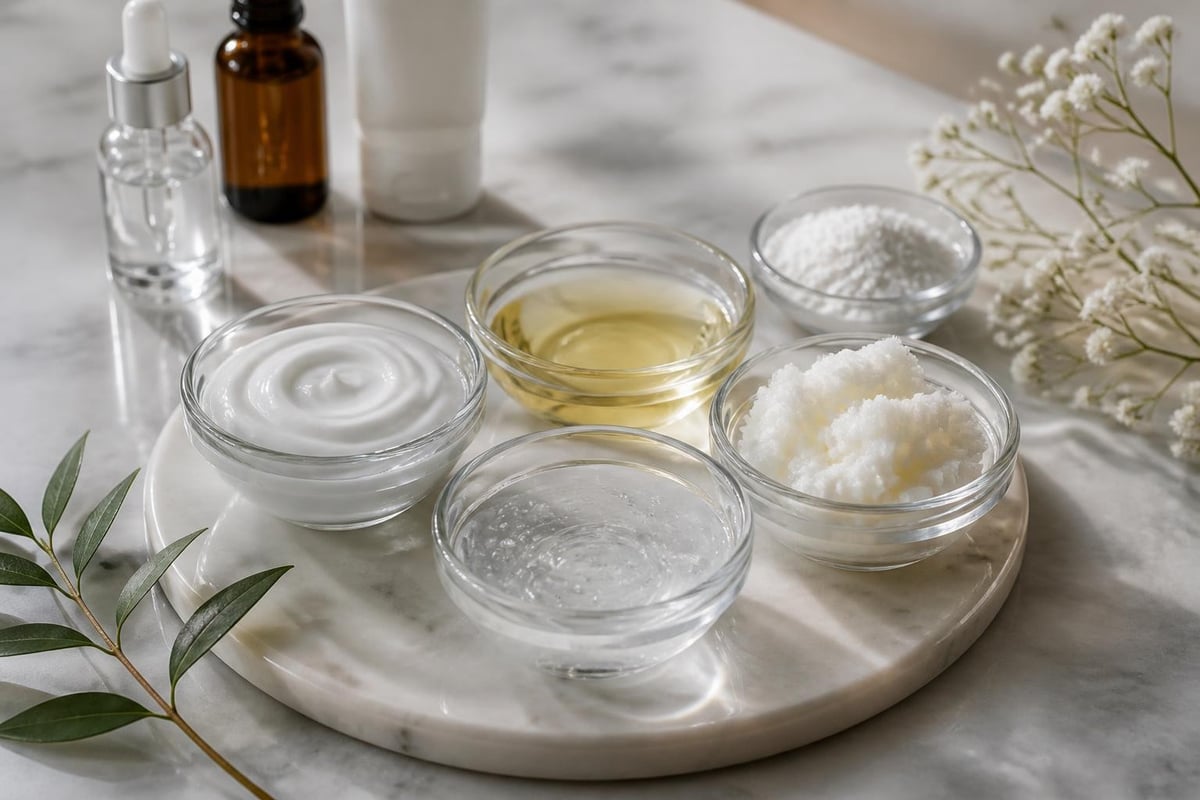
Understanding product labels transforms you from a passive consumer to an informed decision-maker. Ingredients are listed in descending order by concentration, so the first five to seven ingredients make up the bulk of the formula.
Red flags to watch for:
- Synthetic fragrances listed as "parfum" or "fragrance"
- Sulphates like SLS or SLES in cleansers
- Parabens as preservatives
- Silicones that can clog pores
- Artificial colours and dyes
When exploring plant-based skin care products, you'll notice cleaner ingredient lists with recognizable botanical names. This transparency allows you to make informed choices about what you're applying to your largest organ.
Building Your Core Skincare Routine
Good face products work best as part of a consistent routine rather than as standalone miracle workers. The basic framework includes cleansing, toning, treating, and moisturising-a sequence that prepares your skin to receive and retain beneficial ingredients.
Cleansers: The Foundation of Healthy Skin
Your cleanser sets the stage for everything that follows. WebMD recommends gentle cleansers over harsh formulas that strip your skin's natural protective barrier. For those with reactive skin, products designed for sensitive faces typically use mild surfactants derived from coconut or other plant sources.
Different cleansing formats suit different needs:
| Cleanser Type | Best For | Key Benefits |
|---|---|---|
| Cleansing balms | Dry skin, makeup removal | Deep cleansing without stripping |
| Gel cleansers | Oily, combination skin | Refreshing, thorough cleansing |
| Cream cleansers | Sensitive, dry skin | Gentle, hydrating formula |
| Micellar water | All skin types, travel | Quick, no-rinse convenience |
The right cleanser should leave your skin feeling clean but not tight or squeaky. That stripped feeling actually indicates you've removed too much of your skin's natural oils, which can lead to overproduction and breakouts.
Toners and Essences
Often misunderstood, toners serve multiple purposes in modern skincare routines. Gone are the days of harsh, alcohol-based astringents. Today's good face products in this category hydrate, balance pH, and prepare skin to absorb subsequent treatments.
Hydrating toners contain ingredients like glycerin and hyaluronic acid to add moisture. Exfoliating toners use gentle acids to remove dead skin cells. Balancing toners help regulate oil production and minimize pores.
For optimal results, apply toner to slightly damp skin immediately after cleansing. Pat it in with clean hands rather than using cotton pads, which can waste product and tug at delicate facial skin.
Targeted Treatments and Serums
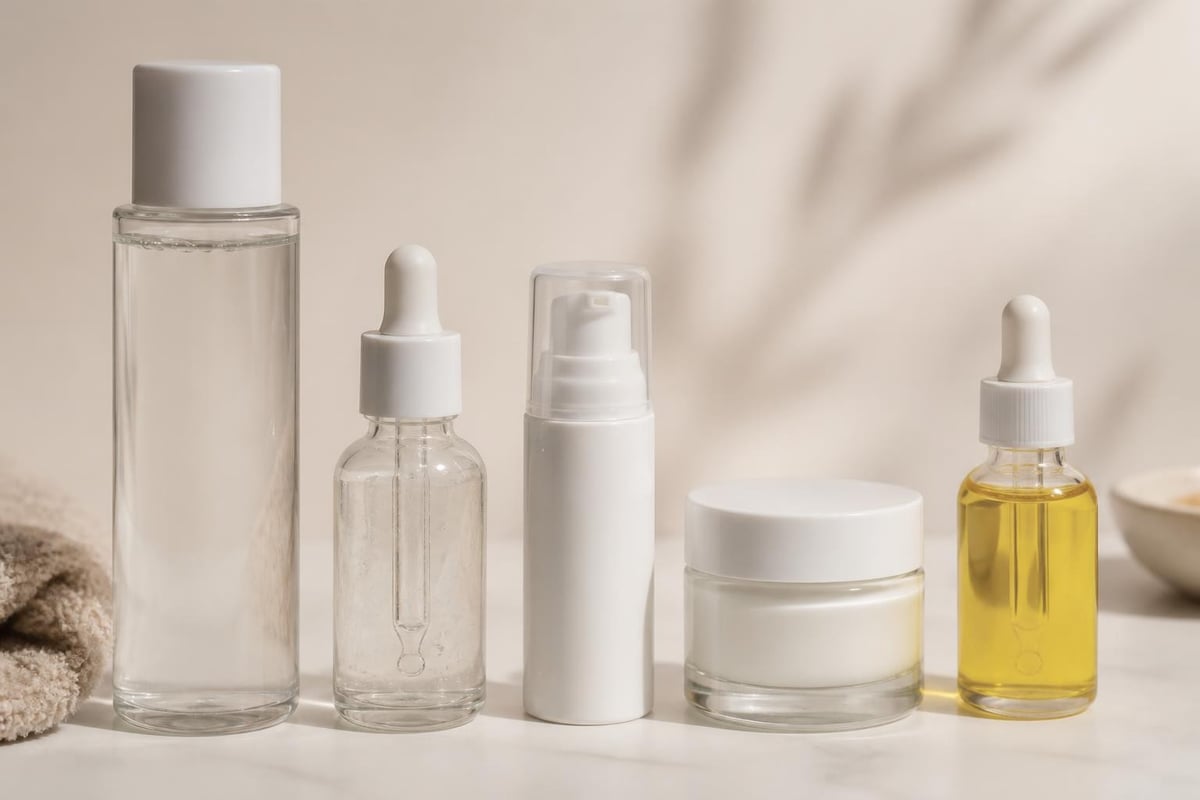
Serums represent the powerhouse category of good face products, delivering concentrated active ingredients to address specific concerns. These lightweight formulas penetrate deeply, making them ideal vehicles for transformative botanicals and vitamins.
Choosing the Right Serum
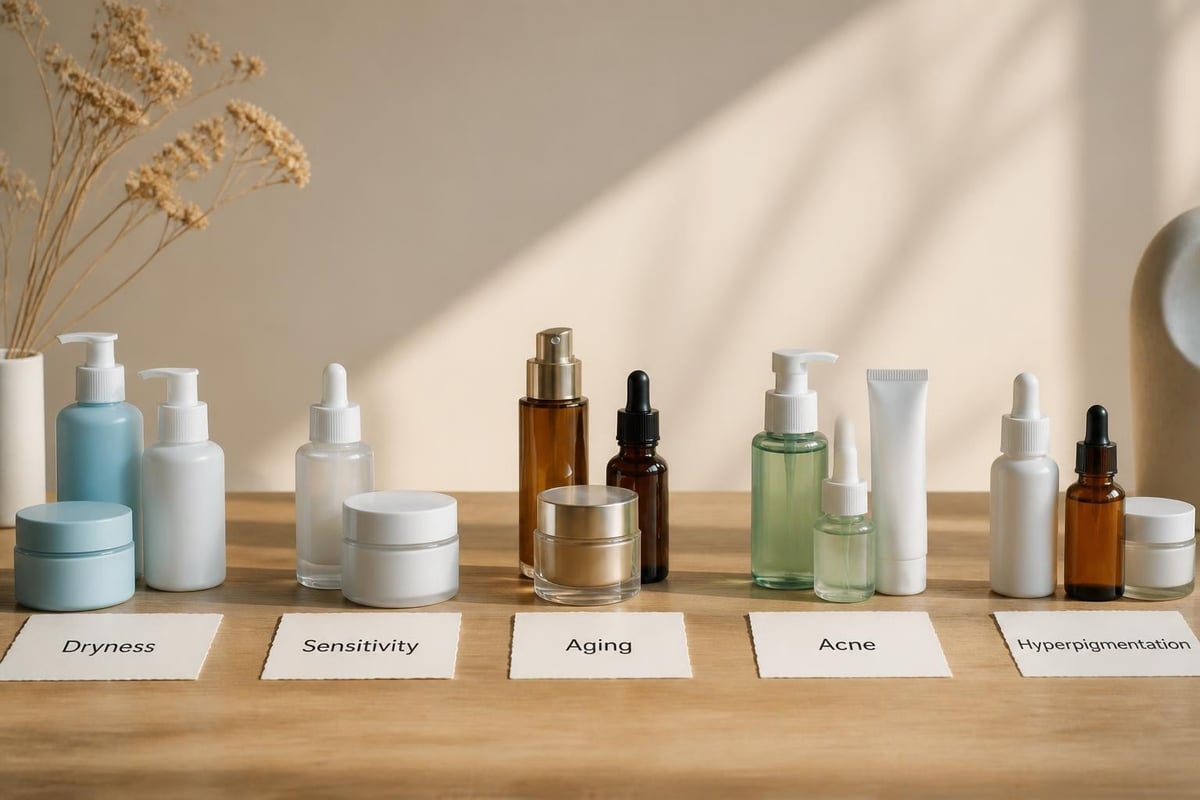
Your serum choice should align with your primary skin concern:
- Hyperpigmentation and dullness: Look for vitamin C, licorice root, or bearberry extract
- Fine lines and loss of firmness: Seek rosehip oil, bakuchiol (a natural retinol alternative), or peptides
- Dehydration: Choose hyaluronic acid, tremella mushroom, or aloe vera
- Redness and sensitivity: Opt for chamomile, calendula, or centella asiatica
- Acne and congestion: Consider tea tree, niacinamide, or willow bark extract
Many people benefit from using different serums morning and evening. A brightening vitamin C serum works beautifully in the morning under sunscreen, while a more intensive treatment serum can work overnight during your skin's natural repair cycle.
Eye Creams and Specialized Treatments
The delicate eye area deserves special attention with good face products formulated specifically for this sensitive zone. Eye creams typically have lighter textures and gentler formulations than face creams.
Common eye concerns include:
- Dark circles caused by pigmentation or blood vessel visibility
- Puffiness from fluid retention or inflammation
- Fine lines from expression and natural aging
- Dryness from having fewer oil glands in this area
Natural ingredients like cucumber extract, caffeine from green tea, and vitamin K can address these concerns without irritation. Apply eye cream using your ring finger-it naturally applies the least pressure-and gently pat from the outer corner inward.
Moisturisers: Sealing in the Benefits
No skincare routine is complete without a quality moisturiser. Even oily skin needs moisturisation-the key is finding the right formulation. Good face products in this category create a protective barrier while delivering nutrients and maintaining optimal hydration levels.
Matching Moisturiser to Skin Type
Dry skin thrives with rich creams containing shea butter, plant oils, and ceramides. Oily skin prefers lightweight gels or lotions with mattifying properties. Combination skin might need different products for different zones, or a balanced formula that hydrates without heaviness. Sensitive skin requires fragrance-free, minimal-ingredient formulas that won't trigger reactions.
The American Academy of Dermatology emphasizes that moisturiser is essential for all ages and skin types, particularly as we age and natural oil production decreases.
Those seeking good vegan moisturizer options will find plant-based formulas can be just as effective as conventional alternatives, using ingredients like squalane from olives, ceramides from rice, and fatty acids from various plant oils.
Day Cream Versus Night Cream
Your skin has different needs throughout the day. Day creams typically include:
- Lighter textures that sit well under makeup
- Antioxidants to protect against environmental damage
- Sometimes SPF (though separate sunscreen is recommended)
Night creams focus on:
- Richer formulations for intensive repair
- Active ingredients that work during skin's natural renewal cycle
- Ingredients that might be photosensitive and unsuitable for daytime use
This distinction allows you to address multiple concerns efficiently, using protective and preventative ingredients during the day while focusing on repair and renewal overnight.
Natural and Vegan Formulations
The shift toward natural and vegan skincare isn't just a trend-it reflects growing awareness about what we put on our skin and its environmental impact. Good face products can be both effective and ethical, using plant-derived ingredients that deliver results without animal testing or animal-derived components.
Benefits of Natural Ingredients
Natural ingredients often bring multiple benefits in a single component. For example:
| Ingredient | Primary Benefit | Secondary Benefits |
|---|---|---|
| Rosehip oil | Anti-aging | Hydration, brightening, scar reduction |
| Jojoba oil | Balancing | Antibacterial, anti-inflammatory |
| Aloe vera | Soothing | Hydrating, healing |
| Green tea | Antioxidant | Anti-inflammatory, anti-aging |
| Chamomile | Calming | Brightening, anti-redness |
For those committed to non-toxic skincare brands, the peace of mind that comes from knowing exactly what you're using is invaluable. Transparency in ingredient sourcing and formulation creates trust between brands and conscious consumers.
Sustainability and Ethics
Choosing vegan and cruelty-free products extends your personal values to your daily routine. Good face products in this category prove you don't have to compromise effectiveness for ethics. Many plant-based ingredients actually outperform their synthetic counterparts in terms of skin compatibility and long-term benefits.
Sustainable packaging, ethical sourcing, and transparent production methods all contribute to truly good face products. When companies prioritize these values, they're investing in both your skin's health and the planet's future.
Addressing Specific Skin Concerns
Everyone's skin tells a different story, with unique challenges requiring tailored solutions. Good face products address these individual needs with targeted formulations.
Sensitive and Reactive Skin
If your skin frequently feels irritated, tight, or develops redness, you need extra-gentle formulations. The best approaches for sensitive skin involve minimal ingredients and avoiding common irritants.
Key strategies include:
- Patch testing new products on your inner arm before facial application
- Introducing one new product at a time with at least two weeks between additions
- Choosing fragrance-free formulas even when they're naturally derived
- Looking for anti-inflammatory ingredients like oat extract, calendula, and bisabolol
- Avoiding physical exfoliants in favor of gentle enzymatic options
Dry and Dehydrated Skin
While often used interchangeably, dry and dehydrated skin are different conditions. Dry skin lacks oil, while dehydrated skin lacks water. Good face products can address both, sometimes simultaneously.
For dry skin, focus on rich, emollient products with plant oils and butters. For dehydration, layer hydrating products containing humectants like hyaluronic acid and glycerin. Many people experience both conditions, requiring a combination approach.
Aging Skin
The Cleveland Clinic's anti-aging skincare guidance emphasizes prevention through sun protection alongside treatment with proven ingredients. Natural alternatives to conventional anti-aging ingredients include bakuchiol instead of retinol, vitamin C from plant sources, and plant-based peptides.
Remember that aging is natural and beautiful-good face products simply help your skin stay healthy and radiant at every age. The goal isn't to fight aging but to age well, maintaining skin health and comfort throughout the decades.
Making Good Face Products Work Harder
Having quality products is only half the equation-using them correctly maximizes their effectiveness. Proper application amounts ensure you're not wasting product or overwhelming your skin.
Application Techniques
Cleansers: A 10p-sized amount typically suffices. Massage gently in circular motions for 60 seconds, focusing on areas where oil and debris accumulate. Rinse thoroughly with lukewarm water-hot water strips protective oils.
Toners: Apply to dampened skin using clean hands or a reusable cotton pad. Pat gently rather than wiping to avoid unnecessary friction.
Serums: Three to four drops usually cover the entire face. Warm between your palms and press into skin rather than rubbing.
Moisturisers: A pea-sized amount for the face, another for the neck. Apply in upward motions, working against gravity to support skin structure.
Eye cream: Use a rice grain-sized amount for both eyes. Any more creates waste and potential irritation or milia.
Building Consistency
Good face products deliver results through consistent use, not overnight miracles. Most ingredients require at least four to six weeks of regular application before you'll notice significant changes. This timeline aligns with your skin's natural renewal cycle.
Create a routine that fits your lifestyle:
- Morning: Cleanse, tone, serum, moisturise, sunscreen
- Evening: Cleanse (double cleanse if wearing makeup), tone, treatment serum, night cream
If a full routine feels overwhelming, start with the basics: gentle cleanser and good moisturiser. Add products gradually as the habit becomes established.
Seasonal Adjustments and Product Rotation
Your skin's needs shift with seasons, stress levels, hormones, and environmental factors. Good face products in your arsenal allow for flexibility and customization.
Adapting to Weather Changes
Winter often requires richer moisturisers, more intensive hydrating serums, and possibly adding facial oils to combat central heating and cold, dry air. Summer might call for lighter textures, more frequent exfoliation to prevent congestion from increased sweating, and boosted antioxidant protection.
Spring and autumn transitions can trigger sensitivity as your skin adjusts. During these periods, maintaining consistency while being responsive to changes helps prevent issues.
Knowing When to Switch Products
Unlike makeup, skincare products don't have to be replaced constantly. However, several situations warrant changes:
- Your skin stops responding positively to a product that previously worked
- Life changes affect your skin (new medication, stress, diet changes, pregnancy)
- The product formula changes or expires
- You develop sensitivity to an ingredient you previously tolerated
- Your skin type shifts due to aging or environmental factors
Quality products from reliable sources like those exploring inexpensive skin care prove that effective doesn't have to mean expensive. Building a versatile collection allows you to respond to your skin's changing needs without starting from scratch.
Integrating Professional Advice
While good face products form the foundation of healthy skin, professional guidance can optimize your routine. Dermatologists and skincare specialists provide valuable insights, especially when dealing with persistent concerns.
Healthline's dermatologist-recommended products offer evidence-based starting points, though remember that individual results vary. What works for someone else might not suit your unique skin chemistry and concerns.
Consider professional consultation when:
- Over-the-counter products aren't addressing your concerns
- You experience persistent redness, breakouts, or irritation
- You're unsure which ingredients suit your skin type
- You want to address specific concerns like acne, rosacea, or hyperpigmentation
Professional treatments can complement your home routine, but the daily care you provide with good face products remains the most important factor in long-term skin health.
Creating a Sustainable Skincare Investment
Building a collection of good face products represents an investment in yourself. Approaching it strategically ensures you're spending wisely on products that deliver value.
Quality Over Quantity
Rather than accumulating dozens of products, focus on a core routine of high-quality essentials:
- One excellent cleanser suited to your skin type
- A hydrating toner or essence
- One or two targeted serums
- Appropriate moisturiser for day and night
- SPF for daytime protection (essential but beyond our scope here)
This foundation can be supplemented with occasional treatments like masks or exfoliants, but the daily basics matter most.
Sampling and Testing
Before committing to full-size products, try samples when available. Many brands offer discovery sets or travel sizes that let you test formulas and assess how your skin responds. This approach prevents wasted money on products that don't suit you and reduces unnecessary packaging waste.
Long-term Thinking
Good face products should improve your skin's fundamental health, reducing the need for corrective measures later. Prevention through consistent, appropriate care costs far less than treating damage after it occurs. View your skincare routine as preventative healthcare rather than cosmetic indulgence.
Finding and using good face products transforms not just your complexion but your confidence and daily self-care ritual. By focusing on quality ingredients, understanding your skin's needs, and maintaining consistency, you'll achieve the healthy, radiant skin you deserve. At White Rabbit Skin Care, we're passionate about providing natural, vegan skincare that delivers real results whilst aligning with your values-discover our thoughtfully formulated range designed for all skin types and experience the difference that truly good face products can make.