

Cruelty Free Skin Care: Your Complete 2026 Guide
Making conscious choices about the products we put on our skin has never been more important. As we move through 2026, the beauty industry continues to evolve, with more consumers demanding transparency about how their favourite skincare items are developed and tested. The rise of cruelty free skin care represents a significant shift in consumer values, reflecting our growing awareness that effective, luxurious beauty routines don't require animal suffering. Whether you're new to ethical beauty or looking to deepen your understanding, this guide will help you navigate the world of compassionate skincare with confidence.
Understanding What Cruelty Free Really Means
When we talk about cruelty free skin care, we're referring to products that haven't been tested on animals at any stage of development. This includes both the finished product and the individual ingredients that make up your favourite serum or moisturiser.
The definition sounds straightforward, but the reality can be surprisingly complex. Some brands may claim to be cruelty free because they don't test on animals, yet they purchase ingredients from suppliers who do. Others might avoid testing in the UK but sell in markets where animal testing is legally required.
The Legal Landscape in 2026
The regulatory framework surrounding animal testing has evolved considerably. The European Union's ban on animal testing for cosmetics has been in place since 2013, prohibiting both testing and the sale of newly animal-tested products. This groundbreaking legislation set a global precedent.
Key regulatory milestones include:
- Complete EU ban on animal testing for cosmetics ingredients (2009)
- EU ban on marketing animal-tested cosmetics (2013)
- UK maintains equivalent standards post-Brexit
- Growing number of countries adopting similar legislation
However, enforcement and interpretation vary across different markets, which is why third-party certification has become so valuable for consumers seeking genuinely ethical products.

Recognising Trusted Certifications
Not all cruelty free claims are created equal. Third-party certifications provide independent verification that a brand meets rigorous ethical standards throughout their entire supply chain.
The Leaping Bunny Standard
The Leaping Bunny programme represents the gold standard in cruelty free certification. Administered by Cruelty Free International, this programme requires brands to:
- Commit to a fixed cut-off date for animal testing
- Implement a supplier monitoring system
- Allow independent audits
- Renew their commitment annually
This thorough approach ensures that every ingredient in your skincare routine meets ethical standards, not just the final formulation.
Comparing Certification Schemes
| Certification | Requirements | Audit Process | Vegan Option |
|---|---|---|---|
| Leaping Bunny | No animal testing, fixed cut-off date, supplier monitoring | Independent audits | Separate vegan certification available |
| PETA Cruelty Free | No animal testing by brand or suppliers | Self-declaration with verification | Beauty Without Bunnies programme |
| Choose Cruelty Free | Australia-based, comprehensive standards | Application review and ongoing monitoring | Vegan certification available |
The Ethical Consumer guide to certifications offers detailed comparisons to help you understand which logos to trust. When shopping for non-toxic skincare brands, looking for these certifications provides peace of mind.
The Science Behind Cruelty Free Testing
One common misconception is that cruelty free skin care compromises on safety. In reality, modern testing alternatives often provide more accurate and relevant results than traditional animal tests.
Alternative testing methods have advanced dramatically in recent years. These sophisticated approaches better predict human responses because they're based on human biology rather than extrapolating from different species.
Innovative Testing Technologies
In vitro testing uses human cells and tissues to assess skin irritation, sensitisation, and other safety parameters. These methods are faster, less expensive, and more relevant to human skin than animal tests.
Computer modelling employs artificial intelligence and vast databases of existing safety data to predict how ingredients will behave. These programmes can identify potential issues without any testing on living beings.
The recent Nature Communications review on organ-on-chip technologies highlights how these microscopic devices mimic human organs, providing unprecedented insights into how ingredients interact with human tissue.
Regulatory Acceptance of Alternatives
The Joint Research Centre's 2025 status report documents the growing regulatory acceptance of non-animal testing methods. Scientific bodies worldwide increasingly recognise that these alternatives provide reliable safety data.
- 3D skin models replicate human skin structure
- Reconstructed human epidermis tests for irritation
- Validated methods meet international safety standards
- Databases compile decades of ingredient safety information
This scientific progress means choosing cruelty free skin care doesn't mean sacrificing safety or efficacy. If anything, you're benefiting from more advanced, human-relevant testing.
Building Your Cruelty Free Skincare Routine
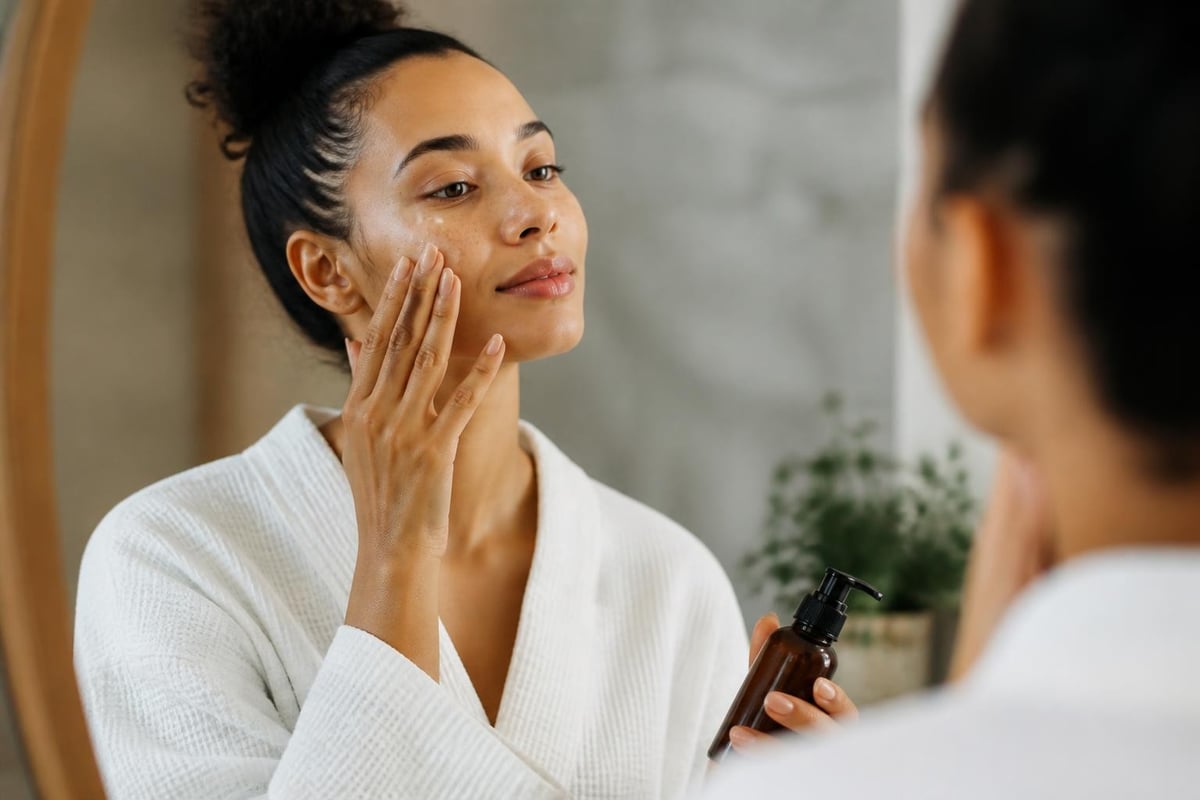
Transitioning to a completely ethical skincare routine is easier than you might think. The key is taking it step by step rather than feeling overwhelmed by replacing everything at once.
Starting With the Essentials
Begin by focusing on your core products: cleanser, moisturiser, and any treatments you use daily. These form the foundation of your routine and offer the most significant impact.
Morning routine essentials:
- Gentle cleanser to remove overnight oils
- Toner to balance skin pH
- Serum for targeted concerns
- Moisturiser to hydrate and protect
- SPF to prevent sun damage
For those with sensitive skin, finding skincare brands for sensitive skin that also meet cruelty free standards ensures you're caring for both your skin and your values.
Adapting to Different Skin Types
Cruelty free skin care works beautifully for every skin type. Natural, plant-based ingredients often suit sensitive complexions particularly well, whilst potent botanical actives address specific concerns effectively.
| Skin Type | Key Ingredients | Product Focus |
|---|---|---|
| Dry | Hyaluronic acid, plant oils, shea butter | Rich creams, nourishing serums |
| Oily | Witch hazel, clay, tea tree | Balancing toners, light moisturisers |
| Combination | Rose water, jojoba oil | Adaptable formulations, targeted treatments |
| Sensitive | Aloe vera, chamomile, calendula | Gentle, fragrance-free options |
The sensitive skin bundle demonstrates how thoughtfully formulated cruelty free products can address delicate skin needs without harsh chemicals or animal-derived ingredients.
The Vegan and Cruelty Free Connection
Many people assume vegan and cruelty free are interchangeable terms, but they address different aspects of ethical beauty. Understanding this distinction helps you make informed choices aligned with your values.
Cruelty free means no animal testing. Vegan means no animal-derived ingredients. A product can be one without being the other, though increasingly brands are embracing both standards.
Common Animal-Derived Ingredients
Even products not tested on animals might contain ingredients sourced from animals. Being aware of these helps you choose products that align fully with compassionate values.
Ingredients to watch for:
- Beeswax (from honeybees)
- Lanolin (from sheep's wool)
- Carmine (from crushed beetles)
- Collagen (often from fish or cows)
- Glycerin (can be plant or animal-derived)
Brands like White Rabbit Skin Care commit to both vegan formulations and cruelty free practices, ensuring every aspect of their products reflects ethical values. Their natural skin brands philosophy demonstrates that luxury and ethics go hand in hand.
Benefits of Choosing Vegan Skincare
Plant-based formulations offer unique advantages beyond ethics. Botanical ingredients are rich in antioxidants, vitamins, and minerals that nourish skin naturally.
Natural plant oils like rosehip, jojoba, and camellia absorb beautifully without clogging pores. These ingredients have been used for centuries across different cultures, standing the test of time. The rosehip and camellia day cream showcases how effective plant-based moisturising can be.
Making the Switch: Practical Tips
Transitioning to cruelty free skin care doesn't have to happen overnight. A gradual, thoughtful approach ensures you find products that work brilliantly for your skin whilst honouring your values.
Reading Labels Like a Pro
Understanding ingredient lists and certifications empowers you to spot genuine cruelty free products quickly. Look beyond marketing claims to find substantive information.
Check for certification logos prominently displayed on packaging. Visit brand websites to read their animal testing policies. Contact customer service if information isn't readily available-transparent brands welcome these questions.
Budget-Friendly Cruelty Free Options
Ethical skincare exists at every price point. You don't need to spend a fortune to align your routine with your values. Many inexpensive skin care brands offer excellent cruelty free options.
Money-saving strategies:
- Start with multi-purpose products
- Buy travel sizes to test formulations
- Look for bundle deals and gift sets
- Choose concentrated products that last longer
- Support UK brands to reduce shipping costs
The cleansing gift box offers an economical way to try multiple products whilst ensuring everything meets cruelty free standards.
Supporting Truly Ethical Brands
Your purchasing power makes a statement about the kind of beauty industry you want to see. Supporting genuinely ethical brands encourages more companies to adopt compassionate practices.

What to Look for in Ethical Companies
Beyond cruelty free certification, consider a brand's overall approach to sustainability and ethics. Companies genuinely committed to compassion often embrace multiple ethical practices.
Look for brands that:
- Use sustainable, recyclable packaging
- Source ingredients responsibly
- Maintain transparent supply chains
- Support environmental causes
- Pay fair wages throughout their operations
The best UK skincare brands often lead the way in ethical practices, benefiting from strong UK consumer demand for transparency and compassion.
The Impact of Your Choices
Every purchase sends a message to the beauty industry. When you choose cruelty free skin care, you're voting for a more compassionate approach to beauty and wellness.
The collective impact of conscious consumers has already transformed the industry. Major retailers now stock extensive cruelty free ranges. Previously resistant brands have changed their testing policies. Countries have enacted protective legislation.
Your individual choices contribute to this broader movement. Whether you're selecting a simple cleansing balm or building a complete routine, each ethical purchase matters.
Addressing Common Concerns and Myths
Despite growing awareness, misconceptions about cruelty free skin care persist. Let's address some common questions and concerns with factual information.
"Cruelty Free Products Don't Work as Well"
This myth has been thoroughly debunked by both science and consumer experience. Modern cruelty free formulations leverage cutting-edge botanical research and innovative ingredient technologies.
Plant-based actives like bakuchiol (a retinol alternative), vitamin C from kakadu plum, and hydrating hyaluronic acid deliver impressive results. The anti-ageing rose frankincense day cream demonstrates how effective age-defying ingredients can be without animal testing.
"All Natural Products Are Automatically Cruelty Free"
Natural doesn't automatically mean cruelty free. Some natural ingredients may have been tested on animals historically, and "natural" brands can still conduct animal testing if they choose.
Always look for explicit cruelty free certification rather than assuming natural products meet ethical standards. The combination of natural formulations and verified cruelty free status offers the best of both worlds.
"My Current Products Are Too Good to Replace"
We understand attachment to products that work well for your skin. However, you'll likely find cruelty free alternatives that perform just as well, if not better.
Many people discover their skin actually improves when switching to gentler, plant-based formulations. The dry skin bundle offers comprehensive care for parched skin using only ethical, vegan ingredients.
The Future of Cruelty Free Beauty
The trajectory of the beauty industry points clearly toward a cruelty free future. Consumer demand, regulatory changes, and scientific advancement all support this positive shift.
Emerging Trends in Ethical Skincare
Innovation in cruelty free skin care continues to accelerate. Biotech ingredients grown in laboratories offer exciting possibilities for effective, sustainable, ethical formulations.
Developments to watch:
- Lab-grown ingredients identical to rare natural compounds
- AI-powered formulation optimisation
- Waterless products reducing environmental impact
- Refillable packaging becoming standard
- Blockchain technology verifying supply chain ethics
These advances promise even more effective, accessible cruelty free options in coming years.
Growing Global Movement
More countries are implementing bans on animal testing for cosmetics. As of 2026, over forty countries have enacted some form of restriction, protecting countless animals whilst proving that safety and ethics can coexist.
This global momentum reflects changing attitudes about our relationship with animals and the environment. The beauty industry is responding, with major corporations investing in alternative testing methods and reformulating existing products to meet cruelty free standards.
Choosing cruelty free skin care represents a meaningful way to align your daily routine with your values whilst enjoying effective, luxurious products. The combination of rigorous certifications, innovative testing alternatives, and growing consumer awareness has made ethical beauty more accessible than ever. If you're ready to experience the difference that truly ethical skincare makes, explore the complete range at White Rabbit Skin Care, where every product reflects a commitment to your skin's health and animal welfare. From gentle cleansers to rich moisturisers, their vegan formulations prove that compassion and effectiveness go beautifully together.