

Cruelty Free Moisturiser: Your Complete Guide for 2026
Finding the perfect moisturiser for your skin is challenging enough without having to worry about whether animals were harmed in its creation. Thankfully, the beauty industry has made tremendous strides toward ethical practices, and choosing a cruelty free moisturiser no longer means compromising on quality or effectiveness. Whether you're new to ethical skincare or looking to expand your knowledge, understanding what makes a moisturiser truly cruelty-free will help you make informed decisions that align with your values. Let's explore everything you need to know about these compassionate skincare choices that benefit both your skin and our furry friends.
Understanding What Cruelty-Free Really Means
When you see "cruelty-free" on a moisturiser label, it should indicate that no animal testing occurred during product development. However, the term cruelty-free isn't as straightforward as it seems, and there's no universal legal definition across all countries.
A genuinely cruelty free moisturiser hasn't been tested on animals at any stage of production. This includes the final product and individual ingredients. Some brands claim cruelty-free status yet use suppliers who test on animals, creating a grey area that conscious consumers need to navigate carefully.
Third-Party Certifications You Can Trust
Several organizations verify cruelty-free claims through rigorous auditing processes:
- Leaping Bunny: The gold standard certification requiring companies to open their supply chains to independent audits
- PETA's Beauty Without Bunnies: A comprehensive database of cruelty-free brands with strict verification protocols
- Choose Cruelty-Free (CCF): An Australian organization with international recognition
- Cruelty Free International: The organization behind the Leaping Bunny programme
These certifications provide peace of mind that your moisturiser genuinely meets ethical standards. Cruelty-Free Kitty maintains an updated database of verified brands, making it easier to research products before purchasing.
Different Types of Cruelty Free Moisturiser for Every Skin Type
Your skin type determines which cruelty free moisturiser will work best for you. Ethical brands now offer comprehensive ranges that rival conventional options.
For Dry and Sensitive Skin
Dry skin needs rich, nourishing formulations that lock in moisture throughout the day. Look for cruelty-free options containing:
- Hyaluronic acid for deep hydration
- Natural oils like jojoba, argan, or rosehip
- Shea butter and cocoa butter for intensive nourishment
- Ceramides to strengthen the skin barrier
Sensitive skin requires extra care, and many sensitive skin skincare brands focus on minimal, gentle ingredients. Avoid fragrances, essential oils, and harsh preservatives if your skin reacts easily.
For Oily and Combination Skin
Contrary to popular belief, oily skin still needs moisturiser. A lightweight cruelty free moisturiser prevents your skin from overproducing oil to compensate for dryness.
| Skin Concern | Key Ingredients | Texture to Choose |
|---|---|---|
| Excess shine | Niacinamide, witch hazel | Gel or water-based |
| Large pores | Salicylic acid, tea tree oil | Lightweight lotion |
| Breakouts | Zinc oxide, green tea extract | Oil-free formula |
| Dehydration | Glycerin, aloe vera | Hydrating serum-cream |
Combination skin benefits from moisturisers that balance different zones without overwhelming the T-zone or neglecting drier areas.
For Normal and Mature Skin
Normal skin has the luxury of choice, but mature skin requires targeted ingredients that address signs of ageing whilst remaining ethical. Cruelty-free anti-ageing moisturisers now feature sophisticated formulations with peptides, retinol alternatives, and antioxidants.
Mature skin thrives with products containing vitamin C, CoQ10, and plant-based collagen boosters. These ingredients work together to improve elasticity and reduce fine lines without compromising your ethical standards.
Key Ingredients in Quality Cruelty Free Moisturiser
Natural and synthetic ingredients can both feature in cruelty-free formulations. What matters is that none were tested on animals and all align with ethical sourcing practices.
Plant-Based Powerhouses
These botanical ingredients deliver exceptional results:
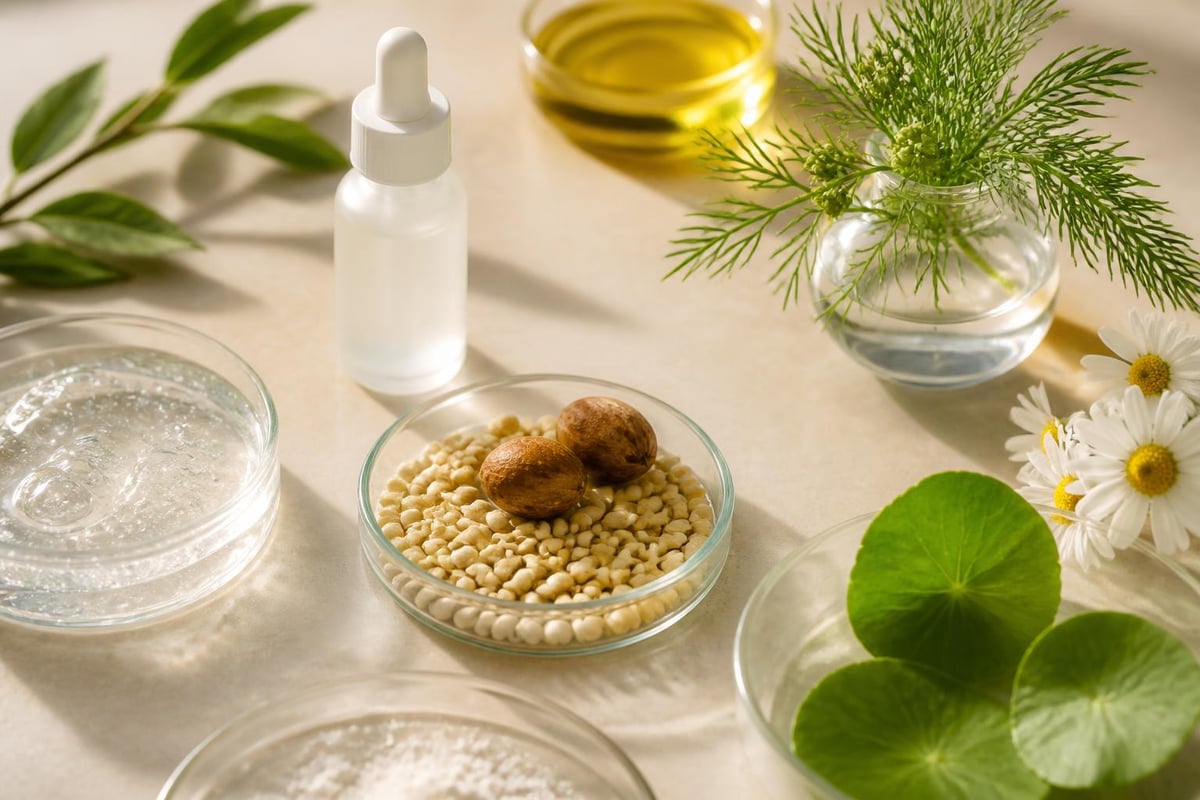
- Squalane (olive-derived): Mimics your skin's natural oils for effortless absorption
- Rosehip seed oil: Packed with vitamins A and C for brightening and regeneration
- Aloe vera: Soothes inflammation whilst providing lightweight hydration
- Green tea extract: Powerful antioxidant protection against environmental damage
- Chamomile: Calms redness and irritation naturally
Many vegan cruelty-free skincare products combine multiple plant extracts to create synergistic effects that enhance overall skin health.
Scientifically Proven Actives
Cruelty-free doesn't mean sacrificing science-backed ingredients. Modern ethical moisturisers include:
- Hyaluronic acid: Holds up to 1000 times its weight in water
- Niacinamide: Strengthens the skin barrier and reduces inflammation
- Peptides: Signal skin cells to produce more collagen
- Bakuchiol: A natural retinol alternative without irritation
How to Identify Genuine Cruelty Free Moisturiser
The beauty industry has its share of misleading marketing, and some brands engage in "cruelty-free washing" where they claim ethical status without substance. Becoming an informed consumer helps you avoid these pitfalls.
Red Flags to Watch For
Be cautious when you encounter these situations:
- Vague language like "we don't test on animals" without certification
- Parent companies that test on animals
- Brands selling in mainland China, where animal testing is often required by law
- Missing information about supplier testing policies
- No third-party verification despite cruelty-free claims
Credo Beauty maintains strict standards for the brands they stock, providing another layer of verification when shopping for ethical products.
Questions to Ask Before Purchasing
When researching a new cruelty free moisturiser, consider these questions:
- Does the brand hold recognized certifications?
- Are they transparent about their ingredient sourcing?
- Do they sell in markets requiring animal testing?
- What's their parent company's stance on animal testing?
- Can they provide documentation of their cruelty-free status?
Brands genuinely committed to ethical practices welcome these questions and provide clear, detailed answers.
The Difference Between Cruelty-Free and Vegan
These terms often appear together but mean different things. A cruelty free moisturiser hasn't been tested on animals, whilst a vegan moisturiser contains no animal-derived ingredients.
Common Animal-Derived Ingredients
Even cruelty-free products might contain:
| Ingredient | Animal Source | Vegan Alternative |
|---|---|---|
| Beeswax | Honeybees | Candelilla wax, carnauba wax |
| Lanolin | Sheep's wool | Plant oils, squalane |
| Collagen | Animal connective tissue | Plant peptides, algae extract |
| Carmine | Crushed beetles | Beetroot powder, synthetic alternatives |
| Snail mucin | Garden snails | Hyaluronic acid, plant mucilage |
Many consumers prefer products that are both vegan and cruelty-free. Vegan face cream options have expanded dramatically, offering effective formulations without any animal involvement.
Budget-Friendly Cruelty Free Moisturiser Options
Ethical skincare doesn't require enormous investment. Plenty of inexpensive skin care brands maintain cruelty-free standards whilst keeping prices accessible.
Making Your Moisturiser Last Longer
Maximize value from your cruelty free moisturiser with these tips:
- Use only a pea-sized amount for your entire face
- Apply to damp skin for better absorption
- Store products away from direct sunlight and heat
- Use clean hands or a spatula to prevent contamination
- Layer thinner products under richer ones for efficiency
Quality cruelty-free brands focus on concentrated formulations where a little goes a long way. This approach benefits both your budget and the environment through reduced packaging.
Understanding Global Regulations Around Animal Testing
Laws governing cosmetic animal testing vary significantly worldwide, affecting which brands can truthfully claim cruelty-free status.
Current Legal Landscape in 2026
The European Union banned animal testing for cosmetics in 2013, setting a precedent other regions have followed. The UK maintained this ban post-Brexit, and several countries including Norway, Switzerland, and India have implemented similar legislation.
However, mainland China historically required animal testing for imported cosmetics, creating challenges for international brands. Recent policy changes have opened pathways for certain products to enter the Chinese market without animal testing, though the situation remains complex.
Brands committed to being entirely cruelty-free often choose to forgo markets requiring animal testing, even if it impacts their growth potential. This dedication deserves recognition and support from conscious consumers.
Transitioning to a Completely Cruelty-Free Routine
Switching to ethical skincare doesn't happen overnight. Start with products you use daily, like your moisturiser, then gradually replace other items as they run out.
Building Your Ethical Skincare Collection
Follow this practical approach:
- Research thoroughly: Use databases like Provenance to find verified cruelty-free options
- Finish existing products: Waste contradicts ethical values, so use up what you have
- Start with essentials: Moisturiser, cleanser, and sunscreen form your foundation
- Read labels carefully: Understand ingredient lists and certification symbols
- Support transparent brands: Choose companies open about their practices
Many non-toxic skincare brands combine cruelty-free status with clean ingredient lists, offering comprehensive ethical choices.
Premium Versus Affordable: Does Price Reflect Quality?
The relationship between cost and quality in cruelty free moisturiser isn't always linear. Some expensive brands charge for packaging and marketing rather than superior formulations.
What You're Actually Paying For
Higher prices might reflect:
- Organic or wildcrafted ingredient sourcing
- Sustainable packaging innovations
- Fair trade certification and ethical labour practices
- Small-batch production methods
- Advanced preservation systems without harsh chemicals
- Clinical testing and research investment
Conversely, some affordable brands maintain low prices through efficient operations and minimal marketing spend whilst still delivering excellent products. The key is researching individual brands rather than assuming price indicates quality.
Supporting Truly Ethical Brands
Your purchasing decisions shape the beauty industry's future. Every time you choose a cruelty free moisturiser, you're voting for ethical practices with your wallet.
Beyond Cruelty-Free: Additional Ethical Considerations
Many conscious consumers look for brands that also prioritize:
- Sustainable packaging and carbon-neutral operations
- Fair wages and safe working conditions throughout the supply chain
- Support for conservation and animal welfare organizations
- Transparency about ingredient sourcing and manufacturing
- Community involvement and charitable giving
Brands like those featured in directories of vegan skin care brands often embrace multiple ethical values, creating positive impact across various areas.
Seasonal Adjustments for Your Cruelty Free Moisturiser
Your skin's needs change throughout the year, requiring different approaches to moisturization whilst maintaining ethical standards.
Winter Care
Cold weather and indoor heating strip moisture from skin. During winter months, switch to richer formulations with:
- Heavier oils like avocado or sweet almond
- Occlusive ingredients like plant waxes
- Extra humectants to combat dry indoor air
- Barrier-strengthening ceramides
Layer your cruelty free moisturiser over hydrating serums for maximum protection against harsh conditions.
Summer Strategies
Warmer weather calls for lighter textures that won't feel heavy or cause breakouts:
- Gel-based formulations with aloe and cucumber
- Mattifying ingredients for shine control
- Non-comedogenic oils like grapeseed
- SPF protection (ensure your sunscreen is also cruelty-free)
Your summer moisturiser should feel refreshing and absorb quickly, especially if you're reapplying sunscreen throughout the day.
Common Myths About Cruelty Free Moisturiser
Misconceptions persist around ethical skincare, potentially deterring people from making compassionate choices.
Myth-Busting for Informed Decisions
Myth: Cruelty-free products are less effective than conventional ones.
Reality: Effectiveness depends on formulation quality, not testing methods. Many cruelty-free brands use cutting-edge research and technology.
Myth: Ethical moisturisers are always expensive.
Reality: Numerous affordable options exist across various price points, proving ethics needn't break the bank.
Myth: If a product isn't tested on animals, it's not safety-tested.
Reality: Brands use alternative testing methods including in vitro testing, computer modelling, and human volunteer studies.
Myth: All natural or organic products are automatically cruelty-free.
Reality: Natural doesn't equal cruelty-free. Always check for specific certifications.
The Environmental Impact of Your Skincare Choices
Choosing a cruelty free moisturiser often aligns with broader environmental consciousness. Many ethical brands extend their values to sustainable practices.
Packaging Considerations
Environmental impact extends beyond the product itself:
- Glass containers: Infinitely recyclable but heavier to transport
- Aluminium tubes: Lightweight, recyclable, and protective
- Post-consumer recycled plastics: Better than virgin plastic but still plastic
- Refill programmes: Reduce packaging waste significantly
- Biodegradable materials: Innovative but ensure they decompose properly
Research shows consumers increasingly value brands demonstrating comprehensive sustainability, from ingredient sourcing through to packaging disposal.
Making the Switch: Practical Steps Forward
Ready to embrace cruelty-free skincare fully? Here's your action plan for finding the perfect cruelty free moisturiser and building an ethical routine.
Start by assessing your current products and identifying which ones need replacing first. Your moisturiser is an excellent starting point since you use it daily and it significantly impacts your skin's health.
Your Cruelty-Free Shopping Checklist
Before making a purchase, verify:
- Recognized certification logos on packaging
- Brand's official cruelty-free policy statement
- Parent company ethics if applicable
- Customer reviews focusing on performance
- Ingredient compatibility with your skin type
- Return policies for trying new products
Taking time to research prevents disappointment and ensures your money supports genuinely ethical companies. Resources like all natural skin products guides can help identify brands worth exploring.
Embracing cruelty-free skincare represents a meaningful step toward more ethical consumption, and finding the right moisturiser for your skin type has never been easier with today's expanded options. Whether you're seeking intensive hydration, anti-ageing benefits, or lightweight daily protection, compassionate choices abound. White Rabbit Skin Care offers a carefully curated range of cruelty-free, vegan moisturisers crafted with natural ingredients and tailored for different skin types, making it simple to align your skincare routine with your values. Explore their collection today and discover how ethical beauty can transform both your skin and your impact on the world.