

Cruelty Free Face Products: Your Complete Guide
Choosing skincare products that align with your values has never been more important. As awareness grows about animal testing practices in the beauty industry, more of us are seeking cruelty free face products that deliver results without causing harm. Whether you're new to ethical skincare or looking to refine your routine, understanding what cruelty-free really means and how to identify genuinely ethical brands can transform your skincare journey. Let's explore everything you need to know about making compassionate choices for your face without compromising on quality or effectiveness.
Understanding Cruelty-Free Certification
The term "cruelty-free" appears on countless products, but what does cruelty-free really mean in practice? Without a universal legal definition, the beauty industry faces challenges with consistency and transparency.
Genuine cruelty-free products meet several key criteria:
- No animal testing on finished products at any stage
- No animal testing on individual ingredients
- No third-party testing on animals by suppliers
- No sales in markets requiring animal testing
The ambiguity of cruelty-free labeling means that consumers must look beyond simple claims on packaging. Reputable certifications provide the assurance you need.
Recognised Cruelty-Free Certifications
Different organisations verify and certify cruelty free face products through rigorous standards. Each certification programme follows specific guidelines to ensure brands meet ethical requirements.
| Certification | Certifying Body | Key Requirements |
|---|---|---|
| Leaping Bunny | Cruelty Free International | Fixed cut-off date, monitored supply chain, no animal testing |
| PETA Certified | PETA | Company-wide ban on animal testing, supplier declarations |
| Choose Cruelty Free | Choose Cruelty Free (CCF) | Australian/NZ focus, strict verification process |
The Leaping Bunny Program represents the gold standard in cruelty-free certification. Brands undergo thorough auditing and commit to ongoing monitoring of their entire supply chain.

The Difference Between Cruelty-Free and Vegan
Many people use these terms interchangeably, but they represent different ethical commitments. Understanding the distinction helps you make informed choices that match your values.
Cruelty-free products aren't tested on animals but may contain animal-derived ingredients like honey, beeswax, or lanolin. Vegan products contain no animal ingredients but might not be cruelty-free if testing occurred.
For those seeking both commitments, plant-based skin care products that are also certified cruelty-free offer the best of both worlds.
Why Both Certifications Matter
Combining vegan and cruelty-free standards creates the most ethical skincare approach. You're not only preventing animal testing but also eliminating animal exploitation entirely from your routine.
The beauty industry has responded to consumer demand with innovative formulations. Natural alternatives to animal-derived ingredients now perform exceptionally well, often surpassing their traditional counterparts in efficacy and sustainability.
How to Identify Authentic Cruelty Free Face Products
With greenwashing rampant in the beauty industry, knowing how to verify claims protects you from misleading marketing. Several reliable resources help you research brands thoroughly.
Effective verification methods include:
- Check PETA's searchable database of cruelty-free companies
- Visit independent sites like Cruelty-Free Kitty for verified brand lists
- Look for recognised certification logos on packaging
- Research parent company policies
- Contact brands directly with specific questions
Be wary of vague claims like "we don't test on animals" without certification. Companies may use this phrasing whilst allowing suppliers to conduct testing or selling in markets requiring animal testing.
Reading Beyond the Label
Packaging claims require scrutiny. A product labeled "not tested on animals" might still use ingredients tested by suppliers. The history and significance of cruelty-free labeling reveals how terminology has evolved to meet consumer expectations.
Parent company ownership complicates matters further. Some cruelty-free brands operate under parent companies that test on animals, creating ethical grey areas for consumers to navigate based on personal values.
Essential Cruelty Free Face Products for Your Routine
Building an effective skincare routine with ethical products requires understanding which items work best for your skin type and concerns. The good news? Cruelty-free options exist for every step of your regimen.
Cleansers and Makeup Removers
Starting your routine right means choosing gentle, effective cleansers. Cruelty-free facial cleansers come in various formats to suit different preferences and skin types.
Popular cleanser types:
- Oil-based cleansing balms for thorough makeup removal
- Micellar waters for quick, gentle cleansing
- Cream cleansers for dry or sensitive skin
- Gel cleansers for oily or combination skin
Finding the best product for sensitive face skin becomes easier when you know which cruelty-free ingredients soothe irritation whilst effectively cleansing.
Toners and Essences
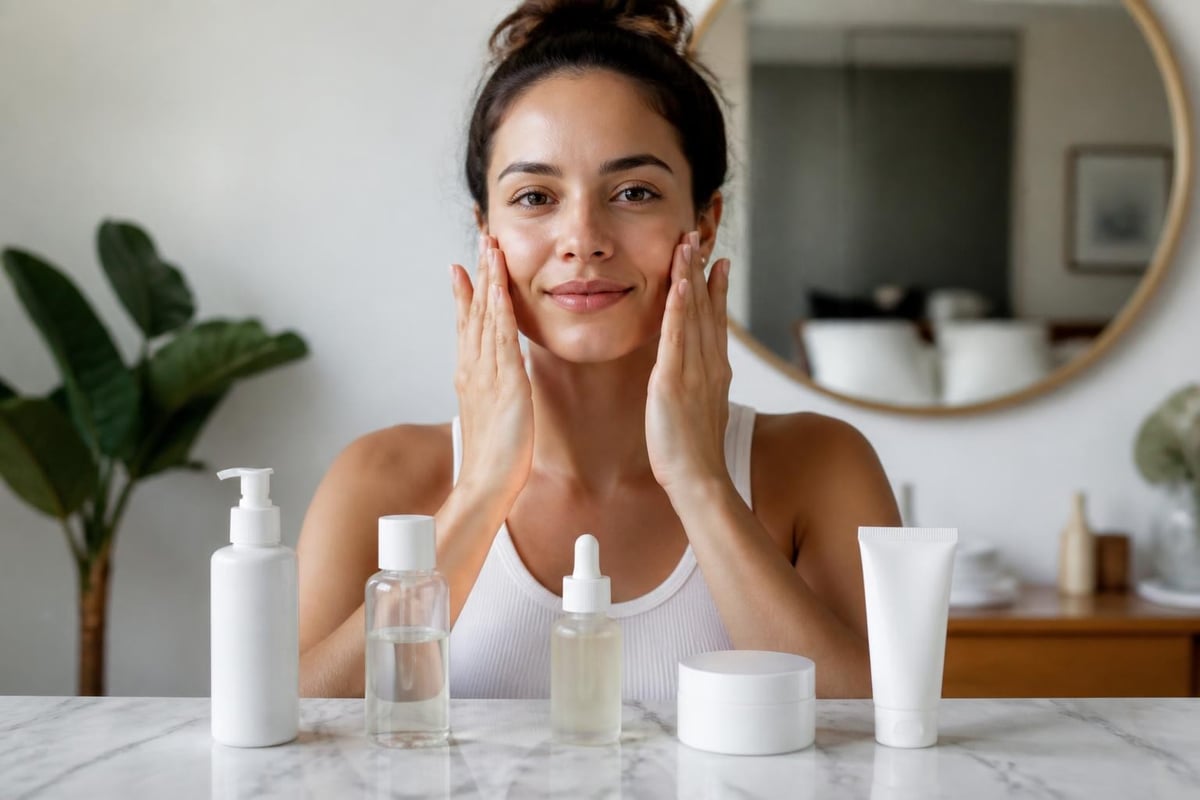
These often-overlooked products prepare skin for better absorption of subsequent treatments. Cruelty free face products in this category range from hydrating essences to exfoliating toners containing gentle acids.
Toner benefits include:
- Balancing skin pH after cleansing
- Providing additional hydration
- Delivering active ingredients
- Preparing skin for serums and moisturisers
Choose alcohol-free formulations with soothing botanical extracts for the gentlest approach. Ingredients like rose water, chamomile, and aloe vera offer natural benefits without harsh chemicals.
Serums and Treatments
Concentrated serums target specific concerns like fine lines, hyperpigmentation, or dehydration. The best all-natural skin products often feature plant-based active ingredients that rival synthetic alternatives in effectiveness.
| Skin Concern | Cruelty-Free Ingredients | Expected Benefits |
|---|---|---|
| Ageing | Rosehip oil, bakuchiol, vitamin C | Reduces fine lines, brightens skin |
| Dehydration | Hyaluronic acid, glycerin, squalane | Plumps and hydrates |
| Uneven tone | Niacinamide, vitamin C, liquorice extract | Evens skin tone, reduces dark spots |
| Sensitivity | Calendula, oat extract, bisabolol | Calms redness, strengthens barrier |
Moisturisers and Eye Creams
Sealing in hydration and protection forms the final step of your routine. A good vegan moisturizer should suit your skin type whilst providing long-lasting moisture without heavy residue.
Day creams typically include SPF or antioxidants for daytime protection, whilst night creams focus on deeper nourishment and repair. Eye creams address the delicate skin around your eyes with targeted formulations for puffiness, dark circles, or fine lines.
Building Your Cruelty-Free Skincare Collection
Transitioning to cruelty free face products doesn't require replacing everything overnight. A thoughtful, gradual approach lets you discover what works best for your skin whilst staying within budget.
Starting with the Basics
Begin by replacing products you use most frequently. Cleanser and moisturiser form the foundation of any routine, making them ideal starting points.
Practical transition steps:
- Research brands whilst finishing current products
- Replace one product at a time as items run out
- Test new products properly before adding more
- Keep notes on what works for your skin
- Build gradually towards a complete routine
This measured approach prevents waste and allows proper evaluation. You'll discover which brands and formulations suit your skin without overwhelming your bathroom cabinet or bank account.
Budget-Friendly Options
Ethical skincare needn't strain your finances. Many inexpensive skin care brands offer excellent cruelty-free options that deliver impressive results.
Look for multi-purpose products that serve several functions, reducing the number of items you need. Facial oils, for instance, can work as serums, moisturiser boosters, or cleansing oils depending on application method.
Premium and Specialty Products
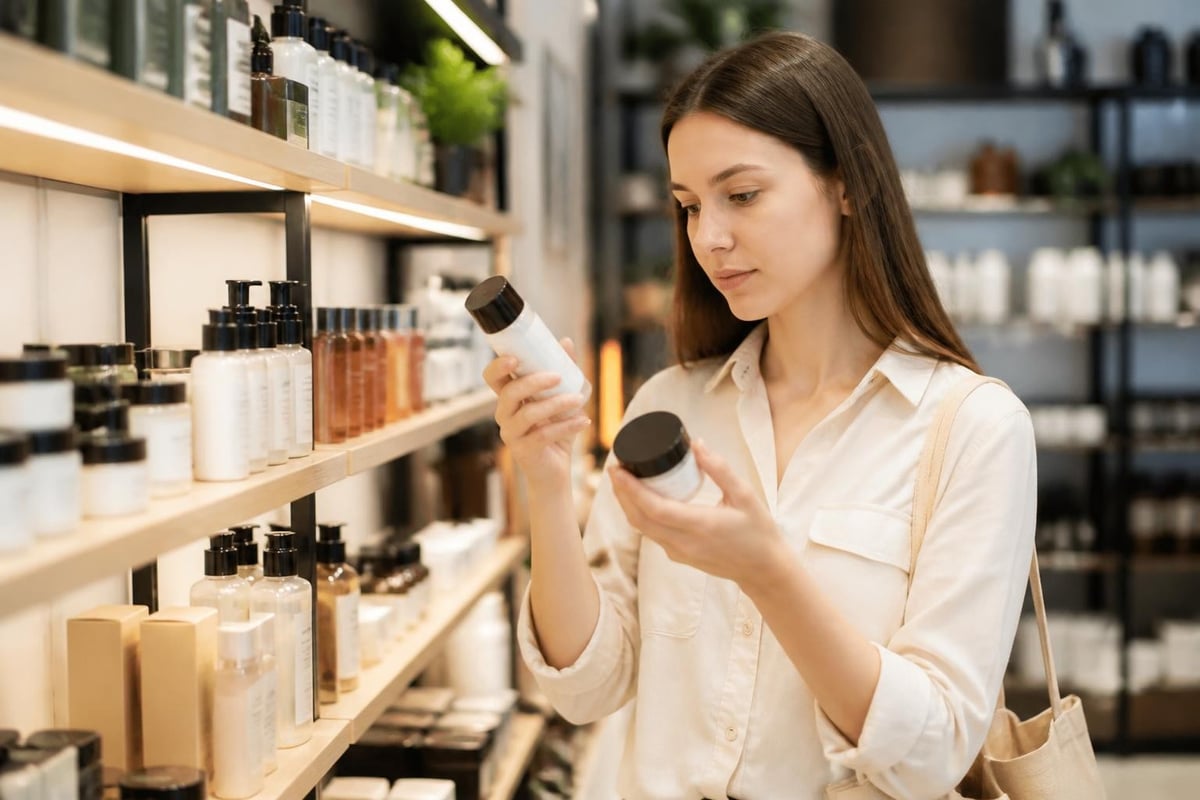
When you're ready to invest in targeted treatments, high-end skin products with cruelty-free credentials offer advanced formulations. These often feature higher concentrations of active ingredients or innovative delivery systems.
Specialty items like retinol alternatives, vitamin C serums, or chemical exfoliants deserve careful selection. Research thoroughly to ensure you're getting genuine cruelty-free products from non-toxic skincare brands that prioritise both ethics and efficacy.
Supporting Truly Ethical Brands
Your purchasing decisions shape the beauty industry's future. Supporting companies with comprehensive ethical commitments encourages others to follow suit.
What to Look For in Brands
Beyond cruelty-free certification, consider broader ethical practices. Sustainable packaging, fair trade ingredients, carbon-neutral shipping, and charitable initiatives demonstrate genuine commitment to positive impact.
Questions to ask brands:
- Are you certified cruelty-free by recognised bodies?
- Do you own your parent company, or does a testing company own you?
- Where do you source ingredients?
- What sustainability measures do you implement?
- Do you test finished products for safety without animals?
Transparency indicates trustworthiness. Brands confident in their ethical standards readily share information about their practices and supply chains.
UK-Based Cruelty-Free Brands
Supporting local businesses reduces environmental impact whilst boosting the domestic economy. The best UK skincare brands combine British heritage with modern ethical standards.
UK regulations already prohibit animal testing for cosmetics, but choosing brands that exceed minimum requirements ensures you're supporting companies truly committed to animal welfare. Look for brands that refuse to sell in markets requiring animal testing, even when legally permitted.
Common Misconceptions About Cruelty Free Face Products
Several myths persist about ethical skincare, potentially deterring people from making compassionate choices. Let's address the most common misunderstandings.
Myth: Cruelty-Free Products Are Less Effective
Modern formulation science has advanced tremendously. Plant-based and synthetic alternatives to animal-tested ingredients often perform better than traditional options. The best rated skin care products frequently come from cruelty-free brands leading innovation in the industry.
Effectiveness depends on formulation quality, not testing methods. Many cruelty-free brands invest heavily in research and development, creating cutting-edge products without animal suffering.
Myth: All Natural Products Are Automatically Cruelty-Free
Natural doesn't equal cruelty-free. Some natural skincare brands test on animals or use animal-derived ingredients. Always verify certifications rather than assuming natural products meet ethical standards.
Conversely, some synthetic ingredients in cruelty free face products offer benefits natural alternatives cannot match. Ethical skincare embraces both natural and synthetic ingredients, provided neither involves animal testing or exploitation.
Myth: Cruelty-Free Certification Is Too Expensive for Small Brands
Whilst certification involves costs, many programmes offer scaled fees based on company size. Small businesses can access certifications, and some choose to follow cruelty-free practices without formal certification due to budget constraints.
When researching smaller brands, look for detailed information about their testing policies and ingredient sourcing. Transparent communication helps you assess their commitment even without official certification logos.
Caring for Different Skin Types and Concerns
Everyone's skin has unique needs. Fortunately, cruelty free face products cater to every skin type and concern imaginable.
Sensitive Skin Solutions
Sensitive face products require gentle formulations free from common irritants. Fragrance-free options with soothing ingredients like chamomile, calendula, and oat extract calm reactivity whilst providing necessary care.
Patch testing becomes especially important with sensitive skin. Even cruelty-free products can trigger reactions if they contain ingredients your skin doesn't tolerate.
Dry Skin Nourishment
Dry skin skin care products focus on rich hydration and barrier repair. Look for ceramides, fatty acids, and humectants that draw moisture into skin whilst preventing water loss.
Layering techniques work beautifully with cruelty-free products. Start with lightweight hydrating serums, then seal them with richer creams or facial oils for maximum moisture retention.
Oily and Combination Skin Balance
Contrary to popular belief, oily skin still needs moisture. Lightweight, non-comedogenic cruelty free face products provide hydration without clogging pores or increasing shine.
Beneficial ingredients for oily skin:
- Niacinamide to regulate sebum production
- Salicylic acid for gentle exfoliation
- Hyaluronic acid for oil-free hydration
- Tea tree oil for natural antibacterial properties
Balance is key. Over-stripping oil triggers increased production, whilst appropriate hydration helps regulate natural sebum levels.
The Growing Movement Towards Ethical Beauty
Consumer demand drives industry change. The beauty sector has witnessed remarkable transformation as more people prioritise ethics alongside efficacy.
Legislative Progress
Many countries now ban cosmetic animal testing, though enforcement and loopholes vary. The UK, EU, India, Norway, Switzerland, and several others prohibit selling products tested on animals, protecting countless animals from suffering.
However, some major markets still require or permit testing, creating challenges for truly global brands. Supporting cruelty-free companies pressures these markets to modernise their regulations.
Industry Innovation
PETA's revamped cruelty-free programme reflects growing consumer interest in ethical beauty. More resources emerge constantly to help shoppers identify genuine cruelty free face products.
Alternative testing methods using human cell cultures, computer modelling, and other innovative approaches provide safety data without animal involvement. These methods often prove more accurate for predicting human reactions than animal testing ever was.
Consumer Power
Every purchase represents a vote for the kind of world you want to create. Choosing cruelty-free products signals to the beauty industry that animal welfare matters to consumers. As demand grows, more brands adopt ethical practices to remain competitive.
Social media amplifies consumer voices, holding brands accountable and spreading awareness about cruelty-free options. This transparency benefits everyone seeking to make informed, ethical choices about the products they use daily.
Making Informed Choices Every Day
Integrating cruelty free face products into your life extends beyond initial purchases. Ongoing awareness ensures you maintain ethical standards as your needs and routines evolve.
Staying Updated on Brand Policies
Company policies change. A formerly cruelty-free brand might be acquired by a parent company that tests on animals, or previously testing brands might adopt ethical practices. Regular checks of certification databases keep you informed.
Subscribe to newsletters from organisations like PETA and Cruelty Free International for updates on newly certified brands and policy changes affecting cruelty-free status.
Sharing Your Values
Conversations about ethical skincare introduce others to cruelty-free options. Sharing your favourite products and experiences helps friends and family discover alternatives they might not have considered.
Reviews and social media posts amplify positive messages about cruelty free face products. Your authentic experiences guide others toward ethical choices whilst supporting the brands doing right by animals.
Continuous Learning
The ethical beauty landscape evolves constantly. New brands emerge, regulations change, and innovative ingredients debut regularly. Staying curious and informed ensures your choices remain aligned with your values.
Follow ethical beauty blogs, join online communities focused on cruelty-free living, and engage with brands directly. This ongoing education enriches your skincare journey whilst deepening your commitment to compassionate choices.
Choosing cruelty free face products represents a meaningful step toward more ethical consumption that benefits animals, the environment, and often your skin's health. By understanding certifications, researching brands thoroughly, and selecting products suited to your unique needs, you can build an effective skincare routine that aligns with your values. Ready to embrace compassionate beauty? White Rabbit Skin Care offers a complete range of certified vegan and cruelty-free facial products crafted with natural ingredients, making it easier than ever to care for your skin whilst caring for our planet and its creatures.