

The Essential Botanical Skincare Guide for 2026
Discover how botanical skincare is shaping the future of beauty routines in 2026. As more of us seek natural, plant-based options, the movement towards gentle, effective solutions is stronger than ever.
Innovation and science are unlocking the true potential of nature's ingredients, making it easier to choose products that are both sustainable and suitable for every skin type.
Curious about how you can benefit? This guide will give you the latest insights, practical steps, and expert tips to help you make the most of botanical skincare this year. Get ready to explore trends, must-have ingredients, step-by-step routines, and what the future holds.
The Rise of Botanical Skincare: Trends & Insights for 2026
Botanical skincare is taking centre stage in 2026, and it is not just a fleeting trend. The beauty landscape is evolving as more of us seek plant-based solutions that nurture both our skin and the planet. Let us explore the driving forces behind this transformation and how these trends shape the future of our routines.
Growing Popularity of Plant-Based Beauty
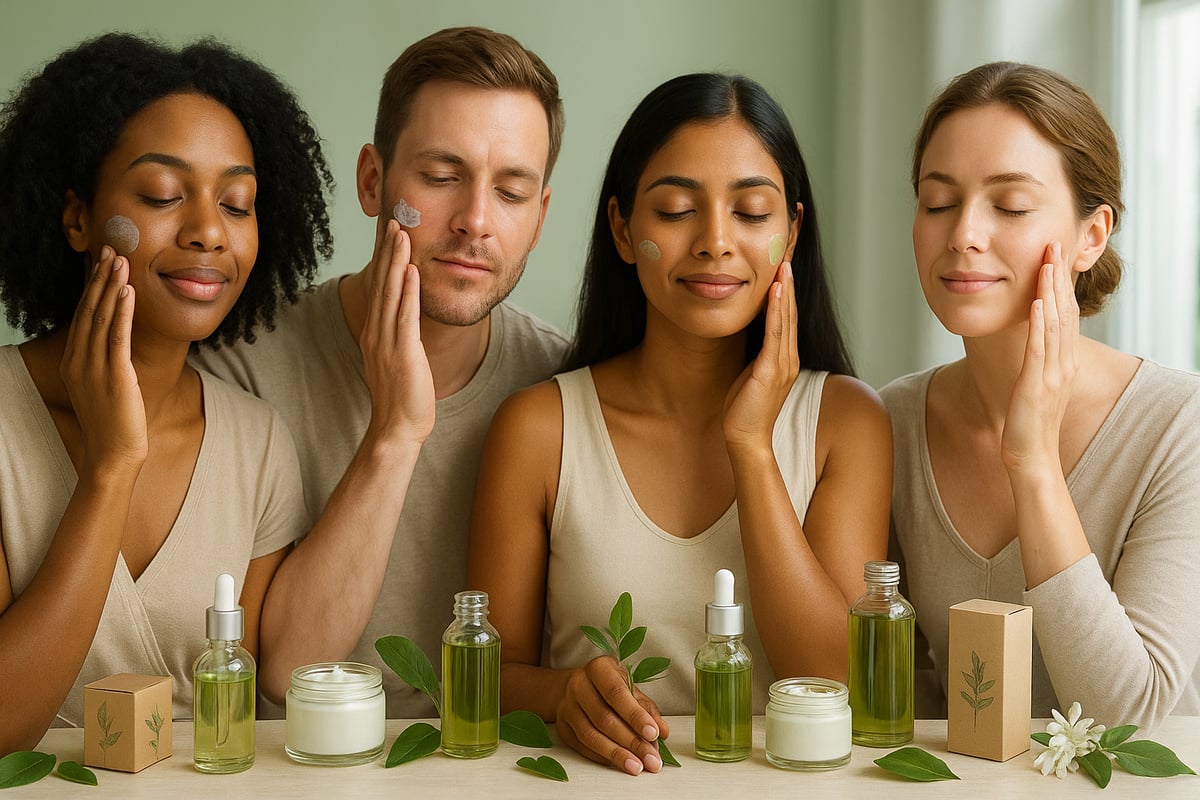
The demand for botanical skincare has surged across the UK, with 68% of skincare buyers now preferring plant-derived products. This shift is fuelled by our collective desire for natural, vegan, and cruelty-free options. Platforms like Instagram and TikTok amplify wellness trends and ingredient spotlights, making information more accessible than ever.
Transparency matters to us. We want to know exactly what is in our products and how they are sourced. As a result, brands are responding with clear labelling and open conversations about their botanical ingredients.
Scientific Advances in Botanical Ingredients
Innovation is at the heart of botanical skincare. Scientists are finding new ways to extract potent plant actives, making formulas more effective and gentle. Clinical research supports ingredients like bakuchiol, a plant-based alternative to retinol, showing how botanicals can deliver real results.
We are seeing more studies proving the efficacy of botanical extracts for hydration, soothing, and anti-ageing. This evidence helps build trust in botanical skincare, encouraging even those with sensitive skin to make the switch.
Sustainability and Ethical Sourcing
Sustainability is no longer optional in botanical skincare. Brands are choosing eco-friendly packaging, reducing plastic, and opting for recyclable materials. The sourcing of plant ingredients is also under the spotlight, with consumers demanding traceable, responsibly harvested botanicals.
Climate change affects ingredient availability, making ethical sourcing even more essential. Companies now partner with farmers and cooperatives to ensure fair practices and protect biodiversity.
Regulatory Shifts and Labelling
In 2026, new UK and EU regulations are shaping how botanical skincare products are labelled. Brands must be transparent about their claims, with stricter rules on ingredient listings and advertising. Certifications like COSMOS, Soil Association, and Vegan Society are rising in prominence, helping us identify products that meet high ethical and quality standards.
Here is a quick comparison of top certifications:
| Certification | Focus | Recognised In |
|---|---|---|
| COSMOS | Organic, natural | UK, EU, global |
| Soil Association | Organic, sustainability | UK |
| Vegan Society | Vegan, cruelty-free | UK, global |
These certifications make it easier for us to choose botanical skincare that aligns with our values.
Market Forecasts
The botanical skincare industry is on track to reach £25 billion globally by 2026. This growth is powered by Gen Z and Millennial shoppers who value transparency, digital influence, and eco-friendly choices. Social media trends and online reviews have a significant impact on our purchasing decisions.
For more detail on industry growth and future projections, see the Botanical skincare market growth projections.
As the market expands, we can expect even more innovative botanical skincare products designed to meet the needs of every skin type.
Understanding Botanical Ingredients: What Works and Why
Botanical skincare is transforming how we care for our skin, blending tradition and innovation in every bottle. If you have ever wondered which plant ingredients truly work, or how to choose safe, high-quality products, you are not alone. Let us explore the essential facts and science behind botanical skincare, together.
Key Botanical Ingredients for 2026
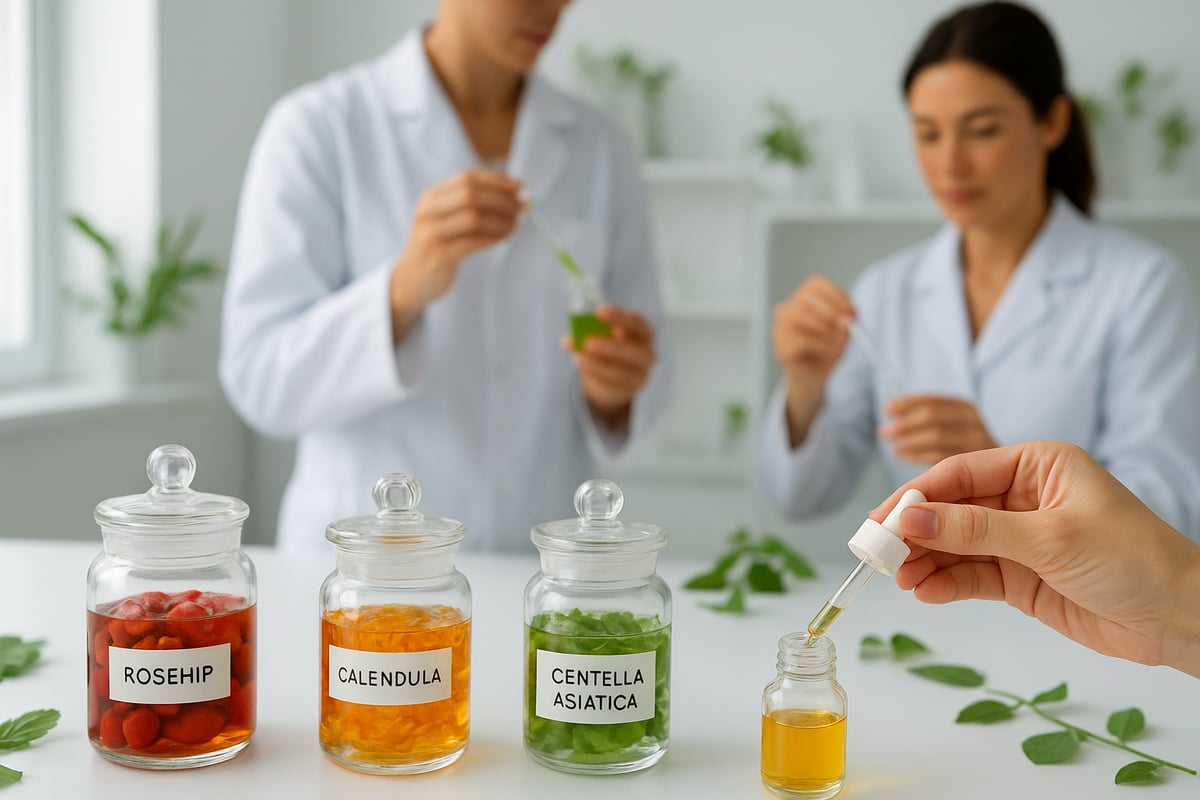
The future of botanical skincare is all about ingredients that offer both gentle care and proven results. Standout botanicals include Centella Asiatica, celebrated for soothing sensitive skin, and Bakuchiol, a plant-based alternative to retinol that delivers anti-ageing effects without irritation. Squalane from olives and sugarcane deeply hydrates, while Rosehip oil brightens and helps with pigmentation. Calendula and Aloe Vera are loved for calming redness and supporting barrier repair. These plant extracts are versatile, making botanical skincare suitable for every skin type.
Mechanisms of Action
What makes botanical skincare so effective? It is all in how plant extracts interact with our skin at a cellular level. Many botanicals are packed with antioxidants, vitamins, and fatty acids, working in harmony to fight free radicals, support cell renewal, and enhance hydration. For example, the synergy between vitamin C from Kakadu Plum and fatty acids in Rosehip oil helps to brighten and rejuvenate. This natural blend of nutrients supports the skin’s own defences, making botanical skincare a powerful choice for holistic care.
Safety and Allergen Considerations
While botanical skincare is often gentle, it is still important to consider potential allergens. Some plant extracts, like essential oils, can cause reactions in sensitive individuals. Patch testing new products is always a smart move. Regulatory guidelines in the UK ensure safe concentrations of active botanicals, helping us trust what we use. Always check ingredient lists for known sensitivities, and opt for products with clear, transparent labelling.
Ingredient Sourcing and Quality
Not all plant ingredients are created equal. The benefits of botanical skincare depend on how botanicals are grown, harvested, and processed. Organic and wildcrafted botanicals are often richer in nutrients than conventionally grown ones. Extraction methods, such as cold-pressing or CO2 extraction, help preserve the potency of actives. Ethical sourcing and traceability are becoming industry standards, ensuring both quality and sustainability in every jar.
Innovations in Botanical Formulation
Botanical skincare is not stuck in the past. Brands are embracing modern innovations, like encapsulation technology, to deliver plant actives deeper into the skin. Micro-encapsulated chamomile, for example, offers slow-release soothing for sensitive complexions. This approach helps maintain ingredient stability and enhances results over time. Advances in formulation mean we can now enjoy the best of both nature and science in our daily routines.
Evidence-Based Results
Clinical trials and dermatologist endorsements are increasingly supporting the efficacy of botanical skincare. Studies show that plant-based phytochemicals can help with anti-ageing, hydration, and even pigmentation. For those who want to dive deeper, Powered by Plants: Skincare Benefits explores the science and real-world results of plant-based ingredients. Compared with synthetic alternatives, botanicals offer a gentle yet effective approach that is winning over experts and consumers alike.
Limitations and Myths
It is a common myth that botanical skincare is always safer or more effective than synthetic options. While many botanicals are beneficial, they can be less stable and have shorter shelf lives. Not all natural products are suitable for everyone, and some may cause irritation or lose potency quickly. Understanding these limitations helps us make informed choices and get the most from our botanical routines.
Building Your Botanical Skincare Routine: Step-by-Step Guide
Embarking on a botanical skincare journey can feel both exciting and a little daunting. With so many plant-powered options available, it’s easy to get lost in the beauty aisle. The good news is, a well-crafted routine doesn’t have to be complicated. By focusing on your skin’s unique needs and the natural benefits of botanical ingredients, you can build a routine that is gentle, effective, and truly personal. Let’s walk through each step together and unlock the full potential of botanical skincare for your daily ritual.
Step 1: Assess Your Skin Type and Needs
Before diving into products, it’s essential to understand your skin. Is your skin dry, oily, combination, sensitive, or prone to breakouts? Each skin type responds differently to botanical skincare, so take a moment to observe how your skin feels throughout the day. You might notice tightness, shine, redness, or uneven texture.
Many brands now offer digital quizzes and tools to help you identify your skin’s needs. These can provide a great starting point for selecting the right botanical ingredients. If you’re in doubt, consult a dermatologist or skincare professional for tailored advice. Remember, your skin’s needs can change with seasons, lifestyle, and age, so reassessing regularly ensures your botanical skincare stays effective.
Step 2: Cleansing with Botanicals
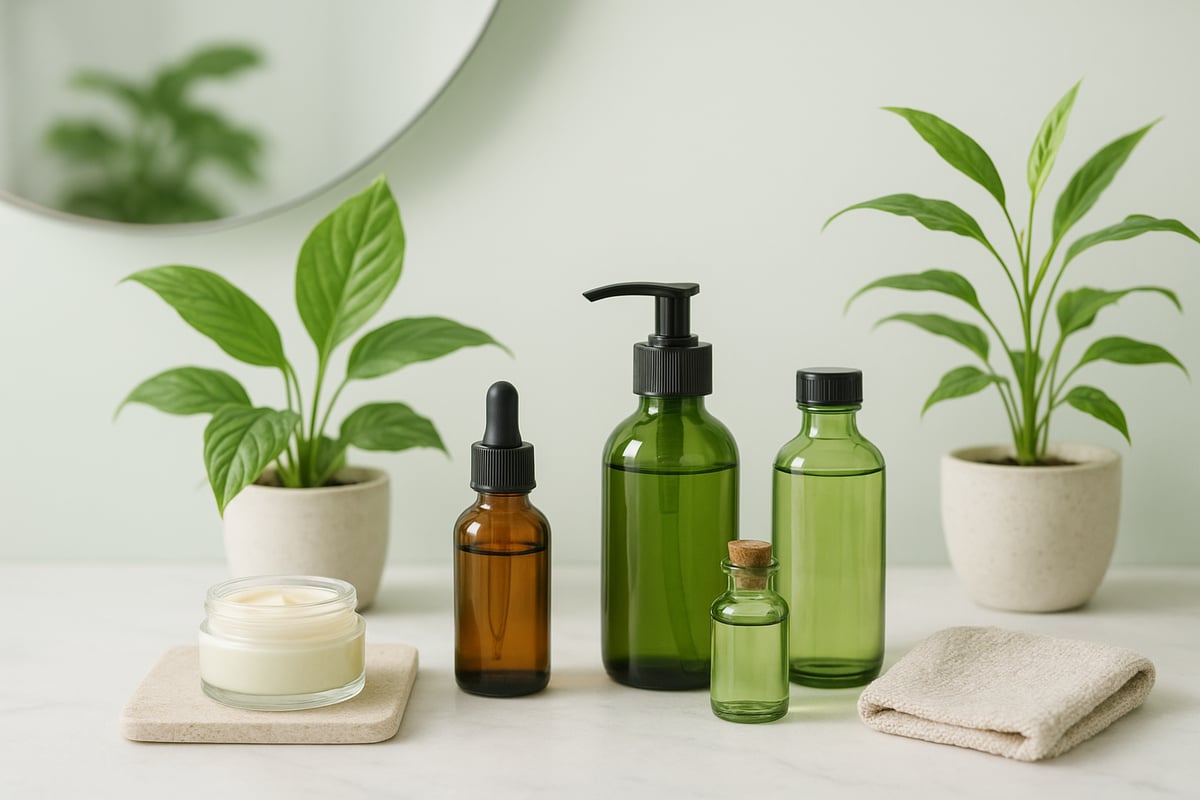
Cleansing is the foundation of any botanical skincare routine. Plant-based cleansers come in various forms, including oil, gel, and cream, each offering unique benefits. Oil cleansers with ingredients like grapeseed or sunflower oil gently dissolve makeup and impurities without disrupting the skin barrier. Gel cleansers with aloe vera or green tea are perfect for those seeking a refreshing, non-stripping cleanse.
When choosing a cleanser, look for formulas free from harsh detergents or artificial fragrances. The aim is to remove dirt and pollution while preserving your skin’s natural balance. Always use lukewarm water and gentle, circular motions. This daily ritual preps your skin for the nourishing botanicals that follow.
Step 3: Toning and Balancing
Toning is often overlooked, yet it plays a vital role in botanical skincare. A good botanical toner helps restore your skin’s natural pH and delivers a boost of hydration. Witch hazel, rose water, and cucumber extract are popular choices, known for their soothing and balancing properties.
Apply toner with a reusable cotton pad or your hands, pressing it gently into the skin. This step preps your skin to absorb serums and moisturisers more effectively. Look for alcohol-free formulas to avoid irritation, especially if your skin is sensitive. Toning is the bridge between cleansing and treatment, helping maintain a healthy, radiant complexion.
Step 4: Treatment Serums and Oils
Serums and oils are where botanical skincare truly shines. These concentrated formulas target specific concerns such as dullness, ageing, or pigmentation. Vitamin C serums derived from Kakadu plum brighten and protect, while bakuchiol is a gentle plant-based alternative to retinol for smoothing fine lines.
Botanical oils like squalane, rosehip, and marula provide deep nourishment without clogging pores. Layering a serum under a lightweight oil can lock in actives and enhance results. Start with a few drops, patting gently onto your face and neck. Consistency is key, so include these steps in your routine both morning and night.
Step 5: Moisturising and Protecting
Moisturising seals in hydration and supports your skin barrier, a must in every botanical skincare routine. Plant-based moisturisers use ingredients like shea, mango, or cocoa butter for rich, lasting moisture. These butters are packed with fatty acids and antioxidants, ideal for keeping skin soft and resilient.
Choose a formula that matches your skin type—gel for oily, cream for dry, or a lotion for combination skin. Don’t forget your neck and décolletage. If you spend time outdoors, consider a moisturiser with SPF or layer a separate mineral sunscreen on top. This added protection helps guard against environmental stressors.
Step 6: Weekly Treatments and Masks
Weekly treatments offer a chance to give your skin some extra care. Botanical exfoliants, such as fruit enzymes or rice powder, gently remove dead skin cells and reveal a brighter complexion. Unlike harsh scrubs, these natural ingredients are less likely to irritate.
Calming masks with calendula, oat extract, or chamomile can soothe redness and replenish moisture. Apply after cleansing and leave on for the recommended time. Adding these rituals once or twice a week can transform the look and feel of your skin over time.
Step 7: Sun Protection and Aftercare
Daily sun protection is a non-negotiable step in botanical skincare. Innovative mineral sunscreens now include botanical boosters like green tea or aloe vera for added soothing benefits. These formulas are less likely to cause sensitivity and work well under makeup.
After sun exposure, care for your skin with calming botanicals such as aloe vera or chamomile. This helps reduce inflammation and supports healing. Make sun protection and aftercare a habit, rain or shine, for healthy, glowing skin all year round.
Step 8: Adapting Routine for Seasons and Life Stages
Your botanical skincare routine should evolve with you. In winter, richer oils and butters protect against dryness, while in summer, lighter gels and serums keep skin fresh. Hormonal changes, stress, or travel can all impact your skin, so adjust your products as needed.
Listen to your skin—if it feels tight, add moisture, if it’s oily, opt for mattifying botanicals. For more inspiration and product ideas, explore our guide to the Best All-Natural Skin Products. This way, your routine stays relevant, effective, and perfectly tailored to you.
Choosing the Right Botanical Skincare Products: What to Look For
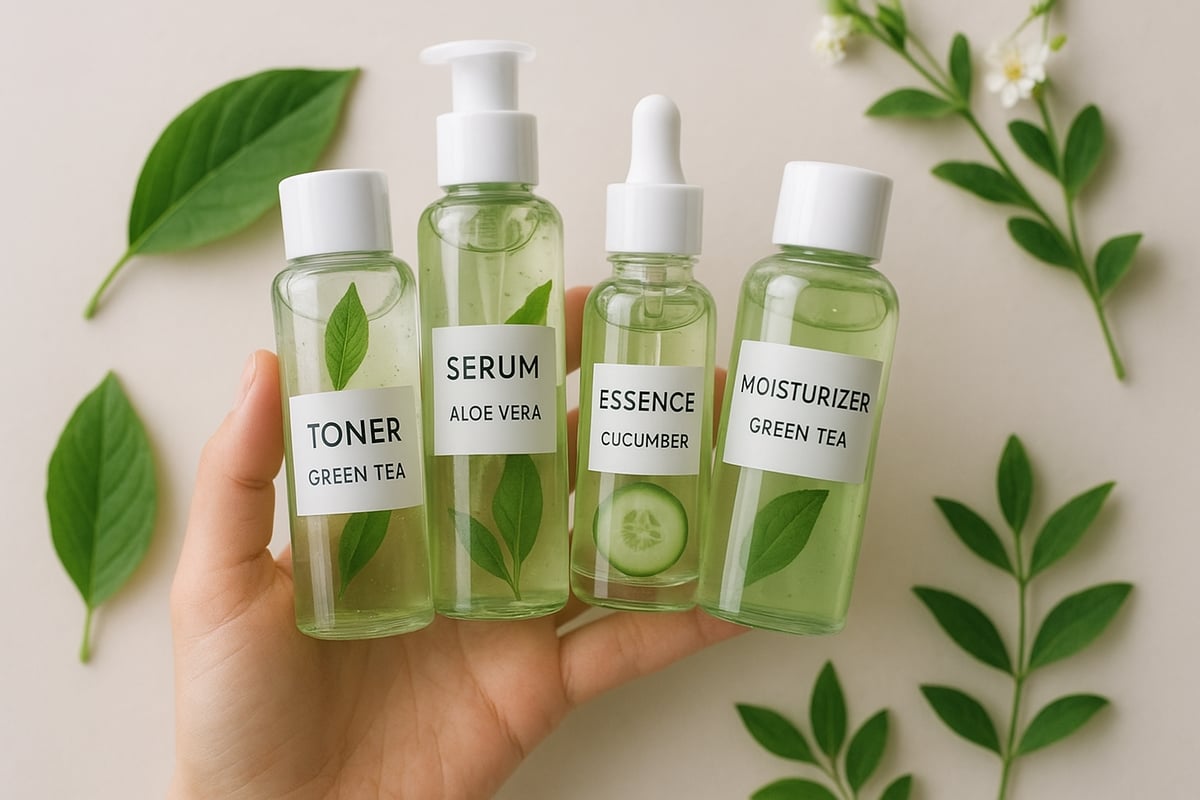
Choosing the right botanical skincare products can feel overwhelming, given the sheer number of options on the market. As we navigate this journey together, let's break down what truly matters when selecting products that fit your values, needs, and lifestyle. With the growing popularity of botanical skincare, understanding how to evaluate products ensures your routine is both effective and enjoyable.
Decoding Ingredient Labels
When choosing botanical skincare, always look beyond the front label. The ingredient list reveals the true contents of your product. Botanical ingredients are often listed by their International Nomenclature Cosmetic Ingredient (INCI) names, which can seem confusing at first.
For example, "Rosa Canina Fruit Oil" refers to rosehip oil, while "Simmondsia Chinensis Seed Oil" means jojoba oil. Learning these names helps you spot high-quality botanical skincare products and avoid those with unnecessary fillers or synthetic additives.
Watch out for greenwashing, where brands make products seem more natural than they are. If a product boasts of being "botanical" but plant ingredients are listed at the bottom, it may not deliver the benefits you expect.
Certifications and Authenticity
Certifications are your best friends when it comes to verifying the authenticity of botanical skincare. Trusted third-party organisations set strict standards for natural, organic, and vegan claims.
Here's a quick comparison of common certifications:
| Certification Body | Focus | Symbol |
|---|---|---|
| COSMOS | Organic, natural, eco | 🌱 |
| Soil Association | Organic, sustainability | 🏵️ |
| Vegan Society | Vegan, animal-free | 🐰 |
These badges offer peace of mind, showing that the product meets rigorous criteria. Always double-check cruelty-free and vegan claims, as regulations can vary. If in doubt, visit the certifier's official website for a full list of approved brands.
Product Formulation and Concentration
Not all botanical skincare products are created equal. The concentration of active botanicals is key to a product's effectiveness. A serum with 15% vitamin C from Kakadu plum will deliver more noticeable results than one with a mere trace.
Supporting ingredients like humectants and emulsifiers help stabilise plant actives and boost absorption. For a deeper dive into one standout ingredient, explore this Ingredient Focus: Rosehip Oil guide, which explains how rosehip offers hydration and rejuvenation.
Clinical research supports the benefits of plant-based formulas, as highlighted in this Efficacy of plant-based skincare products review. Evidence-based choices help you feel confident that your botanical skincare routine delivers real results.
Packaging and Shelf Life
Packaging matters more than you might think when it comes to botanical skincare. Exposure to light, air, and heat can degrade plant ingredients, reducing their potency over time.
Look for products in amber glass bottles, airless pumps, or opaque tubes. These containers protect sensitive botanical extracts and extend shelf life. Always check the "period after opening" symbol, usually shown as an open jar icon with a number (like 6M or 12M), to know how long your product stays fresh.
Store your botanical skincare in a cool, dry place, and make sure lids are tightly closed after each use. This small habit helps you get the most from every drop.
Price vs. Quality
Price does not always reflect the quality of botanical skincare. Sometimes, high street brands offer excellent value, while luxury labels charge a premium for branding and packaging.
To assess value, consider the percentage of active botanicals, certifications, and packaging quality. If you are comparing two serums, look for transparency in ingredient sourcing and evidence of results. Remember, investing in a well-formulated product can pay dividends for your skin and the planet.
Trust your instincts, do a little research, and choose botanical skincare that aligns with your needs and values. Together, we can enjoy a routine that is effective, ethical, and truly nourishing.
Future Innovations in Botanical Skincare: What’s Next?
Innovation in botanical skincare is accelerating, promising to transform how we care for our skin. As we look to the future, several groundbreaking trends are set to shape our routines, making them smarter, more personalised, and more sustainable. Let’s explore what’s on the horizon.
Biotechnology and Plant Stem Cells
Biotechnology is ushering in a new era for botanical skincare. Brands are now harnessing lab-cultivated botanicals and plant stem cells to deliver potent, sustainable actives. For instance, edelweiss stem cell extracts are showing remarkable promise in anti-ageing. These innovations not only boost efficacy but also reduce the environmental impact of sourcing rare plants. If you’re interested in the science behind these developments, this article on the anti-aging properties of plant-based phytochemicals dives into the latest research and future perspectives.
Personalised Botanical Formulations
Personalisation is at the heart of the next wave of botanical skincare. Advances in AI-powered skin analysis and DNA testing are making it possible to create custom-blended botanical solutions. These tailor-made formulas address unique skin concerns and adapt to changing needs. Imagine a serum that evolves with your skin through the seasons. The result is a truly individual experience, ensuring that botanical skincare is as unique as you are.
Smart Packaging and Delivery Systems
Packaging is becoming smarter to protect and enhance botanical skincare products. Airless pumps and UV-protective bottles help maintain the potency of delicate plant actives. Some brands are introducing smart labels that track product freshness and usage, giving users confidence in the quality and safety of their skincare. These innovations ensure every drop of your favourite botanical serum delivers maximum benefit.
Global Ingredient Sourcing and Biodiversity
The search for new botanical ingredients is going global, with researchers exploring underutilised plants from diverse ecosystems. This approach expands the palette of botanical skincare while raising important questions about biodiversity and ethical sourcing. For example, macroalgae from remote coastal regions are now being studied for their unique skin benefits, as highlighted in recent clinical studies on macroalgae in skincare. Responsible sourcing and conservation efforts are crucial for protecting these valuable resources.
Integrating Traditional Wisdom with Modern Science
There’s a renewed appreciation for ancient plant remedies in botanical skincare. Brands are blending Ayurvedic, Chinese, and Indigenous knowledge with cutting-edge research. Scientific validation of traditional recipes is revealing new uses for time-honoured botanicals. This fusion creates products that honour heritage while meeting modern standards for safety and effectiveness. It’s an exciting bridge between the past and the future of skincare.
Consumer Education and Transparency
Informed consumers are driving demand for greater transparency in botanical skincare. Brands are responding with detailed ingredient sourcing information and educational content. Shoppers now expect to know not just what is in their products, but also how and where ingredients are sourced. This openness fosters trust and empowers us to make better, more sustainable choices for our skin and the planet.
Market Predictions for 2027 and Beyond
Looking ahead, botanical skincare is poised for even more growth. Experts predict continued expansion as consumers prioritise holistic wellness and self-care. New regulations and evolving technology will shape product offerings and marketing. Botanical skincare is set to become a cornerstone of beauty routines, adapting to our changing world while delivering gentle, effective care for all.