

Best Skincare Products Reviews: 2026 Expert Guide
Finding the right skincare products can feel like navigating a maze, especially with countless options flooding the market each year. When you're searching for the best skincare products reviews, you're not just looking for opinions-you're seeking trusted guidance that helps you make informed decisions about what you're putting on your skin. In 2026, the conversation around skincare has shifted dramatically towards transparency, sustainability, and truly effective formulations that respect both your skin and the environment. This comprehensive guide explores what makes skincare products genuinely worth your investment, with a particular focus on vegan and natural formulations that deliver real results.
Understanding What Makes Skincare Products Truly Effective
The skincare industry has evolved remarkably over recent years, moving away from marketing hype towards science-backed formulations. When reading best skincare products reviews, you'll want to focus on ingredient transparency and clinical efficacy rather than flashy packaging or celebrity endorsements.
Key factors that determine product effectiveness:
- Active ingredient concentration and formulation stability
- pH balance appropriate for your skin type
- Absence of irritants and unnecessary fillers
- Sustainable sourcing and ethical production
- Third-party testing and verification
Price doesn't always correlate with quality, as expert advice on beauty spending confirms. Some of the most effective formulations come from brands that prioritize ingredient quality over premium packaging.
The Vegan Skincare Revolution
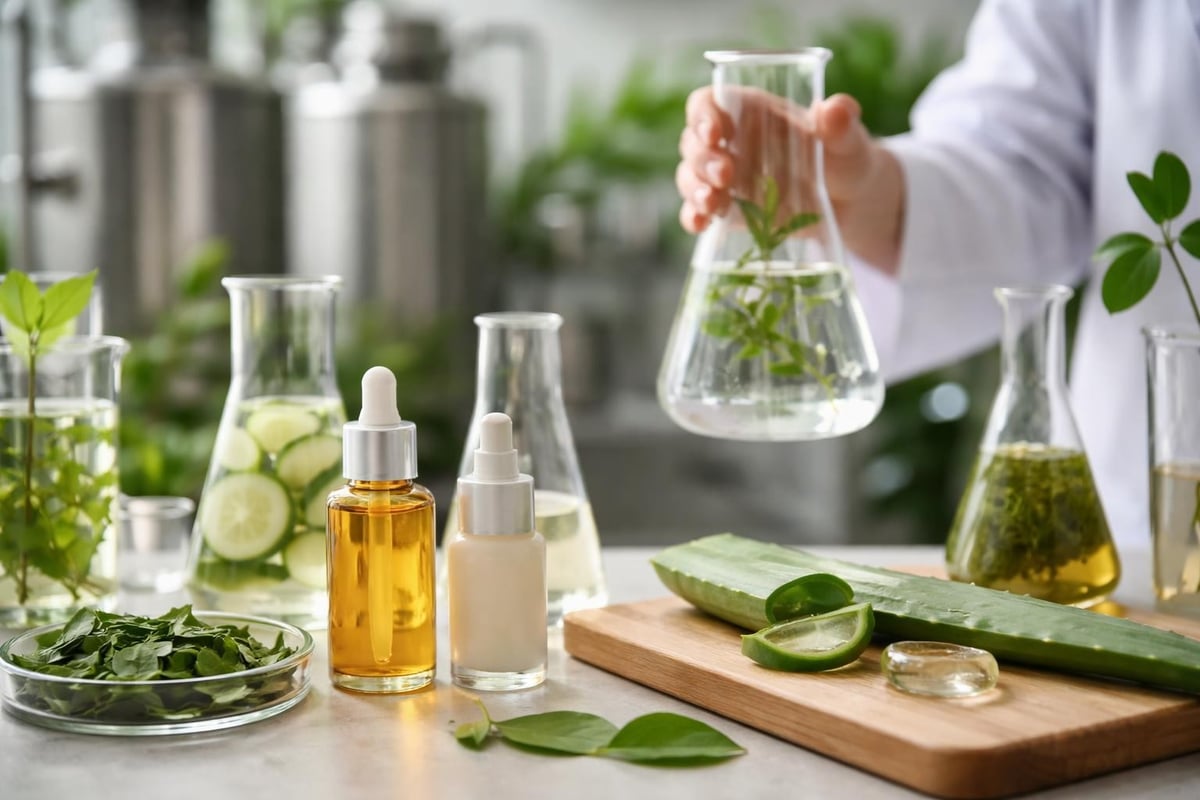
Plant-based skincare has transformed from a niche category into a mainstream movement. Best vegan skin care products combine powerful botanical extracts with cutting-edge formulation science, proving that you don't need animal-derived ingredients for exceptional results.
Vegan formulations often feature:
- Rich botanical oils like rosehip, jojoba, and argan that mimic skin's natural sebum
- Plant-based hyaluronic acid derived from wheat or soy fermentation
- Fruit enzymes that gently exfoliate without harsh chemicals
- Vitamin-rich extracts from berries, algae, and seeds
Building Your Skincare Routine: Product Categories Explained
Creating an effective skincare routine starts with understanding which products serve which purposes. The best skincare products reviews often break down routines by category, making it easier to identify what your skin actually needs.
| Product Category | Primary Function | When to Use | Key Ingredients to Look For |
|---|---|---|---|
| Cleanser | Remove impurities | Morning & Evening | Gentle surfactants, glycerin, botanical oils |
| Toner | Balance pH, prep skin | After cleansing | Rose water, witch hazel, hyaluronic acid |
| Serum | Targeted treatment | Before moisturizer | Vitamin C, niacinamide, peptides |
| Moisturizer | Hydrate and protect | After serum | Ceramides, squalane, shea butter |
| SPF | Sun protection | Morning only | Zinc oxide, titanium dioxide |
Cleansers That Respect Your Skin Barrier
The foundation of any routine starts with proper cleansing. Quality cleansers remove dirt and makeup without stripping your skin's natural protective oils.
Double cleansing has become increasingly popular, especially for those wearing makeup or sunscreen daily. This method involves:
- First cleanse with an oil-based cleanser to dissolve makeup and sunscreen
- Second cleanse with a water-based cleanser to remove remaining impurities
- Pat dry gently with a clean towel
The best formulations use mild surfactants derived from coconut or sugar rather than harsh sulfates that can disrupt your skin's microbiome.
Moisturizers for Every Skin Type
Finding the perfect moisturizer requires understanding your skin's specific needs. Expert insights on moisturizers reveal that proper hydration is essential for all skin types, even oily skin.
Choosing by skin type:
- Dry skin: Look for rich creams with ceramides and plant butters
- Oily skin: Opt for lightweight gels with hyaluronic acid and niacinamide
- Combination skin: Use different products for different zones or choose balanced lotions
- Sensitive skin: Stick to minimal ingredient lists with soothing botanicals
Moisturisers tailored to your skin type make a significant difference in how your skin responds to your routine.
Reading Between the Lines: How to Interpret Product Reviews
Not all best skincare products reviews are created equal. Learning to critically evaluate reviews helps you separate genuine feedback from sponsored content or unhelpful opinions.
When assessing reviews, consider:
- Reviewer's skin type and concerns - Does it match yours?
- Usage duration - Has the reviewer used the product long enough to see results?
- Specific details - Vague praise is less helpful than concrete observations
- Before and after context - What else changed in their routine?
- Potential conflicts of interest - Is this a sponsored review?
The Importance of Ingredient Literacy
Understanding ingredients empowers you to make better choices. While comprehensive skincare product reviews can guide you, knowing what to look for yourself is invaluable.
Star ingredients worth seeking:
- Niacinamide (Vitamin B3): Reduces inflammation, regulates oil production, and improves barrier function
- Bakuchiol: A plant-based retinol alternative that's gentler for sensitive skin
- Hyaluronic acid: Holds up to 1000 times its weight in water for intense hydration
- Vitamin C: Brightens skin tone and provides antioxidant protection
- Peptides: Support collagen production and skin repair
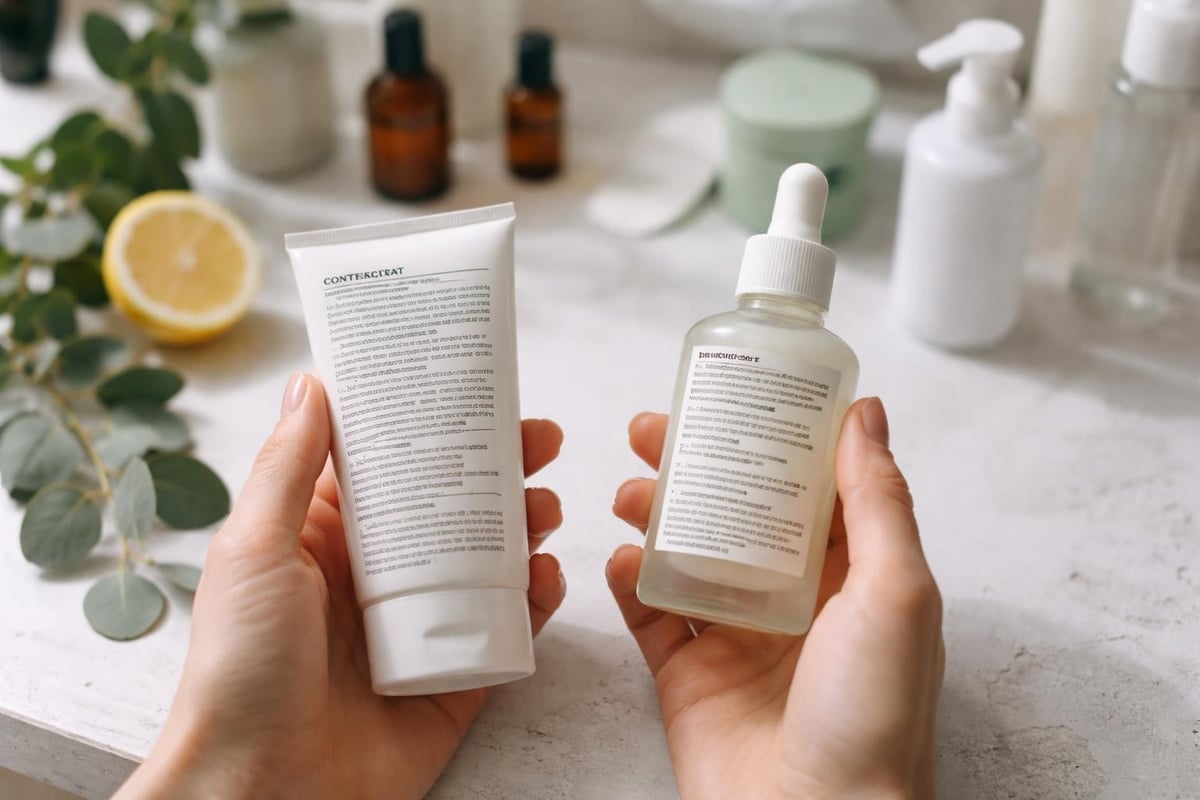
Equally important is knowing which ingredients to avoid. Non-toxic skincare brands prioritize formulations free from parabens, phthalates, synthetic fragrances, and other potentially harmful additives.
Sustainable Beauty: The Environmental Impact of Your Choices
The best skincare products reviews in 2026 increasingly consider environmental sustainability alongside efficacy. Conscious consumers want to know that their beauty routine doesn't come at the planet's expense.
Sustainability factors to consider:
- Packaging materials: Glass, aluminum, and post-consumer recycled plastics
- Refill programmes: Brands offering refillable containers reduce waste significantly
- Carbon footprint: Local production and minimal shipping distances
- Ingredient sourcing: Renewable botanicals versus petroleum-derived synthetics
- Company certifications: B Corp, cruelty-free, and Fair Trade credentials
Brands like Tinc demonstrate how zero-waste principles can extend across all personal care products, offering plastic-free alternatives that don't compromise on quality.
Supporting Ethical and Transparent Brands
Transparency has become non-negotiable for conscious consumers. The best brands openly share their sourcing practices, manufacturing processes, and testing protocols.
UK skincare brands are leading the charge in ethical production, with strict regulations ensuring product safety and environmental responsibility.
Natural vs. Synthetic: Debunking Common Myths
One of the most persistent debates in skincare revolves around natural versus synthetic ingredients. The best skincare products reviews acknowledge that this isn't a black-and-white issue.
| Aspect | Natural Ingredients | Synthetic Ingredients |
|---|---|---|
| Safety | Not automatically safer; some plants are irritants | Many are thoroughly tested and well-tolerated |
| Effectiveness | Can be highly effective | Often more stable and consistent |
| Sustainability | Depends on farming practices | Depends on manufacturing process |
| Allergies | Can trigger reactions in sensitive individuals | Hypoallergenic versions available |
The truth is that all-natural skin products can be incredibly effective when formulated properly, combining traditional botanical wisdom with modern extraction and preservation techniques.
The Role of Preservatives
Preservatives often get a bad reputation, but they're essential for product safety. Natural preservatives like vitamin E, rosemary extract, and radish root ferment protect products from bacterial growth without synthetic additives.
Products without adequate preservation can harbor harmful bacteria and fungi, making them potentially dangerous despite being "all-natural."
Affordable Excellence: Quality Without the Premium Price Tag
You don't need to spend a fortune to achieve beautiful skin. Affordable skincare brands prove that accessibility and efficacy can coexist.
Smart shopping strategies:
- Focus on active ingredients rather than brand prestige
- Buy sample sizes to test products before committing
- Take advantage of gift sets and samples to try multiple products
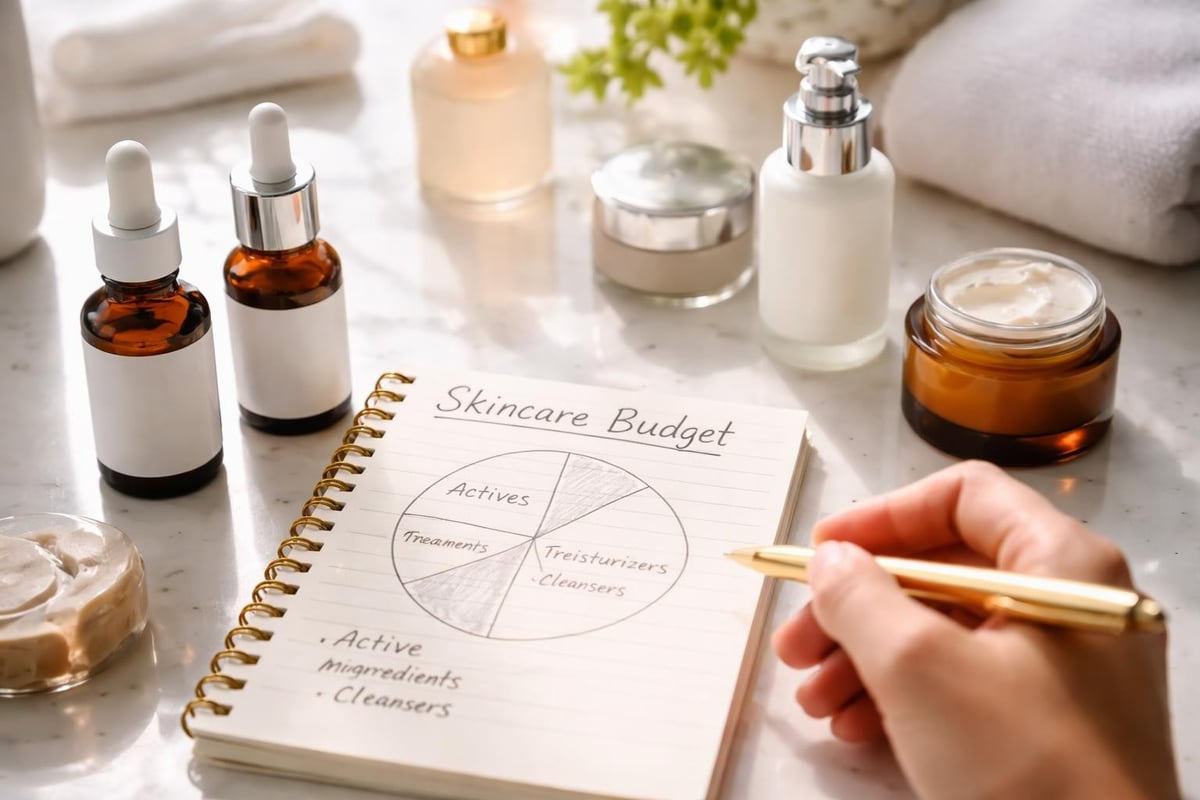
- Invest more in treatment products (serums, actives) and less in cleansers
- Watch for seasonal promotions and loyalty programmes
Where to Splurge and Where to Save
Strategic spending makes your skincare budget work harder. Generally, you'll want to invest in products with high concentrations of active ingredients while being more flexible with basic cleansers and toners.
Worth splurging on:
- Targeted serums with proven actives
- Broad-spectrum sunscreen with elegant formulations
- Retinol or bakuchiol treatments
- Eye creams with peptides and caffeine
Where you can save:
- Basic cleansers (gentle surfactants work similarly across price points)
- Hydrating toners (simple ingredients like rose water and glycerin)
- Body moisturizers (less concentrated than facial products)
- Makeup removers (oil-based cleansers use similar ingredients)
Addressing Specific Skin Concerns
The most helpful best skincare products reviews address specific concerns rather than offering generic recommendations. Your skin's unique needs should guide your product selection.
For Dry and Sensitive Skin
Skincare for sensitive dry skin requires gentle formulations that rebuild the skin barrier while providing intense hydration.
Look for products containing:
- Ceramides: Lipid molecules that restore barrier function
- Oat extract: Soothes inflammation and calms irritation
- Squalane: Biomimetic oil that absorbs quickly without greasiness
- Centella asiatica: Traditional healing herb with anti-inflammatory properties
Avoid common irritants like alcohol denat, strong essential oils, and synthetic fragrances that can trigger sensitivity reactions.
For Oily and Combination Skin
Contrary to popular belief, oily skin still needs hydration. Skipping moisturizer can actually trigger more oil production as your skin tries to compensate for dehydration.
Products for oily skin should be lightweight and non-comedogenic, featuring ingredients like:
- Niacinamide to regulate sebum production
- Salicylic acid to prevent clogged pores
- Hyaluronic acid for oil-free hydration
- Green tea extract for antioxidant protection
Targeting Signs of Aging
Anti-aging skincare has evolved beyond simple wrinkle creams. Today's best skin treatment products focus on prevention and overall skin health.
Proven anti-aging ingredients:
- Retinol/Bakuchiol: Stimulates cell turnover and collagen production
- Peptides: Signal skin to produce more collagen and elastin
- Vitamin C: Brightens and protects against environmental damage
- SPF: Prevents 90% of visible aging by blocking UV damage
The Expert Edit: Professional Recommendations
Professional beauty editors spend their careers testing products, and their insights can guide your choices. Vogue's skincare picks and similar editorial roundups offer expert-vetted options across various categories.
However, remember that what works for a beauty editor might not work for you. Professional reviews provide a starting point, but your own experience is the ultimate test.
The Role of Dermatological Testing
Products backed by dermatological testing offer additional reassurance. Independent beauty reviews from Dermstore often include products that have undergone clinical trials and consumer testing.
These rigorous evaluations measure:
- Hydration levels over time
- Reduction in visible concerns (wrinkles, dark spots, redness)
- Skin barrier integrity improvements
- Consumer satisfaction and tolerability
Specialized Products Worth Considering
Beyond the basics, certain specialized products can elevate your routine when chosen carefully.
Eye Creams: Necessary or Marketing Hype?
Vegan eye creams address the delicate eye area with targeted formulations. While some experts argue that regular moisturizer suffices, eye creams offer benefits like:
- Lighter textures that won't migrate into eyes
- Higher concentrations of brightening ingredients
- Specialized applicators that reduce puffiness
- Gentler formulations for sensitive skin
Body Care That Matches Your Values
Don't forget that skincare extends beyond your face. Body products using the same quality ingredients as facial care ensure your entire body receives consistent treatment.
Natural body scrubs from brands like Grounded Body show that effective exfoliation doesn't require plastic microbeads or harsh chemicals. Plant-based alternatives like coffee grounds, sugar, and salt provide gentle yet effective physical exfoliation.
Seasonal Adjustments to Your Routine
Your skin's needs change throughout the year, and the best skincare products reviews often address seasonal variations. In 2026, with increasingly unpredictable weather patterns, adaptability has become crucial.
Winter adjustments:
- Switch to richer, more emollient moisturizers
- Add a hydrating serum or facial oil
- Use a gentler cleanser to prevent stripping
- Apply hand cream and lip balm more frequently
Summer modifications:
- Opt for lighter, gel-based moisturizers
- Increase SPF application and reapplication
- Add antioxidant serums for extra UV protection
- Consider a gentle chemical exfoliant to manage sweat and sunscreen buildup
Building a Routine That Actually Works
The most comprehensive best skincare products reviews acknowledge that even the best individual products won't deliver results if they're not used correctly together.
Morning routine framework:
- Gentle cleanser
- Hydrating toner
- Antioxidant serum (Vitamin C)
- Eye cream (if using)
- Moisturizer
- Broad-spectrum SPF 30+
Evening routine framework:
- Oil-based cleanser (if wearing makeup/sunscreen)
- Water-based cleanser
- Treatment toner or essence
- Active treatment (retinol, acids, etc.)
- Hydrating serum
- Night cream or facial oil
Evening routine structures can be adapted based on your skin's specific needs and the products you're using.
Layering Products Correctly
The order of application matters. Generally, you'll want to apply products from thinnest to thickest consistency, allowing each layer to absorb before applying the next.
Correct layering sequence:
- Water-based products before oil-based
- Active ingredients on clean skin for maximum penetration
- Heavier creams and oils as final steps to seal everything in
- SPF always as the final step in morning routines
Making Informed Purchasing Decisions
Armed with knowledge from the best skincare products reviews, you're ready to make confident choices. Before purchasing, ask yourself these questions:
- Does this product address my specific skin concerns?
- Are the active ingredients present in effective concentrations?
- Does the brand align with my values around sustainability and ethics?
- Have I researched potential sensitivities to any ingredients?
- Am I buying this because I need it or because of clever marketing?
Shopping from trusted stockists ensures you're receiving genuine products with proper storage and handling.
Finding the right skincare doesn't have to be overwhelming when you focus on ingredient quality, ethical production, and your skin's unique needs. Whether you're building your first routine or refining an established one, choosing vegan, natural formulations that prioritize both effectiveness and sustainability delivers results you can feel good about. Discover how White Rabbit Skin Care combines the finest natural ingredients with cruelty-free practices to create products that nourish your skin while respecting the planet.