

Best Skincare Brands UK: Natural & Vegan Choices 2026
Finding the right skincare products can feel overwhelming with so many options available across high street stores, pharmacies, and online retailers. The UK skincare market has evolved tremendously over recent years, with consumers increasingly prioritising natural ingredients, ethical production methods, and sustainable packaging. Whether you're searching for the best skincare brands UK offers for sensitive skin, looking to build a vegan routine, or simply want effective products that won't break the bank, this guide will help you navigate the diverse landscape of British skincare. We'll explore what makes certain brands stand out, how to choose products for your specific needs, and why the shift towards conscious beauty matters more than ever in 2026.
What Makes the Best Skincare Brands Stand Out
The best skincare brands UK consumers trust share several key characteristics that set them apart from the competition. Quality ingredients form the foundation of any excellent skincare range, with formulations that deliver real results rather than just marketing promises.
Transparency has become non-negotiable for modern consumers. Brands that clearly list their ingredients, explain their sourcing practices, and provide evidence for their claims earn customer loyalty. According to skin experts highlighting top UK brands, efficacy combined with ethical practices creates the winning combination.
Key indicators of quality brands include:
- Clinical testing and dermatologist approval
- Clear ingredient lists with recognisable components
- Cruelty-free and vegan certifications
- Sustainable packaging initiatives
- Responsive customer service
- Consistent product performance across ranges
The price point doesn't always reflect quality. Many affordable UK skincare brands deliver exceptional results without premium price tags, proving that effective skincare needn't drain your wallet.
The Rise of Natural and Vegan Skincare
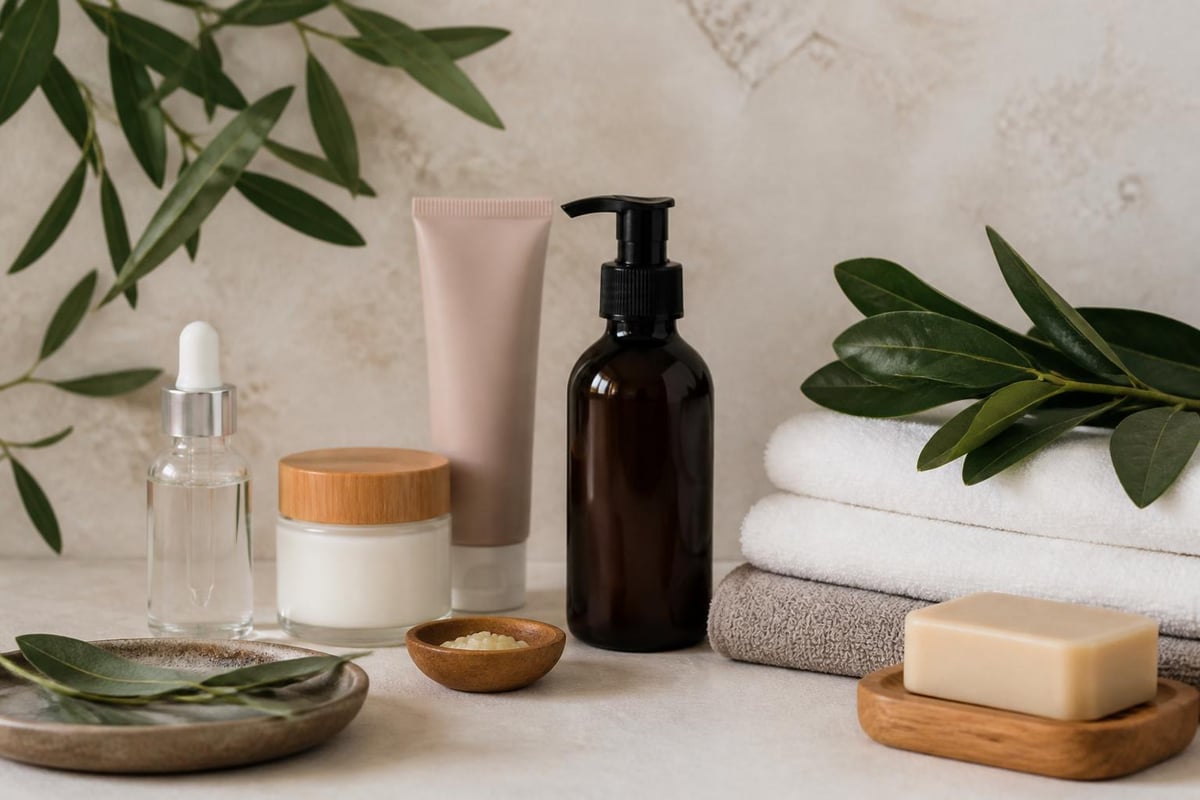
Natural and vegan skincare has moved from niche market to mainstream demand, with the best skincare brands UK produces leading this ethical revolution. Consumers increasingly question what they apply to their skin, seeking products free from harsh chemicals, synthetic fragratives, and animal-derived ingredients.
The difference between natural and vegan skincare deserves clarification. Natural skincare focuses on plant-based and mineral ingredients, avoiding synthetic chemicals. Vegan skincare excludes all animal-derived ingredients like beeswax, lanolin, and collagen, though it may still contain synthetic components.
Benefits of Choosing Natural Formulations
Natural ingredients often provide gentler alternatives for sensitive skin types. Plant extracts, essential oils, and botanical actives work harmoniously with your skin's natural processes rather than disrupting them.
For those exploring non-toxic skincare brands, understanding ingredient lists becomes crucial. Avoiding parabens, sulphates, phthalates, and synthetic fragrances reduces your exposure to potentially harmful chemicals.
| Ingredient Type | Traditional Option | Natural Alternative |
|---|---|---|
| Moisturiser | Mineral oil | Jojoba oil, rosehip oil |
| Preservative | Parabens | Vitamin E, rosemary extract |
| Exfoliant | Microbeads | Ground oats, sugar crystals |
| Cleanser | SLS | Coconut-derived surfactants |
Understanding Vegan Certifications
Vegan and cruelty-free beauty brands carry certifications from organisations like The Vegan Society or Leaping Bunny. These logos guarantee no animal testing occurred and no animal-derived ingredients feature in formulations.
The certification process involves rigorous auditing. Brands must prove their entire supply chain meets vegan standards, including ingredient suppliers and manufacturing facilities. This level of scrutiny ensures you're purchasing genuinely ethical products.
Top UK Skincare Categories Worth Exploring
Different skin concerns require targeted solutions, and the best skincare brands UK market caters to every need. Building an effective routine starts with understanding which product categories matter most for your skin type.
Cleansers and Makeup Removers
Cleansing forms the foundation of any skincare routine. Double cleansing has gained popularity, starting with an oil-based cleanser to remove makeup and sunscreen, followed by a water-based cleanser for deep cleaning.
Balm cleansers offer luxurious texture whilst effectively dissolving stubborn makeup. Micellar waters provide gentle cleansing for sensitive skin without stripping natural oils. Gel cleansers suit oily complexions, whilst cream cleansers work beautifully for dry skin.
When searching for gentle skin products, consider formulations with soothing ingredients like chamomile, aloe vera, or oat extract. These calm irritation whilst thoroughly cleansing.
Moisturisers for Every Skin Type
Hydration remains essential regardless of skin type, though the best formulation varies. The hunt for a cruelty-free moisturiser doesn't mean compromising on effectiveness.
Moisturiser selection guide:
- Oily skin - Lightweight gel or water-based formulas with hyaluronic acid
- Dry skin - Rich creams containing shea butter, ceramides, or plant oils
- Combination skin - Balanced lotions that hydrate without heaviness
- Sensitive skin - Fragrance-free options with minimal ingredients
- Mature skin - Anti-ageing formulas with peptides and antioxidants
Those seeking vegan face cream options will find abundant choices in 2026, as plant-based alternatives to traditional ingredients perform remarkably well.
Serums and Targeted Treatments
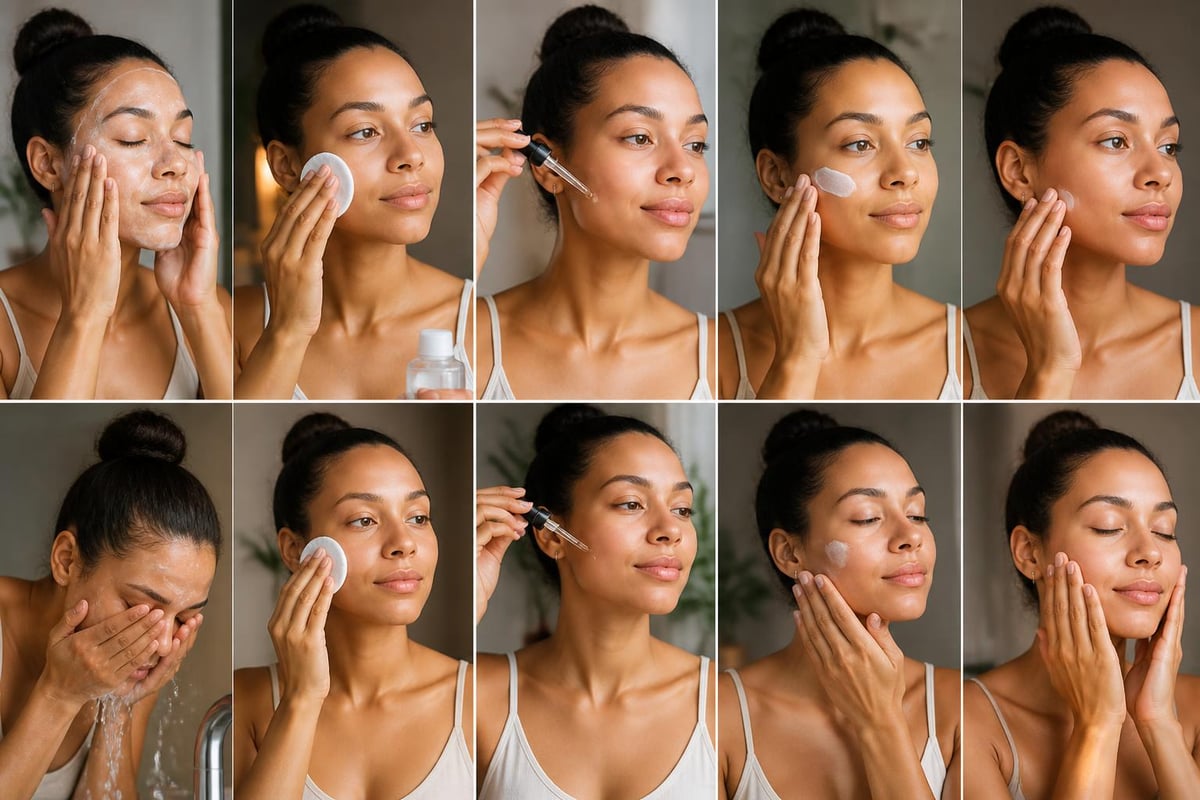
Serums deliver concentrated active ingredients deep into skin layers. These powerful formulations address specific concerns like hyperpigmentation, fine lines, or dehydration. Vitamin C serums brighten complexions, whilst hyaluronic acid provides intense hydration.
Niacinamide has emerged as a star ingredient, reducing pore size and regulating oil production. Retinol remains the gold standard for anti-ageing, though gentler alternatives like bakuchiol suit sensitive skin better.
Budget-Friendly Versus Premium Options
The debate between affordable and luxury skincare continues, yet the best skincare brands UK offers span all price points. Understanding where to invest and where to save helps maximise your skincare budget.
Premium brands often invest heavily in research and development, creating innovative formulations with high concentrations of active ingredients. Elegant packaging, luxurious textures, and comprehensive customer experiences justify higher prices for some consumers.
However, inexpensive skin care brands frequently contain similar active ingredients at different concentrations. Many affordable options deliver impressive results, particularly for basic skincare steps like cleansing and moisturising.
Where to Spend and Where to Save
Worth the investment:
- Active serums with high-quality ingredients
- Sunscreen with broad-spectrum protection
- Products for specific skin concerns
- Eye creams with targeted actives
Budget-friendly alternatives work well for:
- Basic cleansers and micellar waters
- Simple moisturisers for normal skin
- Toners without active ingredients
- Body lotions and hand creams
The key lies in reading ingredient lists rather than judging by price alone. Some mid-range brands offer exceptional value, combining quality formulations with reasonable pricing. Exploring skincare under £100 reveals numerous complete routines that won't strain your budget.
Shopping for Skincare in the UK
Finding the best skincare brands UK stocks has never been easier, with multiple shopping channels offering different advantages. High street retailers, online specialists, and direct-from-brand websites each present unique benefits.
High Street and Pharmacy Options
Boots, Superdrug, and Marks & Spencer carry extensive skincare ranges from budget to premium. These retailers offer the advantage of testing products, receiving staff recommendations, and immediate purchase satisfaction. Pharmacy brands often provide excellent value with dermatologically tested formulations.
Department stores stock luxury brands with trained beauty advisors who can recommend products based on your skin concerns. Sample sizes allow you to test expensive products before committing to full-size purchases.
Online Retailers and Brand Websites
Shopping directly from brand websites often provides the fullest range, including limited editions and exclusive sets. Many brands offer subscription services with discounts for regular purchasers. Customer reviews help gauge product performance across different skin types.
For those wondering where to find stockists, many UK brands maintain updated lists of retail partners both online and in physical locations. This transparency helps you shop wherever feels most convenient.
Specialised online beauty retailers curate selections from multiple brands, making comparison shopping straightforward. Look for retailers offering samples or discovery sets to trial products before purchasing full sizes.
Sustainable and Ethical Considerations
Environmental consciousness shapes purchasing decisions more than ever, with the best skincare brands UK consumers support prioritising sustainability. Packaging waste, carbon footprints, and ingredient sourcing all factor into brand reputation.
Sustainability initiatives to look for:
- Refillable packaging systems
- Recycled and recyclable materials
- Carbon-neutral shipping options
- Waterless formulations
- Locally sourced ingredients
- Minimal packaging designs
The importance of authenticity in natural skincare brands cannot be overstated. Greenwashing remains problematic, with some brands making environmental claims without substantive action. Researching certifications and reading beyond marketing materials helps identify genuinely sustainable companies.
Brands committed to sustainability often embrace transparency about their environmental impact. Annual sustainability reports, clear recycling instructions, and honest communication about ongoing improvements demonstrate authentic commitment.

Tailoring Your Routine to Your Skin Type
Understanding your skin type remains fundamental to selecting the best skincare brands UK offers for your individual needs. Skin types generally fall into five categories: normal, oily, dry, combination, and sensitive.
Identifying Your Skin Type
Normal skin displays balanced oil production with few concerns. It tolerates most products well and rarely experiences breakouts or sensitivity. Lucky individuals with normal skin can experiment with various formulations.
Oily skin produces excess sebum, leading to shine, enlarged pores, and potential breakouts. Look for lightweight, non-comedogenic products that won't clog pores. Non-comedogenic moisturisers provide hydration without heaviness.
Dry skin feels tight, especially after cleansing, and may appear flaky or rough. Rich, nourishing formulations with oils and butters restore moisture barriers. Avoid harsh cleansers that strip natural oils.
Combination skin presents oiliness in the T-zone (forehead, nose, chin) whilst cheeks remain normal or dry. Targeted application of different products to different zones works well, or choose balanced formulations suitable for mixed needs.
Sensitive Skin Considerations
Sensitive skin reacts easily to products, environmental factors, or stress, displaying redness, itching, or burning sensations. Choosing sensitive skin skincare brands with minimal ingredients reduces reaction risk.
| Skin Type | Best Cleanser | Best Moisturiser | Key Ingredients |
|---|---|---|---|
| Normal | Gentle gel or cream | Light lotion | Hyaluronic acid, vitamin E |
| Oily | Foaming or gel | Oil-free gel | Salicylic acid, niacinamide |
| Dry | Cream or balm | Rich cream | Shea butter, ceramides |
| Combination | Gentle foam | Lightweight lotion | Glycerin, jojoba oil |
| Sensitive | Micellar water | Fragrance-free cream | Colloidal oatmeal, aloe |
Patch testing new products prevents full-face reactions. Apply a small amount to your inner forearm or behind your ear, waiting 24-48 hours before using on your face.
British Brands Leading the Natural Movement
The UK produces exceptional skincare brands embracing natural ingredients and ethical practices. These companies demonstrate that the best skincare brands UK creates compete globally whilst maintaining British values of quality and integrity.
Several UK brands have gained international recognition for their commitment to natural formulations. These companies often started small, driven by founders passionate about creating effective alternatives to conventional skincare.
Independent British brands frequently prioritise local ingredient sourcing where possible, supporting UK farmers and reducing transportation emissions. Wildcrafted botanicals, organic herbs, and cold-pressed oils feature prominently in formulations.
The best UK organic skincare brands maintain rigorous standards, often exceeding legal requirements for organic certification. Soil Association certification guarantees ingredients meet strict organic farming criteria.
Supporting Independent Makers
Small-batch production allows independent brands to maintain exceptional quality control. Handmade products often contain fresher ingredients and receive more attention during manufacturing than mass-produced alternatives.
Many smaller brands offer personalised customer service, answering questions about ingredients, usage, and skin concerns. This direct relationship builds trust and loyalty between brand and customer.
Shopping from independent UK skincare brands supports local economies and entrepreneurship. Many offer wholesale opportunities for retailers wanting to stock authentic, quality products.
Building Your Perfect Skincare Routine
Creating an effective routine with the best skincare brands UK provides needn't feel complicated. Start simple and add products gradually as you understand your skin's responses.
Essential morning routine:
- Gentle cleanser to remove overnight oil and impurities
- Toner to balance pH and prep skin
- Serum targeting specific concerns
- Moisturiser appropriate for your skin type
- Broad-spectrum SPF protection (non-negotiable)
Essential evening routine:
- Oil-based cleanser or makeup remover
- Water-based cleanser (double cleansing)
- Toner to refresh and balance
- Treatment products (retinol, acids, etc.)
- Night cream or sleeping mask
Adding too many products simultaneously makes identifying problem ingredients difficult. Introduce new products one at a time, waiting at least a week between additions. This methodical approach helps you understand what works for your skin.
Seasonal Adjustments
Your skin's needs change with seasons, requiring routine adjustments. Winter demands richer moisturisers as heating dries skin, whilst summer calls for lighter formulations. The best skincare brands UK offers provide ranges suitable for these variations.
Spring and autumn may trigger sensitivities as environmental allergens increase. Simplifying your routine during these transitions can help manage reactivity.
The Future of UK Skincare
Innovation continues transforming the skincare industry, with British brands at the forefront of exciting developments. Sustainable practices, advanced formulations, and personalised skincare shape the future landscape.
Waterless beauty products reduce environmental impact whilst delivering concentrated actives. Powder cleansers, solid serums, and concentrated treatments minimise packaging and shipping weights.
Biotechnology enables creation of sustainable alternatives to traditional ingredients. Lab-grown actives replicate nature's benefits without environmental harvesting concerns. These innovations make the best skincare brands UK produces leaders in sustainable beauty.
Emerging trends for 2026 and beyond:
- Personalised formulations based on DNA analysis
- Probiotic skincare supporting skin microbiome
- Climate-adaptive formulations responding to environmental conditions
- Circular economy packaging with deposit return schemes
- AI-powered skin analysis and product recommendations
Transparency continues gaining importance, with consumers demanding ingredient traceability and ethical supply chains. Blockchain technology may soon allow customers to track ingredients from source to shelf.
The democratisation of quality skincare means effective products become accessible at multiple price points. Education empowers consumers to make informed choices based on ingredients rather than marketing hype.
Navigating Common Skincare Concerns
Even with the best skincare brands UK shelves stock, common skin concerns affect many people. Understanding how to address these issues helps you select appropriate products.
Acne and Breakouts
Adult acne affects numerous people beyond teenage years. Hormonal fluctuations, stress, and dietary factors contribute to breakouts. Salicylic acid, benzoyl peroxide, and niacinamide help manage acne-prone skin.
Avoid over-cleansing, which strips natural oils and triggers increased oil production. Gentle approaches work better than harsh treatments. Non-comedogenic products prevent pore blockage whilst providing necessary hydration.
Hyperpigmentation and Dark Spots
Sun damage, post-inflammatory marks, and melasma create uneven skin tone. Vitamin C, niacinamide, and alpha arbutin gradually fade dark spots with consistent use.
Sunscreen remains crucial for preventing further pigmentation. Even the best brightening products fail without proper sun protection. Year-round SPF application protects skin regardless of weather.
Fine Lines and Ageing Skin
Retinol remains the gold standard for reducing fine lines and improving skin texture. Starting with lower concentrations and building tolerance prevents irritation. Peptides, antioxidants, and hyaluronic acid complement anti-ageing routines.
Hydration matters as much as active ingredients for maintaining youthful skin. Well-moisturised skin appears plumper and shows fewer lines. Consistency delivers better results than constantly switching products.
Dryness and Dehydration
Distinguishing between dry and dehydrated skin helps target treatments effectively. Dry skin lacks oil, whilst dehydrated skin lacks water. Both conditions can occur simultaneously or independently.
Hyaluronic acid draws moisture into skin, whilst oils seal hydration in. Layering water-based and oil-based products creates optimal hydration. Drinking adequate water supports skin health from within.
Choosing from the best skincare brands UK offers becomes easier when you understand your skin's needs and prioritise quality ingredients over marketing claims. Whether you're drawn to natural formulations, ethical production, or simply want products that deliver results, the British skincare market provides abundant excellent options across all budgets. If you're ready to experience the benefits of truly natural, vegan skincare crafted with care and commitment to sustainability, explore what White Rabbit Skin Care can offer your skin today.