


Best Face Products: Your Guide to Healthy, Glowing Skin
Finding the best face products can feel overwhelming when you're standing in front of shelves packed with hundreds of options, each promising miraculous results. Whether you're dealing with dry patches, unexpected breakouts, or simply want to maintain healthy skin, selecting the right products makes all the difference. The key isn't necessarily splashing out on the most expensive formulas, but rather understanding your skin's unique needs and choosing products with ingredients that genuinely work. In 2026, we're fortunate to have access to incredible natural and vegan options that deliver results without compromising on ethics or sustainability.
Understanding Your Skin Type
Before investing in any skincare products, you absolutely must identify your skin type. This fundamental step prevents you from wasting money on products that won't work for you or might even make matters worse.
The Five Main Skin Types
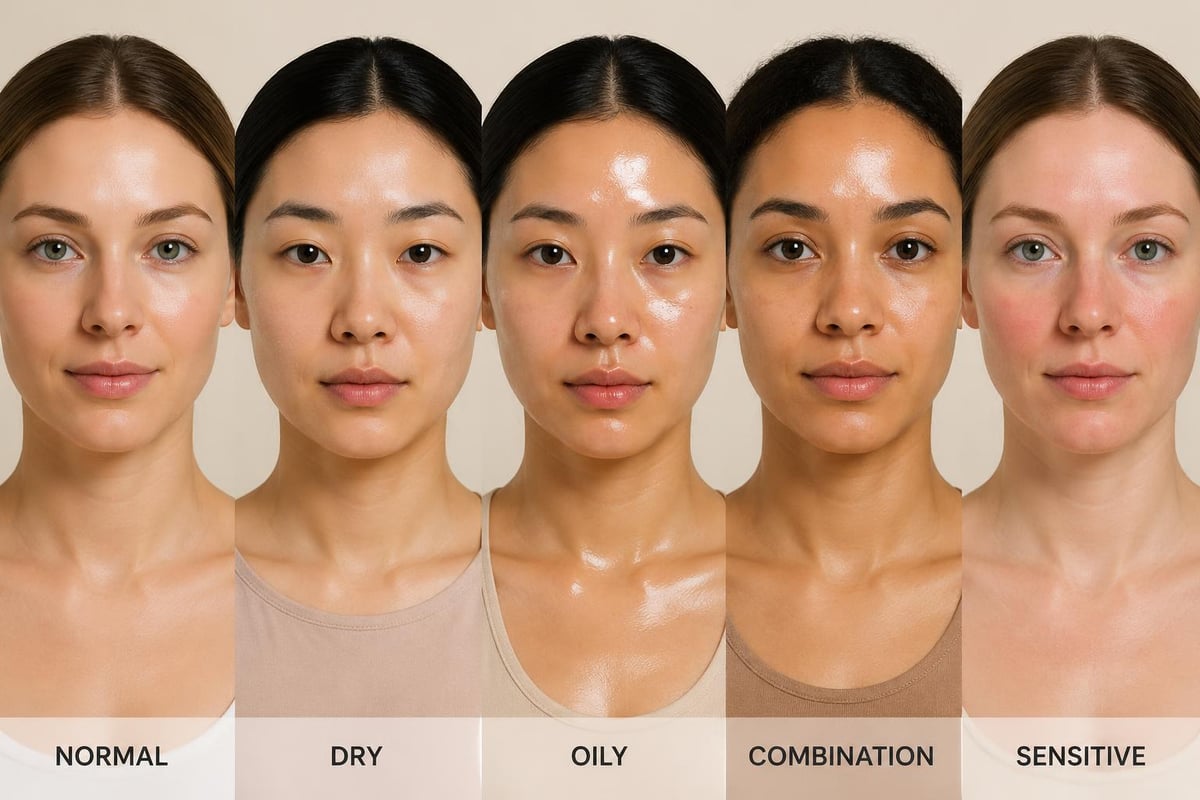
Your skin generally falls into one of these categories:
- Normal skin: balanced, neither too oily nor too dry, with minimal sensitivity
- Dry skin: feels tight, shows flakiness, and may appear dull
- Oily skin: produces excess sebum, appears shiny, and is prone to breakouts
- Combination skin: oily in the T-zone (forehead, nose, chin) but dry elsewhere
- Sensitive skin: reacts easily to products, experiences redness or irritation
The simplest way to determine your type is the blotting sheet test. Cleanse your face, wait an hour without applying anything, then press blotting paper against different areas. Lots of oil indicates oily skin, minimal oil suggests dry skin, and oil only from your T-zone points to combination skin.
Understanding whether you have sensitive skin requires special consideration, as you'll need gentler formulations without harsh chemicals or synthetic fragrances.
Essential Face Products Everyone Needs
Building an effective routine doesn't require twenty different products. The best face products work together as a cohesive system, with each step preparing your skin for the next.
Cleanser: Your Foundation
Cleansing is absolutely non-negotiable. Throughout the day, your skin accumulates dirt, excess oil, environmental pollutants, and makeup that can clog pores and lead to breakouts.
For oily skin, gel or foaming cleansers help remove excess sebum without stripping your skin. For dry skin, cream or oil-based cleansers provide hydration whilst removing impurities. For combination skin, consider using different cleansers for different areas or opt for a balanced gel formula.
According to expert skincare recommendations, cleansing twice daily - morning and evening - creates the perfect canvas for the rest of your routine.
Toner: The Misunderstood Hero
Many people skip toner, thinking it's unnecessary, but this step offers significant benefits. Modern toners aren't the harsh, alcohol-based formulas of decades past. Today's best face products in this category balance your skin's pH, remove any remaining traces of cleanser, and prepare your skin to absorb serums and moisturisers more effectively.
| Skin Type | Best Toner Ingredients | Benefits |
|---|---|---|
| Dry | Hyaluronic acid, glycerin, aloe vera | Adds hydration, soothes irritation |
| Oily | Witch hazel, niacinamide, tea tree | Controls oil, minimizes pores |
| Sensitive | Chamomile, rose water, calendula | Calms redness, reduces inflammation |
| Combination | Rose water, green tea, cucumber | Balances without over-drying |
Serum: Targeted Treatment
Serums contain concentrated active ingredients that address specific concerns like hyperpigmentation, fine lines, or dehydration. These lightweight formulations penetrate deeply into your skin, delivering powerful benefits that moisturisers alone can't achieve.
The most versatile serum ingredient is vitamin C, which brightens skin tone, protects against environmental damage, and stimulates collagen production. For anti-aging concerns, retinol remains the gold standard, though it requires careful introduction to avoid irritation.
Moisturiser: Lock It All In
Even oily skin needs moisturiser. The best face products in this category create a protective barrier that prevents water loss whilst delivering nourishing ingredients throughout the day.
Look for formulas appropriate to your skin type:
- Lightweight gels for oily skin that won't clog pores
- Rich creams for dry skin that provide intense hydration
- Balanced lotions for combination skin that adjust to different areas
- Fragrance-free formulas for sensitive skin to minimize reactions
Natural vegan face creams offer excellent options without animal-derived ingredients or testing, using plant-based alternatives that are just as effective.
Sun Protection: The Ultimate Anti-Aging Product
We simply cannot overstate the importance of daily SPF. Sun damage is the single largest contributor to premature aging, causing wrinkles, age spots, and loss of elasticity. Experts consistently rank sunscreen among the most crucial skincare products, recommending broad-spectrum SPF 30 or higher every single day, regardless of weather.
Modern formulations feel nothing like the thick, white creams of the past. You'll find lightweight, invisible options that work beautifully under makeup and don't leave any residue.
Advanced Face Products for Specific Concerns
Once you've mastered the basics, you might want to address particular skin issues with specialized products.
Exfoliators: Revealing Fresh Skin
Exfoliation removes dead skin cells that can make your complexion look dull and clog your pores. You have two main options:
Physical exfoliators use small particles to manually buff away dead cells. These work well for most skin types but require a gentle touch to avoid irritation.
Chemical exfoliators use acids like AHAs (alpha-hydroxy acids) or BHAs (beta-hydroxy acids) to dissolve the bonds between dead cells. These often provide more even results without the risk of micro-tears from scrubbing.
Most skin types benefit from exfoliating 2-3 times weekly, though sensitive skin may only tolerate once weekly treatments.
Eye Creams: Delicate Area Care
The skin around your eyes is significantly thinner than the rest of your face, making it more prone to showing signs of aging and fatigue. The best face products for this area address concerns like:
- Dark circles from genetics or sleep deprivation
- Puffiness caused by fluid retention
- Fine lines and crow's feet from repeated facial movements
- Loss of firmness as collagen production decreases
Caffeine reduces puffiness, peptides stimulate collagen production, and vitamin K helps with dark circles. Apply eye cream using your ring finger, which naturally applies the lightest pressure.
Face Masks: Weekly Treatments
Think of masks as intensive treatments that give your skin an extra boost. Clay masks draw out impurities and excess oil, sheet masks deliver concentrated hydration, and enzyme masks provide gentle exfoliation.
| Mask Type | Best For | Frequency |
|---|---|---|
| Clay/Mud | Oily, acne-prone skin | 1-2 times weekly |
| Hydrating | Dry, dehydrated skin | 2-3 times weekly |
| Brightening | Dull, uneven skin tone | 1-2 times weekly |
| Exfoliating | All types (adjust strength) | Once weekly |
Anti-Aging Products: Prevention and Treatment
Nobody can stop time, but the right products can certainly slow visible signs of aging. According to expert reviews of wrinkle creams, ingredients like retinol, peptides, and antioxidants deliver measurable results when used consistently.
Start anti-aging prevention in your mid-twenties with antioxidant serums and daily SPF. In your thirties, consider adding retinol to boost cell turnover and collagen production. Your forties and beyond might benefit from richer formulations with multiple active ingredients.
Natural and Vegan Face Products
The shift towards clean, ethical beauty has transformed the skincare industry. You no longer need to compromise between effective results and responsible choices.
Why Choose Natural Ingredients
Natural ingredients often provide gentler alternatives to synthetic compounds whilst delivering impressive results. Plant oils, botanical extracts, and naturally derived acids work with your skin rather than against it.
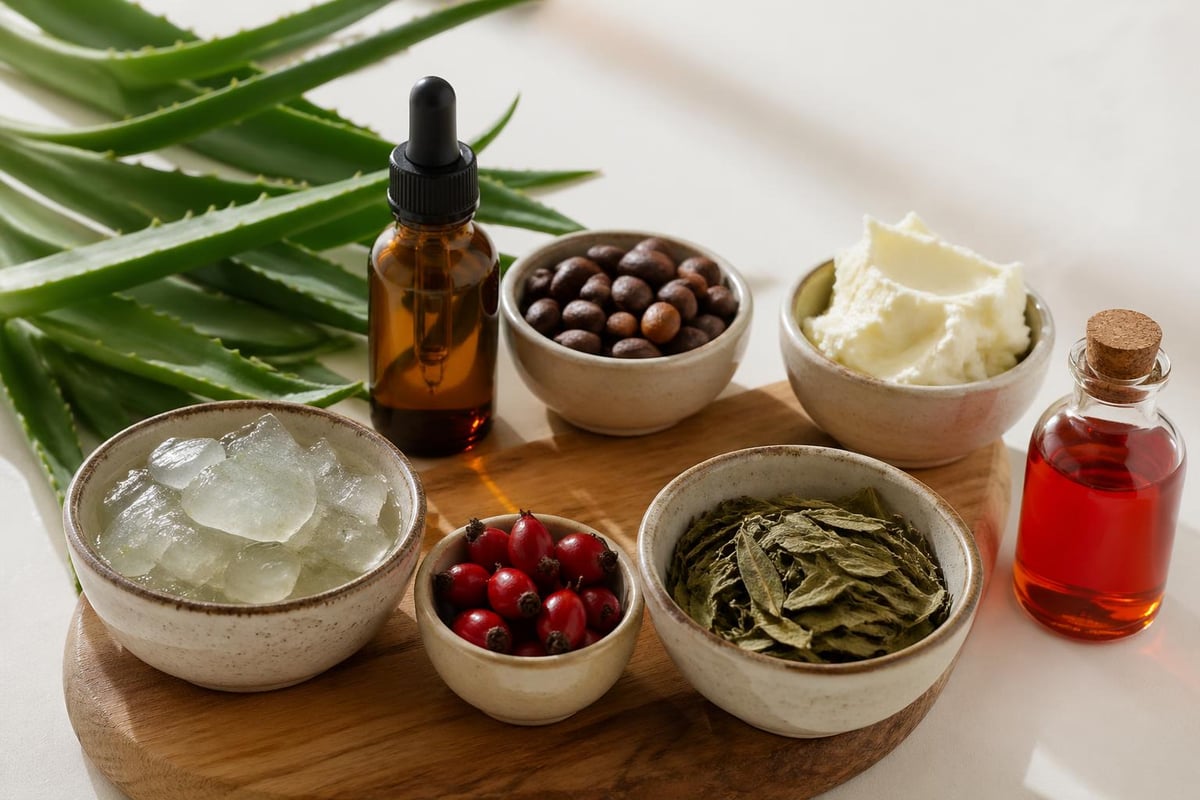
Key natural ingredients to look for:
- Aloe vera for soothing and hydration
- Jojoba oil that closely mimics skin's natural sebum
- Rose hip oil packed with vitamins and fatty acids
- Green tea extract providing powerful antioxidants
- Shea butter for deep nourishment
These ingredients have been used for centuries in traditional skincare practices, and modern science continues to validate their effectiveness.
The Vegan Skincare Movement
Vegan skincare excludes all animal-derived ingredients like beeswax, lanolin, collagen, and carmine. This ethical approach also typically means cruelty-free production without animal testing.
The best non-toxic skincare brands prove that you don't need animal ingredients to create luxurious, effective formulations. Plant-based alternatives often perform just as well or better than their conventional counterparts.
When selecting natural products, examine the full ingredient list rather than relying solely on marketing claims. Truly natural formulations feature recognizable botanical names near the top of the ingredients list.
Building Your Perfect Routine
Creating an effective skincare routine isn't about using the most products but rather using the right products in the proper order.
Morning Routine Structure
Your morning routine protects and prepares your skin for the day ahead:
- Cleanse with a gentle formula to remove overnight oil buildup
- Tone to balance pH and prep for absorption
- Apply serum whilst skin is still slightly damp
- Moisturise to lock in hydration
- Apply SPF as your final step before makeup
This sequence ensures each product can work effectively without being blocked by heavier formulations.
Evening Routine Structure
Night-time is when your skin repairs itself, making it the ideal time for treatment products:
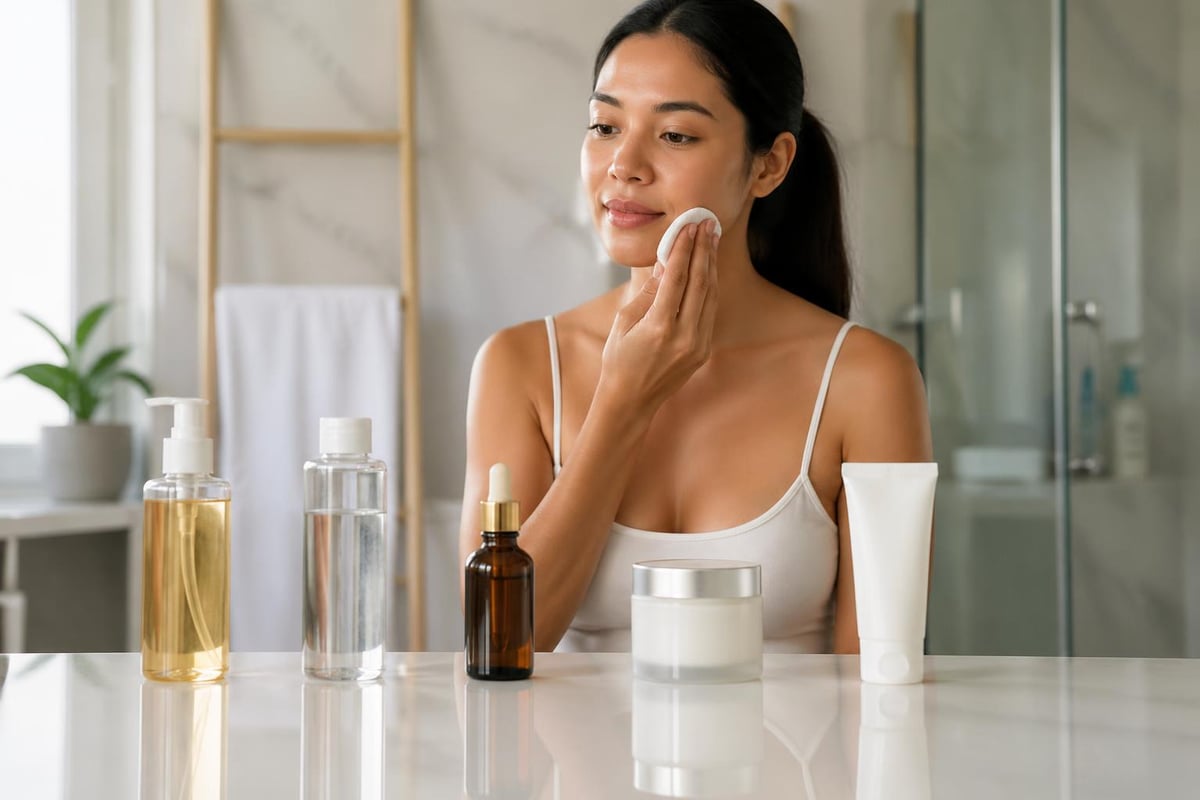
- Remove makeup with an oil-based cleanser or micellar water
- Cleanse thoroughly with your regular cleanser
- Exfoliate (2-3 times weekly, not daily)
- Tone to remove any remaining impurities
- Apply treatment serums like retinol or targeted treatments
- Use eye cream on the delicate eye area
- Moisturise with a richer night cream
Many people find detailed guides about skincare products helpful when first building their routines, as they explain not just what to use but how and when.
Consistency Matters More Than Perfection
The best face products won't deliver results if you use them sporadically. Skincare requires patience and consistency, with most products needing 6-12 weeks of regular use before showing visible improvements.
Set realistic expectations. You won't erase twenty years of sun damage in a month, but you will see gradual, steady improvements that add up to significant results over time.
Budget-Friendly Options That Actually Work
Effective skincare doesn't require a second mortgage. Whilst luxury brands certainly have their place, numerous affordable options deliver excellent results.
Where to Invest vs. Where to Save
Invest in:
- Serums with active ingredients (these make the biggest difference)
- SPF products you'll actually want to wear daily
- Products for specific concerns like acne or hyperpigmentation
Save on:
- Basic cleansers (expensive doesn't necessarily mean better)
- Moisturisers with simple formulations
- Cotton pads, tools, and accessories
Fashion magazines like Vogue highlight both high-end and accessible options in their skincare roundups, proving that price doesn't always correlate with effectiveness.
Multi-Purpose Products
Some of the best face products serve multiple functions, giving you more value:
- Cleansing balms that remove makeup and cleanse in one step
- Tinted moisturisers with SPF combining three products
- Vitamin C serums that brighten, protect, and boost collagen
- Face oils that work as serums, moisturiser boosters, or makeup primers
These versatile formulations simplify your routine whilst reducing costs and bathroom clutter.
Common Mistakes to Avoid
Even with the best face products, poor application techniques or unrealistic expectations can sabotage your results.
Overcomplicating Your Routine
More products don't automatically mean better skin. In fact, using too many active ingredients simultaneously can cause irritation, compromise your skin barrier, and worsen the very problems you're trying to solve.
Start with basics, then add one new product at a time, waiting at least two weeks before introducing another. This approach helps you identify what actually works for your skin.
Neglecting Your Neck and Décolletage
These areas show aging just as much as your face but often get ignored. Extend your skincare products down to your neck and chest area, using the same gentle upward motions.
Using Dirty Tools and Hands
Always apply products with clean hands or freshly washed tools. Dirty applicators transfer bacteria to your skin, potentially causing breakouts and infections.
Expecting Instant Results
Skincare is a marathon, not a sprint. Cell turnover takes approximately 28 days, meaning you need at least a month to see initial results from new products. Anti-aging and pigmentation treatments require even longer, often showing significant improvements only after 12-16 weeks of consistent use.
The most popular skin care products maintain their status because they deliver reliable results over time, not because they offer overnight transformations.
Reading Labels Like a Pro
Understanding ingredient lists empowers you to make informed decisions about which products truly deserve a place in your routine.
Ingredient Order Matters
Ingredients appear in descending order by weight, meaning the first five ingredients make up the majority of the formula. If a product claims to contain a beneficial ingredient but it appears near the end of a long list, you're getting a negligible amount.
Water (aqua) often tops the list in moisturisers and toners, which is perfectly normal. Look for active ingredients appearing within the first ten items for meaningful concentrations.
Red Flags to Watch For
Certain ingredients deserve scrutiny, particularly for sensitive skin:
- Synthetic fragrances (often listed as "parfum" or "fragrance")
- Denatured alcohol as a primary ingredient (small amounts in formulations are usually fine)
- Sulfates like SLS or SLES in cleansers, which can be harsh
- Parabens used as preservatives (controversial, though research remains mixed)
Natural and vegan formulations typically avoid these ingredients, using gentler alternatives that still preserve products effectively.
Beneficial Ingredients to Seek Out
For hydration:
- Hyaluronic acid (holds 1000x its weight in water)
- Glycerin (attracts moisture to skin)
- Ceramides (strengthen skin barrier)
For anti-aging:
- Retinol (stimulates collagen, increases cell turnover)
- Peptides (signal skin to produce more collagen)
- Antioxidants like vitamins C and E (protect against damage)
For brightening:
- Vitamin C (reduces pigmentation, evens tone)
- Niacinamide (minimizes pores, improves texture)
- Kojic acid (gentle alternative to hydroquinone)
Seasonal Skincare Adjustments
Your skin's needs change throughout the year, requiring slight adjustments to maintain optimal health.
Winter Skincare
Cold weather, indoor heating, and low humidity strip moisture from your skin. During winter months, you might need to:
- Switch to richer, more emollient cleansers
- Layer hydrating serums under heavier moisturisers
- Add face oils to boost nourishment
- Continue wearing SPF (UV rays penetrate clouds and reflect off snow)
Even though it feels counterintuitive, don't skip SPF in winter. Sun damage occurs year-round, and winter sports enthusiasts face particularly high exposure at altitude.
Summer Skincare
Warmer weather increases oil production and sweat, whilst sun exposure intensifies. Summer adjustments include:
- Switching to lighter, gel-based moisturisers
- Increasing SPF application frequency (reapply every two hours outdoors)
- Adding antioxidant serums for extra sun protection
- Using mattifying products if excess shine becomes problematic
The best face products adapt to your changing needs rather than forcing your skin to adapt to them.
Professional Treatments vs. At-Home Care
Whilst excellent at-home products form your routine's foundation, professional treatments can address stubborn concerns that topical products alone might not resolve.
When to See a Professional
Consider booking appointments with dermatologists or aestheticians for:
- Persistent acne that doesn't respond to over-the-counter treatments
- Significant hyperpigmentation or melasma
- Deep wrinkles or loss of volume
- Rosacea or other inflammatory conditions
- Suspicious moles or skin changes
Professional-strength treatments like chemical peels, microneedling, and laser therapies penetrate deeper than home-use products, delivering more dramatic results for challenging issues.
Maintaining Professional Results
Even the best professional treatments require proper at-home maintenance. Your aesthetician will recommend specific products that extend and enhance your results, making your investment worthwhile.
Think of professional treatments as major renovations and your daily routine as ongoing maintenance. Both work together to keep your skin looking its absolute best.
The Role of Lifestyle in Skin Health
No amount of skincare products can compensate for poor lifestyle habits. The best face products work most effectively when supported by healthy choices.
Nutrition and Hydration
Your skin reflects what you put into your body. Drinking adequate water keeps skin plump and helps flush toxins. Foods rich in omega-3 fatty acids, antioxidants, and vitamins support skin health from within.
Skin-loving foods include:
- Fatty fish like salmon and mackerel
- Colourful fruits and vegetables
- Nuts and seeds
- Green tea
- Dark chocolate (in moderation!)
Sleep and Stress Management
Your skin truly does repair itself during sleep. Aim for 7-9 hours nightly to allow proper cellular regeneration. Chronic stress triggers inflammation and can exacerbate conditions like acne, eczema, and psoriasis.
Exercise Benefits
Regular physical activity increases blood flow, delivering oxygen and nutrients to skin cells whilst carrying away waste products. The post-workout glow is real, though remember to cleanse promptly after exercising to prevent clogged pores.
Finding Reliable Product Information
With countless brands making bold claims, how do you separate marketing hype from genuine effectiveness?
Trustworthy Sources
Research products through reputable sources that test products independently rather than relying solely on brand claims or influencer promotions. When exploring options, you'll find helpful information about what makes certain skincare products exceptional from companies transparent about their formulations and sourcing.
Patch Testing New Products
Before applying any new product to your entire face, test it on a small area first. Apply a small amount to your inner forearm or behind your ear, then wait 24-48 hours to check for reactions.
This simple step prevents turning a minor sensitivity into a full-face disaster.
Reviewing Ingredients vs. Marketing
Beautiful packaging and compelling advertising don't guarantee effective products. Always examine the ingredient list and understand what's actually in the bottle before purchasing based on claims alone.
Choosing the best face products ultimately comes down to understanding your unique skin, selecting formulas with proven ingredients, and maintaining consistency in your routine. The journey to healthy, glowing skin doesn't require hundreds of products or astronomical spending, just informed decisions and patience. If you're ready to embrace natural, vegan skincare that delivers real results without compromising your values, explore the carefully crafted range at White Rabbit Skin Care, where every product is designed with your skin's health and our planet's wellbeing in mind.