


Beauty Products for Sensitive Skin: Your Complete Guide
Finding the right beauty products for sensitive skin can feel like navigating a minefield. Your skin reacts to everything, leaving you frustrated and uncomfortable. But here's the good news: understanding what sensitive skin truly needs and choosing the right ingredients can transform your skincare routine from a source of stress into a soothing ritual. Whether you're dealing with redness, itching, or unpredictable reactions, there's a path forward that doesn't involve endless trial and error. Let's explore how to care for your delicate skin with confidence and compassion.
Understanding What Makes Skin Sensitive
Sensitive skin isn't just a buzzword in the beauty industry. It's a genuine condition affecting nearly 60% of people in the UK, according to recent dermatological research.
What triggers sensitive skin?
- Compromised skin barrier function
- Genetic predisposition
- Environmental factors like pollution and weather changes
- Hormonal fluctuations
- Stress and lifestyle factors
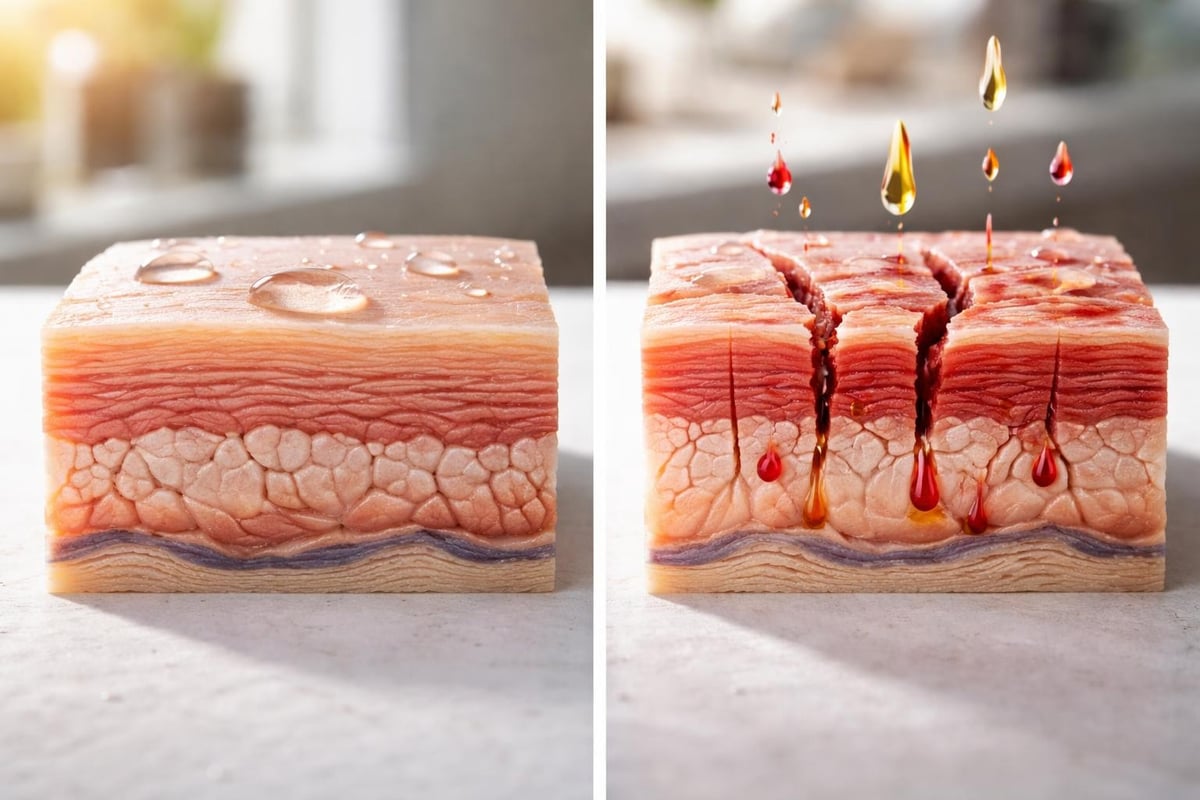
When your skin barrier is weakened, irritants penetrate more easily. This leads to inflammation, redness, and that uncomfortable tight feeling many of us know too well. The beauty industry is responding to the rise in consumers with sensitive skin by offering specialized products (https://www.beautyindependent.com/beauty-industry-consumers-skin-sensitive-now-here-help/), but knowing which ones actually work requires understanding your skin's unique needs.
Your skin might be sensitive if you experience stinging or burning when applying products, persistent redness, dry patches that won't heal, or reactions to weather changes. These signs indicate your skin barrier needs extra support and gentler formulations.
Key Ingredients to Look For
Not all beauty products for sensitive skin are created equal. The ingredients list tells the real story.
Calming Plant Extracts
Natural botanicals offer gentle yet effective relief. Chamomile, calendula, and aloe vera have anti-inflammatory properties without the harsh chemicals that trigger reactions. These ingredients have been used for centuries and continue to prove their worth in modern formulations.
Oat extract deserves special mention. It creates a protective film on the skin whilst delivering soothing benefits. Many sensitive skin skincare brands incorporate colloidal oatmeal into their cleansers and moisturisers for this reason.
Barrier-Supporting Lipids
Your skin barrier relies on ceramides, fatty acids, and cholesterol to function properly. Look for products containing these lipids to repair and strengthen your natural defenses.
| Ingredient | Benefit | Found In |
|---|---|---|
| Ceramides | Restore barrier function | Moisturisers, serums |
| Squalane | Mimics skin's natural oils | Face oils, creams |
| Niacinamide | Reduces redness, strengthens barrier | Toners, treatments |
| Hyaluronic acid | Hydrates without irritation | All product types |
What to Avoid
Equally important is knowing what to skip. Fragrance tops the list of irritants, even natural fragrances can trigger reactions. Alcohol denat, sulphates, and harsh exfoliants like physical scrubs should be avoided in your dry sensitive skin collection.
Essential oils require caution too. Whilst natural, they're highly concentrated and can cause sensitivity. If you choose products with essential oils, ensure they're low in the ingredients list and patch test first.
Building Your Gentle Skincare Routine
A successful routine for beauty products for sensitive skin follows one golden rule: less is more.
Morning Ritual
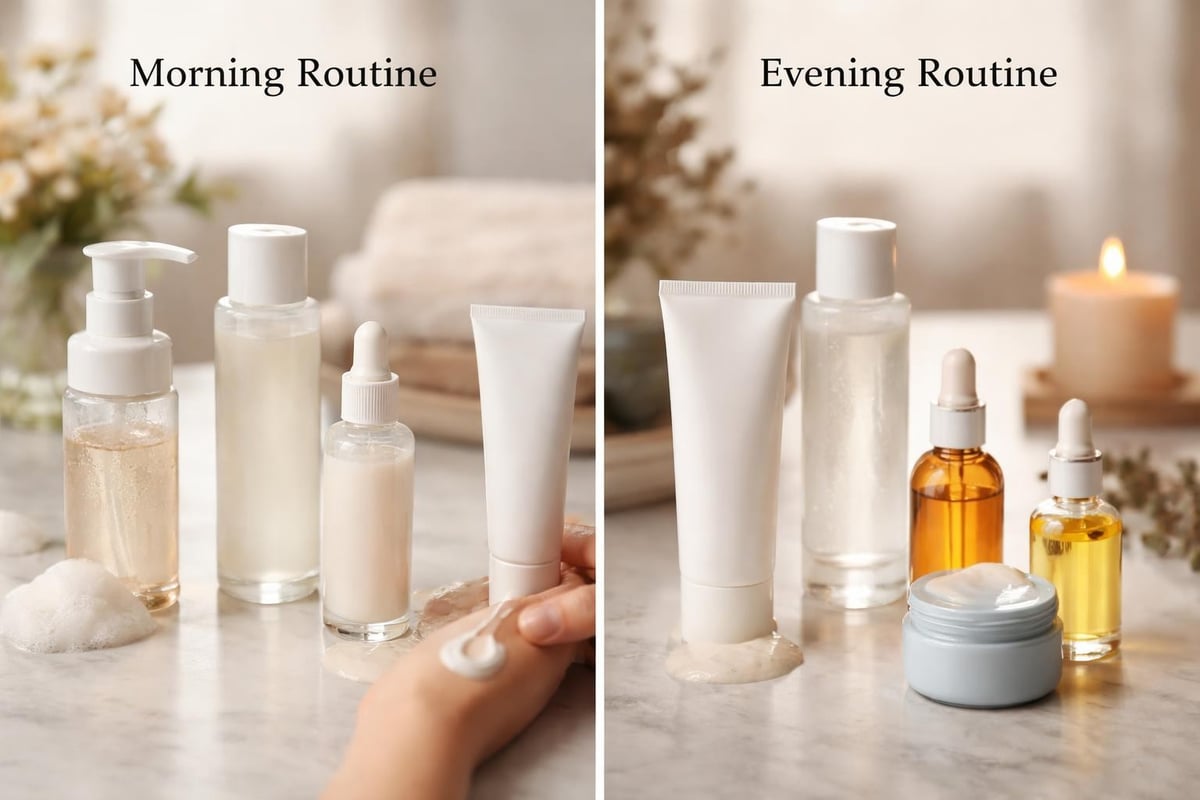
Start with a gentle cleanser that doesn't strip your skin. Who What Wear emphasizes that selecting the right cleanser for sensitive skin means choosing formulas that cleanse without compromising your skin's health. Cream or oil-based cleansers work beautifully for most sensitive skin types.
Follow with a hydrating toner. Forget the astringent toners of the past; modern formulations for sensitive skin focus on replenishing and soothing. Apply whilst your skin is still slightly damp to lock in moisture.
Your morning steps:
- Gentle cream or oil cleanser
- Alcohol-free hydrating toner
- Lightweight serum (optional)
- Moisturiser with SPF or separate SPF
Sunscreen is non-negotiable. Choose mineral formulas with zinc oxide or titanium dioxide, as these sit on the skin's surface rather than absorbing, making them gentler for reactive skin.
Evening Wind-Down
Your evening routine offers the perfect opportunity for repair and regeneration.
Remove makeup and daily grime with the same gentle cleanser. Double cleansing can work for sensitive skin if you use two mild products rather than harsh formulas. The first cleanse removes surface debris, whilst the second cleanses the skin itself.
Night-time is when you might introduce targeted treatments. However, approach active ingredients cautiously. Even beneficial ingredients like retinol or vitamin C need careful introduction for sensitive skin types.
The Vegan Advantage for Sensitive Skin
Plant-based beauty products for sensitive skin offer distinct advantages. Vegan formulations avoid common irritants found in animal-derived ingredients whilst providing potent botanical benefits.
Why Vegan Works
Animal ingredients like lanolin, collagen, and certain waxes can trigger sensitivities. Vegan alternatives often prove gentler and more compatible with reactive skin. Plus, vegan face cream formulations typically focus on anti-inflammatory plant extracts that support skin health.
The sustainability aspect matters too. When you're dealing with sensitive skin, you want products made with care and attention to detail. Companies committed to vegan and natural formulations often maintain higher quality control standards throughout their production process.
Natural Doesn't Always Mean Gentle
Here's an important distinction: natural and vegan doesn't automatically equal sensitive-skin-friendly. Some natural ingredients are quite potent. Experts recommend simplifying your routine and avoiding irritants, whether natural or synthetic.
Research each ingredient individually. Just because something grows in nature doesn't mean it won't cause a reaction. However, well-formulated natural products often contain fewer synthetic preservatives and fillers that commonly irritate sensitive skin.
Cleansers: The Foundation of Sensitive Skin Care
Your cleanser sets the tone for everything that follows. Get this wrong, and even the best serums and moisturisers can't compensate.
Types That Work
Cream cleansers provide a gentle, nourishing cleanse that doesn't disrupt your skin barrier. They remove impurities whilst leaving beneficial oils intact.
Oil cleansers might seem counterintuitive, but they're remarkably effective for sensitive skin. They dissolve makeup and sunscreen without stripping, making them ideal for first cleansing.
Micellar water offers the ultimate in gentleness for particularly reactive days. These tiny oil molecules suspended in water lift away dirt without rubbing or rinsing required.
The cleansers collection you choose should match your skin's current needs. If your skin feels tight after cleansing, your formula is too harsh.
| Cleanser Type | Best For | Texture |
|---|---|---|
| Cream | Dry, sensitive skin | Rich, non-foaming |
| Oil | All types, makeup removal | Silky, emulsifying |
| Gel (mild) | Combination sensitive | Light, low-foam |
| Micellar | Very reactive skin | Watery, no-rinse |
Application Technique Matters
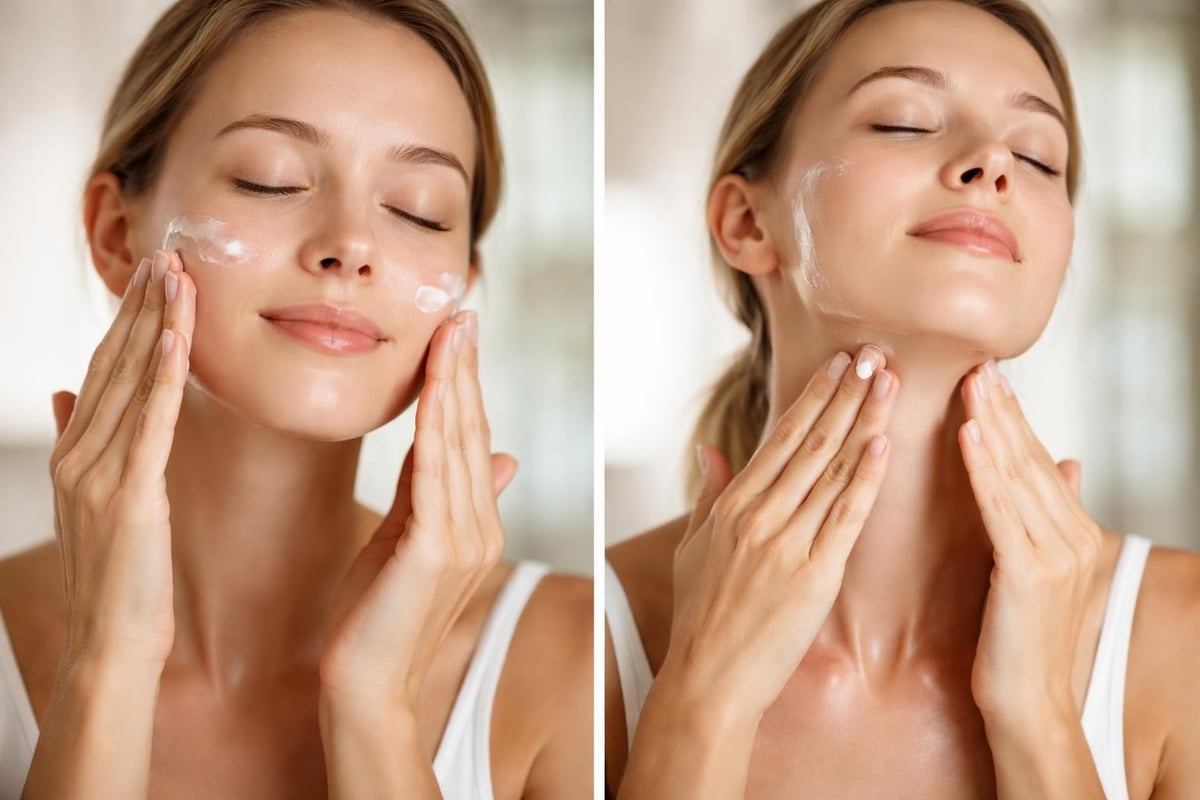
How you cleanse is as important as what you use. Apply your cleanser with gentle, circular motions using your fingertips. Never scrub or use harsh tools. Rinse with lukewarm water (hot water strips and irritates), and pat dry with a soft towel rather than rubbing.
These small adjustments make a significant difference in how your skin responds to beauty products for sensitive skin.
Moisturisers: Protecting Your Barrier
Hydration is crucial for sensitive skin. A compromised barrier loses moisture more readily, creating a cycle of dryness and irritation.
Finding Your Perfect Match
Marie Claire's guide to the best moisturizers for sensitive skin highlights formulas tested by dermatologists and beauty editors. The common thread? They all focus on barrier repair and hydration without unnecessary additives.
Look for moisturisers containing:
- Ceramides to rebuild barrier function
- Hyaluronic acid for moisture retention
- Squalane to seal in hydration
- Glycerin as a gentle humectant
The moisturisers range you select should feel comfortable from the moment you apply it. No stinging, no tightness, no redness.
Texture Preferences
Your ideal texture depends on your skin type and personal preference. Gels suit oily-sensitive skin, whilst richer creams benefit dry-sensitive types. The key is ensuring whatever you choose doesn't cause congestion or irritation.
Don't forget your eyes and lips. These delicate areas need dedicated products formulated for their thinner, more reactive skin. Apply eye cream gently with your ring finger (it applies the least pressure) and choose fragrance-free lip balms.
Treatments and Serums: Proceed with Caution
Active ingredients can transform your skin, but they require a thoughtful approach when dealing with sensitivity.
Safe Actives for Sensitive Skin
Niacinamide tops the list of sensitive-skin-friendly actives. This form of vitamin B3 reduces inflammation, strengthens the barrier, and evens skin tone without irritation. Start with 5% concentrations and work up if needed.
Azelaic acid offers gentle exfoliation and brightening suitable for reactive skin. It's less irritating than other acids whilst still delivering results for uneven tone and texture.
Centella asiatica (also called cica) has become increasingly popular in beauty products for sensitive skin. This botanical powerhouse calms inflammation and supports healing without adverse reactions.
Introduction Strategy
Never introduce multiple new products simultaneously. Add one product every two weeks, giving your skin time to adjust and allowing you to identify any problem ingredients.
- Start with once or twice weekly application
- Gradually increase frequency as tolerated
- Watch for delayed reactions (sometimes appearing after several uses)
- Keep a skincare diary to track what works
If you experience persistent irritation, stop using the product immediately. Sometimes your skin needs a break from all actives, relying solely on gentle cleansing and moisturizing until it recovers.
Special Considerations for UK Climate
Living in the UK presents unique challenges for sensitive skin. Our unpredictable weather demands adaptive skincare strategies.
Seasonal Adjustments
Winter brings harsh winds and central heating, both dehydrating for sensitive skin. Layer your moisturizers and consider adding a facial oil for extra protection. The best all natural skin products often include nourishing oils that shield against cold weather damage.
Summer requires lighter formulations but don't skimp on protection. Mineral SPF remains essential, and you might switch to gel-based hydrators during humid spells.
Indoor Environment Impact
British homes tend to have dry indoor air during heating season. Use a humidifier in your bedroom to maintain optimal moisture levels. This simple addition supports your skin barrier whilst you sleep.
Hard water in many UK areas can exacerbate sensitivity. Consider using micellar water for final cleansing or installing a shower filter to reduce mineral buildup on your skin.
Testing and Troubleshooting
Even with careful selection, reactions can occur. Knowing how to test products properly minimizes disappointment and irritation.
The Patch Test Protocol
48-hour patch test:
- Apply a small amount to your inner forearm
- Cover with a plaster if possible
- Check for redness, itching, or bumps
- If clear, test on your jawline for another 48 hours
- Only then apply to your full face
This process feels tedious but saves you from full-face reactions to beauty products for sensitive skin that don't suit you.
Reading Your Skin's Signals
Normal adjustment period might include slight tingling that fades quickly or minor redness that resolves within minutes. These aren't necessarily cause for concern if they don't persist.
Genuine reactions involve persistent stinging, spreading redness, raised bumps or hives, or worsening symptoms with continued use. These require immediate discontinuation.
Sometimes what appears to be a product reaction is actually overuse. Sensitive skin benefits from minimal intervention. If you're experiencing issues, try scaling back to just cleanser and moisturizer for a week before reintroducing other products.
Navigating Marketing Claims
The sensitive skin market is saturated with products making bold promises. Learning to decode marketing language protects both your skin and your wallet.
Meaningful Terms
Hypoallergenic suggests reduced allergic reaction potential, though it's not regulated or guaranteed. Fragrance-free means no added fragrances, but be aware that "unscented" products might contain masking fragrances to hide ingredient odours.
Dermatologist-tested indicates at least one dermatologist reviewed the product, but doesn't guarantee suitability for your specific skin. Non-comedogenic means formulated not to clog pores, beneficial for those with both sensitivity and breakout concerns.
Price Versus Performance
Expensive doesn't always mean better for beauty products for sensitive skin. Many affordable brands create excellent formulations focusing on core beneficial ingredients without luxury packaging costs. Vogue's exploration of sensitive skin products reveals that effectiveness lies in formulation, not price point.
Equally, suspiciously cheap products might cut corners on ingredient quality or preservation. Find the middle ground where quality ingredients meet reasonable pricing, like many offerings from best non-toxic skincare brands.
Body Care for Sensitive Skin
Facial care gets most attention, but your body deserves the same consideration.
Gentle Body Cleansing
Swap harsh shower gels for cream-based body washes or cleansing oils. Your body's skin has the same barrier function requirements as your face. The body products collection should follow the same gentle, natural principles as facial care.
Body care tips:
- Limit shower time to 10 minutes maximum
- Use lukewarm rather than hot water
- Pat skin partially dry, leaving some moisture
- Apply body moisturizer to damp skin
- Focus on typically dry areas like elbows, knees, and hands
Choosing Body Moisturizers
Body lotions for sensitive skin need richness without greasiness. Look for shea butter, coconut oil, and glycerin-based formulas. Apply within three minutes of bathing when your skin is most receptive to hydration.
Don't forget your hands. Frequent washing strips natural oils, and hand creams provide essential barrier support. Keep tubes in strategic locations (desk, bedside, kitchen, bag) to encourage regular application.
Making Informed Purchasing Decisions
Building your sensitive skin routine requires investment, but smart shopping stretches your budget whilst delivering results.
Start with Samples
Many brands offer sample sizes or gift sets that let you try products before committing to full sizes. This approach is particularly valuable when exploring new beauty products for sensitive skin.
Starter sets designed for specific skin types remove the guesswork. The find your skin match mini rituals concept allows you to test complete routines formulated to work together.
Building Gradually
You don't need everything at once. Begin with the essentials:
- Gentle cleanser
- Fragrance-free moisturizer
- Mineral SPF
Add treatments and extras only after your basic routine is established and working well. This staged approach prevents overwhelming your skin and your budget.
Reading Reviews Wisely
Customer reviews offer valuable insights but remember that sensitivity is highly individual. What works brilliantly for one person might irritate another. Look for patterns in reviews rather than single testimonials, and prioritize feedback from people describing similar skin concerns to yours.
The best skincare products reviews provide balanced perspectives on performance, texture, and suitability for various skin types.
Professional Support When Needed
Sometimes DIY skincare isn't enough. Knowing when to seek professional help prevents minor issues from becoming major problems.
Signs to See a Dermatologist
Persistent symptoms that don't improve with gentle care, sudden onset sensitivity without clear cause, or symptoms affecting your quality of life all warrant professional evaluation.
Dermatologists can perform patch testing to identify specific allergens, prescribe targeted treatments for conditions like rosacea or eczema, and recommend medical-grade products formulated for severe sensitivity.
Working with Beauty Professionals
Facialists trained in sensitive skin can provide treatments that support your home routine. However, ensure they understand your skin's needs. Avoid aggressive treatments like microdermabrasion, strong chemical peels, or harsh extractions that compromise your barrier.
Gentle enzyme treatments, hydrating masks, and lymphatic drainage massage suit sensitive skin beautifully when performed by skilled professionals who respect your skin's limitations.
Caring for sensitive skin doesn't mean settling for basic or boring beauty products for sensitive skin; it means choosing formulations that respect your skin's unique needs whilst delivering genuine results. By focusing on gentle, natural ingredients and building a consistent routine tailored to your skin, you can achieve the healthy, comfortable complexion you deserve. If you're ready to transform your sensitive skin care with thoughtfully crafted vegan formulations, explore White Rabbit Skin Care for products designed to soothe, protect, and nourish delicate skin with the finest natural ingredients.