

Vegetarian Moisturiser: Your Complete Guide for 2026
Finding the perfect moisturiser for your skin can feel overwhelming, especially when you're committed to ethical and sustainable beauty choices. More and more people are seeking products that align with their values, and the term "vegetarian moisturiser" is becoming increasingly common in skincare conversations. Whether you're completely plant-based in your lifestyle or simply curious about cleaner, kinder beauty options, understanding what makes a moisturiser vegetarian-and why it matters-can transform your skincare routine. This guide explores everything you need to know about choosing and using vegetarian moisturisers in 2026, from ingredient transparency to performance benefits.
What Actually Makes a Moisturiser Vegetarian?
A vegetarian moisturiser is formulated without any ingredients derived from animal slaughter or death. This distinction matters because many traditional skincare products contain animal-derived substances that vegetarians choose to avoid.
Common Non-Vegetarian Ingredients to Watch For
Traditional moisturisers often include ingredients sourced from animals, sometimes hidden behind technical names that aren't immediately obvious. Collagen and elastin frequently come from animal connective tissues, whilst lanolin is derived from sheep's wool. Some formulations contain stearic acid from animal fats, though plant-based versions exist.
The following ingredients raise red flags for those seeking vegetarian options:
- Carmine: A red pigment made from crushed cochineal insects
- Squalene: Often derived from shark liver (though plant versions from olives are available)
- Tallow: Rendered animal fat commonly used in emollients
- Gelatin: Derived from boiled animal bones and skin
Understanding vegetarian skin care products helps you navigate ingredient lists with confidence, ensuring your choices genuinely reflect your values.
Plant-Based Alternatives That Work
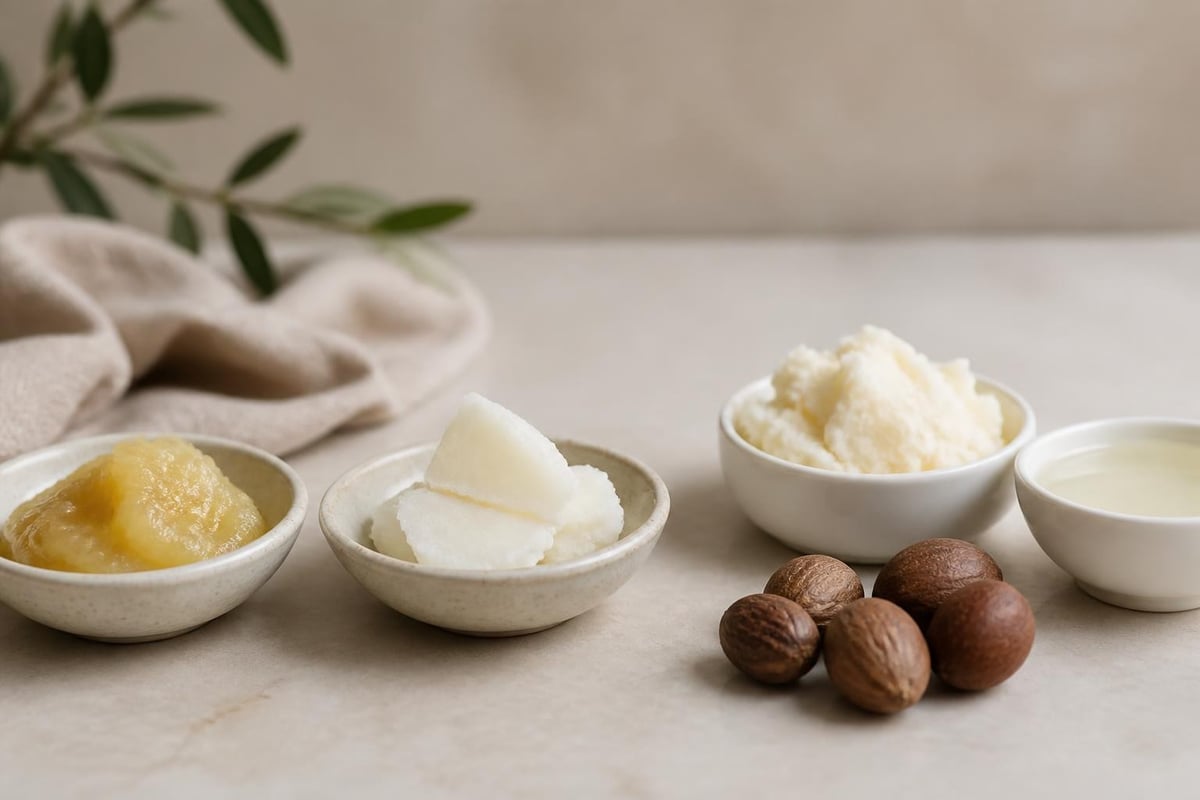
Modern vegetarian moisturiser formulations prove you don't need animal ingredients for effective hydration. Hyaluronic acid can be produced through bacterial fermentation, whilst plant-based squalane from olives or sugarcane delivers identical benefits to its shark-derived counterpart.
Natural butters and oils provide rich nourishment:
- Shea butter offers deep moisturisation with vitamins A and E
- Cocoa butter creates a protective barrier whilst softening skin
- Jojoba oil mimics skin's natural sebum for balanced hydration
- Sweet almond oil soothes and nourishes all skin types
- Coconut oil provides antimicrobial properties alongside moisture
These ingredients often perform better than their animal-derived equivalents, particularly for those with sensitive face products needs.
Vegetarian vs Vegan: Understanding the Difference
Many people use these terms interchangeably, but there's an important distinction when it comes to skincare formulations. A vegetarian moisturiser excludes ingredients from slaughtered animals, but may still contain substances like beeswax, honey, or royal jelly-all produced by bees.
| Aspect | Vegetarian Moisturiser | Vegan Moisturiser |
|---|---|---|
| Animal slaughter ingredients | Never included | Never included |
| Bee products (honey, beeswax) | May be included | Always excluded |
| Milk derivatives (lactic acid) | Sometimes included | Always excluded |
| Animal testing | Not necessarily excluded | Usually excluded |
| Certification available | Limited options | Widely available |
Vegan formulations go further by excluding all animal-derived ingredients, regardless of whether the animal was harmed. The Vegan Society offers certification that guarantees products meet strict vegan standards, providing reassurance beyond basic vegetarian claims.
Why Choose One Over the Other?
Your choice between vegetarian and vegan moisturisers depends on your personal ethics and skin needs. Some vegetarian moisturisers include beeswax, which creates an exceptional protective barrier for dry or weather-exposed skin. These products suit those comfortable with ethically-sourced bee products.
Vegan options appeal to anyone wanting complete animal-free skincare. They're often formulated with innovative plant waxes like candelilla or carnauba, which perform brilliantly whilst aligning with strict vegan principles.
The Benefits Beyond Ethics
Choosing a vegetarian moisturiser isn't just about animal welfare-these formulations often deliver superior skincare benefits. Plant-based ingredients typically contain higher concentrations of antioxidants, vitamins, and minerals that actively improve skin health.
Gentler on Sensitive Skin
Research published in systematic reviews of moisturiser ingredients shows that many common allergens in skincare come from synthetic or animal-derived substances. Vegetarian formulations using pure plant extracts tend to cause fewer reactions.
Key advantages include:
- Reduced risk of allergic contact dermatitis
- Lower inflammatory responses in reactive skin
- Better compatibility with compromised skin barriers
- Fewer synthetic fragrance compounds
Those exploring best sensitive skincare options often find vegetarian moisturisers particularly gentle and effective.
Rich in Active Nutrients
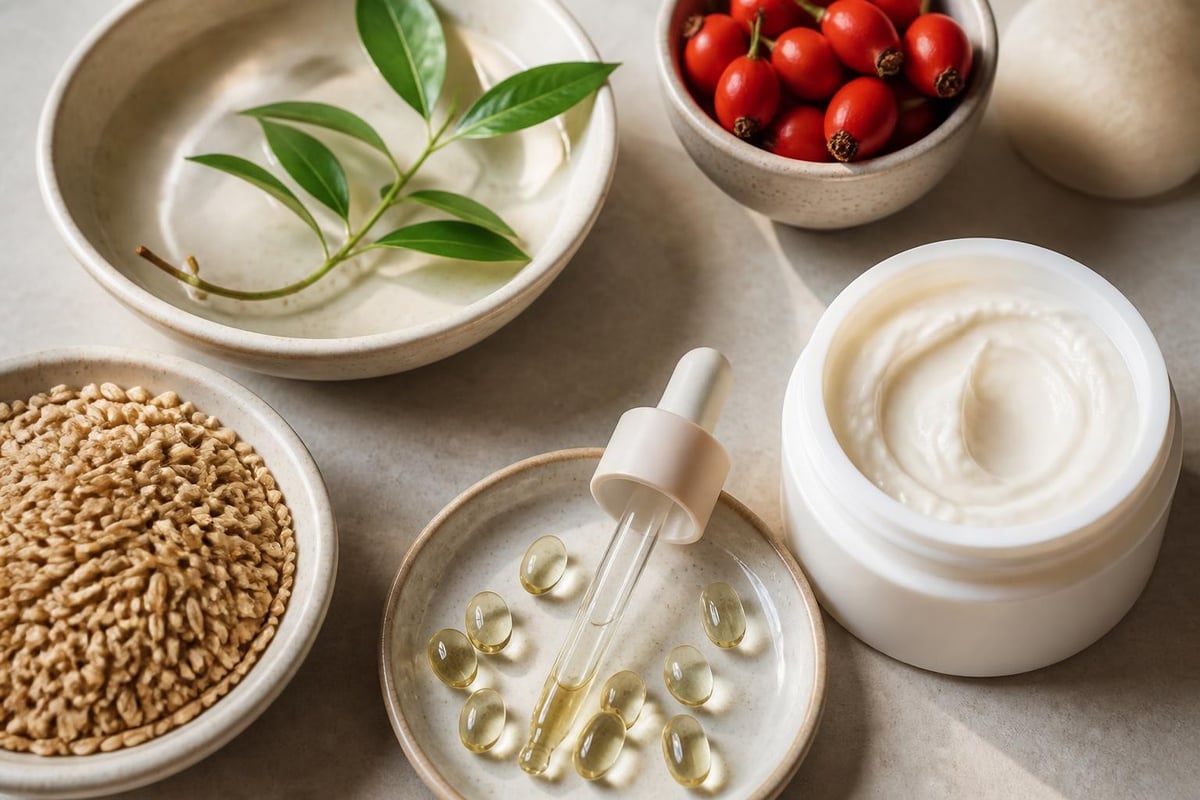
Plant ingredients deliver concentrated nutrients that animal derivatives simply can't match. Rosehip oil contains natural retinol alternatives, whilst green tea extract provides powerful antioxidant protection. Vitamin E from wheat germ or sunflower oil fights free radical damage more effectively than many synthetic alternatives.
A quality vegetarian moisturiser harnesses these botanical benefits:
- Natural anti-inflammatory compounds reduce redness
- Plant ceramides strengthen the skin barrier
- Botanical acids gently exfoliate and renew
- Phytonutrients protect against environmental stress
Environmental and Sustainability Considerations
The environmental impact of your skincare choices extends far beyond the bathroom shelf. Animal agriculture carries significant carbon footprints, water usage, and land requirements. Choosing a vegetarian moisturiser often means supporting more sustainable production methods.
Ingredient Sourcing Matters
Not all plant-based ingredients are created equal from a sustainability perspective. The European Commission's recent analysis of bio-based cosmetic ingredients highlights concerns around palm oil cultivation and its impact on rainforest ecosystems.
Responsible brands prioritise:
- Certified organic farming that avoids harmful pesticides
- Fair trade practices supporting farming communities
- Sustainable palm alternatives like coconut derivatives
- Local sourcing reducing transportation emissions
- Regenerative agriculture that improves soil health
When selecting your vegetarian moisturiser, consider brands that transparently share their sourcing practices and sustainability commitments.
Packaging and Circular Economy
The container matters as much as what's inside. Progressive companies now embrace circular economy principles, designing packaging that's recyclable, refillable, or compostable. Glass jars can be endlessly recycled, whilst aluminium tubes offer lightweight, infinitely recyclable options.
Decoding Labels and Certifications
Walking down the skincare aisle in 2026, you'll encounter numerous claims and certifications. Understanding what these mean helps you make informed choices about your vegetarian moisturiser purchase.
What Different Labels Actually Mean
The beauty industry lacks standardised regulations around terms like "natural" or "vegetarian." This creates confusion and opportunities for misleading marketing. The Vegan Society's beauty guidance clarifies what various claims genuinely guarantee.
| Claim | What It Guarantees | What It Doesn't Cover |
|---|---|---|
| "Vegetarian" | No slaughter-derived ingredients | May contain dairy, eggs, honey |
| "Vegan" | No animal ingredients at all | Doesn't confirm cruelty-free testing |
| "Cruelty-Free" | No animal testing on final product | May contain animal ingredients |
| "Natural" | Often meaningless without certification | No standardised definition |
Trusted Certifications to Look For
Third-party certifications provide accountability beyond brand claims. The Vegan Society Trademark guarantees products contain no animal ingredients and weren't tested on animals. Leaping Bunny certification focuses specifically on cruelty-free practices throughout the supply chain.
Soil Association Organic certification ensures ingredients meet strict organic standards, whilst COSMOS Natural or COSMOS Organic verify natural content percentages and sustainable practices.
Choosing the Right Vegetarian Moisturiser for Your Skin Type
Not every vegetarian moisturiser suits every complexion. Understanding your skin's specific needs ensures you select formulations that deliver optimal results.
Dry Skin Solutions
Dry skin craves rich emollients and occlusive ingredients that lock in moisture. Look for vegetarian moisturisers containing:
- Shea butter for intensive nourishment
- Avocado oil packed with fatty acids
- Hyaluronic acid to attract and bind water
- Ceramides (plant-derived) to repair the barrier
These ingredients work synergistically to restore suppleness and comfort to parched complexions.
Oily and Combination Skin Formulations
Oily skin still needs hydration-it just requires lighter textures that won't clog pores. Jojoba oil brilliantly balances sebum production, whilst niacinamide regulates oil and minimises pores.
Effective ingredients include:
- Aloe vera gel for weightless hydration
- Tea tree oil with natural antibacterial properties
- Willow bark extract providing gentle salicylic acid
- Grapeseed oil that's non-comedogenic yet nourishing
Sensitive and Reactive Skin
Sensitive complexions benefit enormously from vegetarian moisturiser formulations, which typically exclude common irritants. Calendula extract soothes inflammation, whilst oat extract calms reactive skin beautifully.
Choose fragrance-free options with minimal ingredients for the gentlest approach. Brands specialising in skincare brands for sensitive skin understand these delicate formulation requirements.
Addressing Common Concerns and Myths
Several misconceptions persist about vegetarian moisturisers that deserve addressing with facts and evidence.
"They're Less Effective Than Traditional Formulations"
This myth crumbles under scientific scrutiny. Modern vegetarian moisturiser technology harnesses potent botanical actives that often outperform animal derivatives. Plant stem cells stimulate collagen production, whilst bakuchiol (a natural retinol alternative) delivers anti-ageing benefits without irritation.
Clinical studies consistently demonstrate that well-formulated plant-based moisturisers match or exceed the performance of conventional products. The key lies in quality formulation, not ingredient origin.
"Vegetarian Skincare Is Always Expensive"
Quality doesn't always demand premium prices. Many brands offer inexpensive skin care options that prioritise vegetarian ingredients without inflated costs. Simple, effective formulations with fewer ingredients often cost less whilst delivering excellent results.
Shopping wisely means:
- Comparing cost per application, not just upfront price
- Choosing multi-purpose products that replace several items
- Buying larger sizes with better value ratios
- Supporting brands that price fairly without luxury markups
"Natural Ingredients Can't Preserve Products Safely"
Preservation matters in any moisturiser to prevent bacterial growth and product degradation. Vegetarian formulations use effective natural preservatives like rosemary extract, vitamin E, and radish root ferment. These protect products whilst maintaining clean ingredient profiles.
Proper formulation chemistry-balancing pH, water activity, and preservative systems-ensures vegetarian moisturisers remain safe and effective throughout their shelf life.
Transitioning to Vegetarian Skincare
Switching your moisturiser doesn't require dramatic overnight changes. A thoughtful transition helps your skin adjust whilst you discover what works best for you.
Start With Patch Testing
Whenever trying a new vegetarian moisturiser, conduct a patch test first. Apply a small amount to your inner forearm and wait 24-48 hours. This simple precaution identifies potential sensitivities before applying products to your face.
Even natural ingredients can cause reactions in some individuals. Essential oils, whilst natural, are common sensitisers. Choose products appropriate for your tolerance level.
Give Your Skin Time to Adjust
Your complexion might need 4-6 weeks to fully adapt to new formulations. Initial changes-whether slightly drier or oilier skin-often resolve as your skin recalibrates its natural oil production and barrier function.
Keep notes about how your skin responds:
- Morning texture and hydration levels
- Midday oil production or dryness
- Evening skin comfort and appearance
- Any reactions or sensitivities
This information helps you assess whether a particular vegetarian moisturiser genuinely suits your needs.
Building a Complete Routine
Your moisturiser works best within a complete skincare system. Pair your vegetarian moisturiser with complementary products that share your ethical standards. A gentle cleanser, suitable toner, and targeted treatments create comprehensive care.
Consistency matters more than complexity. Even the finest vegetarian moisturiser delivers limited results with sporadic application. Establish morning and evening routines you'll actually maintain.
The UK Market in 2026
British consumers increasingly prioritise ethical beauty choices, driving remarkable growth in the vegetarian skincare sector. Understanding current market trends helps you identify quality brands and make informed purchases.
Rising Consumer Awareness
Today's shoppers demand transparency about ingredient sourcing, animal welfare, and environmental impact. Social media amplifies conversations about ethical beauty, whilst younger consumers particularly value brand accountability and genuine commitment to principles over superficial marketing.
The best UK skincare brands recognise this shift, reformulating existing products and launching new lines that meet evolving ethical standards without compromising performance.
Innovation in Formulation
British beauty labs pioneer exciting developments in vegetarian moisturiser technology. Fermentation science unlocks powerful active ingredients from plants, whilst biotechnology creates sustainable alternatives to traditional ingredients. Upcycling food industry by-products reduces waste whilst accessing potent nutrients.
These innovations mean vegetarian moisturisers in 2026 offer unprecedented efficacy, elegance, and sustainability. The gap between conventional and plant-based performance has vanished entirely.
Making Informed Choices
Armed with knowledge about vegetarian moisturisers, you're equipped to select products aligned with your values and skin needs. Remember that "vegetarian" on a label means different things to different brands without third-party certification.
Questions to Ask Before Purchasing
Smart shopping involves enquiry and verification:
- Which specific ingredients are animal-derived alternatives?
- Does the brand hold recognised certifications?
- What's the complete ingredients list, including preservatives?
- How does the company ensure supply chain integrity?
- What sustainability practices guide their operations?
Reputable brands welcome these questions and provide transparent answers. Hesitation or vague responses warrant caution.
Supporting Ethical Brands
Your purchasing power shapes the beauty industry's future. Supporting companies genuinely committed to vegetarian formulations, transparent practices, and environmental responsibility encourages broader market shifts. Look for brands that demonstrate authentic commitment through certified products, sustainable operations, and honest communication.
Exploring best non-toxic skincare brands reveals companies prioritising both ingredient safety and ethical sourcing-a combination that benefits your skin, animals, and the planet.
Understanding Your Personal Needs
Ultimately, the ideal vegetarian moisturiser balances your ethical values with your skin's specific requirements. Neither consideration should compromise the other-modern formulations deliver both beautifully.
Personalisation Matters
Generic recommendations only go so far. Your unique skin type, concerns, climate, lifestyle, and sensitivities all influence which vegetarian moisturiser works best for you. Someone in humid Glasgow needs different formulations than someone in dry East Anglia.
Consider these personal factors:
| Factor | How It Influences Choice |
|---|---|
| Climate | Dry environments need richer formulations; humidity suits lighter textures |
| Age | Mature skin benefits from more emollient vegetarian moisturisers with active botanicals |
| Activity level | Active lifestyles may need quick-absorbing, non-greasy formulations |
| Budget | Determines whether you choose premium brands or affordable effective options |
| Skin goals | Anti-ageing, hydration, or calming needs guide ingredient selection |
Experimenting Wisely
Finding your perfect vegetarian moisturiser might require trying several options. Start with sample sizes or samples and sets to test formulations before committing to full sizes. This approach saves money whilst reducing waste from products that don't suit you.
Keep your routine simple initially. Introduce one new product at a time so you can clearly identify what works and what doesn't. Overwhelming your skin with multiple new items simultaneously makes it impossible to pinpoint which products deliver results.
Maximising Your Moisturiser's Benefits
Even the finest vegetarian moisturiser underperforms without proper application technique and routine integration.
Application Technique
How you apply moisturiser significantly impacts its effectiveness. Start with freshly cleansed, slightly damp skin-moisture on your skin's surface helps the moisturiser spread evenly and seals in hydration.
Proper application steps:
- Dispense appropriate amount (pea-sized for face)
- Warm between fingertips to improve spreadability
- Press gently into skin rather than dragging or rubbing
- Use upward, outward motions following facial contours
- Don't forget neck and décolletage
- Allow full absorption before applying makeup
Gentle pressing motions boost circulation whilst avoiding unnecessary tugging that contributes to premature ageing.
Timing and Frequency
Apply your vegetarian moisturiser twice daily-morning and evening-for optimal results. Morning application protects your skin throughout the day, whilst evening application supports overnight repair processes.
Adjust quantity seasonally. Winter often demands richer application or layering, whilst summer might need lighter amounts. Listen to your skin's signals and respond accordingly.
Choosing a vegetarian moisturiser represents a meaningful step towards more ethical, sustainable beauty practices whilst delivering genuine skincare benefits. Understanding ingredients, certifications, and your unique skin needs empowers you to make informed choices that align with your values without compromising results. Whether you're seeking moisturisers for specific concerns or building a complete vegetarian routine, White Rabbit Skin Care offers thoughtfully formulated, cruelty-free products that nourish your skin beautifully whilst respecting your ethical commitments.