

Vegan Skin Cleanser: Your Complete Guide for 2026
Choosing the right cleanser is the foundation of any effective skincare routine, and more people than ever are seeking products that align with their values. A vegan skin cleanser offers all the cleansing power you need without any animal-derived ingredients, making it a compassionate choice that doesn't compromise on results. Whether you're committed to a fully vegan lifestyle or simply curious about cleaner beauty options, understanding what makes a cleanser truly vegan and how to select the right formula for your skin can transform your daily routine. In 2026, the vegan beauty movement continues to grow, driven by ethical considerations, environmental awareness, and a genuine desire for products that work beautifully whilst respecting all living creatures.
What Makes a Cleanser Truly Vegan
A vegan skin cleanser contains no ingredients derived from animals, which might seem straightforward until you discover how many common skincare ingredients have animal origins. Traditional cleansers often contain ingredients like glycerin from animal fat, lanolin from sheep's wool, carmine from crushed insects, or even collagen from fish scales.
Understanding Vegan Certification
The Vegan Society's Vegan Trademark standards provide clear guidance on what qualifies as vegan in personal care products. Products bearing this certification contain no animal ingredients, involve no animal testing, and use no animal-derived materials in manufacturing or development.
Key requirements include:
- No animal ingredients or by-products
- No animal testing at any stage of development
- No cross-contamination with animal products during manufacture
- Complete transparency in ingredient sourcing
- Ongoing compliance verification
Cruelty-free versus vegan is an important distinction. A product can be cruelty-free (not tested on animals) but still contain animal-derived ingredients like beeswax or honey. A truly vegan cleanser must be both cruelty-free and free from all animal ingredients.

Benefits of Switching to Vegan Cleansers
Making the switch to a vegan skin cleanser offers advantages that extend far beyond ethical considerations. Plant-based formulations can be gentler on sensitive skin, as many animal-derived ingredients are common irritants or allergens.
Skin Health Advantages
Natural plant extracts and oils provide powerful cleansing properties without stripping your skin's protective barrier. Ingredients like chamomile, aloe vera, and coconut oil offer anti-inflammatory benefits whilst effectively removing dirt, oil, and makeup.
The American Academy of Dermatology's guidance on face washing emphasizes the importance of gentle cleansing that maintains skin pH balance. Many vegan formulations naturally align with these recommendations because plant-based ingredients tend to be less harsh than synthetic or animal-derived alternatives.
| Benefit | Why It Matters | Impact |
|---|---|---|
| Gentler formulation | Plant extracts are typically less irritating | Reduced redness and sensitivity |
| Nutrient-rich | Botanical ingredients contain vitamins and antioxidants | Improved skin health over time |
| Sustainable sourcing | Plant ingredients renewable | Lower environmental footprint |
| Transparent labeling | Vegan brands often disclose full ingredient lists | Better informed choices |
Environmental and Ethical Impact
Animal agriculture for cosmetic ingredients contributes significantly to environmental degradation. By choosing vegan options, you reduce demand for these practices and support more sustainable alternatives. Natural skin brands increasingly prioritize both vegan formulations and eco-friendly packaging, creating a comprehensive approach to sustainable beauty.
Plant-based ingredients require less water and land compared to animal-derived alternatives. They also generate fewer greenhouse gas emissions during production, making your daily cleansing routine a small but meaningful contribution to environmental protection.
Common Ingredients in Vegan Cleansers
Understanding what goes into your vegan skin cleanser helps you make informed choices and identify formulations that work best for your skin type. The most effective vegan cleansers combine carefully selected plant-based ingredients that cleanse, nourish, and protect.
Plant-Derived Cleansing Agents
Coconut-derived surfactants like coco-glucoside and decyl glucoside provide gentle yet effective cleansing action. These natural alternatives to harsh sulfates remove impurities without disrupting your skin's natural moisture balance.
Other powerful plant-based ingredients include:
- Jojoba oil – closely mimics skin's natural sebum, dissolves makeup effectively
- Aloe vera extract – soothes inflammation whilst providing hydration
- Green tea extract – offers antioxidant protection and reduces redness
- Chamomile – calms irritated skin and reduces sensitivity
- Rosehip oil – rich in vitamins A and C, promotes skin renewal
Ingredients to Avoid
Even products marketed as natural may contain problematic ingredients. Watch for these common animal-derived substances:
- Lanolin (from sheep's wool)
- Carmine or cochineal (from insects)
- Stearic acid (often from animal fat, though plant versions exist)
- Collagen or elastin (from animal tissues)
- Squalene (from shark liver, though plant squalane is vegan)
The European Commission's cosmetics safety regulations ensure that all ingredients used in products sold in the UK and EU meet strict safety standards, but these regulations don't specifically address vegan status, making it essential to read labels carefully.
Choosing the Right Vegan Cleanser for Your Skin Type
Not all vegan skin cleansers work equally well for every complexion. Matching your cleanser to your specific skin type ensures you get the best results whilst maintaining your skin's natural balance.
For Oily and Combination Skin
If you struggle with excess oil or shine, look for gel-based or foaming vegan cleansers containing ingredients like tea tree oil, witch hazel, or salicylic acid from willow bark. These formulations remove excess sebum without over-drying.
Key features for oily skin:
- Lightweight, non-comedogenic formulas
- Clay-based ingredients like kaolin or bentonite
- Citrus extracts for gentle astringent properties
- pH-balanced to prevent rebound oil production
The oily skin collection offers targeted solutions that address excess oil whilst maintaining essential hydration.
For Dry and Sensitive Skin
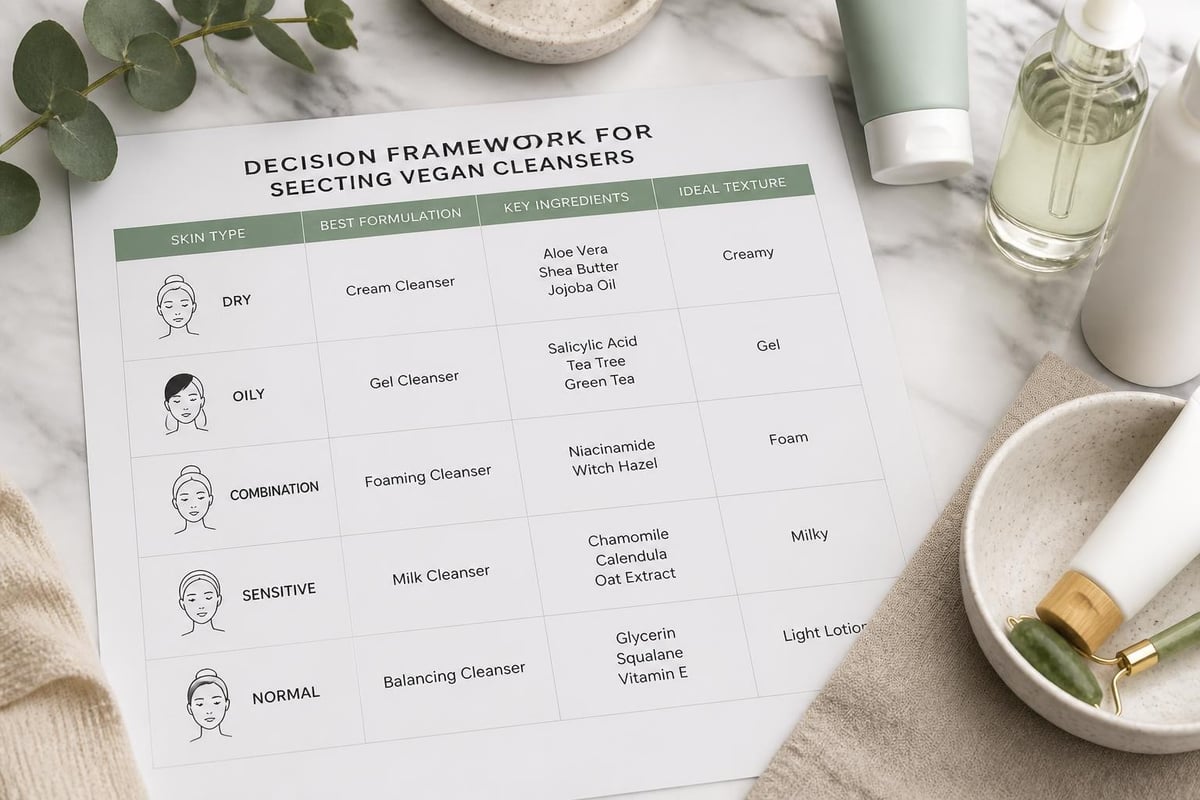
Dry or sensitive complexions benefit from cream-based or oil-based vegan cleansers that cleanse without stripping natural oils. Look for nourishing ingredients like shea butter, coconut oil, or oat extract.
| Skin Type | Best Texture | Key Ingredients | What to Avoid |
|---|---|---|---|
| Dry | Cream, balm, oil | Shea butter, jojoba oil, hyaluronic acid | Alcohol, harsh surfactants |
| Sensitive | Milk, gel | Chamomile, aloe, oat extract | Fragrance, essential oils |
| Normal | Gel, foam | Balanced blend of humectants | Overly rich formulas |
| Combination | Lightweight gel | Tea tree, glycerin, cucumber | Heavy oils on T-zone |
Those with dry and sensitive skin should particularly focus on gentle formulations that support the skin barrier rather than compromise it.
Universal Application Tips
Regardless of your skin type, proper cleansing technique matters as much as the product itself. Use lukewarm water, never hot, as excessive heat can damage your skin's protective barrier. Apply your vegan skin cleanser to damp skin using gentle, circular motions, and rinse thoroughly.
Double cleansing in the evening (first with an oil-based cleanser, then a water-based one) effectively removes makeup and sunscreen whilst maintaining skin health. This method works particularly well with vegan formulations that tend to be gentler overall.
The Science Behind Vegan Cleansing Formulations
Modern vegan skin cleanser formulations leverage advanced botanical science to deliver results that rival or exceed traditional products. Understanding the research behind these products helps appreciate their effectiveness.
Ingredient Safety and Testing
While animal testing for cosmetics is banned in the UK and EU, ingredient safety remains paramount. Research on skin sensitization of cosmetic ingredients demonstrates that thorough safety testing can be conducted without animal testing, using advanced in-vitro methods and human patch testing.
Vegan brands often invest heavily in safety testing because they're committed to both animal welfare and human safety. This dual focus leads to:
- More transparent ingredient sourcing
- Rigorous stability testing
- Allergen identification and labeling
- Long-term safety data collection
- Continuous formulation improvement
pH Balance and Skin Barrier Protection
Your skin's natural pH sits around 4.7 to 5.5, slightly acidic. Traditional cleansers, especially those with harsh sulfates, can push pH as high as 7 or 8, disrupting the skin's acid mantle and leaving it vulnerable to bacteria and moisture loss.
Quality vegan cleansers typically maintain a pH between 5 and 6, supporting your skin's natural defenses. Plant-based ingredients naturally tend toward this slightly acidic range, making them ideal for maintaining skin health.
Benefits of pH-balanced cleansing:
- Maintains protective acid mantle
- Reduces inflammation and irritation
- Prevents excessive dryness or oiliness
- Supports beneficial skin microbiome
- Minimizes post-cleansing tightness
Incorporating Vegan Cleansers into Your Routine
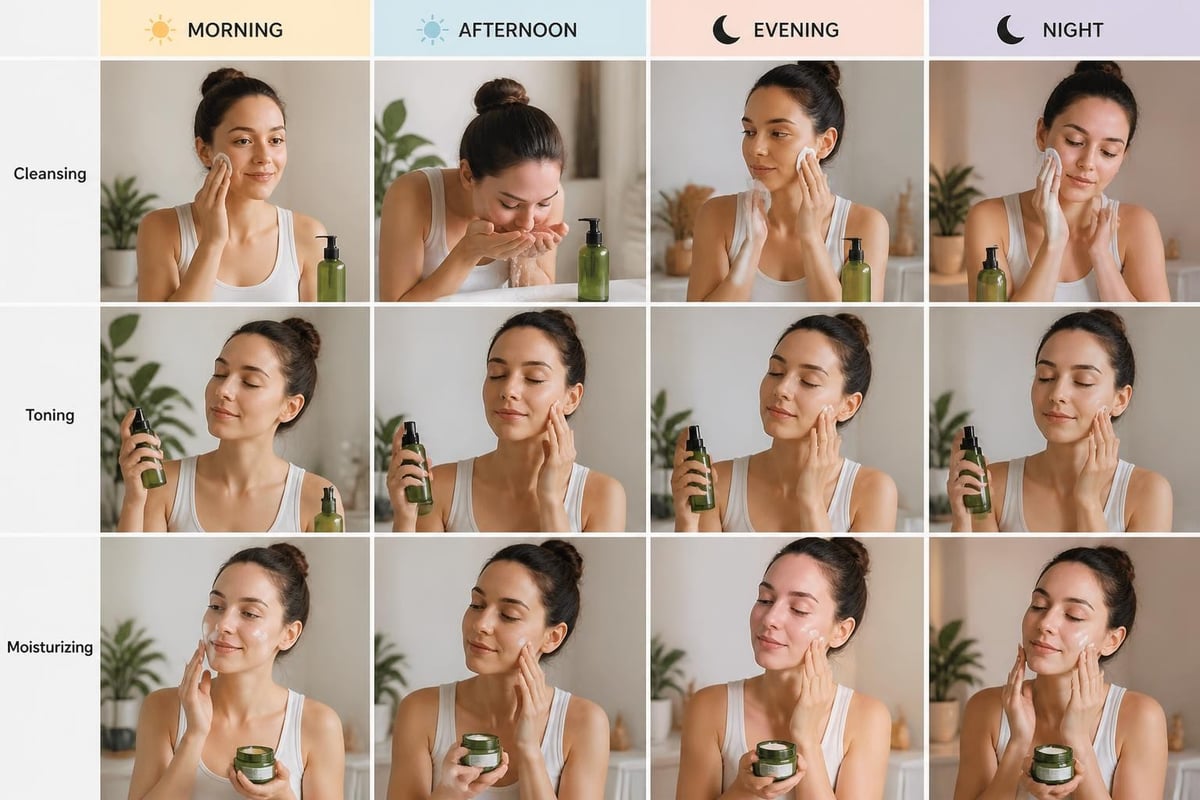
A vegan skin cleanser forms the foundation of your skincare routine, but how you use it determines the results you achieve. Building an effective routine means understanding when and how to cleanse for maximum benefit.
Morning Cleansing Practices
Your morning cleanse should be gentle, as your skin hasn't accumulated significant dirt or makeup overnight. A light application of your vegan cleanser removes excess oil and prepares your skin for the products that follow.
For normal to dry skin, simply rinsing with water in the morning might suffice, saving your vegan skin cleanser for evening use. However, those with oily or acne-prone skin often benefit from a full morning cleanse to remove overnight oil production.
Evening Deep Cleansing
Evening is when thorough cleansing becomes essential. Your skin has accumulated pollution, sweat, sunscreen, and makeup throughout the day, all of which need complete removal to prevent clogged pores and breakouts.
The double cleanse method works beautifully with vegan products:
- Start with an oil-based cleanser to dissolve makeup and sunscreen
- Follow with a water-based vegan skin cleanser to remove remaining impurities
- Pat dry gently with a clean towel
- Apply toner, serum, and moisturizer whilst skin is still slightly damp
You can explore complete cleansing options that complement each other in a double-cleanse routine.
Sustainability and Packaging Considerations
Choosing a vegan skin cleanser aligns with environmental values, but truly sustainable skincare extends beyond ingredients to packaging and company practices.
Eco-Friendly Packaging Options
The most sustainable cleansers come in:
- Glass bottles (infinitely recyclable)
- Aluminum containers (highly recyclable)
- Post-consumer recycled plastic
- Biodegradable packaging
- Refillable containers
Solid cleansing bars eliminate packaging waste almost entirely, making them an excellent choice for environmentally conscious consumers. These concentrated formulations last longer than liquid cleansers and require no plastic bottles.
Brand Transparency and Values
Look for brands that demonstrate genuine commitment to sustainability through transparent practices. This includes disclosing ingredient sources, manufacturing processes, and environmental impact data.
Companies like White Rabbit Skin Care exemplify this transparency by clearly communicating their vegan and natural ingredient commitments whilst providing detailed product information to help consumers make informed choices.
Common Myths About Vegan Cleansers
Despite growing popularity, several misconceptions about vegan skin cleansers persist. Let's address the most common myths with facts.
"Vegan Products Don't Work as Well"
This outdated belief couldn't be further from the truth in 2026. Modern botanical science has unlocked powerful plant-based ingredients that match or exceed the performance of animal-derived or synthetic alternatives. The best skincare products increasingly feature vegan formulations precisely because they deliver exceptional results.
Clinical studies consistently demonstrate that plant-based ingredients offer unique benefits impossible to replicate with animal derivatives. For example, plant ceramides support skin barrier function just as effectively as animal-derived versions, whilst offering superior sustainability and ethical profiles.
"Vegan Means All-Natural"
While many vegan cleansers emphasize natural ingredients, vegan doesn't automatically mean natural. A product can be vegan yet contain synthetic ingredients, as long as those synthetics aren't derived from animals.
Understanding the terminology:
| Term | Meaning | What It Guarantees |
|---|---|---|
| Vegan | No animal ingredients or testing | Ethical sourcing, cruelty-free |
| Natural | Derived from natural sources | Not necessarily vegan or organic |
| Organic | Grown without synthetic pesticides | May or may not be vegan |
| Cruelty-free | Not tested on animals | May contain animal ingredients |
The ideal vegan skin cleanser combines multiple certifications, offering transparency across ethical, environmental, and quality dimensions.
"All Vegan Cleansers Are Expensive"
While some premium vegan brands command higher prices, many affordable options deliver excellent results. The inexpensive skincare guide demonstrates that quality vegan products exist across all price points.
Cost often reflects packaging, marketing, and brand positioning rather than ingredient quality. Many smaller vegan brands offer exceptional formulations at accessible prices by minimizing marketing spend and focusing on product excellence.
Reading Labels and Ingredient Lists
Becoming proficient at reading skincare labels empowers you to identify truly vegan products and avoid misleading marketing claims.
Certification Marks to Look For
Legitimate vegan certification from organizations like The Vegan Society, PETA, or Leaping Bunny provides assurance that products meet strict standards. These certifications require ongoing compliance and regular audits, making them more reliable than simple marketing claims.
Beyond vegan certification, look for:
- Soil Association (organic certification)
- EcoCert (natural and organic cosmetics)
- B Corporation (social and environmental performance)
- Carbon Neutral certification
- Fair Trade marks
Hidden Animal Ingredients
Some animal-derived ingredients hide behind technical names. Common examples include:
- Cetyl alcohol – usually plant-derived but can be from whales
- Glycerin – may be vegetable or animal-derived
- Stearic acid – often from animal fat unless specified as vegetable
- Caprylic acid – typically from coconut but sometimes from goat's milk
- Oleic acid – usually vegetable but can be animal-derived
When in doubt, contact the manufacturer directly. Reputable vegan brands clearly identify ingredient sources and respond promptly to customer inquiries. You can always reach out to companies with specific questions about ingredient sourcing.
Transitioning to Vegan Skincare
Making the switch to a vegan skin cleanser and broader vegan skincare routine doesn't need to happen overnight. A gradual, thoughtful transition often yields the best results.
Start with Your Cleanser
Your cleanser is the perfect product to transition first. It rinses off completely, making it less likely to cause adjustment issues compared to leave-on products. Once you find a vegan cleanser that works well, you can gradually replace other products in your routine.
Transition timeline:
- Week 1-2: Replace evening cleanser only, keeping morning routine unchanged
- Week 3-4: Add morning vegan cleanser if skin responds well
- Month 2: Introduce vegan toner to complement your cleansing routine
- Month 3+: Gradually replace moisturizers and treatments
This approach lets you monitor how your skin responds to each change and identify any products that don't work for your unique needs.
Managing the Adjustment Period
Your skin may go through a brief adjustment when switching to a vegan skin cleanser, particularly if moving from products with synthetic fragrances or harsh sulfates. This transition typically lasts 1-2 weeks and might include minor breakouts or dryness.
Support your skin during this period by:
- Drinking plenty of water
- Avoiding harsh exfoliation
- Using a gentle, vegan moisturizer
- Being patient with the process
- Not introducing multiple new products simultaneously
Building a Complete Vegan Routine
Once you've successfully integrated a vegan cleanser, expand to complementary products like toners and moisturisers that work synergistically with your cleanser.
A complete vegan routine for 2026 might include:
- Morning: Gentle vegan cleanser, vitamin C serum, SPF moisturizer
- Evening: Double cleanse with oil then gel cleanser, hydrating toner, retinol alternative (bakuchiol), rich night cream
- Weekly: Exfoliating mask, hydrating sheet mask
Making Informed Purchasing Decisions
Smart shopping ensures you get the best vegan skin cleanser for your needs whilst supporting ethical businesses that align with your values.
Questions to Ask Before Buying
Before purchasing any vegan cleanser, consider:
- Is it certified vegan by a recognized organization?
- What skin type is it formulated for?
- Does the ingredient list align with my skin sensitivities?
- What is the company's environmental track record?
- Are there verified customer reviews I can read?
- Does the packaging align with my sustainability values?
- What is the return policy if the product doesn't work?
Where to Shop
Purchasing from reputable stockists ensures product authenticity and proper storage conditions. Whether shopping online or in-store, choose retailers with expertise in natural and vegan skincare.
Benefits of buying directly from vegan skincare brands include:
- Access to complete product information
- Customer service from knowledgeable staff
- Sample programs to try before committing
- Loyalty programs and exclusive offers
- Direct support for ethical businesses
Understanding Price Points
Quality vegan skin cleansers range from £8 to £40 or more, depending on formulation complexity, packaging, certification costs, and brand positioning. Higher prices don't always indicate better quality, but they may reflect:
- More expensive organic ingredients
- Multiple certifications and testing
- Sustainable packaging investments
- Fair trade ingredient sourcing
- Small-batch production methods
The best-selling skincare products often hit a sweet spot between quality and value, earning customer loyalty through consistent results rather than premium pricing.
Special Considerations for Sensitive Skin
Those with reactive or sensitive skin need extra care when selecting a vegan skin cleanser, as not all plant-based ingredients suit every complexion.
Patch Testing New Products
Always patch test new cleansers before full-face application. Apply a small amount to your inner wrist or behind your ear, wait 24-48 hours, and watch for redness, itching, or irritation.
Even natural ingredients can cause reactions in susceptible individuals. Common plant-based allergens include:
- Essential oils (lavender, tea tree, citrus)
- Nuts and seed oils (almond, walnut)
- Certain botanical extracts (chamomile for ragweed-allergic individuals)
- Natural preservatives (some people react to rosemary extract)
Fragrance-Free Options
"Unscented" and "fragrance-free" aren't interchangeable. Unscented products may contain masking fragrances that hide the natural scent of ingredients, whilst fragrance-free products contain no added fragrances, natural or synthetic.
For truly sensitive skin, seek vegan cleansers with:
- No essential oils or botanical fragrances
- Minimal ingredient lists (5-10 ingredients)
- Proven gentle surfactants like coco-glucoside
- Added soothing ingredients like colloidal oatmeal
- pH between 4.5 and 5.5
The sensitive skin skincare brands guide offers targeted recommendations for reactive complexions.
Future Trends in Vegan Cleansing
The vegan skincare industry continues evolving rapidly, with innovations emerging throughout 2026 that promise even better performance and sustainability.
Biotechnology and Vegan Ingredients
Biotech advances now allow scientists to produce ingredients like hyaluronic acid, squalane, and peptides through fermentation rather than animal extraction or petroleum processing. These bio-identical ingredients offer:
- Superior purity and consistency
- Lower environmental impact
- No animal involvement
- Enhanced stability and performance
- Potential for new beneficial compounds
Waterless Formulations
Water scarcity concerns drive innovation in concentrated, waterless vegan cleansers. These formulations reduce shipping weight, eliminate preservative needs, and allow higher active ingredient concentrations. Expect to see more cleansing balms, powders, and concentrated bars.
Personalized Vegan Skincare
Advances in skin analysis technology enable increasingly personalized vegan cleansing recommendations. Some brands now offer skincare quizzes that analyze your specific needs and recommend precisely matched vegan formulations.
Choosing a vegan skin cleanser represents more than a simple product swap; it's a decision that benefits your skin, animals, and the planet simultaneously. By understanding ingredients, selecting formulations matched to your skin type, and supporting transparent brands, you create a daily routine aligned with both your values and your skincare goals. White Rabbit Skin Care offers a thoughtfully curated range of vegan cleansers and complementary products designed for various skin types, all crafted with natural ingredients and unwavering commitment to cruelty-free beauty. Explore their collection today to discover how effortless and effective vegan skincare can truly be.