

Vegan Skin Care Brands: Your Complete Guide for 2026
The beauty industry has undergone a remarkable transformation over the past few years, with consumers increasingly seeking products that align with their ethical values and environmental concerns. Vegan skin care brands have moved from niche offerings to mainstream essentials, driven by growing awareness of animal welfare, sustainability, and the powerful effectiveness of plant-based ingredients. Whether you're a committed vegan, someone exploring ethical skincare options, or simply curious about cleaner beauty alternatives, understanding what makes skincare truly vegan and which brands deliver on their promises has never been more important. This comprehensive guide will help you navigate the world of vegan skincare, making informed choices that benefit both your complexion and the planet.
Understanding What Makes Skincare Truly Vegan
When we talk about vegan skin care brands, we're referring to companies that formulate products without any animal-derived ingredients or by-products. This distinction goes far beyond simply avoiding obvious animal ingredients like honey or beeswax.
Many conventional skincare products contain hidden animal derivatives that might surprise you. Collagen often comes from animal tissues, lanolin is derived from sheep's wool, and carmine (a red pigment) is made from crushed insects. Squalene, unless specifically labeled as plant-derived, typically comes from shark liver oil. Even glycerin and stearic acid can have animal origins, though plant-based versions are widely available.
The Difference Between Vegan and Cruelty-Free
It's essential to understand that vegan and cruelty-free aren't interchangeable terms, though many brands embody both values. A product can be vegan but still tested on animals during development. Conversely, a cruelty-free product might contain animal-derived ingredients like honey or milk proteins.
Key distinctions include:
- Vegan: Contains zero animal-derived ingredients or by-products
- Cruelty-free: Not tested on animals at any stage of production
- Both: The gold standard that many ethical brands, including those focusing on natural and sustainable practices, now strive to achieve
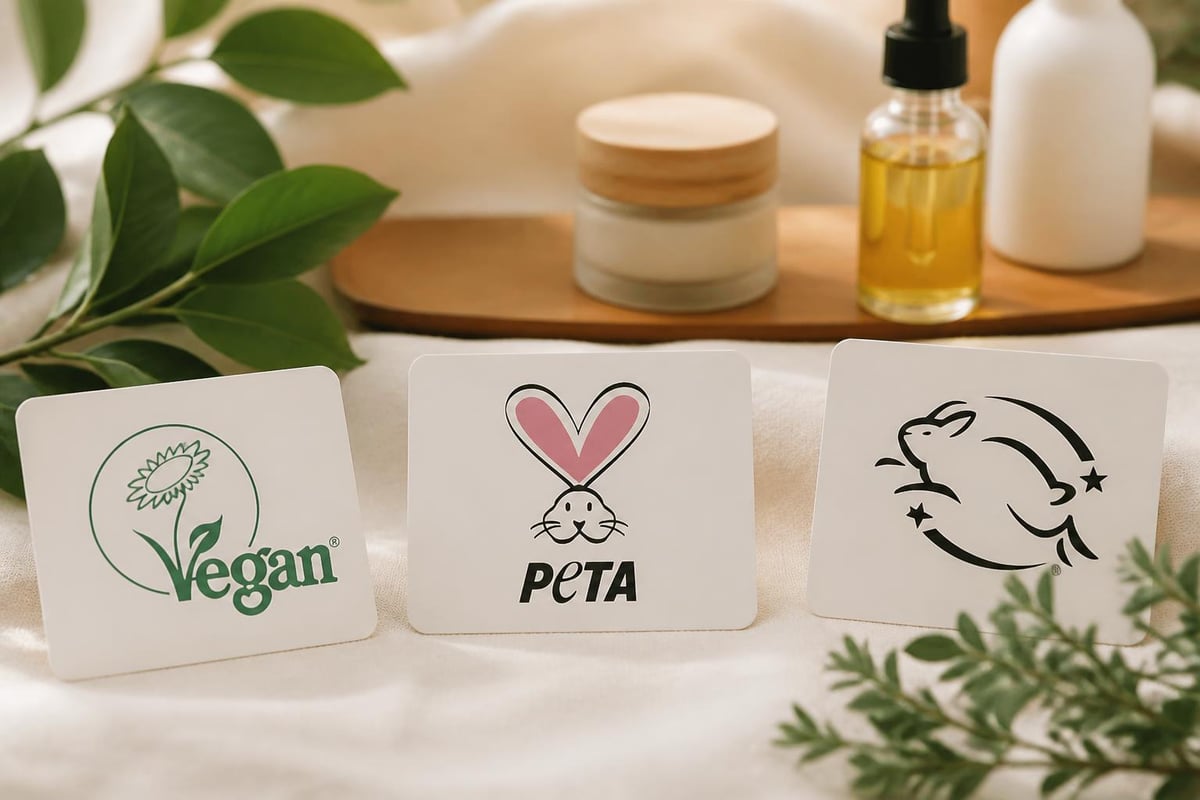
The most trustworthy vegan skin care brands carry certifications from organizations like The Vegan Society, PETA, or Leaping Bunny, providing independent verification of their claims.
Benefits of Choosing Vegan Skincare Products
The shift towards vegan skin care brands isn't just about ethics; there are tangible benefits for your skin and overall health. Understanding vegan skin care reveals how plant-based formulations can transform your skincare routine.
Plant-based ingredients are often rich in vitamins, antioxidants, and essential fatty acids that nourish skin naturally. Botanical extracts like green tea, rosehip, and sea buckthorn deliver powerful anti-ageing benefits without synthetic additives. Many people with sensitive skin find that vegan formulations cause fewer reactions, as they typically avoid harsh chemicals and common irritants found in conventional products.
Environmental and Ethical Advantages
Beyond personal skin health, choosing vegan skincare supports broader environmental goals. Animal agriculture for beauty ingredients contributes significantly to greenhouse gas emissions, deforestation, and water pollution. Plant-based alternatives generally have a smaller ecological footprint.
Environmental benefits of vegan skincare:
- Reduced carbon emissions from ingredient sourcing
- Lower water consumption during production
- Decreased pollution from animal farming
- More sustainable packaging options
- Support for biodiversity through plant cultivation
Research on public perceptions of veganism shows that consumers increasingly value transparency and ethical production methods, driving innovation across the beauty industry.
Top Ingredients in Vegan Skin Care Brands
Plant-based skincare harnesses nature's most effective compounds, offering solutions for every skin concern. Understanding these key ingredients helps you make informed choices when selecting products.
Powerhouse Plant Oils and Butters
Natural oils and butters form the foundation of many vegan formulations, providing deep hydration without synthetic emollients. Jojoba oil closely mimics skin's natural sebum, making it ideal for balancing both dry and oily complexions. Shea butter offers intensive moisture for parched skin, whilst coconut oil provides antimicrobial properties alongside hydration.
Argan oil, rich in vitamin E and fatty acids, helps reduce inflammation and promotes skin elasticity. Rosehip seed oil contains natural retinoids that encourage cell turnover without the irritation of synthetic alternatives. For those interested in vegan moisturizers, these plant-based oils deliver exceptional results.
| Ingredient | Primary Benefit | Best For | Key Nutrients |
|---|---|---|---|
| Jojoba Oil | Sebum regulation | All skin types | Vitamin E, B-complex |
| Shea Butter | Deep hydration | Dry, mature skin | Vitamins A, E, F |
| Rosehip Oil | Anti-ageing | Mature, damaged skin | Vitamins A, C |
| Hemp Seed Oil | Inflammation reduction | Sensitive, acne-prone | Omega 3, 6 |
Active Botanical Extracts
Beyond oils, vegan skin care brands incorporate concentrated plant extracts that target specific concerns. Green tea extract provides potent antioxidant protection against free radical damage and premature ageing. Chamomile soothes irritation and redness, making it essential in formulations for sensitive skin.
Niacinamide (vitamin B3), derived from plant sources, brightens skin tone and minimizes pores. Hyaluronic acid, synthesized through plant fermentation rather than animal extraction, holds up to 1,000 times its weight in water, delivering unparalleled hydration. Bakuchiol serves as a natural retinol alternative, offering similar anti-ageing benefits without sun sensitivity or irritation.
How to Identify Authentic Vegan Skin Care Brands
With "vegan" becoming a popular marketing term, knowing how to spot genuinely committed brands is crucial. Not every product labeled vegan meets the same standards of transparency and ethical production.
Reading Labels and Certifications
Start by examining ingredient lists carefully. Authentic vegan skin care brands list all components clearly, using botanical names alongside common terms. Watch for hidden animal derivatives: keratin, elastin, cholesterol, and certain forms of vitamin D3 often have animal origins unless specified otherwise.
Certification logos provide the most reliable verification. The Vegan Society's sunflower trademark guarantees no animal ingredients or testing. PETA's Beauty Without Bunnies program offers two certifications: "cruelty-free" and "cruelty-free and vegan." Leaping Bunny certification ensures comprehensive cruelty-free practices throughout the supply chain.
Red flags to watch for:
- Vague ingredient descriptions like "natural fragrance" without specifics
- Missing certification despite vegan claims
- Lack of transparency about ingredient sourcing
- Parent companies that test on animals
- Contradictory information between packaging and website
Researching Brand Values and Practices
Beyond labels, investigate a brand's overall philosophy. Authentic vegan companies typically demonstrate commitment through multiple channels. They're transparent about their supply chain, often sharing information about ingredient sources and manufacturing processes.
Look for brands that engage with vegan and environmental communities, support relevant charities, or participate in sustainability initiatives. Many ethical companies, similar to how Onesociety approaches natural grooming products, prioritize ingredient research and customer education alongside product development.
Building Your Vegan Skincare Routine
Creating an effective vegan skincare regimen follows the same principles as any quality routine: cleanse, treat, moisturize, and protect. The difference lies in choosing all-natural skin products that align with vegan values.
Morning Routine Essentials
Begin with a gentle cleanser that removes overnight oil buildup without stripping skin's natural barrier. Look for plant-based surfactants like coconut-derived cleansing agents rather than harsh sulfates. Many vegan skin care brands offer cleansers formulated with soothing botanicals like aloe vera or cucumber extract.
Follow cleansing with a balancing toner rich in plant extracts. Witch hazel, rose water, or green tea toners refresh skin whilst preparing it for subsequent treatments. Apply serums targeted to your specific concerns-vitamin C for brightness, hyaluronic acid for hydration, or niacinamide for pore refinement.
- Cleanse with gentle, plant-based formulas
- Tone to balance pH and prep skin
- Apply serum for targeted treatment
- Moisturise with plant oils and butters
- Protect with mineral-based SPF
Morning routines must conclude with sun protection. Mineral sunscreens using zinc oxide or titanium dioxide are inherently vegan and provide broad-spectrum protection without chemical filters.
Evening Care and Treatment
Nighttime offers opportunity for deeper treatment and repair. Double cleansing-first with an oil-based cleanser to remove makeup and sunscreen, then with a water-based cleanser for thorough purification-ensures completely clean skin.
Evening is ideal for applying more intensive treatments. Retinol alternatives like bakuchiol work overnight to boost cell turnover. Vitamin C serums protect against oxidative stress whilst brightening. Rich night creams featuring shea butter, evening primrose oil, or sea buckthorn replenish moisture lost during the day.
For those exploring comprehensive routines, Korean vegan skincare approaches often include additional steps like essences and sleeping masks, offering multi-layered hydration and treatment benefits.
Vegan Solutions for Different Skin Types
One common misconception suggests vegan skin care brands can't address specific skin concerns as effectively as conventional products. However, plant-based formulations excel across all skin types when properly selected.
Dry and Dehydrated Skin
Dry skin thrives with rich, nourishing plant oils and butters. Avocado oil penetrates deeply to restore lipid barriers. Squalane derived from olives provides lightweight hydration without greasiness. Ceramides from plant sources help repair damaged moisture barriers.
Look for products featuring multiple layers of hydration: humectants like glycerin and hyaluronic acid to attract water, emollients like jojoba and hemp seed oil to smooth skin, and occlusives like candelilla wax to seal in moisture. Many gentle skin products combine these elements for comprehensive dry skin care.
Oily and Acne-Prone Skin
Contrary to intuition, oily skin benefits greatly from certain plant oils. Lightweight options like grapeseed, hemp seed, and jojoba oil actually help regulate sebum production. Tea tree oil offers natural antimicrobial properties that combat acne-causing bacteria without harsh chemicals.
| Skin Concern | Recommended Ingredients | What to Avoid |
|---|---|---|
| Excess oil | Niacinamide, witch hazel | Heavy butters, coconut oil |
| Active breakouts | Tea tree, willow bark (salicylic acid) | Comedogenic oils |
| Scarring | Rosehip, vitamin C | Harsh physical exfoliants |
| Inflammation | Chamomile, green tea | Alcohol-based toners |
Willow bark extract provides natural salicylic acid for gentle exfoliation, helping prevent clogged pores. Clay masks using kaolin or bentonite draw out impurities without over-drying. For comprehensive solutions, explore skin clearing products that combine multiple beneficial ingredients.
Sensitive and Reactive Skin
Sensitive skin requires particularly gentle formulations free from common irritants. Vegan skin care brands often excel here, as plant-based products typically exclude harsh synthetic preservatives and fragrances that trigger reactions.
Calendula, chamomile, and colloidal oatmeal soothe irritation and reduce redness. Centella asiatica (cica) accelerates healing and strengthens skin barriers. Allantoin, derived from comfrey, promotes cell regeneration whilst calming inflammation.
Patch testing remains essential when introducing new products, even natural ones. Apply a small amount to your inner arm and wait 24-48 hours to check for reactions before using on your face.

The Rise of Vegan Skin Care Brands in 2026
The vegan beauty market has experienced exponential growth, with projections showing continued expansion through 2026 and beyond. Consumer demand for transparency, sustainability, and ethical production has pushed major retailers to expand their vegan offerings whilst independent brands flourish.
Celebrity Influence and Mainstream Adoption
High-profile advocates have significantly boosted vegan skincare's visibility. Kourtney Kardashian's embrace of vegan skincare exemplifies how celebrity endorsements introduce ethical beauty to broader audiences. However, authenticity matters more than star power when choosing products.
Mainstream retailers now dedicate significant shelf space to vegan options. High street chemists, department stores, and specialty beauty retailers feature curated selections of vegan skin care brands, making ethical choices more accessible than ever. Online platforms have further democratized access, allowing smaller ethical brands to reach global audiences.
Innovation and Technology
Modern vegan skin care brands leverage cutting-edge technology to create powerful formulations. Biotechnology enables production of vegan alternatives to traditionally animal-derived ingredients like collagen and elastin. Fermentation processes create hyaluronic acid and other compounds without animal sources.
Research into plant-based actives continues to uncover new beneficial ingredients. Scientists are exploring extremophile plants-species that thrive in harsh conditions-for unique protective and regenerative properties. Algae and seaweed derivatives offer mineral-rich hydration and anti-inflammatory benefits.
Some brands incorporate AI and machine learning to develop personalized skincare recommendations, though research like the study on disparities in dermatology AI highlights the importance of ensuring these technologies serve diverse populations equitably.
Supporting Sustainable and Ethical Beauty
Choosing vegan skin care brands represents one aspect of ethical consumption, but truly sustainable beauty considers the complete product lifecycle from sourcing through disposal.
Packaging and Environmental Impact
Many vegan brands prioritize sustainable packaging alongside ethical formulations. Glass containers, recyclable aluminum, and post-consumer recycled plastics reduce environmental impact. Refillable systems and concentrated products that require less packaging are gaining popularity.
Sustainable packaging innovations:
- Biodegradable tubes made from sugarcane
- Solid products (bars and balms) requiring minimal packaging
- Concentrated formulas reducing shipping weight and emissions
- Returnable container programs with incentives
- Water-soluble packaging for single-use sachets
Beyond packaging, consider ingredient sourcing. Dermatologist-recommended vegan skincare often emphasizes sustainable harvesting practices that protect plant populations and support local communities.
Supporting Small and Independent Brands
While large corporations increasingly offer vegan lines, independent vegan skin care brands often demonstrate deeper commitment to ethical values. Smaller companies typically maintain greater control over their supply chains, ensuring ingredient integrity and fair labour practices.
These brands frequently give back to environmental or animal welfare causes, creating positive impact beyond product sales. They tend to be more responsive to customer feedback and transparent about their processes. Exploring non-toxic skincare brands reveals how smaller companies prioritize purity and ethics.
Making the Transition to Vegan Skincare
Switching to vegan skin care brands needn't be overwhelming or expensive. A thoughtful, gradual approach ensures you find products that work for your skin whilst aligning with your values.
Starting Your Journey
Begin by assessing your current routine and identifying products to replace first. Start with basics like cleansers and moisturizers before investing in specialized treatments. This approach allows you to observe how your skin responds to plant-based formulations without overwhelming your budget or routine.
Many vegan skin care brands offer discovery sets or travel sizes, perfect for testing products before committing to full-size purchases. Look for companies with generous return policies or satisfaction guarantees, reducing the financial risk of experimentation.
Steps for transitioning smoothly:
- Research and identify brands aligned with your values
- Replace one product at a time, starting with basics
- Give each new product 4-6 weeks to show results
- Keep a skincare diary noting changes and reactions
- Join online communities for recommendations and support
Don't discard partially used non-vegan products; many people choose to finish existing products before replacing them, reducing waste whilst transitioning gradually.
Budget-Friendly Vegan Options
Premium pricing doesn't guarantee superior results. Many inexpensive skin care brands offer excellent vegan formulations using quality plant-based ingredients. The key is understanding ingredient lists and recognizing that simple, well-formulated products often outperform complex, expensive alternatives.
Multi-purpose products offer excellent value. A high-quality plant oil like jojoba or rosehip can serve as makeup remover, facial oil, and body moisturizer. Shea butter works as intensive hand cream, cuticle treatment, and spot treatment for dry patches. These versatile options reduce the number of products needed whilst maintaining effectiveness.
DIY treatments using kitchen ingredients-oatmeal masks, honey (if you include bee products in your vegan practice), or avocado-supplement purchased products affordably. However, ensure proper hygiene and patch-test homemade treatments before applying to your face.
Quality Markers in Vegan Skin Care Brands
Not all vegan skincare delivers equal results. Discerning quality requires looking beyond vegan certification to formulation effectiveness, ingredient concentration, and brand reputation.
Ingredient Concentration and Formulation
Active ingredient concentration significantly impacts product effectiveness. A serum listing vitamin C as the fifth ingredient likely contains insufficient amounts for meaningful results. Quality vegan skin care brands clearly state active ingredient percentages, demonstrating transparency and confidence in their formulations.
Well-formulated products consider ingredient synergy-how components work together to enhance absorption and effectiveness. Vitamin C paired with vitamin E provides superior antioxidant protection than either alone. Hyaluronic acid in multiple molecular weights ensures hydration at different skin depths.
Preservation systems matter too. Natural preservatives like rosemary extract or radish root ferment protect products from contamination whilst avoiding controversial synthetic preservatives like parabens. However, adequate preservation is essential; natural doesn't mean products should spoil quickly.
Brand Reputation and Customer Reviews
Research brand reputation through multiple channels. Independent reviews on trusted beauty websites, social media communities, and forums provide unfiltered customer experiences. Look for patterns in feedback rather than isolated comments-consistently positive reviews about specific benefits suggest genuine effectiveness.
Consider how brands respond to criticism. Companies demonstrating accountability, transparency, and willingness to address concerns build trust with customers. Those defensive about negative feedback or lacking visible customer service may not prioritize customer satisfaction.
Industry recognition provides another quality indicator. Awards from beauty editors, dermatologists' recommendations, and best-rated skin care lists compiled by independent sources suggest products meet professional standards.
The Future of Vegan Beauty
The trajectory of vegan skin care brands points toward continued innovation, increased accessibility, and deeper integration of sustainability principles. As consumer awareness grows and technology advances, the distinction between "vegan" and "conventional" beauty will likely blur, with plant-based formulations becoming the norm rather than the alternative.
Emerging Trends and Innovations
Waterless formulations represent a significant emerging trend, addressing water scarcity whilst creating concentrated products with longer shelf lives. Powder cleansers, solid serums, and anhydrous creams deliver potent ingredients without water as a base, reducing packaging and shipping weight.
Upcycled ingredients-beauty actives derived from food industry by-products like grape seeds, coffee grounds, or fruit peels-align vegan values with zero-waste principles. These innovations transform would-be waste into valuable skincare ingredients, reducing environmental impact whilst creating effective formulations.
Personalization technologies continue evolving, with brands offering customized formulations based on skin analysis, genetic testing, or environmental factors. As these technologies mature, they'll make vegan skincare more targeted and effective for individual needs.
Regulatory Changes and Standardization
As the vegan beauty market grows, pressure increases for standardized definitions and regulations. Currently, "vegan" labeling requirements vary by country, creating confusion for international consumers. Industry leaders advocate for universal standards ensuring consistency and preventing greenwashing.
The European Union continues leading in cosmetic regulations, with potential regulations around sustainability claims and ingredient transparency that could influence global standards. As these frameworks develop, consumers will find it easier to verify brand claims and make informed choices.
Embracing vegan skin care brands in 2026 means choosing products that respect animals, support environmental sustainability, and deliver genuine skincare benefits through powerful plant-based ingredients. The journey toward ethical beauty doesn't require perfection-every conscious choice contributes to positive change. If you're ready to explore natural, vegan skincare that prioritizes both your skin's health and ethical values, White Rabbit Skin Care offers thoughtfully formulated products crafted with the finest plant-based ingredients, providing cruelty-free solutions tailored to your unique skin needs.