

Vegan Serum for Face: Your Complete Guide for 2026
Choosing the right skincare products has never been more important, and if you're looking for effective, ethical options, a vegan serum for face might be exactly what your routine needs. In 2026, vegan beauty has moved far beyond a trend to become a cornerstone of conscious skincare. These concentrated treatments deliver powerful plant-based ingredients without any animal-derived components, offering brilliant results whilst aligning with your values. Whether you're concerned about ingredient transparency, animal welfare, or simply want to harness the power of botanical science, understanding what makes a face serum truly vegan will transform your approach to skincare.
What Makes a Face Serum Truly Vegan
A vegan serum for face must be completely free from animal-derived ingredients and by-products. This goes beyond the obvious exclusions like lanolin or beeswax.
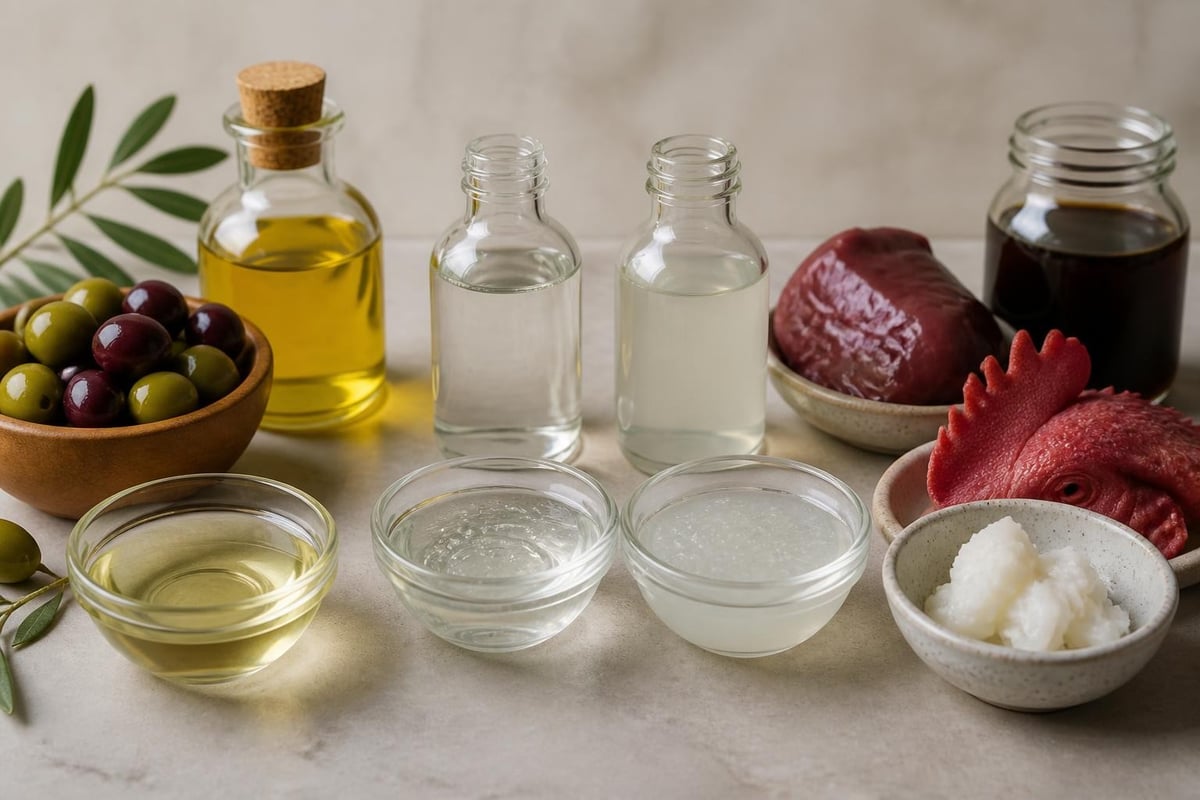
Many traditional serums contain hidden animal ingredients that might surprise you. Squalene, for instance, can be derived from shark liver oil, whilst glycerin and hyaluronic acid historically came from animal sources. Modern vegan formulations use plant-based or synthetic alternatives that perform identically or even better than their animal-derived counterparts.
Understanding Vegan Certification Standards
The Vegan Society's trademark standards provide clear guidelines for what qualifies as genuinely vegan. According to these internationally recognized requirements, products must not contain animal ingredients, must not have been tested on animals, and must not use animal-derived GMOs in production.
Look for official certification marks when shopping:
- Vegan Society Trademark (the sunflower logo)
- Certified Vegan (from Vegan Action)
- PETA's Beauty Without Bunnies
- Leaping Bunny (though this certifies cruelty-free, not necessarily vegan)
The certification process involves thorough ingredient verification and supply chain auditing. This third-party validation gives you confidence that your vegan serum for face truly meets ethical standards.

Key Plant-Based Ingredients in Vegan Face Serums
The heart of any effective vegan serum for face lies in its active ingredients. Plant science has given us extraordinary compounds that rival traditional formulations.
Hydrating and Plumping Ingredients
Hyaluronic acid stands as the champion of hydration in modern serums. Whilst historically sourced from rooster combs, today's hyaluronic acid is produced through bacterial fermentation, making it completely vegan. This molecule holds up to 1,000 times its weight in water, delivering incredible plumping and moisture retention.
| Ingredient | Vegan Source | Primary Benefit |
|---|---|---|
| Hyaluronic Acid | Bacterial fermentation | Deep hydration and plumping |
| Glycerin | Vegetable oils | Moisture retention |
| Squalane | Olive or sugarcane | Lightweight hydration |
| Aloe Vera | Plant extract | Soothing and moisturizing |
Antioxidant Powerhouses
Vitamin C deserves special attention in vegan formulations. Clinical research demonstrates that topical vitamin C offers significant benefits for skin brightness, collagen production, and protection against environmental damage. Plant-derived L-ascorbic acid performs identically to synthetic versions whilst maintaining vegan credentials.
Niacinamide (vitamin B3) represents another brilliant vegan ingredient. Derived from yeast or synthesized, it addresses multiple concerns simultaneously.
- Reduces appearance of pores
- Evens skin tone
- Strengthens skin barrier
- Controls oil production
- Minimizes fine lines
Botanical Extracts and Oils
Plant oils bring both nourishment and active benefits to vegan serum formulations. Rosehip oil delivers natural retinol alternatives through its vitamin A content, whilst jojoba oil mimics skin's natural sebum for balanced hydration.
Green tea extract, kakadu plum, and sea buckthorn all contribute powerful antioxidants. These botanicals protect against free radical damage whilst providing vitamins and minerals that support skin health.
Benefits of Choosing Vegan Serums Over Traditional Options
Switching to a vegan serum for face offers advantages that extend beyond ethical considerations. Let's explore why these formulations deserve a place in your routine.
Gentler on Sensitive Skin
Many people find that products designed for sensitive skin naturally align with vegan formulations. Plant-based ingredients typically cause fewer reactions than animal-derived alternatives.
Animal proteins and fats can trigger sensitivities in some skin types. Vegan formulas eliminate these potential irritants whilst still delivering effective results. This makes them particularly suitable for reactive or easily irritated complexions.
Environmental Sustainability
The environmental footprint of vegan skincare extends far beyond individual ingredients. Animal agriculture requires substantial resources, from water usage to land allocation.
Carbon footprint comparison:
- Plant-based ingredient production generates significantly lower emissions
- Reduces water consumption by up to 70% compared to animal-derived alternatives
- Minimizes land use and deforestation
- Eliminates methane production from livestock
When you choose vegan options, you're supporting sustainable practices that benefit our planet's future.
Superior Ingredient Transparency
Brands committed to non-toxic skincare often embrace vegan formulations because they align with broader transparency goals. You'll find clearer labeling, better ingredient communication, and stronger commitments to clean beauty standards.
How to Choose the Right Vegan Serum for Your Skin Type
Not all vegan serums work equally well for every complexion. Understanding your skin's specific needs helps you select the most effective formulation.
For Dry and Dehydrated Skin
Look for a vegan serum for face rich in humectants and emollients. Your priority ingredients include:
- Hyaluronic acid in multiple molecular weights
- Glycerin for moisture binding
- Squalane for lightweight oil
- Ceramides (plant-derived) for barrier repair
Layer your serum under a rich moisturizer like a coconut rosehip calming cream to seal in hydration throughout the day.
For Oily and Combination Skin
Contrary to popular belief, oily skin still needs hydration. Choose lightweight, water-based serums that won't clog pores.
Ideal ingredients for oily types:
| Ingredient | Function | Why It Works |
|---|---|---|
| Niacinamide | Oil regulation | Balances sebum production |
| Salicylic acid (willow bark) | Exfoliation | Unclogs pores naturally |
| Tea tree oil | Antibacterial | Prevents breakouts |
| Zinc | Oil control | Mattifies and calms |
For Mature or Aging Skin
Focus on serums that boost collagen production and provide antioxidant protection. The American Academy of Dermatology recommends ingredients like vitamin C, retinol alternatives, and peptides for age-related concerns.
Bakuchiol has emerged as a brilliant vegan retinol alternative. This plant extract from the babchi plant delivers similar collagen-boosting benefits without the sensitivity issues associated with traditional retinoids.
For Sensitive and Reactive Skin
Gentleness matters most for sensitive complexions. Seek out skincare brands specifically formulated for sensitive skin that prioritize soothing, anti-inflammatory ingredients.
Choose serums with:
- Chamomile extract
- Centella asiatica (cica)
- Oat extract
- Calendula
- Minimal ingredient lists
Safety and Efficacy of Vegan Serum Formulations
Understanding the science behind vegan serums helps you appreciate their effectiveness. Plant-based doesn't mean less powerful.
Regulatory Oversight and Safety Assessment
European regulations maintain strict standards for cosmetic safety, regardless of whether ingredients are plant or animal-derived. The Scientific Committee on Consumer Safety regularly evaluates ingredients used in serums and other skincare products.
Plant-derived active ingredients undergo the same rigorous safety testing as synthetic or animal-derived alternatives. The Cosmetic Ingredient Review provides independent safety assessments for botanical ingredients commonly found in vegan formulations.
This oversight ensures that when you apply a vegan serum for face, you're using products that meet exacting safety standards.
Clinical Evidence Supporting Plant-Based Actives
Modern research increasingly validates traditional botanical knowledge. Studies demonstrate that plant-based ingredients often outperform their synthetic counterparts in specific applications.
Evidence-backed vegan ingredients:
- Vitamin C from kakadu plum contains higher concentrations than synthetic alternatives
- Bakuchiol shows comparable results to retinol in clinical trials
- Green tea polyphenols demonstrate superior antioxidant activity
- Plant ceramides effectively restore skin barrier function
The concentration and formulation stability matter more than the ingredient source. High-quality vegan serums use sophisticated delivery systems that ensure active ingredients penetrate effectively and remain stable throughout the product's life.
Incorporating Vegan Serums into Your Skincare Routine
Maximum benefits come from proper application and layering. Here's how to integrate a vegan serum for face into your daily regimen.
Morning Routine Application
Start your day by protecting your skin from environmental stressors. Your morning serum should focus on antioxidant protection and hydration.
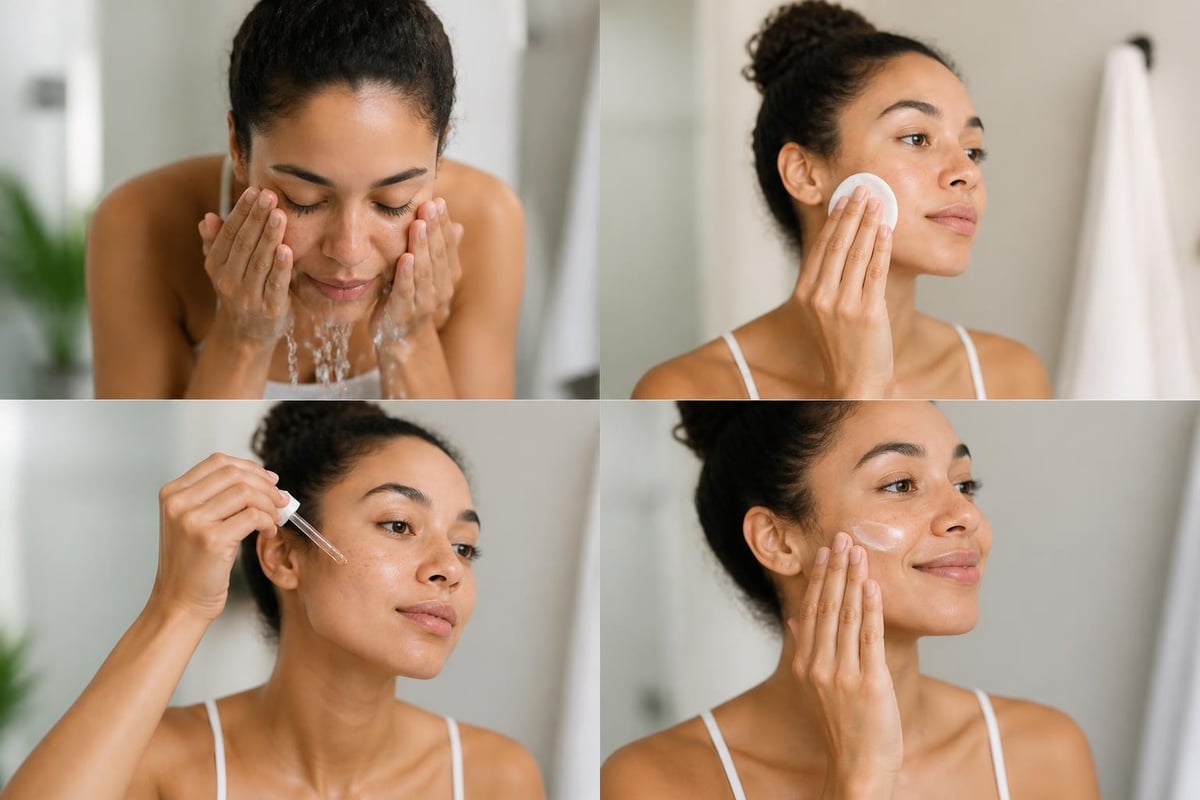
Step-by-step morning application:
- Cleanse with a gentle, vegan cleanser
- Apply toner to balance pH
- Pat 2-3 drops of serum onto damp skin
- Follow with moisturizer
- Always finish with SPF protection
Apply serums to slightly damp skin for enhanced absorption. The moisture helps active ingredients penetrate more effectively whilst reducing potential irritation.
Evening Routine for Repair
Night time is when your skin does its repair work. Evening serums can be more treatment-focused, addressing specific concerns like pigmentation or fine lines.
For those exploring comprehensive high-quality skin care routines, consistency matters more than complexity. A simple routine performed regularly outperforms an elaborate one used sporadically.
Layering Multiple Serums
Many skincare enthusiasts use multiple serums to address different concerns. Layer them correctly for optimal results.
| Order | Serum Type | Texture | Why This Order |
|---|---|---|---|
| First | Hydrating (hyaluronic acid) | Watery | Thinnest consistency absorbs first |
| Second | Treatment (vitamin C, niacinamide) | Lightweight | Active ingredients on prepared skin |
| Third | Oil-based | Rich | Seals in water-based products |
Wait 30-60 seconds between layers to allow proper absorption. Rushing this process reduces efficacy.
Common Misconceptions About Vegan Face Serums
Let's address some persistent myths that might hold you back from trying vegan options.
"Vegan Means Less Effective"
This couldn't be further from the truth. Plant-based ingredients often contain higher concentrations of active compounds than animal-derived alternatives. Modern extraction and formulation techniques allow vegan serums to deliver exceptional results.
The key lies in ingredient quality and formulation expertise, not the ingredient source. Natural skin brands have proven that plant-based formulations can match or exceed traditional products in performance.
"Vegan Products Don't Last as Long"
Preservation technology has advanced significantly. Vegan serums use plant-derived preservatives and sophisticated packaging to maintain stability and prevent contamination.
Airless pump bottles, for instance, protect delicate vitamin C formulations from oxidation. Many vegan serums actually demonstrate superior stability compared to traditional formulations because they avoid unstable animal-derived ingredients.
"All Natural Products Are Automatically Vegan"
This misconception causes confusion. Natural doesn't necessarily mean vegan. Honey, beeswax, lanolin, and carmine are all natural ingredients that aren't vegan.
Conversely, some synthetic ingredients are vegan. Lab-created hyaluronic acid, for example, counts as vegan despite being synthetic because it doesn't involve animal exploitation.
Always check for specific vegan certification rather than assuming natural equals vegan.
What to Look for on Vegan Serum Labels
Becoming a savvy label reader empowers you to make informed choices. Here's what matters most when evaluating a vegan serum for face.
Ingredient List Essentials
UK and EU regulations require ingredients to be listed in descending order by concentration. The first five ingredients typically make up the bulk of the formula.
Red flags for vegan products:
- Lanolin (sheep sebum)
- Collagen or elastin (usually animal-derived)
- Carmine/cochineal (insect-derived colorant)
- Shellac (beetle secretion)
- Guanine (fish scales)
- Keratin (hair, horns, hooves)
Some ingredients can be either vegan or animal-derived. Glycerin, lecithin, and stearic acid fall into this category. Without certification, you can't be certain of their origin.
Understanding Cruelty-Free vs. Vegan
These terms aren't interchangeable, though they're often confused.
Cruelty-free means the product and its ingredients weren't tested on animals. However, it may still contain animal-derived ingredients like beeswax or lanolin.
Vegan means no animal ingredients or by-products, but doesn't automatically guarantee no animal testing occurred (particularly in markets requiring it by law).
The gold standard is products that are both vegan AND cruelty-free, certified by recognized organizations.
Price and Value Considerations
Premium pricing doesn't always indicate superior quality. Some inexpensive skin care brands offer excellent vegan serums at accessible price points.
Evaluate value by considering:
- Ingredient concentration and quality
- Packaging that preserves stability
- Brand transparency and ethics
- Product size and cost per application
A 30ml bottle might seem expensive until you realize that 2-3 drops provide a full face application, meaning it lasts several months.
Building a Complete Vegan Skincare Collection
Once you've found your perfect vegan serum for face, you might want to extend these principles throughout your routine.
Coordinating Products for Best Results
Whilst you don't need to use exclusively vegan products, there's synergy in coordinated formulations. Brands like those featured in guides to the best UK skincare brands often design products to work together seamlessly.
Consider building your collection gradually:
- Start with a serum addressing your primary concern
- Add a compatible cleanser and moisturizer
- Incorporate treatment products as needed
- Expand to eye creams, masks, and specialized treatments
Browse complete vegan skincare collections to see how different products complement each other within a cohesive routine.
Seasonal Adjustments
Your skin's needs change throughout the year, and your vegan serum for face should adapt accordingly.
Winter adjustments:
- Switch to richer, more hydrating formulas
- Layer multiple hydrating serums
- Increase application frequency
Summer modifications:
- Opt for lightweight, water-based textures
- Focus on antioxidant protection
- Reduce layering to prevent heaviness
This flexibility ensures your skin receives optimal support regardless of environmental conditions.
The Future of Vegan Face Serums
Innovation in vegan skincare continues to accelerate, bringing exciting developments for conscious beauty enthusiasts.
Emerging Ingredients and Technologies
Biotechnology is revolutionizing how we create vegan alternatives. Precision fermentation allows scientists to produce identical copies of animal-derived ingredients without using animals. This technology already produces vegan collagen, elastin, and other proteins previously impossible to source without animal exploitation.
Innovations to watch in 2026:
- Bioidentical peptides from fermentation
- Upcycled fruit and vegetable extracts
- Microalgae-derived compounds
- Enhanced delivery systems for plant actives
- Sustainable packaging from mushroom mycelium
These advances mean vegan serums will only become more effective and sustainable as formulation science progresses.
Industry Transparency Trends
Consumers increasingly demand radical transparency from beauty brands. QR codes on packaging now link to complete ingredient sourcing information, including farm locations and extraction methods.
Blockchain technology enables complete supply chain tracking, ensuring vegan claims are verifiable at every production stage. This accountability benefits everyone seeking genuinely ethical, effective skincare.
Finding the right vegan serum for face transforms both your complexion and your approach to conscious beauty. These plant-powered formulations deliver remarkable results whilst supporting your ethical values and environmental concerns. Whether you're new to vegan skincare or looking to upgrade your current routine, White Rabbit Skin Care offers a thoughtfully curated range of natural, vegan products crafted with the finest ingredients. Explore our collection to discover how sustainable, cruelty-free skincare can help you achieve your healthiest, most radiant skin yet.