

Vegan Organic Cosmetics: Your Complete Guide for 2026
The beauty industry has undergone a remarkable transformation over the past few years, with consumers increasingly seeking products that align with their values. Vegan organic cosmetics represent this shift perfectly, combining plant-based formulations with organic farming practices and cruelty-free ethics. Whether you're already committed to a vegan lifestyle or simply curious about cleaner beauty options, understanding what makes these products special can help you make informed choices for your skin and the planet. This comprehensive guide explores everything you need to know about vegan organic cosmetics, from certification standards to the real benefits they offer.
What Makes Cosmetics Truly Vegan and Organic
Vegan organic cosmetics must meet two distinct criteria that work together to create products free from animal exploitation and synthetic chemicals. The vegan aspect means absolutely no animal-derived ingredients appear anywhere in the formulation. This goes beyond the obvious exclusions like beeswax and lanolin to include less apparent ingredients such as carmine (crushed insects for colour), squalene (often from shark liver), and even certain forms of glycerin.
The organic component requires that plant-based ingredients are grown without synthetic pesticides, herbicides, or genetically modified organisms. These farming practices protect soil health, water quality, and biodiversity whilst producing botanicals with higher concentrations of beneficial compounds.
Understanding Ingredient Lists
Reading labels becomes essential when shopping for vegan organic cosmetics. Common animal-derived ingredients to avoid include:
- Collagen and keratin (typically sourced from animal tissues)
- Stearic acid (can be plant or animal-based)
- Casein (milk protein used in some creams)
- Shellac (resin secreted by lac beetles)
- Guanine (from fish scales, used for shimmer)
Plant-based alternatives exist for every single animal-derived ingredient. Hyaluronic acid can be produced through fermentation, ceramides can be extracted from rice or wheat, and mica provides natural shimmer without harming aquatic life.
Certification Standards You Can Trust
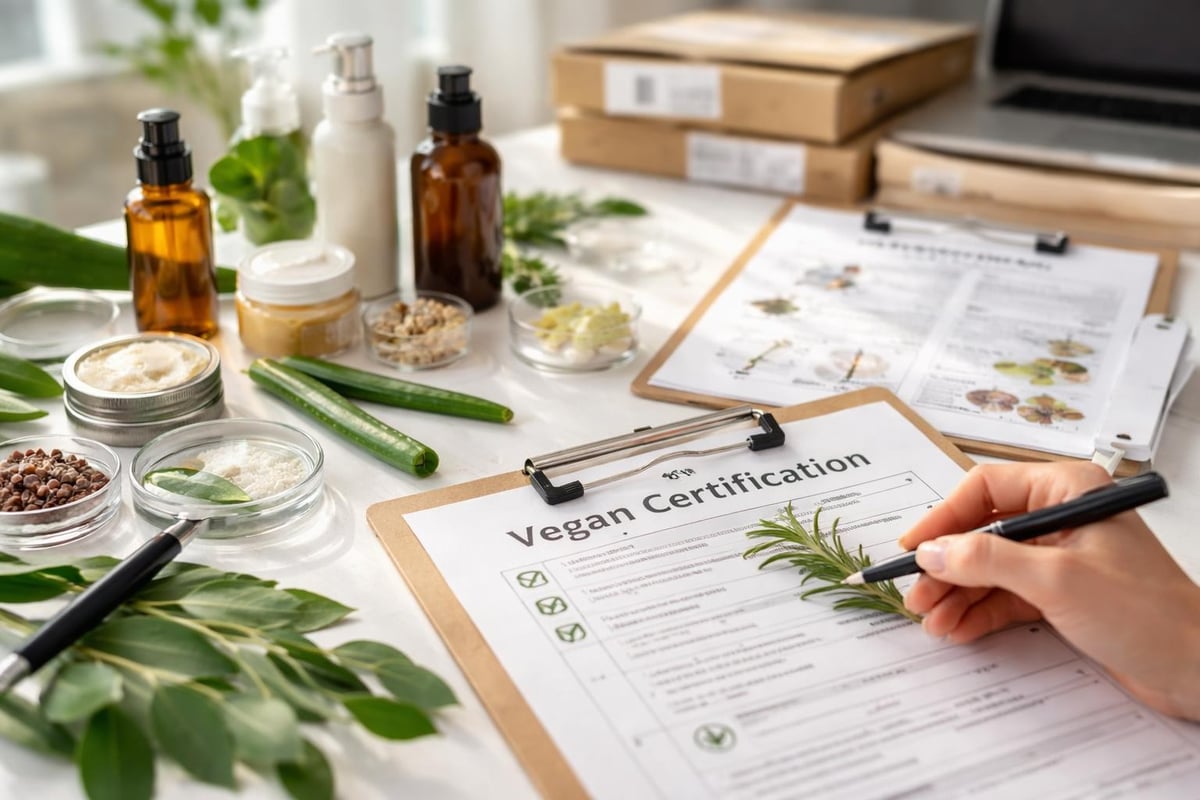
Navigating the world of vegan organic cosmetics becomes significantly easier when you understand the various certification programmes available. Vegan certification for cosmetics ensures products contain no animal-derived ingredients and haven't been tested on animals, providing peace of mind for conscious consumers.
Several respected organisations offer certification that helps you identify genuinely vegan and organic products:
| Certification | Focus Area | Key Requirements |
|---|---|---|
| Vegan Society | Animal-free formulation | No animal ingredients, no animal testing |
| Soil Association | Organic agriculture | Minimum organic percentages, sustainable farming |
| COSMOS | Natural & organic cosmetics | Biodegradable ingredients, eco-friendly packaging |
| Natrue | Natural formulation | Three-tier system for natural content levels |
The COSMOS standard has become particularly influential across Europe, setting rigorous criteria for both organic and natural cosmetics. Products bearing this certification have undergone thorough evaluation of their ingredient sourcing, manufacturing processes, and environmental impact.
Why Certification Matters
Third-party certification protects consumers from greenwashing, where brands make misleading environmental or ethical claims. The vegan certification process involves detailed documentation of every ingredient's origin, manufacturing methods, and potential for cross-contamination with animal-derived substances.
Without independent verification, terms like "natural" and "vegan" remain largely unregulated in the cosmetics industry. Certification provides accountability and transparency that self-regulated claims simply cannot match.
The Benefits of Choosing Vegan Organic Products
Switching to vegan organic cosmetics offers advantages that extend beyond ethical considerations. These products typically contain higher concentrations of vitamins, antioxidants, and essential fatty acids because organic farming produces more nutrient-dense plants. Your skin absorbs these beneficial compounds more readily when they're not competing with synthetic fillers and preservatives.
Many people with sensitive skin find that non-toxic skincare brands offering vegan organic formulations cause fewer reactions. This happens because these products avoid common irritants like synthetic fragrances, parabens, and petroleum-based ingredients that can trigger inflammation.
Environmental Impact
The environmental benefits of vegan organic cosmetics deserve special attention:
- Reduced water pollution from agricultural runoff containing pesticides
- Lower carbon footprint compared to animal agriculture
- Protection of biodiversity through organic farming practices
- Sustainable packaging often used by vegan brands
- Cruelty-free testing that respects animal welfare
Research shows that organic farming supports 34% more plant species, 50% more pollinating insects, and 75% more birds than conventional agriculture. Every vegan organic cosmetic purchase supports these regenerative practices.
Building Your Vegan Organic Skincare Routine
Creating an effective routine with vegan organic cosmetics follows the same principles as any quality skincare regimen. The key difference lies in selecting products formulated with plant-based actives that deliver results without animal-derived ingredients.
Start with a gentle cleanser that removes impurities without stripping your skin's natural protective barrier. Cleansers containing organic plant oils effectively dissolve makeup and environmental pollutants whilst nourishing your complexion.
Morning Routine Essentials
- Gentle cleanser with organic chamomile or calendula
- Hydrating toner featuring organic rose water or witch hazel
- Vitamin C serum derived from organic fruit extracts
- Moisturiser with organic shea butter or jojoba oil
- Mineral sunscreen for broad-spectrum protection
Evening routines can incorporate richer treatments. Moisturisers formulated with organic ingredients work overnight to repair and rejuvenate your skin whilst you sleep.
Targeting Specific Concerns
Different skin types benefit from tailored vegan organic formulations:
| Skin Type | Beneficial Ingredients | Product Focus |
|---|---|---|
| Dry/Sensitive | Organic oat extract, chamomile | Rich creams, gentle cleansers |
| Oily/Combination | Organic tea tree, witch hazel | Lightweight lotions, balancing toners |
| Mature | Organic rosehip, sea buckthorn | Anti-aging serums, nourishing oils |
| Normal | Organic aloe vera, green tea | Balanced formulations, versatile products |
Companies like White Rabbit Skin Care demonstrate how vegan organic cosmetics can address diverse skincare needs whilst maintaining strict ethical standards. Their range includes products specifically formulated for combination skin and dry sensitive skin.
Decoding Marketing Claims and Labels
The popularity of vegan organic cosmetics has led to increased marketing claims that don't always tell the whole story. Understanding the difference between genuine certifications and marketing buzzwords empowers you to make better purchasing decisions.
"Cruelty-free" doesn't automatically mean vegan. A product can avoid animal testing whilst still containing animal-derived ingredients like honey or silk proteins. Similarly, "natural" carries no regulated definition and can apply to products containing minimal natural content alongside synthetic ingredients.
Red Flags to Watch For
Be cautious of products that make vague claims without supporting certification. Phrases like "made with organic ingredients" might mean only a tiny percentage meets organic standards. The American Cosmetic Association's vegan certified program provides clear guidelines about what truly qualifies as vegan.
Look for specific percentages when brands claim organic content. Reputable products clearly state the proportion of organic ingredients, with premium formulations often containing 95% or more organic components.
- Check for third-party certification logos rather than relying on brand claims
- Research unfamiliar ingredients using resources like the Environmental Working Group database
- Contact manufacturers directly if ingredient sourcing isn't transparent
- Prioritise brands that publish full ingredient lists and sourcing information
The Growing Market for Ethical Beauty
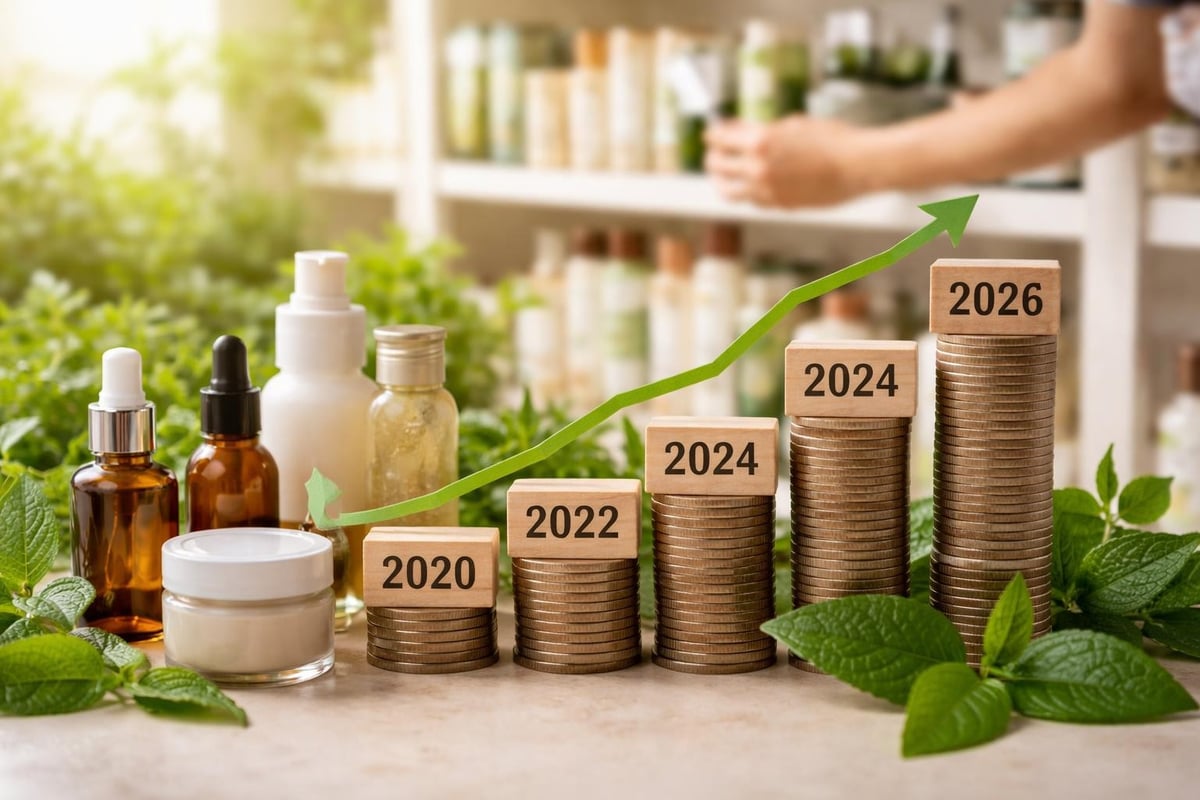
The vegan cosmetics industry has experienced explosive growth, with market trends showing significant increases in consumer demand for ethical beauty products. This expansion reflects changing values, particularly among younger consumers who prioritise sustainability and animal welfare.
Industry analysts project continued growth through 2030 as more consumers recognise that vegan organic cosmetics deliver excellent results without compromise. Social media has amplified this trend, with influencers and everyday users sharing their experiences with plant-based beauty products.
What's Driving the Change
Several factors contribute to the rising popularity of vegan organic cosmetics:
Increased awareness about animal testing practices and ingredient sourcing has motivated consumers to seek alternatives. Documentary films, social media campaigns, and investigative journalism have exposed practices that many find unacceptable.
Scientific advances in plant-based formulation mean vegan organic cosmetics now match or exceed the performance of conventional products. Botanical actives like bakuchiol (a plant-based retinol alternative) and organic plant stem cells offer impressive anti-aging benefits.
Environmental consciousness grows stronger each year, with consumers recognising their purchasing power as a tool for positive change. Choosing vegan organic cosmetics supports sustainable agriculture and reduces the beauty industry's environmental footprint.
Quality Ingredients Make the Difference
Not all vegan organic cosmetics offer equal quality. The finest formulations use premium organic ingredients sourced from sustainable suppliers who prioritise both environmental stewardship and fair labour practices. ICADA's vegan guidelines detail the standards for raw materials and production processes that ensure product integrity.
Premium organic botanical ingredients cost significantly more than conventional alternatives, but they deliver superior results. Organic rosehip oil contains up to 80% higher levels of beneficial fatty acids compared to conventionally grown versions. Organic lavender essential oil shows increased antimicrobial and anti-inflammatory properties.
Sourcing and Supply Chains
Transparent supply chains distinguish exceptional vegan organic cosmetic brands from those simply following trends. Companies committed to quality maintain direct relationships with organic farms, ensuring ingredients meet rigorous standards from soil to bottle.
The Gold Standard certification represents the pinnacle of cosmetic certification, encompassing organic content, sustainability, cruelty-free practices, and ethical trade. Products bearing this certification demonstrate comprehensive commitment to excellence across every aspect of their production.
Making the Switch to Vegan Organic Beauty
Transitioning to vegan organic cosmetics doesn't require replacing your entire collection overnight. A gradual approach allows you to find products that work perfectly for your skin whilst staying within budget. Start by replacing items you use most frequently, such as your daily cleanser or moisturiser.
Many brands offer sample sets that let you trial products before committing to full sizes. This approach proves particularly valuable when switching to vegan organic cosmetics, as different formulations suit different skin types.
Budget-Friendly Approaches
Quality vegan organic cosmetics represent an investment in your skin's health and the planet's future. However, smart shopping strategies make ethical beauty accessible:
- Watch for seasonal promotions and special offers from trusted brands
- Invest in multi-purpose products that serve several functions
- Focus on essentials first: cleanser, moisturiser, and sun protection
- Choose concentrated formulations that last longer
- Join loyalty programmes offered by ethical beauty retailers
Reading reviews of skincare products helps you avoid costly mistakes and identify standout performers. Fellow consumers often provide honest feedback about texture, scent, and effectiveness that marketing materials don't capture.
Supporting UK Vegan Beauty Brands
The United Kingdom has emerged as a leader in vegan organic cosmetics, with innovative brands creating exceptional products that meet the highest ethical standards. UK skincare brands often maintain shorter supply chains, reducing environmental impact whilst supporting local organic agriculture.
Purchasing from UK-based companies like White Rabbit Skin Care ensures products are formulated for British climates and skin types whilst adhering to stringent EU and UK cosmetic regulations. These brands understand the challenges of hard water, unpredictable weather, and seasonal skin changes that affect UK consumers.
Building Brand Relationships
Developing loyalty to ethical brands creates positive ripple effects throughout the beauty industry. Companies that see strong customer support for vegan organic cosmetics continue investing in sustainable practices and innovative formulations. Your purchasing decisions literally shape the future of the beauty industry.
Many UK vegan beauty brands maintain strong community connections through social media, newsletters, and educational content. They share formulation insights, ingredient spotlights, and tips for maximising product benefits. This transparency builds trust and helps consumers make informed decisions about their skincare routines.
Storage and Shelf Life Considerations
Vegan organic cosmetics often contain fewer synthetic preservatives than conventional products, which means proper storage becomes essential for maintaining freshness and efficacy. Natural preservatives like vitamin E and rosemary extract effectively protect formulations but may result in shorter shelf lives than products loaded with synthetic preservatives.
Store your vegan organic cosmetics in cool, dry places away from direct sunlight. Bathrooms, despite their convenience, aren't ideal due to temperature fluctuations and humidity. Consider keeping products in bedroom drawers or dedicated storage boxes that maintain stable conditions.
Maximising Product Longevity
Follow these guidelines to ensure your vegan organic cosmetics remain fresh:
- Use clean, dry hands or spatulas to extract products from jars
- Close lids tightly immediately after use to prevent oxidation
- Note opening dates and follow period-after-opening symbols on packaging
- Refrigerate products containing high percentages of fresh plant ingredients
- Discard products that change colour, scent, or texture significantly
Most vegan organic cosmetics maintain optimal quality for 6-12 months after opening. This shorter timeframe compared to conventional products actually benefits your skin, as you're using fresher ingredients with higher potency.
Embracing vegan organic cosmetics represents a meaningful step towards more ethical and sustainable beauty practices whilst supporting your skin's health with pure, potent botanical ingredients. Whether you're drawn to these products for environmental reasons, animal welfare concerns, or simply superior formulation quality, the benefits extend far beyond your daily routine. White Rabbit Skin Care offers a thoughtfully curated range of vegan organic products designed to meet your skincare needs whilst honouring your values, making it easier than ever to choose beauty that's kind to your skin, animals, and the planet.