

Vegan Moisturiser: Your Complete Guide for 2026
Finding the perfect moisturiser can feel like searching for a needle in a haystack, especially when you're committed to vegan beauty. The good news? The world of plant-based skincare has exploded in recent years, offering more choice and better formulations than ever before. Whether you're driven by ethical concerns, environmental values, or simply want to nourish your skin with nature's finest ingredients, a vegan moisturiser can deliver everything you need. This comprehensive guide will walk you through the essentials, from understanding what makes a moisturiser truly vegan to choosing the perfect formula for your unique skin type.
What Makes a Moisturiser Vegan
A vegan moisturiser contains absolutely no animal-derived ingredients or by-products. This goes beyond the obvious exclusions like beeswax, honey, or lanolin.
Many conventional moisturisers contain hidden animal ingredients that might surprise you. Collagen and elastin are often sourced from animal tissues. Squalene (note the 'e') typically comes from shark liver oil, though plant-based squalane (with an 'a') from olives is now widely available. Glycerine can be animal or plant-derived, and stearic acid often comes from animal fat unless specifically labelled as plant-based.
Understanding Certification Standards
Not all products claiming to be vegan have been independently verified. Certified vegan programmes provide third-party assurance that products meet strict vegan standards throughout the entire supply chain.
The certification process examines every ingredient, manufacturing process, and even the cleaning agents used in production facilities. According to BeVeg's vegan certification standards, companies must provide detailed documentation proving no animal testing occurred and no animal-derived ingredients were used at any stage.

Key certifications to look for:
- Certified Vegan (Vegan Action)
- BeVeg (ISO-accredited)
- The Vegan Society Trademark
- PETA's Beauty Without Bunnies
It's worth noting that 'vegan' and 'cruelty-free' aren't the same thing. A product can be cruelty-free (not tested on animals) but still contain animal-derived ingredients. Conversely, a vegan product might be manufactured in countries requiring animal testing for cosmetics. The gold standard is finding products that are both vegan and cruelty-free, like those from White Rabbit Skin Care.
Benefits of Choosing Vegan Moisturisers
Plant-based formulations offer remarkable benefits for your skin and the planet. Natural ingredients like shea butter, coconut oil, and aloe vera provide deep hydration without the potential sensitivities some people experience with animal-derived components.
Vegan moisturisers often contain higher concentrations of vitamins, antioxidants, and essential fatty acids. These nutrients come directly from botanical sources like rosehip oil (rich in vitamin A), sea buckthorn (vitamin C), and avocado oil (vitamin E). Your skin drinks up these nutrients, promoting cellular renewal and protection against environmental stressors.
Environmental and Ethical Considerations
The environmental footprint of vegan skincare tends to be significantly lower than conventional alternatives. Animal agriculture requires vast amounts of water, land, and feed, whilst plant-based ingredient farming can be more sustainable when done responsibly.
However, it's important to stay mindful about sourcing. The RSPO sustainable palm oil standards address concerns about palm oil derivatives commonly used in vegan moisturiser formulations. Responsible brands ensure their plant oils come from certified sustainable sources that protect rainforests and biodiversity.
| Benefit Category | How Vegan Moisturisers Deliver |
|---|---|
| Skin Health | Rich in plant vitamins, antioxidants, and omega fatty acids |
| Ethical | No animal exploitation or testing |
| Environmental | Lower carbon footprint, less resource-intensive |
| Transparency | Simpler ingredient lists, easier to verify sources |
Key Ingredients in Vegan Moisturisers
The beauty of plant-based skincare lies in the incredible diversity of botanical ingredients available. Each brings unique properties to nourish and protect your skin.
Hydrating plant butters and oils:
- Shea butter: deeply moisturising with anti-inflammatory properties
- Cocoa butter: rich in fatty acids for skin barrier support
- Jojoba oil: closely mimics skin's natural sebum
- Argan oil: packed with vitamin E and essential fatty acids
- Squalane (from olives): lightweight yet intensely hydrating
Plant extracts and active botanicals add targeted benefits. Aloe vera soothes and hydrates. Green tea extract provides antioxidant protection. Hyaluronic acid, whilst commonly associated with animal sources, can be derived through bacterial fermentation for vegan formulations. This powerful humectant holds up to 1,000 times its weight in water, plumping skin and reducing the appearance of fine lines.
Understanding Ingredient Safety
Natural doesn't automatically mean safer. Research published in the Journal of Clinical and Aesthetic Dermatology highlights that plant-based ingredients can still cause allergic reactions in sensitive individuals. Common culprits include essential oils, botanical extracts, and preservatives derived from natural sources.
The EU Cosmetic Products Regulation sets strict safety standards for all cosmetics sold in the UK and EU, regardless of whether they're vegan or conventional. Reputable brands conduct thorough safety assessments and clearly list all ingredients, making it easier for you to identify potential allergens.
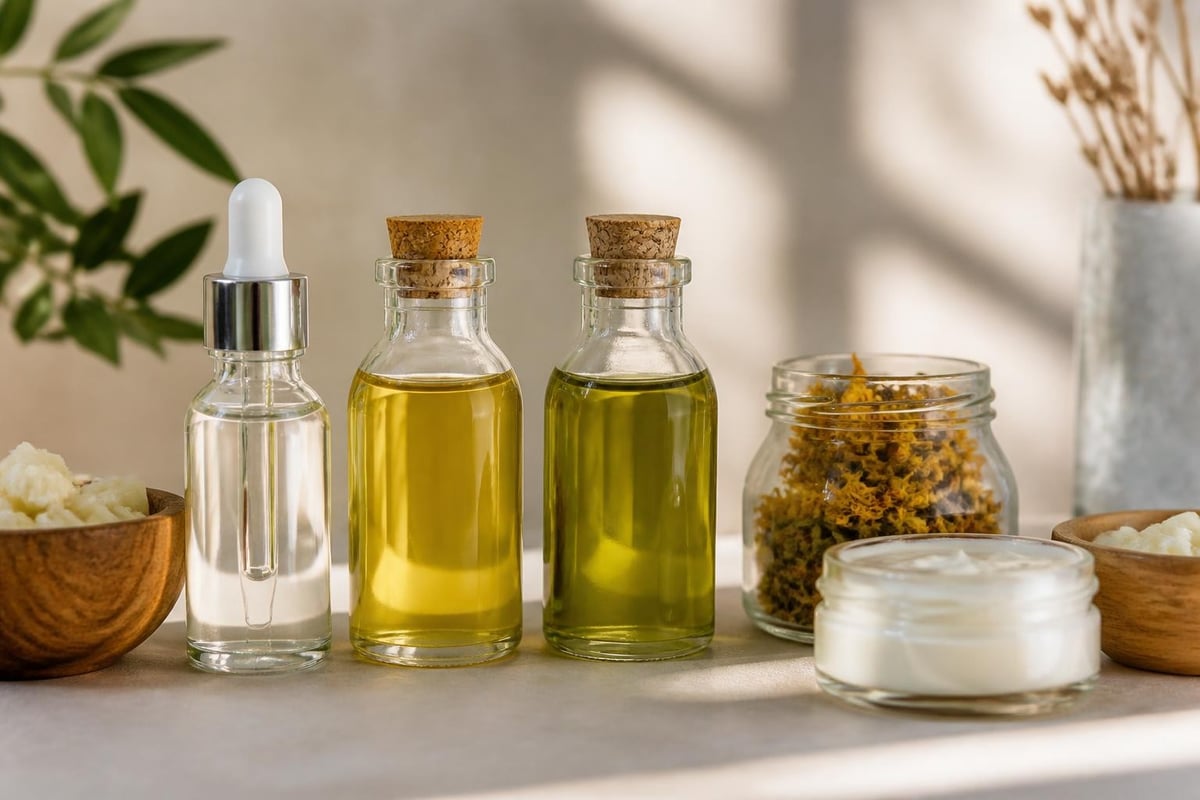
If you have sensitive skin, patch testing any new vegan moisturiser is essential. Apply a small amount to your inner forearm and wait 24-48 hours to check for reactions before using it on your face.
Choosing the Right Vegan Moisturiser for Your Skin Type
Your skin type determines which formulation will work best for you. Understanding these differences helps you select a vegan moisturiser that delivers optimal results.
Dry Skin Needs
Dry skin craves rich, nourishing formulations. Look for vegan moisturisers containing heavier plant oils and butters. According to the American Academy of Dermatology, creams and ointments work better than lotions for very dry skin because they contain more oil and less water.
Ingredients to seek out include shea butter, cocoa butter, avocado oil, and rosehip oil. The Rose and Orange Night Cream exemplifies this approach, combining rich plant oils with nourishing botanicals for overnight hydration.
Application timing matters too. The NHS recommends applying emollients frequently throughout the day and always after bathing, while skin is still slightly damp to lock in moisture.
Oily and Combination Skin Solutions
Oily skin benefits from lightweight, non-comedogenic vegan moisturiser formulations. Gel-based or water-cream textures absorb quickly without leaving a greasy residue.
Seek out ingredients like:
- Jojoba oil (balances sebum production)
- Squalane (lightweight hydration)
- Aloe vera (soothes without heaviness)
- Niacinamide (regulates oil and minimises pores)
Combination skin requires a balanced approach. You might use a richer vegan moisturiser on dry areas and a lighter formula on your T-zone, or choose a balanced cream that addresses both needs.
Sensitive Skin Considerations
Sensitive skin demands gentle, minimal formulations. Choose vegan moisturisers free from common irritants like synthetic fragrances, essential oils, and alcohol. The Coconut Rosehip Calming Cream demonstrates how simple, soothing ingredients can calm reactive skin effectively.
| Skin Type | Ideal Texture | Key Ingredients | What to Avoid |
|---|---|---|---|
| Dry | Rich cream or balm | Shea butter, cocoa butter, rich plant oils | Alcohol, mattifying ingredients |
| Oily | Gel or light lotion | Jojoba, squalane, aloe | Heavy butters, comedogenic oils |
| Combination | Light cream | Balanced oils, hyaluronic acid | Extremely rich or extremely light |
| Sensitive | Fragrance-free cream | Minimal ingredients, calming botanicals | Essential oils, synthetic fragrance |
Reading Vegan Moisturiser Labels
Ingredient transparency separates truly vegan brands from those making superficial claims. Understanding labels empowers you to make informed choices.
The EPA's Safer Choice guidance emphasises ingredient disclosure as crucial for consumer safety and informed decision-making. Whilst this US standard isn't legally binding in the UK, it represents best practice many responsible brands follow voluntarily.
What to look for on labels:
- Complete ingredient lists (INCI names)
- Clear vegan certification logos
- Cruelty-free verification
- Sustainable sourcing claims
- Allergen warnings
- Manufacturing location
Greenwashing remains a concern in the beauty industry. Brands might emphasise one or two plant ingredients whilst the formula still contains animal derivatives. Always read the full ingredient list rather than relying solely on marketing claims about "natural" or "botanical" formulations.
Decoding Common Label Terms
"Plant-based" doesn't guarantee vegan. Some products use this term whilst still including honey, beeswax, or milk proteins. "Cruelty-free" only means no animal testing occurred, not that the product is vegan. "Natural" has no legal definition in cosmetics and can include animal-derived ingredients like lanolin or carmine.
Look for products certified by recognised vegan organisations. These have undergone rigorous verification processes ensuring every ingredient meets vegan standards.
Application Techniques for Maximum Benefits
Even the finest vegan moisturiser won't deliver optimal results without proper application. These techniques help you get the most from your plant-based skincare.
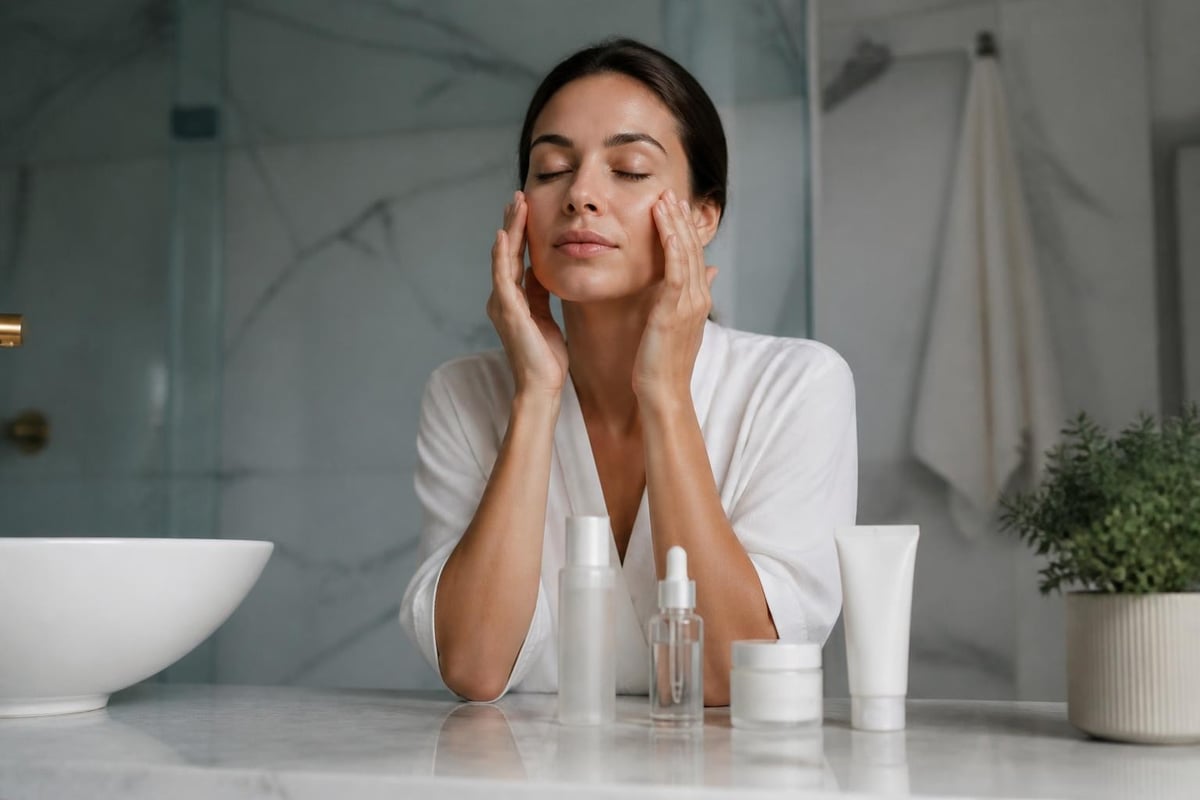
Morning routine steps:
- Cleanse gently with a vegan cleanser
- Apply toner to balance pH
- Use any serums or treatments
- Apply vegan moisturiser to damp skin
- Finish with SPF protection
Evening routines allow for richer formulations. Your skin repairs itself overnight, making this the ideal time for nourishing plant oils and butters. The Anti-Ageing Rose Frankincense Day Cream works beautifully in morning routines, whilst the night cream mentioned earlier provides deeper overnight nourishment.
Quantity and Frequency Guidelines
More isn't always better. A pea-sized amount of vegan moisturiser typically suffices for your entire face. Warm it between your fingertips before gently pressing into skin rather than rubbing vigorously.
Reapplication frequency depends on your skin's needs and environmental conditions. Dry skin might need moisturiser twice daily plus spot treatments. Oily skin might only need once daily application. Listen to your skin and adjust accordingly.
Winter heating and summer air conditioning both strip moisture from skin. You might need a richer vegan moisturiser during harsh weather or layer a lighter formula more frequently.
Common Misconceptions About Vegan Skincare
Despite growing popularity, myths about vegan moisturiser persist. Let's address the most common misunderstandings.
Myth: Vegan moisturisers aren't as effective as conventional ones
Plant-based ingredients can be equally or more effective than animal-derived alternatives. Modern formulation science has advanced tremendously, creating vegan moisturisers that rival any conventional product. Clinical studies show plant-based hyaluronic acid performs identically to animal-sourced versions.
Myth: All vegan products are natural and chemical-free
Vegan doesn't mean entirely natural. Many vegan moisturisers contain synthetic ingredients that are still plant-derived or created through fermentation. These ingredients aren't inherently harmful. In fact, some synthetic ingredients offer better stability and safety profiles than their natural counterparts.
Myth: Vegan skincare is always expensive
Whilst some luxury vegan brands command premium prices, affordable vegan skincare exists at every price point. The cost reflects formulation quality, ingredient sourcing, packaging, and brand positioning rather than whether something is vegan.
Understanding Performance Expectations
Some people expect immediate transformation from switching to vegan moisturiser. Skin cell turnover takes approximately 28 days, so give new products at least a month before judging results. Patience pays off when transitioning to plant-based skincare.
You might experience a brief adjustment period as your skin adapts to new ingredients. This doesn't mean the vegan moisturiser isn't working. Allow time for your skin to recalibrate, especially if you're switching from silicone-heavy conventional products.
Building a Complete Vegan Skincare Routine
A vegan moisturiser works best as part of a comprehensive routine. Layering compatible products maximises benefits and addresses multiple skin concerns simultaneously.
Start with a gentle vegan cleanser to remove impurities without stripping natural oils. The Cleansing Balm exemplifies how effective plant-based cleansing can be, dissolving makeup and sunscreen whilst nourishing skin.
Follow cleansing with a toner to restore pH balance and prep skin for better absorption. Serums come next, delivering concentrated active ingredients. Then apply your vegan moisturiser to seal everything in and provide surface hydration.
Complete routine framework:
- Morning: Cleanser → Toner → Vitamin C serum → Vegan moisturiser → SPF
- Evening: Cleanser → Toner → Treatment serum → Vegan moisturiser or night cream
- Weekly: Gentle exfoliation and masks as needed
The Olive and Avocado Serum shows how targeted serums can complement your vegan moisturiser, delivering antioxidants and nourishment in a lightweight format.
Seasonal Adjustments
Your skin's needs change with the seasons. Winter typically requires richer vegan moisturiser formulations to combat harsh winds and indoor heating. Summer might call for lighter textures that won't feel heavy in humidity.
Transitional seasons offer opportunities to reassess your routine. Spring and autumn are ideal times to evaluate whether your current vegan moisturiser still serves your skin's evolving needs.
Sustainability Beyond Vegan Ingredients
Choosing vegan skincare is an excellent start, but true sustainability considers the entire product lifecycle. Packaging, manufacturing processes, and ingredient sourcing all impact environmental footprint.
Sustainable packaging options:
- Glass bottles (infinitely recyclable)
- Aluminium containers (highly recyclable)
- Post-consumer recycled plastic
- Refillable systems
- Minimal packaging designs
Many natural skincare brands now prioritise sustainable packaging alongside vegan formulations. Look for brands committed to reducing waste and offering recycling programmes.
Ingredient sourcing matters enormously. Responsibly farmed plant ingredients support biodiversity and local communities. Brands should provide transparency about where ingredients come from and how they're harvested.
Water usage in manufacturing represents another consideration. Some brands implement water-saving production methods or support water conservation projects. Every aspect of production offers opportunities for environmental responsibility.
| Sustainability Factor | What to Look For | Why It Matters |
|---|---|---|
| Packaging | Recyclable, refillable, minimal | Reduces plastic waste and landfill |
| Ingredient Sourcing | Certified sustainable, fair trade | Protects ecosystems and communities |
| Manufacturing | Renewable energy, water conservation | Lowers carbon footprint |
| Shipping | Carbon-neutral options, local production | Reduces transport emissions |
The Future of Vegan Moisturisers
Innovation in vegan skincare continues accelerating. Biotechnology enables creation of ingredients previously only available from animal sources through fermentation processes using yeast or bacteria.
Vegan collagen, elastin, and keratin produced through biofermentation offer identical molecular structures to animal-derived versions without ethical concerns. These innovations expand what's possible in vegan moisturiser formulations whilst maintaining strict vegan principles.
Personalised skincare represents another frontier. Advanced diagnostics and AI-driven formulation allow brands to create customised vegan moisturiser blends tailored to individual skin needs, environmental factors, and lifestyle considerations.
Waterless formulations are gaining traction as the beauty industry addresses water scarcity concerns. Concentrated balms, oils, and powder-to-cream formats deliver active ingredients without unnecessary water content, reducing weight for shipping and extending shelf life without synthetic preservatives.
The best UK skincare brands increasingly embrace these innovations, proving that vegan doesn't mean compromising on performance or luxury.
Consumer Demand Driving Change
Your choices matter. Growing demand for vegan moisturiser pushes larger brands to reformulate existing products and develop new plant-based lines. This creates a positive feedback loop, making vegan options more accessible and affordable for everyone.
Transparency expectations continue rising. Consumers now demand detailed information about ingredient sourcing, manufacturing practices, and environmental impact. Brands responding to these demands earn loyalty and trust from increasingly savvy customers.
Choosing a vegan moisturiser represents a powerful commitment to ethical beauty, environmental responsibility, and effective skincare. Armed with knowledge about ingredients, certifications, and application techniques, you can select products that align with your values whilst delivering the results your skin deserves. Whether you're seeking effective skincare products for specific concerns or building a complete routine, plant-based options offer outstanding performance without compromise. Explore the thoughtfully crafted range at White Rabbit Skin Care, where every product combines natural ingredients, vegan formulations, and cruelty-free practices to help your skin thrive beautifully.