

Vegan Face Oil: Complete Guide for Radiant Skin in 2026
The beauty world has embraced plant-based skincare with open arms, and vegan face oil sits proudly at the forefront of this green revolution. These luxurious botanical elixirs offer concentrated nourishment without any animal-derived ingredients, making them perfect for anyone seeking effective, ethical skincare. Whether you're already committed to a vegan lifestyle or simply curious about incorporating more sustainable products into your routine, understanding how these oils work can transform your complexion for the better.
What Makes a Face Oil Truly Vegan
Not all plant-based oils automatically qualify as vegan products. True vegan face oil must exclude every animal-derived ingredient throughout the entire production process, from the base oils to the smallest additive. This means no beeswax, lanolin, squalene from shark liver, or honey-based extracts.
The Vegan Society's trademark standards provide clear guidance on what constitutes genuinely vegan cosmetics. According to their certification requirements, products must not contain animal ingredients and must not have been tested on animals during development. For UK brands like White Rabbit Skin Care, these standards ensure complete transparency and ethical integrity.
Common Non-Vegan Ingredients to Avoid
Many skincare enthusiasts don't realise certain popular ingredients aren't plant-based:
- Squalene (with an 'e') traditionally comes from shark liver, though plant-derived squalane (with an 'a') from olives is vegan
- Glycerin can be animal or plant-derived, so verification is essential
- Stearic acid often derives from animal fat, though vegetable sources exist
- Collagen typically comes from fish or cattle
- Retinol may be synthesised from animal sources in some formulations
Always check ingredient lists carefully and look for certified vegan labels to ensure your face oil meets ethical standards.

The Science Behind Plant-Based Facial Oils
Vegan face oil works because plant lipids share remarkable similarities with the natural oils your skin produces. Your sebaceous glands create sebum to protect and moisturise your complexion, but environmental factors, age, and harsh products can disrupt this balance.
According to Cleveland Clinic's dermatology overview, facial oils can strengthen your skin's barrier function and prevent moisture loss. Plant oils contain fatty acids, vitamins, and antioxidants that penetrate the upper layers of skin, delivering targeted nutrition where it's needed most.
How Different Oils Serve Different Purposes
| Oil Type | Primary Benefits | Best For |
|---|---|---|
| Jojoba | Balances sebum, non-comedogenic | All skin types, acne-prone |
| Rosehip | Vitamin C, reduces scarring | Ageing skin, hyperpigmentation |
| Argan | Vitamin E, deeply moisturising | Dry, mature skin |
| Hemp Seed | Omega fatty acids, anti-inflammatory | Sensitive, reactive skin |
| Marula | Lightweight, fast-absorbing | Oily, combination skin |
The molecular structure of each oil determines how it behaves on your skin. Lighter oils with smaller molecules absorb quickly, whilst heavier oils create a protective barrier on the surface.
Benefits That Go Beyond Moisturisation
Whilst hydration remains the most recognised benefit, vegan face oil offers numerous advantages that conventional moisturisers often miss. These botanical concentrates deliver active compounds in their most potent form, without synthetic fillers or emulsifiers that can dilute effectiveness.
Antioxidant protection stands out as a major benefit. Research published in PMC's study on cold-pressed plant oils demonstrates that many botanical oils contain powerful antioxidants that combat free radical damage. These compounds help protect your skin from environmental stressors like pollution and UV exposure.
Natural anti-inflammatory properties make vegan face oil particularly valuable for reactive skin. Many plant oils contain compounds that soothe redness, calm irritation, and reduce the appearance of inflammation without harsh chemicals.
Additional Wellness Advantages
- Strengthens your skin's natural barrier function
- Balances oil production rather than stripping it away
- Delivers vitamins A, C, and E in bioavailable forms
- Supports cell regeneration and renewal
- Provides aromatherapeutic benefits from essential oil content
- Creates a healthy foundation for makeup application
For those exploring sensitive face products, plant-based oils often prove gentler than synthetic alternatives because your skin recognises and accepts these natural lipids more readily.
Choosing the Right Vegan Face Oil for Your Skin Type
Matching your vegan face oil to your specific skin needs determines whether you'll see transformative results or disappointing outcomes. The right oil feels weightless and absorbs beautifully, whilst the wrong choice can leave skin feeling greasy or cause breakouts.
For Oily and Acne-Prone Skin
Contrary to popular belief, oily skin often benefits enormously from facial oils. The key lies in selecting non-comedogenic options that won't clog pores.
Jojoba oil mimics your skin's natural sebum so closely that it can actually help regulate overactive oil glands. Grapeseed and hemp seed oils also work brilliantly for oily complexions because they absorb rapidly without leaving residue.
When exploring best-rated skin care lines, look for formulations that combine lightweight oils with balancing ingredients.
For Dry and Dehydrated Skin
Dry skin craves richer, more emollient oils that create a protective seal to prevent moisture loss. Argan, avocado, and sweet almond oils deliver deep nourishment whilst strengthening your skin's barrier.
Consider layering your vegan face oil over a hydrating serum for maximum benefit. The oil traps water-based ingredients beneath it, amplifying their effectiveness.
For Combination Skin
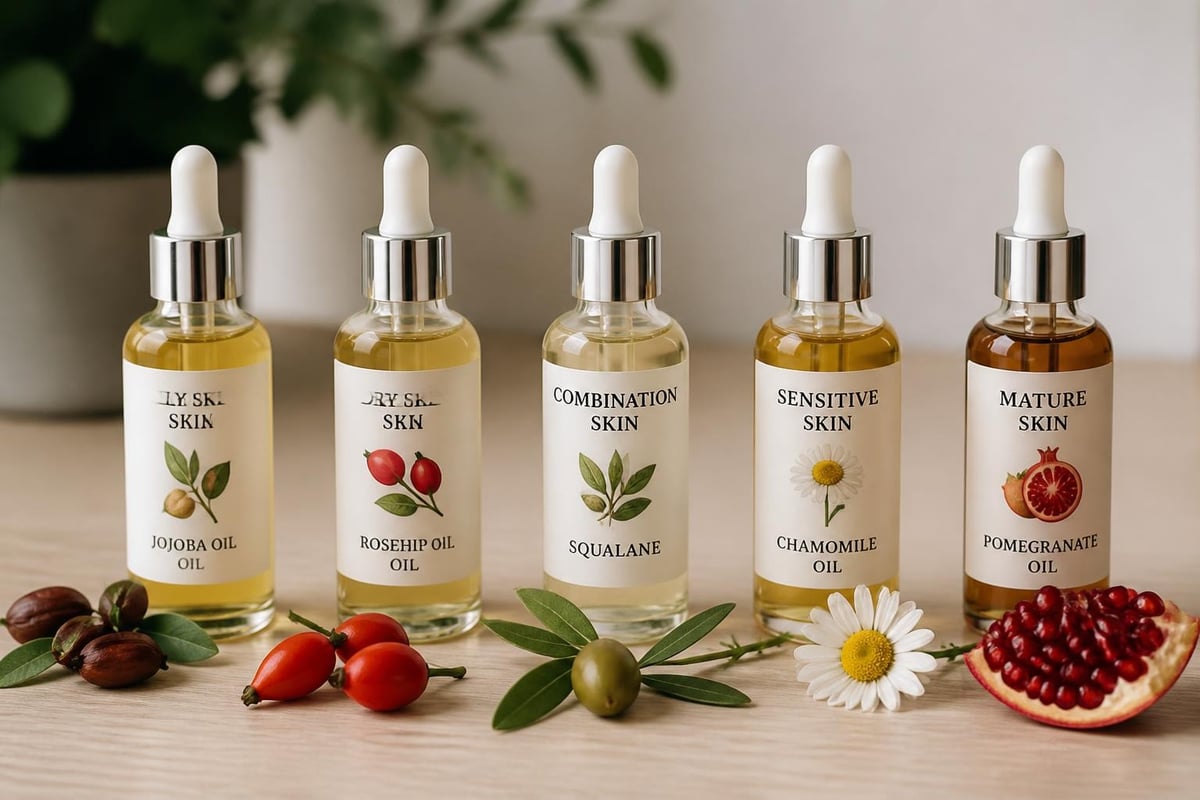
Combination skin requires a balanced approach. Lighter oils like rosehip or squalane (plant-derived) work beautifully because they hydrate without overwhelming oily zones.
You might also try different oils on different areas of your face, using richer formulations on dry patches and lighter versions on your T-zone.
Essential Oils and Active Botanicals in Vegan Formulations
Many vegan face oil products incorporate essential oils alongside carrier oils to boost therapeutic benefits. These concentrated plant extracts offer targeted skincare advantages, though they require careful consideration.
A systematic review on essential oils in skincare highlights both the efficacy and safety considerations of popular essential oils. Lavender, tea tree, and chamomile show particular promise for various skin concerns.
However, the Journal of Integrative Dermatology's review emphasises the importance of proper dilution and patch testing. Essential oils are potent substances that can cause sensitisation or phototoxicity if misused.
Popular Essential Oils and Their Benefits
- Lavender: Calming, promotes healing, reduces redness
- Tea tree: Antibacterial, excellent for blemish-prone skin
- Frankincense: Anti-ageing properties, improves skin tone
- Geranium: Balances sebum production, tightens pores
- Rose: Hydrating, brightening, luxuriously aromatic
Always choose products from reputable brands that formulate responsibly, keeping essential oil concentrations at safe, effective levels.
How to Incorporate Vegan Face Oil Into Your Routine
Using vegan face oil correctly makes all the difference between mediocre and magnificent results. The timing, application method, and product combinations all influence how your skin responds.
The optimal time to apply facial oil is typically the final step in your evening routine, after cleansing, toning, and applying any serums. Oil creates a seal that locks in all the goodness beneath it.
Step-by-Step Application Guide
- Cleanse thoroughly to remove makeup, sunscreen, and daily grime
- Apply toner to balance your skin's pH and prep for absorption
- Layer any water-based serums containing active ingredients like hyaluronic acid
- Warm 3-4 drops of your vegan face oil between your palms
- Press gently into your skin, working from centre outward
- Don't forget your neck and décolletage
For daytime use, apply a smaller amount before sunscreen, or mix a drop into your moisturiser. Some people prefer using face oil exclusively in the evening, allowing their skin to drink in the nourishment overnight.
Quality Indicators in Vegan Face Oil Products
Not all vegan face oils deliver equal quality. Understanding what separates exceptional products from mediocre ones helps you invest wisely in your skincare.
Cold-pressed extraction preserves the maximum nutrients and antioxidants in botanical oils. Heat processing can degrade beneficial compounds, reducing effectiveness. Look for products that specify cold-pressed or unrefined oils.
The research on oxidative stability of plant oils reveals that proper storage and packaging significantly impact shelf life. Dark glass bottles protect oils from light degradation, whilst airless pump dispensers prevent oxidation.
What to Look for on Labels
| Quality Factor | What to Check |
|---|---|
| Extraction method | Cold-pressed, unrefined preferred |
| Organic certification | Ensures no pesticide residues |
| Packaging | Dark glass or airless pump |
| Ingredient list | Recognisable botanicals, minimal additives |
| Certification | Vegan Society trademark, Leaping Bunny |
| Origin | Sustainably sourced, ethically harvested |
Brands committed to non-toxic skincare will provide complete transparency about their sourcing and production methods.
Common Myths About Facial Oils Debunked
Despite growing popularity, misconceptions about vegan face oil persist, preventing many people from experiencing their benefits.
Myth: Oils cause breakouts. The truth is that appropriate oils for your skin type won't cause acne. In fact, harsh cleansers that strip your skin often trigger increased oil production and breakouts. Quality vegan face oil can actually help balance problematic skin when chosen correctly.
Myth: Oily skin doesn't need oil. This widespread misunderstanding keeps many people from the exact solution their skin needs. Oily complexions often result from dehydration, prompting your glands to overproduce sebum. The right facial oil signals your skin to calm down oil production.
Myth: Oils can't penetrate skin effectively. Plant oils contain lipophilic molecules that easily pass through your skin's lipid barrier. They deliver nutrients where synthetic ingredients often cannot reach.
Setting the Record Straight
Face oils work differently from traditional moisturisers. Rather than simply sitting on your skin's surface, they integrate with your natural lipid barrier, supporting its function from within. When sourced from ethical suppliers and formulated thoughtfully, these products belong in nearly every skincare routine.
Sustainability and Ethical Considerations
Choosing vegan face oil extends beyond personal skincare benefits into broader environmental and ethical impacts. The production, sourcing, and packaging of botanical oils significantly affect their overall sustainability profile.
Sustainable sourcing ensures that plant materials come from farms and suppliers who prioritise environmental protection. Organic cultivation avoids harmful pesticides that damage ecosystems, whilst fair trade practices support farming communities.
Many natural skin brands now emphasise their commitment to environmental responsibility throughout their supply chains. This includes using renewable energy in production, minimising water usage, and selecting ingredients that don't contribute to deforestation.
Key Sustainability Factors
- Certified organic ingredients grown without synthetic pesticides
- Fair trade practices that support grower communities
- Recyclable or reusable packaging materials
- Carbon-neutral shipping and production
- Biodegradable formulations that don't pollute waterways
- Transparency about ingredient origins and farming practices
By selecting vegan face oil from responsible brands, you're casting a vote for beauty industry practices that protect both people and planet.
Storage and Shelf Life Considerations
Proper storage extends the life and effectiveness of your vegan face oil whilst maintaining its beneficial properties. Natural oils can oxidise when exposed to light, heat, or air, reducing their potency and potentially causing skin irritation.
Keep oils in cool, dark places away from bathroom humidity and direct sunlight. Whilst the bathroom seems convenient, temperature fluctuations from showers and baths accelerate degradation. A bedroom drawer or cabinet works better.
Most high-quality facial oils remain stable for 6-12 months after opening, though this varies by oil type. Rosehip oil oxidises more quickly than jojoba, for example. Always check the packaging for specific guidance.
Signs Your Oil Has Gone Off
- Rancid or unpleasant smell
- Changed colour or cloudiness
- Thickened or separated texture
- Skin irritation upon application
When exploring inexpensive skin care options, remember that a well-preserved, quality oil offers better value than a cheaper product that oxidises quickly.
Combining Vegan Face Oil With Other Products
Layering vegan face oil with other skincare products requires understanding how different formulations interact. The right combinations amplify benefits, whilst poor pairings can reduce effectiveness.
The general rule: apply products from thinnest to thickest consistency. Water-based serums go on before oil-based products, which create a barrier that prevents subsequent absorption.
Morning routines typically involve lighter application. Mix a single drop of facial oil into your moisturiser, or pat a small amount onto skin before sunscreen. Evening routines allow for more generous oil use, as your skin repairs itself overnight.
Effective Product Combinations
| Combination | Benefit | Application Order |
|---|---|---|
| Hyaluronic acid serum + face oil | Maximum hydration | Serum first, then oil |
| Vitamin C serum + antioxidant oil | Enhanced protection | Vitamin C first, oil second |
| Retinol + nourishing oil | Reduces irritation | Retinol first, oil buffers |
| Clay mask + facial oil | Prevents over-drying | Mask, rinse, then oil |
Those with particularly reactive complexions might appreciate guidance from resources on skincare brands for sensitive skin, which often address layering protocols for delicate complexions.
DIY Versus Professional Formulations
The appeal of creating your own vegan face oil at home tempts many natural beauty enthusiasts. Whilst simple blends can work well, professional formulations offer distinct advantages worth considering.
DIY benefits include complete control over ingredients, cost savings, and the satisfaction of creating personalised skincare. You can experiment with different carrier oils and essential oil combinations to discover what your skin loves best.
However, professional formulations from established brands provide several important advantages. Formulators understand optimal ratios, proper preservation, stability testing, and safety protocols. They source ingredients from verified suppliers and conduct quality control testing that home enthusiasts cannot replicate.
Additionally, brands that specialise in vegan skincare often develop proprietary blends that deliver synergistic benefits impossible to achieve with simple mixing. Their expertise in how different botanicals interact creates products greater than the sum of their parts.
For those seeking convenience alongside quality, exploring options from best UK skincare brands offers professionally formulated products with transparent ingredient sourcing.
Special Considerations for Sensitive Skin
Sensitive skin requires extra care when introducing vegan face oil into your routine. Whilst natural doesn't automatically mean gentle, many botanical oils suit reactive complexions beautifully when selected thoughtfully.
Patch testing proves essential before full-face application. Apply a small amount to your inner forearm and wait 24 hours to check for adverse reactions. This simple step prevents uncomfortable surprises.
Start with single-ingredient oils rather than complex blends. This approach helps you identify exactly which botanicals your skin tolerates versus which trigger reactions. Once you've established several safe options, you can explore combinations.
Particularly Gentle Oils for Sensitive Skin
- Calendula oil: Anti-inflammatory, extremely soothing
- Chamomile-infused oils: Calming, reduces redness
- Hemp seed oil: Rich in omegas, rarely causes reactions
- Squalane (plant-derived): Biomimetic, highly compatible
- Sunflower oil: Mild, suitable for even very sensitive skin
Resources about best sensitive skincare often emphasise the importance of minimal ingredient lists and avoiding common irritants like synthetic fragrances.
The Future of Vegan Facial Oils
The vegan face oil market continues evolving with exciting innovations emerging throughout 2026. Advances in sustainable sourcing, novel botanical discoveries, and improved formulation techniques promise even more effective products ahead.
Biotechnology enables the creation of previously rare ingredients through fermentation and cell culture, reducing pressure on wild plant populations. Lab-grown squalane from sugar cane has already replaced shark-derived versions in many products.
Brands increasingly focus on regenerative agriculture practices that actively improve soil health and sequester carbon. This approach goes beyond sustainability, actually healing environmental damage whilst producing skincare ingredients.
Consumer demand for transparency drives brands to provide complete traceability, allowing customers to track ingredients from farm to bottle. Blockchain technology and QR codes on packaging enable unprecedented insight into product origins.
As the market matures, we're seeing more sophisticated formulations that combine traditional botanical wisdom with cutting-edge skincare science, creating products that honour both heritage and innovation.
Choosing the right vegan face oil transforms your skincare routine whilst aligning your beauty choices with your values. From understanding ingredient quality to mastering application techniques, the knowledge you've gained empowers you to make informed decisions for your unique skin needs. White Rabbit Skin Care offers carefully formulated vegan products that combine the finest natural ingredients with sustainable practices, making it easier than ever to care for your skin ethically and effectively. Discover our range of plant-based skincare solutions designed specifically for your skin type and concerns.