

Vegan Face Exfoliator: Your Complete Guide for 2026
Your skin deserves the very best care, and choosing a vegan face exfoliator is one of the most compassionate and effective ways to achieve a radiant, healthy complexion. As more of us embrace ethical beauty routines in 2026, understanding how plant-based exfoliation works can transform your skincare journey. Whether you're new to vegan beauty or looking to refine your existing routine, this guide will help you navigate the world of cruelty-free exfoliation with confidence and clarity.
Understanding What Makes an Exfoliator Truly Vegan
A vegan face exfoliator contains no animal-derived ingredients whatsoever. This means avoiding common non-vegan components like honey, beeswax, lanolin, carmine, or collagen sourced from animals.
Key Ingredients to Look For
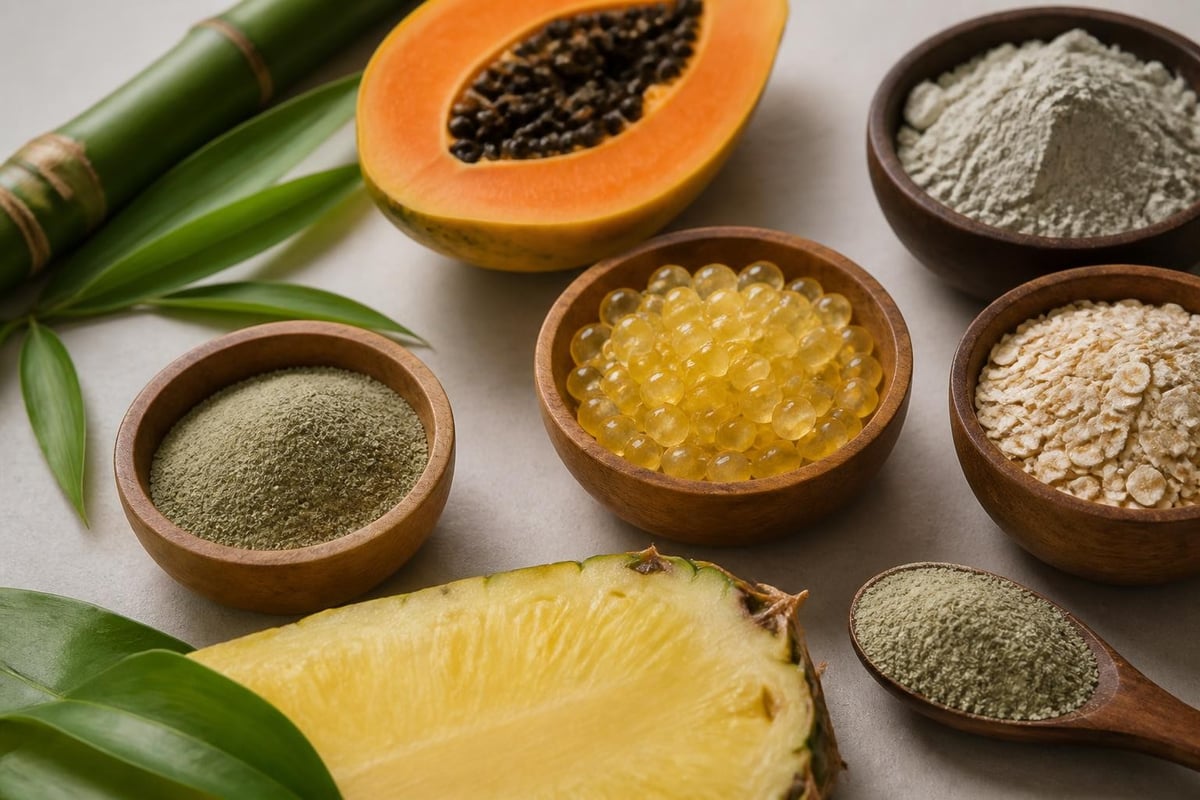
When selecting your ideal product, you'll encounter brilliant plant-based alternatives that work just as effectively as their traditional counterparts. Ground seeds, such as jojoba beads or bamboo powder, provide gentle physical exfoliation without harming marine life. Fruit enzymes from papaya, pineapple, and pumpkin offer chemical exfoliation that dissolves dead skin cells naturally.
Natural clays like kaolin and bentonite draw out impurities whilst providing a mild exfoliating effect. Sugar crystals, finely ground oats, and rice powder serve as excellent mechanical exfoliants that suit various skin types.
What to Avoid in Non-Vegan Products
Many conventional exfoliators contain ingredients that conflict with vegan values. Crushed pearls, whilst luxurious, come from oysters. Silk proteins are harvested from silkworm cocoons. Even some glycerin can be animal-derived, though plant-based versions are widely available.
Being informed about these ingredients empowers you to make choices aligned with your values whilst achieving beautiful skin results.
The Science Behind Vegan Exfoliation
According to Harvard Health's guidance on exfoliation, removing dead skin cells reveals fresher, younger-looking skin beneath. This process works identically whether you're using vegan or conventional products-the difference lies purely in ingredient sourcing.
Physical exfoliation uses granular particles to manually buff away dead cells. Chemical exfoliation employs acids or enzymes to break down the bonds holding dead cells to your skin's surface.
Both methods deliver remarkable results when formulated with plant-based ingredients. The key is understanding which approach suits your skin type and concerns.
How Frequency Affects Your Results
| Skin Type | Recommended Frequency | Best Exfoliant Type |
|---|---|---|
| Oily | 2-3 times weekly | Physical or chemical |
| Normal | 1-2 times weekly | Either type works well |
| Dry/Sensitive | Once weekly | Gentle enzyme-based |
| Combination | 1-2 times weekly | Varies by zone |
Starting slowly allows your skin to adjust. You can always increase frequency once you've observed how your skin responds.
Choosing the Right Vegan Face Exfoliator for Your Skin Type
Your unique skin needs should guide your product selection. What works brilliantly for your friend might not suit your complexion, and that's perfectly normal.
For Sensitive and Dry Skin
If you have sensitive skin, gentleness is paramount. Look for enzyme-based formulations with soothing ingredients like chamomile, aloe vera, and oatmeal. These provide effective exfoliation without mechanical scrubbing that could trigger irritation.
Cream-based exfoliators with ultra-fine particles work wonderfully for dry complexions. They cleanse whilst maintaining your skin's moisture barrier-something absolutely essential for comfort and health.
For Oily and Combination Skin
Oilier skin types can typically handle more robust exfoliation. Clay-based vegan face exfoliator products absorb excess sebum whilst buffing away dead cells. Ingredients like tea tree oil, charcoal, and salicylic acid (derived from willow bark) help manage shine and prevent breakouts.
Combination skin benefits from targeted application-using different products or techniques on various facial zones. Your T-zone might need more frequent attention than your cheeks.
For Mature and Ageing Skin
As skin matures, cell turnover naturally slows. Medical News Today's natural exfoliation guide suggests regular but gentle exfoliation to encourage renewal. Alpha-hydroxy acids from sugar cane or fruit sources brighten and smooth without harsh scrubbing.
Look for formulations enriched with antioxidants like vitamin C, green tea, and rosehip to address fine lines alongside exfoliation.
Essential Ingredients in High-Quality Vegan Exfoliators
Understanding ingredient labels empowers you to select products that truly deliver results whilst staying aligned with your values.
Natural Exfoliating Agents
Jojoba beads provide perfectly spherical particles that won't scratch your skin. Unlike microplastic beads (now banned in many countries), they're biodegradable and ocean-friendly.
Bamboo powder offers fine, silky exfoliation suitable even for delicate areas. It's sustainable, renewable, and incredibly effective.
Ground almonds and walnut shells have been used for generations. Whilst effective, ensure they're finely ground to prevent micro-tears-quality matters enormously here.
Chemical Exfoliants from Nature
- Glycolic acid from sugar cane penetrates deeply to renew skin
- Lactic acid from fermented plants offers gentler resurfacing
- Papain enzyme from papaya dissolves dead cells without scrubbing
- Bromelain from pineapple brightens and smooths
- Salicylic acid from willow bark clears pores brilliantly
These ingredients work synergistically with the best face care products in your routine.
Nourishing Supportive Ingredients
Beyond exfoliation, quality products incorporate skin-loving botanicals. Hyaluronic acid (plant-derived) hydrates during the exfoliation process. Plant oils like argan, rosehip, and jojoba prevent moisture loss. Botanical extracts soothe and protect throughout the renewal process.
How to Properly Use Your Vegan Face Exfoliator
Even the finest product won't deliver optimal results without proper application technique. Let's ensure you're getting the most from your routine.
Step-by-Step Application Guide
- Cleanse thoroughly first-exfoliating on clean skin prevents pushing debris deeper
- Dampen your face with lukewarm water for easier product spread
- Apply a small amount-you need less than you think
- Use gentle circular motions for 30-60 seconds maximum
- Avoid the eye area where skin is exceptionally delicate
- Rinse completely with cool water
- Pat dry gently with a clean towel
Following exfoliation, your skin is primed to absorb vegan face lotions and serums more effectively than ever.
Common Application Mistakes to Avoid
Scrubbing too vigorously damages your skin's protective barrier. Think massage, not scrubbing. Using your vegan face exfoliator too frequently can cause redness, sensitivity, and increased oil production as your skin overcompensates.
Never exfoliate sunburned, windburned, or actively broken skin. Allow healing first, then resume your routine gently.
Skipping moisturiser after exfoliation leaves newly exposed skin vulnerable. Always follow with appropriate hydration.
Combining Exfoliation with Your Vegan Skincare Routine
Your exfoliator works best as part of a thoughtfully curated routine. Integration matters as much as individual product quality.
Morning Versus Evening Application
Most skincare experts recommend evening exfoliation. This allows your skin to renew overnight without immediate sun exposure. Fresh skin is more photosensitive, making SPF absolutely non-negotiable if you exfoliate during daylight hours.
Evening routine example:
- Oil or cream cleanser
- Vegan face exfoliator (1-3 times weekly)
- Toner to rebalance pH
- Serum for targeted concerns
- Moisturiser to seal in hydration
Building a Complete Vegan Routine
Healthline's natural exfoliant overview emphasises the importance of a holistic approach. Your exfoliator is one crucial step, but pairing it with complementary products amplifies results.
Start with cleansers that respect your skin's pH balance. Follow exfoliation with toners containing soothing ingredients. Finish with moisturisers suited to your skin type.
| Routine Step | Purpose | Vegan Options |
|---|---|---|
| Cleanse | Remove makeup, debris | Oil, cream, or gel cleansers |
| Exfoliate | Remove dead cells | Physical or chemical exfoliants |
| Tone | Balance pH, prep skin | Hydrosols, botanical waters |
| Treat | Target specific concerns | Serums, essences |
| Moisturise | Lock in hydration | Creams, lotions, oils |
| Protect | Shield from UV damage | Mineral or chemical SPF |
Sustainability and Ethics in Vegan Exfoliator Production
Choosing vegan products extends beyond ingredients. The most responsible brands consider their entire environmental and social impact.
Packaging and Environmental Considerations
Look for brands using recyclable, biodegradable, or refillable packaging. Glass jars, aluminium tubes, and post-consumer recycled plastic demonstrate environmental commitment. Provenance-verified brands often provide transparency about their sustainability practices.
Some innovative companies now offer packaging-free solid exfoliator bars-brilliant for reducing waste whilst travelling.
Cruelty-Free Certifications That Matter
Leaping Bunny certification ensures no animal testing at any production stage. PETA's Beauty Without Bunnies programme verifies cruelty-free practices. The Vegan Society's Vegan Trademark confirms products contain no animal ingredients whatsoever.
These certifications provide confidence that your choices align with compassionate values. Non-toxic skincare brands increasingly seek these credentials to demonstrate their commitment.

Supporting Small UK-Based Brands
British vegan skincare companies often lead in innovation and quality. They typically maintain higher production standards and offer more personalised customer service than mass-market alternatives. Supporting local businesses strengthens communities whilst reducing transportation emissions.
Many UK brands specialise in sensitive skin skincare, creating gentle yet effective formulations suited to our climate.
Addressing Common Concerns About Vegan Exfoliators
You might have questions about switching to plant-based exfoliation. Let's address the most frequent concerns we hear.
"Are Vegan Exfoliators Actually Effective?"
Absolutely. Plant-based ingredients match or exceed conventional alternatives in effectiveness. NBC Select's expert advice confirms that ingredient source doesn't determine efficacy-formulation quality does.
Modern vegan face exfoliator products use advanced extraction and processing techniques that maximise botanical benefits. Science continues revealing plant compounds with remarkable skin-transforming properties.
"Will They Work for My Specific Skin Issues?"
Vegan formulations address every skin concern imaginable:
- Acne: Salicylic acid from willow bark, tea tree oil, niacinamide
- Hyperpigmentation: Vitamin C, kojic acid, liquorice root extract
- Fine lines: Retinol alternatives like bakuchiol, fruit AHAs
- Dullness: Enzyme exfoliants, brightening botanicals
- Sensitivity: Oat extracts, chamomile, gentle jojoba beads
Targeted formulations exist for every need, often with multiple options to trial.
"How Do I Know What's Really Vegan?"
Reading ingredient lists thoroughly is essential. Familiarise yourself with common non-vegan ingredients and their plant-based alternatives. Trustworthy brands clearly label products as vegan and often display certification logos.
Welpr's curated directory and Nordstrom's vegan exfoliator selection make finding verified products easier than ever.
DIY Versus Professional Vegan Face Exfoliator Products
Both homemade and professionally formulated options have their place in vegan skincare routines.
Benefits of DIY Exfoliators
Creating your own allows complete ingredient control and can be wonderfully cost-effective. Simple recipes using sugar, oatmeal, or coffee grounds work brilliantly for many people.
Quick DIY recipe:
- 2 tablespoons fine sugar
- 1 tablespoon coconut oil
- Few drops essential oil (optional)
Mix and gently massage onto damp skin, then rinse thoroughly.
Why Professional Formulations Excel
Professionally developed products offer consistent results through precise formulation. They undergo stability testing, ensuring ingredients remain effective throughout the product's lifespan. Preservation systems prevent bacterial growth-crucial for products contacting water regularly.
Professional formulators balance pH levels, texture, and active ingredient concentrations for optimal safety and efficacy. Best non-toxic skin care products combine natural ingredients with scientific rigour.
Finding the Right Balance
Many people enjoy both approaches. DIY scrubs for body exfoliation paired with professionally formulated facial products offer the best of both worlds. Your face deserves the precision that professional development provides.
Shopping Guide: Where to Find Quality Vegan Exfoliators
Knowing where to shop ensures you find authentic, high-quality products that deliver results.
Online Retailers Specialising in Vegan Beauty
Greener Beauty curates vegan and cruelty-free options, making selection straightforward. So Organic focuses on certified organic vegan formulations for those prioritising both ethics and purity.
These specialist retailers often provide detailed ingredient information and customer reviews to guide your choices.
What to Look for When Shopping
Check ingredient lists carefully, looking beyond marketing claims. Verify certifications from recognised bodies. Read customer reviews focusing on people with similar skin types and concerns.
Consider sample sizes or discovery sets before committing to full-size products. Many brands offer samples and sets perfect for trying multiple options affordably.
Investment Versus Budget Options
Higher prices don't automatically mean better results. Some affordable brands create exceptional vegan exfoliators using quality ingredients and responsible practices. Conversely, luxury products often invest in elegant packaging and marketing rather than superior formulations.
Focus on ingredient quality, brand ethics, and proven results rather than price alone.
Troubleshooting Your Exfoliation Routine
Even with the perfect product, you might encounter challenges. Here's how to address them.
When Exfoliation Causes Irritation
Immediately reduce frequency and switch to gentler products. Your skin might be over-exfoliated, compromised, or reacting to specific ingredients. Give your barrier time to repair with gentle cleansing and rich moisturising only.
Products designed for skincare sensitive dry skin often work well during recovery periods.
If You're Not Seeing Results
Consistency matters enormously. Give new products at least 6-8 weeks before judging effectiveness. Your skin's natural renewal cycle takes approximately 28 days, longer as we age.
Ensure you're using appropriate techniques and frequencies for your skin type. Sometimes less really is more with exfoliation.
Adjusting for Seasonal Changes
Your skin's needs shift throughout the year. Winter often demands gentler, more hydrating exfoliators. Summer might allow more frequent use as oil production increases.
Listen to your skin and adjust your routine accordingly. Flexibility prevents problems before they start.
Maximising the Benefits of Your Vegan Face Exfoliator
Strategic use amplifies results beyond basic application.
Pairing with Masks and Treatments
Exfoliation before masking allows active ingredients to penetrate more effectively. Clay masks work brilliantly post-exfoliation to draw out impurities from newly cleared pores.
Sheet masks deliver hydration and nutrients to receptive, freshly exfoliated skin. Time your treatments strategically for compound benefits.
Enhancing Absorption of Other Products
Paula's Choice guidance on proper exfoliation emphasises how removing dead cells improves product penetration. Your serums, treatments, and moisturisers work harder when applied to clean, exfoliated skin.
This makes exfoliation one of the most cost-effective steps in your routine-you'll need less product for better results.
Long-Term Skin Health Benefits
Regular, appropriate exfoliation:
- Encourages healthy cell turnover
- Prevents clogged pores and breakouts
- Reduces appearance of fine lines
- Evens skin tone and texture
- Boosts circulation for healthy glow
- Prepares skin to better defend against environmental stressors
These cumulative benefits develop over months and years of consistent, gentle care.
Embracing a vegan face exfoliator represents a beautiful commitment to both your skin's health and your values. By choosing products that combine effective natural ingredients with ethical production, you're investing in radiant skin whilst supporting a kinder beauty industry. White Rabbit Skin Care offers a thoughtfully curated range of vegan skincare products crafted with the finest natural ingredients, helping you achieve glowing, healthy skin through gentle, sustainable formulations that truly make a difference.