

Vegan Collagen Eye Cream: A Complete Guide for 2026
The delicate skin around your eyes deserves special attention, especially when you're committed to a vegan lifestyle. Traditional collagen products have long dominated the anti-aging market, but they've never aligned with plant-based values. Now, vegan collagen eye cream offers a compassionate alternative that doesn't compromise on effectiveness. These innovative formulations use plant-derived ingredients to support your skin's natural collagen production, helping to reduce fine lines, puffiness, and dark circles whilst remaining completely cruelty-free. Whether you're a long-time vegan or simply exploring more ethical skincare options, understanding what makes these eye creams work can help you make informed choices for your skincare routine.
Understanding What Vegan Collagen Really Means
The term "vegan collagen" can be a bit confusing at first glance. After all, collagen is a protein found naturally in animals, not plants. So what exactly are we talking about when we say vegan collagen eye cream?
There are three main approaches to vegan collagen:
- Collagen boosters: Plant-based ingredients that stimulate your skin's own collagen production
- Collagen precursors: Amino acids and peptides that provide the building blocks for collagen synthesis
- Recombinant collagen: Laboratory-produced collagen created through bioengineering without animal sources
According to WebMD's expert overview on vegan collagen, most products on the market today focus on the first two approaches, using ingredients like vitamin C, plant peptides, and amino acids to support natural collagen production. This differs significantly from traditional collagen creams, which contain actual animal-derived collagen proteins.

Recent scientific advances have opened up exciting possibilities. Research on recombinant human collagen production demonstrates that bioengineered collagen can be produced without any animal involvement, though this technology is still emerging in commercial skincare products. For now, most vegan collagen eye creams rely on proven plant-based ingredients that work with your skin's natural processes.
The Science Behind Plant-Based Collagen Support
Your skin produces collagen naturally, but this production slows as we age. The area around your eyes is particularly vulnerable because the skin there is thinner and more delicate than elsewhere on your face. Vegan collagen eye cream works by providing your skin with the nutrients and compounds it needs to maintain healthy collagen levels.
Key ingredients typically include:
- Vitamin C from sources like kakadu plum, rosehip, and sea buckthorn
- Plant peptides derived from rice, soy, or wheat proteins
- Amino acids including proline, glycine, and hydroxyproline from plant sources
- Antioxidants such as polyphenols from green tea and grape seed
- Essential fatty acids from plant oils that support skin barrier function
Benefits of Choosing Vegan Eye Cream Formulations
Making the switch to a vegan collagen eye cream offers advantages that extend beyond ethical considerations. These formulations are thoughtfully designed to work harmoniously with all skin types, including sensitive skin.
| Benefit Category | Traditional Collagen | Vegan Collagen Alternatives |
|---|---|---|
| Allergen Risk | Higher (animal proteins) | Lower (plant-based) |
| Sustainability | Resource-intensive | More eco-friendly |
| Ethical Standing | Animal-derived | Cruelty-free |
| Skin Compatibility | May cause reactions | Generally gentler |
| Additional Nutrients | Collagen only | Multiple plant compounds |
The beauty of plant-based formulations lies in their holistic approach. Rather than simply applying collagen topically (which has limited evidence for penetration through the skin barrier), vegan collagen eye creams deliver a spectrum of nutrients that support your skin's own collagen production from within.
Many people with sensitive skin find that natural and vegan skincare products cause fewer reactions than conventional alternatives. This is particularly important for the eye area, where irritation can be especially uncomfortable and visible.
Environmental and Ethical Considerations
Choosing vegan skincare represents a commitment to values that extend beyond your own wellbeing. The production of animal-derived collagen requires significant resources and raises ethical questions about animal welfare.
Environmental advantages include:
- Lower carbon footprint compared to animal agriculture
- Reduced water usage in ingredient production
- Less land required for ingredient cultivation
- Biodegradable formulations that don't harm marine ecosystems
Companies like White Rabbit Skin Care demonstrate how commitment to sustainability and quality can go hand in hand, ensuring products are both effective and ethically produced.
Key Ingredients to Look for in Vegan Collagen Eye Cream
Not all vegan eye creams are created equal. Understanding which ingredients actually support collagen production helps you choose products that deliver real results.
Vitamin C and Its Plant Sources
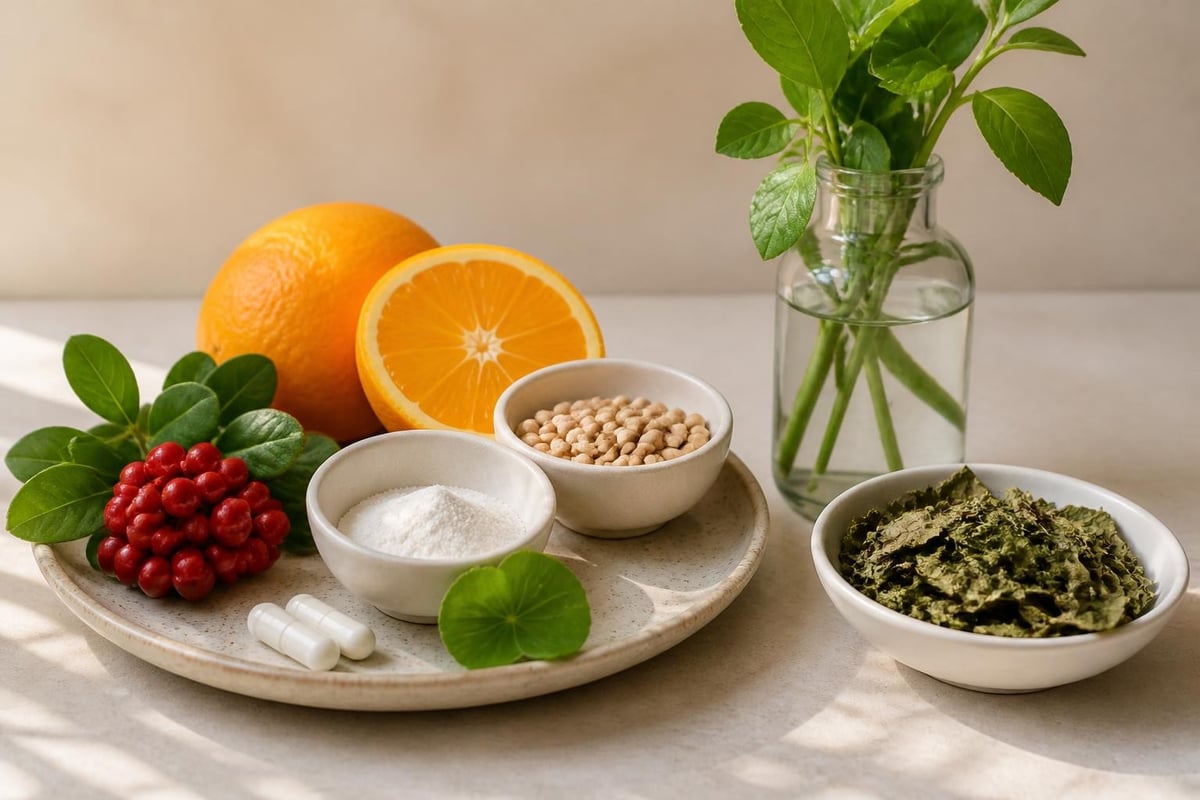
Vitamin C is absolutely essential for collagen synthesis. Your body cannot produce collagen without it, making vitamin C one of the most important ingredients in any vegan collagen eye cream.
The most effective forms include:
- L-ascorbic acid: The most potent but also most unstable form
- Magnesium ascorbyl phosphate: Stable and gentle for eye area
- Sodium ascorbyl phosphate: Water-soluble and less irritating
- Ascorbyl glucoside: Gradually converts to vitamin C in skin
Natural sources like rosehip oil, kakadu plum extract, and sea buckthorn provide vitamin C alongside complementary antioxidants that enhance its effectiveness. These botanical sources align perfectly with vegan formulations whilst delivering superior skin benefits.
Plant Peptides and Amino Acids
Peptides are short chains of amino acids that signal your skin to produce more collagen. While traditional collagen peptides come from animals, plant-based alternatives derived from rice, soy, and pea proteins offer similar benefits.
A clinical trial on plant-based collagen biomimetics found measurable improvements in skin hydration and elasticity, demonstrating that vegan alternatives can deliver tangible results. The study participants showed improvements in skin parameters after consistent use of plant-based formulations.
Essential amino acids for collagen production:
- Proline (found in asparagus, mushrooms, and cabbage)
- Glycine (from spinach, kale, and legumes)
- Lysine (from quinoa, lentils, and beans)
- Hydroxyproline (synthesized from proline with vitamin C)
Botanical Oils and Extracts
The supporting cast of ingredients in vegan collagen eye cream is just as important as the stars. Botanical oils provide essential fatty acids that strengthen the skin barrier, whilst plant extracts deliver antioxidants that protect existing collagen from damage.
Look for formulations containing:
| Ingredient | Primary Benefit | Additional Properties |
|---|---|---|
| Rosehip Oil | Vitamin A & C | Reduces dark circles |
| Coffee Extract | Caffeine | Decreases puffiness |
| Hyaluronic Acid | Hydration | Plumps fine lines |
| Green Tea | Antioxidants | Anti-inflammatory |
| Bakuchiol | Retinol alternative | Gentle collagen support |
How to Use Vegan Collagen Eye Cream Effectively
Getting the most from your vegan collagen eye cream requires proper application technique and realistic expectations. The eye area needs gentle handling and consistent care to show improvement.
Application Techniques for Best Results
Follow these steps for optimal absorption:
- Start with clean skin using a gentle, vegan-friendly cleanser
- Apply serum first if using additional treatments
- Use your ring finger (it applies the least pressure)
- Dot product around orbital bone avoiding direct eyelid application
- Pat gently moving from inner to outer corner
- Wait before makeup allowing full absorption
The amount matters too. You only need a rice grain-sized amount for both eyes. Using too much product can lead to waste and potentially cause irritation or milia (small white bumps) around the eye area.
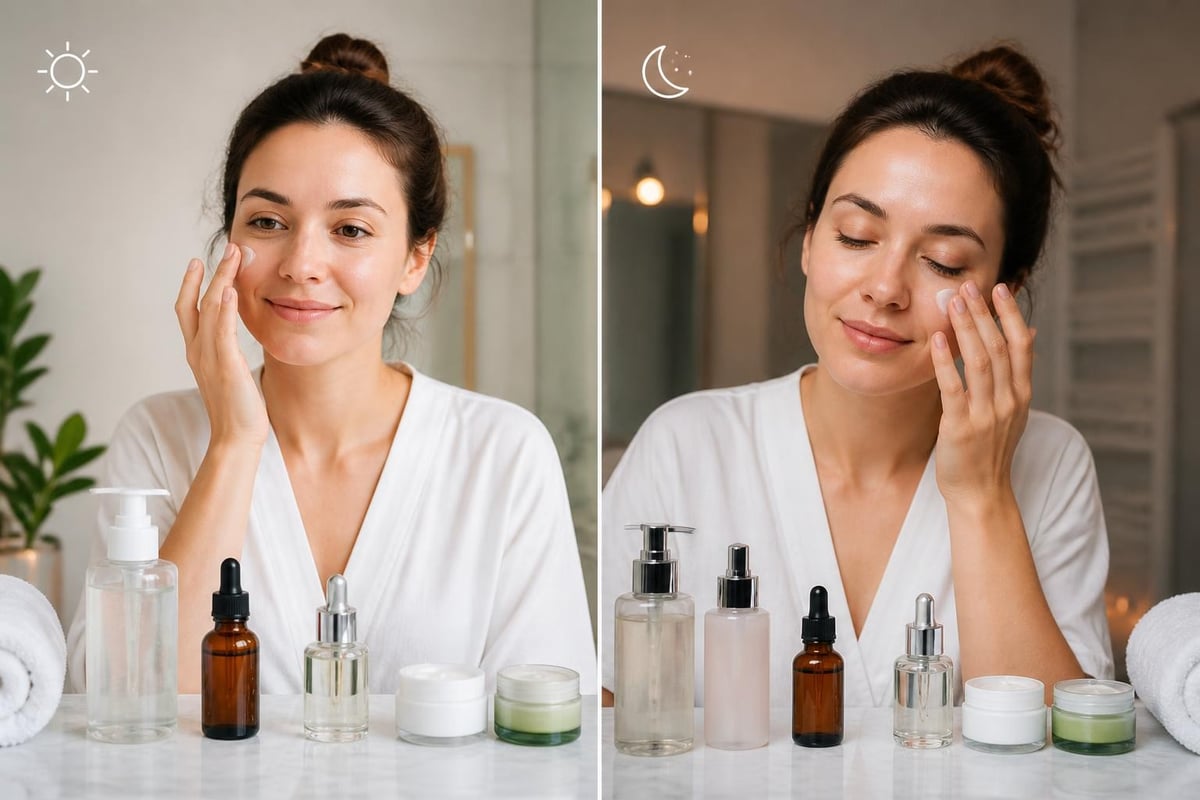
Timing is important as well. Apply your vegan collagen eye cream twice daily: once in the morning before sun protection, and once in the evening as part of your night-time routine. Consistency is key – you'll typically see results after 4-8 weeks of regular use.
Complementary Skincare Practices
Your vegan collagen eye cream works best as part of a comprehensive routine. Supporting your skin from multiple angles enhances collagen production and overall skin health.
Consider incorporating:
- Gentle exfoliation once or twice weekly to improve product absorption
- Adequate hydration with a good moisturizer suited to your skin type
- Sun protection every single day to prevent collagen breakdown
- Facial massage using techniques that promote lymphatic drainage
- Quality sleep on a silk or satin pillowcase to reduce friction
Products from collections like White Rabbit Skin Care's natural face care range can complement your eye cream beautifully, providing layered benefits whilst maintaining vegan principles throughout your routine.
Addressing Common Eye Area Concerns With Vegan Formulations
Different eye area concerns require slightly different approaches, though many vegan collagen eye creams address multiple issues simultaneously.
Fine Lines and Wrinkles
Fine lines around the eyes (often called crow's feet) are typically the first signs of aging most people notice. These develop due to repeated facial expressions, sun damage, and the natural decrease in collagen production that comes with age.
Vegan collagen eye cream addresses fine lines through several mechanisms:
- Stimulating new collagen formation with vitamin C and peptides
- Providing immediate plumping through hydration
- Protecting existing collagen with antioxidants
- Supporting skin elasticity with plant-based fatty acids
Research into topical collagen applications suggests that whilst collagen molecules are often too large to penetrate deeply, the supporting ingredients in quality formulations can still deliver visible improvements through enhanced hydration and collagen precursor delivery.
Dark Circles and Pigmentation
Dark circles have multiple causes, including genetics, thin skin revealing blood vessels, pigmentation, and shadows cast by under-eye hollows. Vegan collagen eye creams can help with several of these factors.
Effective vegan ingredients for dark circles include:
- Vitamin C to brighten pigmentation
- Caffeine to constrict blood vessels and reduce puffiness
- Vitamin K from plant sources to improve microcirculation
- Peptides to thicken skin and reduce vessel visibility
Some people find that their dark circles improve significantly with consistent use of sensitive skin products that don't cause inflammation or irritation, which can worsen the appearance of darkness.
Puffiness and Fluid Retention
Morning puffiness around the eyes is incredibly common and can be exacerbated by salt intake, allergies, lack of sleep, or simply genetics. Vegan collagen eye creams with specific anti-puffiness ingredients can make a noticeable difference.
| Ingredient | Mechanism | Best For |
|---|---|---|
| Caffeine | Vasoconstriction | Morning puffiness |
| Cucumber Extract | Cooling, anti-inflammatory | Allergic swelling |
| Arnica | Reduces fluid buildup | Chronic puffiness |
| Green Tea | Antioxidant, diuretic | General inflammation |
Storing your eye cream in the refrigerator provides an additional cooling effect that can help reduce puffiness when applied. The cold temperature constricts blood vessels and provides immediate, albeit temporary, depuffing benefits.
Comparing Vegan Options to Traditional Collagen Products
Making an informed choice between vegan and traditional collagen eye creams requires understanding the actual differences in effectiveness, not just ingredients.
Efficacy and Clinical Evidence
The honest truth is that research into vegan collagen alternatives is still catching up to decades of studies on animal-derived collagen. However, the evidence we do have is encouraging.
Studies on recombinant collagen production show that lab-created, animal-free collagen can be structurally identical to animal collagen, suggesting that vegan alternatives can theoretically match traditional products in effectiveness.
More importantly, the mechanism of action matters. Since topical collagen (whether animal or vegan) has limited ability to penetrate skin, both types of products primarily work through:
- Hydration and surface plumping
- Delivery of collagen-supporting nutrients
- Protection of existing collagen through antioxidants
In this context, well-formulated vegan collagen eye creams may actually have an advantage due to their broader spectrum of plant-based active compounds.
Price and Accessibility Considerations
Vegan collagen eye creams span a wide price range, from affordable high-street options to luxury formulations. Generally, you're paying for:
- Quality of ingredients – organic, sustainably sourced botanicals cost more
- Concentration of actives – higher percentages of effective compounds
- Formulation expertise – stable, well-preserved products require skill
- Brand positioning – some premium pricing reflects marketing rather than quality
You don't necessarily need to spend a fortune to get effective results. Many holistic skin care brands offer reasonably priced vegan options that prioritize ingredient quality over fancy packaging.
Texture and Sensory Experience
One area where vegan formulations truly excel is in creating luxurious textures without relying on animal-derived ingredients. Plant-based oils and butters provide rich, nourishing textures that feel wonderful on the delicate eye area.
Common texture profiles include:
- Lightweight gels perfect for oily or combination skin
- Creamy lotions that balance hydration and absorption
- Rich balms for very dry or mature skin
- Whipped mousses that feel luxurious whilst remaining light
The absence of animal-derived ingredients doesn't mean sacrificing sensory pleasure. In fact, many users find vegan formulations more pleasant to use, with cleaner scents from essential oils rather than the sometimes off-putting smell of animal collagen.
Building Your Vegan Eye Care Routine
Creating an effective routine around your vegan collagen eye cream ensures you maximize its benefits whilst supporting your skin's overall health.
Morning Routine Integration
Your morning routine should protect and prepare your skin for the day ahead. Here's how to incorporate vegan collagen eye cream effectively:
Step-by-step morning sequence:
- Cleanse with a gentle, vegan-friendly cleanser
- Apply hydrating toner or essence
- Pat on your vegan collagen eye cream
- Follow with facial serum if using
- Apply daytime moisturizer
- Finish with broad-spectrum SPF
Sun protection is absolutely crucial. UV damage breaks down collagen faster than any other environmental factor, making your SPF just as important as your eye cream in maintaining youthful skin.
Evening Routine for Maximum Benefits
Night-time is when your skin does its deepest repair work, making your evening routine the perfect opportunity to support collagen production.
Your evening sequence might include:
- Double cleansing to remove makeup and daily buildup
- Gentle exfoliation (2-3 times weekly)
- Hydrating toner to prep skin
- Treatment serums with active ingredients
- Vegan collagen eye cream applied generously
- Night cream or facial oil as final step
Some people also incorporate facial massage or tools like jade rollers after applying their eye cream. This can help with product absorption and lymphatic drainage, though be gentle around the delicate eye area.
Weekly Treatments and Boosters
Supplementing your daily routine with weekly treatments can enhance your results. Consider adding:
| Treatment | Frequency | Benefits |
|---|---|---|
| Eye masks | 2-3 times weekly | Intensive hydration |
| Gentle enzyme peels | Once weekly | Improved absorption |
| Facial massage | 3-4 times weekly | Circulation boost |
| Cold compress | As needed | Reduces inflammation |
Remember that consistency matters more than intensity. It's better to use your vegan collagen eye cream faithfully every day than to use the most expensive product sporadically.
What to Expect When Switching to Vegan Collagen Eye Cream
Transitioning to vegan skincare is exciting, but it's helpful to have realistic expectations about what you'll experience and when you'll see results.
Timeline for Visible Results
Skin cell turnover takes time, and collagen production is a gradual process. Here's a realistic timeline for what to expect:
Weeks 1-2: Improved hydration, softer skin texture, better makeup application
Weeks 3-4: Subtle reduction in fine lines, brighter under-eye area, less puffiness
Weeks 5-8: More noticeable improvement in fine lines, firmer skin, reduced dark circles
Months 3-6: Continued improvement, cumulative collagen support benefits, optimal results
Some immediate effects come from hydration and surface plumping, whilst deeper changes in collagen structure take several months. Patience is essential when working with vegan formulations that support your skin's natural processes rather than providing quick fixes.
Potential Adjustment Period
Some people experience a brief adjustment period when switching from conventional to vegan skincare. This might include:
- Temporary changes in skin behavior as it adapts
- Learning new application techniques
- Finding the right complementary products
- Adjusting expectations from "miracle cream" to holistic support
If you're switching from products with synthetic fragrances or harsh preservatives, your skin might actually improve during the adjustment period as irritation subsides.
Maximizing Long-Term Benefits
The real magic of vegan collagen eye cream happens with consistent, long-term use. To maximize benefits over time:
Support from within:
- Eat a diet rich in vitamin C, amino acids, and antioxidants
- Stay well-hydrated throughout the day
- Protect your skin from sun damage religiously
- Get adequate sleep (7-9 hours nightly)
- Manage stress through healthy coping mechanisms
Support from without:
- Never sleep in makeup or sunscreen
- Use gentle, vegan-appropriate products throughout your routine
- Avoid rubbing or tugging at the eye area
- Keep products stored properly (cool, dark places)
- Replace eye cream every 6-12 months to ensure freshness
Companies committed to natural ingredients, like those you'll find at White Rabbit Skin Care, understand that beautiful skin comes from supporting your body's natural processes rather than fighting against them with harsh chemicals.
Choosing vegan collagen eye cream represents a commitment to both effective skincare and ethical values, supporting your skin's natural collagen production without compromising on your principles. Whether you're concerned about fine lines, dark circles, or simply want to maintain healthy skin around your eyes, plant-based formulations offer a gentle yet effective solution. White Rabbit Skin Care provides thoughtfully crafted vegan options that combine the finest natural ingredients with proven effectiveness, helping you achieve beautiful, healthy skin whilst staying true to your values. Explore our range of cruelty-free, natural skincare products and discover how vegan beauty can transform your routine.