

Topical Skin Care Products: Your Complete Guide
Caring for your skin is one of the most important aspects of your daily wellness routine, and topical skin care products form the foundation of this practice. Whether you're dealing with dryness, sensitivity, or simply wanting to maintain a healthy glow, understanding what goes onto your skin can make all the difference. These products work directly on the surface and upper layers of your skin, delivering active ingredients where they're needed most. With the growing awareness of natural and vegan formulations, more people are discovering that effective skincare doesn't require harsh chemicals or animal-derived ingredients.
What Are Topical Skin Care Products and How Do They Work
Topical skin care products are formulations designed to be applied directly to the skin's surface rather than ingested or injected. Topical medications encompass everything from therapeutic treatments to cosmetic products, all working to improve your skin's health and appearance.
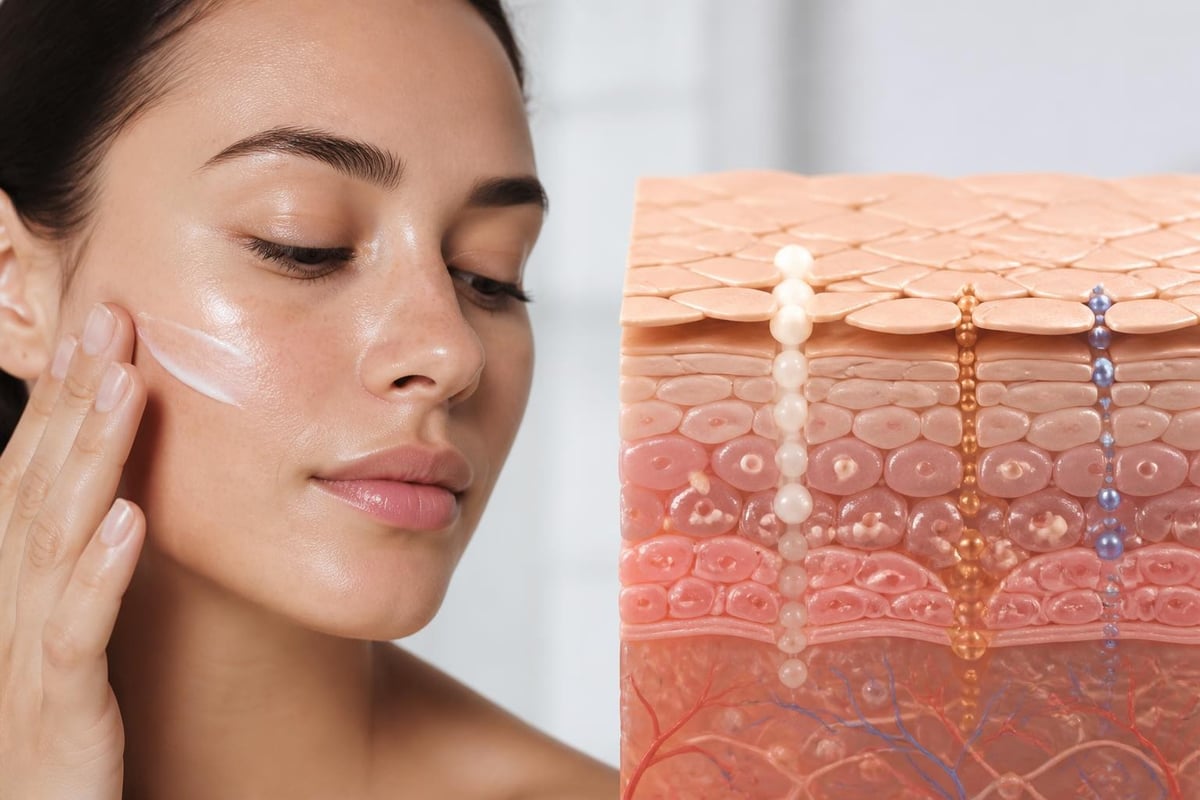
These products function by delivering active ingredients through the skin's outer barrier, the stratum corneum. The effectiveness depends on several factors including the molecular size of ingredients, the product's formulation, and your skin's current condition. Understanding common ingredients in skin care products helps you make informed choices about what you apply to your face and body.
The Science Behind Topical Application
When you apply topical skin care products, they interact with your skin through various mechanisms. Some ingredients remain on the surface, creating protective barriers, whilst others penetrate deeper layers to stimulate cellular activity.
Key penetration factors include:
- Ingredient molecular weight and structure
- Product vehicle or base formulation
- Skin hydration levels
- Application technique and frequency
- Skin barrier integrity
The formulation vehicle plays a crucial role in how ingredients perform. Creams, serums, oils, and gels each have unique properties that affect absorption and efficacy. Natural plant-based oils, for instance, often work beautifully as carriers for active ingredients whilst providing their own beneficial properties.
Types of Topical Skin Care Products for Every Need
The world of topical skin care products offers remarkable variety, each category serving specific purposes in your routine. Understanding these different types helps you build an effective regimen tailored to your unique skin requirements.
Cleansers and Toners
Cleansers form the cornerstone of any skincare routine, removing impurities, makeup, and environmental pollutants. Gentle, plant-based cleansers work without stripping your skin's natural oils, maintaining the delicate pH balance essential for healthy skin function.
Toners follow cleansing, preparing your skin to absorb subsequent products more effectively. Modern toners hydrate and balance rather than simply astringent, making them suitable even for those with sensitive face concerns.
Moisturisers and Hydrating Products
Moisturizers play a vital role in maintaining your skin's protective barrier and preventing water loss. These topical skin care products come in various consistencies from lightweight lotions to rich creams, each suited to different skin types and climate conditions.
For those seeking ethical options, vegan face lotions offer excellent hydration without animal-derived ingredients like lanolin or beeswax. Plant-based alternatives such as shea butter, jojoba oil, and hyaluronic acid provide comparable or superior moisturising benefits.
| Product Type | Best For | Key Benefits |
|---|---|---|
| Lightweight Serums | Oily, combination skin | Fast absorption, targeted treatment |
| Cream Moisturisers | Dry, mature skin | Rich hydration, barrier support |
| Gel Formulas | Sensitive, reactive skin | Cooling, lightweight comfort |
| Oil-based Products | Very dry skin | Deep nourishment, barrier repair |
Treatment Products and Serums
Serums represent concentrated formulations of active ingredients, designed to address specific skin concerns. These potent topical skin care products typically contain smaller molecules that penetrate more deeply than standard moisturisers.
Treatment products target particular issues such as hyperpigmentation, fine lines, or inflammation. Natural alternatives to synthetic actives, like vitamin C from kakadu plum or bakuchiol instead of retinol, offer effective results without potential irritation.
Choosing the Right Topical Skin Care Products for Your Skin Type
Selecting appropriate products requires understanding your skin's unique characteristics and needs. What works brilliantly for one person might cause issues for another, making personalisation essential.
Understanding Your Skin Type
Your skin type forms the foundation for product selection. The main categories include normal, dry, oily, combination, and sensitive, though many people exhibit characteristics of multiple types.
Dry skin feels tight, shows flaking, and may develop rough patches. It benefits from products specifically designed for dry skin concerns that focus on barrier repair and intense hydration.
Oily skin produces excess sebum, often leading to shine and enlarged pores. Contrary to popular belief, oily skin still needs moisturising with lightweight, non-comedogenic topical skin care products.
Sensitive skin reacts easily to ingredients, temperature changes, or environmental factors. The best product for sensitive face types contains minimal ingredients, avoids common irritants, and focuses on soothing, strengthening the skin barrier.
Reading Ingredient Lists Effectively
Understanding ingredient labels empowers you to make informed decisions about topical skin care products. Ingredients appear in descending order by concentration, with the first five typically making up the bulk of the formula.
Ingredients to seek out:
- Hyaluronic acid for hydration
- Niacinamide for barrier support
- Plant oils for nourishment
- Antioxidants for protection
- Gentle botanical extracts
Potential irritants to consider:
- Synthetic fragrances
- Denatured alcohol
- Harsh sulfates
- Certain essential oils in high concentrations
For those committed to best non-toxic skin care, choosing products free from parabens, phthalates, and synthetic preservatives aligns with both health and environmental values.
The Benefits of Natural and Vegan Topical Skin Care Products
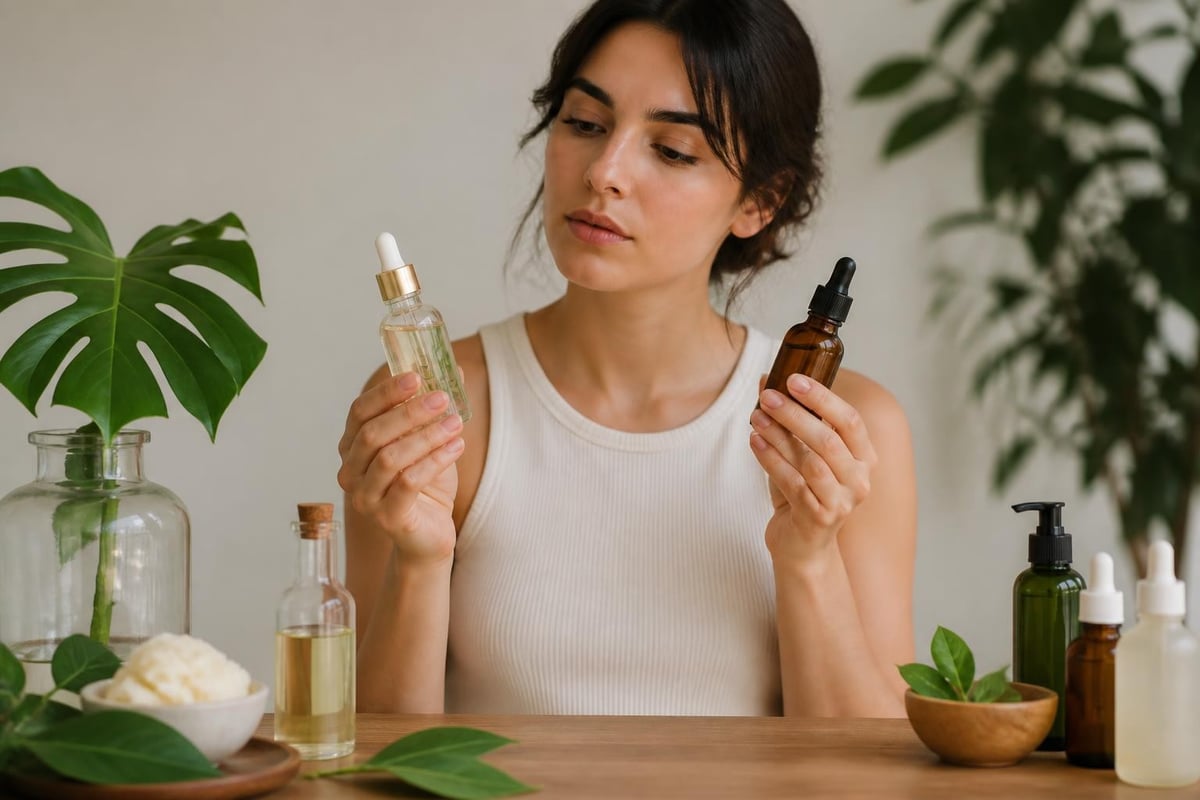
The shift towards natural and vegan formulations reflects growing awareness about what we apply to our skin and its broader impact. These topical skin care products offer numerous advantages beyond simple ethical considerations.
Why Natural Ingredients Matter
Natural ingredients work synergistically with your skin's biology, often providing multiple benefits from a single component. Plant extracts contain complex combinations of vitamins, minerals, and phytonutrients that synthetic alternatives struggle to replicate.
These ingredients typically show excellent biocompatibility, meaning your skin recognises and accepts them more readily. This can translate to fewer reactions and better long-term results, particularly for those with sensitive or reactive skin.
The Vegan Advantage in Skincare
Vegan topical skin care products exclude all animal-derived ingredients, relying instead on plant-based and mineral alternatives. This approach ensures cruelty-free production whilst often delivering superior performance.
Many traditional skincare ingredients have excellent plant-based substitutes. Squalane from olives replaces shark-derived squalene, whilst plant ceramides match those traditionally sourced from animals. These alternatives perform beautifully whilst aligning with the importance of authenticity in natural skincare brands.
Vegan ingredient benefits include:
- Sustainability and environmental responsibility
- Often gentler on sensitive skin
- Rich in plant-based nutrients and antioxidants
- No compromise on efficacy or luxury
- Alignment with ethical consumer values
Building Your Topical Skin Care Routine
Creating an effective routine with topical skin care products doesn't require dozens of products or complicated steps. A well-chosen, consistent regimen typically outperforms an elaborate but inconsistent approach.
Morning Routine Essentials
Your morning routine prepares and protects your skin for the day ahead. Start with gentle cleansing to remove overnight oil production, followed by toning to balance pH and prep for absorption.
Next, apply treatment serums targeting specific concerns, followed by moisturiser to lock in hydration. During daylight hours, sun protection becomes essential, though many best face care products now incorporate natural mineral sunscreens.
Evening Routine for Repair
Nighttime routines focus on repair and rejuvenation. Double cleansing effectively removes makeup and daily grime, ensuring topical skin care products can penetrate properly. The first cleanse removes surface debris, whilst the second cleanses the skin itself.
Evening represents the ideal time for richer treatments and active ingredients. Your skin's repair mechanisms activate during sleep, making this the perfect opportunity for intensive nourishment and targeted solutions.
| Routine Step | Morning | Evening |
|---|---|---|
| Cleanse | Light, refreshing | Double cleanse, thorough |
| Tone | Energising, balancing | Calming, pH-restoring |
| Treat | Protective antioxidants | Repair actives |
| Moisturise | Lightweight protection | Rich nourishment |
Seasonal Adjustments
Your skin's needs fluctuate with seasons, requiring adjustments to your topical skin care products. Winter often demands richer formulations to combat heating and cold winds, whilst summer benefits from lighter, more breathable textures.
Pay attention to how your skin responds to environmental changes. What worked perfectly in July might feel insufficient come December, and that's completely normal.
Common Mistakes When Using Topical Skin Care Products
Even with quality products, application errors can undermine results. Understanding common pitfalls helps you maximise the benefits of your skincare investments.
Over-application and Product Overload
More isn't always better with topical skin care products. Using too much product wastes money and can overwhelm your skin, potentially causing congestion or irritation. Most products require only small amounts to be effective.
Layering too many products simultaneously can also create problems. Your skin can only absorb so much at once, and incompatible ingredients might interact poorly. A streamlined routine often delivers better results than an elaborate one.
Inconsistent Application
Topical skin care products require consistent use to show their full potential. Skipping applications or frequently changing products prevents your skin from adapting and responding optimally.
Give new products adequate time to work, typically four to six weeks for most formulations. This patience allows your skin's natural renewal cycle to complete whilst the ingredients build up to effective levels.
Application timing matters too:
- Morning products protect and prepare
- Evening products repair and renew
- Consistency beats intensity
- Patch testing prevents reactions
Ignoring Your Skin's Feedback
Your skin communicates its needs through various signals. Persistent tightness suggests your moisturiser isn't rich enough, whilst increased oiliness might indicate over-cleansing triggering compensatory sebum production.
Those exploring best natural cosmetic products should remember that "natural" doesn't automatically mean suitable for everyone. Even botanical ingredients can cause reactions in some individuals.
The Role of Professional Guidance in Skincare Choices
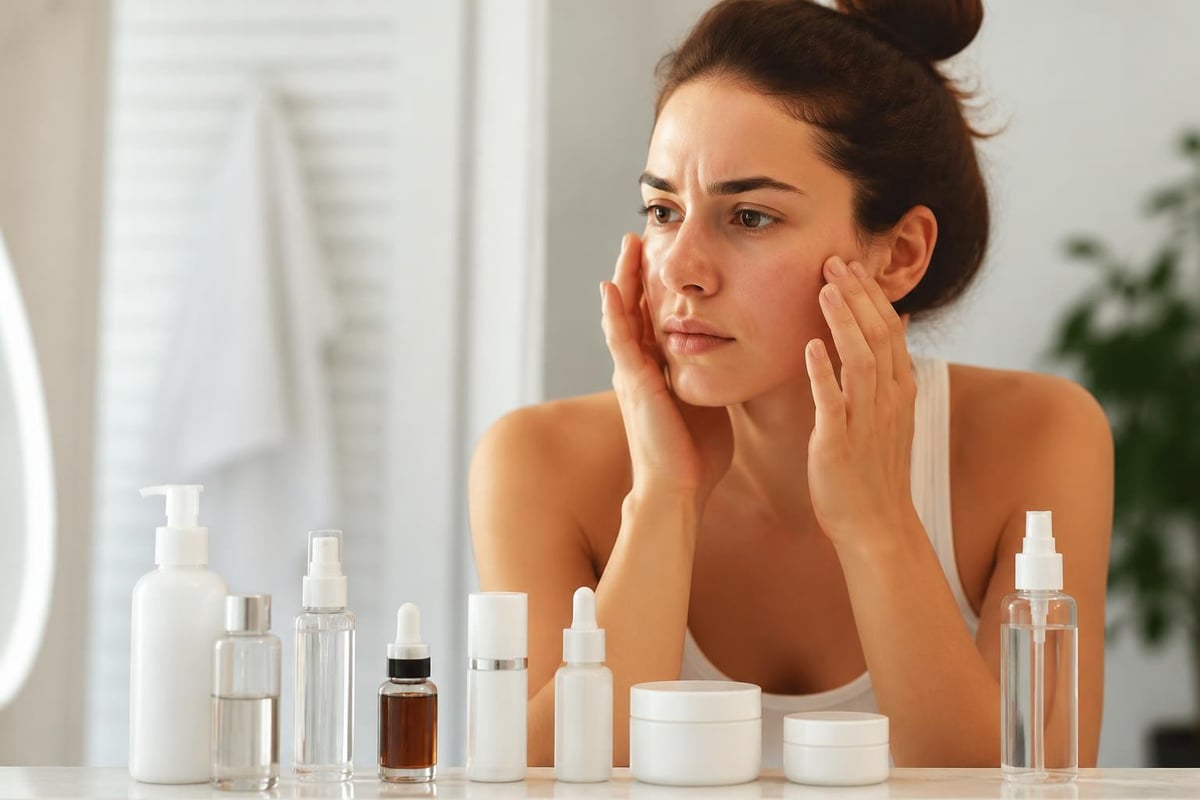
Whilst many topical skin care products work wonderfully for self-care routines, certain situations benefit from professional input. Understanding when to seek expert advice ensures you get the best possible results.
When to Consult Specialists
Persistent skin concerns that don't respond to over-the-counter topical skin care products might require professional evaluation. Dermatologists can identify underlying conditions and prescribe targeted treatments when necessary.
For those interested in comprehensive health approaches, functional medicine practitioners examine how internal factors like gut health, hormones, and inflammation affect skin appearance. This holistic perspective can reveal connections between skin issues and overall wellness that topical treatments alone might not address.
Advanced Treatment Considerations
Some skin concerns respond best to combinations of topical skin care products and advanced therapies. Principles of topical dermatologic therapy guide medical professionals in selecting appropriate treatment vehicles and active ingredients for specific conditions.
Emerging treatments like stem cell therapies represent cutting-edge options for addressing age-related skin changes and cellular regeneration, though these remain specialist interventions rather than everyday skincare.
Sustainability and Ethics in Topical Skin Care Products
The products we choose reflect our values and impact the world around us. Sustainable, ethical topical skin care products demonstrate that effective skincare and environmental responsibility can coexist beautifully.
Packaging and Environmental Impact
Skincare packaging contributes significantly to household waste. Progressive brands now embrace recyclable glass, aluminium, and post-consumer recycled plastics, reducing environmental footprints whilst maintaining product integrity.
Refillable systems and concentrated formulations further minimise waste. Some topical skin care products now come in solid formats, eliminating water content and reducing packaging needs dramatically.
Ingredient Sourcing and Fair Trade
Ethical ingredient sourcing ensures that the botanicals in your topical skin care products support farming communities and protect biodiversity. Fair trade practices guarantee reasonable wages and sustainable harvesting methods.
Transparency about ingredient origins builds trust. UK skincare brands often lead in this area, with shorter supply chains and stricter regulatory oversight ensuring quality and ethics go hand in hand.
Ethical considerations include:
- Cruelty-free testing policies
- Sustainable ingredient harvesting
- Fair wages throughout supply chains
- Minimal environmental impact
- Transparent ingredient sourcing
- Support for biodiversity
Innovations in Natural Topical Skin Care Products
The natural skincare industry continues evolving, with innovations that challenge assumptions about what plant-based formulations can achieve. These advances demonstrate that choosing ethical, natural topical skin care products doesn't mean compromising on performance.
Biotechnology and Natural Ingredients
Biotechnology now enables production of nature-identical ingredients through fermentation and bioengineering. These processes create pure, sustainable actives without harvesting rare plants or using synthetic chemistry.
Fermented ingredients show enhanced bioavailability, meaning your skin absorbs and utilises them more effectively. This technology bridges natural and scientific skincare, offering the best of both worlds.
Microbiome-Friendly Formulations
Understanding the skin's microbiome has revolutionised how we formulate topical skin care products. Prebiotics and probiotics support beneficial bacteria, strengthening skin barriers and reducing sensitivity.
These innovations align perfectly with gentle skin products philosophy, working with your skin's natural ecosystem rather than against it.
Addressing Specific Skin Concerns with Topical Solutions
Different skin challenges require tailored approaches. Understanding which topical skin care products address specific issues helps you target your concerns effectively.
Sensitivity and Redness
Sensitive skin benefits from minimalist formulations featuring soothing botanical extracts. Ingredients like chamomile, calendula, and colloidal oatmeal calm inflammation whilst strengthening the skin barrier.
Those seeking best sensitive skincare should prioritise fragrance-free options with short ingredient lists, reducing the likelihood of reactive responses.
Hydration and Barrier Function
Maintaining optimal hydration involves both humectants that draw water into skin and occlusives that prevent moisture loss. Skin care and repair approaches emphasise supporting the skin's natural barrier function rather than simply coating the surface.
Natural humectants include hyaluronic acid, glycerin, and aloe vera, whilst plant oils and butters provide occlusive benefits. Combining these in topical skin care products creates comprehensive hydration.
Signs of Ageing
Age-related changes respond well to antioxidants, cell-communicating ingredients, and barrier-supporting components. Natural retinol alternatives like bakuchiol offer similar benefits with less irritation potential.
Vitamin C, niacinamide, and peptides all support collagen production and skin firmness. These actives work beautifully in plant-based formulations, demonstrating that high-end skin products need not contain synthetic or animal-derived ingredients.
Making Topical Skin Care Products Work for Your Budget
Effective skincare exists at every price point. Understanding how to maximise value from topical skin care products ensures you achieve great results regardless of budget constraints.
Quality Over Quantity
Investing in fewer, well-formulated products typically delivers better results than accumulating numerous mediocre ones. Focus on essential steps with quality formulations rather than extensive routines with filler products.
Inexpensive skin care options can perform excellently when chosen wisely. Price doesn't always correlate with efficacy, especially in natural formulations where simple, pure ingredients often outperform complex synthetic blends.
Multi-Purpose Products
Versatile topical skin care products stretch budgets whilst simplifying routines. A quality facial oil might serve as serum, moisturiser, and makeup remover, reducing the number of products needed.
Look for formulations that address multiple concerns simultaneously. A good vitamin C serum brightens, protects, and supports collagen, delivering several benefits from one product.
Budget-friendly strategies include:
- Prioritising essential steps (cleanse, moisturise, protect)
- Choosing multi-purpose formulations
- Using appropriate amounts (less is often enough)
- Maintaining consistency over novelty
- Focusing on ingredient quality over brand prestige
Understanding topical skin care products empowers you to make informed choices that support your skin's health, align with your values, and fit your lifestyle. Whether you're addressing specific concerns or maintaining healthy skin, the right products applied consistently make all the difference. For those seeking natural, vegan formulations crafted with care and integrity, White Rabbit Skin Care offers thoughtfully formulated products designed to nourish your skin whilst respecting both animals and the environment. Explore their range to discover how plant-based skincare can transform your daily routine into a moment of ethical self-care.