


Skincare for Very Sensitive Skin: Your Complete Guide
If your skin reacts to almost everything you put on it, you're not alone. Very sensitive skin affects millions of people, causing redness, stinging, burning, and discomfort that can make even the simplest skincare routine feel like a minefield. The good news? With the right knowledge and carefully chosen products, you can build a nurturing regimen that soothes rather than irritates. Understanding what triggers your sensitivity and learning which ingredients genuinely support your skin barrier will transform your relationship with skincare for very sensitive skin.
Understanding Very Sensitive Skin
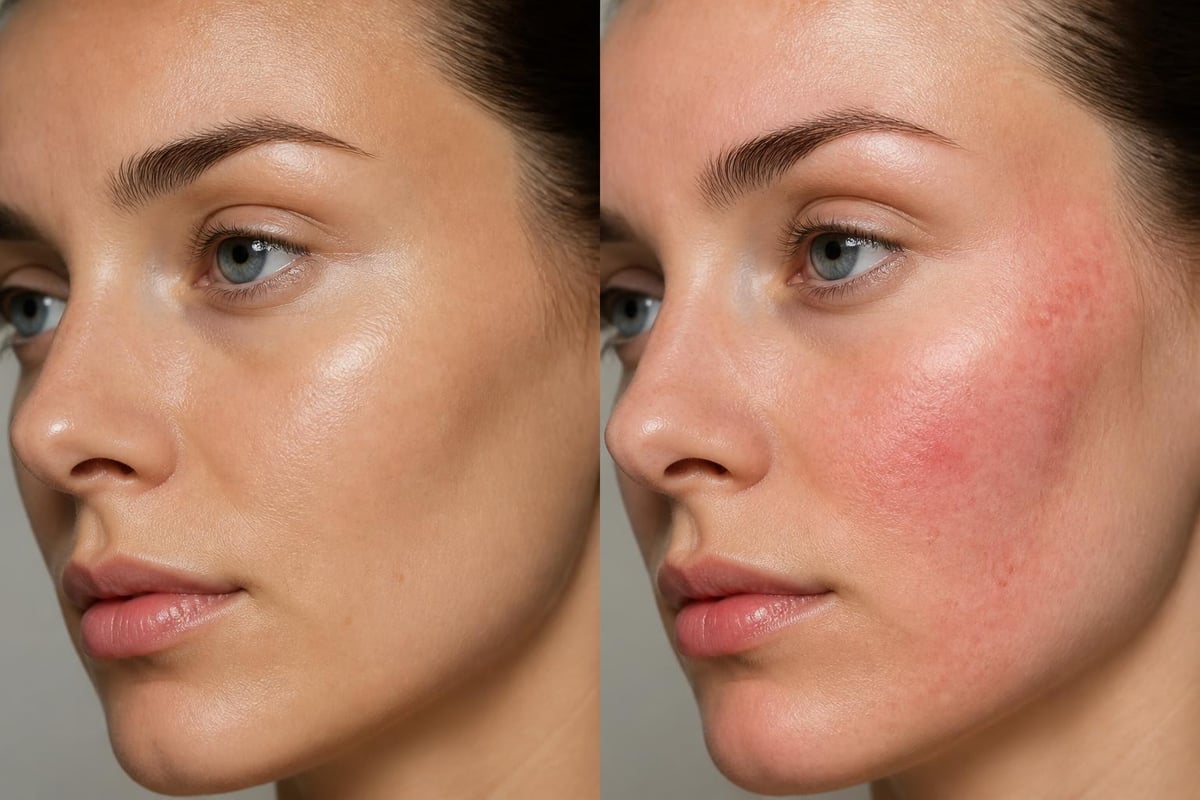
Very sensitive skin isn't just one condition; it's a complex response that can stem from various factors. Your skin might be naturally thin with a compromised barrier, or you might have developed sensitivity through over-exfoliation, harsh products, or underlying conditions like rosacea or eczema.
What Makes Skin Hypersensitive?
The skin barrier is your first line of defence against the outside world. When it's functioning properly, it keeps moisture in and irritants out. However, when this barrier becomes compromised, your skin loses water more rapidly and becomes vulnerable to penetration by potential allergens and irritants.
Common causes of barrier dysfunction include:
- Genetic predisposition to conditions like atopic dermatitis
- Environmental stressors (pollution, extreme weather, UV radiation)
- Over-cleansing or using products with high pH levels
- Frequent exfoliation or retinoid use without adequate hydration
- Contact allergens in cosmetics and personal care products
According to clinical research on sensitive skin management, up to 70% of people report having sensitive skin at some point in their lives, with women more frequently affected than men.
Recognising Your Triggers
Identifying what sets off your skin reactions is essential for developing an effective skincare routine. Keep a skin diary for at least two weeks, noting any flare-ups alongside products used, foods eaten, stress levels, and environmental factors.
| Common Trigger Category | Examples | Potential Reactions |
|---|---|---|
| Fragrances | Essential oils, synthetic perfumes | Redness, itching, rash |
| Preservatives | Methylisothiazolinone, parabens | Contact dermatitis, burning |
| Surfactants | Sodium lauryl sulphate (SLS) | Dryness, tightness, irritation |
| Acids | High-concentration AHAs/BHAs | Stinging, peeling, inflammation |
| Alcohols | Denatured alcohol, SD alcohol | Severe dryness, sensitivity |
The American Contact Dermatitis Society provides extensive resources on identifying contact allergens that frequently affect people with sensitive skin, including information about patch testing if you suspect allergic reactions.
Building Your Gentle Skincare Routine
When creating skincare for very sensitive skin, less is genuinely more. A minimalist routine with just three to four carefully selected products often outperforms elaborate ten-step regimens that overwhelm delicate skin.
The Foundation: Gentle Cleansing
Your cleanser sets the tone for your entire routine. Harsh cleansers strip natural oils, disrupt your skin's pH, and leave your barrier vulnerable.
Look for cleansers that:
- Have a pH between 4.5 and 5.5 (close to your skin's natural pH)
- Contain mild surfactants like cocamidopropyl betaine or decyl glucoside
- Include soothing ingredients such as oat extract or chamomile
- Are fragrance-free and don't foam excessively
White Rabbit Skin Care's collection of cleansers focuses on plant-based, gentle formulations that respect your skin's natural balance whilst effectively removing impurities without stripping essential moisture.
The NHS guidance on emollients recommends using gentle, soap-free cleansers for very sensitive or eczema-prone skin, as traditional soaps can be particularly drying and irritating.
Hydration and Barrier Repair
After cleansing, your skin needs both water (hydration) and oils (moisture) to function optimally. This is where layering becomes important for skincare for very sensitive skin.
Hydrating toners or essences should contain humectants like glycerin, hyaluronic acid, or beta-glucan that draw water into your skin. Avoid toners with alcohol, which can be severely drying. Browse toners formulated for sensitive skin that use natural, calming ingredients.
Serums for sensitive skin should focus on barrier repair rather than active treatments. Look for ingredients supported by research:
- Ceramides: Lipid molecules that are naturally present in your skin barrier
- Niacinamide: A gentle form of vitamin B3 that reduces inflammation and strengthens the barrier
- Centella asiatica: A botanical with proven wound-healing and anti-inflammatory properties
- Oat extract: Contains avenanthramides with antioxidant and anti-inflammatory effects
Research published in the National Center for Biotechnology Information demonstrates how emollients with barrier-repairing lipids (ceramides, cholesterol, and fatty acids in specific ratios) significantly improve skin function in sensitive individuals.
Moisturising: Sealing Everything In
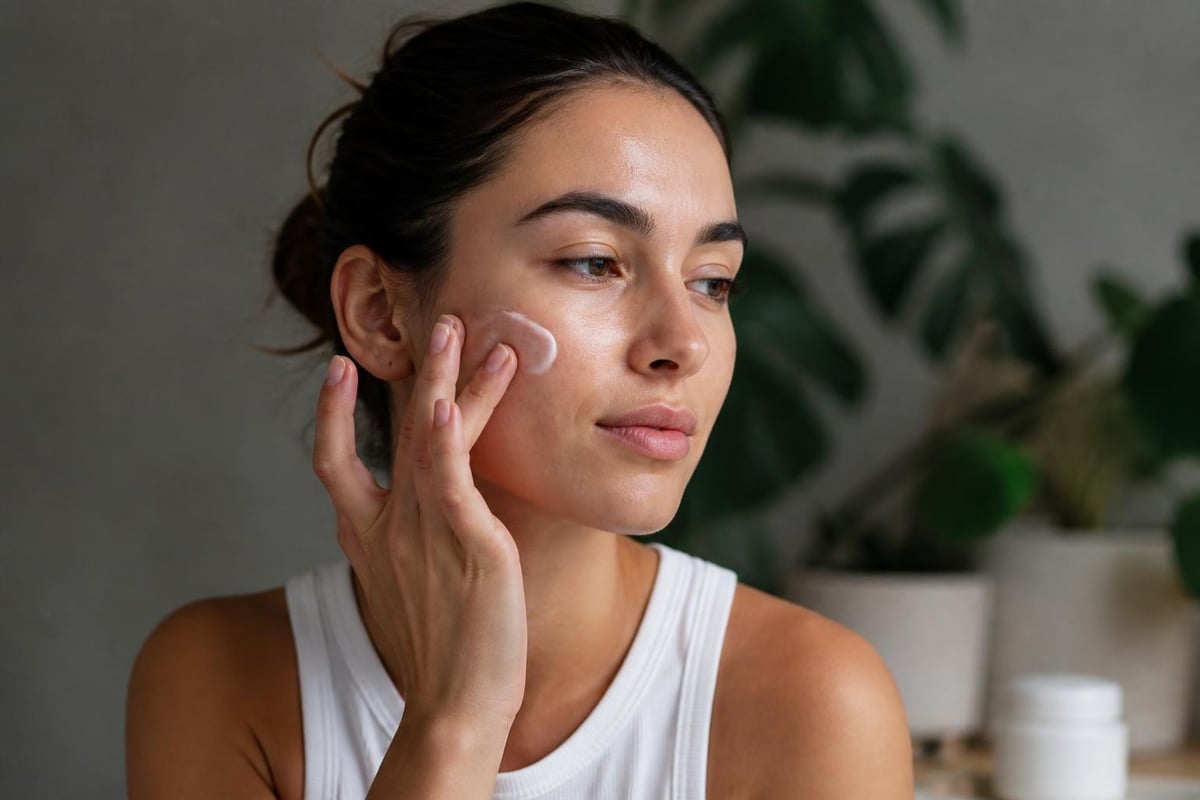
Your moisturiser is the final protective layer that locks in all the beneficial ingredients you've applied. For very sensitive skin, you need a formula that's occlusive enough to prevent water loss but won't clog pores or feel heavy.
Ingredient checklist for sensitive skin moisturisers:
- Shea butter or cocoa butter (natural, gentle occlusives)
- Squalane (a stable, non-irritating oil that mimics skin's natural sebum)
- Allantoin (soothes and promotes healing)
- Colloidal oatmeal (FDA-approved skin protectant)
- Absence of fragrance, dyes, and unnecessary additives
The Coconut Rosehip Calming Cream combines nourishing plant oils with calming botanicals, providing deep hydration without overwhelming sensitive skin.
Ingredient Intelligence: What to Embrace and Avoid
Navigating ingredient lists can feel overwhelming, but understanding key players helps you make informed decisions about skincare for very sensitive skin.
The Sensitivity All-Stars
These ingredients have earned their reputation through both scientific research and real-world results:
| Ingredient | Primary Benefit | Why It Works for Sensitive Skin |
|---|---|---|
| Aloe vera | Soothing, hydrating | Anti-inflammatory compounds reduce redness |
| Chamomile | Calming, anti-irritant | Bisabolol and chamazulene reduce sensitivity |
| Calendula | Healing, protective | Promotes barrier repair and reduces inflammation |
| Rosehip oil | Nourishing, regenerative | Essential fatty acids support barrier function |
| Colloidal oatmeal | Protective, relieving | Forms protective barrier whilst soothing irritation |
When you're exploring options for sensitive face products, prioritise formulations built around these proven gentle ingredients.
The Ingredients to Question
Not every ingredient that works for resilient skin suits very sensitive complexions. Some common culprits deserve careful consideration:
Fragrance remains one of the most frequent sensitisers in skincare. Both synthetic fragrances and essential oils can trigger reactions. The European Commission's guidance on fragrance allergens provides detailed information about new labelling requirements that help consumers identify potential allergens.
Preservatives are necessary to prevent microbial growth, but certain types cause more reactions than others. Methylisothiazolinone and methylchloroisothiazolinone have high rates of contact allergy. Phenoxyethanol and potassium sorbate tend to be better tolerated.
High concentrations of actives like vitamin C, retinoids, and acids may be too aggressive. If you want to use these ingredients, introduce them extremely slowly and in lower concentrations designed for sensitive skin.
Understanding Natural vs Synthetic
There's a common misconception that "natural" automatically means "gentle" and "synthetic" means "harsh." This isn't always true. Many natural ingredients (like citrus oils or certain plant extracts) can be highly irritating, whilst some synthetic ingredients (like ceramides or hyaluronic acid) are exceptionally well-tolerated.
What matters most is the ingredient's interaction with your unique skin. Natural skin brands that focus on vegan, plant-based formulations often avoid common synthetic irritants, but you should still patch-test any new product.
Independent resources like Consumer Reports on skin safety offer evidence-based assessments of both natural and synthetic ingredients, helping you make informed choices based on actual safety data rather than marketing claims.
Special Considerations for Reactive Skin
When Sensitivity Signals Something More
Sometimes what appears to be very sensitive skin is actually an underlying dermatological condition that requires medical attention. If your skin shows signs beyond occasional irritation, consult a dermatologist.
Red flags that warrant professional evaluation:
- Persistent redness across your cheeks and nose (possible rosacea)
- Extremely dry, scaly patches that crack or bleed (possible eczema)
- Hives or swelling after product use (possible allergic reaction)
- Symptoms that worsen despite gentle care (possible contact dermatitis)
The American Academy of Dermatology provides practical tips on managing conditions like rosacea and eczema, which frequently present as generalized sensitivity but require specific treatment approaches.
Patch Testing: Your Safety Net
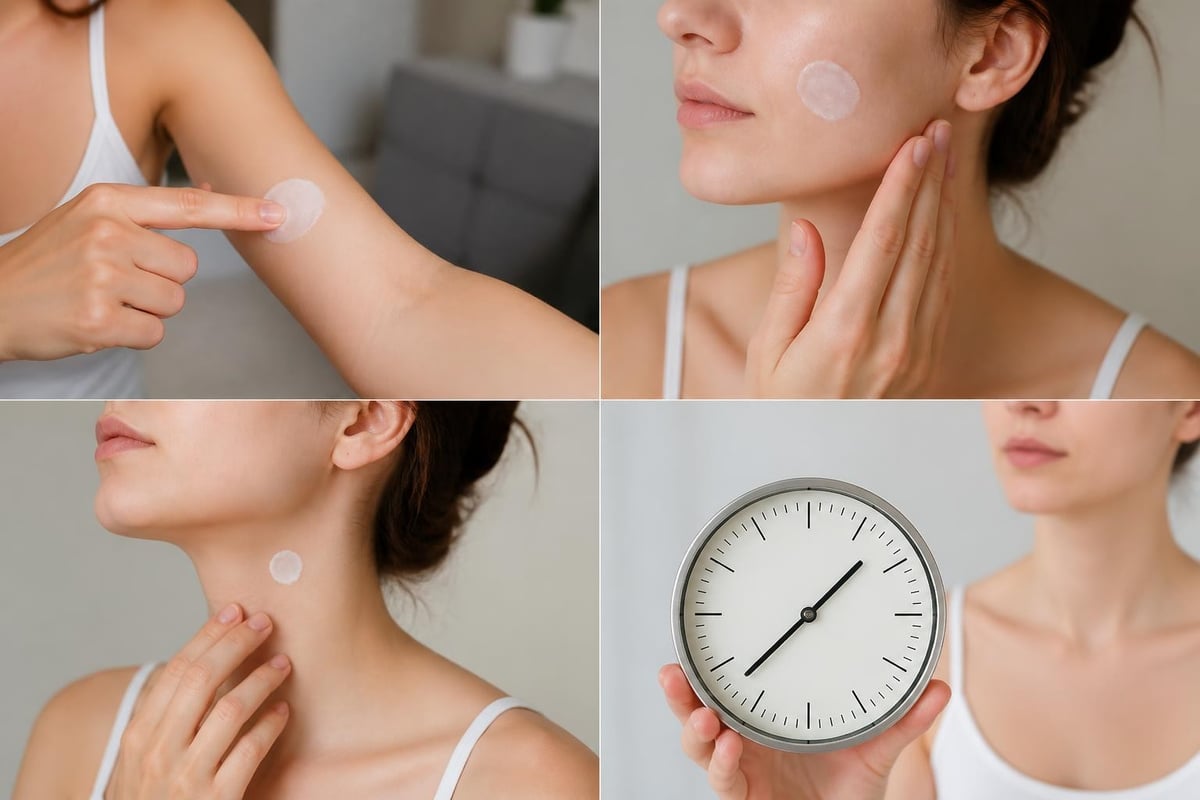
Before introducing any new product to your full routine, perform a patch test. This simple step can prevent widespread reactions and help you identify problematic ingredients.
How to patch test properly:
- Choose a small, discreet area (inner forearm or behind ear)
- Apply a small amount of product twice daily for 3-5 days
- Watch for redness, itching, burning, or swelling
- If no reaction occurs, test on your face (jawline first)
- Wait another 2-3 days before using on your entire face
Seasonal Adjustments
Your skin's needs change with the seasons, and skincare for very sensitive skin must adapt accordingly.
Winter considerations: Cold air and indoor heating severely dehydrate skin. Layer more occlusive moisturisers and consider adding a facial oil. You might need to switch to a creamier cleanser that doesn't strip your already-compromised barrier.
Summer adaptations: Increased humidity may mean you can use lighter formulations, but don't abandon your barrier-supporting ingredients. Sun protection becomes even more critical, as UV damage exacerbates sensitivity. Choose mineral (zinc oxide or titanium dioxide) sunscreens over chemical filters, which can irritate reactive skin.
The Vegan Advantage for Sensitive Skin
Plant-based skincare has grown exponentially in popularity, and for good reason. Many people with very sensitive skin find that vegan formulations work better for their complexions.
Why Vegan Can Mean Gentler
Vegan skincare excludes animal-derived ingredients like lanolin, beeswax, and collagen, which can sometimes trigger sensitivities. Plant-based alternatives often provide comparable benefits without the same risk of irritation.
Benefits of choosing vegan formulations:
- Typically free from common animal-derived allergens
- Often formulated with anti-inflammatory botanical extracts
- Generally align with cruelty-free practices (no animal testing)
- Frequently produced by brands with higher transparency standards
- May contain fewer synthetic additives and processing chemicals
White Rabbit Skin Care specialises in vegan skincare products that harness the power of plants whilst maintaining strict quality standards. Their commitment to natural, cruelty-free formulations means you're choosing products that are kind to both your skin and the planet.
Plant Oils: Nature's Barrier Repair
High-quality plant oils are exceptional for very sensitive skin because they contain fatty acid profiles similar to your skin's natural lipids.
| Plant Oil | Key Fatty Acids | Best For |
|---|---|---|
| Rosehip | Linoleic, linolenic | Barrier repair, reducing redness |
| Jojoba | Eicosenoic (technically a wax ester) | Mimicking sebum, balancing |
| Coconut | Lauric, capric | Anti-inflammatory, soothing |
| Evening primrose | Gamma-linolenic acid (GLA) | Calming inflammation, hydrating |
When you're exploring skincare brands for sensitive skin, look for those that use cold-pressed, organic plant oils as primary ingredients rather than as minor additions.
Product Selection Strategy
Decoding Labels and Claims
The skincare industry is full of marketing terms that may or may not have real meaning. Understanding what certain claims actually signify helps you make better choices for skincare for very sensitive skin.
"Hypoallergenic" has no legal definition in most countries, including the UK. Brands can use this term without meeting specific standards. However, reputable companies typically formulate hypoallergenic products without common allergens like fragrance, dyes, and certain preservatives.
"Dermatologist-tested" simply means a dermatologist was involved in some capacity. It doesn't guarantee the product is suitable for sensitive skin or that it underwent rigorous clinical trials.
"Non-comedogenic" indicates the product shouldn't clog pores, which is important for sensitive, acne-prone skin. However, testing standards vary widely between companies.
For authoritative information about cosmetics regulations and what claims must be substantiated, the EU cosmetics regulation provides comprehensive legal requirements for safety and labelling.
Building Your Starter Kit
If you're rebuilding your routine from scratch, start with these essential products and expand gradually:
- Gentle, pH-balanced cleanser (morning and evening)
- Hydrating, alcohol-free toner (optional but beneficial)
- Barrier-repair moisturiser (richer at night, lighter during day)
- Mineral sunscreen SPF 30+ (daily, even when cloudy)
The dry sensitive skin collection offers curated options specifically formulated for reactive, dehydrated complexions that need extra care.
Sample Sets: Testing Without Commitment
Before investing in full-size products, consider samples and sets that let you test formulations on your skin. This approach is both economical and sensible, allowing you to identify what works before committing to larger quantities.
Lifestyle Factors That Impact Sensitivity
Your skincare routine exists within the broader context of your life. Certain habits and environmental factors significantly influence how reactive your skin behaves.
Stress and Skin Health
The skin-brain connection is well-established in scientific literature. When you're stressed, your body releases cortisol and other hormones that can compromise your skin barrier, increase inflammation, and worsen sensitivity.
Stress-reduction strategies that benefit sensitive skin:
- Regular meditation or mindfulness practice (even 10 minutes daily)
- Adequate sleep (7-9 hours for most adults)
- Moderate exercise (boosts circulation without overheating)
- Time in nature (reduces inflammatory markers)
Diet and Hydration
What you consume affects your skin from the inside out. While food sensitivities vary individually, some dietary patterns consistently support skin health.
Anti-inflammatory foods to emphasise:
- Omega-3 rich options (flaxseeds, walnuts, chia seeds)
- Colourful vegetables high in antioxidants (berries, leafy greens, sweet potatoes)
- Probiotic foods (sauerkraut, kimchi, kombucha)
- Adequate water intake (approximately 2 litres daily)
Potential triggers to monitor:
- Dairy products (can worsen inflammation in some individuals)
- High-glycaemic foods (may increase inflammatory responses)
- Alcohol (dehydrates and dilates blood vessels)
- Spicy foods (can trigger flushing in rosacea-prone skin)
Environmental Protection
Your environment constantly challenges your sensitive skin. Taking protective measures reduces unnecessary stress on your already-reactive complexion.
Install a humidifier during dry months to maintain moisture in the air. Use lukewarm (never hot) water for cleansing. Wear broad-spectrum mineral sunscreen daily, as UV exposure is one of the most significant contributors to barrier damage and inflammation.
Moving Forward With Confidence
Managing skincare for very sensitive skin requires patience, education, and a willingness to listen to your skin's signals. Progress may feel slow, but each small improvement in your barrier function compounds over time.
Remember that your skin's sensitivity isn't a flaw to fix but a characteristic to understand and support. The journey to calmer, more comfortable skin involves learning what your unique complexion needs and providing those elements consistently.
By choosing high-quality skin care formulated with your needs in mind, implementing a simplified routine, avoiding known irritants, and supporting your skin from both inside and out, you can transform your relationship with skincare from frustrating to nurturing.
Your sensitive skin deserves products that work with your biology rather than against it. With the right approach and carefully selected formulations, you can build a routine that soothes, protects, and genuinely supports your skin's health for years to come.
Creating a sustainable routine for very sensitive skin means choosing gentle, effective products that respect your skin's unique needs. White Rabbit Skin Care understands the challenges of reactive complexions and has developed a range of vegan, natural formulations specifically designed to soothe and support sensitive skin without compromise. Whether you're starting fresh or refining your current routine, explore the carefully curated collections at White Rabbit Skin Care to discover products that truly work with your skin, not against it.