
The landscape of skincare brands has transformed dramatically over recent years, driven by consumers who increasingly prioritize transparency, sustainability, and ethical practices. Today's beauty enthusiasts aren't just looking for products that deliver results-they're seeking brands that align with their values. From vegan formulations to cruelty-free certifications and natural ingredients, the expectations placed on skincare brands have never been higher. This shift represents more than a passing trend; it reflects a fundamental change in how we think about the products we apply to our skin and the impact they have on our planet.
The Evolution of Modern Skincare Brands
The skincare industry has witnessed remarkable changes since entering 2026. Contemporary skincare brands are responding to consumer demand for gentler formulations, microbiome-friendly products, and advanced ingredients that deliver visible results without compromising on ethics.
What sets today's leading skincare brands apart is their commitment to research-backed formulations. Many brands now work alongside dermatologists to develop products featuring ingredients most recommended by cosmetic professionals, ensuring both efficacy and safety. This scientific approach has elevated the entire industry, making it easier for consumers to trust the products they purchase.
The Rise of Vegan and Natural Formulations
Vegan skincare has moved from niche to mainstream, with more brands than ever embracing plant-based ingredients. Best vegan skincare products now compete directly with conventional alternatives, often surpassing them in both performance and consumer satisfaction.
The benefits of choosing vegan skincare brands include:
- No animal-derived ingredients such as beeswax, lanolin, or collagen
- Cruelty-free testing that respects animal welfare
- Reduced environmental impact from sustainable sourcing
- Gentler formulations suitable for sensitive skin types
- Transparent ingredient lists that build consumer trust
Natural ingredients have become the cornerstone of innovative skincare brands. Rather than relying on synthetic compounds, forward-thinking companies harness the power of botanical extracts, plant oils, and naturally-derived actives that work in harmony with your skin's biology.

What Makes Skincare Brands Stand Out in 2026
Success in today's competitive beauty market requires more than quality products. The skincare brands that thrive in 2026 share several key characteristics that resonate with conscious consumers.
Transparency and Clean Beauty Standards
Today's consumers demand complete transparency about what goes into their skincare. Brands that provide detailed ingredient information, explain their sourcing practices, and openly discuss their manufacturing processes earn lasting loyalty.
The clean beauty movement has pushed skincare brands to eliminate questionable ingredients including:
- Parabens and phthalates
- Synthetic fragrances with undisclosed compounds
- Harsh sulfates that strip natural oils
- Petroleum-based ingredients
- Microplastics and environmental pollutants
When exploring non-toxic skincare brands, you'll find companies committed to formulating without these controversial ingredients whilst still delivering exceptional results.
Sustainability and Environmental Responsibility
Environmental consciousness has become non-negotiable for successful skincare brands. From packaging choices to ingredient sourcing, brands are evaluated on their entire ecological footprint.
| Sustainability Practice | Consumer Priority | Brand Implementation |
|---|---|---|
| Recyclable packaging | 87% consider important | Glass, aluminum, post-consumer recycled plastics |
| Carbon-neutral shipping | 64% willing to wait longer | Offset programs, consolidated shipping |
| Sustainable ingredient sourcing | 79% check before purchase | Fair trade, organic certification, local suppliers |
| Refillable containers | 71% prefer this option | Designed systems, discount incentives |
Despite global market fluctuations, the cosmetics industry continues strategic investments in sustainable manufacturing, demonstrating the sector's long-term commitment to environmental responsibility.
Global Influences Shaping Skincare Brands
The beauty industry has become wonderfully international, with different regions contributing unique philosophies and innovations to skincare brands worldwide.
K-Beauty's Continued Impact
South Korea has fundamentally reshaped global beauty standards, introducing concepts like the multi-step routine, essence-based formulations, and innovative ingredients like snail mucin and centella asiatica.
Korean skincare brands have taught the industry several valuable lessons:
- Prevention over correction – focusing on skin health maintenance
- Hydration as foundation – building moisture barriers before targeting concerns
- Gentle yet effective – achieving results without harsh treatments
- Innovation in texture – creating enjoyable application experiences
- Affordable luxury – making quality accessible to broader audiences
For those interested in this approach, exploring vegan Korean skincare options allows you to benefit from K-beauty innovations whilst maintaining ethical standards.

French Pharmacy and British Innovation
French pharmacy skincare brands have long been celebrated for their dermatologist-developed formulations and emphasis on skin health over makeup-covered perfection. British skincare brands, meanwhile, are gaining recognition for combining traditional botanicals with modern science.
The UK market particularly excels in creating brands that balance heritage ingredients like rose, chamomile, and lavender with cutting-edge formulation technology. These UK skincare brands often emphasize gentle effectiveness, making them ideal for those with reactive or sensitive skin.
Personalisation and Technology in Skincare Brands
The future of skincare lies in personalisation. Leading skincare brands now leverage technology to create customized solutions tailored to individual skin concerns, environmental factors, and lifestyle needs.
AI-Powered Skincare Solutions
Artificial intelligence has revolutionized how skincare brands approach product development and recommendation. Advanced algorithms analyze skin conditions through smartphone cameras, tracking changes over time and suggesting optimal product combinations.
Modern skincare brands use technology for:
- Skin analysis through advanced imaging
- Ingredient matching based on individual reactions
- Progress tracking with before-after comparisons
- Environmental adaptation adjusting recommendations for climate and pollution
- Routine optimization suggesting application timing and layering
The Skinimalism Movement
Contrary to complex multi-step routines, many skincare brands now embrace "skinimalism"-the philosophy that fewer, better products deliver superior results. This approach resonates particularly well with time-pressed consumers who want effective simplicity.
Quality skincare brands supporting this trend focus on:
- Multi-functional products that address several concerns
- Streamlined routines of 3-5 essential steps
- High-performance ingredients at optimal concentrations
- Compatibility between products in the same line
- Clear guidance on when and how to use each product
Ingredient Innovation in Leading Skincare Brands
The most exciting developments in skincare brands often revolve around innovative ingredients that offer new benefits or improved delivery systems.
Trending Ingredients for 2026
Professional skincare brands are increasingly incorporating cutting-edge ingredients backed by scientific research:
| Ingredient | Primary Benefit | Skin Types | Notable Use |
|---|---|---|---|
| PDRN (Polynucleotide) | Cellular regeneration | All types | Anti-aging, healing |
| Azelaic acid | Brightening, anti-inflammatory | Acne-prone, hyperpigmentation | Evening tone, reducing breakouts |
| Bakuchiol | Retinol alternative | Sensitive, pregnancy-safe | Anti-aging without irritation |
| Niacinamide | Multi-functional | All types | Pore refinement, barrier support |
| Probiotics | Microbiome balance | Sensitive, reactive | Strengthening skin defense |
These ingredients reflect emerging beauty trends that prioritize both immediate results and long-term skin health.
Natural Alternatives Gaining Recognition
Plant-based skincare brands continue discovering powerful botanical alternatives to synthetic ingredients. Natural oils, for instance, have experienced renewed appreciation as consumers recognize their skin-nourishing properties.
When selecting cleansers and other skincare essentials, look for brands that combine these natural powerhouses with scientific formulation expertise. The synergy between nature and science produces remarkably effective products.

Addressing Different Skin Types and Concerns
Successful skincare brands understand that one-size-fits-all approaches no longer satisfy informed consumers. Specialization allows brands to create targeted solutions for specific needs.
Sensitive Skin Solutions
Approximately 70% of people report having sensitive skin at some point, making this a crucial consideration for skincare brands. Products designed for reactivity focus on minimal ingredient lists, avoiding common irritants whilst delivering gentle effectiveness.
Skincare for sensitive dry skin requires particular attention to barrier-supporting ingredients like ceramides, hyaluronic acid, and soothing botanicals such as chamomile and calendula.
The best skincare brands for sensitive skin typically:
- Conduct extensive patch testing
- Avoid fragrances and essential oils (or use minimal amounts)
- Include anti-inflammatory ingredients
- Focus on barrier repair and protection
- Offer hypoallergenic formulations
Solutions for Specific Concerns
Different skin concerns require different approaches, and specialized skincare brands often outperform generalist competitors in addressing targeted issues.
Anti-Aging and Prevention
Mature skin benefits from brands offering retinol alternatives, peptides, antioxidants, and hydrating ingredients that plump and firm. The key is consistency with products that work synergistically.
Acne and Blemish-Prone Skin
Effective acne-fighting skincare brands balance active ingredients like salicylic acid with soothing components to prevent over-drying. Modern formulations recognize that stripping skin often worsens breakouts.
Hyperpigmentation and Uneven Tone
Brightening-focused brands incorporate vitamin C, alpha arbutin, licorice root, and other melanin-regulating ingredients to create more uniform complexion over time.
The Cruelty-Free and Ethical Movement
Ethics have become central to skincare brand identity. Consumers increasingly refuse to support companies that test on animals or source ingredients unethically.
Understanding Certifications
Reputable skincare brands seek third-party certifications that verify their claims:
- Leaping Bunny – comprehensive cruelty-free standard
- PETA Certified – cruelty-free and vegan verification
- Soil Association – organic ingredient certification
- B Corporation – overall business ethics and sustainability
- EWG Verified – ingredient safety standards
Seeking cruelty-free skincare products means supporting brands that prioritize animal welfare throughout their entire supply chain, not just in final product testing.
Beyond Product Formulation
Leading ethical skincare brands extend their values beyond formulations to encompass:
- Fair wages and working conditions for all employees
- Supporting local communities where ingredients are sourced
- Charitable partnerships and giving-back initiatives
- Transparent reporting on sustainability goals and progress
- Continuous improvement in reducing environmental impact
Building Your Routine with Trusted Brands
Creating an effective skincare routine starts with understanding your skin's needs and selecting brands that align with your values whilst delivering results.
Core Products Every Routine Needs
Regardless of your specific concerns, certain product categories form the foundation of healthy skin:
Cleansing
Quality cleansers remove impurities without stripping natural oils. Double cleansing (oil-based followed by water-based) has become standard practice recommended by skincare brands worldwide.
Hydration
Whether through serums, essences, or moisturisers, maintaining skin hydration remains fundamental. Layer water-based hydrators under occlusives for maximum benefit.
Protection
Daily SPF protects against premature aging and skin damage. Modern skincare brands now create sunscreens that feel lightweight and work beautifully under makeup.
Treatment
Targeted serums address specific concerns using concentrated active ingredients. This is where personalization truly matters.
Mixing Brands vs. Single-Brand Loyalty
Should you commit to one skincare brand or mix products from multiple companies? Both approaches have merit.
Single-brand advantages:
- Products designed to work together
- Simplified decision-making
- Often more cost-effective with sets
- Consistent brand values and ethics
Multi-brand advantages:
- Access to each brand's specialties
- Greater customization possibilities
- Flexibility to adjust as needs change
- Ability to support multiple ethical companies
Many successful routines combine the best skin treatment products from various brands whilst maintaining a core collection from one trusted source.
The Shopping Experience: Where to Find Quality Brands
The retail landscape for skincare brands has expanded dramatically, offering consumers multiple purchasing channels with distinct advantages.
Direct-to-Consumer Revolution
Many innovative skincare brands now sell primarily through their own websites, eliminating middlemen and passing savings to customers. This model also allows brands to:
- Control their messaging and education
- Gather direct customer feedback
- Offer subscription services and loyalty programs
- Provide detailed product information
- Build stronger community connections
Supporting Independent Retailers
Specialty beauty retailers and independent shops often curate selections of aligned skincare brands, making discovery easier. These retailers provide valuable services including:
- Expert staff who understand products deeply
- Samples to test before purchasing
- Personalized recommendations
- Supporting local businesses
- Community events and education
Innovation and What's Next for Skincare Brands
The skincare industry shows no signs of slowing its innovation pace. Brands continually push boundaries in formulation, sustainability, and consumer experience.
Emerging Technologies
Forward-thinking skincare brands are exploring:
- Biotechnology for sustainable ingredient production
- Microbiome science for personalized bacterial balance
- Waterless formulations reducing environmental impact
- Smart packaging that dispenses optimal amounts
- At-home devices complementing topical products
The Wellness Integration
Skincare brands increasingly recognize that skin health connects deeply with overall wellness. Holistic approaches consider sleep, stress, nutrition, and lifestyle alongside topical treatments.
This integration manifests through:
- Adaptogenic ingredients that help skin manage stress
- Supplements designed to support skin from within
- Mindfulness practices incorporated into skincare routines
- Education about lifestyle factors affecting skin
- Community support for overall wellbeing
Accessibility and Inclusivity
The best skincare brands in 2026 recognize diversity in skin tones, types, concerns, and budgets. Inclusive brands ensure:
- Shade ranges that serve all skin tones
- Formulations tested across diverse populations
- Marketing that represents real customers
- Accessible price points or payment options
- Education materials for all knowledge levels
Making Informed Choices About Skincare Brands
With countless options available, choosing the right skincare brands for your needs requires thoughtful consideration beyond marketing claims.
Reading Beyond the Label
Savvy consumers look deeper than front-of-package promises:
- Research ingredient lists (usually listed by concentration)
- Verify certifications through official databases
- Read reviews from people with similar skin types
- Check brand transparency about sourcing and manufacturing
- Investigate company ownership and parent corporations
Patch Testing and Patience
Even products from reputable skincare brands can cause individual reactions. Always patch test new products and introduce them gradually into your routine.
Give new products adequate time to work-typically 4-8 weeks for most treatments. Skin cell turnover and ingredient efficacy require patience. Many people abandon effective products too quickly, missing out on their full benefits.
Seasonal Adjustments
Your skin's needs change throughout the year, and flexible skincare brands offer products that adapt to these shifts. Winter might require richer moisturizers, whilst summer calls for lighter formulations.
Consider maintaining a core routine whilst swapping seasonal products like:
- Heavier vs. lighter moisturizers
- Treatment intensities based on environmental stress
- Additional protection during harsh weather
- Simplified routines during humid months
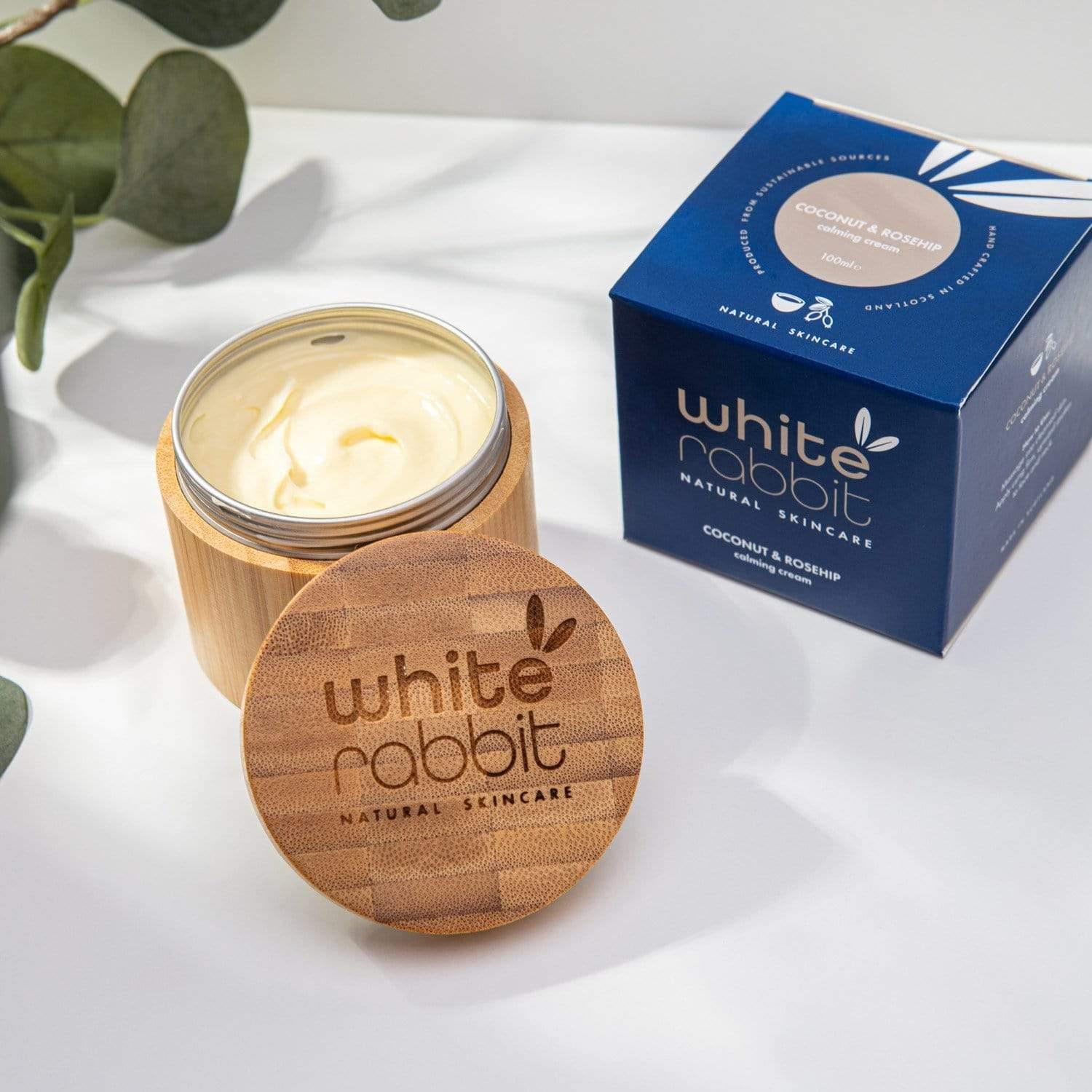
The evolution of skincare brands reflects our growing understanding of both skin science and ethical responsibility, creating an exciting landscape where effective results align with conscious values. Whether you're seeking vegan formulations, sustainable packaging, or simply products that work beautifully with your unique skin, the options available in 2026 make it easier than ever to find brands that match your priorities. White Rabbit Skin Care combines these modern values with carefully formulated natural and vegan products designed for different skin types, offering you the transparency, quality, and ethical standards you deserve in your skincare journey.