

Finding the right skincare products can feel overwhelming when you have sensitive skin. Your skin might react to ingredients that others use without any issues, leaving you with redness, itching, or uncomfortable tightness. The good news is that more brands than ever before are creating gentle, effective formulations specifically designed for delicate skin types. Whether you're dealing with rosacea, eczema, or simply reactive skin, choosing skincare brands for sensitive skin with natural, vegan ingredients can make a world of difference to your daily routine and overall skin health.
Understanding What Makes Skin Sensitive
Sensitive skin isn't just one condition but rather a range of responses to various triggers. Your skin might react to certain ingredients, environmental factors, or even stress. Common symptoms include redness, burning sensations, dryness, and occasional breakouts that aren't quite acne.
The skin's barrier function plays a crucial role in sensitivity. When this protective layer becomes compromised, irritants can penetrate more easily, causing inflammation and discomfort. This is why selecting skincare brands for sensitive skin becomes essential rather than optional.
Key Triggers to Avoid
When shopping for products, you'll want to steer clear of common irritants that can wreak havoc on delicate skin:
- Synthetic fragrances and perfumes
- Harsh sulfates like SLS and SLES
- Alcohol-based formulations
- Artificial colors and dyes
- Aggressive exfoliating acids in high concentrations
Natural and vegan formulations often exclude these problematic ingredients by default, making them excellent choices for those with reactive skin. The rules for sensitive skin care emphasize simplicity and gentle ingredients above all else.

What to Look for in Skincare Brands for Sensitive Skin
Not all products labeled "gentle" or "for sensitive skin" live up to their promises. Knowing what ingredients actually benefit your skin helps you make informed choices that won't lead to disappointment or flare-ups.
Beneficial Ingredients for Sensitive Skin
The best skincare brands for sensitive skin incorporate soothing, nourishing ingredients that support your skin's natural functions:
Ceramides strengthen the skin barrier and help retain moisture, reducing sensitivity over time. Niacinamide is a multitasking ingredient that calms inflammation whilst improving skin texture. Research shows that niacinamide serums can benefit sensitive skin when formulated properly.
Hyaluronic acid provides hydration without heaviness or irritation. Colloidal oatmeal has been used for generations to soothe irritated skin. Aloe vera offers cooling, anti-inflammatory benefits that feel immediately comforting.
Plant-based oils deserve special mention. When selecting products, look for formulations containing gentle oils that nourish without clogging pores. The best face oils can transform dry, sensitive skin when chosen carefully.
Natural vs. Synthetic: What Works Better?
| Aspect | Natural Ingredients | Synthetic Ingredients |
|---|---|---|
| Sensitization Risk | Generally lower | Can be higher with certain chemicals |
| Environmental Impact | More sustainable | Often petroleum-derived |
| Effectiveness | Proven through centuries | Clinically tested |
| Skin Barrier Support | Works with skin's biology | May disrupt natural balance |
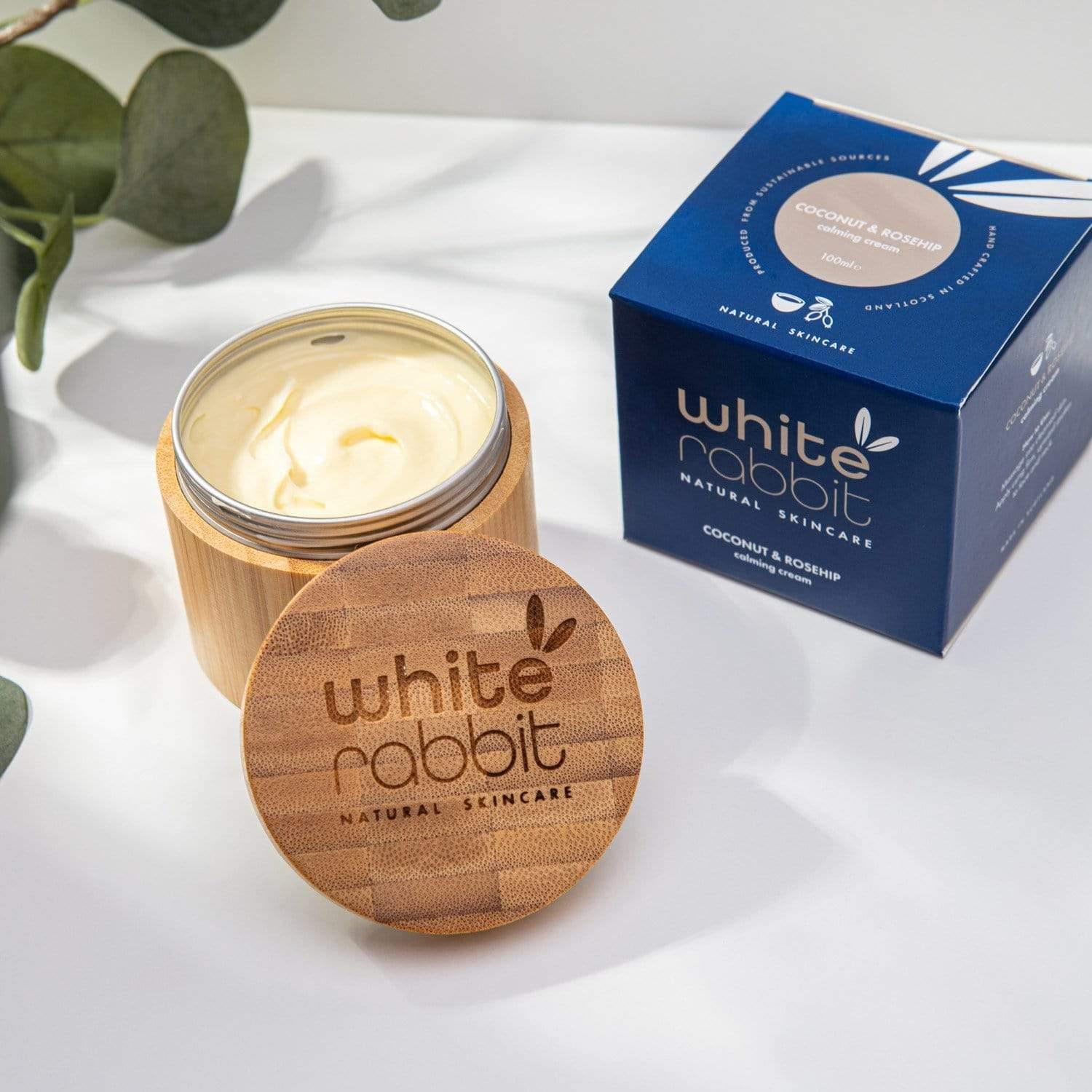
Natural, vegan skincare often wins out for sensitive skin types because these formulations work in harmony with your skin's existing systems. At White Rabbit Skin Care, products are specifically crafted with natural ingredients that respect your skin's delicate balance.
Top Product Categories for Sensitive Skin
Building a gentle routine means choosing the right products in each category. Let's explore what works best for reactive skin types.
Cleansers That Won't Strip Your Skin
Cleansing is non-negotiable, but harsh cleansers can destroy your skin barrier in seconds. The solution? Cream-based or oil-based cleansers that remove impurities whilst maintaining your skin's natural moisture.
Cream cleansers are particularly excellent for sensitive skin because they don't foam aggressively. Foaming action often comes from sulfates, which can be extremely drying and irritating.
Look for cleansers with:
- A creamy or milky texture
- No sulfates or harsh surfactants
- Added moisturizing ingredients
- Minimal fragrance or fragrance-free formulations
- pH-balanced formulas (around 5.5)
Many cleansers designed for sensitive skin incorporate soothing botanical extracts that calm whilst they clean, making the entire experience more comfortable for reactive skin.
Toners for Balance Without Irritation
Toners have evolved dramatically over the past decade. Gone are the astringent, alcohol-heavy formulas that left skin feeling tight. Modern toners for sensitive skin focus on hydration and barrier support.
The ideal toner should feel like a drink of water for your skin. Ingredients like rose water, chamomile, and glycerin provide hydration whilst preparing your skin for the products that follow. Exploring different toner options helps you find the perfect match for your skin's needs.

Moisturisers That Protect and Repair
Moisturizing is arguably the most important step for sensitive skin. A quality moisturiser creates a protective seal over your skin, locking in hydration and keeping irritants out.
For daytime, choose lighter formulations with SPF protection. Sun exposure can worsen sensitivity, so broad-spectrum protection is essential. For nighttime, richer creams containing ceramides and fatty acids help repair your skin barrier whilst you sleep.
The texture matters tremendously. Some people with sensitive skin prefer gel-creams, whilst others find traditional creams more comforting. Testing different moisturisers helps you discover what your skin loves most.
Vegan and Natural: The Perfect Match for Sensitive Skin
Plant-based skincare has moved from niche to mainstream, and for good reason. Vegan formulations often exclude common irritants found in conventional products, making them naturally suited to sensitive skin types.
Why Vegan Ingredients Work
Animal-derived ingredients can sometimes trigger reactions in sensitive skin. Lanolin, for example, is a common allergen despite being "natural." Vegan alternatives often prove gentler and more sustainable.
Plant extracts bring concentrated benefits without the ethical concerns. Ingredients like green tea extract, calendula, and sea buckthorn oil deliver powerful antioxidants and soothing properties that sensitive skin craves.
Sustainability also matters when choosing skincare brands for sensitive skin. Products that respect the planet tend to respect your skin too, using cleaner extraction methods and avoiding harmful pesticides that can leave residues in ingredients.
Building a Complete Vegan Routine
Creating a routine with vegan products doesn't mean sacrificing effectiveness. Here's a simple framework:
| Morning | Evening |
|---|---|
| Gentle cream cleanser | Oil-based cleanser (if wearing makeup) |
| Hydrating toner | Gentle cream cleanser |
| Vitamin C serum (gentle formula) | Hydrating toner |
| Lightweight moisturizer with SPF | Treatment serum (niacinamide or ceramides) |
| Rich night cream |
This structure provides everything your skin needs without overwhelming it with too many steps or active ingredients. Simplicity often produces the best results for sensitive skin.
Common Mistakes When Choosing Products
Even with the best intentions, it's easy to make choices that backfire on sensitive skin. Avoiding these common pitfalls saves you time, money, and frustration.
Over-Exfoliating Delicate Skin
Exfoliation promises glowing skin, but aggressive scrubbing or strong acids can devastate sensitive skin types. Physical exfoliants with rough particles create micro-tears, whilst chemical exfoliants in high concentrations cause irritation and peeling.
If you exfoliate, do so gently and infrequently. Once weekly is often sufficient. Choose lactic acid over glycolic acid, as it's gentler whilst still being effective. Better yet, rely on gentle enzymatic exfoliants that dissolve dead skin cells without abrasion.
Mixing Too Many Active Ingredients
The skincare industry loves to promote "actives" like retinol, vitamin C, and various acids. Whilst these ingredients have their place, using too many simultaneously overwhelms sensitive skin.
Start with one active ingredient at a time. Give your skin at least four weeks to adjust before introducing something new. This patient approach helps you identify what works and what causes problems.
Ignoring Patch Testing
We know patch testing feels tedious, but it's absolutely essential for sensitive skin. Apply a small amount of any new product to your inner arm or behind your ear for 24-48 hours before using it on your face.
Even products from trusted skincare brands for sensitive skin can occasionally cause reactions. Individual skin chemistry varies tremendously, so what works beautifully for someone else might not suit you.
Reading Labels Like a Pro
Understanding ingredient lists empowers you to make better choices. Labels can seem intimidating, but they follow predictable patterns once you know what to look for.
Ingredient Order Matters
Ingredients are listed by concentration, with the highest amounts first. If you see water (aqua) listed first, followed by several alcohols, that product is primarily alcohol despite any beneficial ingredients further down the list.
Look for beneficial ingredients in the first five to seven items. This ensures you're getting meaningful concentrations rather than trace amounts added for marketing purposes.
Certifications Worth Seeking
Several certifications indicate higher standards and gentler formulations:
- Vegan Society certification guarantees no animal ingredients or testing
- Soil Association organic ensures high-quality plant ingredients
- Leaping Bunny confirms cruelty-free practices throughout the supply chain
- Dermatologically tested indicates professional assessment for skin safety
These certifications aren't just marketing. They represent third-party verification that products meet specific standards, giving you confidence in your choices.

Seasonal Adjustments for Sensitive Skin
Your skin's needs change throughout the year, and sensitive skin types notice these shifts more acutely. Adapting your routine prevents unnecessary irritation and keeps your skin comfortable year-round.
Winter Care Strategies
Cold weather and indoor heating create a double challenge. The air becomes incredibly dry, pulling moisture from your skin and compromising your barrier function.
During winter months, switch to richer moisturisers and consider adding a facial oil as the final step in your routine. This creates an occlusive layer that prevents trans-epidermal water loss. Don't forget that proper skincare for sensitive skin includes protecting against environmental stressors.
Summer Considerations
Heat and humidity bring different challenges. You might need lighter formulations, but don't sacrifice protection. Sensitive skin often reacts poorly to sun exposure, making daily SPF absolutely essential.
Look for mineral sunscreens containing zinc oxide or titanium dioxide rather than chemical filters, which can irritate reactive skin. Gentle formulations provide broad-spectrum protection without stinging or causing breakouts.
Professional Recommendations vs. Personal Experience
Dermatologists offer valuable guidance, but your personal experience with products ultimately determines what works best. This balance between expert advice and individual response shapes successful skincare routines.
When to Consult Professionals
Persistent redness, severe reactions, or conditions like rosacea and eczema warrant professional consultation. Dermatologists can prescribe targeted treatments and help identify specific triggers you might not recognize on your own.
That said, many people with mildly sensitive skin manage beautifully with dermatologist-recommended products available without prescription. Finding the right balance means knowing when to seek help and when to trust your own observations.
Keeping a Skin Journal
Tracking your skin's responses helps identify patterns and triggers. Note new products, weather changes, stress levels, dietary shifts, and how your skin looks and feels each day.
After several weeks, patterns emerge. You might notice that your skin flares up three days after introducing a new product, or that certain foods correlate with increased sensitivity. This information becomes invaluable for making future decisions.
Budget-Friendly Options That Actually Work
Effective skincare for sensitive skin doesn't require spending a fortune. Several brands offer excellent formulations at accessible price points, proving that quality doesn't always mean luxury pricing.
Finding Value Without Compromising Quality
High prices don't guarantee better results. Many affordable brands invest in research and quality ingredients rather than expensive packaging and marketing campaigns. The key is knowing which inexpensive skin care brands prioritize formulation over flash.
Look for brands that focus on:
- Simple, effective ingredient lists
- Minimal packaging waste
- Direct-to-consumer models that reduce costs
- Transparent sourcing and manufacturing
- Products that serve multiple purposes
Concentrated serums often provide better value than large bottles of products with minimal active ingredients. A little goes a long way when ingredients are properly formulated.
Building Your Routine Gradually
You don't need every product immediately. Start with three essentials: cleanser, moisturiser, and SPF. Once these basics work well, gradually add targeted treatments as your budget allows.
This staged approach also benefits your skin, preventing overwhelm from too many new products simultaneously. It's far better to have three products that work perfectly than ten that cause confusion and potential reactions.
Long-Term Success With Sensitive Skin
Managing sensitive skin is a marathon, not a sprint. Building sustainable habits and choosing reliable skincare brands for sensitive skin creates lasting results rather than quick fixes that ultimately disappoint.
Consistency Over Novelty
The skincare industry constantly promotes new miracle ingredients and trending products. Whilst innovation has value, constantly changing your routine prevents your skin from stabilizing and healing.
Once you find products that work, stick with them. Your skin thrives on consistency. The real magic happens when you use the same gentle products daily over months and years, allowing your skin barrier to strengthen and your sensitivity to decrease.
Celebrating Small Improvements
Sensitive skin rarely transforms overnight. Instead, look for gradual improvements: fewer reaction days, less redness, better texture, increased comfort throughout the day.
These incremental changes add up to significant transformation over time. Documenting your progress with photos helps you see improvements that might otherwise go unnoticed in daily life.
The Role of Lifestyle in Skin Sensitivity
Products matter enormously, but they're just one piece of the puzzle. Your overall lifestyle significantly impacts how your skin behaves and responds to treatments.
Stress Management and Skin Health
Stress triggers inflammatory responses throughout your body, including your skin. When you're stressed, your skin becomes more reactive and less resilient. Incorporating stress-reduction practices like meditation, exercise, or creative hobbies benefits your skin as much as any serum.
Sleep quality also affects sensitivity. During deep sleep, your skin undergoes repair processes that strengthen your barrier and reduce reactivity. Prioritizing seven to nine hours of quality sleep supports your skincare efforts tremendously.
Dietary Considerations
While food sensitivities vary individually, certain dietary patterns support skin health. Omega-3 fatty acids from sources like flaxseeds and walnuts help reduce inflammation. Antioxidant-rich fruits and vegetables provide building blocks for healthy skin cells.
Staying hydrated matters too. When you're dehydrated, your skin becomes more vulnerable to irritation and damage. Drinking adequate water throughout the day supports every skincare product you apply.
Environmental Protection
Beyond SPF, protecting your skin from environmental stressors preserves its health. Pollution, extreme temperatures, and dry indoor air all challenge sensitive skin. Using a humidifier in winter, seeking shade during peak sun hours, and cleansing thoroughly after exposure to pollution help maintain your skin's resilience.
Choosing the right skincare brands for sensitive skin transforms your daily routine from a source of anxiety to genuine self-care. Natural, vegan formulations offer gentle effectiveness without compromising results, supporting your skin's health whilst respecting both your values and the planet. If you're ready to experience the difference that thoughtfully crafted, natural skincare can make, explore the range at White Rabbit Skin Care, where every product is designed with sensitive skin in mind. Your journey to calmer, healthier skin starts with making choices that truly support your skin's unique needs.