

Skin Products UK: Your Complete Guide for 2026
Finding the right skin products UK brands offer can feel overwhelming when faced with endless options across high street shops, pharmacies, and online marketplaces. Whether you're seeking vegan formulations, natural ingredients, or solutions for specific skin concerns, understanding what makes quality skincare truly effective is essential. The British skincare market has evolved dramatically, with consumers now prioritising transparency, sustainability, and ethical practices alongside proven results. This guide will help you navigate the world of skin products available in the UK, empowering you to make informed choices that align with your values and skin needs.
Understanding the UK Skincare Regulatory Landscape
The skin products UK market operates under strict regulatory frameworks designed to protect consumers. Following Brexit, Great Britain has maintained robust standards through UK government guidance on cosmetics regulation, which ensures every product meets safety requirements before reaching shelves.
Key regulatory requirements include:
- Mandatory safety assessments by qualified professionals
- Product Information Files (PIF) documentation
- Responsible Person designation for compliance
- Accurate labelling with ingredient lists (INCI nomenclature)
- Notification to the Office for Product Safety and Standards
The 2024 updates to UK restrictions on chemicals in cosmetic products reflect Britain's commitment to consumer safety, particularly regarding preservatives, UV filters, and colourants. These legal frameworks mean that reputable skin products UK companies invest heavily in compliance, testing, and transparency.
For consumers, this regulatory environment provides assurance. When you purchase from established British brands committed to natural and vegan formulations, you're benefiting from these stringent safety standards whilst supporting ethical practices.
The Rise of Vegan and Natural Skincare in Britain
British consumers have driven remarkable growth in vegan and natural skin products UK-wide, with the market expanding by over 35% since 2023. This shift reflects deeper awareness about ingredient sourcing, animal welfare, and environmental impact.
What Makes Skincare Truly Vegan?
Vegan skincare excludes all animal-derived ingredients and by-products. Common non-vegan ingredients to avoid include:
- Beeswax and honey (bee-derived)
- Lanolin (sheep's wool grease)
- Carmine (crushed insects for red pigment)
- Collagen and elastin (typically from animal tissue)
- Squalene (often from shark liver, though plant alternatives exist)
Beyond ingredients, genuinely ethical brands ensure their entire supply chain avoids animal testing. The UK banned animal testing for cosmetics in 1998, but choosing products from best non-toxic skincare brands guarantees no testing occurred anywhere globally.
Natural Ingredients That Deliver Results
Natural doesn't mean ineffective. Plant-based ingredients offer powerful benefits:
| Natural Ingredient | Primary Benefits | Skin Types |
|---|---|---|
| Rosehip Oil | Vitamin C, regeneration, scarring | All, especially mature |
| Jojoba Oil | Sebum-like structure, balancing | Combination, oily |
| Shea Butter | Deep moisturisation, barrier repair | Dry, sensitive |
| Aloe Vera | Soothing, anti-inflammatory | Sensitive, irritated |
| Green Tea Extract | Antioxidants, calming | All types |
When exploring natural skin brands available across the UK, look for transparency about ingredient sourcing and processing methods. Cold-pressed oils and minimally processed botanicals typically retain more beneficial compounds than heavily refined alternatives.
Addressing Different Skin Types and Concerns
The most effective skin products UK consumers can choose are those specifically formulated for their unique skin type. Generic "one-size-fits-all" approaches rarely deliver optimal results.
Sensitive Skin Solutions
Approximately 60% of British adults report having sensitive skin at some point, making this a priority concern for many seeking skin products UK brands create. Sensitive skin requires gentle formulations that avoid common irritants.
Essential considerations for sensitive skin:
- Fragrance-free formulations (even natural fragrances can trigger reactions)
- Minimal ingredient lists to reduce exposure to potential allergens
- pH-balanced products that respect skin's natural acid mantle
- Hypoallergenic and dermatologically tested options
The NHS guidance on emollients provides valuable information about moisturisers suitable for sensitive and eczema-prone skin. Research from the Cochrane review on skin-care interventions demonstrates that regular moisturiser use can help prevent eczema flare-ups, particularly in those predisposed to the condition.
For those managing contact dermatitis or allergic reactions, Allergy UK's resource on cosmetic allergies offers practical guidance about identifying triggers and managing symptoms. Our guide to sensitive face products explores specific formulations designed for reactive complexions.
Dry and Dehydrated Skin
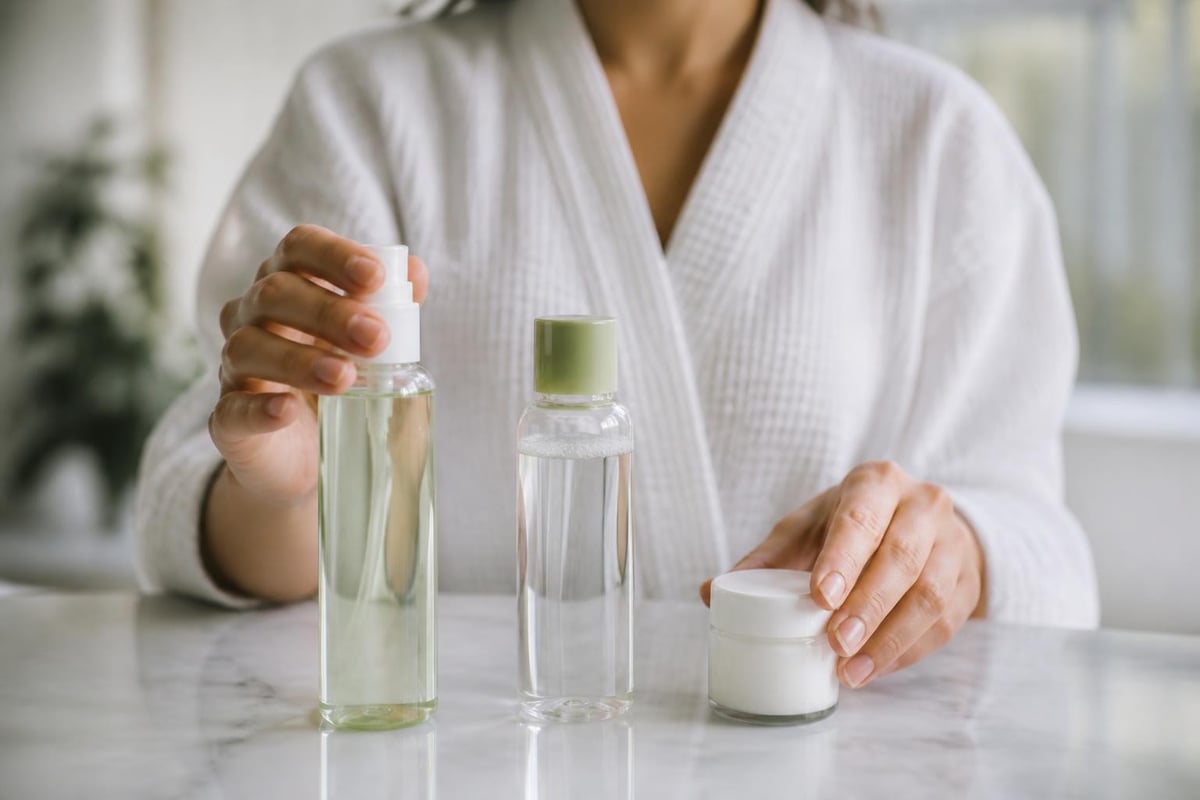
Britain's climate can be particularly harsh on dry skin, with cold winters and indoor heating stripping moisture from the complexion. Effective hydration requires both humectants (which draw water into skin) and occlusives (which seal moisture in).
Layering for maximum hydration:
- Cleanse with oil-based or cream cleansers that don't strip natural oils
- Tone with hydrating, alcohol-free formulas containing glycerin or hyaluronic acid
- Moisturise with rich creams containing ceramides and nourishing plant oils
- Protect with SPF during daytime (yes, even in cloudy Britain!)
Academic research on ceramide-containing moisturisers for atopic dermatitis shows these lipid molecules significantly improve skin barrier function and reduce water loss. Many vegan skin products UK brands now incorporate plant-derived ceramides for similar benefits.
For those with dry, sensitive skin, choosing products specifically formulated for this combination addresses both concerns simultaneously.
Combination and Oily Skin
Combination skin presents unique challenges, requiring balanced formulations that hydrate dry areas without overwhelming oily zones. The T-zone (forehead, nose, chin) typically produces more sebum than cheeks.
Contrary to popular belief, oily skin still needs moisturisation. Skipping this step can trigger increased oil production as skin tries to compensate for perceived dryness. Light, gel-based moisturisers or those containing jojoba oil (which closely mimics skin's natural sebum) work beautifully for combination skin types.
Building an Effective Skincare Routine
The skin products UK enthusiasts swear by often work best when used as part of a consistent, well-structured routine rather than as standalone miracle workers.
Morning Routine Essentials
Your morning routine should focus on protection and preparation for the day ahead:
- Gentle cleansing to remove overnight sebum and product residue
- Hydrating toner to balance pH and prep skin for treatments
- Lightweight moisturiser appropriate for your skin type
- SPF protection (minimum SPF 30, broad spectrum)
Even in the UK's often overcast climate, UV protection remains crucial. The Which? testing standards for sun creams demonstrate the rigorous evaluation quality sunscreens undergo, ensuring they deliver on SPF claims.
Evening Routine for Repair
Night-time is when skin enters repair mode, making your evening routine particularly important:
- Double cleanse if wearing makeup or sunscreen (oil-based cleanser followed by water-based)
- Treatment products targeting specific concerns (serums, spot treatments)
- Richer moisturiser to support overnight barrier repair
- Eye cream if desired for targeted delicate-area care
The British Association of Dermatologists' guidance on topical corticosteroids is valuable for anyone using prescription treatments alongside their regular routine, ensuring compatibility and proper application timing.
Navigating Online Marketplaces Safely
Whilst online shopping offers convenience and variety, it also presents risks when seeking skin products UK sellers offer through third-party platforms.
The Counterfeit Product Problem
A Which? investigation into counterfeit cosmetics found that at least two-thirds of products purchased from certain online marketplaces may be fake. These counterfeits pose serious health risks, potentially containing:
- Heavy metals like lead and mercury
- Banned substances not permitted in UK cosmetics
- Bacterial contamination from unhygienic manufacturing
- Incorrect ingredient listings that hide allergens
Protecting yourself when shopping online:
- Purchase directly from brand websites whenever possible
- Check seller ratings and reviews thoroughly
- Be wary of prices significantly below RRP
- Verify authenticity through batch codes when products arrive
- Report suspicious listings to trading standards
Buying from established UK skincare brands through their official channels eliminates these risks whilst supporting British businesses committed to ethical practices.
Ingredient Transparency and Label Reading
Understanding what's actually in your skin products UK brands create empowers better purchasing decisions. The INCI (International Nomenclature of Cosmetic Ingredients) system standardises ingredient names globally, though it can seem daunting initially.
Decoding Common Ingredients
| INCI Name | Common Name | Function | Concerns |
|---|---|---|---|
| Aqua | Water | Solvent | None |
| Glycerin | Glycerine | Humectant | None (unless allergic) |
| Sodium Hyaluronate | Hyaluronic Acid | Hydration | None |
| Tocopherol | Vitamin E | Antioxidant | Rare sensitivity |
| Phenoxyethanol | Phenoxyethanol | Preservative | Generally safe, some avoid |
Ingredients appear in descending order by concentration, with those making up more than 1% listed first. Anything below 1% can appear in any order, which is why active ingredients sometimes appear near the end despite their importance.
What to Avoid
Whilst regulations protect consumers, some prefer avoiding certain legal ingredients due to personal values or sensitivity concerns:
- Parabens (methylparaben, propylparaben) - preservatives some choose to avoid
- Synthetic fragrances - listed as "parfum" or "fragrance", potential irritants
- Sulphates (SLS, SLES) - harsh surfactants that can strip skin
- Silicones (ingredients ending in -cone or -siloxane) - some prefer natural alternatives
- Mineral oils and petrolatum - petroleum-derived, though considered safe
Many seeking inexpensive skin care options worry that affordable means compromised quality, but numerous UK brands prove you can have both ethics and value.
Seasonal Skincare Adjustments
The skin products UK residents need often vary throughout the year as weather conditions fluctuate dramatically between seasons.
Winter Skincare Strategy
British winters demand richer formulations and extra protection:
- Switch to cream cleansers that won't strip moisture
- Layer hydrating serums under thicker moisturisers
- Incorporate facial oils for added barrier support
- Don't neglect SPF (UV rays penetrate clouds)
- Use overnight masks weekly for intensive repair
Central heating and cold winds create the perfect storm for dehydrated, sensitised skin. Our body products collection includes intensively nourishing options for when your skin needs extra TLC.
Summer Adjustments
Warmer months allow lighter textures whilst requiring diligent sun protection:
- Gel or lotion cleansers for thorough cleansing without heaviness
- Lightweight, water-based moisturisers
- Higher SPF with more frequent reapplication
- Antioxidant serums to combat increased UV exposure
- Gentle exfoliation to manage increased perspiration
Sustainable and Ethical Considerations
Beyond personal skin health, the skin products UK consumers choose increasingly reflect environmental and ethical values.
Packaging Innovation
Sustainable brands are revolutionising packaging through:
- Refillable containers that reduce single-use plastic
- Recycled and recyclable materials across all packaging elements
- Minimal packaging eliminating unnecessary outer boxes
- Biodegradable options for unavoidable disposable elements
- Concentrated formulas requiring less packaging and transport
Many best-selling skin care products now prioritise sustainability without compromising effectiveness, proving environmental responsibility and quality aren't mutually exclusive.
Cruelty-Free Certification
Whilst UK law prohibits animal testing for cosmetics, finished products sold here may have been tested elsewhere. Look for:
- Leaping Bunny certification (the gold standard)
- PETA cruelty-free approval
- Vegan Society trademark
- Brand statements about global policies
Companies genuinely committed to animal welfare maintain these standards across all markets, not just where legally required.
Price Points and Value
The spectrum of skin products UK market offers ranges from budget-friendly high street options to luxury formulations. Understanding what drives pricing helps determine genuine value.
What Influences Cost?
Several factors affect skincare pricing:
Research and development - Innovative formulations require significant investment in testing and refinement
Ingredient quality - Organic certification, fair trade sourcing, and rare botanicals increase costs
Manufacturing scale - Small-batch production costs more per unit than mass manufacturing
Marketing and packaging - Premium presentation and advertising campaigns add expense
Brand positioning - Heritage, prestige, and exclusivity influence pricing strategy
Interestingly, research shows that effective skin care products aren't always the most expensive. Many mid-range brands deliver clinical results through smart formulation rather than luxury pricing.
Finding Your Sweet Spot
Determine value by considering:
- Ingredient concentration and quality
- Multi-use versatility (products serving multiple purposes)
- How long the product lasts with regular use
- Brand transparency and ethics
- Your specific skin needs and budget
The best selling skin products often occupy the mid-range category, offering proven formulations at accessible prices.
Product Categories Explained
Understanding different product types helps build an effective routine using skin products UK brands specialise in.
Cleansers
| Type | Best For | Texture | Key Benefits |
|---|---|---|---|
| Oil Cleanser | Dry, removing makeup | Liquid oil | Dissolves sebum, gentle |
| Cream Cleanser | Dry, sensitive | Rich cream | Non-stripping, nourishing |
| Gel Cleanser | Oily, combination | Clear gel | Refreshing, thorough |
| Foam Cleanser | Oily | Light foam | Deep cleansing, mattifying |
| Balm Cleanser | All types | Solid to oil | Luxurious, effective |
Browse specialised cleansers formulated for different skin needs and preferences.
Toners
Modern toners have evolved far beyond the astringent, alcohol-heavy formulas of the past. Today's toners serve multiple purposes:
- Rebalancing skin pH after cleansing
- Delivering hydration and active ingredients
- Prepping skin for better serum absorption
- Providing gentle exfoliation (acid toners)
- Soothing and calming reactive skin
Moisturisers
The cornerstone of any routine, moisturisers come in various formulations:
Creams offer rich, emollient textures ideal for dry skin or night-time use
Lotions provide lighter hydration suitable for normal to combination skin
Gels deliver oil-free moisture perfect for oily or acne-prone complexions
Balms create protective barriers for extremely dry or compromised skin
Choose based on your skin type, climate, and time of day for optimal results.
Professional vs At-Home Care
Whilst professional treatments have their place, the daily skin products UK consumers use at home deliver the most significant long-term results through consistent application.
When to See a Dermatologist
Seek professional advice for:
- Persistent acne unresponsive to over-the-counter treatments
- Sudden changes in skin texture or appearance
- Suspicious moles or lesions
- Severe reactions to products
- Chronic conditions like rosacea or eczema
Professional guidance ensures serious concerns receive appropriate medical attention rather than relying solely on cosmetic solutions.
Maximising At-Home Results
Your daily routine matters more than occasional professional treatments:
- Consistency trumps complexity - simple routines performed daily outperform elaborate ones used sporadically
- Patience is essential - most products require 6-8 weeks to show visible results
- Less can be more - using fewer, well-chosen products often works better than layering many
- Night-time is crucial - skin repairs itself during sleep, making evening routines particularly important
Shopping Smart for Skin Products UK
Making informed purchasing decisions involves more than reading marketing claims.
Questions to Ask Before Buying
Does this address my specific skin concerns? Generic products rarely outperform targeted formulations.
Are the key ingredients present in effective concentrations? Ingredients appearing at the end of the list may be too diluted to work.
Does this fit my existing routine? New products should complement, not contradict, what you're already using.
What's the brand's ethical stance? For many, vegan, cruelty-free, and sustainable credentials matter as much as efficacy.
Can I access reviews from verified purchasers? Real user experiences provide valuable insights beyond marketing materials.
Trial and Sample Options
Many brands offer samples and sets allowing you to test products before committing to full sizes. This approach:
- Reduces waste from products that don't suit your skin
- Allows testing for allergic reactions or sensitivity
- Helps determine whether you actually enjoy using the product
- Provides travel-friendly options for maintaining routines away from home
Some companies even offer money-back guarantees, demonstrating confidence in their formulations whilst reducing purchase anxiety.
The Future of UK Skincare
Innovation continues transforming the skin products UK market offers, with exciting developments on the horizon.
Biotechnology and fermentation are creating powerful active ingredients through sustainable processes rather than traditional extraction methods.
Personalisation technology enables brands to formulate products tailored to individual skin profiles, moving beyond broad skin-type categories.
Waterless formulations concentrate active ingredients whilst dramatically reducing environmental impact through eliminated water content and lighter shipping.
Microbiome-friendly products support skin's beneficial bacteria rather than disrupting the delicate ecosystem through harsh ingredients.
Transparent supply chains utilising blockchain technology allow consumers to trace every ingredient from source to finished product.
These innovations promise more effective, sustainable, and personalised skin products UK consumers can feel confident using and recommending.
Navigating the vast world of skin products UK brands offer becomes manageable when you understand your skin type, prioritise ingredient transparency, and choose companies aligned with your values. Whether you're seeking vegan formulations, sensitive skin solutions, or simply effective daily essentials, quality British skincare combines scientific rigour with ethical practices. White Rabbit Skin Care embodies this approach, offering natural, vegan products crafted with care for every skin type. Explore our range today and discover the difference thoughtfully formulated, cruelty-free skincare can make to your complexion and confidence.