


Skin Products for Sensitive Skin: Your Complete Guide
Finding the right skin products for sensitive skin can feel like navigating a minefield. One wrong ingredient and you're dealing with redness, itching, or breakouts that take days to settle. We understand how frustrating it is when your skin reacts to yet another 'gentle' product that promised the world but delivered irritation instead. The good news? With the right knowledge about ingredients, formulations, and routines, you can build a skincare regimen that works harmoniously with your delicate complexion rather than against it.
Understanding Sensitive Skin and Its Unique Needs
Sensitive skin isn't just a marketing term. It's a genuine condition where your skin's protective barrier is compromised, making it more reactive to environmental factors, ingredients, and even temperature changes.
Your skin might be sensitive if you experience:
- Redness or flushing after using new products
- Tightness or discomfort, especially after cleansing
- Burning or stinging sensations
- Dry patches that resist moisturizing
- Reactions to fragrances or certain ingredients
The underlying issue often comes down to barrier function. When your skin's protective layer is weakened, irritants penetrate more easily, triggering inflammatory responses. This is why choosing skin products for sensitive skin requires a thoughtful approach focused on strengthening that barrier whilst avoiding known irritants.
The Science Behind Sensitivity
Your skin barrier consists of skin cells held together by lipids (fats) that form a protective seal. When this seal is compromised, trans-epidermal water loss increases, and your skin becomes vulnerable to allergens, bacteria, and irritants. Natural skin care approaches can support barrier repair through ingredients like ceramides, fatty acids, and plant-based oils that mimic your skin's natural composition.
Essential Ingredients to Seek Out
Not all ingredients are created equal when it comes to sensitive skin. Some actively soothe and repair, whilst others might seem gentle but cause problems over time.
Beneficial Ingredients for Reactive Skin
| Ingredient | Primary Benefit | Why It Works |
|---|---|---|
| Aloe Vera | Anti-inflammatory | Contains polysaccharides that calm irritation |
| Chamomile | Soothing | Rich in bisabolol and chamazulene |
| Oat Extract | Barrier Repair | Provides beta-glucans and avenanthramides |
| Rosehip Oil | Regenerative | High in essential fatty acids and vitamin A |
| Hyaluronic Acid | Hydration | Attracts moisture without irritation |
| Ceramides | Barrier Support | Replenishes natural lipid barrier |
These ingredients form the foundation of effective skin products for sensitive skin. They work with your skin's natural processes rather than forcing change through harsh actives.
Vegan formulations often excel here because plant-based ingredients tend to be less allergenic than their animal-derived counterparts. When you're exploring vegan skin care brands, you'll find they frequently prioritize gentle, nourishing botanicals.
The Power of Simplicity
One of the biggest mistakes people with sensitive skin make is using too many products with too many ingredients. Each additional ingredient increases the risk of a reaction. The most effective gentle skin products often have short ingredient lists featuring well-researched, proven components.
Ingredients That Sensitive Skin Should Avoid
Knowing what to avoid is just as important as knowing what to seek. Certain ingredients consistently trigger reactions in sensitive skin types, and eliminating them can transform your complexion.
Common irritants to watch for:
- Synthetic fragrances and parfum
- Alcohol (especially denatured alcohol and SD alcohol)
- Sodium lauryl sulfate (SLS)
- Harsh preservatives like parabens
- Essential oils (particularly citrus oils)
- Chemical sunscreen filters
- Artificial colorants
The ingredients to avoid in skincare products if you have sensitive skin extend beyond this list, but these represent the most common culprits. Even natural ingredients can cause problems. Whilst we love botanicals, some essential oils are too potent for reactive skin.
The Fragrance Dilemma
Fragrance is the number one cause of contact dermatitis in cosmetics. Even 'natural' fragrances from essential oils can trigger sensitivity. When selecting skin products for sensitive skin, opt for fragrance-free formulations or those scented only with gentle botanical extracts at low concentrations.
This doesn't mean your products need to smell clinical. Many natural ingredients like rosehip, chamomile, and aloe have subtle, pleasant scents without added fragrance.
Building Your Sensitive Skin Routine
A successful routine for sensitive skin follows the principle of less is more. You don't need ten steps – you need the right steps with the right products.
Morning Routine Essentials
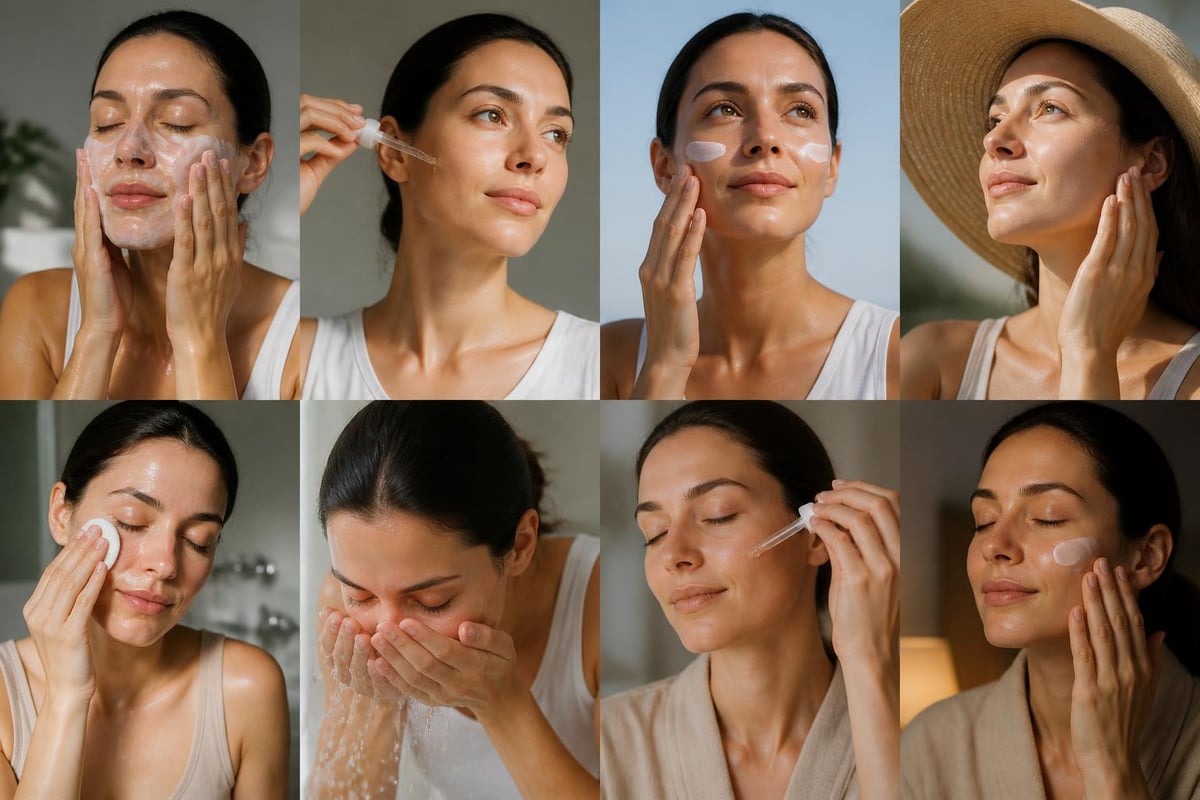
- Gentle Cleanser: Start with a creamy, non-foaming cleanser that removes overnight buildup without stripping
- Hydrating Toner: Apply a soothing, alcohol-free toner to balance pH and prep skin
- Lightweight Moisturiser: Lock in hydration with a barrier-supporting formula
- Mineral SPF: Protect with physical sunscreen rather than chemical filters
Evening Routine Structure
- Cleansing Balm or Oil: Remove makeup and daily grime with nourishing oils
- Second Cleanse (if needed): Follow with your gentle cleanser
- Treatment Toner: Apply calming toner to refresh
- Serum (optional): Use a targeted treatment for specific concerns
- Night Cream: Apply a richer moisturiser to support overnight repair
The face products for sensitive skin you choose should work synergistically. Each product should complement the others rather than competing with different active ingredients that might clash.
Choosing the Right Cleanser
Cleansing is where many people with sensitive skin go wrong. The tight, squeaky-clean feeling? That's actually your skin barrier being compromised.
Types of Cleansers for Sensitive Skin
| Cleanser Type | Best For | Key Benefits |
|---|---|---|
| Cleansing Balm | Removing makeup, dry skin | Oil-based, deeply nourishing |
| Cream Cleanser | Daily morning cleanse | Gentle, hydrating, non-stripping |
| Micellar Water | Quick cleanse, no-rinse option | Minimal contact, very gentle |
| Oil Cleanser | First cleanse, combination skin | Dissolves sebum without drying |
Your cleanser should never leave your skin feeling tight or uncomfortable. If it does, it's too harsh. The glycolic cleanser approach might work for some skin types, but sensitive skin often needs something gentler, particularly if you're dealing with active inflammation.
Double cleansing can work beautifully for sensitive skin when done correctly. Start with an oil-based cleanser or balm to dissolve makeup and sunscreen, then follow with a gentle, creamy second cleanse if needed. This method is actually less irritating than trying to remove everything with one harsh cleanser.
Moisturising Sensitive Skin Properly
Moisturisation is non-negotiable for sensitive skin. Your compromised barrier loses water faster than normal, so you need products that both hydrate and seal in that moisture.
Look for moisturisers that contain:
- Humectants (hyaluronic acid, glycerin) to draw water in
- Emollients (plant oils, shea butter) to soften and smooth
- Occlusives (natural waxes) to prevent water loss
- Barrier-repairing ingredients (ceramides, fatty acids)
The best moisturizer vegan options often combine multiple plant oils that mimic skin's natural lipid profile. Ingredients like rosehip, jojoba, and coconut oil provide essential fatty acids your barrier needs to repair itself.
Day Versus Night Formulations
Your skin has different needs throughout the day. Morning moisturisers should be lighter and work well under sunscreen, whilst evening formulations can be richer to support overnight repair when your skin's regenerative processes are most active.
Consider the coconut rosehip calming cream approach – combining soothing coconut with regenerative rosehip oil for comprehensive support. These combinations provide both immediate comfort and long-term barrier strengthening.
The Role of Serums and Treatments
Serums aren't essential for everyone with sensitive skin, but the right ones can target specific concerns without overwhelming your complexion.
When to Introduce Serums
Start with the basics (cleanser, moisturiser, SPF) and only add serums once your skin is stable and comfortable. If you're experiencing active irritation, now isn't the time to introduce new treatments.
When you're ready, choose serums with proven calming ingredients:
- Niacinamide (vitamin B3) for redness and barrier support
- Centella asiatica for wound healing and calming
- Peptides for gentle anti-aging without irritation
- Antioxidants like vitamin E for protection
A well-formulated serum delivers concentrated active ingredients in a lightweight format. The key is starting slowly. Introduce one new serum at a time, using it every other day initially to gauge your skin's response.

Natural and Vegan Solutions for Sensitive Skin
The shift toward natural and vegan skincare isn't just a trend. It's a movement driven by people seeking gentler, more sustainable options that align with their values whilst caring for their skin.
Natural skin products for sensitive skin offer several advantages. Plant-based ingredients typically contain fewer synthetic chemicals that might trigger reactions. They're also rich in antioxidants, vitamins, and minerals that nourish skin whilst protecting it from environmental stress.
Why Vegan Formulations Work Well
Vegan skincare excludes common allergens like lanolin, beeswax, and collagen derived from animals. Many people with sensitive skin find they react to these ingredients, making non-toxic skincare brands that focus on plant-based formulations a safer choice.
The best cruelty-free moisturiser options demonstrate that ethical production and effective skincare aren't mutually exclusive. You can have products that work beautifully whilst respecting both your skin and your values.
Testing New Products Safely
Even the gentlest skin products for sensitive skin can cause reactions if introduced incorrectly. Smart testing protocols help you identify problem products before they cause widespread irritation.
The Patch Test Protocol
- Choose your test site: Inner forearm or behind the ear
- Apply a small amount: Use the product as directed but on a tiny area
- Wait 24-48 hours: Monitor for redness, itching, or irritation
- Check twice daily: Some reactions appear gradually
- Proceed cautiously: If patch test passes, apply to face sparingly
Introduction timeline for new products:
- Week 1: Patch test
- Week 2: Apply to small facial area every other day
- Week 3: Increase to daily use if no reaction
- Week 4+: Incorporate fully into routine
This patient approach might seem tedious, but it prevents the heartbreak of widespread reaction requiring weeks to heal. When building your collection of sensitive face products, methodical testing saves time and distress in the long run.
Seasonal Adjustments for Sensitive Skin
Your skin's needs change with the seasons, and sensitive skin feels these shifts more acutely than resilient skin types.
Winter Skincare Adaptations
Cold air, central heating, and low humidity conspire to dry out sensitive skin during winter months. You'll need richer moisturisers, more frequent application, and possibly occlusive layers like facial oils to prevent moisture loss.
Consider products like the rose and orange night cream that provide intensive overnight hydration when heating systems are working overtime to strip moisture from both air and skin.
Summer Skincare Shifts
| Winter Concern | Summer Concern | Adjustment Needed |
|---|---|---|
| Extreme dryness | Increased oil production | Lighter moisturiser |
| Windburn | Sun sensitivity | Mineral SPF daily |
| Indoor heating | Humidity fluctuations | Balancing toner |
| Barrier damage | Sweat irritation | Gentle cleansing |
Warmer months might allow you to switch to lighter formulations, but don't abandon moisturiser entirely. Sensitive skin always needs hydration and protection, just in different textures depending on climate.
Professional Guidance and Dermatologist-Recommended Options
Whilst many people successfully manage sensitive skin with over-the-counter products, there's no shame in seeking professional help when your skin isn't responding to your best efforts.
Dermatologists can identify underlying conditions like rosacea, eczema, or contact dermatitis that require targeted treatment beyond standard skincare. They can also recommend dermatologist-recommended products for sensitive skin based on clinical testing and proven efficacy.
When to See a Professional
- Persistent irritation lasting more than two weeks
- Reactions that worsen despite gentle products
- Suspected allergic contact dermatitis
- Skin conditions requiring prescription treatment
- Sudden sensitivity in previously normal skin
Professional guidance complements your own research and testing. A dermatologist can help you understand whether your sensitivity stems from compromised barrier function, underlying inflammation, or specific allergies requiring elimination.
Budget-Friendly Options That Work
Effective skin products for sensitive skin don't need to cost a fortune. Whilst some premium brands offer excellent formulations, you can build a successful routine without breaking the bank.
Focus on skin care under 100 by prioritizing the essentials: cleanser, moisturiser, and SPF. Once these foundations are solid, you can gradually add treatments as budget allows.
Budget allocation strategy:
- 30% on cleanser (you use it twice daily)
- 40% on moisturiser (your primary barrier support)
- 20% on SPF (essential protection)
- 10% on treatments (optional enhancements)
The inexpensive skin care brands that focus on simple, effective formulations often serve sensitive skin better than expensive products packed with unnecessary actives. Remember, more ingredients mean more potential irritants.
Creating a Sustainable Skincare Journey
Managing sensitive skin is a marathon, not a sprint. The products and routines that work for you today might need adjustment as your skin changes with age, season, or life circumstances.
Keep a skincare journal noting what you use, how your skin responds, and any environmental or lifestyle factors that might affect your complexion. This record becomes invaluable when identifying triggers or successful combinations.
Building Product Loyalty Wisely
When you find skin products for sensitive skin that work, resist the temptation to constantly experiment with new launches. Product loyalty serves sensitive skin well. That said, don't stick with products that stop working or cause problems just because they worked previously. Your skin evolves, and your routine should too.
The sensitive skin skincare brands that earn long-term loyalty typically maintain consistent formulations rather than constantly reformulating to chase trends. This reliability matters when your skin reacts unpredictably to change.
The Importance of Holistic Care
Your skincare routine exists within the broader context of your overall health and lifestyle. The most effective skin products for sensitive skin work best when supported by healthy habits.
Lifestyle factors affecting sensitive skin:
- Sleep quality (aim for 7-9 hours)
- Stress management (chronic stress triggers inflammation)
- Diet (anti-inflammatory foods support skin health)
- Hydration (water supports barrier function)
- Exercise (promotes circulation and stress relief)
Consider how stress, poor sleep, or inflammatory foods might be sabotaging even the best products. Sometimes the most effective solution isn't a new serum but addressing underlying health factors that compromise your skin's resilience.
The Gut-Skin Connection
Emerging research suggests strong links between gut health and skin conditions. Probiotic foods, adequate fiber, and reduced sugar intake might support your sensitive skin as effectively as topical treatments. This holistic approach recognizes that healthy skin starts from within.
Navigating Marketing Claims
The skincare industry loves making bold claims, particularly when marketing to people with sensitive skin who desperately want solutions. Learning to evaluate products critically protects both your skin and your wallet.
Red flags in product marketing:
- Promises of immediate, dramatic results
- Claims to "cure" sensitivity (it's managed, not cured)
- Ingredient lists longer than a novel
- Reliance on exotic ingredients without proven efficacy
- Pressure to buy complete expensive systems
The dermstore guide to sensitive skin products offers evidence-based advice for evaluating claims and choosing products that deliver on their promises. Look for brands that prioritize transparency, testing, and realistic expectations.
Finding the right skin products for sensitive skin transforms your relationship with skincare from stressful to supportive. By understanding your skin's unique needs, choosing appropriate ingredients, and building a thoughtful routine, you can achieve the calm, comfortable complexion you deserve. White Rabbit Skin Care offers a carefully curated range of natural, vegan products formulated specifically for sensitive and delicate skin types, combining the gentleness your skin needs with the effectiveness you want. Explore their collection to discover how plant-based skincare can work harmoniously with your sensitive complexion.