

Skin Products: Choosing the Right Vegan Skincare for You
Finding the right skin products can feel overwhelming with endless options lining the shelves and countless recommendations flooding our social media feeds. Whether you're dealing with sensitivity, dryness, or simply want to maintain healthy skin, understanding what goes into your skincare routine matters more than ever. The good news? With a bit of knowledge about ingredients, formulations, and your unique skin type, you can build a routine that truly works for you whilst supporting ethical, sustainable brands.
Understanding Your Skin Type and Product Needs
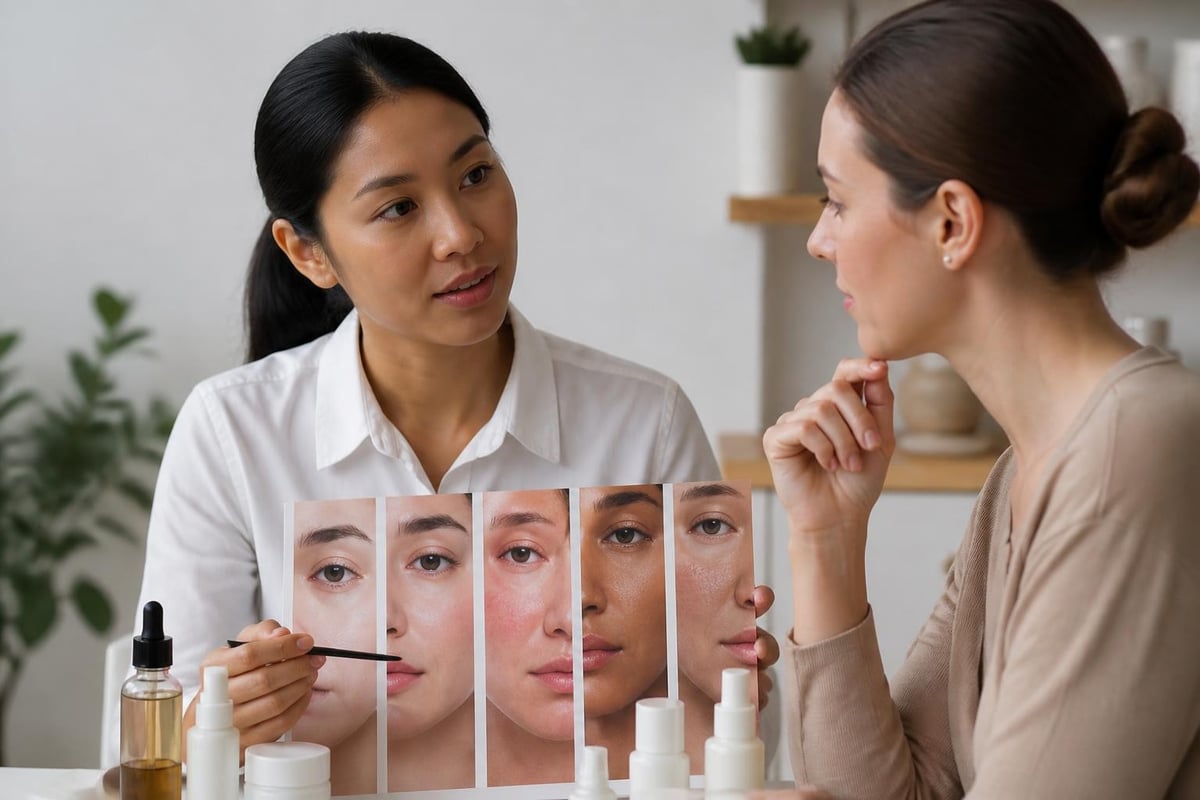
Before diving into the world of skin products, you need to understand your skin type. This fundamental step shapes every purchase decision you'll make.
Skin types generally fall into five categories: normal, oily, dry, combination, and sensitive. Normal skin maintains balanced moisture without excessive oiliness or dryness. Oily skin produces excess sebum, often leading to shine and potential breakouts. Dry skin lacks moisture and may feel tight or flaky. Combination skin features both oily and dry areas, typically with an oily T-zone. Sensitive skin reacts easily to products, showing redness, irritation, or discomfort.
Identifying Your Specific Concerns
Beyond basic skin type, specific concerns require targeted attention:
- Fine lines and ageing: Products with antioxidants and cell-supporting ingredients
- Hyperpigmentation: Formulations addressing uneven skin tone
- Acne-prone skin: Gentle, non-comedogenic options
- Dehydration: Deep moisture replenishment
- Redness and irritation: Soothing, calming formulations
Understanding these nuances helps you select skin products that address your actual needs rather than following trends. The importance of authenticity in natural skincare brands becomes particularly relevant when you're investing in products for specific concerns.
Key Ingredients to Look For in Vegan Skin Products
The ingredient list tells the real story of any skincare product. Natural and vegan formulations offer powerful benefits without animal-derived components or harsh synthetic additives.
Plant-based ingredients have gained scientific backing for their effectiveness. According to WebMD's overview of common skin care product ingredients, many botanical extracts provide results comparable to synthetic alternatives whilst being gentler on skin.
Natural Powerhouses Worth Seeking
| Ingredient | Primary Benefit | Best For |
|---|---|---|
| Hyaluronic Acid | Deep hydration | All skin types |
| Vitamin C | Brightening, antioxidant | Dull, ageing skin |
| Niacinamide | Multi-functional, calming | Sensitive, oily skin |
| Plant Oils | Nourishment, barrier support | Dry, mature skin |
| Aloe Vera | Soothing, healing | Sensitive, irritated skin |
| Green Tea Extract | Antioxidant, anti-inflammatory | Ageing, acne-prone skin |
Peptides are another ingredient class gaining attention in vegan skincare. These amino acid chains support skin's natural processes and can be sourced from plant-based or synthesised materials. For those researching peptides in skincare, companies like Data Peptides provide laboratory-grade options for formulation research, whilst Pure Peptide offers premium quality peptides for various applications including anti-ageing support.
Natural formulations also avoid problematic ingredients like parabens, sulphates, synthetic fragrances, and phthalates. These additives may cause irritation, particularly for those with sensitive skin concerns.
Building Your Essential Skincare Routine
A well-structured routine doesn't require dozens of products. Quality matters far more than quantity when selecting skin products for daily use.
The Core Four-Step Routine
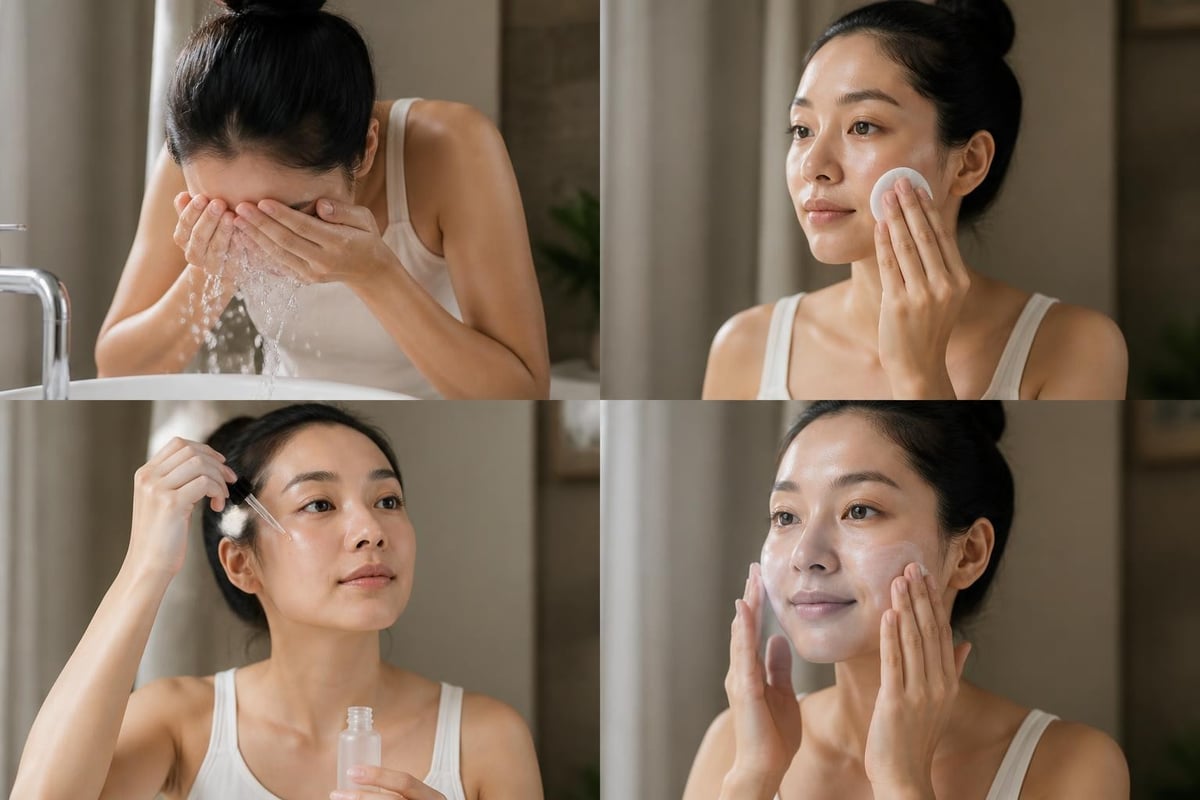
Most skin types thrive with this foundational approach:
- Cleanse: Remove impurities, makeup, and environmental pollutants without stripping natural oils
- Tone: Balance pH levels and prepare skin for better absorption
- Treat: Apply serums or treatments targeting specific concerns
- Moisturise: Lock in hydration and protect the skin barrier
Morning routines should include sun protection, even in the UK's cloudier climate. Evening routines allow for richer treatments and repair-focused products.
For those exploring the best face care products, remember that consistency trumps complexity. Your skin needs time to adapt and show results, typically 4-6 weeks with new products.
Layering Products Correctly
The order matters when using multiple skin products:
- Thinnest to thickest consistency
- Water-based before oil-based
- Active ingredients on clean skin
- Heaviest creams or oils last
This ensures each product penetrates properly and delivers its intended benefits without interference.
Seasonal Adjustments for Your Skin Products
Your skin's needs shift throughout the year, requiring thoughtful adjustments to your product selection.
Winter in the UK brings harsh winds and central heating, both extremely drying. Your skin products during colder months should focus on barrier protection and intense hydration. Richer creams, nourishing oils, and hydrating serums become essential. The Cleveland Clinic's guidance on which skincare products actually work emphasises adjusting routines seasonally for optimal results.
Summer and Warmer Weather Needs
As temperatures rise, skin often produces more oil. Lighter formulations prevent congestion whilst maintaining necessary hydration:
- Gel-based moisturisers instead of heavy creams
- Water-based serums for layering
- Non-comedogenic formulas to prevent breakouts
- Increased focus on antioxidant protection
Spring and autumn serve as transition periods. You might alternate between heavier and lighter products based on daily conditions rather than committing fully to one approach.
Investment-Worthy Versus Budget-Friendly Options
Not all skin products require significant investment, but knowing where to prioritise spending helps maximise results. Kiplinger's expert advice on beauty and skincare spending offers valuable perspective on making informed purchasing decisions.
Where Quality Matters Most
Consider investing in these categories:
- Active serums: High-quality ingredients at effective concentrations deliver visible results
- Eye treatments: The delicate eye area benefits from specialised formulations
- Treatments for specific concerns: Targeted solutions often require premium ingredients
Where You Can Save Sensibly
Basic steps like cleansers and toners don't always need premium price tags. Effective vegan face lotions and cleansers can be found at various price points without compromising on quality or ethics.
| Product Category | Investment Priority | Why |
|---|---|---|
| Serums | High | Concentrated actives, visible results |
| Moisturisers | Medium | Important but effective options available |
| Cleansers | Low-Medium | Function matters more than luxury |
| Toners | Low-Medium | Effective formulas at various prices |
| Treatments | High | Specialised ingredients, targeted results |
Addressing Common Skincare Concerns Naturally
Many people struggle with specific issues that require thoughtful product selection. Natural and vegan skin products offer effective solutions without harsh chemicals.
Managing Sensitivity and Reactivity
Sensitive skin demands extra care when choosing products. Fragrance-free formulations, minimal ingredient lists, and gentle preservative systems reduce reaction risks. Face products for sensitive skin should focus on calming ingredients like chamomile, calendula, and oat extract.
Patch testing new products prevents widespread reactions. Apply a small amount to your inner forearm for 24-48 hours before using on your face.
Tackling Dryness and Dehydration
Dry skin needs both moisture and oils to function optimally. Look for:
- Humectants drawing water into skin (hyaluronic acid, glycerin)
- Emollients softening and smoothing (plant butters, oils)
- Occlusives sealing moisture in (natural waxes, heavier oils)
Harvard Health's insights on skin care and repair highlight the importance of maintaining the skin barrier, particularly for those dealing with chronic dryness.
The Vegan Advantage in Modern Skincare
Plant-based skin products have evolved far beyond basic formulations. Modern vegan skincare matches or exceeds traditional products in efficacy whilst offering ethical and environmental benefits.
Vegan formulations exclude animal-derived ingredients like beeswax, lanolin, collagen, and carmine. Instead, they utilise plant oils, butters, extracts, and bioengineered alternatives that often prove gentler and more sustainable.
Why Choose Vegan Skin Products
The benefits extend beyond ethics:
- Reduced irritation: Plant-based ingredients typically cause fewer reactions than animal derivatives
- Environmental sustainability: Lower carbon footprint and reduced resource consumption
- Transparency: Vegan brands often prioritise ingredient clarity and ethical sourcing
- Innovation: The vegan skincare industry drives research into effective plant-based alternatives
Companies like White Rabbit Skin Care demonstrate how all-natural skin products can deliver professional-quality results whilst maintaining strict ethical standards.
Reading Labels and Making Informed Choices
Understanding product labels empowers better decisions about which skin products enter your routine.
Ingredient lists appear in descending order by concentration. The first five ingredients typically make up the majority of the formula. Watch for:
- Active ingredients: The functional components addressing specific concerns
- Preservatives: Necessary for product safety, preferably natural options
- Fillers and thickeners: Less important but affect texture and feel
- Potential irritants: Synthetic fragrances, dyes, or harsh preservatives
Certification marks like Vegan Society approval, Leaping Bunny, and organic certifications provide quick verification of claims. However, remember that some excellent products may not carry certifications due to cost, despite meeting the standards.
Decoding Marketing Claims
Skin products often feature appealing but vague claims. Here's what they really mean:
| Claim | What It Means | What to Check |
|---|---|---|
| "Natural" | Contains some natural ingredients | Percentage of natural content |
| "Hypoallergenic" | Lower allergy risk | Specific allergen-free claims |
| "Dermatologist-tested" | A dermatologist reviewed it | Testing scope and results |
| "Clinically proven" | Some testing occurred | Study size and methodology |
| "Cruelty-free" | No animal testing | Third-party certification |
The best cruelty-free moisturisers combine ethical production with effective formulation, proving you needn't compromise values for results.
Tailoring Products to Life Stages
Skin evolves throughout life, requiring different approaches at various stages. The skin products that worked beautifully in your twenties may not serve you as well in your forties.
Twenties: Prevention and Protection
Focus on establishing healthy habits and preventing early damage. Gentle cleansing, consistent hydration, and daily sun protection form the foundation. This decade allows experimentation to understand your skin's preferences.
Thirties and Forties: Targeted Support
Early signs of ageing may appear, requiring products with antioxidants and supporting ingredients. Hydration becomes increasingly important as natural moisture retention decreases slightly. Eye creams and targeted treatments address specific concerns.
Fifties and Beyond: Intensive Nourishment
Mature skin benefits from richer formulations, intensive hydration, and ingredients supporting natural renewal processes. Gentle products prevent irritation whilst delivering necessary nourishment.
Regardless of age, the best natural cosmetic products work with your skin rather than against it, supporting its natural functions.
Professional Guidance and Expert Resources
While self-education proves valuable, professional input ensures you're on the right track with your skin products and routine.
Dermatologists provide medical expertise for concerning issues like persistent acne, unusual changes, or suspected conditions. They can recommend appropriate treatments and identify when cosmetic products alone won't suffice.
Aestheticians and skincare specialists offer valuable insights into product selection, routine optimisation, and technique improvement. Many provide personalised consultations considering your specific needs, budget, and preferences.
Online resources like DermNet offer extensive databases on skin conditions and treatments, whilst platforms such as DermStandard provide science-backed skincare recommendations curated by clinical professionals.
Supporting British Businesses and Local Production
Choosing UK-based skincare companies offers distinct advantages beyond supporting the local economy. Shorter supply chains mean fresher products, reduced environmental impact, and easier communication with manufacturers.
British skincare brands often adhere to strict quality standards and transparent ingredient sourcing. Many prioritise sustainability, ethical production, and giving back to their communities.
The White Rabbit Skin Care collection exemplifies how UK companies combine quality ingredients, ethical production, and effective formulation to create products suitable for various skin types and concerns.
Local production also means products formulated for the UK climate. Our unique weather patterns, from damp winters to unpredictable summers, require specific approaches that British brands understand intuitively.
Troubleshooting Common Product Problems
Even with careful selection, you might encounter issues with skin products. Knowing how to respond prevents minor problems from becoming major setbacks.
When Products Cause Irritation
If a product causes immediate stinging, burning, or redness, discontinue use immediately and cleanse thoroughly. Mild reactions might settle within hours, but persistent issues require professional assessment. Common culprits include:
- High concentrations of active ingredients
- Fragrances or essential oils
- Preservatives you're sensitive to
- Incompatible product combinations
When Products Don't Seem to Work
Give new skin products adequate time, typically 4-8 weeks, before declaring them ineffective. However, if you see no improvement after this period, consider:
- Whether the product addresses your actual concern
- If concentration levels are sufficient
- Whether application technique or frequency needs adjustment
- If other routine elements counteract the product's benefits
Sometimes the issue lies not with individual products but with routine balance or lifestyle factors affecting skin health.
Choosing the right skin products requires understanding your unique needs, reading labels carefully, and investing thoughtfully in formulations that align with your values. Whether you're addressing sensitivity, seeking anti-ageing support, or simply maintaining healthy skin, natural and vegan options deliver impressive results without compromising ethics. If you're ready to experience the difference that carefully crafted, cruelty-free formulations can make, explore the thoughtfully curated range at White Rabbit Skin Care, where every product combines British quality with genuine care for your skin and the planet.