

Skin Product Reviews: Your Guide to Smart Skincare Choices
Navigating the world of skincare can feel overwhelming, especially when you're trying to find products that align with your values and actually work for your skin. Skin product reviews have become an essential tool for making informed decisions, but with so many sources available, from beauty blogs to retailer websites, how do you know which reviews to trust? Whether you're searching for vegan options, natural ingredients, or solutions for specific skin concerns, understanding how to interpret and use reviews effectively can transform your skincare routine and help you avoid costly mistakes.
Why Skin Product Reviews Matter for Your Skincare Journey
Reviews serve as your virtual skincare community, offering insights from real people who've tested products on different skin types and conditions. They provide information that product descriptions simply can't capture, like texture, absorption rate, scent, and long-term results.
For those committed to ethical beauty choices, skin product reviews are particularly valuable. They help you identify which brands genuinely deliver on their promises of being cruelty-free and vegan, rather than just using these terms as marketing buzzwords.
The Trust Factor in Online Reviews
Not all reviews are created equal, and it's essential to approach them with a critical eye. Online beauty product reviews can be influenced by various factors, including sponsored content, incentivized reviews, and even fake testimonials.
Red flags to watch for:
- Reviews that sound overly promotional or use identical language
- Accounts with only one review or recently created profiles
- Extreme reactions (either entirely negative or unrealistically positive) without specific details
- Reviews that don't mention the reviewer's skin type or concerns
Authentic reviews typically include specific details about how the product performed, who it might suit, and honest observations about both benefits and drawbacks.
Decoding Ingredients Through Reviews
One of the most valuable aspects of reading skin product reviews is learning about ingredients from people who've experienced their effects firsthand. While ingredient lists can be intimidating, reviews often translate scientific names into real-world results.

| Ingredient Type | Common Examples | What Reviews Reveal |
|---|---|---|
| Hydrators | Hyaluronic acid, glycerin | How quickly skin feels plumped, whether stickiness occurs |
| Brighteners | Vitamin C, niacinamide | Timeline for visible results, potential irritation |
| Natural oils | Jojoba, rosehip, argan | Absorption speed, suitability for different skin types |
| Plant extracts | Chamomile, green tea, calendula | Soothing effects, fragrance characteristics |
Reviews help you understand whether ingredients work synergistically in a formula or if certain combinations might cause issues for your skin type. This is particularly important when exploring vegan face lotions and natural alternatives to conventional products.
Using Ingredient Checker Tools Alongside Reviews
While reviews provide subjective experiences, skincare ingredient checker tools offer objective information about safety, potential allergens, and ingredient functions. Combining both resources gives you a comprehensive understanding before purchasing.
When you read a glowing review about a product, cross-reference the ingredients using checker tools to ensure they align with your skin needs and ethical standards. This dual approach is especially valuable for those seeking non-toxic skincare brands.
Finding Reviews That Match Your Skin Type
Generic reviews can be misleading because what works brilliantly for oily skin might be disastrous for dry skin. The most useful skin product reviews clearly state the reviewer's skin type, concerns, and what they hoped to achieve.
When reading reviews, look for these specific details:
- The reviewer's skin type (oily, dry, combination, sensitive, normal)
- Primary skin concerns (acne, aging, hyperpigmentation, sensitivity, dehydration)
- Climate and environmental factors
- Other products used in their routine
- How long they tested the product
For instance, if you have sensitive skin, prioritize reviews from others with similar concerns. Resources about face products for sensitive skin can guide you toward products that have been tested by people who understand reactive skin challenges.
Seasonal Considerations in Reviews
Your skin's needs change throughout the year, and savvy reviewers often mention when they tested products. A moisturizer that works beautifully in humid July might be insufficient during dry January. Look for reviews that span different seasons or specifically address the time of year you'll be using the product.
Budget-Conscious Review Reading
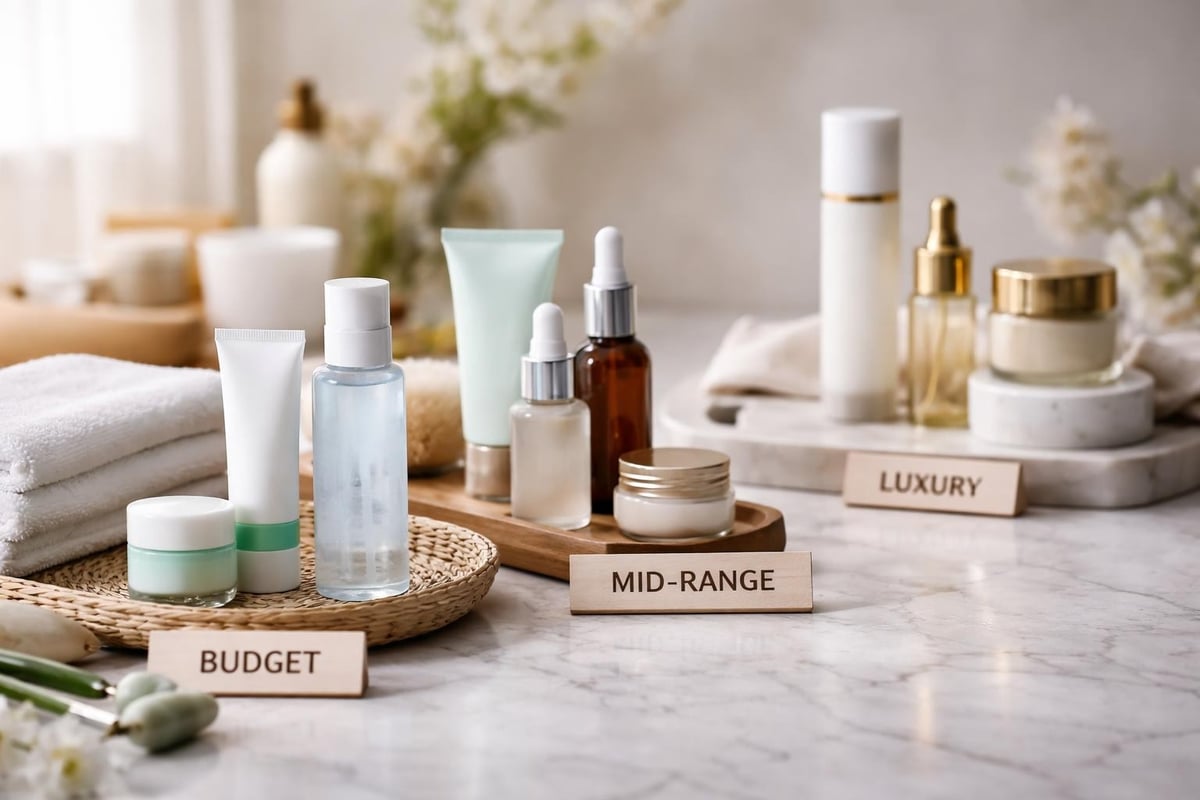
Price doesn't always correlate with effectiveness, and skin product reviews can help you identify whether expensive products justify their cost or if affordable alternatives perform just as well.
Many reviewers compare products at different price points, offering valuable insights into whether spending more on beauty and skincare is worthwhile. This perspective is particularly helpful when you're building a routine on a budget.
| Price Category | When to Invest | When to Save |
|---|---|---|
| Budget (Under £15) | Cleansers, toners, basic moisturisers | Most products work well here |
| Mid-Range (£15-40) | Targeted treatments, quality serums | Good balance of efficacy and value |
| Premium (£40+) | Specialised treatments, concentrated actives | Only if unique ingredients justify cost |
Reviews often reveal that inexpensive skin care can be just as effective as premium options, especially when formulations focus on proven ingredients rather than fancy packaging.
The Rise of K-Beauty and Global Skincare Reviews
The skincare world has expanded beyond traditional Western brands, with Korean beauty products gaining massive popularity through enthusiastic reviews. These products often emphasize hydration, gentle formulations, and innovative ingredients.
Korean skincare brands have earned their reputation through consistent positive reviews highlighting their focus on skin health over quick fixes. However, it's important to note that not all K-beauty products are vegan or cruelty-free, so reviews should be combined with ingredient research.
The global nature of skincare reviews means you can learn from experiences across different climates, water qualities, and cultural approaches to beauty. This diversity enriches your understanding of how products might perform in your specific context.
Reviewing the Reviewers: Finding Reliable Sources
Not all review platforms are equally trustworthy. Some sources maintain rigorous standards, while others allow unverified or incentivized reviews to dominate.
Most reliable review sources:
- Independent beauty blogs with disclosed partnerships
- Retailer sites that verify purchases
- Dermatologist-backed platforms
- Community forums with active moderation
- YouTube reviewers who purchase products themselves
Professional sources with editorial standards, similar to evidence-based skincare information platforms, offer another layer of credibility. These sites review products through both scientific and practical lenses.
Video Reviews vs. Written Reviews
Video reviews offer visual proof of texture, application, and immediate effects, while written reviews often provide more detailed long-term observations. Both formats have value, and the best approach is consuming a mixture of both.
Video reviews excel at showing:
- Product texture and consistency
- Application techniques
- Immediate skin appearance changes
- Packaging and size perspective
Written reviews typically offer:
- Detailed ingredient analysis
- Long-term results (weeks or months of use)
- Comparisons with similar products
- Easier searchability for specific concerns
Ethical Considerations in Skin Product Reviews
For conscious consumers, skin product reviews should address more than just effectiveness. Ethical considerations including animal testing policies, sustainability practices, and ingredient sourcing are increasingly important factors.
When reading reviews for vegan and natural products, look for mentions of:
- Cruelty-free certifications and company policies
- Packaging sustainability (recyclable, refillable, minimal)
- Ingredient transparency and sourcing
- Company values and charitable initiatives
- Fair trade and ethical labour practices
Reviews that discuss these aspects help you align your skincare choices with your values. Vegan skin care products often receive detailed reviews from ethically-minded consumers who share these priorities.

Category-Specific Review Strategies
Different product categories require different review approaches. What matters for a cleanser differs significantly from what's important in a treatment serum or moisturiser.
Cleansers
Reviews should address:
- How thoroughly it removes makeup and sunscreen
- Whether it strips or maintains skin's moisture barrier
- Suitable skin types
- Fragrance intensity
- Residue or film feeling
Moisturisers
Key review elements include:
- Texture and absorption speed
- Hydration duration
- Compatibility with makeup
- Performance in different climates
- Whether it pills under other products
Treatments and Serums
Focus on reviews mentioning:
- Specific results timeline
- Concentration of active ingredients
- Layering compatibility
- Stability and packaging (especially for vitamin C)
- Any purging or adjustment period
When exploring specific categories like eye cream vegan options, look for reviews from people with similar concerns, whether that's dark circles, fine lines, or puffiness.
How to Write Helpful Skin Product Reviews Yourself
Contributing your own reviews helps the community and strengthens your ability to evaluate products critically. Well-written reviews follow a structure that provides maximum value to readers.
Essential elements of useful reviews:
- Introduction: Your skin type, concerns, and what you hoped this product would achieve
- First impressions: Packaging, scent, texture, and initial application experience
- Performance: Results after one week, one month, and three months if possible
- Comparison: How it compares to similar products you've tried
- Value assessment: Whether the price reflects the performance
- Recommendation: Who would benefit most from this product
Being honest about both positives and negatives makes your review credible. If a product didn't work for you but might suit others, explain why.
Regional Considerations for UK Skincare Shoppers
UK-based consumers face unique factors that should influence which skin product reviews they prioritize, including climate, water hardness, and product availability.
British weather's impact on skincare needs means reviews from other UK users are particularly relevant. What works in dry climates might be too heavy for our humid conditions, while products perfect for Mediterranean skin might not provide enough protection against British winter.
When researching best UK skincare brands, prioritize reviews from users in similar climates. Water hardness also affects how cleansers perform, making local reviews especially valuable for these products.
The Future of Skin Product Reviews
Technology is transforming how we create and consume skincare reviews. Artificial intelligence, augmented reality, and personalized recommendations are changing the landscape.
Emerging trends include:
- AI-powered ingredient analysis matching reviews with your skin profile
- Virtual try-on technology showing potential results
- Blockchain verification for authentic reviews
- Community-driven ingredient databases
- Video reviews with skin analysis technology
Despite technological advances, genuine human experiences remain invaluable. The emotional and sensory aspects of skincare, from the ritual of application to how a product makes you feel, can't be replicated by algorithms alone.
Building Your Personal Review System
Developing a personal method for evaluating skin product reviews saves time and improves your decision-making. Create a simple framework that works for your priorities.
Sample evaluation criteria:
| Factor | Weight | What to Check |
|---|---|---|
| Ingredient quality | High | Natural, vegan, non-toxic ingredients |
| Skin type match | High | Reviews from similar skin types |
| Ethical standards | High | Cruelty-free, sustainable practices |
| Price value | Medium | Performance relative to cost |
| Brand reputation | Medium | Consistency across product range |
| Packaging | Low | Functionality and sustainability |
Adapt this framework to your priorities. If you have extremely sensitive skin, compatibility might outweigh price considerations. If sustainability is paramount, packaging and company practices might be your top criteria.
Trusting Your Skin's Unique Response
While skin product reviews provide valuable guidance, remember that your skin is unique. Even the most glowing reviews don't guarantee a product will work for you, and products with mixed reviews might become your holy grail items.
Use reviews as one tool in your decision-making process, alongside:
- Patch testing new products
- Introducing one product at a time
- Keeping a skincare journal
- Consulting dermatologists for persistent concerns
- Listening to your skin's feedback
The best skincare routine is the one that works for your individual needs, budget, and values. Reviews illuminate the path, but you ultimately decide which direction to take.
Making informed skincare decisions becomes much easier when you know how to evaluate and use skin product reviews effectively. By combining review insights with ingredient knowledge and awareness of your unique skin needs, you can build a routine that truly works. If you're searching for transparent, effective, and ethically produced skincare, White Rabbit Skin Care offers a carefully curated range of vegan and natural products designed for various skin types, all backed by a commitment to cruelty-free practices and sustainable beauty. Explore their collection and discover skincare that aligns with both your skin's needs and your values.