

Skin Creams: Your Guide to Natural & Vegan Options
When it comes to caring for your skin, the sheer variety of products available can feel overwhelming. Skin creams remain one of the most essential elements of any skincare routine, offering hydration, protection, and targeted treatment for specific concerns. Whether you're dealing with dryness, sensitivity, or simply want to maintain healthy skin, understanding what goes into these formulations and how to choose the right ones can transform your skincare journey. In 2026, the shift towards natural and vegan options has never been stronger, with more people seeking products that are kind to both their skin and the planet.
Understanding Different Types of Skin Creams
The world of skin creams extends far beyond simple moisturisers. Each type serves a unique purpose in your skincare routine.
Day Creams and Night Creams
Day creams typically feature lighter textures designed to sit comfortably under makeup whilst providing essential hydration and sun protection. These formulations often contain antioxidants to shield your skin from environmental stressors throughout the day.
Night creams, conversely, tend to be richer and more intensive. They work whilst you sleep, supporting your skin's natural repair processes with nourishing ingredients that might be too heavy for daytime wear.
- Day creams: Lightweight, often with SPF, quick-absorbing
- Night creams: Rich, deeply nourishing, repair-focused
- Both types: Essential for complete skincare coverage
Specialised Treatment Creams
Beyond basic moisturisation, many skin creams target specific concerns. Eye creams address the delicate area around your eyes, where signs of ageing often appear first. Hand creams provide intensive moisture for frequently washed hands, whilst body creams offer hydration for larger areas.
The variety of skin care product ingredients available today means you can find formulations tailored to almost any concern, from hyperpigmentation to fine lines.
Key Ingredients in Natural and Vegan Skin Creams
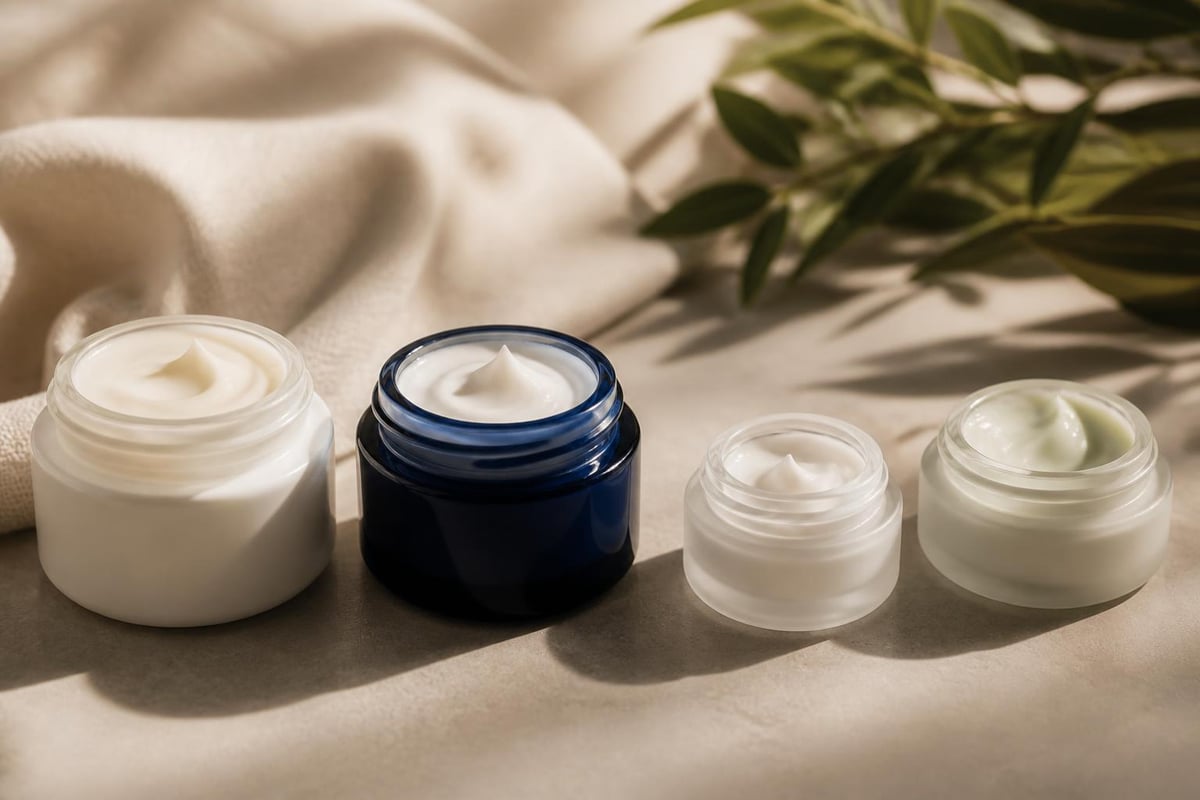
The ingredient list on your skin creams tells you everything you need to know about how they'll perform. Natural and vegan formulations rely on plant-based ingredients that deliver powerful benefits without animal-derived components.
Plant-Based Hydrators
Natural oils form the backbone of many vegan skin creams. Jojoba oil closely mimics your skin's natural sebum, making it suitable for all skin types. Rosehip oil brings vitamin A to support cell turnover, whilst argan oil provides antioxidant protection.
Plant butters like shea and cocoa offer intense moisture for dry skin. These ingredients create a protective barrier that locks in hydration without feeling greasy.
Hyaluronic acid, whilst synthetic in many formulations, can be derived from plant sources. This molecule holds up to 1000 times its weight in water, making it a superstar ingredient for plump, hydrated skin.
| Ingredient Type | Examples | Primary Benefits |
|---|---|---|
| Natural Oils | Jojoba, Rosehip, Argan | Balance, Repair, Protect |
| Plant Butters | Shea, Cocoa, Mango | Deep Moisture, Barrier Support |
| Botanical Extracts | Chamomile, Green Tea, Aloe | Soothe, Calm, Antioxidant |
| Natural Acids | Hyaluronic, Lactic | Hydrate, Gentle Exfoliation |
Active Botanical Ingredients
Plant extracts bring targeted benefits to skin creams. Chamomile calms irritation, green tea provides antioxidant protection, and calendula supports healing. These botanicals work gently yet effectively, making them ideal for sensitive skin.
For those interested in exploring all natural skin products, understanding these ingredients helps you make informed choices about what you're putting on your skin.
Choosing Skin Creams for Your Skin Type
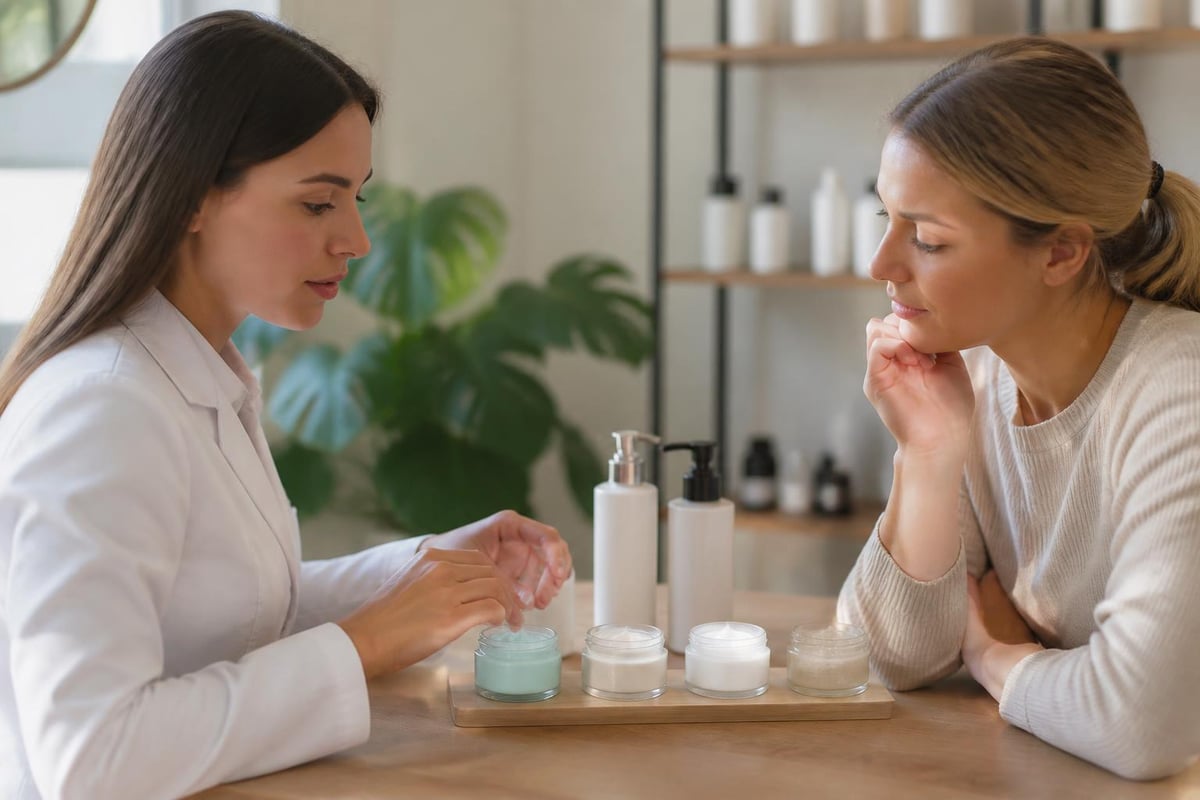
Your skin type determines which formulations will work best for you. The right skin creams should complement your skin's natural characteristics rather than fighting against them.
Dry and Sensitive Skin
If your skin feels tight, flaky, or easily irritated, you need rich, nourishing skin creams. Look for formulations with:
- High concentrations of plant butters and oils
- Ceramides or their plant-based equivalents to repair your skin barrier
- Soothing ingredients like oat extract or calendula
- Fragrance-free options to minimise irritation risk
According to NHS guidance on emollients, regular application of moisturising creams is essential for managing dry skin conditions.
Oily and Combination Skin
Oily skin still needs moisture, but the wrong skin creams can exacerbate shine and clogged pores. Choose lightweight, non-comedogenic formulations that hydrate without heaviness.
Gel-cream textures work beautifully for oily skin, providing hydration whilst absorbing quickly. Ingredients like niacinamide help regulate oil production, whilst hyaluronic acid hydrates without adding oil.
For combination skin, you might use different skin creams on different areas of your face, applying richer formulas to dry patches and lighter ones to your T-zone.
Normal Skin
Even balanced skin benefits from regular use of skin creams to maintain its healthy state. Look for well-rounded formulations with antioxidants, hydrators, and skin-identical ingredients that support your skin's natural functions.
Those seeking glowing skin care products will find that consistent use of the right cream helps maintain that coveted healthy radiance.
The Vegan Advantage in Skin Creams
Choosing vegan skin creams offers benefits beyond ethical considerations. Plant-based formulations often prove gentler and more sustainable than their conventional counterparts.
Why Vegan Matters
Traditional skin creams frequently contain animal-derived ingredients like lanolin, beeswax, or collagen. Vegan alternatives use plant-based ingredients that perform just as well, if not better.
- Candelilla wax replaces beeswax with identical texture-building properties
- Plant collagen from sources like sea kelp supports skin structure
- Vegetable glycerin provides humectant benefits without animal sources
Cruelty-Free Commitment
Vegan skin creams align with cruelty-free values, meaning no animal testing at any stage of production. This ethical approach resonates with consumers who want their beauty routines to reflect their values.
The rise of vegan Korean skincare demonstrates how plant-based formulations can deliver exceptional results whilst maintaining high ethical standards.
Application Techniques for Maximum Benefits
Even the best skin creams won't deliver optimal results if applied incorrectly. Proper application enhances absorption and effectiveness.
Morning Application
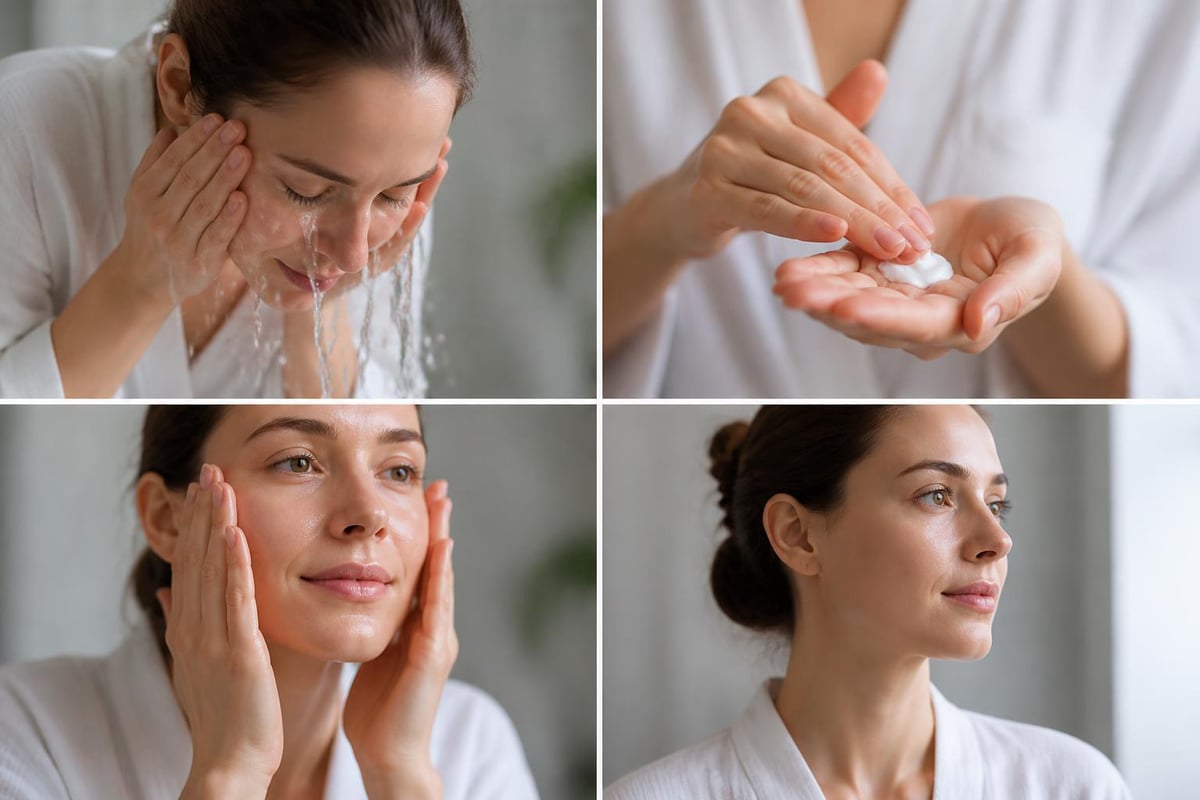
Start with freshly cleansed skin. Apply your day cream using these steps:
- Dispense a pea-sized amount for your face
- Warm the cream between your palms
- Press gently into your skin using upward motions
- Allow a few minutes to absorb before makeup application
- Don't forget your neck and décolletage
Layering matters. Apply lighter products first, moving to heavier skin creams. This ensures each layer can penetrate properly.
Evening Routine
Night-time is when your skin repairs itself most actively. Make the most of this by:
- Applying skin creams to slightly damp skin to lock in moisture
- Using gentle upward strokes to prevent tugging
- Taking time to massage the product in, promoting circulation
- Being generous with application since you won't wear makeup over it
The Cleveland Clinic's guidance on skin care emphasizes the importance of consistency in your routine for visible results.
Reading Labels and Avoiding Harmful Ingredients
Understanding what's in your skin creams empowers you to make better choices. Not all ingredients are created equal, and some commonly used ones may not align with natural or vegan values.
Red Flags to Watch For
Certain ingredients appear frequently in conventional skin creams but offer questionable benefits:
| Ingredient to Avoid | Why | Natural Alternative |
|---|---|---|
| Parabens | Hormone disruptors | Plant extracts, vitamin E |
| Mineral Oil | Petroleum-based, may clog pores | Plant oils (jojoba, argan) |
| Synthetic Fragrance | Potential irritants | Essential oils, natural fragrances |
| PEGs | Processing concerns | Plant-based emulsifiers |
Certification Marks
Look for certifications that verify claims. The Vegan Society trademark, Leaping Bunny certification, and organic certifications provide assurance that skin creams meet specific standards.
For those exploring best non-toxic skincare brands, these certifications serve as helpful guideposts in your search for clean formulations.
Seasonal Adjustments to Your Skin Cream Routine
Your skin's needs change throughout the year, and your choice of skin creams should adapt accordingly.
Winter Skin Care
Cold weather and indoor heating strip moisture from your skin. During winter months:
- Switch to richer, more emollient skin creams
- Apply more frequently, especially to exposed areas
- Consider adding facial oils beneath your cream for extra protection
- Don't skip SPF even on grey days
Summer Considerations
Warmer weather calls for lighter formulations. Summer skin creams should:
- Absorb quickly without leaving residue
- Include higher SPF protection
- Control shine if you're prone to oiliness
- Provide hydration without feeling heavy
Transition seasons like spring and autumn might require mixing textures, using richer creams at night and lighter ones during the day.
Building a Complete Routine Around Skin Creams
Skin creams work best as part of a comprehensive routine rather than in isolation. Understanding how they fit into the bigger picture helps you achieve better results.
The Essential Steps
A complete routine typically follows this order:
- Cleanse: Remove impurities and prepare skin
- Tone: Balance pH and prep for absorption
- Treat: Apply serums or targeted treatments
- Moisturise: Lock everything in with your chosen skin creams
- Protect: Add SPF during daytime
Complementary Products
Cleansers and toners create the perfect canvas for your skin creams to work effectively. Quality cleansers remove debris without stripping natural oils, whilst toners restore balance and enhance absorption.
The synergy between products matters more than individual star ingredients. A well-formulated basic cream often outperforms expensive products when used as part of a thoughtful routine.
Budget-Friendly Approaches to Quality Skin Creams
Effective skincare needn't break the bank. Smart strategies help you access quality skin creams regardless of budget constraints.
Value Over Volume
Rather than buying numerous products, invest in fewer, better-quality skin creams that truly suit your skin. One excellent moisturiser often outperforms five mediocre ones.
Sample sizes let you test products before committing to full sizes. Many brands offer discovery sets that provide excellent value whilst helping you find your perfect match.
When to Splurge and When to Save
Some skin creams justify premium prices through superior formulations or concentrations. Others charge mainly for packaging and marketing.
Generally, invest more in:
- Products with high concentrations of active ingredients
- Formulations for specific concerns like ageing or hyperpigmentation
- Brands with transparent ingredient sourcing
You can save on:
- Basic daily moisturisers with simple ingredient lists
- Body creams where large quantities are needed
- Products where natural alternatives exist
Those seeking inexpensive skin care brands will find that budget-friendly doesn't mean compromising on quality or ethics.
Common Mistakes When Using Skin Creams
Even with the best products, certain habits can sabotage your results. Avoiding these pitfalls helps you get the most from your skin creams.
Over-Application
More isn't always better with skin creams. Using too much product can:
- Overwhelm your skin's absorption capacity
- Leave greasy residue
- Waste product and money
- Potentially clog pores
The right amount is typically pea-sized for your face, slightly more for neck and chest.
Inconsistent Use
Skin creams need regular application to deliver results. Sporadic use won't give ingredients time to work their magic. Harvard Health's research on skin care emphasizes that consistency matters more than expensive products.
Ignoring Your Skin's Feedback
Your skin communicates clearly if a product isn't working. Signs like increased sensitivity, breakouts, or irritation mean it's time to reassess your skin creams.
Listen to your skin and be willing to adjust your routine as needed. What worked last year might not suit your current needs.
Storage and Shelf Life of Skin Creams
Proper storage extends the life of your skin creams and maintains their effectiveness. Natural and vegan formulations particularly benefit from careful handling.
Optimal Storage Conditions
Keep your skin creams:
- Away from direct sunlight and heat
- In a cool, dry place (bathroom cabinets often aren't ideal due to humidity)
- Tightly sealed to prevent oxidation
- Away from temperature fluctuations
Jar packaging requires extra care. Use a clean spatula rather than fingers to prevent introducing bacteria.
Recognising When to Replace
Natural skin creams typically have shorter shelf lives than conventional ones due to gentler preservation systems. Watch for:
- Changes in colour or texture
- Separation that doesn't resolve with mixing
- Off odours
- Expiry dates on packaging
Most skin creams last 12-18 months unopened and 6-12 months after opening, though this varies by formulation.
The Future of Skin Creams
Innovation in skincare continues to evolve, with exciting developments on the horizon for natural and vegan skin creams.
Emerging Ingredients
New plant-based discoveries enter the market regularly. Adaptogens, probiotics, and innovative botanical extracts offer fresh approaches to skin health. These ingredients work with your skin's natural processes rather than against them.
Sustainable Packaging
The skincare industry increasingly recognises that what contains your skin creams matters as much as what's inside them. Refillable containers, biodegradable packaging, and plastic-free alternatives reduce environmental impact whilst maintaining product integrity.
Personalisation Technology
Advanced formulation techniques allow for increasingly customised skin creams. Some brands now offer personalised blends based on detailed skin analysis, ensuring you receive exactly what your skin needs.
Making the Switch to Natural Skin Creams
Transitioning from conventional to natural skin creams requires patience and understanding. Your skin may need time to adjust to new formulations.
The Adjustment Period
Some people experience a "purging" phase when switching products. This temporary reaction as your skin adjusts typically resolves within a few weeks. During this time:
- Introduce new skin creams gradually
- Patch test before full application
- Keep your routine simple
- Give products at least four weeks to show results
Finding Your Perfect Match
Discovering ideal skin creams often involves some trial and error. Don't be discouraged if the first product you try isn't perfect. Shopping by skin type helps narrow options and increases your chances of finding suitable formulations quickly.
Keep notes on how different products perform. This creates a helpful reference for future purchases and helps you identify patterns in what works for your skin.
Choosing the right skin creams transforms your skincare routine from a chore into a nurturing ritual that supports your skin's health and natural beauty. With knowledge about ingredients, application techniques, and how to match products to your unique needs, you're empowered to make confident decisions about what you put on your skin. White Rabbit Skin Care offers thoughtfully formulated vegan and natural skin creams designed to nourish all skin types whilst honouring your commitment to cruelty-free, sustainable beauty. Explore their range of moisturisers and discover how plant-based skincare can deliver the results you've been seeking.