

Skin Care with No Chemicals: Natural Beauty Guide 2026
The quest for skin care with no chemicals has become increasingly popular as more people seek gentler, more natural approaches to their beauty routines. However, it's important to understand that everything is technically made of chemicals, including water and natural plant oils. What most people actually mean when they search for skin care with no chemicals is products free from synthetic compounds, harsh additives, and potentially harmful ingredients. This guide explores how you can embrace truly natural, plant-based skincare that nourishes your skin using ingredients you can recognise and trust.
Understanding What 'Chemical-Free' Really Means
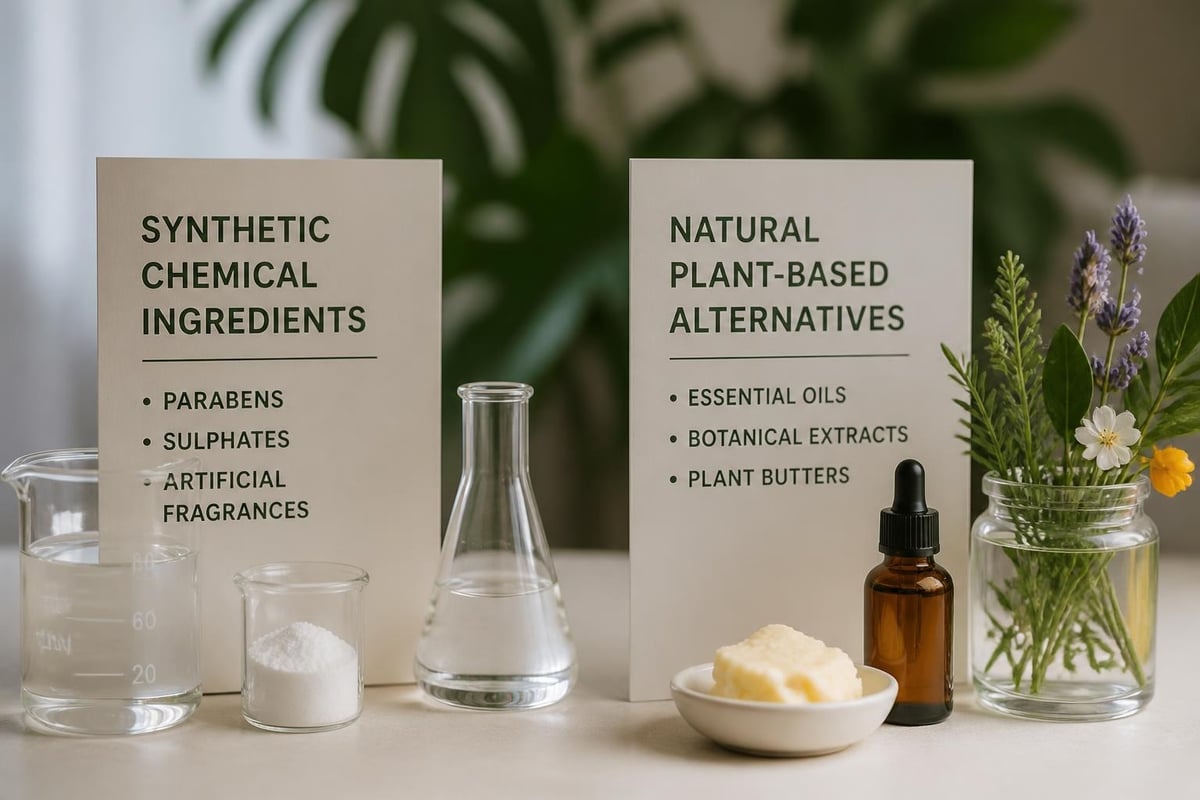
When we talk about skin care with no chemicals, we're actually referring to products formulated without synthetic chemicals, artificial preservatives, and laboratory-created compounds. The conversation around chemicals in skincare deserves a balanced perspective, as not all synthetic ingredients are harmful and not all natural ones are safe.
The term 'chemical-free' is scientifically inaccurate, but it serves as useful shorthand for:
- Products without synthetic fragrances
- Formulations free from parabens and sulphates
- Skincare without artificial colours or dyes
- Beauty products made without petrochemicals
- Cosmetics without phthalates and formaldehyde
What people truly want are clean beauty products made predominantly from natural, plant-derived ingredients that work in harmony with skin rather than against it.
The Natural Alternative
Natural skincare harnesses ingredients that have been used for centuries. These include botanical extracts, essential oils, plant butters, and naturally occurring vitamins. Research into aromatic plants in cosmeceuticals demonstrates how effective these natural ingredients can be for promoting genuine skin health.
Benefits of Choosing Natural Skincare
Switching to skin care with no chemicals offers numerous advantages for your skin, overall health, and the environment. Natural formulations work with your skin's biology rather than disrupting it.
| Benefit Category | Natural Skincare Advantage | Why It Matters |
|---|---|---|
| Skin Health | Gentle, non-irritating formulas | Reduces inflammation and sensitivity |
| Environmental | Biodegradable ingredients | Less water pollution and ecosystem damage |
| Ethical | Often cruelty-free and vegan | Aligns with compassionate values |
| Long-term Safety | No hormone disruptors | Better for reproductive and overall health |
Your Skin Absorbs What You Apply
Your skin is your largest organ, and it absorbs a significant portion of what you put on it. Studies suggest that women absorb approximately 2kg of chemicals from cosmetics annually. By choosing the best non-toxic skin care, you reduce your body's toxic load considerably.
Natural ingredients provide nutrients your skin recognises and can use efficiently. Plant oils contain fatty acids similar to those in human skin, making them exceptionally compatible. Botanical extracts offer antioxidants, vitamins, and minerals in forms your body readily absorbs.
Key Natural Ingredients for Effective Skincare
Understanding which natural ingredients work best for skin care with no chemicals helps you make informed choices about your beauty routine.
Plant Oils and Butters
These form the foundation of many natural skincare products:
- Rosehip oil: Rich in vitamins A and C, promotes skin regeneration
- Jojoba oil: Closely mimics skin's natural sebum, balances oil production
- Coconut oil: Antimicrobial properties, deeply moisturising
- Shea butter: Intensely nourishing, contains vitamins E and A
- Avocado oil: Packed with fatty acids and antioxidants
The benefits of plant-based oils for face care extend beyond simple moisture. These oils deliver active compounds that support skin repair and protection.
Botanical Extracts and Essential Oils
Concentrated plant extracts provide targeted benefits without synthetic actives. Natural products in cosmetics have demonstrated remarkable effectiveness across various skin concerns.
Popular botanical extracts include:
- Green tea: Powerful antioxidant, anti-inflammatory
- Chamomile: Soothing, reduces redness
- Calendula: Healing, gentle on sensitive skin
- Aloe vera: Hydrating, calming
- Rose: Toning, balancing for all skin types
Essential oils add therapeutic benefits and natural fragrance. Lavender calms irritation, tea tree fights blemishes, and frankincense supports mature skin.
Building Your Natural Skincare Routine
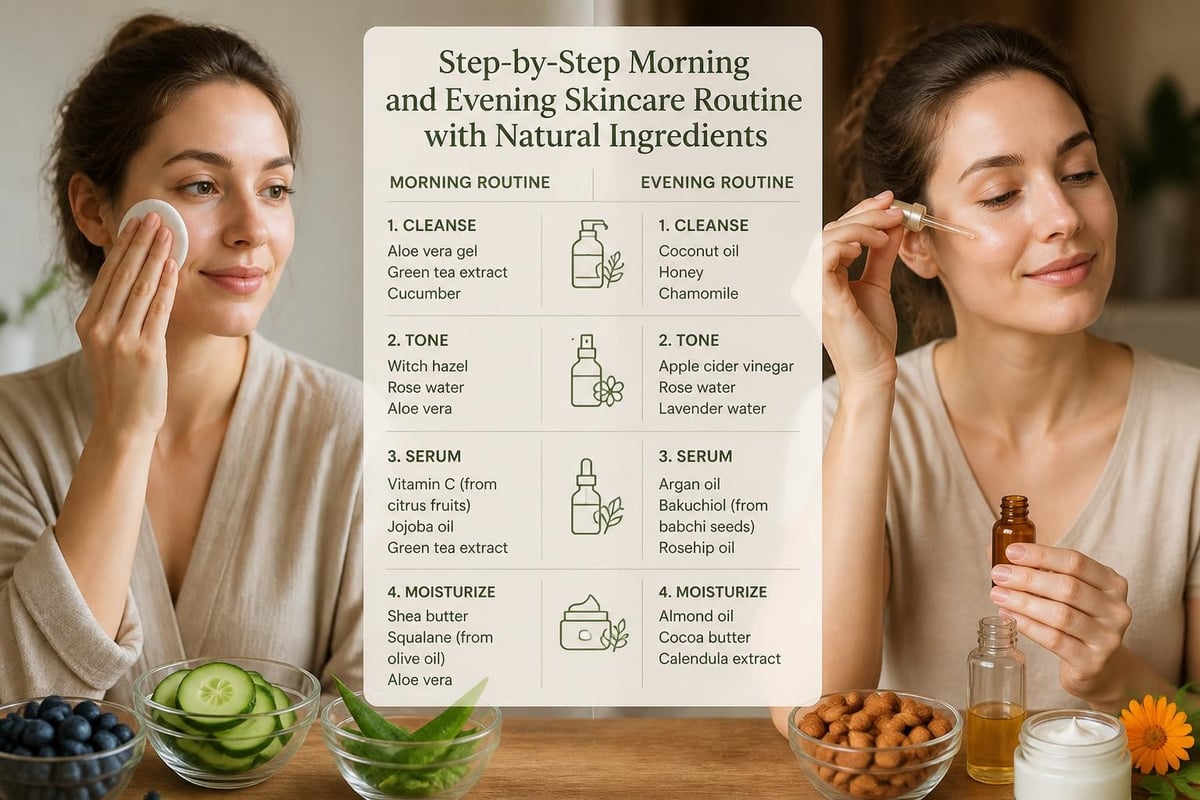
Creating an effective skin care with no chemicals routine doesn't require dozens of products. Simplicity often works best, allowing each ingredient to perform its function without interference.
Morning Routine Essentials
Start your day with these fundamental steps:
- Gentle cleansing: Use a plant-oil based cleanser to remove overnight sebum without stripping skin
- Toning: Apply a hydrosol or botanical toner to balance pH
- Serum: Choose a lightweight oil blend targeting your specific concerns
- Moisturising: Seal everything with a nourishing day cream
For those with sensitive skin, keeping routines minimal prevents overwhelm and reduces reaction risk.
Evening Routine for Repair
Night time is when skin regenerates most actively:
- Deep cleansing: Remove makeup and daily pollutants thoroughly
- Treatment: Apply concentrated serums or facial oils
- Rich moisturising: Use a more intensive night cream
- Eye care: Don't forget the delicate eye area
The best face care products work synergistically, each layer supporting the next.
Natural Solutions for Different Skin Types
Skin care with no chemicals can be tailored precisely to your skin's unique needs through careful ingredient selection.
Dry Skin Formulations
Dry skin craves rich, nourishing ingredients:
- Heavier plant butters (shea, cocoa, mango)
- Omega-rich oils (avocado, argan, evening primrose)
- Humectants like hyaluronic acid (yes, it's natural!)
- Soothing botanicals (calendula, marshmallow root)
Products specifically designed for dry skin care focus on deep hydration and barrier repair.
Oily and Combination Skin
Oily skin benefits from balancing rather than stripping:
| Skin Need | Natural Ingredient | How It Helps |
|---|---|---|
| Oil control | Jojoba oil | Signals skin to produce less sebum |
| Pore refinement | Witch hazel | Natural astringent properties |
| Blemish fighting | Tea tree oil | Antimicrobial without harsh chemicals |
| Lightweight hydration | Aloe vera | Moisture without heaviness |
Sensitive and Reactive Skin
Those seeking gentle skin products should focus on minimal, calming formulations. Fewer ingredients mean fewer potential irritants.
Best ingredients for sensitive skin:
- Chamomile extract
- Oat-based ingredients
- Cucumber
- Rose water
- Coconut derivatives
The Science Behind Natural Skincare Efficacy
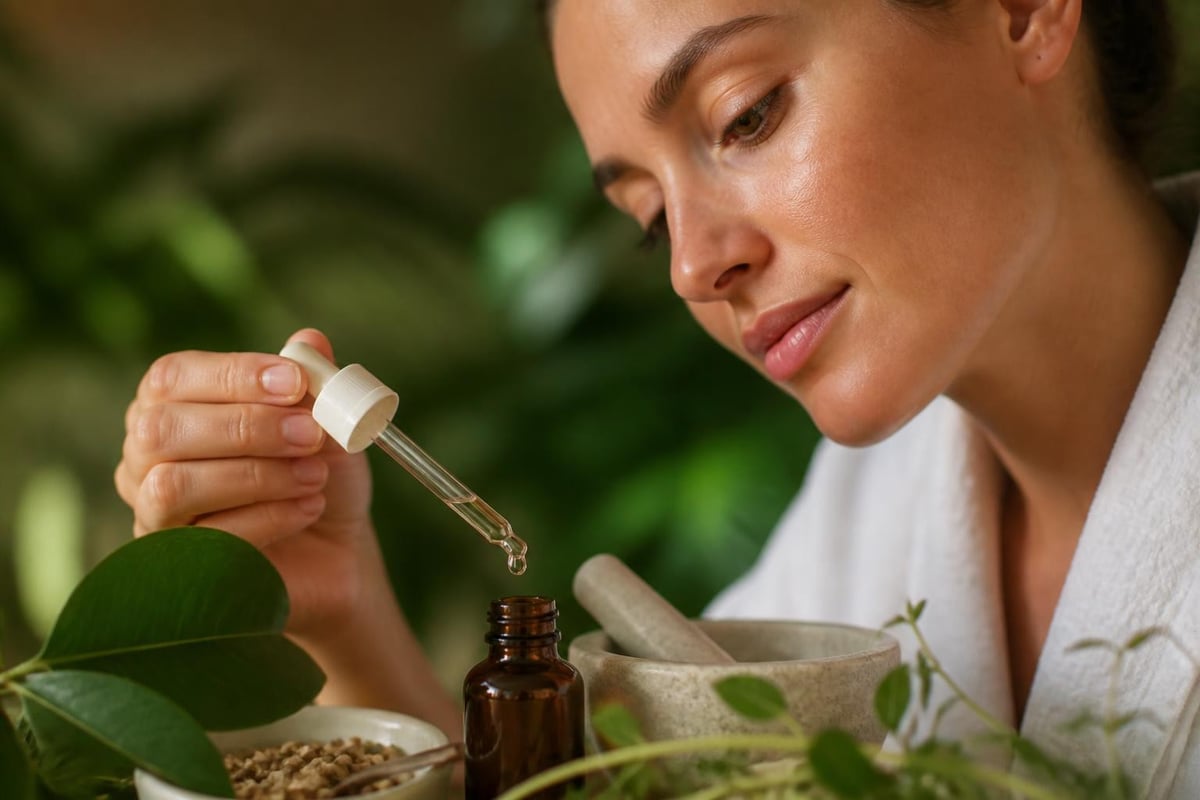
Modern research increasingly validates traditional beauty wisdom. Novel sources of natural active compounds for skin protection demonstrate that plant-based skincare isn't just gentle; it's genuinely effective.
How Natural Ingredients Work
Natural skincare ingredients function through multiple mechanisms simultaneously. Rather than targeting one pathway like many synthetic actives, botanical compounds offer complex benefits.
For example, rosehip oil doesn't just moisturise. It delivers vitamin C for brightness, vitamin A for cell turnover, and essential fatty acids for barrier repair. This multi-action approach makes skin care with no chemicals remarkably efficient.
Evidence-Based Natural Beauty
Recent studies on sustainable ingredients like labdanum resin reveal impressive cosmeceutical bioactivities in natural substances. These findings support what traditional herbalists have known for generations.
Natural ingredients contain hundreds of compounds working synergistically. This complexity often makes them more effective than isolated synthetic versions of single compounds.
Transitioning to Natural Skincare
Making the switch to skin care with no chemicals requires patience and realistic expectations. Your skin needs time to adjust, especially if you've used conventional products for years.
What to Expect During Transition
Week 1-2: Adjustment phase
- Some people experience a "purging" period
- Skin may feel different as it recalibrates
- Oil production might temporarily increase or decrease
Week 3-4: Stabilisation
- Skin begins finding its natural balance
- Texture improvements become noticeable
- Reduced sensitivity and irritation
Month 2-3: True results
- Complexion appears healthier overall
- Long-term benefits become apparent
- Skin functions more independently
Reading Labels Effectively
Understanding ingredient lists helps you identify truly natural products:
- INCI names: Familiarise yourself with botanical Latin names
- Order matters: Ingredients are listed by concentration
- Recognisable components: Can you imagine the source?
- Preservative systems: Natural options include vitamin E, rosemary extract
- Fragrance source: "Parfum" is synthetic; look for essential oils
The importance of authenticity in natural skincare brands cannot be overstated when making purchasing decisions.
Vegan Natural Skincare
Skin care with no chemicals aligns perfectly with vegan values. Plant-based beauty avoids animal-derived ingredients whilst delivering exceptional results.
Common Animal Ingredients to Avoid
Many conventional skincare products contain animal derivatives:
- Lanolin (sheep wool grease)
- Collagen (from animal connective tissue)
- Keratin (from animal hair, horns, hooves)
- Carmine (crushed beetles for colour)
- Beeswax and honey
Plant-Based Alternatives
Vegan formulations use effective botanical substitutes:
- Candelilla or carnauba wax instead of beeswax
- Plant-based squalane from olives rather than shark liver
- Phytoceramides instead of animal-derived ceramides
- Plant collagen from ingredients like sea kelp
Vegan face lotions prove you don't need animal ingredients for luxurious, effective skincare.
DIY Natural Skincare: Opportunities and Limitations
Creating your own skin care with no chemicals at home appeals to many people seeking ultimate control over ingredients.
Simple Recipes Worth Trying
Some natural skincare preparations work beautifully when homemade:
Gentle face oil blend:
- 30ml jojoba oil
- 10ml rosehip oil
- 5 drops lavender essential oil
- 3 drops frankincense essential oil
Soothing face mist:
- 50ml rose water
- 50ml witch hazel
- 5 drops chamomile essential oil
When to Choose Professional Formulations
However, certain aspects of skincare require professional expertise:
| DIY Suitable | Better Professional |
|---|---|
| Simple oil blends | Emulsified creams and lotions |
| Facial mists | Preserved water-based products |
| Body scrubs | Anti-ageing serums |
| Hair masks | Eye creams |
Professional formulators understand stability, preservation, and ingredient interactions that ensure safety and efficacy. Best-rated skincare lines invest in proper formulation, testing, and quality control.
Sustainable and Ethical Considerations
Choosing skin care with no chemicals often means supporting more sustainable beauty practices. Natural ingredients typically have lower environmental impacts than synthetic ones.
Environmental Benefits
Natural skincare supports planetary health through:
- Biodegradable ingredients that don't pollute waterways
- Sustainable sourcing from renewable plant resources
- Reduced manufacturing emissions
- Packaging innovations using recycled or compostable materials
- Supporting organic farming practices
Supporting Ethical Brands
Look for companies demonstrating genuine commitment:
- Transparency: Full ingredient disclosure and sourcing information
- Certifications: Organic, vegan, cruelty-free validations
- Fair trade: Ethical ingredient sourcing supporting communities
- Local production: Reduced transportation emissions
- Giving back: Environmental or social responsibility programmes
The best UK skincare brands often lead in sustainability and ethical practices.
Common Myths About Natural Skincare
Despite growing popularity, skin care with no chemicals faces persistent misconceptions that deserve addressing.
Myth 1: Natural Means Ineffective
Reality: Natural ingredients can be extraordinarily potent. Plant compounds have evolved over millennia to protect against environmental stressors, properties that translate beautifully to skincare benefits.
Myth 2: Natural Products Don't Last
Reality: Whilst natural skincare may have shorter shelf lives than synthetic alternatives, proper formulation with natural preservatives ensures adequate stability. Most products remain effective for 6-12 months.
Myth 3: All Natural Ingredients Are Safe
Reality: Natural doesn't automatically equal safe for everyone. Essential oils can cause reactions in sensitive individuals. Patch testing remains important regardless of ingredient origin.
Myth 4: You Need Retinol for Anti-Ageing
Reality: Whilst retinol is effective, natural alternatives like rosehip oil, bakuchiol, and sea fennel offer similar benefits without potential irritation.
Myth 5: Natural Skincare Is Always Expensive
Reality: Whilst some natural brands command premium prices, many offer inexpensive skincare options that outperform conventional products. Simple formulations with fewer ingredients can actually cost less.
Special Considerations for Sensitive Skin
People with reactive or sensitive skin often benefit most from skin care with no chemicals. Synthetic fragrances, preservatives, and harsh cleansing agents are common irritants.
Identifying Your Triggers
Keep a skincare diary noting:
- Products used
- Application timing
- Any reactions (redness, itching, breakouts)
- Environmental factors (weather, stress, diet)
This helps identify specific ingredients causing problems. For comprehensive guidance, explore resources on products for sensitive face care.
Minimal Ingredient Lists
The fewer ingredients, the easier it is to identify and avoid triggers. Look for products with:
- Under 10 total ingredients
- No essential oils if you're extremely sensitive
- Single-oil formulations you can test individually
- Fragrance-free options using no added scent
Patch Testing Protocol
Always patch test new products, even natural ones:
- Apply small amount to inner forearm
- Wait 24-48 hours
- Check for redness, itching, or irritation
- Test on jawline next if arm test passes
- Wait another 24 hours before full face application
Making the Investment in Natural Skincare
Quality skin care with no chemicals represents an investment in your health, but it needn't break the budget.
Prioritising Your Purchases
If budget is limited, start with these essentials:
- Cleanser: Foundation of any routine
- Moisturiser: Protects and nourishes daily
- Facial oil: Versatile, can serve multiple purposes
- Sunscreen: Critical for long-term skin health
Add specialty items like serums and eye creams as budget allows.
Cost Per Use Calculation
Natural products often prove economical when you calculate cost per use:
- A 30ml facial oil lasting three months costs less per day than a coffee
- Multi-purpose products reduce total spending
- Better skin means less need for corrective treatments
- Quality ingredients mean smaller amounts work effectively
Sample and Travel Sizes
Many brands offer samples or travel kits, perfect for testing products before committing to full sizes.
Finding Trusted Natural Skincare Brands
With growing demand for skin care with no chemicals, the market has expanded dramatically. Identifying genuinely natural, effective brands requires discernment.
Certification and Verification
Look for recognised certifications:
- Soil Association Organic: UK's leading organic certification
- Vegan Society: Guarantees no animal ingredients or testing
- Cruelty-Free International: Leaping Bunny certification
- COSMOS: International organic and natural cosmetics standard
- Natrue: Natural and organic cosmetics certification
Brand Transparency Indicators
Trustworthy brands demonstrate openness through:
- Complete ingredient lists with explanations
- Sourcing information for key ingredients
- Manufacturing process details
- Third-party testing results
- Educational content about ingredients
Sensitive skin skincare brands that prioritise transparency earn customer trust and loyalty.
The Future of Natural Beauty
The movement towards skin care with no chemicals continues growing as consumers become more ingredient-conscious and environmentally aware.
Emerging Trends for 2026
Waterless formulations: Concentrated products reducing water waste and shipping emissions whilst delivering potent ingredients.
Upcycled ingredients: Beauty brands using byproducts from food industry, creating zero-waste skincare solutions.
Personalisation: Custom-blended natural formulations targeting individual skin needs precisely.
Biotechnology meets nature: Fermented ingredients and plant stem cells offering enhanced bioavailability and effectiveness.
The Growing Movement
More people recognise that conventional beauty standards and products come with hidden costs: environmental damage, animal suffering, and potential health impacts. Choosing natural alternatives represents voting with your wallet for better practices industry-wide.
Embracing skin care with no chemicals means choosing products that honour both your skin and the planet. Natural, plant-based ingredients offer genuine benefits without the concerns associated with synthetic compounds. Whether you're dealing with sensitivity, seeking vegan options, or simply want cleaner beauty choices, natural skincare provides effective solutions. White Rabbit Skin Care specialises in crafting vegan, natural skincare products using the finest botanical ingredients, offering everything from gentle cleansers to nourishing moisturisers tailored for your unique skin needs. Discover how truly natural beauty can transform your routine whilst supporting cruelty-free, sustainable practices.